Local fact sheet
Harrogate's homes, by the numbers
Harrogate in the 2021 census: 71,169 households, 82% houses, 17% flats.
Fairfax & Starbeck, Oatlands & Pannal, Valley Gardens & Central Harrogate and Bilton & Nidd Gorge all fall inside HG1 and HG2, the two districts covered. Detached houses are the largest group in Harrogate at 32.1%, with a further 4.3% of homes being flats carved out of former houses. Only the dwelling-type figures are quoted here: the tenure statistics published alongside them describe North Yorkshire as a whole, a different area, so putting the two side by side would mislead. Detached houses give the widest freedom over build-up height, though extensions and rear additions mean levels rarely match room to room. Flats inside converted houses raise the opposite question, since the joists carrying them also carry the ceiling of the dwelling underneath.
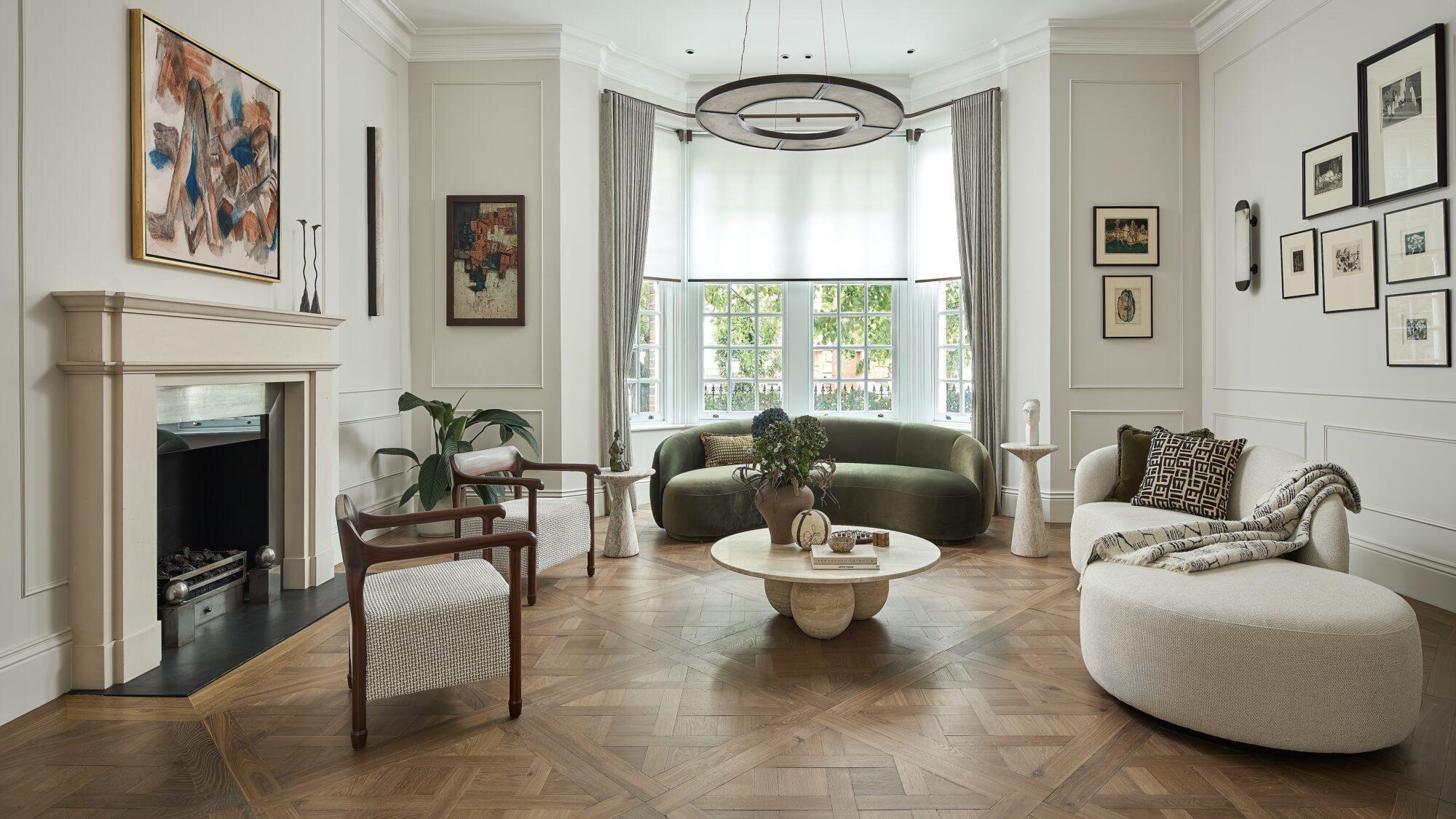
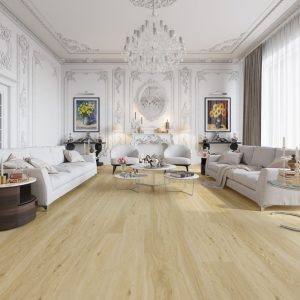
The housing in Harrogate leans large — roughly a third detached, a little under a third semi-detached — with a noticeable number of flats carved out of spa-era villas around Coppice Valley, Duchy and the Stray. Those villas have rooms of a scale that most modern housing does not, and scale changes what a floor should look like.
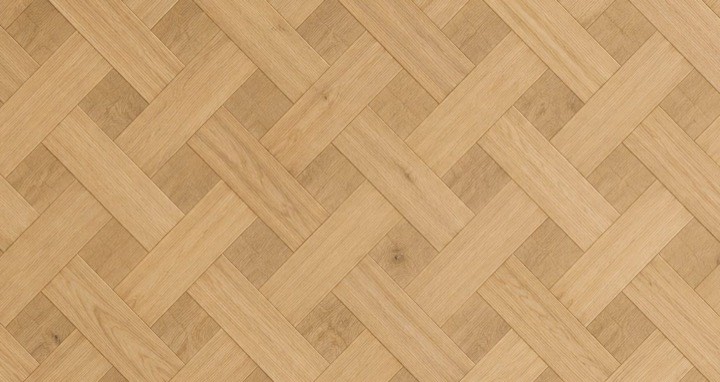
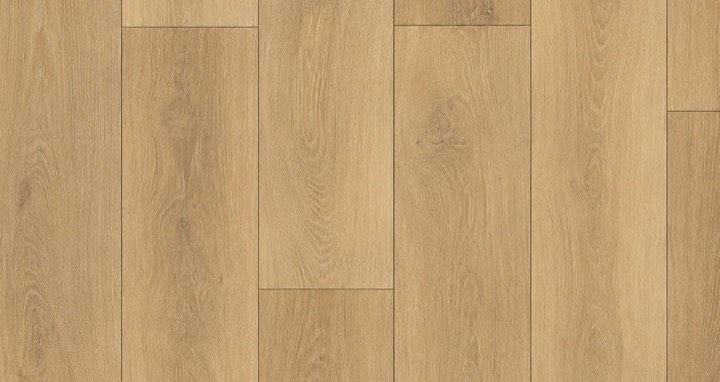
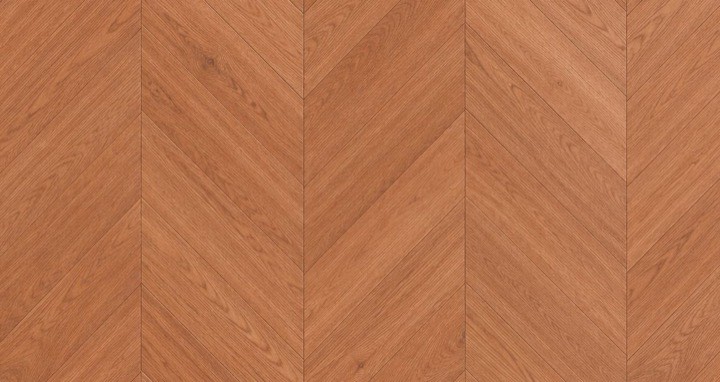
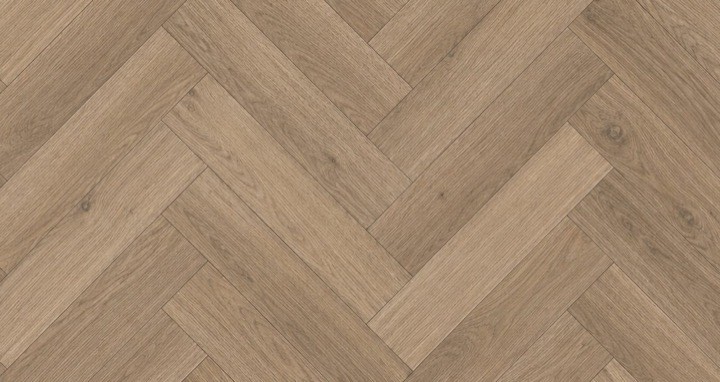
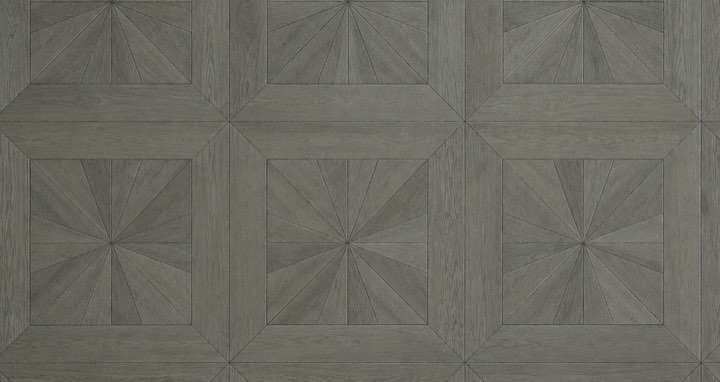
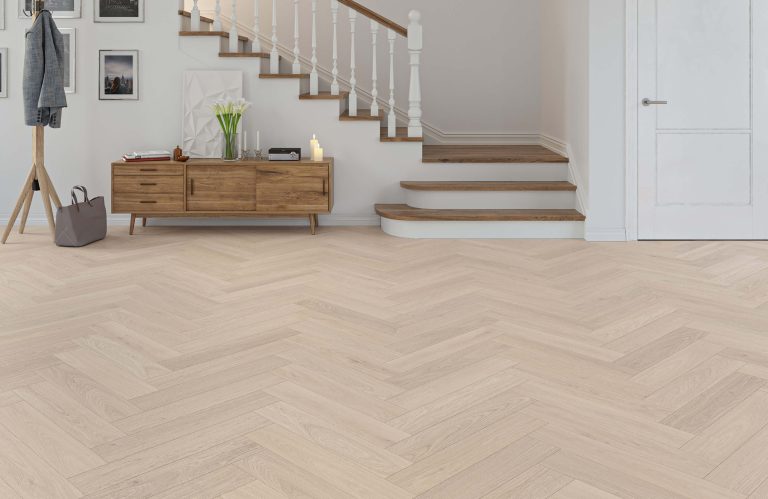
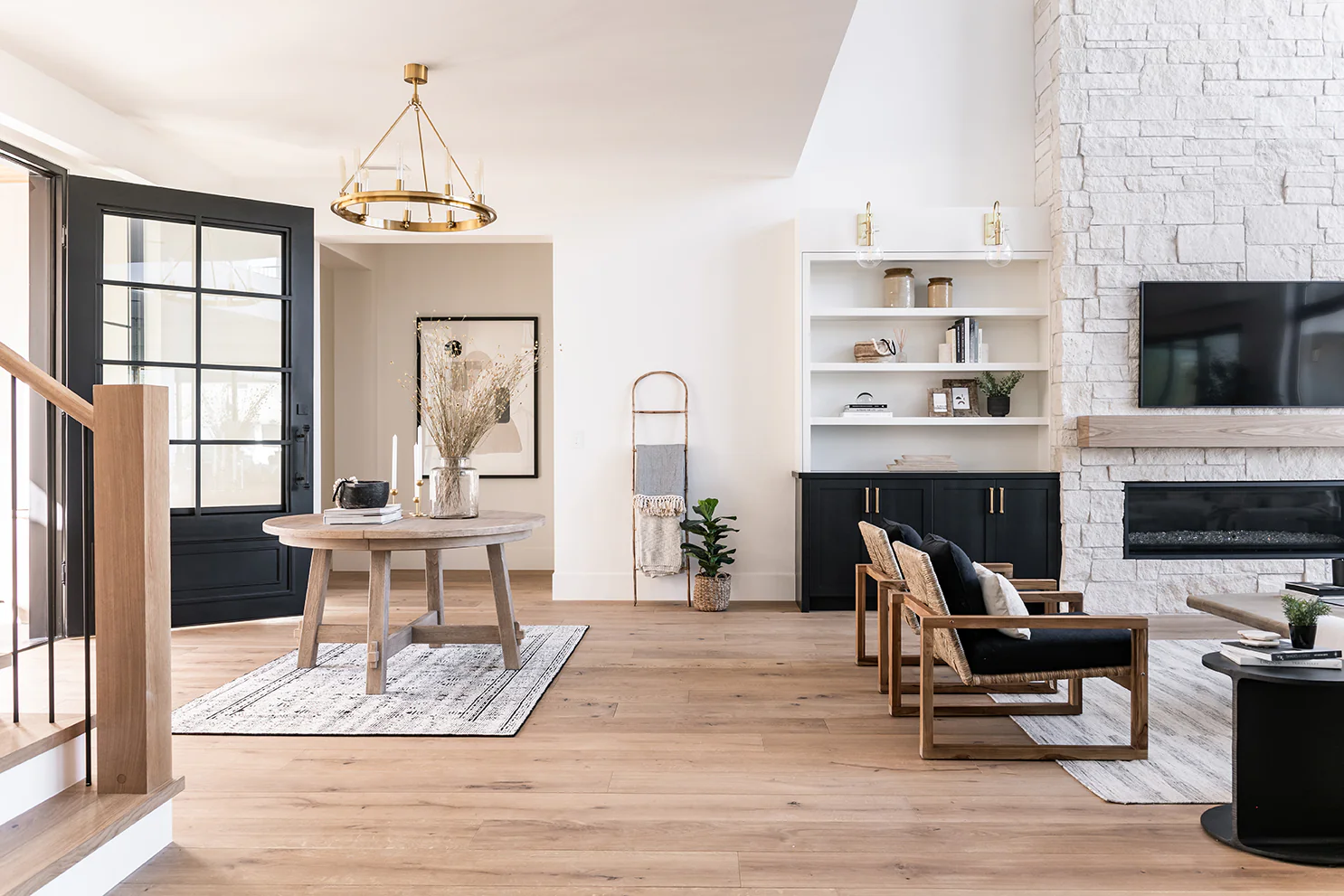
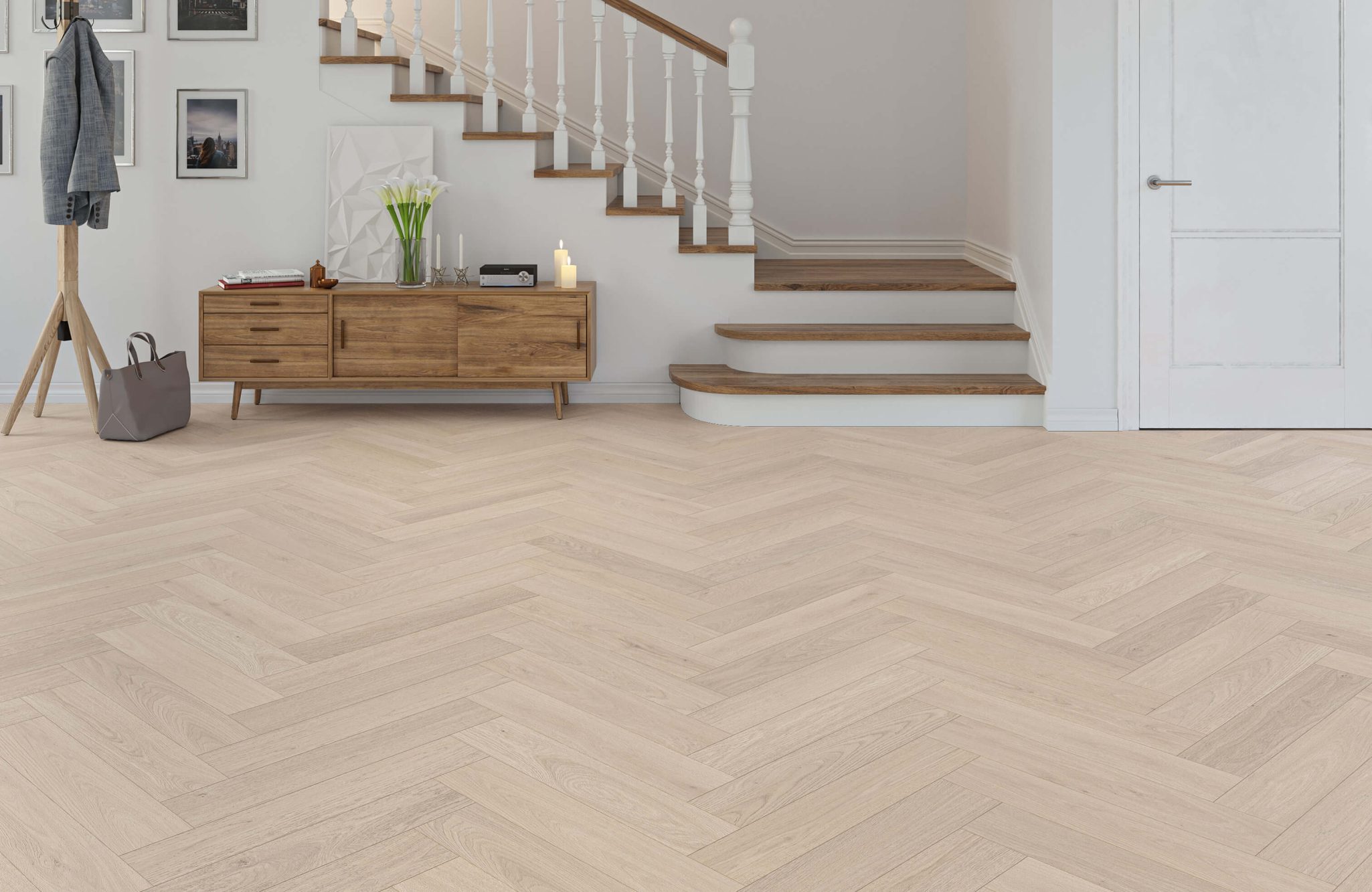
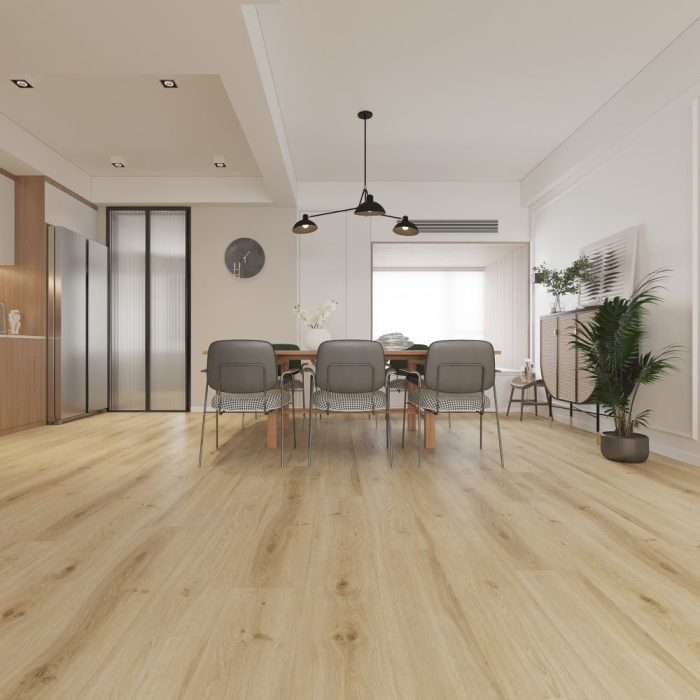
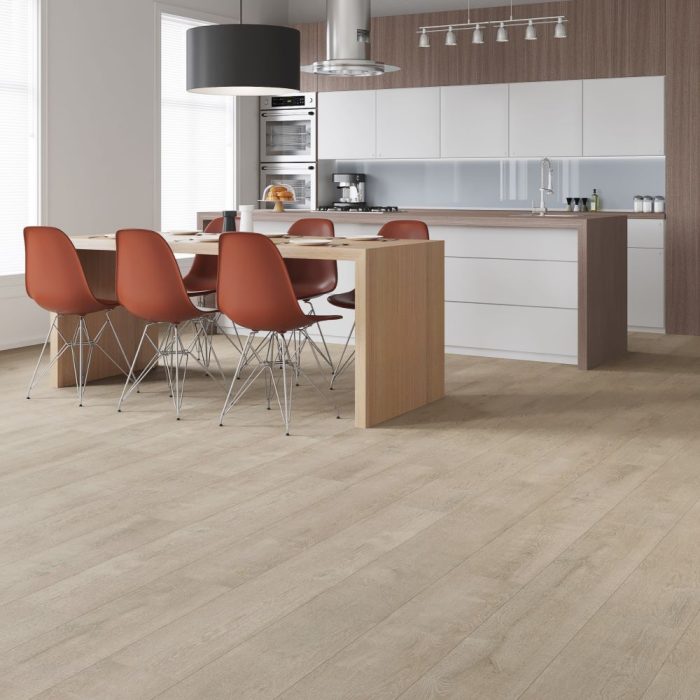
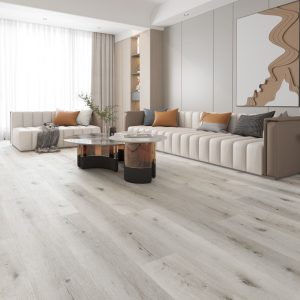
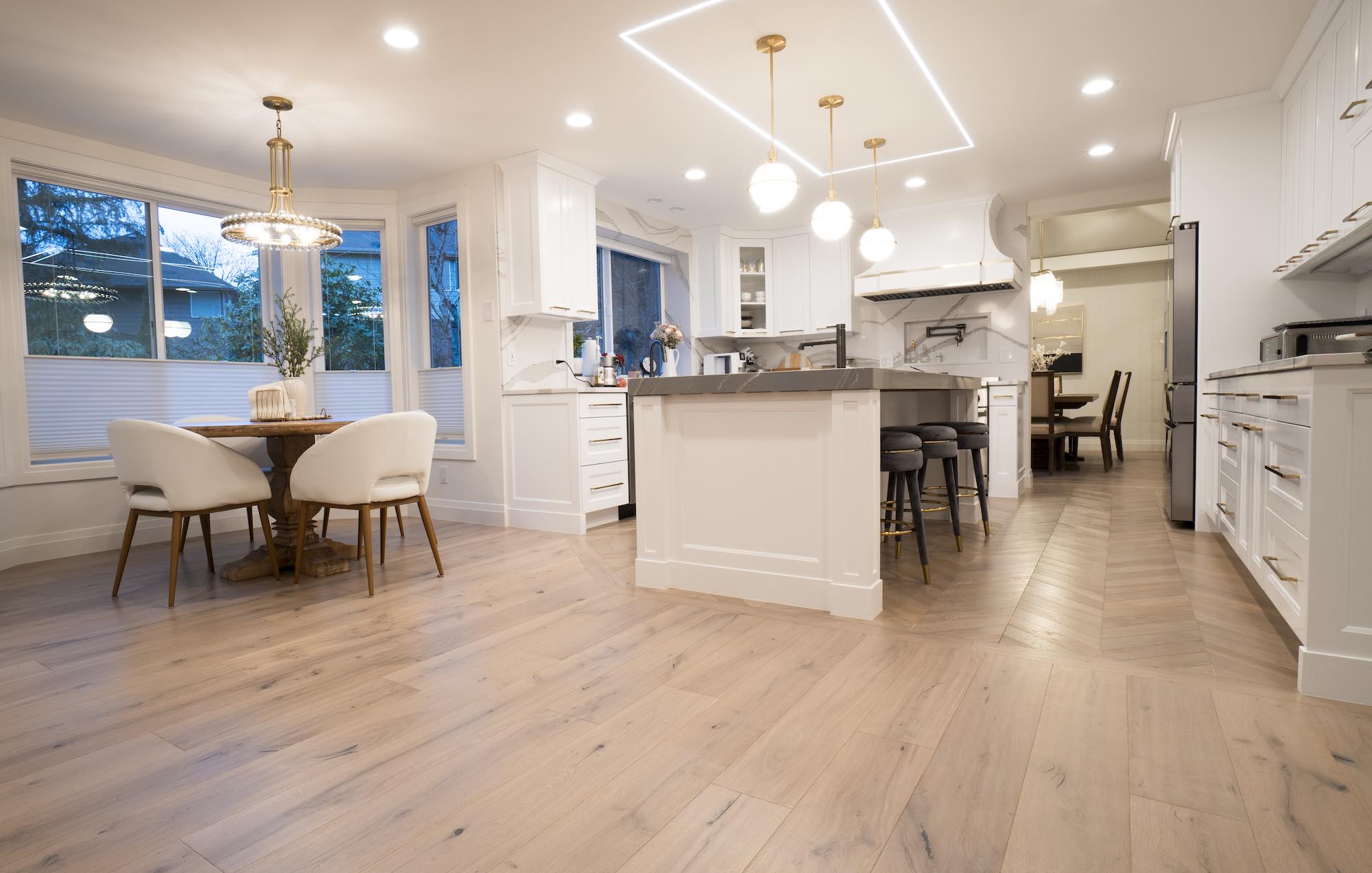
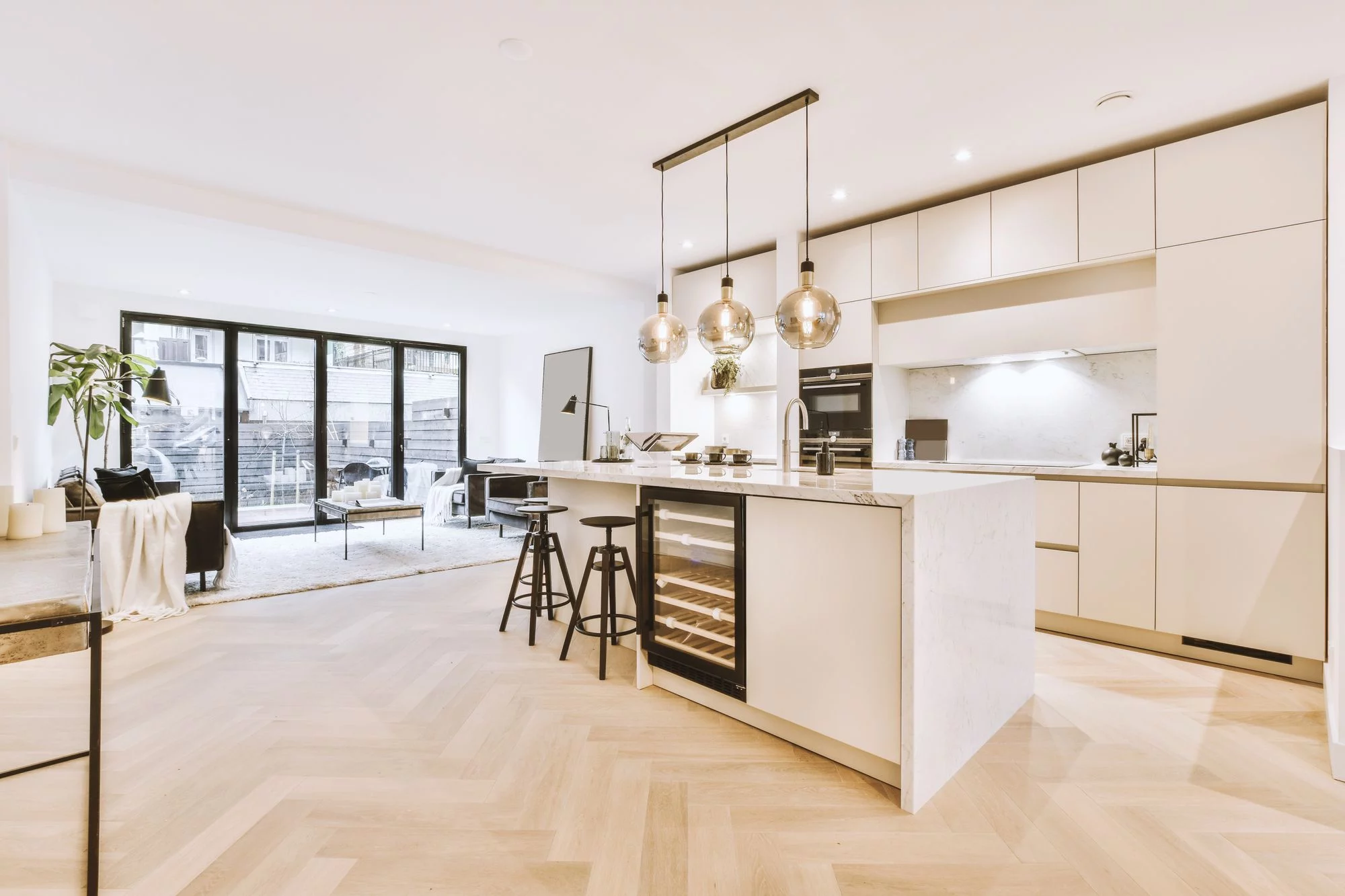
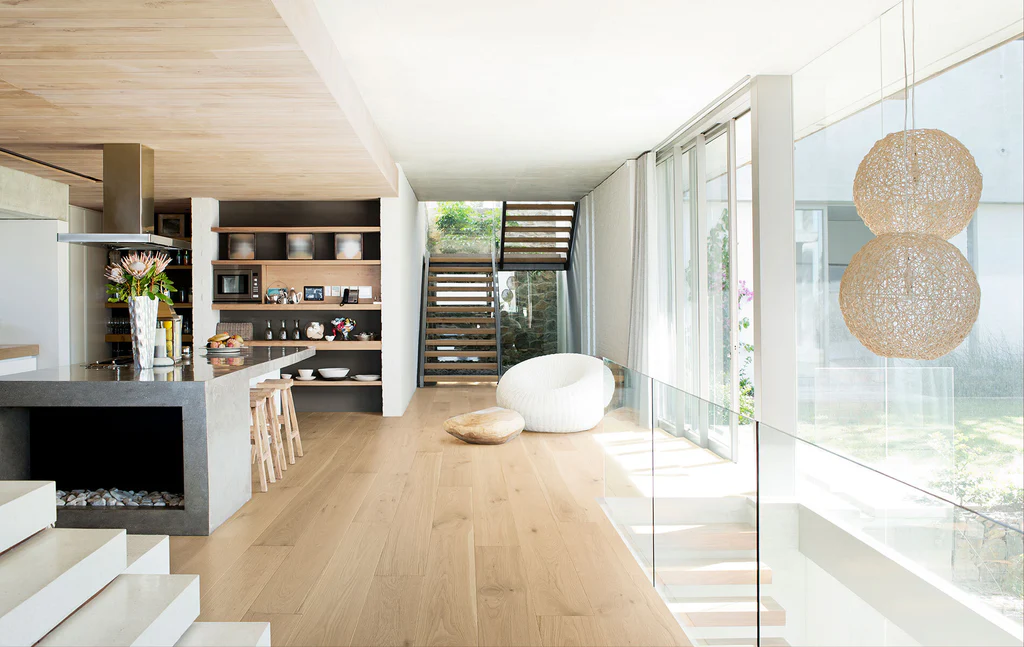
In a room with a high ceiling and a long wall, a narrow board reads as busy and a small repeating pattern reads as mechanical. Wider boards and a slower repeat suit spa-era proportions; in the smaller stock at Starbeck and New Park the opposite holds.
Delivery times and options depend on the delivery postcode. See Delivery & Returns for the applicable estimate.