


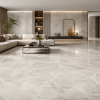
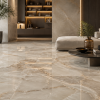
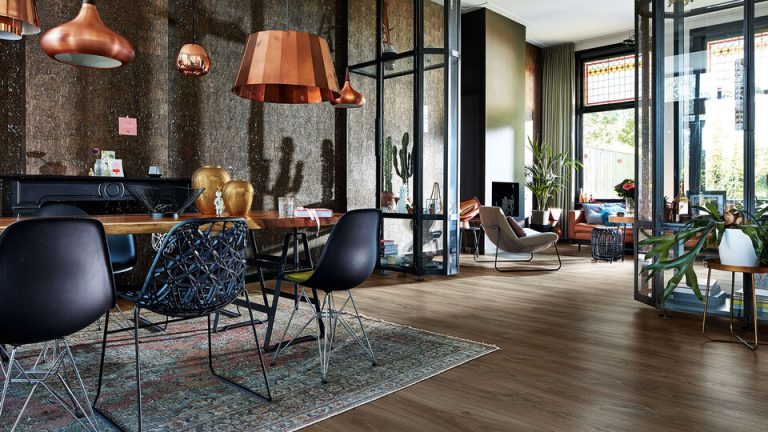
Dark Browns Laminate Flooring
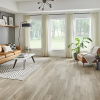
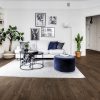
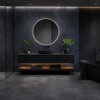
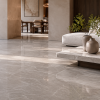
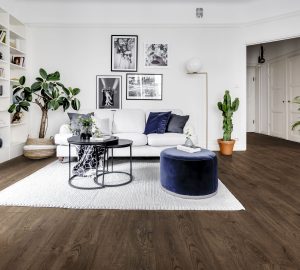
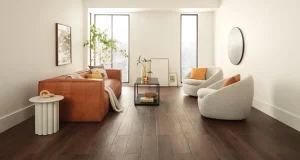
Dark-brown laminate floors add depth and a refined, elegant presence. Their rich tones elevate living areas and create a premium, boutique-style atmosphere.
Shop Dark Browns
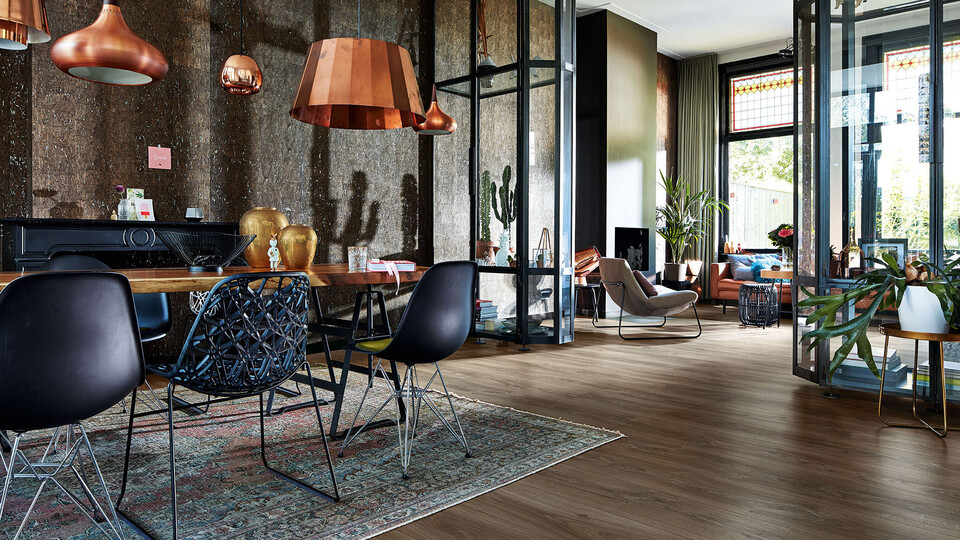
“The most floor for the money. A modern laminate takes traffic that would mark real timber.”
— our flooring team
Dark BrownsThe look
Still unsure? Real people, honest advice.
The look
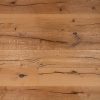
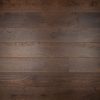
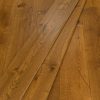
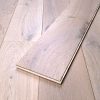
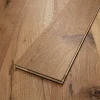
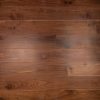
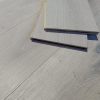
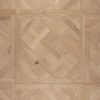
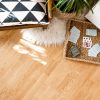
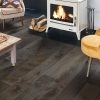
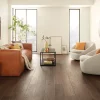
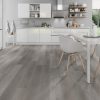
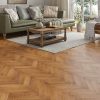
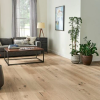
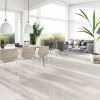
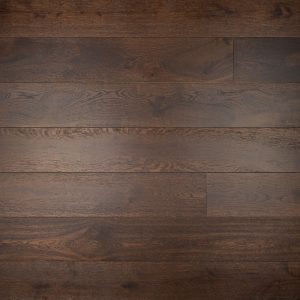
Dark Browns in the 8 mm laminate range are three designs, Inebolu, Mundanya and Alto. AC4 rated, click-fitted boards at 193 mm by 1204 mm on an HDF core, listed as compatible with underfloor heating, with a 25 year manufacturer's warranty.
Depth on a budget
AC4
Dry rooms only
In depth
Choosing dark laminate
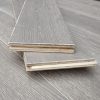
Inebolu, Mundanya and Alto are the dark end of the laminate range, and they share every specification but the print: 8 mm thick, 193 mm by 1204 mm, melamine surface over a printed decor on a high-density fibreboard core, click-fitted, micro-bevelled, AC4, listed as compatible with underfloor heating, 25 year manufacturer's warranty, 2.32 square metres to the box. Mundanya also appears among the mid browns, which tells you it is the lightest of the three.
A dark floor in laminate has one advantage over a dark floor in oak or vinyl: the melamine surface is the hardest of the three against fine scratching, and fine scratches are what show pale on a dark floor. Against a dropped pan all three dent; against grit and claws, the laminate holds its surface longest. The AC4 class under EN 13329 is the measure of that, and the classes are quoted below.
In practice
The limits are the limits of laminate. The core is wood fibre and takes on water, so the standard excludes rooms that get wet regularly; a kitchen with a dishwasher is a judgement call, a bathroom is not. And a dark floor absorbs light, so the room needs windows on more than one side or warm artificial light to carry it. In a small, single-aspect room the mid browns or greys are the safer neighbours.
Laid floating over an underlay with an expansion gap at the edges, the boards go down in a day. The underlay is where the sound of the floor is decided, and the industry guidance on what it does is quoted below. For the same tones in a wet room, the dark rigid vinyl floors; for the same tones in real timber, the engineered dark oak boards.
FAQ
Do dark laminate floors show scratches?
Which of the three is the darkest?
Can dark laminate go over underfloor heating?
How long does laminate last?
Do you deliver UK-wide and can I get a sample first?
Standards
What the published standards say
Each entry is quoted from its source and linked to it. The full set is in the standards reference.
AC1 to AC6 — abrasion classes for laminate
EN 13329 classifies the abrasion resistance of laminate floor coverings in abrasion classes AC1 to AC6. The EPLF's own Environmental Product Declaration for DPL laminate floor covering states the property "Abrasion Class EN 13329" with the value range AC1-AC6.
| Abrasion classes under EN 13329 | AC1-AC6 |
|---|
“Abrasion Class EN 13329 | AC1-AC6 | -”
Source: Environmental Product Declaration - Direct Pressure Laminate Floor Covering (DPL Floor Covering), owner of the declaration: European Producers of Laminate Flooring e.V. (EPLF), decl. no. EPD-EPL-20210138-CBE1-ENBS EN 13329 — laminate floor coverings
BS EN 13329 specifies the characteristics, requirements and test methods for laminate floor coverings with a surface layer based on aminoplastic thermosetting resins, including requirements for marking and packaging. It also contains a classification system based on EN ISO 10874 for areas and levels of use, and it does not cover areas subject to frequent wetting such as bathrooms, laundry rooms or saunas.
“BS EN 13329 specifies characteristics, requirements, and test methods for laminate floor coverings with a surface layer based on amino plastic thermosetting resins. BS EN 13329 specifies requirements for marking and packaging.”
Source: BS EN 13329:2016+A2:2021 | 31 Oct 2021 | BSI KnowledgeWhat an underlay is actually for
The MMFA groups the benefits of an underlay under floating multilayer modular flooring into three headings: ensuring a satisfactory installation by levelling unevenness, permanently protecting the floor against wear and against rising residual building moisture, and improving the floor's properties in terms of impact sound, walking noise, heat insulation and walking comfort.
“The requirements for suitable underlays are aimed at protecting the floor from daily wear and tear such as falling objects and walking, as well as shielding the floor from rising residual building moisture or damp.”
Source: Underlays — MMFA (Multilayer Modular Flooring Association)Maximum floor surface temperature
EN 1264 caps the floor surface temperature at 29 °C in the occupied area, 35 °C in the edge (perimeter) zone and 33 °C in bathrooms.
| occupied area | 29 °C |
|---|---|
| edge zone | 35 °C |
| bathrooms | 33 °C |
“Max. surface temperatures in DIN EN 1264: • 29 °C in the occupied area • 35 °C in the edge zone • 33 °C in bathrooms”
Source: Uponor underfloor heating/cooling — Planning information (Technical Information TI-1186660)
Delivery & areas