
Straight Planks Solid Wood Flooring
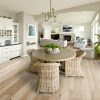
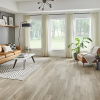
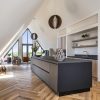
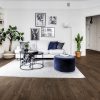
Straight planks provide a clean, timeless look with the natural beauty of solid timber. Perfect for creating warm, elegant spaces, they offer durability, long-term stability and a premium feel throughout the home.
Shop Straight Planks
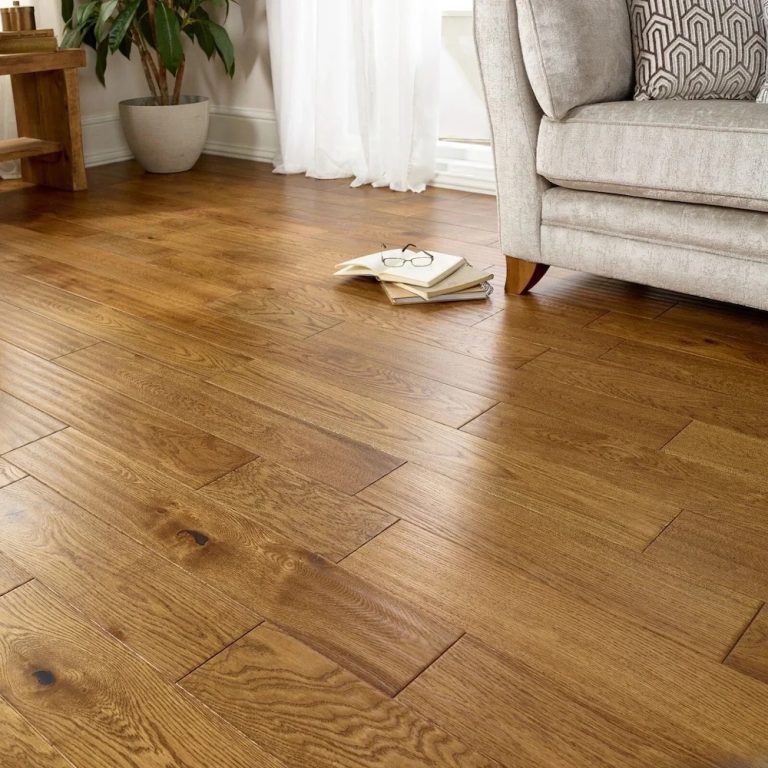
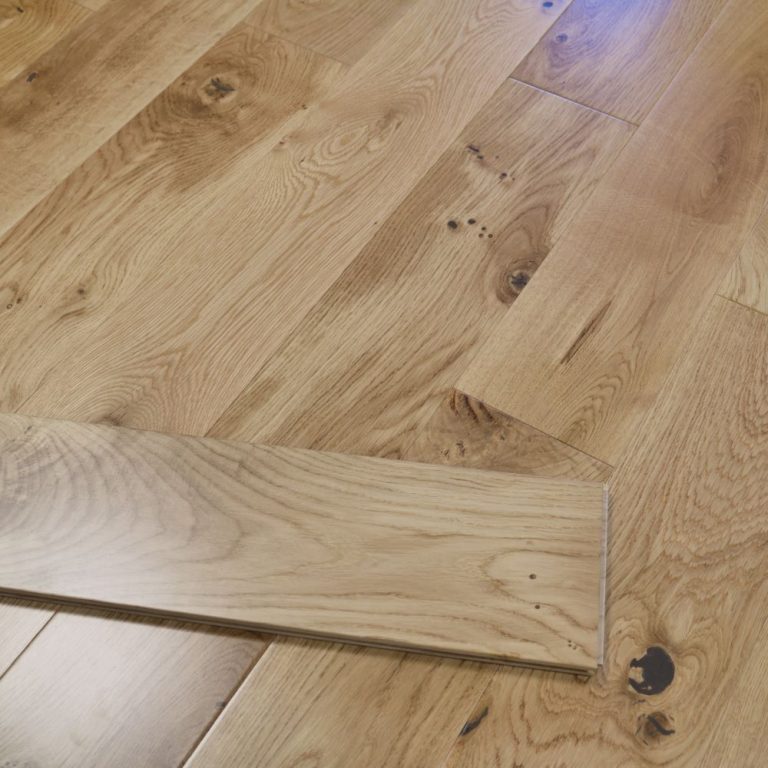
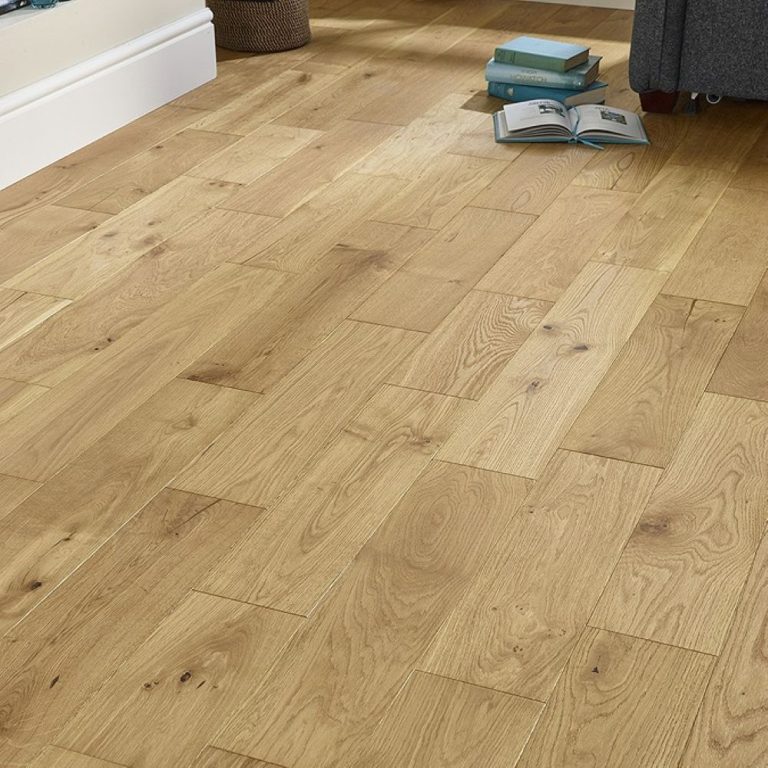
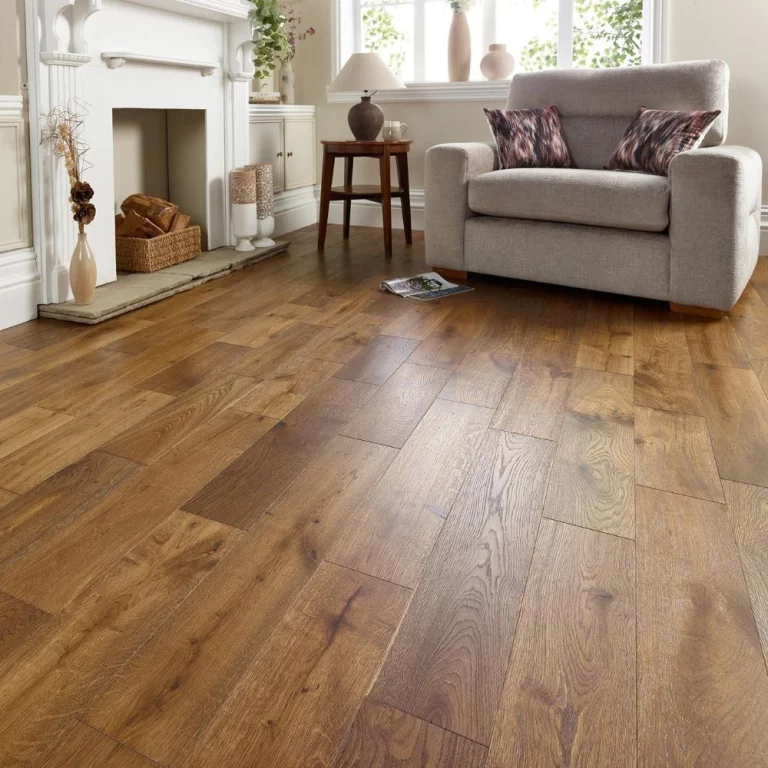
“One piece of oak, top to bottom. The floor people sand back and keep for generations.”
— our flooring team
Straight PlanksThe look
Still unsure? Real people, honest advice.
The look
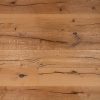
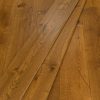
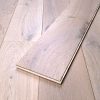
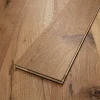
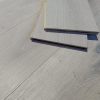
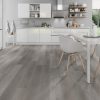
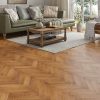
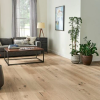
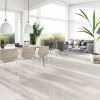
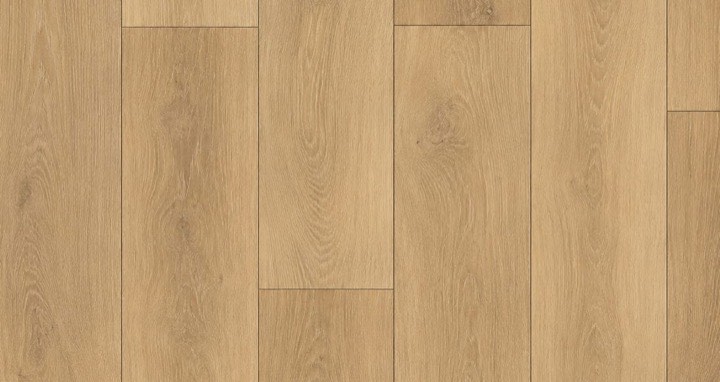
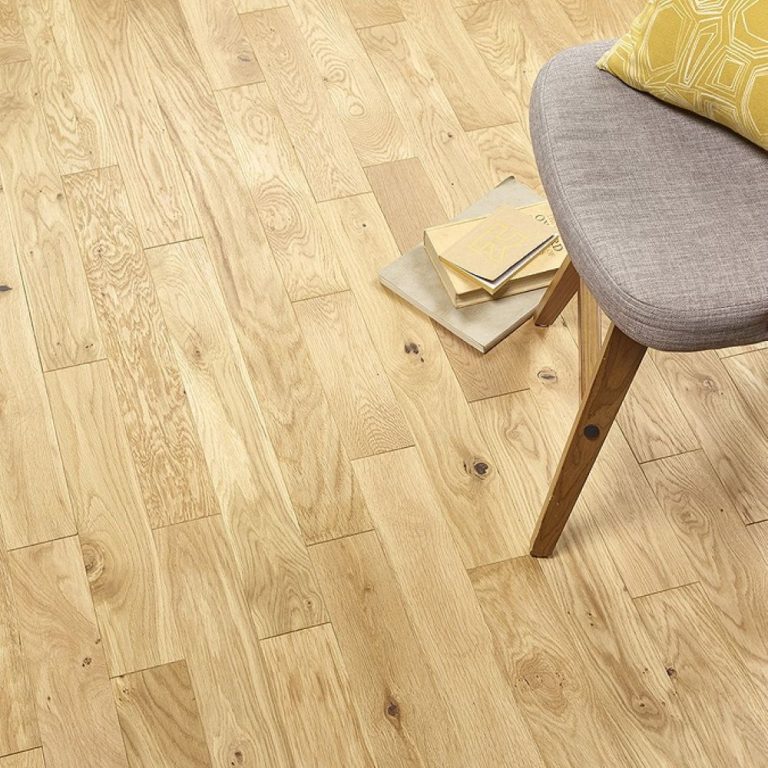
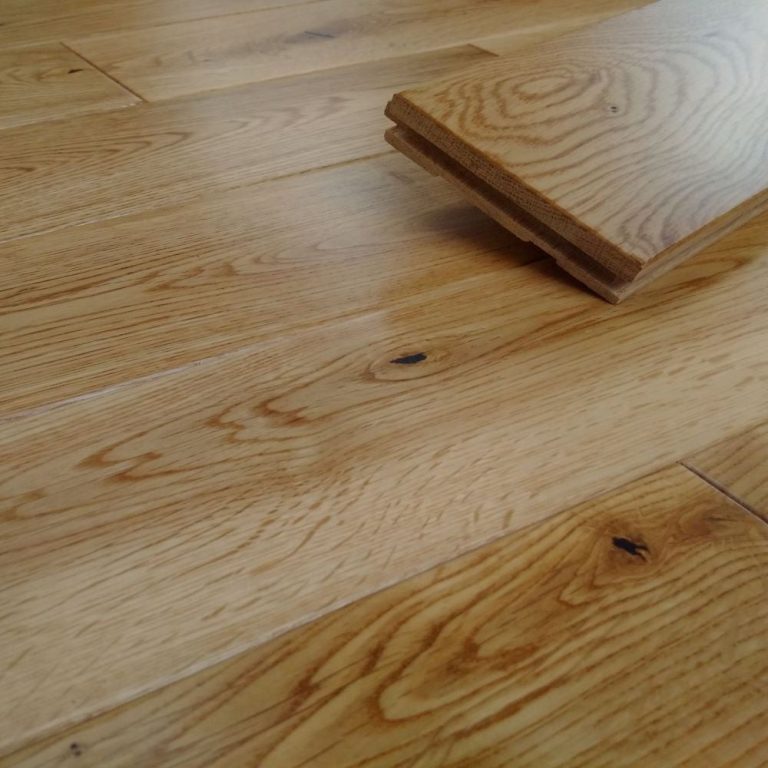
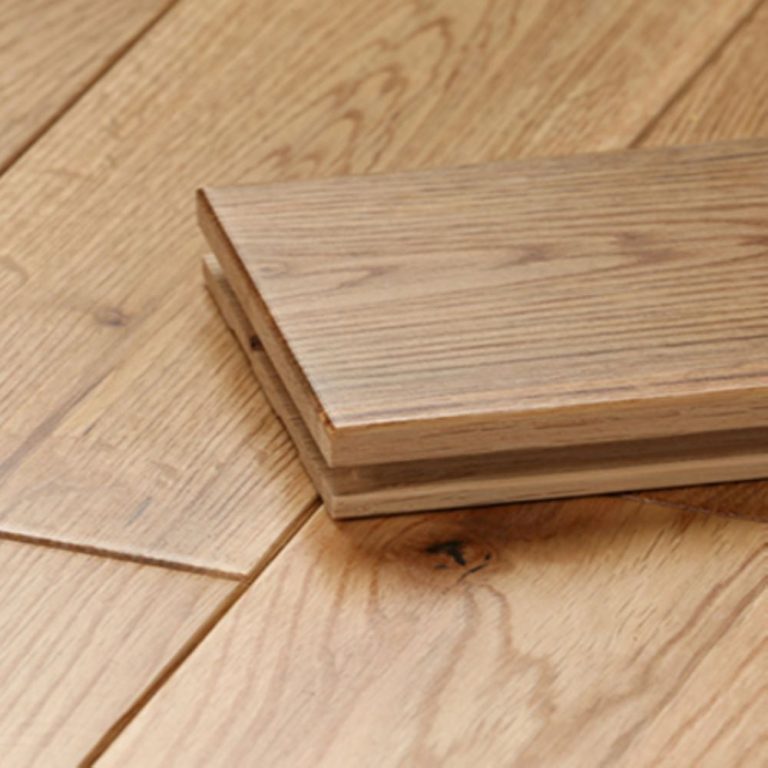
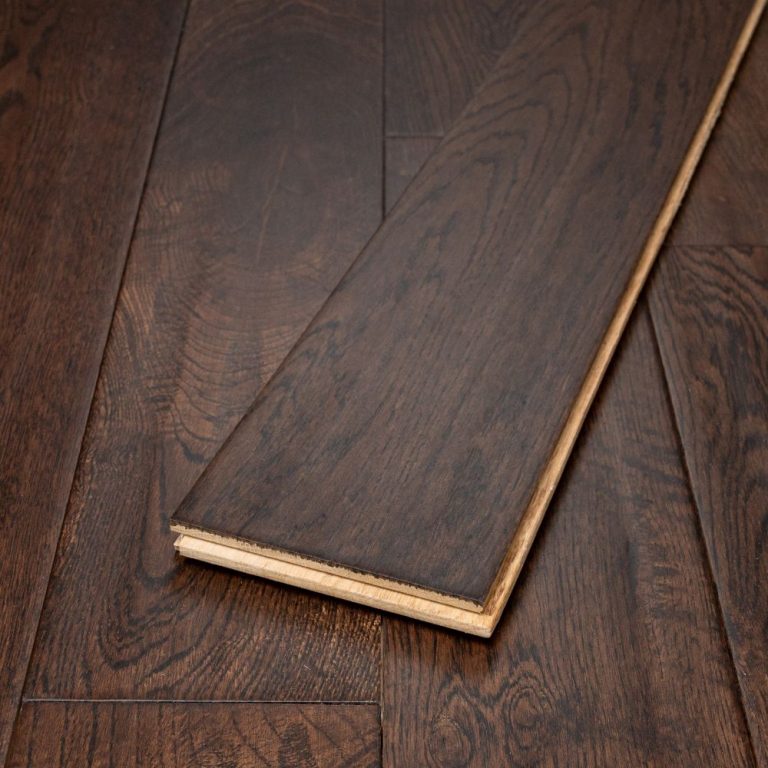
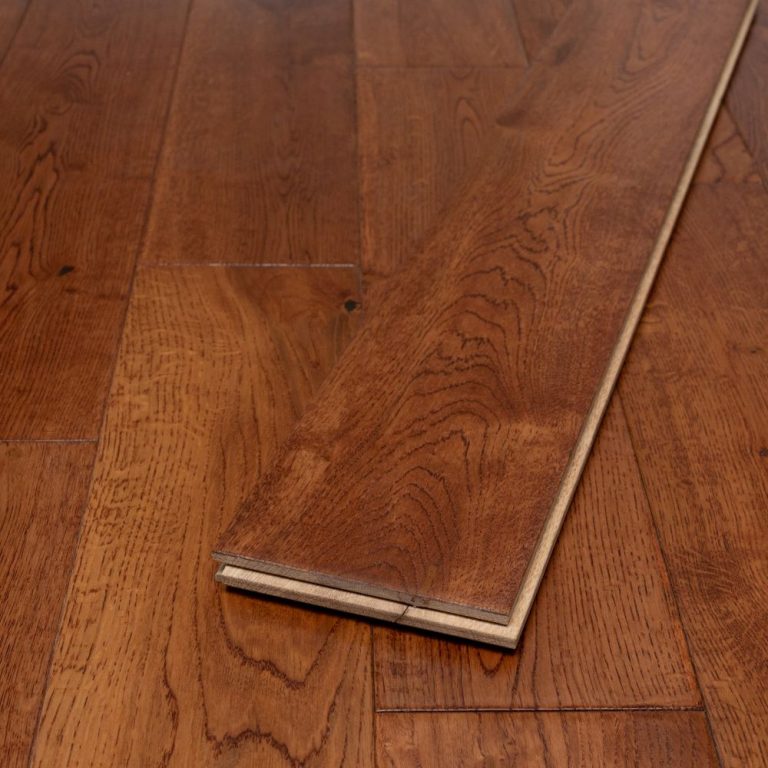
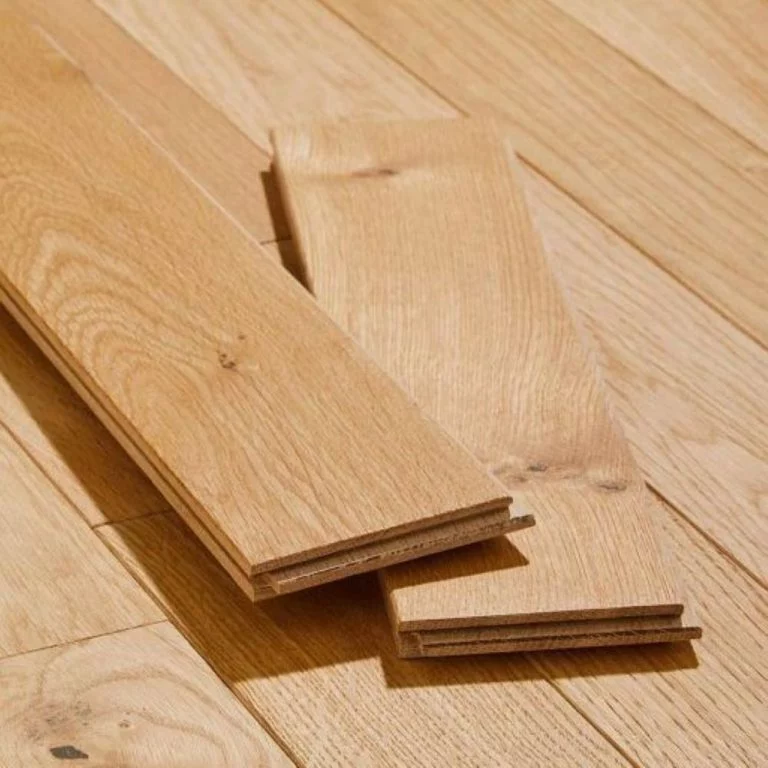
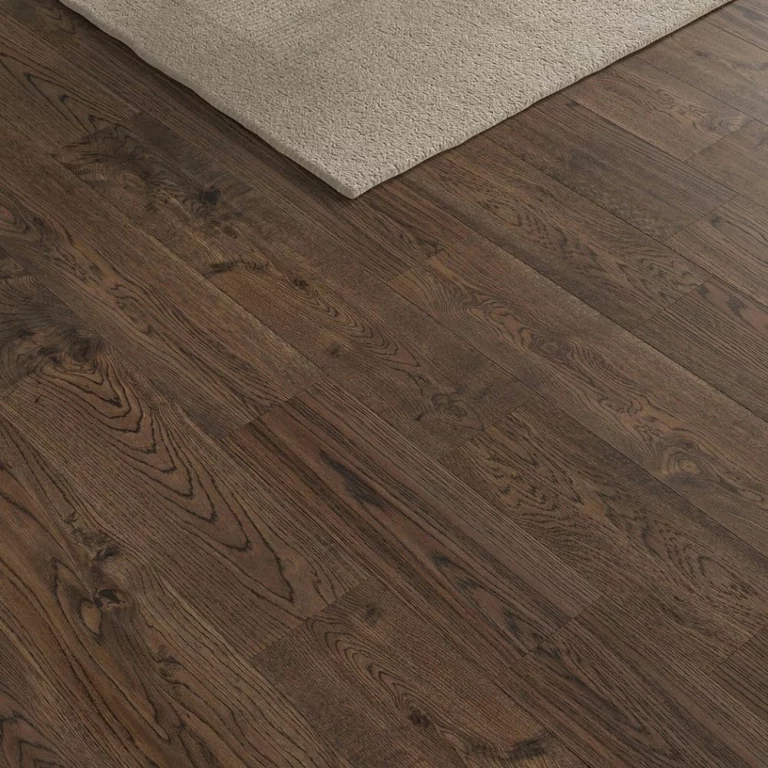
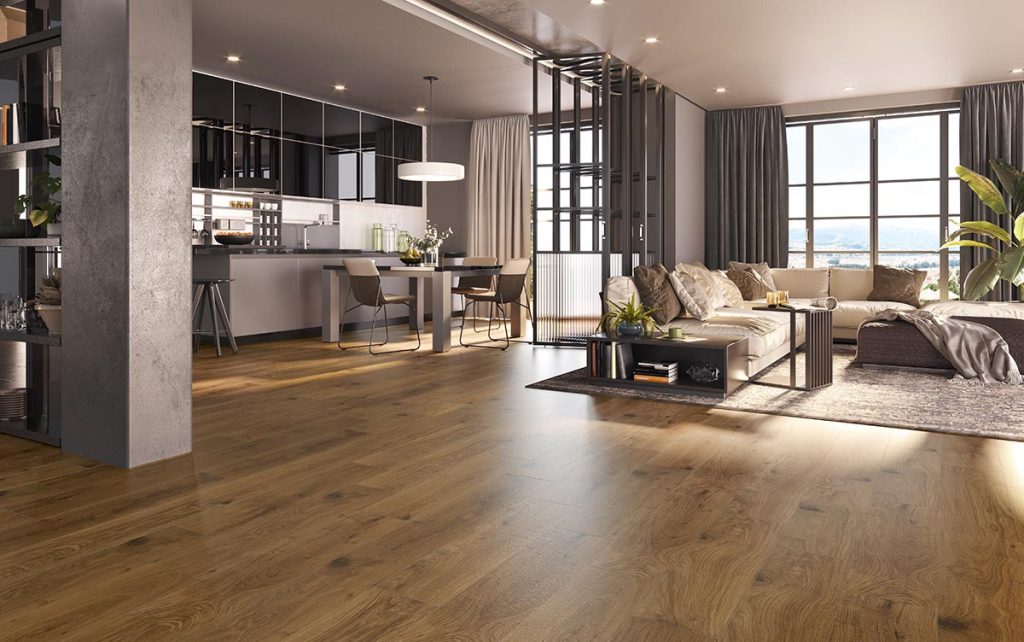
Straight Planks are 18 mm solid European oak boards in three widths and random lengths. Eleven Windsor boards, all Rustic grade, in brushed and oiled, smooth and lacquered, hand scraped, and brushed and matt lacquered surfaces.
One piece of oak, top to bottom
Width sets the character
Not for underfloor heating
In depth
Choosing solid oak planks
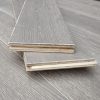
A solid plank is the simplest floor to understand and the one that asks the most of the building. Every Windsor board is 18 mm of European oak with a tongue and groove, micro-bevelled edges and a 20 year manufacturer's warranty; all are Rustic grade, so knots, sap and colour variation are part of the surface. Because the board is oak throughout, it can be sanded and refinished repeatedly over its life, which is the argument for solid over engineered. The counter-argument is movement: solid oak takes on and gives up moisture with the seasons more than an engineered board does, and the subfloor, the room and the acclimatisation period have to allow for it.
The range is organised by width and surface. Three widths: 90 mm Narrow, 125 mm and 150 mm, all in random lengths. Four surfaces: brushed and UV oiled on the Windsor Narrow Brushed and the Windsor Brushed boards; smooth and UV lacquered on the Windsor Smooth boards; hand scraped and UV lacquered on the Coffee, Golden and Golden Brown boards; brushed and matt lacquered on the Smoked and Dark boards. The oiled surfaces can be re-oiled locally; the lacquered ones are refinished as a whole floor.
In practice
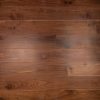
Colour follows the surface. The natural oak boards are the smooth, brushed and narrow ones; the hand scraped boards carry coffee, golden and golden brown tones; and the smoked and dark boards are the brushed, matt lacquered pair at 150 mm. If the room is a hallway or a kitchen, a brushed surface hides the scratches that grit leaves; if it is a period house with uneven walls, the hand scraped boards sit more naturally than a flat surface.
None of the eleven boards is listed as compatible with underfloor heating, and that rules the range out of rooms that have it. Before ordering any solid oak, the subfloor moisture and the room conditions are the two checks that decide whether the floor will stay flat; the standards for both are quoted below.
FAQ
Can solid oak planks go over underfloor heating?
What does random length mean?
Which surface is right for a hallway?
Which rooms suit solid wood?
Do you deliver UK-wide and can I get a sample first?
Standards
What the published standards say
Each entry is quoted from its source and linked to it. The full set is in the standards reference.
BS EN 13226 — solid parquet elements
BS EN 13226 specifies the characteristics of solid parquet elements with grooves and/or tongues intended for internal use as flooring, covering elements with or without surface treatment.
“This European Standard specifies the characteristics of solid parquet elements with grooves and/or tongues for internal use as flooring. This standard is not applicable to panels made from elements for which a separate standard is in course of preparation.”
Source: BS EN 13226:2009 - Wood flooring. Solid parquet elements with grooves and/or tonguesBS 8203 — relative humidity limit for a subfloor
UK practice following BS 8203 treats a subfloor as dry enough for resilient floor coverings when hygrometer readings do not exceed 75% relative humidity (65% RH for solid timber coverings), measured with a hygrometer sealed to the surface so that it reaches equilibrium with the base.
| RH limit, resilient floor coverings | 75 % RH |
|---|---|
| RH limit, solid timber floor coverings | 65 % RH |
“The base can be considered dry enough to install most floorcoverings if a series of tests produce readings not exceeding 75% R.H. (65% R.H. for solid timber floorcoverings).”
Source: F. Ball and Co. Ltd - Digital Hygrometer, Technical Data SheetAcclimatisation before fitting
The Contract Flooring Association's guide states that the room should be at its in-service temperature 48 hours before installation so that the flooring can be kept in the room and reach room temperature before it is laid.
| conditioning before installation | 48 h |
|---|
“They also advise that this temperature should be attained 48 hours prior to the installation, so that floorings can be kept in the room and brought to room temperature (acclimatised) before installation.”
Source: CFA Guide to Contract Flooring - Contract Flooring Association
Delivery & areas