







Chevron Parquet Flooring
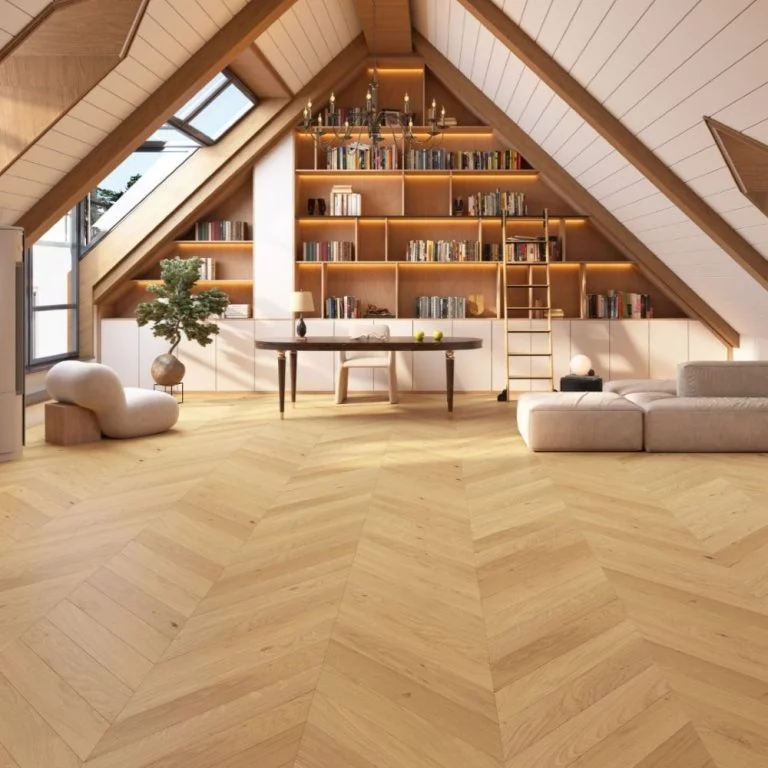
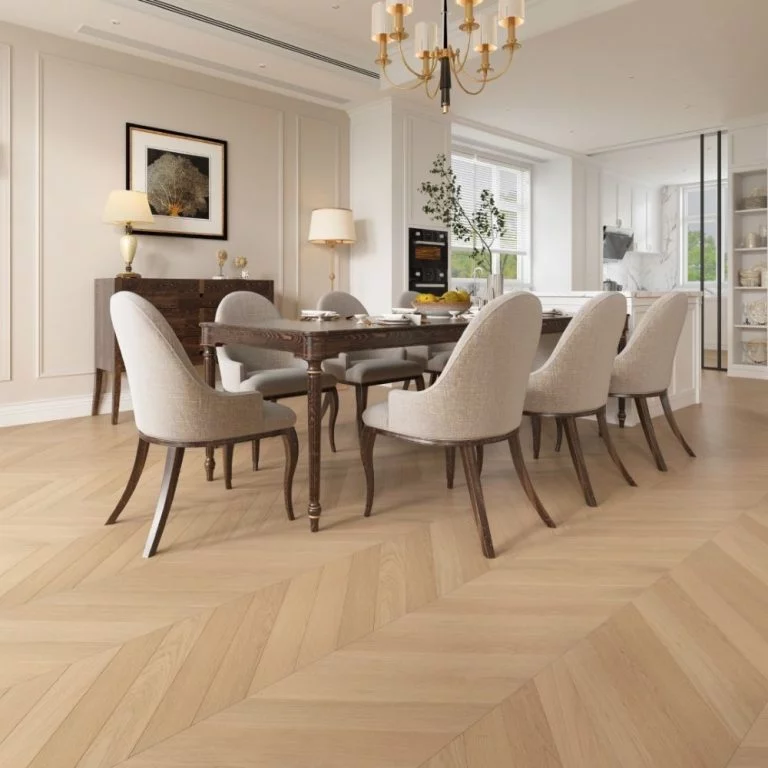
Chevron parquet features precise V-shaped angles that create a dynamic, directional flow. It brings a luxurious, European-inspired aesthetic and is ideal for statement living rooms, hallways and premium renovations.
“Laid block by block. Herringbone is the pattern people notice before they notice the room.”
— our flooring team
ChevronThe look
Still unsure? Real people, honest advice.
The look
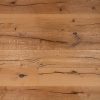
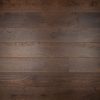
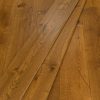
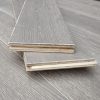
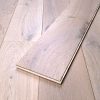
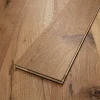
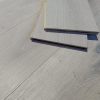
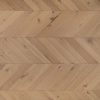
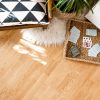
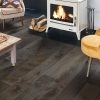
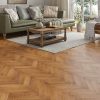
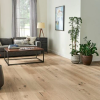
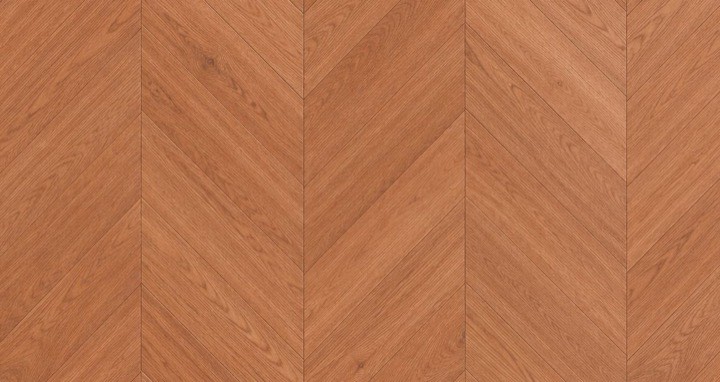
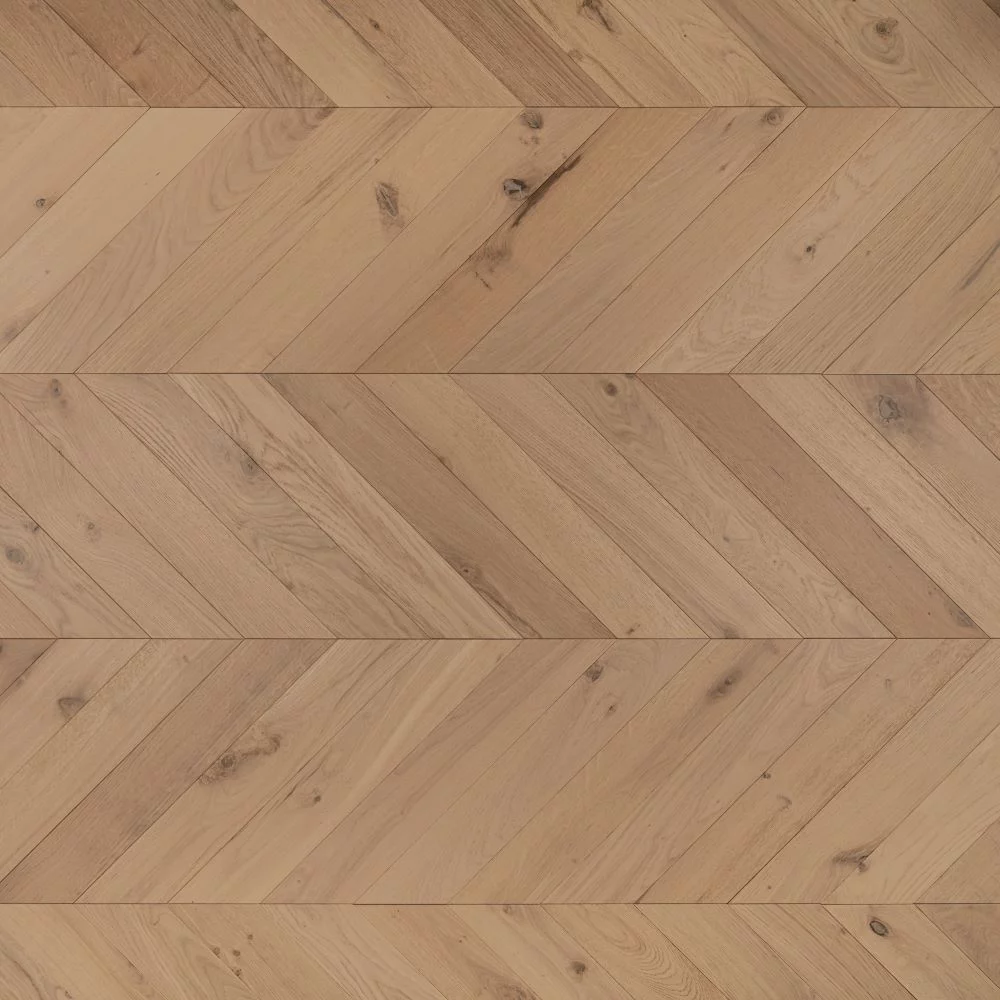
Chevron parquet in engineered oak: two Knightsbridge boards with the ends cut at an angle. One natural brushed and matt lacquered, one raw oak with an invisible UV oil, both 14 mm by 90 mm by 510 mm with a 3 mm wear layer and listed as compatible with underfloor heating.
The continuous line
Two tones, two finishes
Heated floors, yes
In depth
What chevron parquet is
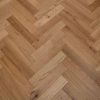
Chevron is the parquet pattern where every block is cut at an angle at both ends, so the rows meet on one continuous line and read as a run of unbroken V shapes. It is often confused with herringbone; the difference is the cut, and it changes both the look and the ordering.
Definition. Blocks cut at an angle at both ends so they meet point to point, producing a continuous unbroken V.
Order a cut sample and see it in the room it is for. How samples work. Parquet, herringbone and chevron in the flooring types reference.
Choosing engineered chevron
The two Knightsbridge chevron boards are the same board in two colours. Each is 14 mm thick, 90 mm wide and 510 mm long with the ends cut at an angle, a 3 mm European oak wear layer over an engineered core, tongue and groove, micro-bevelled, Classic grade, brushed, and carries a 15 year manufacturer's warranty. Both are listed as compatible with underfloor heating. The box covers a little under three quarters of a square metre, which is worth knowing when working out how many to order for a patterned floor.
The choice between them is a choice of tone. Natural Brushed carries a matt lacquer over the warm, conventional oak colour; Raw Oak carries an invisible UV oil formulated to keep the pale, dry look of freshly sanded timber. Because chevron shows the run of boards as continuous lines, colour variation across the pattern is more visible than in a plank floor; order samples of both and lay them next to each other in the room's own light.
In practice
Chevron is the less forgiving of the two parquet patterns to lay. The angled ends meet on a straight line down the room, and any drift in that line shows; herringbone's staggered joints hide the same drift. The set-out starts from the centre line, the first rows decide everything, and a fitter who has laid chevron before is the single most useful specification on the order.
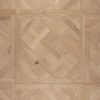
For the same look in a broader, calmer pattern, the Versailles panels are the next step up in scale; for the busier, more traditional pattern, the Oxford herringbone blocks come in the same tones with two block sizes.
FAQ
Is chevron harder to lay than herringbone?
Which of the two chevron boards is the paler?
How much should I order for a chevron floor?
How do I order the right amount?
Can I get a sample first?
Standards
What the published standards say
Each entry is quoted from its source and linked to it. The full set is in the standards reference.
Herringbone and chevron — what the two patterns are
Herringbone is laid from rectangular blocks whose ends are cut square: set at right angles to each other and staggered, so that the end of one block meets the side of the next and the pattern reads as a broken zigzag. Chevron blocks have their ends cut at an angle - typically 45 or 60 degrees, depending on the manufacturer - so the ends meet on a continuous line and form a V. No published standard we could read defines the two patterns; the definitions here come from manufacturers and agree with each other.
| Herringbone: angle between adjacent blocks | 90 degrees |
|---|---|
| Chevron: typical end-cut angle (manufacturer-dependent) | 45 or 60 degrees |
“Herringbone flooring features rectangular wood planks arranged in a staggered zigzag pattern. Each plank meets the next at a 90-degree angle. In chevron patterns, the wood planks are cut at an angle, typically 45 or 60 degrees, so they meet in a continuous V-shape.”
Source: Havwoods - Herringbone vs. Chevron: Which Parquet Style Suits Your Space Best? · second sourceCutting waste — how much extra to order
There is no published industry standard for cutting waste; the figures come from manufacturers' own guidance and they vary. Havwoods advises 8-12 % wastage for planks and 15-20 % for patterned floors such as herringbone or chevron. Quick-Step's UK guidance for laminate is 5 % extra in a regular room and 10 % in a room with many angles or curves.
| Wastage allowance, plank floors (Havwoods UK) | 8-12 % |
|---|---|
| Wastage allowance, herringbone or chevron (Havwoods UK) | 15-20 % |
| Extra to order, regular room, laminate (Quick-Step UK) | 5 % |
| Extra to order, room with many angles or curves, laminate (Quick-Step UK) | 10 % |
“For planks we typically advise on 8-12% wastage and patterned floors, such as herringbone or chevron, may need 15-20% wastage.”
Source: Havwoods UK - FAQs: How Much Wastage Shall I Encounter For? · second sourceBS EN 13489 — multi-layer parquet
BS EN 13489 is the product standard for multi-layer parquet elements, setting out their characteristics, requirements and test methods for internal use as flooring.
“This document specifies the characteristics, requirements and test methods of multi-layer parquet elements for internal use as flooring.”
Source: BS EN 13489:2023 - Wood-flooring and parquet. Multi-layer parquet elements
Delivery & areas