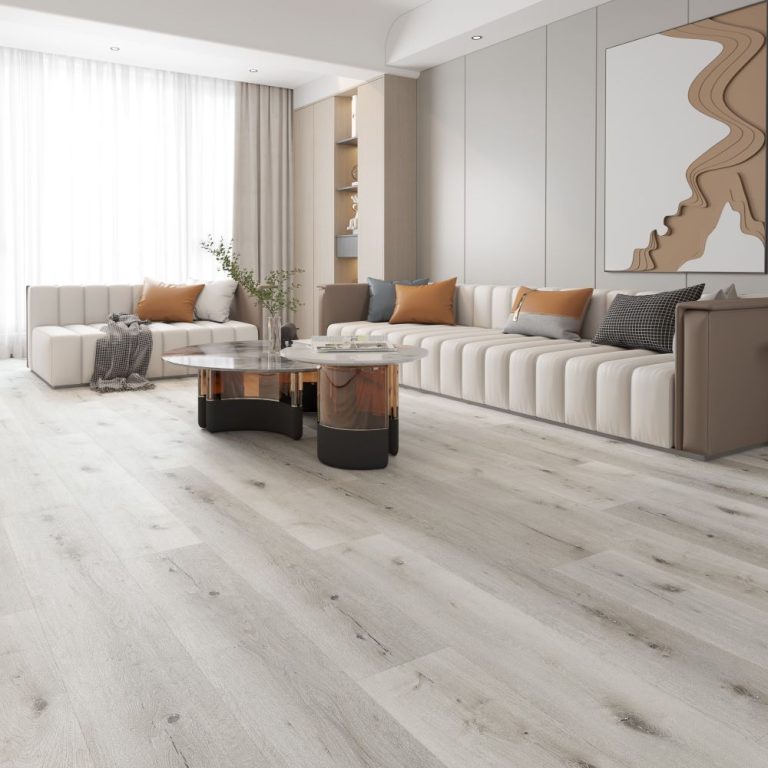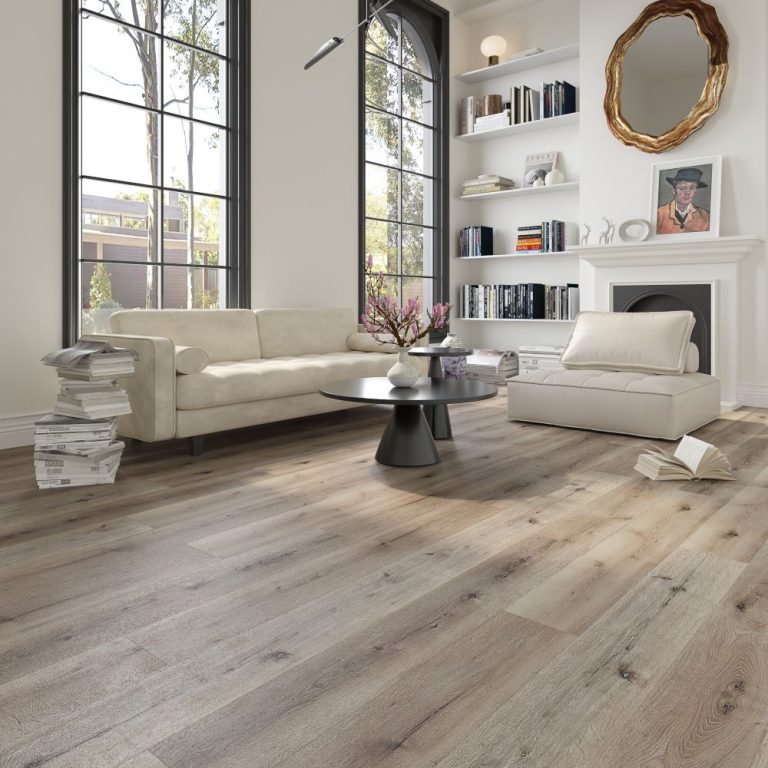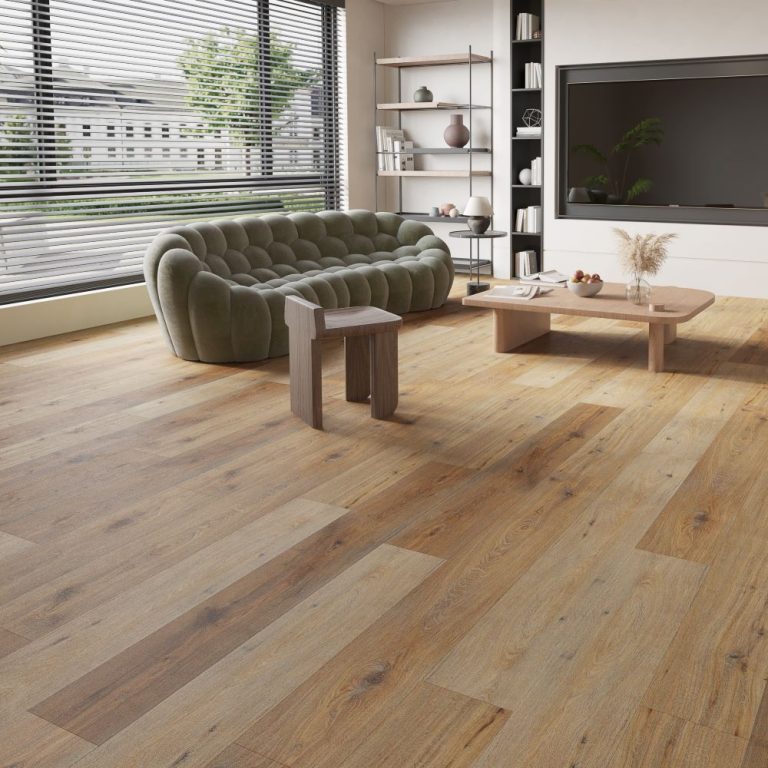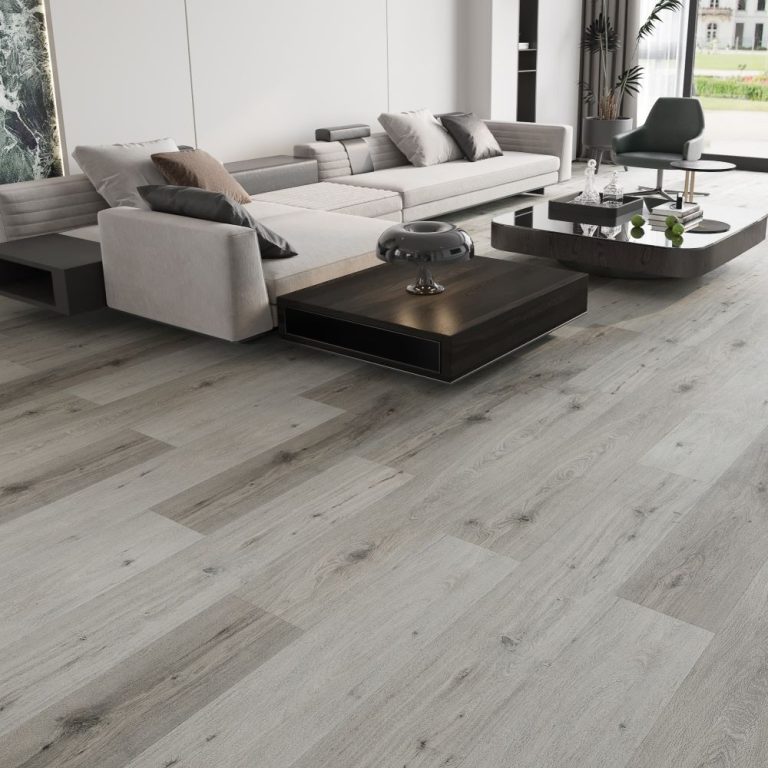




Flooring Listed as Waterproof
41 products in the range are listed as waterproof by their makers on the catalogue of 15 September 2026: 36 rigid vinyl floors (24 planks, 8 herringbone, 4 click tiles) and 5 shower wall panels. The listing describes the board. The base under it and the sealed edges around it decide whether the room stays dry.
What "listed as waterproof" means, and what it does not
Every product on this page carries the attribute "Waterproof: Yes" in its listing. That is the manufacturer's statement about the board: a rigid vinyl plank with a mineral core does not take up water and does not swell at the joints the way a laminate or a timber board does, and a shower panel is made to be wetted. We repeat the listing; we do not add a promise of our own to it, because the listing is about the material and a dry room is about three other things.
The rigid vinyl planks (24)
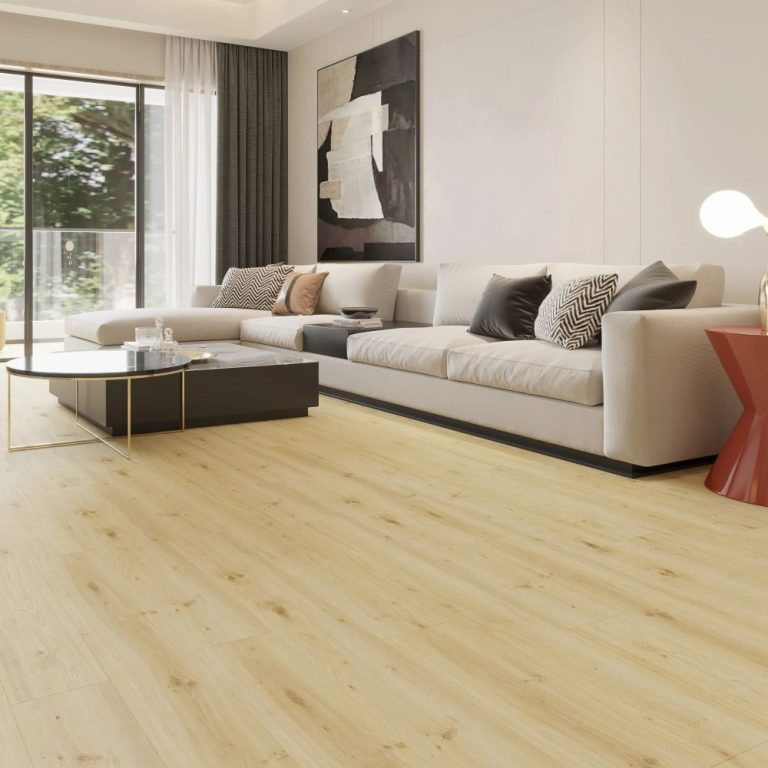
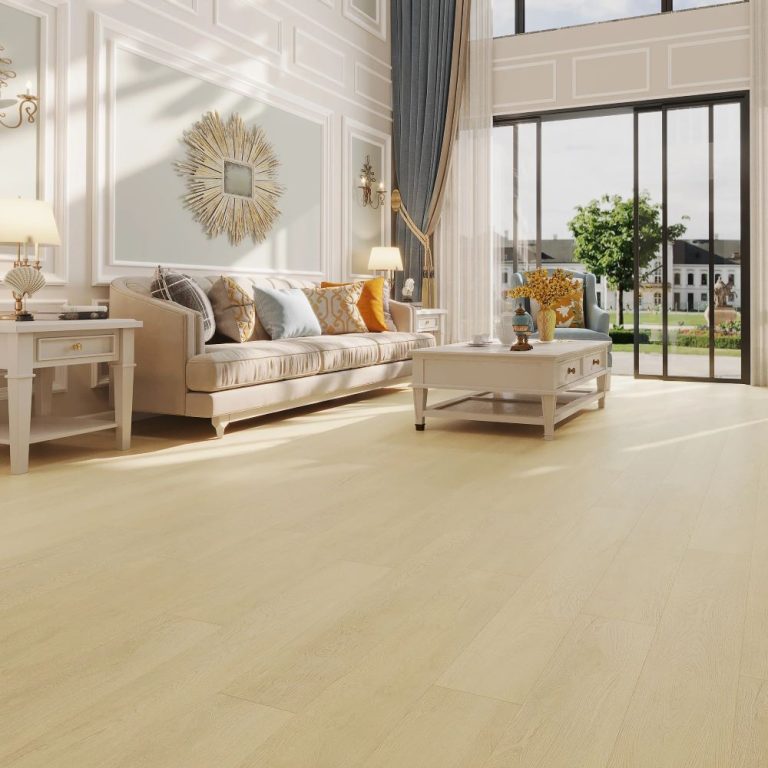
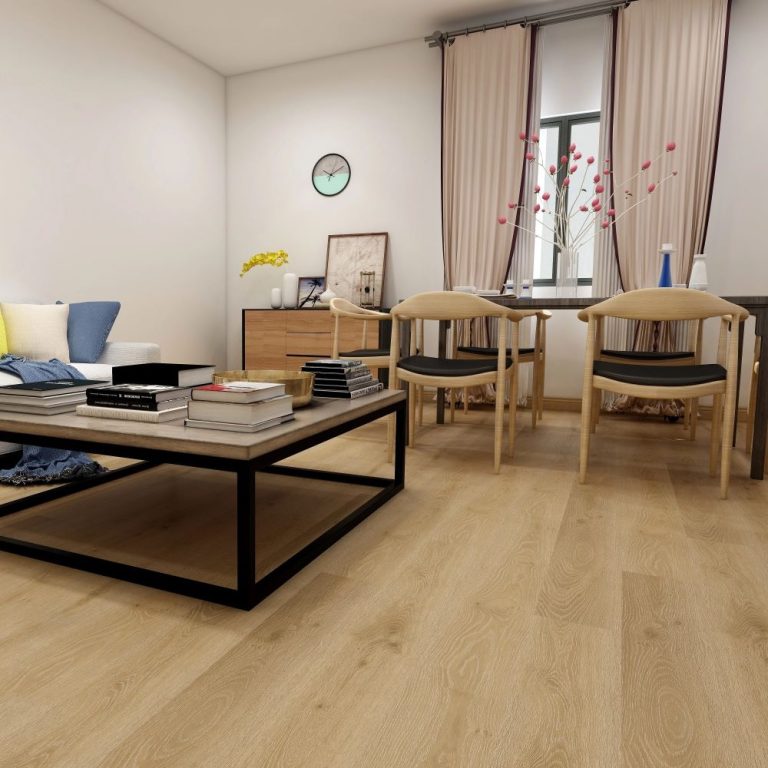
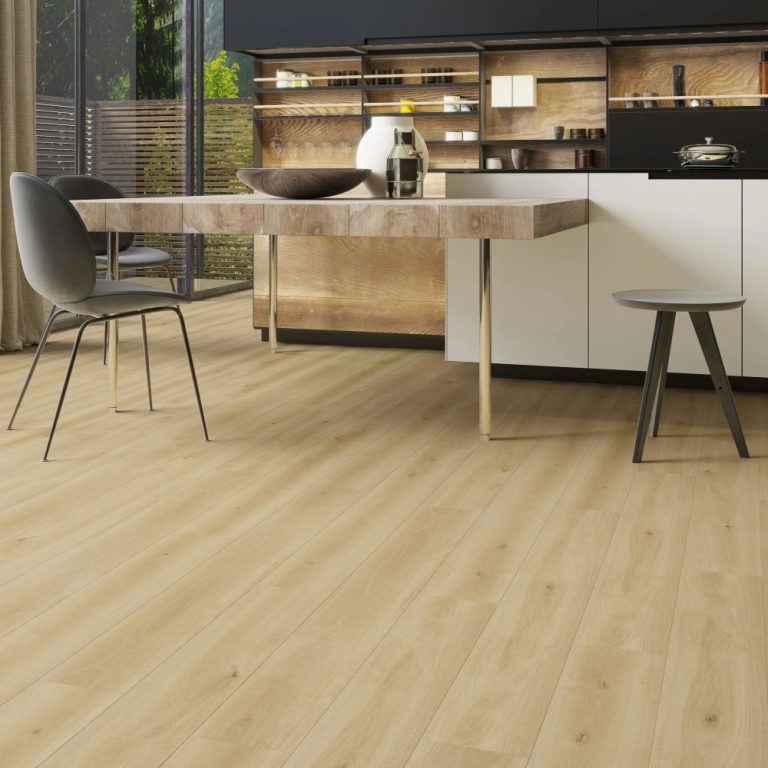
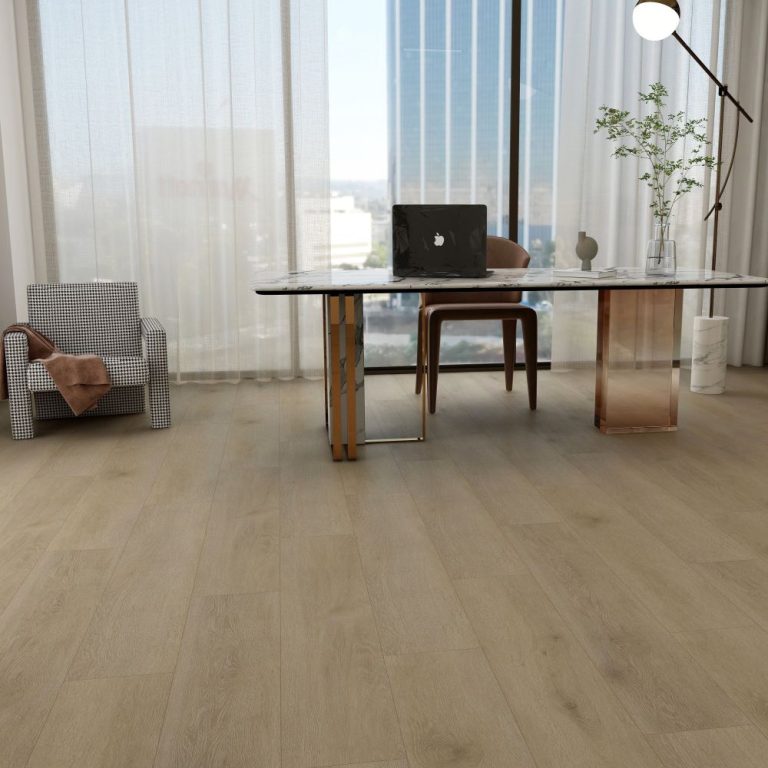
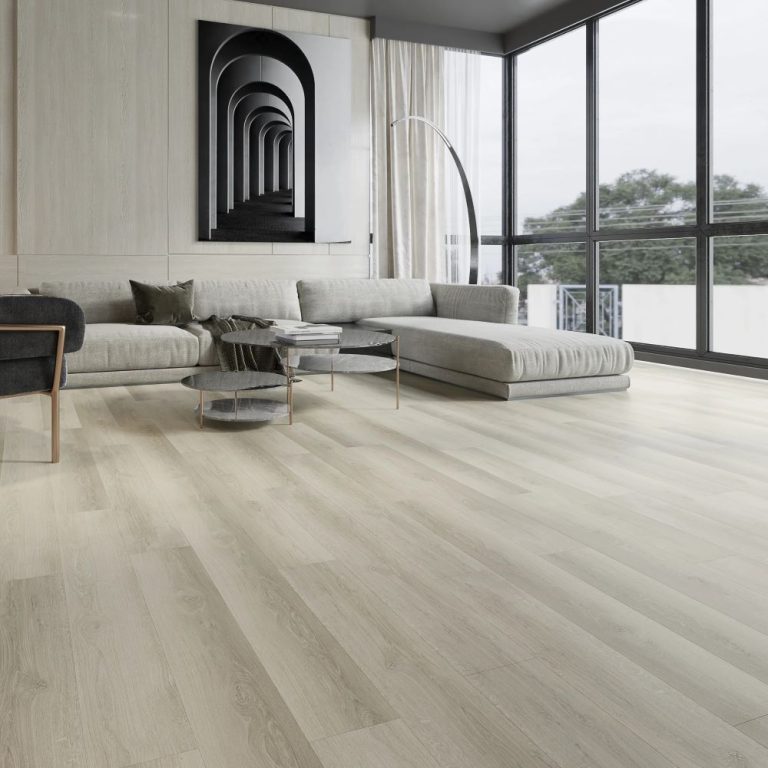
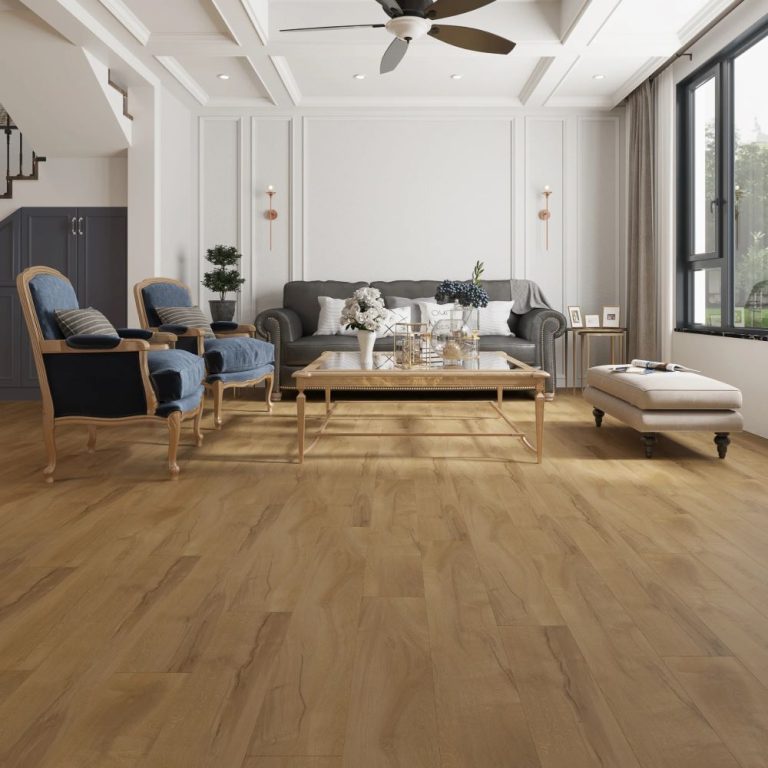
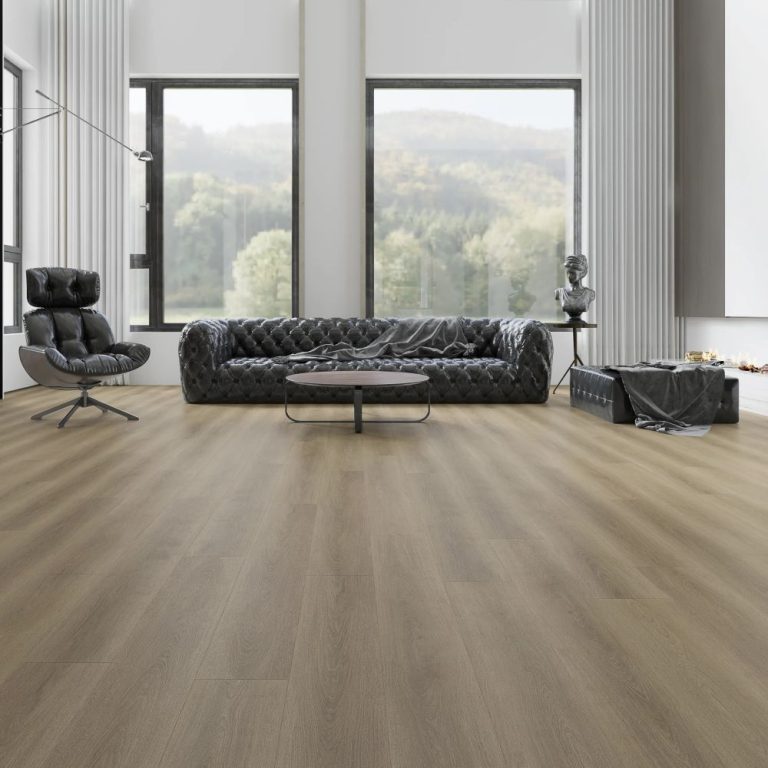
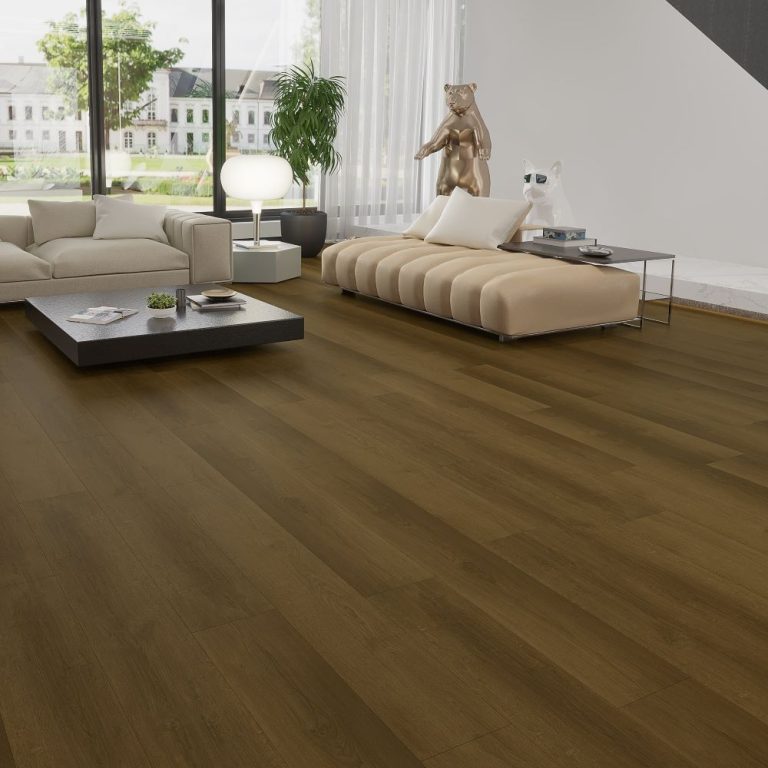
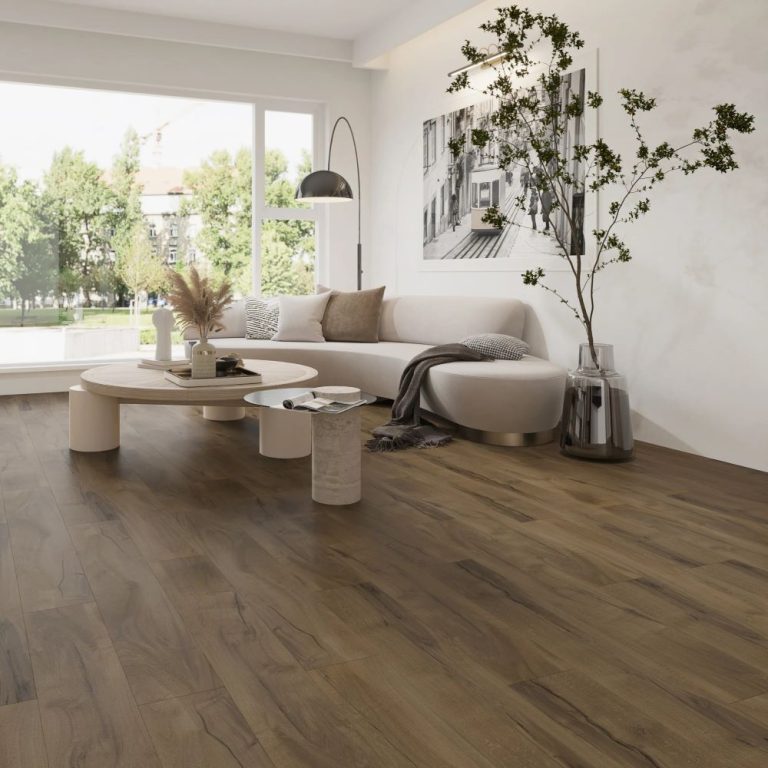
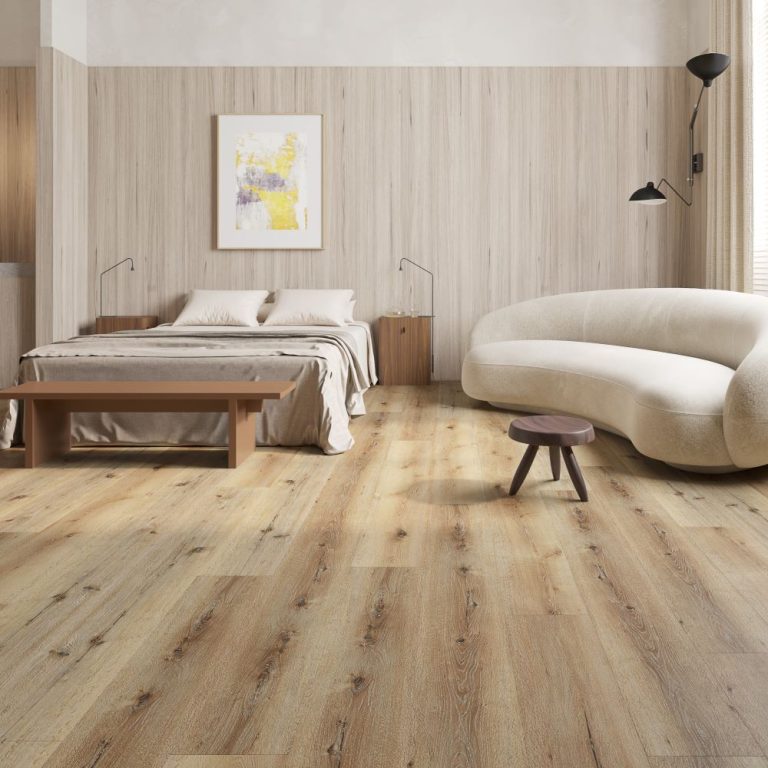
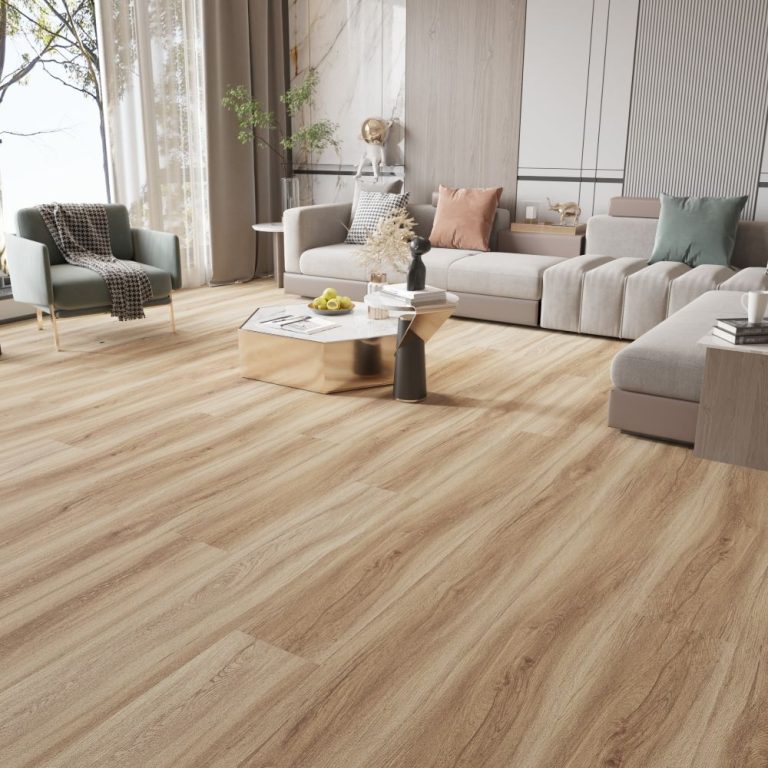
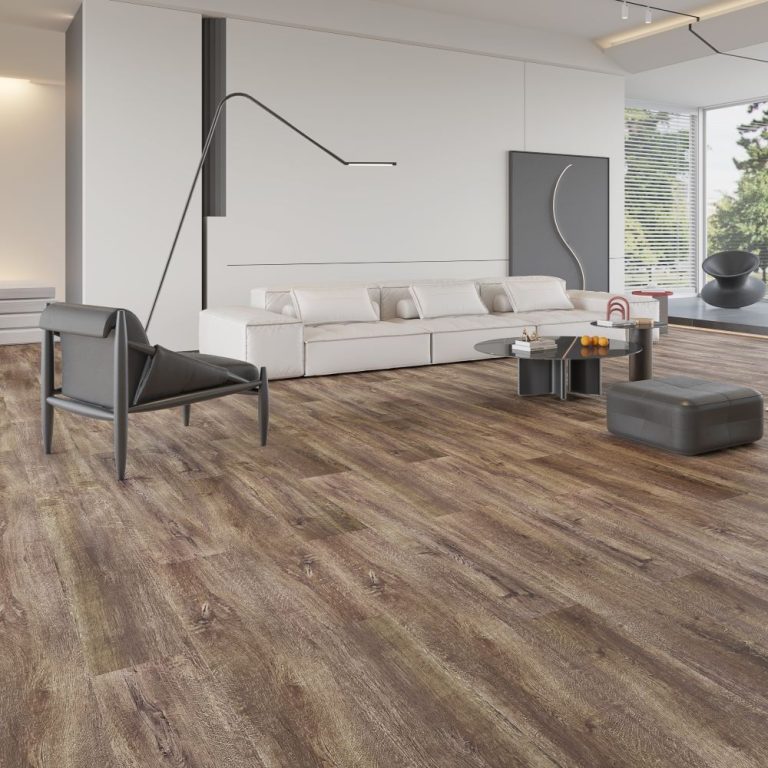
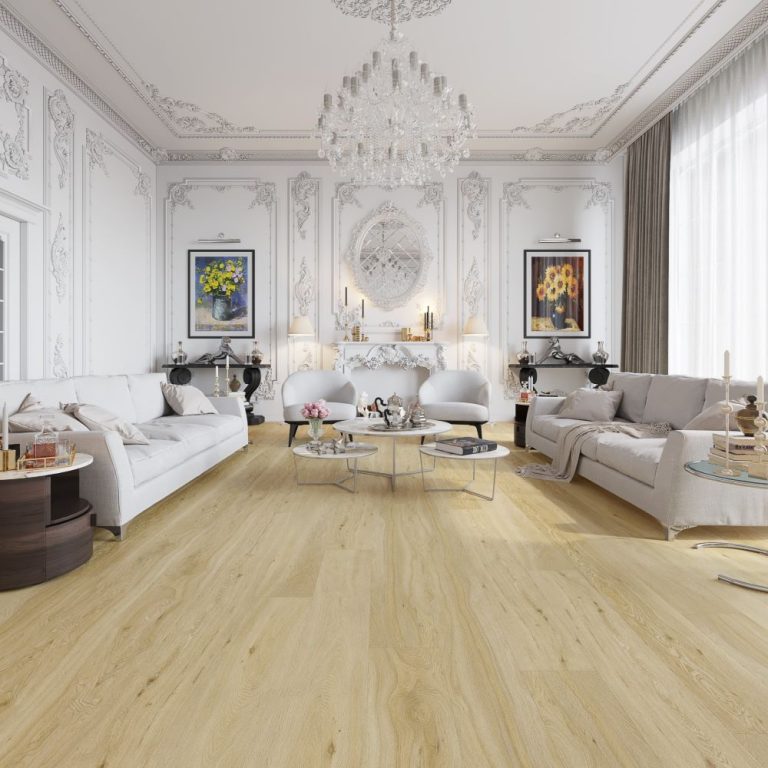
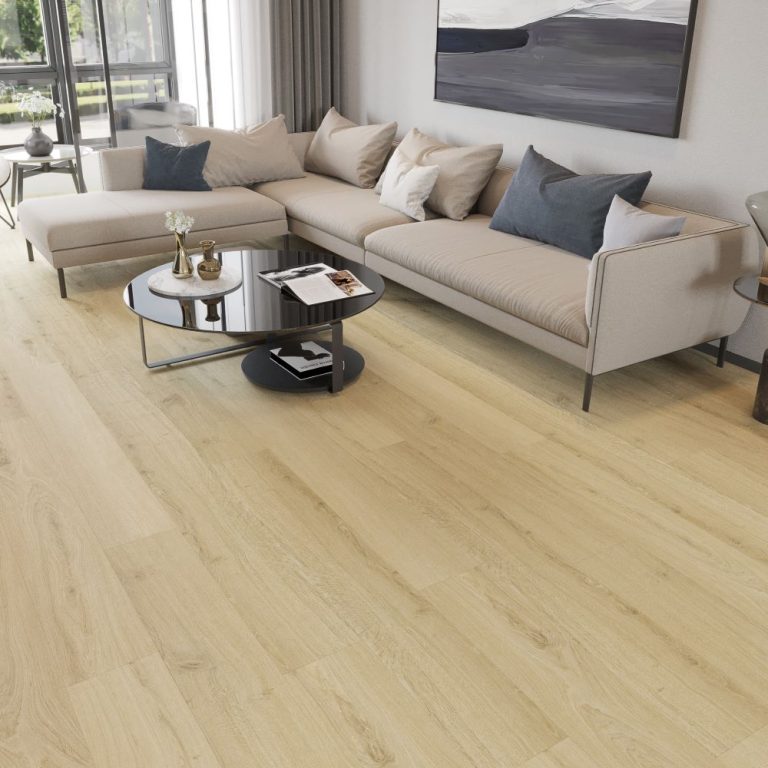
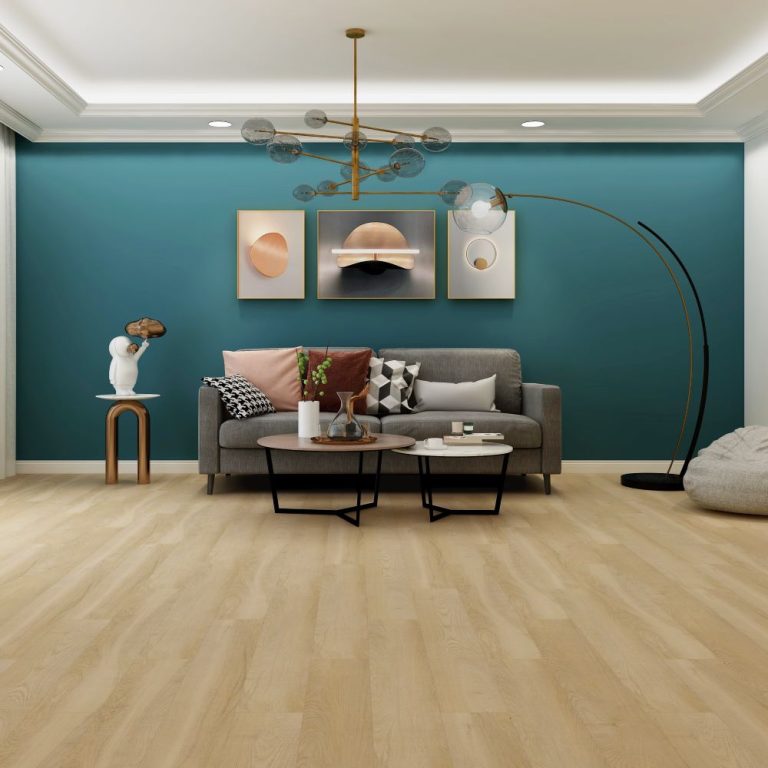
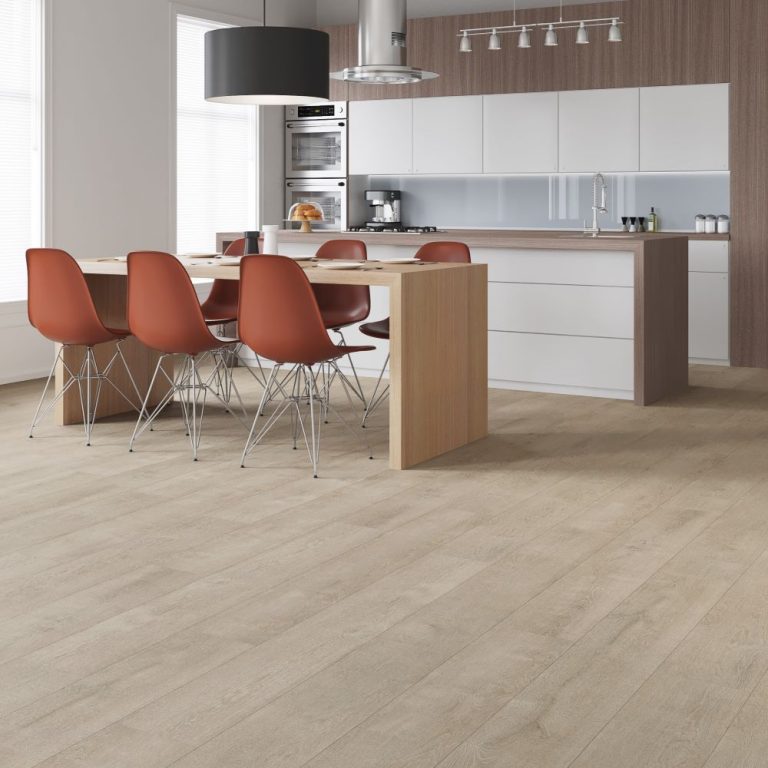
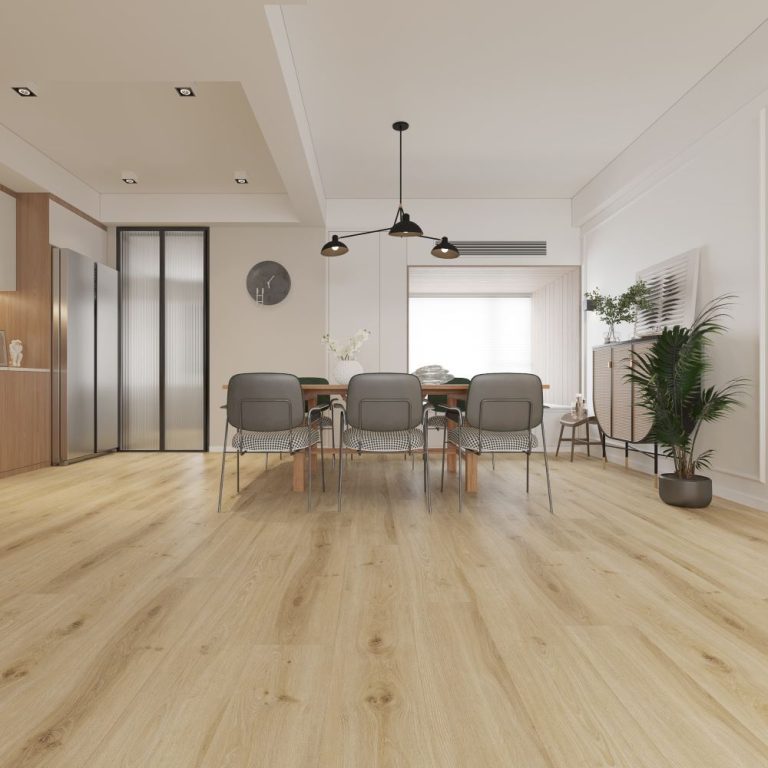
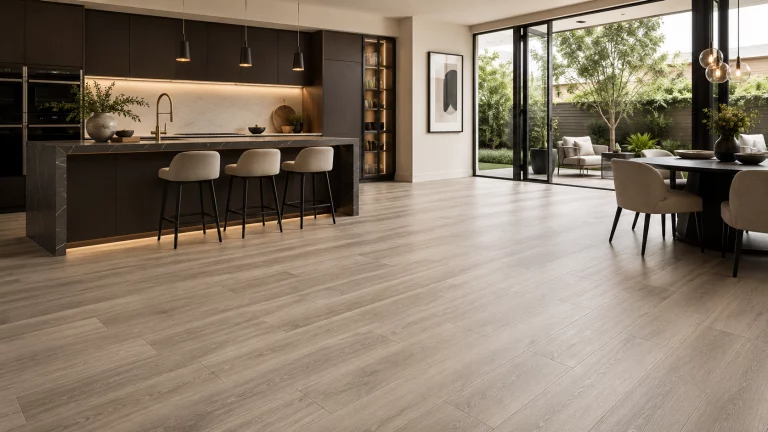
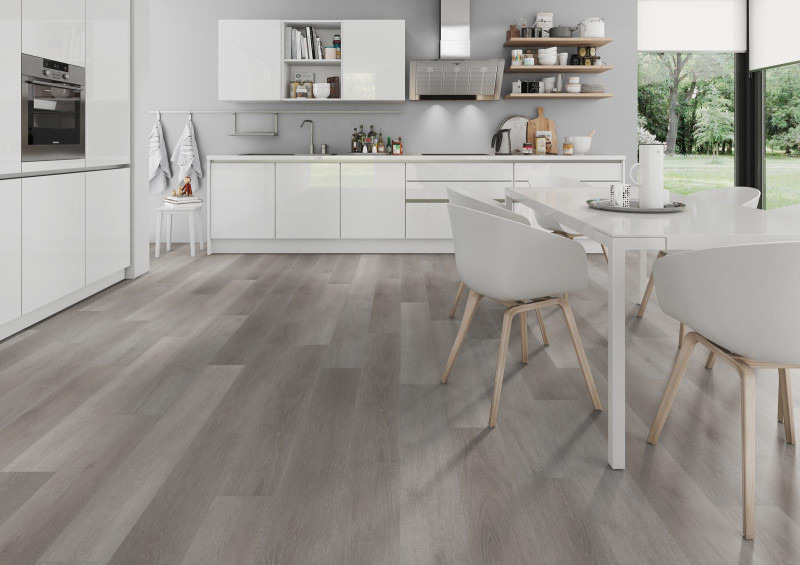
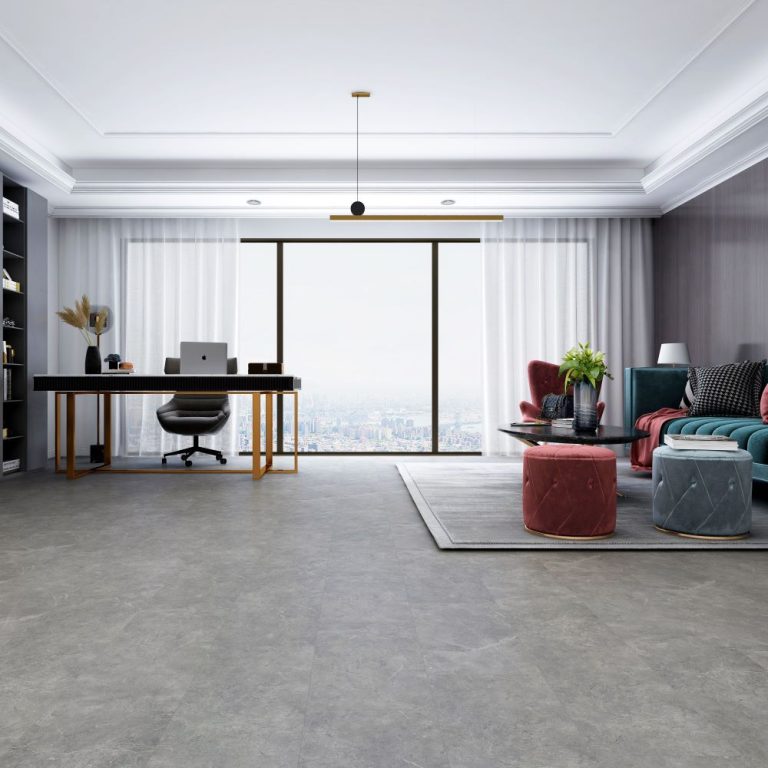
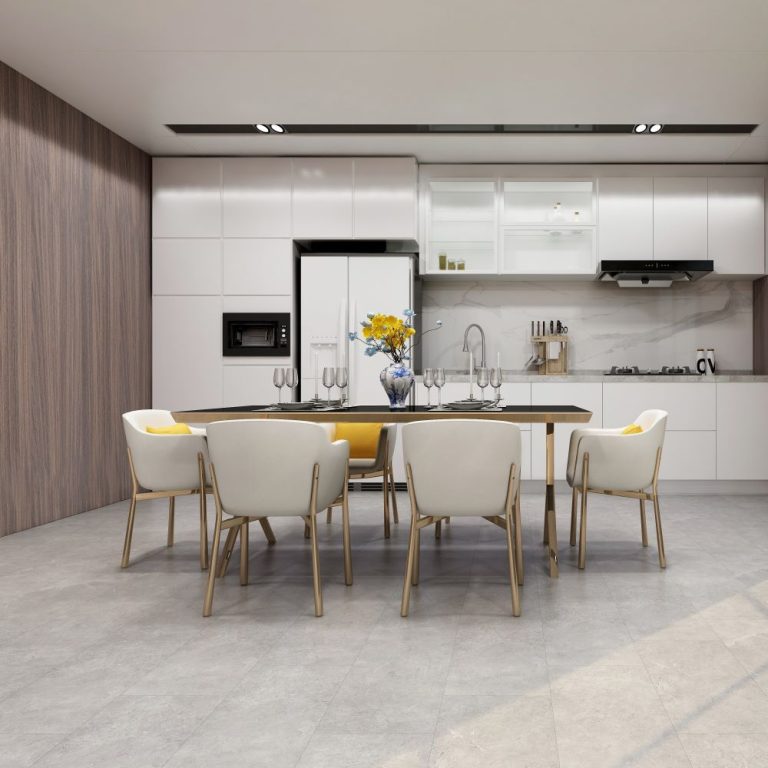
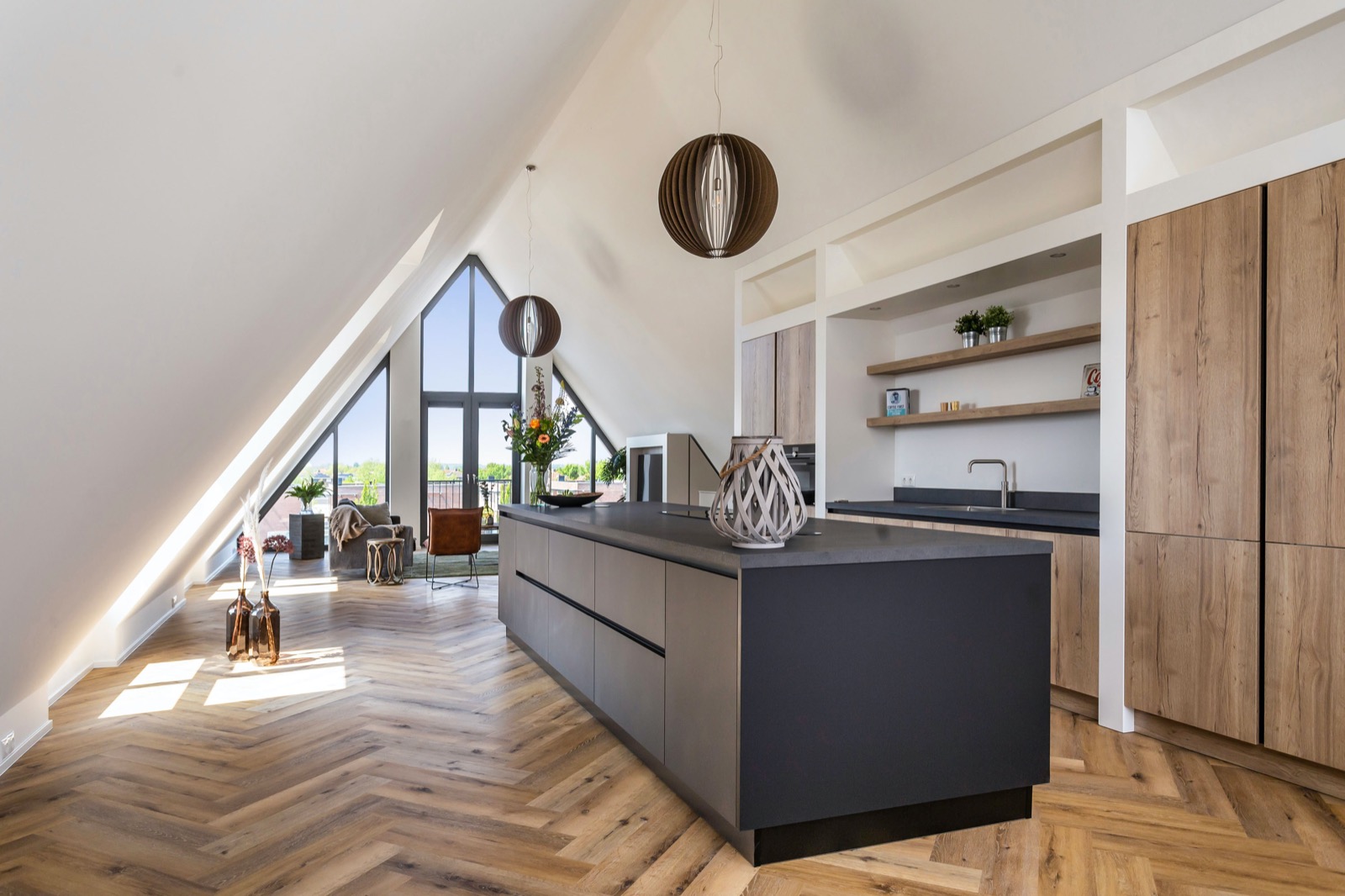
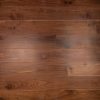
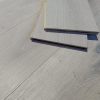
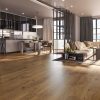
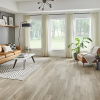
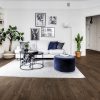
Two constructions among the 24 planks: 5.2 mm boards, 181 x 1220 mm, with a 0.3 mm wear layer for a bedroom, a home office or a room with light traffic; and 6.5 mm boards, 228 x 1524 mm, with a 0.55 mm wear layer for the kitchen, the hall and anywhere with a dog. All are click fitted, listed for underfloor heating and carry a 25 year manufacturer's warranty. The wear layer is the number to choose by; the listing as waterproof is the same on both.
Herringbone and click tiles (12)
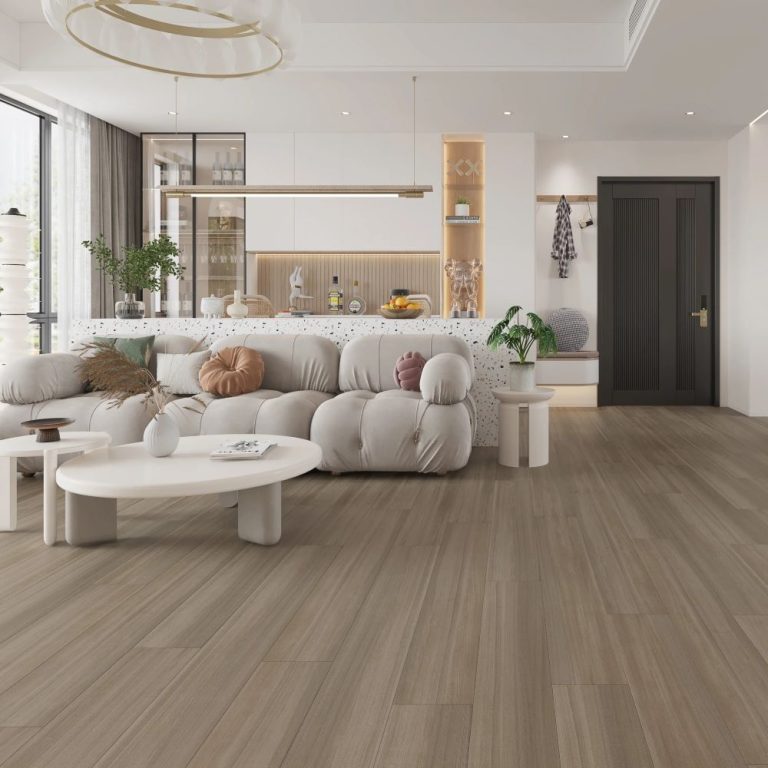
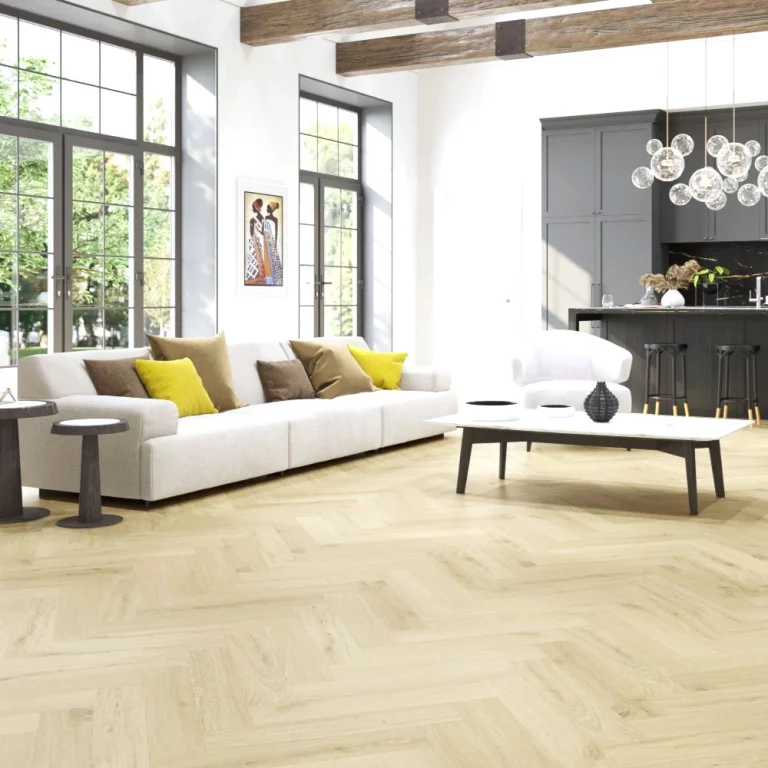
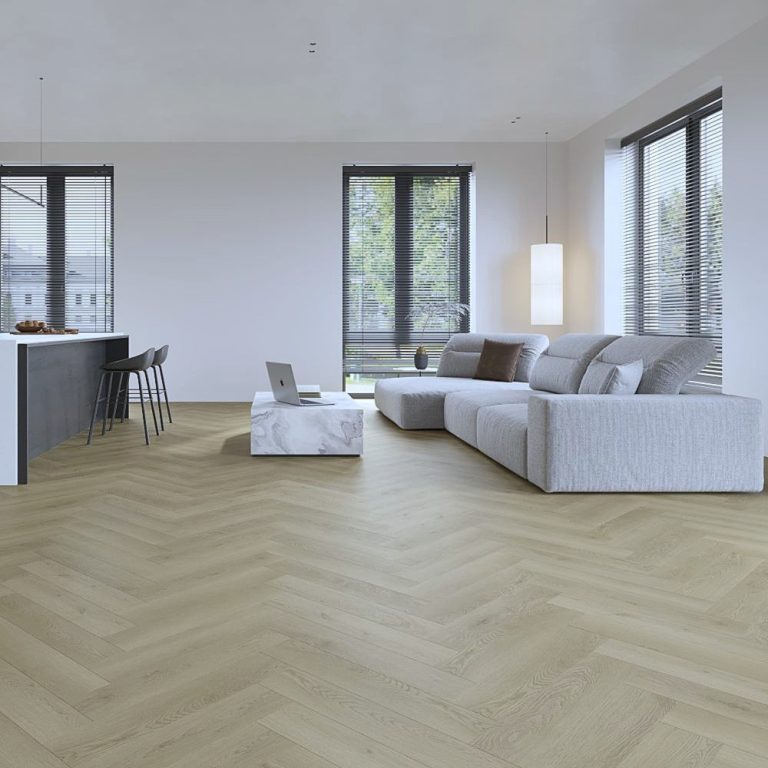
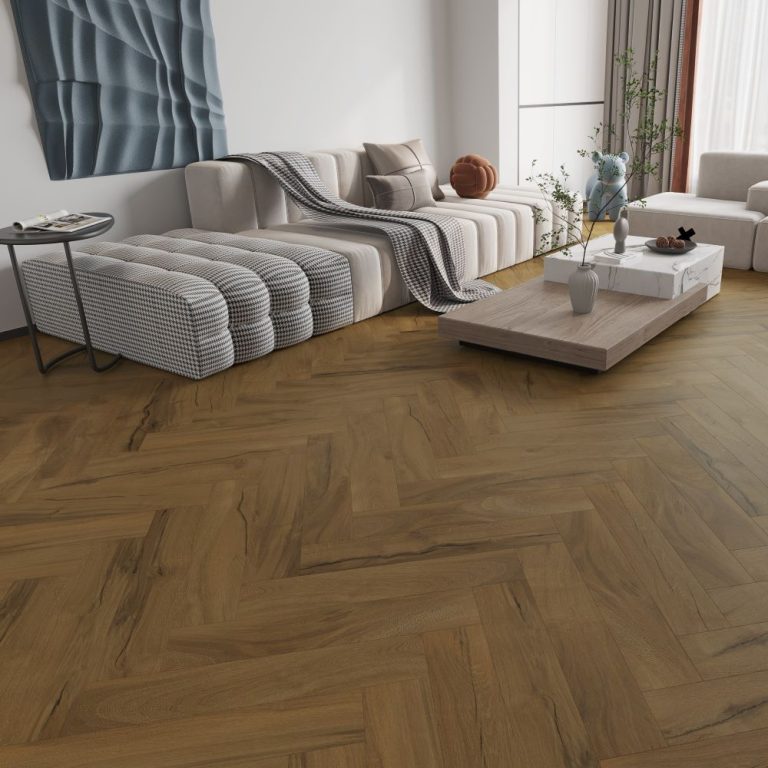
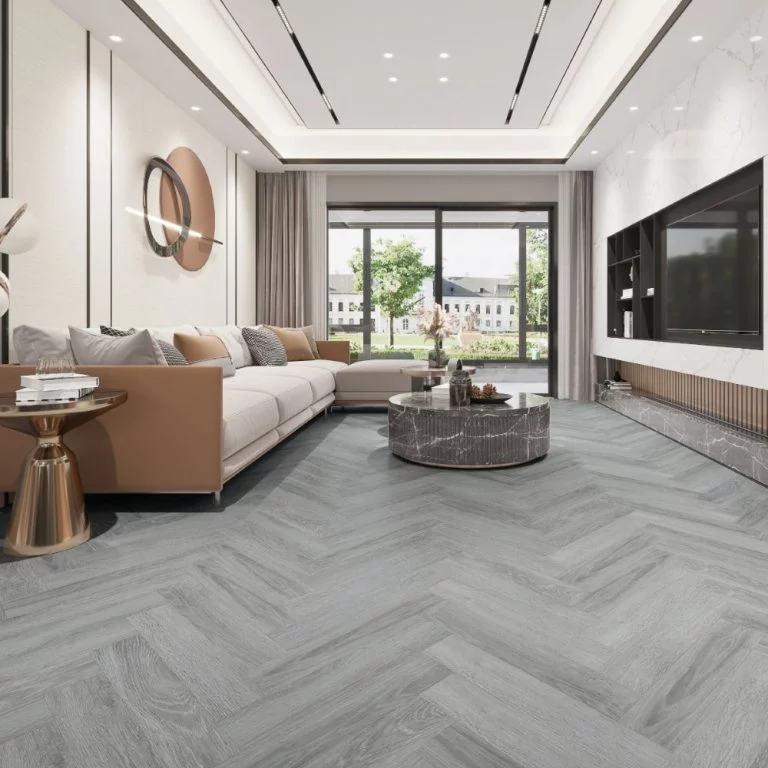
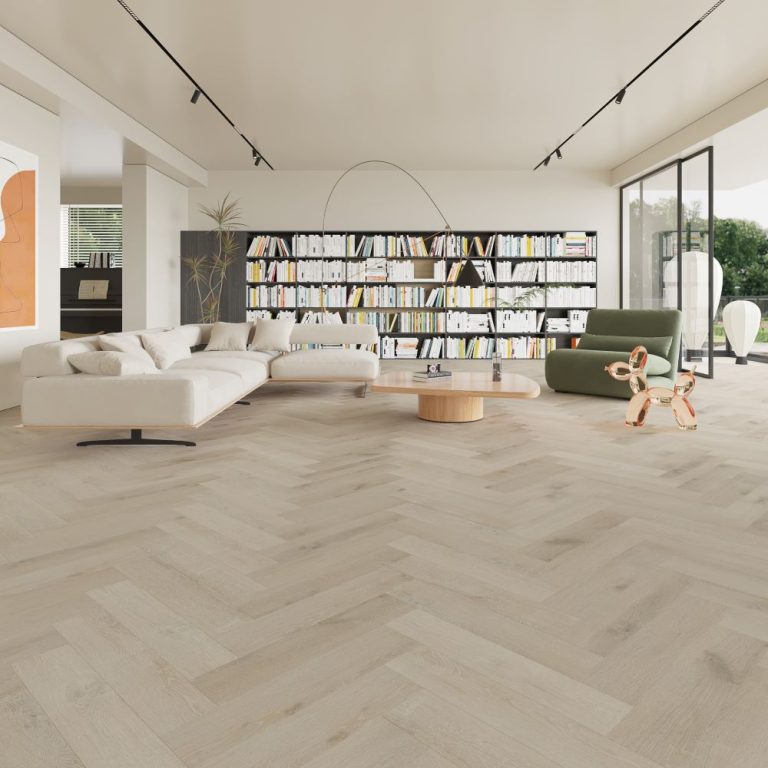
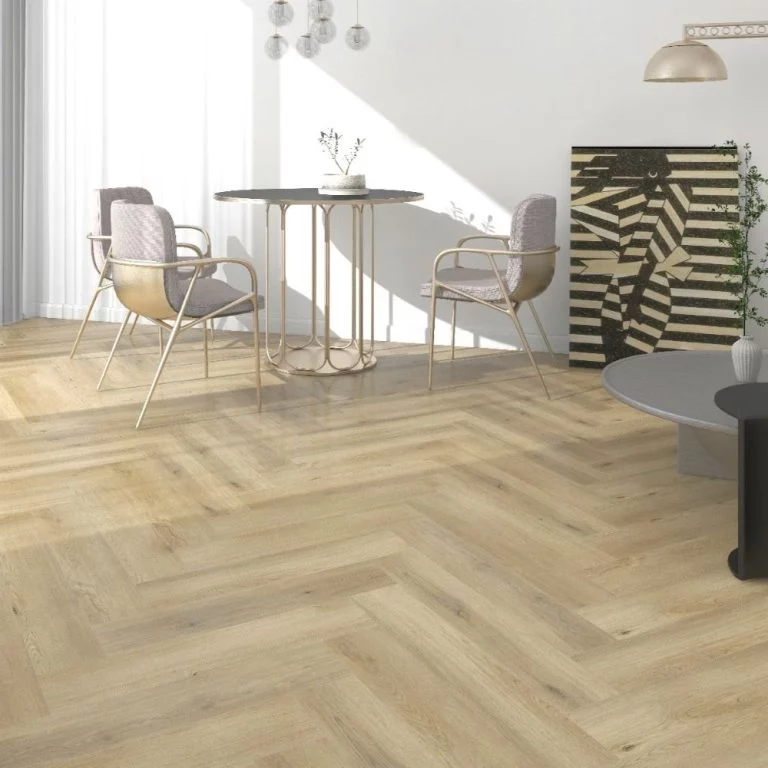
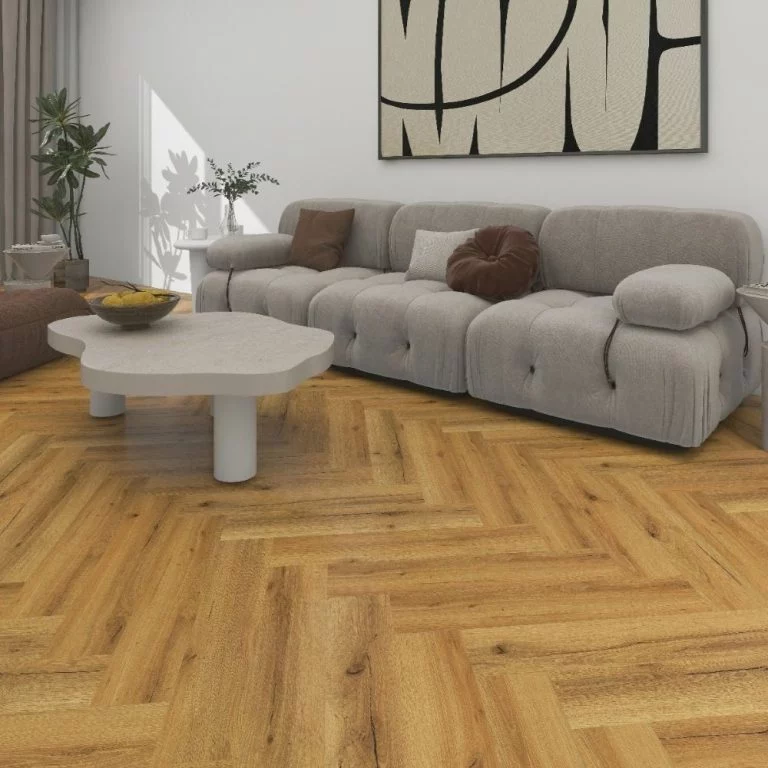
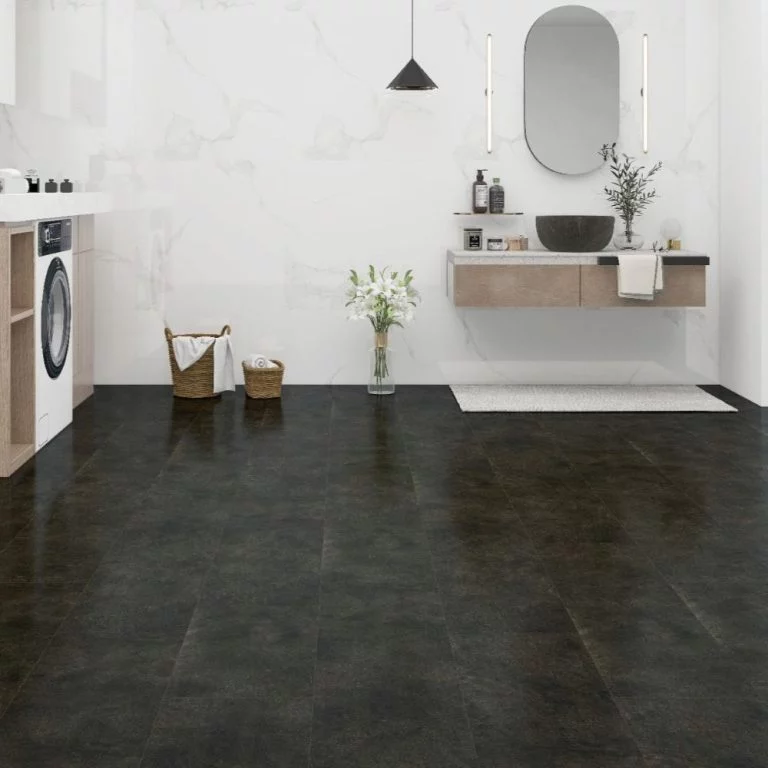
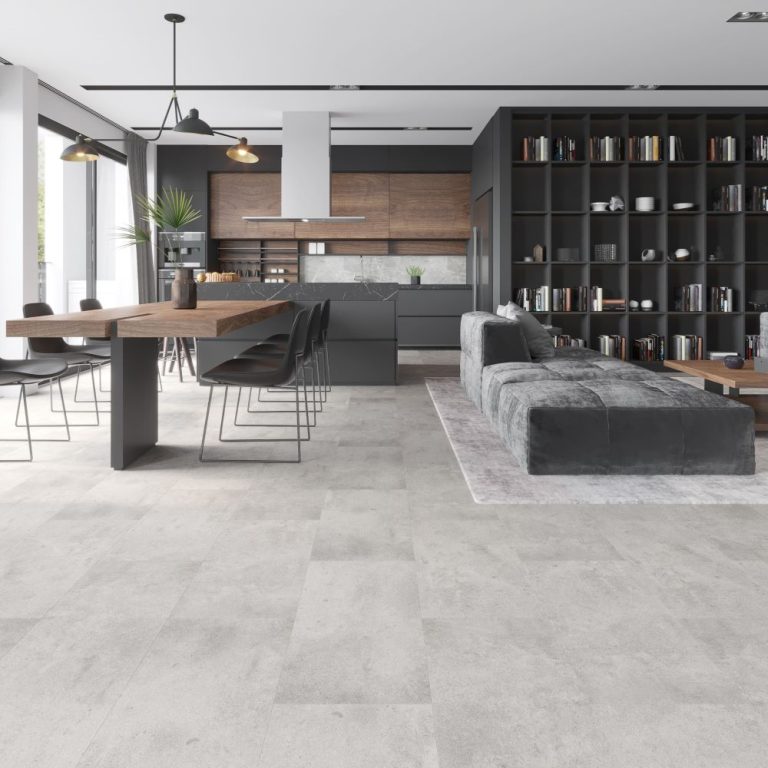
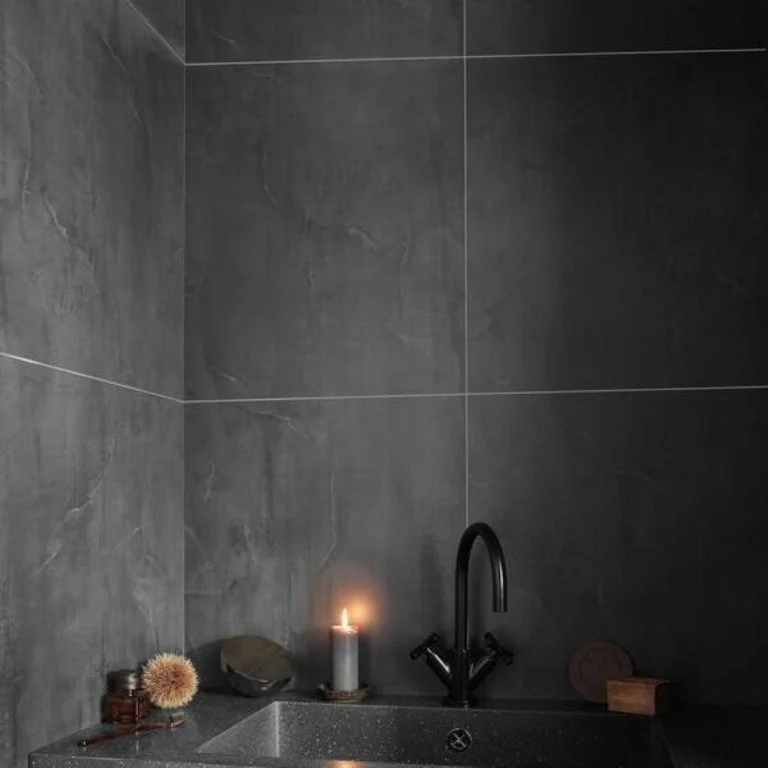
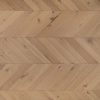
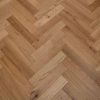
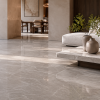
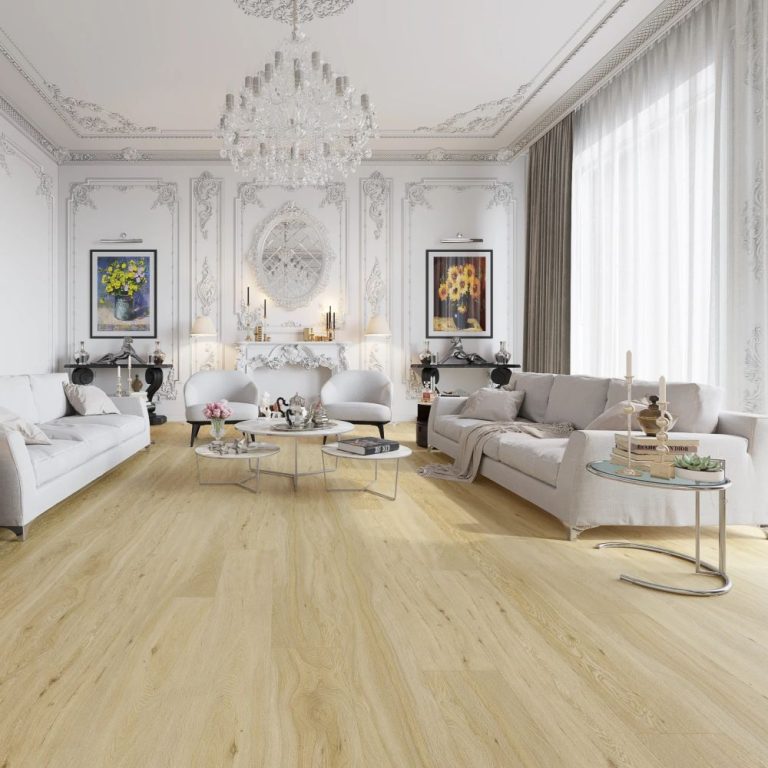
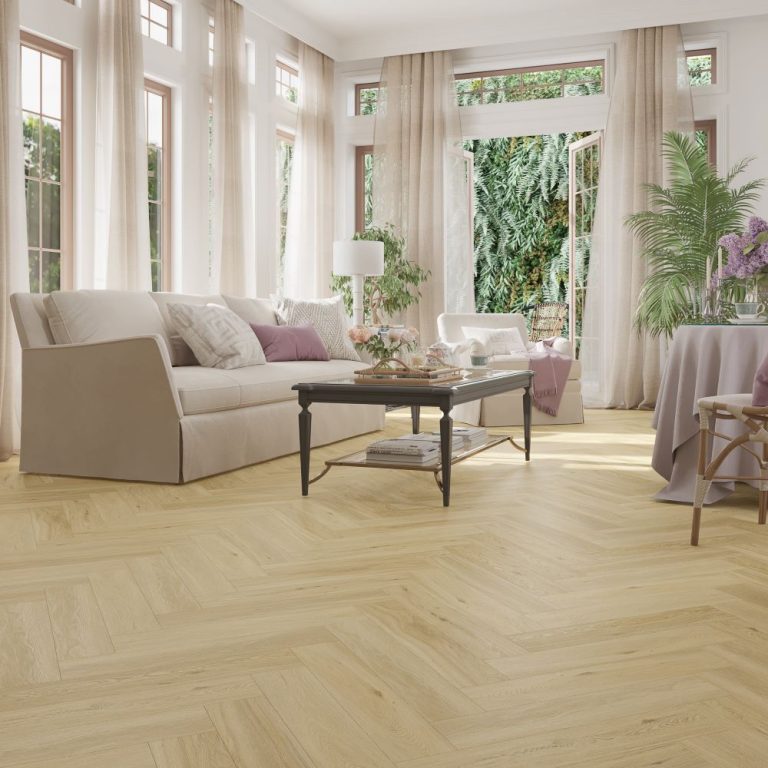
The 8 herringbone floors are 6.5 mm blocks of 126 x 630 mm with a 0.55 mm wear layer, the pattern floor for a kitchen or a hall where an oak block would not suit the water. The 4 click tiles, 305 x 610 mm in slate, concrete and cement decors, give a bathroom or a utility room the look of a tile without grout and without the cold underfoot; they float on an underlay like the planks.
The shower wall panels (5)
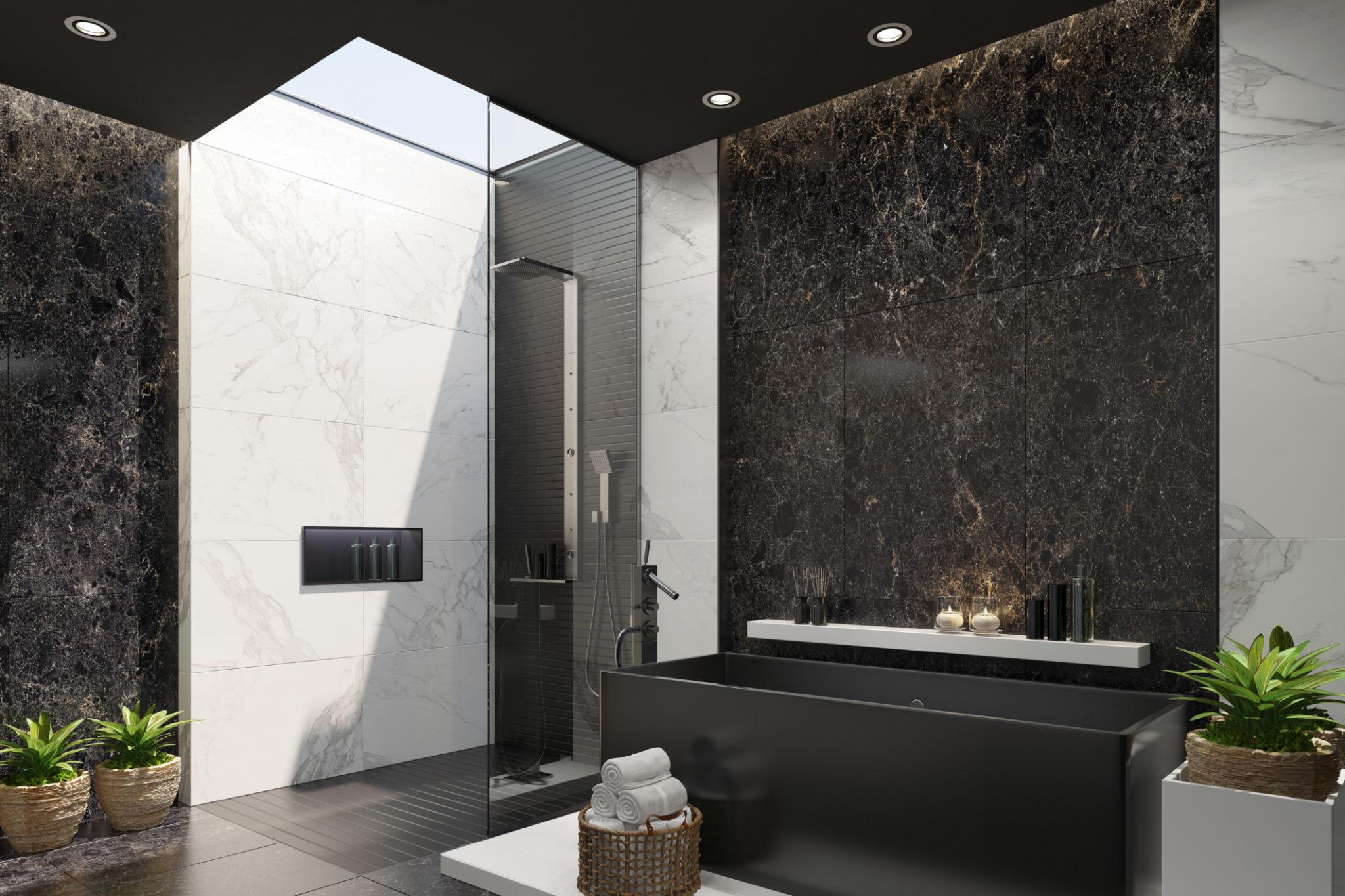
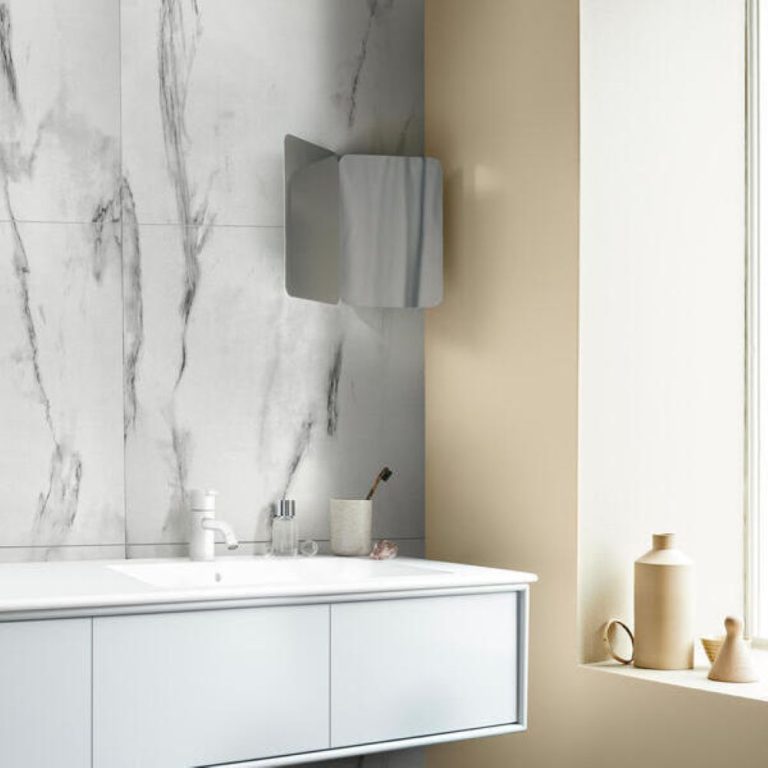
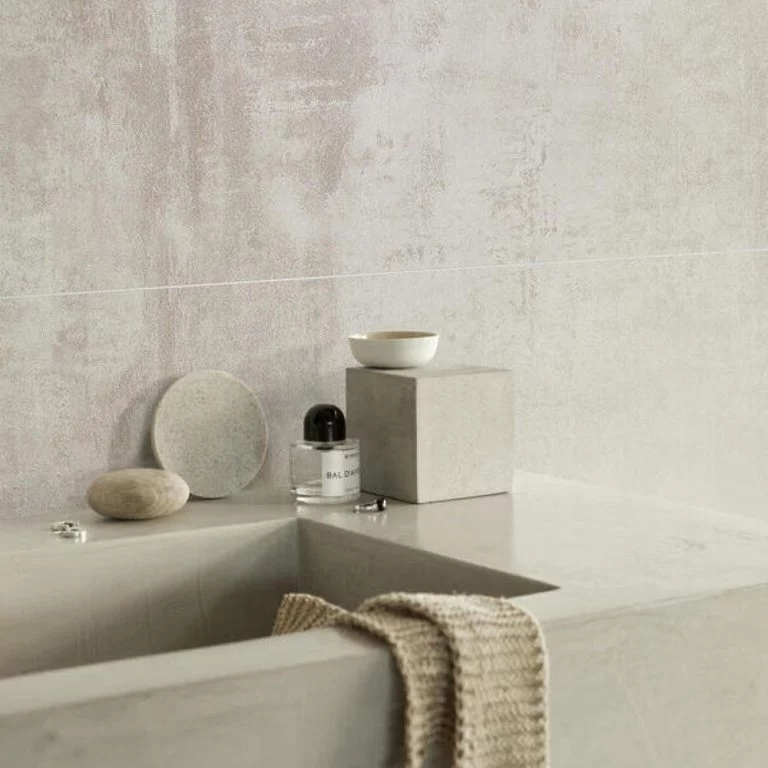
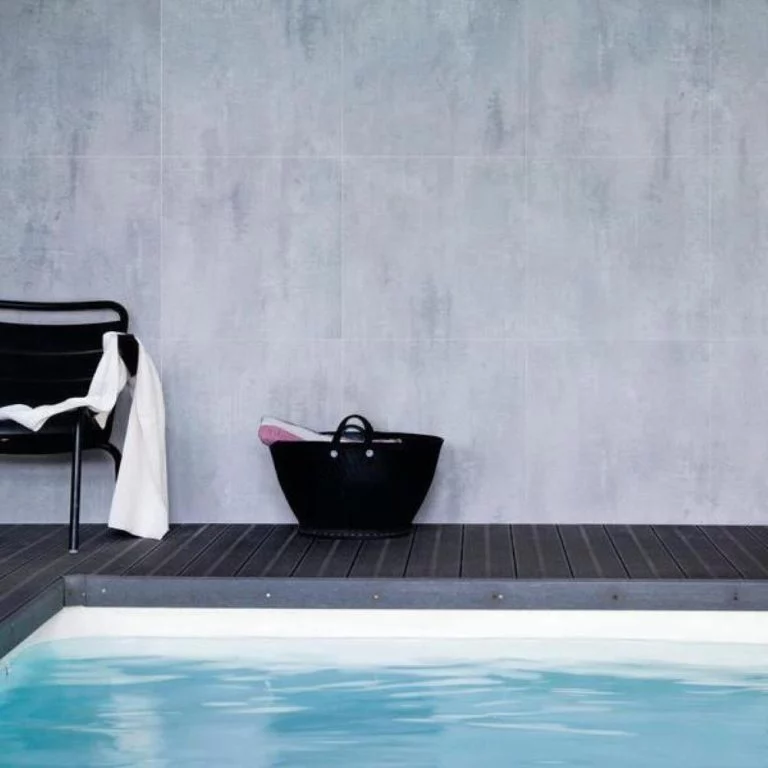
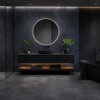
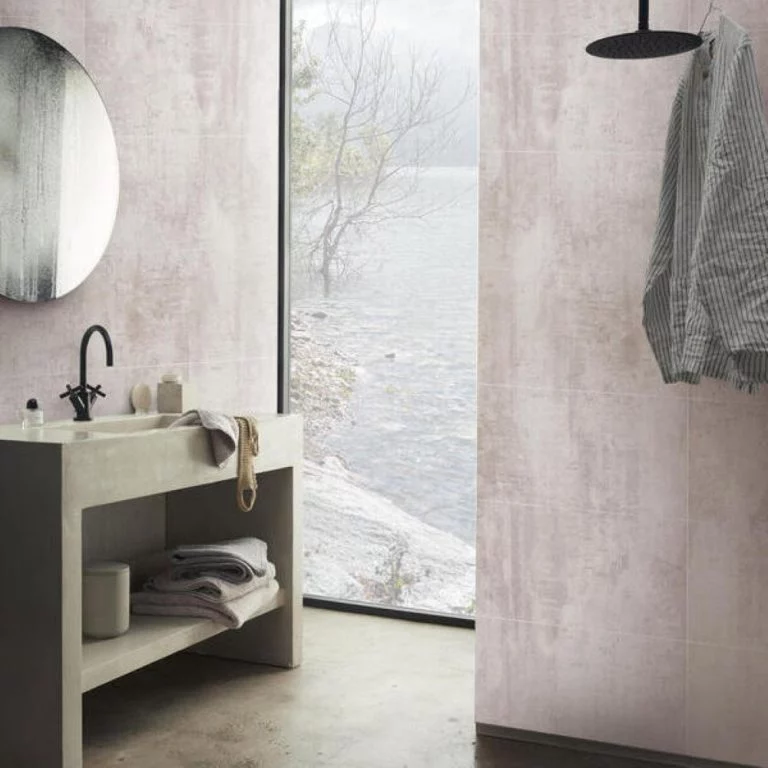
The 5 Berry Alloc Wall & Water panels cover 1.44 square metres each at 10.2 mm thick, interlock, and carry a lifetime warranty from the maker. They replace tiles and grout on the walls of a shower or around a bath, which is where a bathroom usually fails first; the guide linked below covers fitting and the sealing at the corners and the tray.
| Product | Format | Wear layer / thickness | Fitting | Underfloor heating | Warranty |
|---|---|---|---|---|---|
| Berry Alloc Wall & Water Shower Panel Concrete | 1.44 Square Metres | 10.2mm | Interlocking System | Not stated | Lifetime (Berry Alloc) · listed as waterproof |
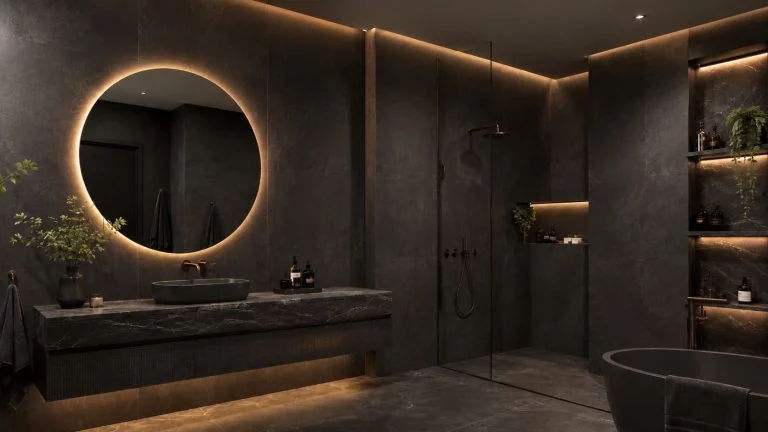
| Berry Alloc Wall & Water Shower Panel Black Velvet | 1.44 Square Metres | 10.2mm | Interlocking System | Not stated | Lifetime (Berry Alloc) · listed as waterproof |
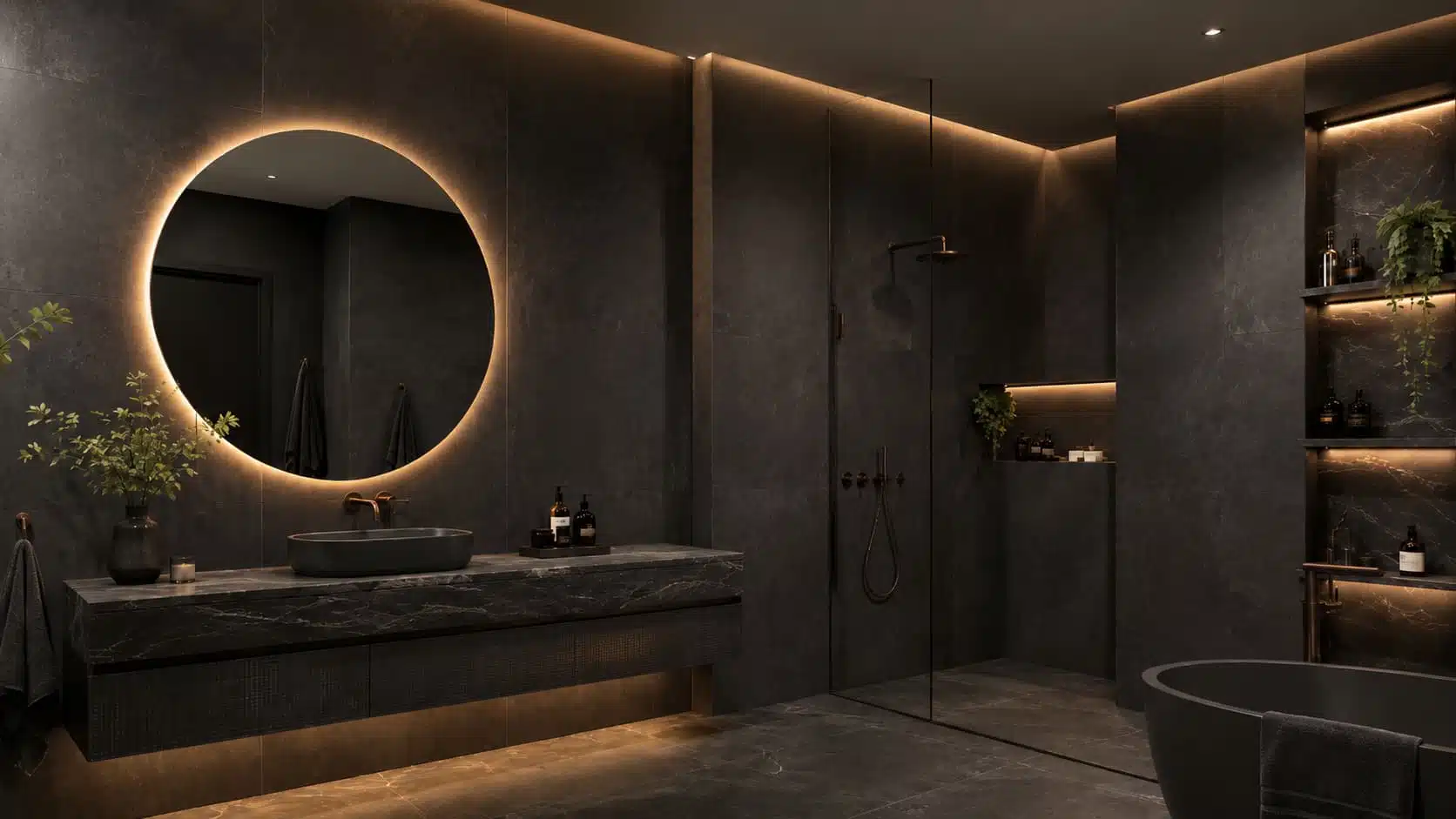
| Berry Alloc Wall & Water Shower Panel White Marble | 1.44 Square Metres | 10.2mm | Interlocking System | Not stated | Lifetime (Berry Alloc) · listed as waterproof |

| Berry Alloc Wall & Water Shower Panel White Brooklyn Concrete | 1.44 Square Metres | 10.2mm | Interlocking System | Not stated | Lifetime (Berry Alloc) · listed as waterproof |
| Berry Alloc Wall & Water Shower Panel Cement | 1.44 Square Metres | 10.2mm | Interlocking System | Not stated | Lifetime (Berry Alloc) · listed as waterproof |
Where it belongs, and where it is not the answer
Before you order
What the published standards say
Each entry is quoted from its source and linked to it. The full set is in the standards reference.
BS 8203 — relative humidity limit for a subfloor
UK practice following BS 8203 treats a subfloor as dry enough for resilient floor coverings when hygrometer readings do not exceed 75% relative humidity (65% RH for solid timber coverings), measured with a hygrometer sealed to the surface so that it reaches equilibrium with the base.
| RH limit, resilient floor coverings | 75 % RH |
|---|---|
| RH limit, solid timber floor coverings | 65 % RH |
“The base can be considered dry enough to install most floorcoverings if a series of tests produce readings not exceeding 75% R.H. (65% R.H. for solid timber floorcoverings).”
Source: F. Ball and Co. Ltd - Digital Hygrometer, Technical Data SheetCleaning — the manufacturers’ own guidance
For multilayer modular floor coverings the MMFA requires low-moisture cleaning methods and states that pooling of liquid on the floor must be avoided under all circumstances.
“Absolutely avoid ponding in any case!”
Source: Basic cleaning — MMFA (Multilayer Modular Flooring Association)Room conditions at the time of fitting
The MMFA, the European association for multilayer modular floor coverings, requires the flooring to acclimatise for at least 48 hours in the same conditions as the installation area, stored flat and cross-stacked in unopened boxes at roughly 15-25 degrees Celsius and 35 to 65 per cent relative humidity.
| acclimatisation before installation | at least 48 h |
|---|---|
| storage and acclimatisation temperature | 15-25 °C |
| storage and acclimatisation relative humidity | 35-65 % |
“Leave the floor covering to acclimatise in the same environmental conditions as the installation area for a period of at least 48 hours prior to installation. Always store the boards flat and cross-stacked, in their original unopened boxes and at approx. 15-25 °C and between 35 % and maximum 65 % relative humidity.”
Source: Prior to installation — MMFA (Multilayer Modular Flooring Association)What SPC rigid core actually is
According to the Multilayer Modular Flooring Association, SPC stands for Solid Polymer Core, whereas WPC stands for Wood Plastic Composite; both are listed as alternative core-layer materials for multilayer modular floor panels, the SPC core being a solid polymer compound and the WPC core a wood-polymer composite.
| SPC | Solid Polymer Core |
|---|---|
| WPC | Wood Plastic Composite |
| EPC | Expanded Polymer Core |
“Core layers can be wood composites such as HDF or cork, but also polymer or polymer composite materials such as PFC (Perfluorcarbone), natural fibre-reinforced plastics, WPC (Wood Plastic Composite), EPC (Expanded Polymer Core) and SPC (Solid Polymer Core); but also mineral-based substrates, e.g. MPC ("Mineral Plastic Composites").”
Source: Multilayer Modular Flooring in focus - MMFA (Multilayer Modular Flooring Association)Wear layer thickness classes for vinyl
EN ISO 10582 does not link heterogeneous PVC floor coverings to a wear layer thickness in millimetres per class. Its published scope states that the standard specifies the characteristics of non-cushioned heterogeneous PVC floor coverings and that it includes a classification system (see ISO 10874) based on the intensity of use, plus requirements for marking - so the class number (23, 31, 32, 33, 34) describes where a floor is fit to be used, not how thick its wear layer is.
| Basis of the classification system referenced by EN ISO 10582 (ISO 10874) | intensity of use |
|---|
“To encourage the consumer to make an informed choice, this document includes a classification system (see ISO 10874) based on the intensity of use, which shows where these floor coverings give satisfactory service. It also specifies requirements for marking.”
Source: ISO 10582:2017 - Resilient floor coverings - Heterogeneous poly(vinyl chloride) floor covering - Specifications (ISO catalogue page, abstract)Pendulum Test Value — how slip risk is assessed
HSE grades pedestrian slip potential from the pendulum test value (PTV): 0-24 is high slip potential, 25-35 moderate and 36 or above low slip potential, the pendulum coefficient-of-friction test being the subject of BS 7976 Parts 1-3.
| low slip potential | 36 + PTV |
|---|---|
| moderate slip potential | 25-35 PTV |
| high slip potential | 0-24 PTV |
“Table 1 Slip potential classification, based on pendulum test values (PTV) PTV High slip potential 0-24 Moderate slip potential 25-35 Low slip potential 36 +”
Source: HSE - Assessing the slip resistance of flooring (GEIS2)