

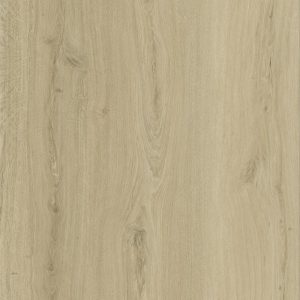
White Luxury Rigid Vinyl Flooring
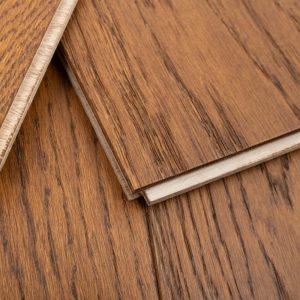
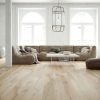
White Rigid Vinyl brightens every room and enhances natural light, making spaces feel open and airy.
Shop White
Buying guide
White, explained
Still unsure? Real people, honest advice.
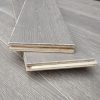
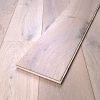
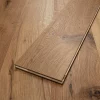
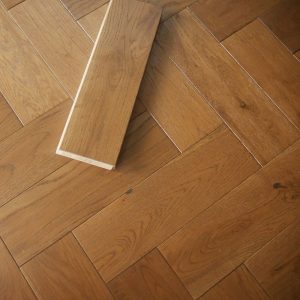
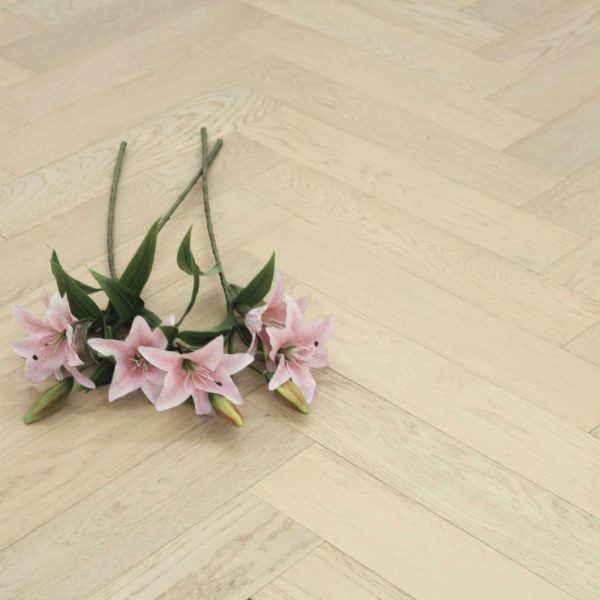
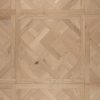
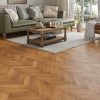
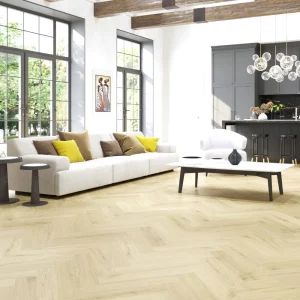
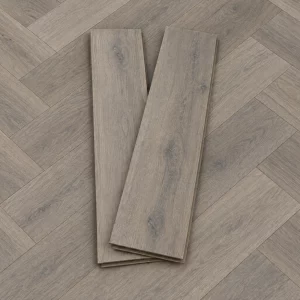
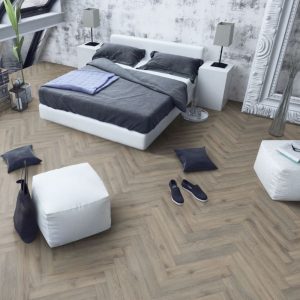
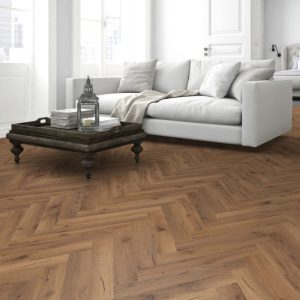
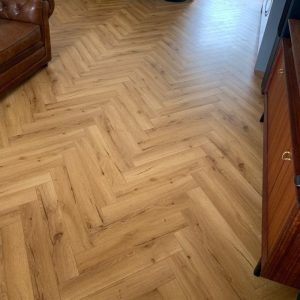
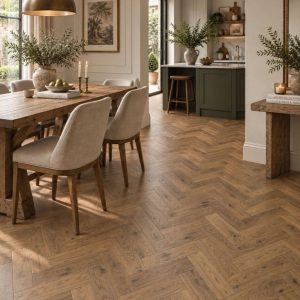
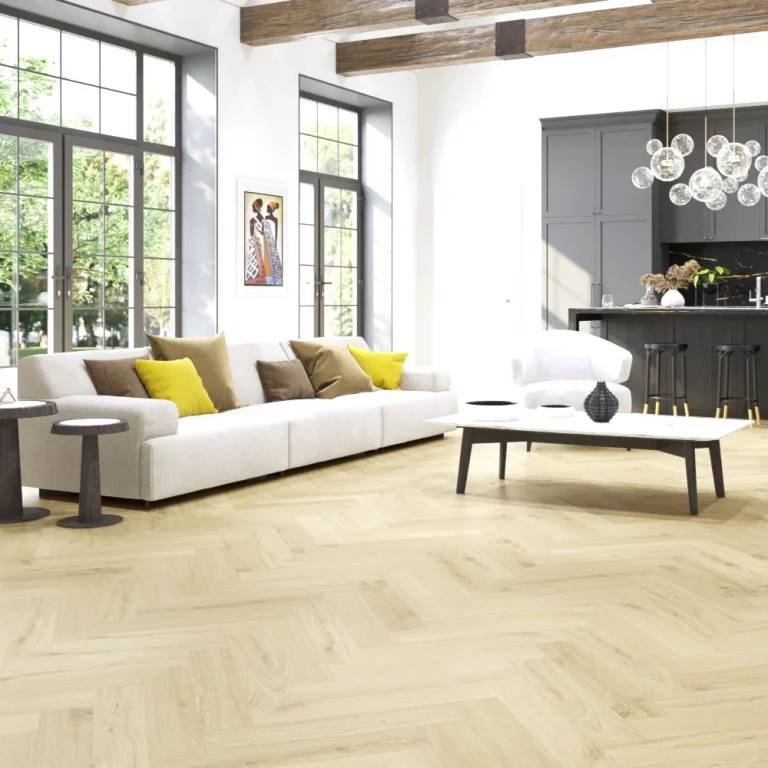
White in the BML rigid vinyl range is one floor: the American White Oak herringbone block. 6.5 mm thick at 126 mm by 630 mm with a 0.55 mm wear layer, a pale parquet pattern for a bathroom or a kitchen, waterproof and with the underlay attached.
More luxury rigid vinyl looks
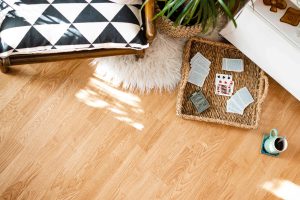 11 floorsBeige / Light Browns
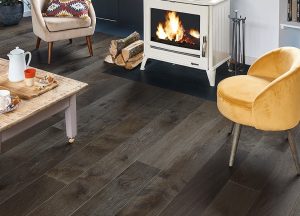 1 floorBlack
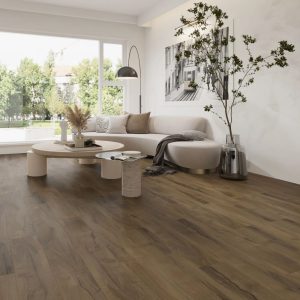 7 floorsDark Browns
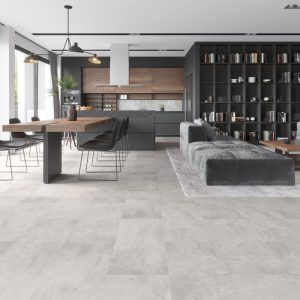 11 floorsGreys
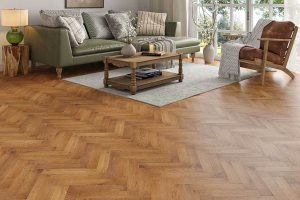 8 floorsHerringbone
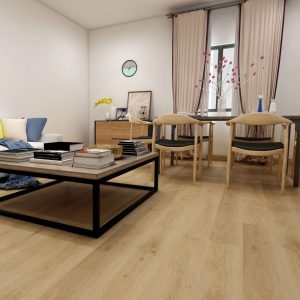 9 floorsMid Browns
The same look in other floors
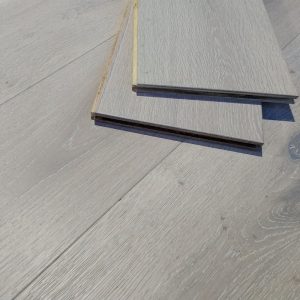
The look
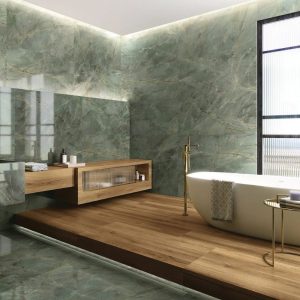
Pale herringbone, bathroom
The heavier wear layer
The palest of the pale
In depth
Choosing white rigid vinyl
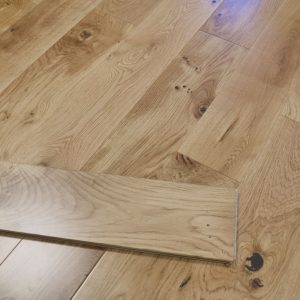
There is one white floor in the rigid vinyl range, and it is the pale end of the herringbone subcategory rather than a plank: the BML American White Oak herringbone block, 6.5 mm thick, 126 mm by 630 mm, with a 0.55 mm wear layer over a solid polymer core. Textured, listed as waterproof and compatible with underfloor heating, underlay attached, commercial grade, 25 year manufacturer's warranty: the specification every herringbone block in the range shares.
The reason to choose it is the room. A white oak herringbone belongs in a bathroom, an en-suite or a kitchen with pale units, which are the rooms a real white oak parquet would not survive. The pattern does what herringbone does, it makes a small room look considered and a long room look longer, and the pale tone bounces light back the way a white oak floor does. The core does the rest.
In practice
A pale floor shows dark marks; a pale vinyl floor lets you remove them. The textured surface hides small scuffs, the wear layer resists scratching, and the cleaning routine is a damp mop and a neutral cleaner. The industry guidance on low-moisture cleaning, quoted below, is about the joints of a floating floor rather than the surface.
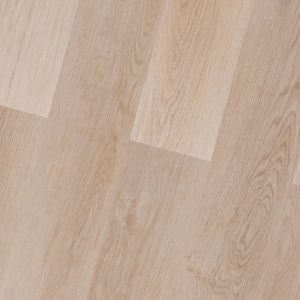
For a white oak look in a plank format the range has none; the White Oak, Ash and Poplar wide planks in the pale subcategory are the nearest, one tone warmer. For a white oak floor in real timber, for a dry room, the engineered white oak boards are the equivalent.
Published standards2 sources
What the published standards say
Each entry is quoted from its source and linked to it. The full set is in the standards reference.
Cutting waste — how much extra to order
There is no published industry standard for cutting waste; the figures come from manufacturers' own guidance and they vary. Havwoods advises 8-12 % wastage for planks and 15-20 % for patterned floors such as herringbone or chevron. Quick-Step's UK guidance for laminate is 5 % extra in a regular room and 10 % in a room with many angles or curves.
| Wastage allowance, plank floors (Havwoods UK) | 8-12 % |
|---|---|
| Wastage allowance, herringbone or chevron (Havwoods UK) | 15-20 % |
| Extra to order, regular room, laminate (Quick-Step UK) | 5 % |
| Extra to order, room with many angles or curves, laminate (Quick-Step UK) | 10 % |
“For planks we typically advise on 8-12% wastage and patterned floors, such as herringbone or chevron, may need 15-20% wastage.”
Source: Havwoods UK - FAQs: How Much Wastage Shall I Encounter For? · second sourceCleaning — the manufacturers’ own guidance
For multilayer modular floor coverings the MMFA requires low-moisture cleaning methods and states that pooling of liquid on the floor must be avoided under all circumstances.
“Absolutely avoid ponding in any case!”
Source: Basic cleaning — MMFA (Multilayer Modular Flooring Association)Questions