
Greys Laminate Flooring
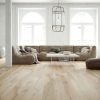
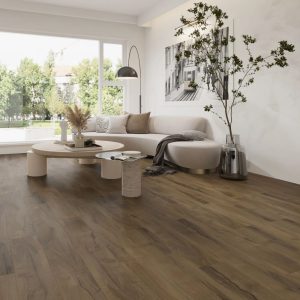
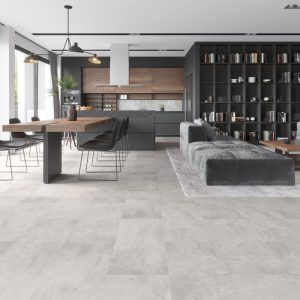
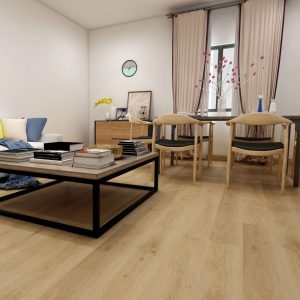
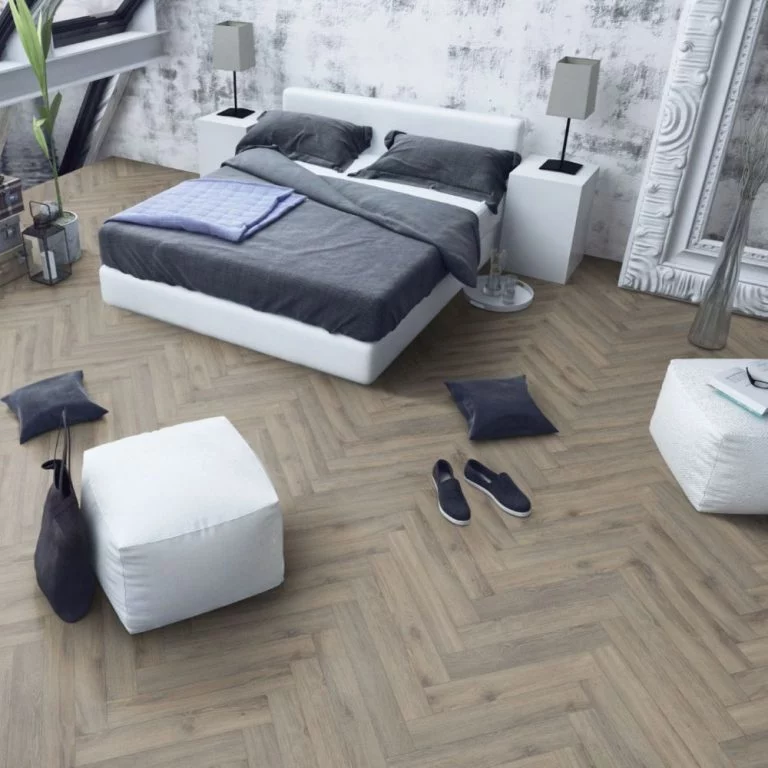
Grey laminate flooring offers a clean, contemporary aesthetic. Its neutral tone works perfectly with minimalist, Scandinavian and modern design concepts.
Buying guide
Greys, explained
Still unsure? Real people, honest advice.
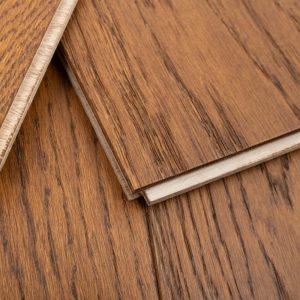
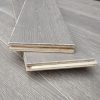
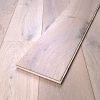
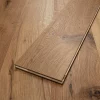
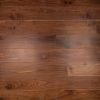
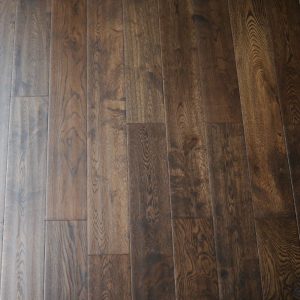
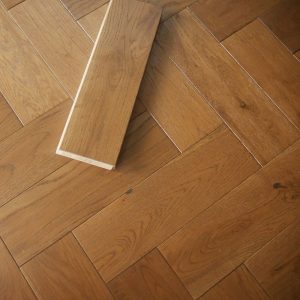
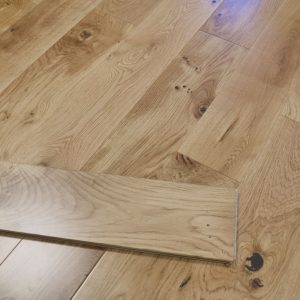
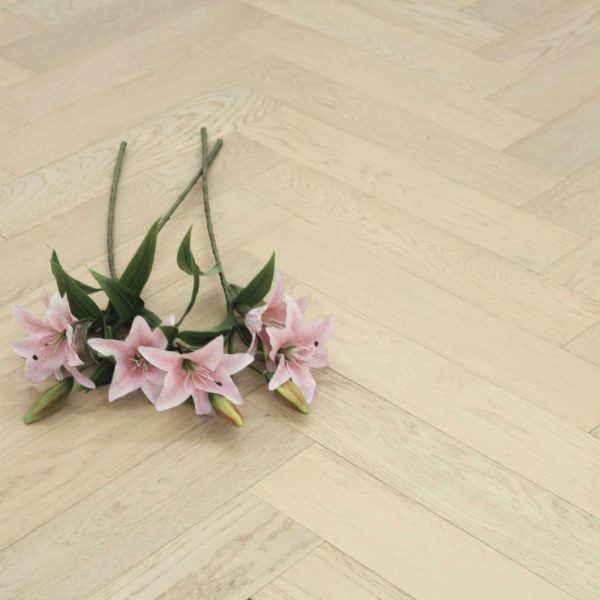
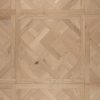
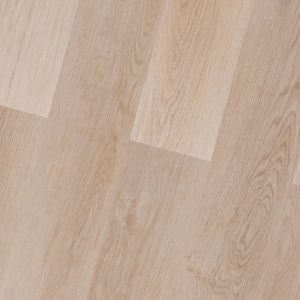
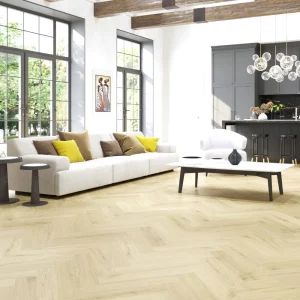
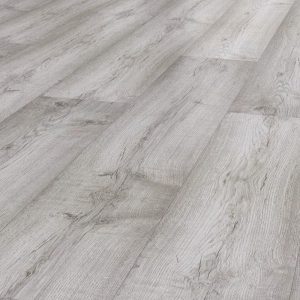
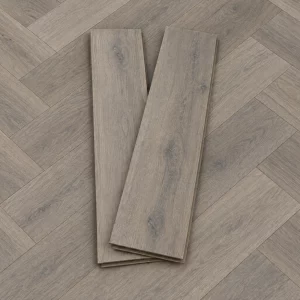
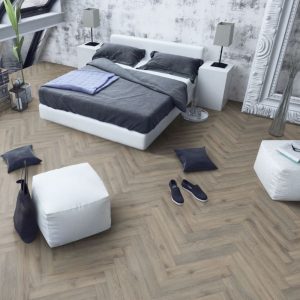
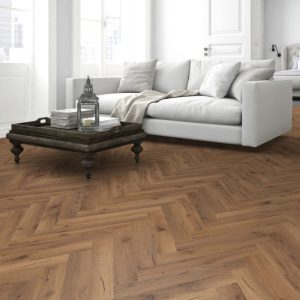
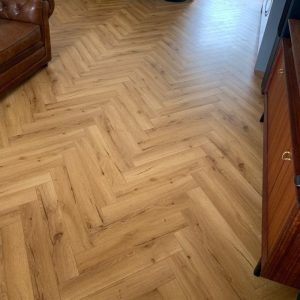
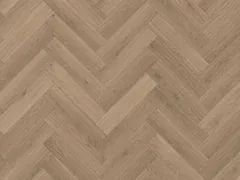
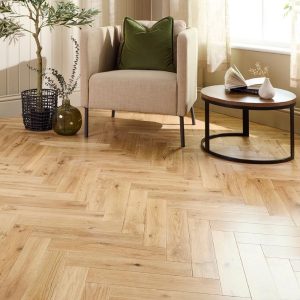
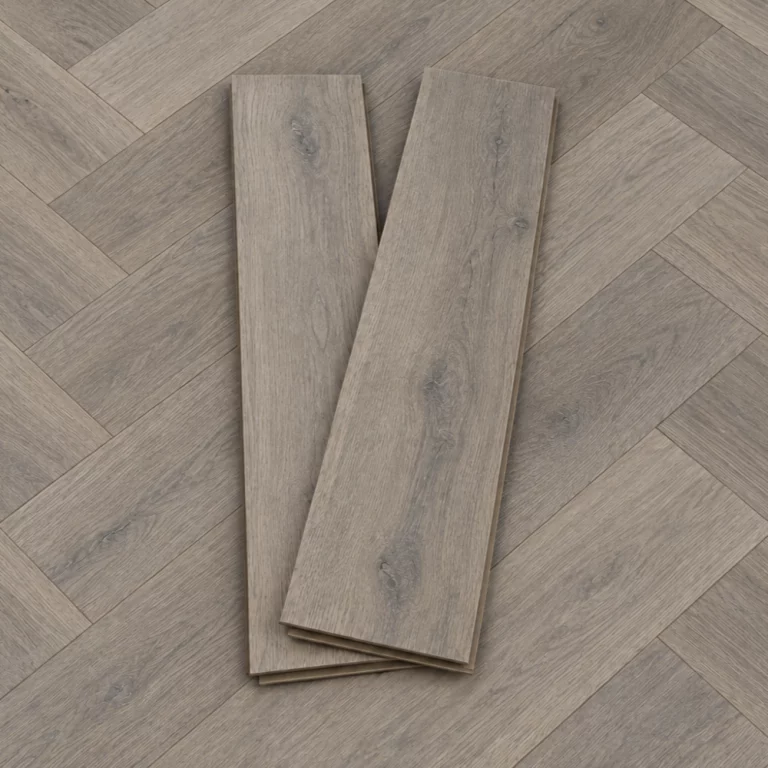
Greys in laminate: 2 herringbone blocks, Durham and Canterbury. Durham is listed as grey and Canterbury as greige; both are 12 mm thick and 100 mm by 600 mm, rated AC4 and listed as compatible with underfloor heating.
The look
Grey and greige
AC4 on both
The edges differ
In depth
Choosing grey laminate herringbone
Grey in the laminate range is 2 herringbone blocks: Durham, listed as grey, and Canterbury, listed as greige. They are one build, an oak design under a registered embossed surface on a high-density fibreboard core, 12 mm thick and 100 mm by 600 mm, with a click joint, abrasion class AC4 and a 15 year manufacturer's warranty. A box holds 32 blocks and covers 1.92 square metres, and both are listed as compatible with underfloor heating.
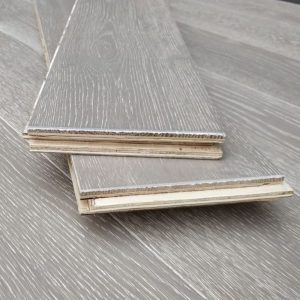
Grey and greige behave differently in a room. A cool grey sits with white walls, black metal and concrete; a greige carries a little brown and sits more easily with warm timber furniture and cream textiles. Canterbury is filed under the beige and light browns as well, which says where it falls. Durham has a 4V edge and Canterbury a micro-bevelled one, and in a herringbone that edge repeats on every block, so judge both on samples laid in the pattern.
In practice
In a flat, the sound carried to the neighbours below matters as much as the colour, and the underlay carries most of it. The EPLF says a laminate underlay should improve impact sound by at least 14 dB, tested with the reference floor described in EN 16354, and a higher figure on a datasheet is that maker's own declaration. Read the lease before choosing, because it may ask for a tested figure.
The blocks float, so the EPLF's gap of 8 mm to 12 mm at every wall applies, covered by skirting or beading fixed to the wall. Water sets the limit: EN 13329 does not cover areas subject to frequent wetting, so a bathroom or a utility room takes the grey rigid vinyl instead, and for real wood in a grey tone there are the engineered grey oak boards.
Published standards4 sources
What the published standards say
Each entry is quoted from its source and linked to it. The full set is in the standards reference.
EN 16354 — how an underlay’s impact sound value is declared
EN 16354 specifies the test methods for the technical characteristics of underlays under laminate floor coverings, impact sound among them, and sets requirements for marking. Neither the standard nor the trade associations publish a typical impact sound figure: the EPLF's technical bulletin says an underlay's ISLam value should be at least 14 dB, tested with the reference floor covering described in EN 16354, and any higher figure on a data sheet is a product-specific declaration by that manufacturer.
| Minimum ISLam impact sound value recommended by the EPLF for an underlay under laminate | 14 dB |
|---|
“The test methods are described in EN 16354 'Laminate floor coverings - Underlays - Specifications, requirements and test methods'. The ISLam value of an underlayment for footstep soundproofing should be at least 14 dB. To express the ISLAM value the reference floor covering described in EN16354:2018 (clause 3.5) has to be used for tests.”
Source: EPLF Technical Bulletin - Underlay Materials under Laminate Floor Coverings - Test Standards and Performance Indicators (English edition 12/2022) · second sourceBS EN 13329 — laminate floor coverings
BS EN 13329 specifies the characteristics, requirements and test methods for laminate floor coverings with a surface layer based on aminoplastic thermosetting resins, including requirements for marking and packaging. It also contains a classification system based on EN ISO 10874 for areas and levels of use, and it does not cover areas subject to frequent wetting such as bathrooms, laundry rooms or saunas.
“BS EN 13329 specifies characteristics, requirements, and test methods for laminate floor coverings with a surface layer based on amino plastic thermosetting resins. BS EN 13329 specifies requirements for marking and packaging.”
Source: BS EN 13329:2016+A2:2021 | 31 Oct 2021 | BSI KnowledgeAC1 to AC6 — abrasion classes for laminate
EN 13329 classifies the abrasion resistance of laminate floor coverings in abrasion classes AC1 to AC6. The EPLF's own Environmental Product Declaration for DPL laminate floor covering states the property "Abrasion Class EN 13329" with the value range AC1-AC6.
| Abrasion classes under EN 13329 | AC1-AC6 |
|---|
“Abrasion Class EN 13329 | AC1-AC6 | -”
Source: Environmental Product Declaration - Direct Pressure Laminate Floor Covering (DPL Floor Covering), owner of the declaration: European Producers of Laminate Flooring e.V. (EPLF), decl. no. EPD-EPL-20210138-CBE1-ENThe expansion gap
The EPLF, the European association of laminate flooring producers, recommends an edge gap of 8 mm to 12 mm on all sides of a floating floor, so that the covering can expand and contract without lifting.
| recommended edge gap on all sides | 8 to 12 mm |
|---|
“To accommodate such changes, a edge spacing should be observed on all sides. A free space of 8 mm to 12 mm is recommended.”
Source: EPLF Technical Bulletin — Installation of Laminate Floor Coverings (06/2022), 6.4 Edge gapsQuestions