




Berry Alloc Wall & Water Panels
Discover Berry Alloc Wall & Water panels designed for modern bathrooms and wetrooms. These waterproof panels combine durable construction with elegant marble, stone, and concrete designs for a seamless, grout-free wall finish.
Shop Berry Alloc Wall & Water
“The fastest change a room can have. No plaster, no mess, up in an afternoon.”
— our flooring team
Berry Alloc Wall & WaterThe look
Still unsure? Real people, honest advice.
The look
Berry Alloc Wall & Water panels are 600 mm by 2400 mm waterproof shower panels, 10.2 mm thick. A high-pressure laminate surface on a seven-layer plywood core with an interlocking joint, in five designs, made in Belgium with a lifetime manufacturer's warranty.
HPL on plywood
Days, not weeks
Five surfaces
In depth
Choosing Wall and Water panels
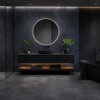
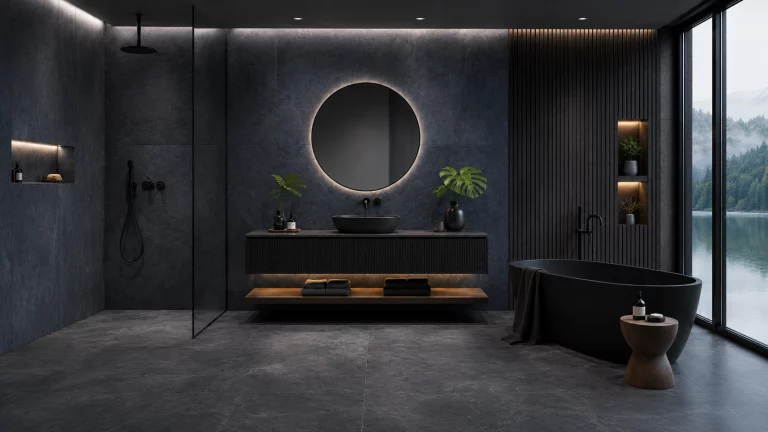
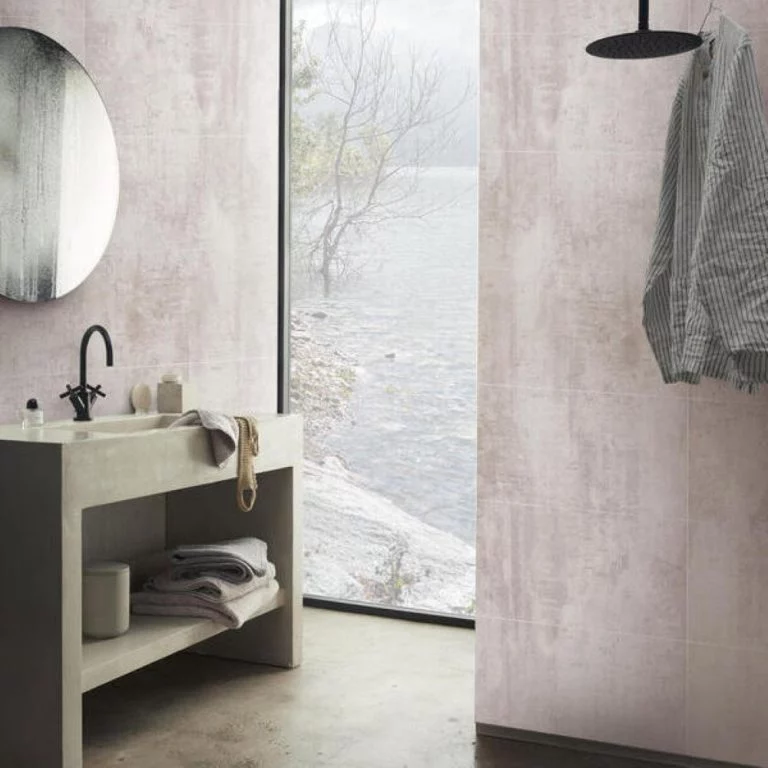
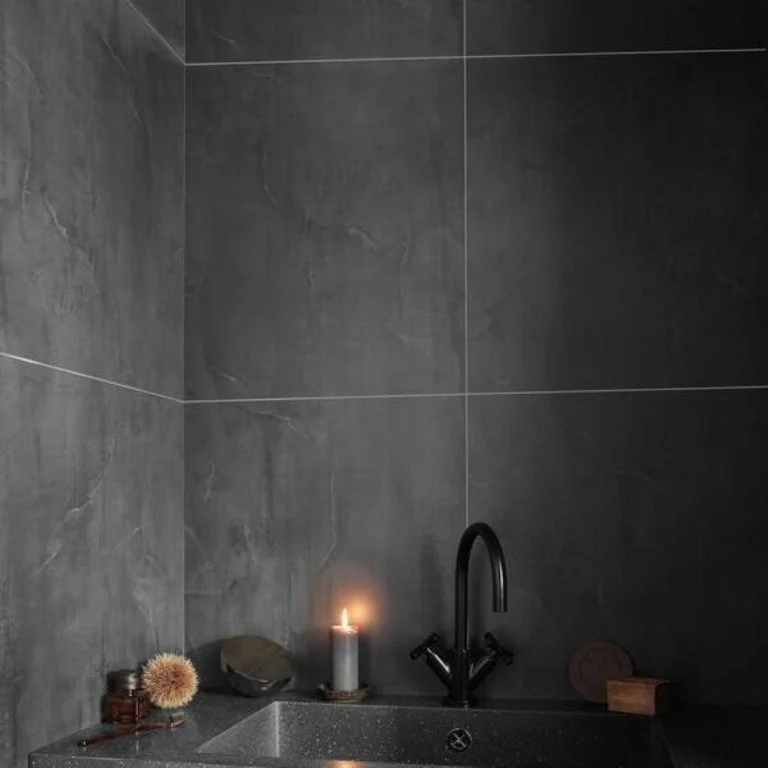
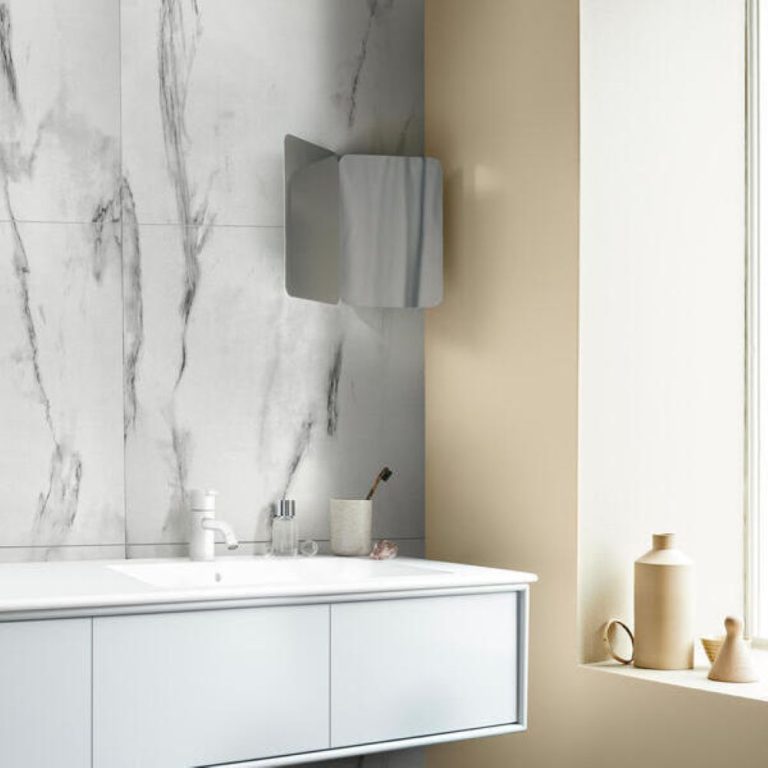
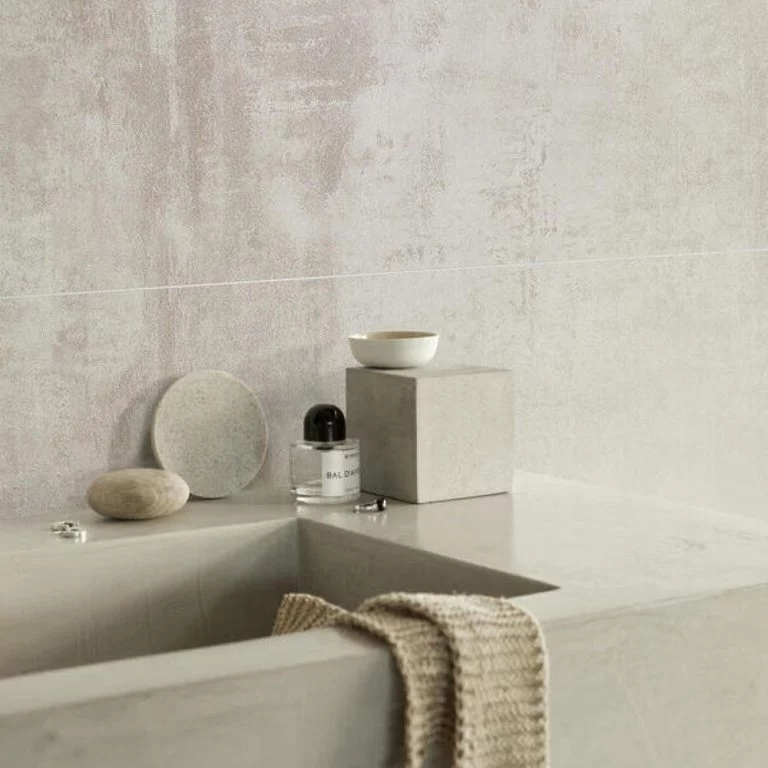
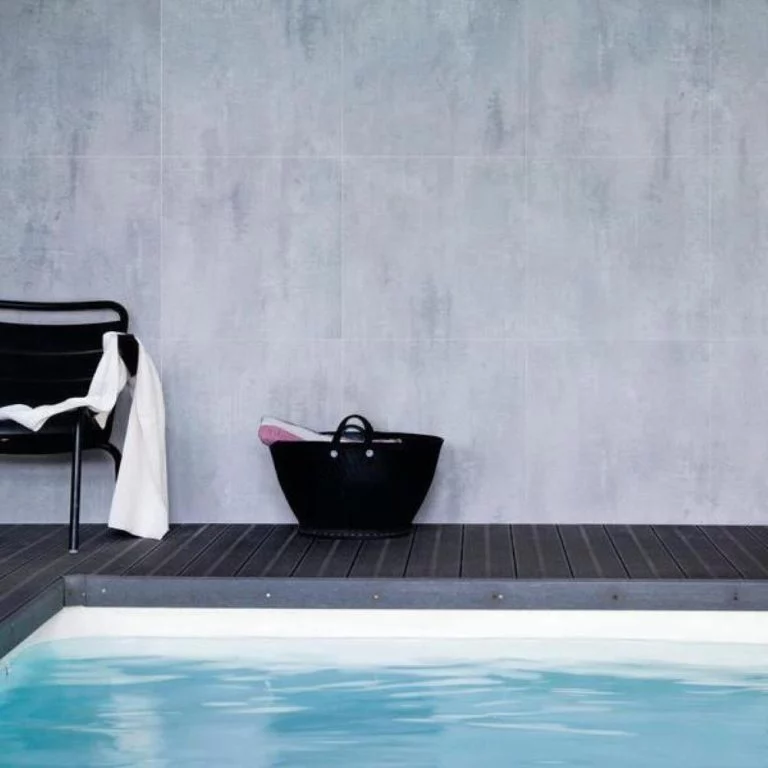
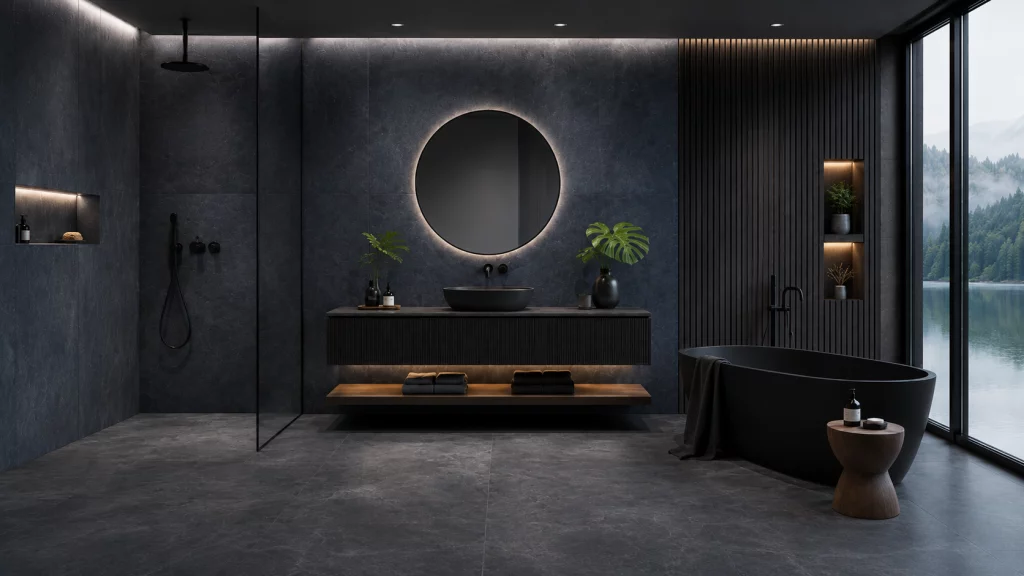
A Berry Alloc Wall and Water panel is a shower wall in one piece: 600 mm wide, 2400 mm tall, 10.2 mm thick, a high-pressure laminate surface on a seven-layer plywood core, listed as waterproof, with an interlocking system between panels. Five surfaces: Concrete, Cement and White Brooklyn Concrete cover the concrete look from dark to pale; White Marble is the veined one; Black Velvet is the dark, matt surface. All are made in Belgium and carry the manufacturer's lifetime warranty.
The case for panels over tiles is grout. A tiled shower has hundreds of grout lines, every one of them a joint to seal, clean and eventually re-do; a panelled shower has a handful, at the corners and around the fittings. The HPL surface is the material of a hard-wearing worktop, wiped clean with a soft cloth, with nothing to scrub back to white. And because a panel is fixed rather than bedded in adhesive and grouted, a shower enclosure is finished in far less time.
In practice
What the panels ask for is a sound wall and a careful fitter. They interlock along the long edge and are fixed to the wall behind; the joints, the edges and the cut-outs for the valve and the shower head are sealed, and that sealing is what keeps the wall dry. Whether they can go straight over existing tiles depends on whether those tiles are flat and firmly fixed, which a fitter judges on site. The thickness, 10.2 mm, keeps the build-up small either way.
Choosing between the five surfaces is a matter of the room. A concrete or cement panel under a matt grey floor makes a wet room read as one material; White Marble pairs with the marble-effect porcelain on the floor; Black Velvet is the dark enclosure against a pale room. For the floor of the same bathroom, the matt marble-effect tiles or the concrete rigid vinyl tiles are the two routes that stay flat and dry.
FAQ
Are the panels waterproof or water resistant?
Can the panels be fitted over existing tiles?
How many panels does a shower need?
How do I clean wall panels?
Do you deliver UK-wide and can I get a sample first?
Standards
What the published standards say
Each entry is quoted from its source and linked to it. The full set is in the standards reference.
A guarantee is in addition to your legal rights
Section 30 of the Consumer Rights Act 2015 requires a goods guarantee to state that the consumer has statutory rights in relation to the goods and that those rights are not affected by the guarantee, so a manufacturer's guarantee sits alongside statutory rights rather than replacing them.
“the guarantee states that the consumer has statutory rights in relation to the goods and that those rights are not affected by the guarantee”
Source: Consumer Rights Act 2015, section 30: Goods under guarantee — legislation.gov.ukConsumer Rights Act 2015 — goods must be of satisfactory quality
The Consumer Rights Act 2015 treats every consumer contract to supply goods as including a term that the quality of the goods is satisfactory, measured against what a reasonable person would consider satisfactory taking account of the description, the price and all other relevant circumstances. The Act names fitness for all the purposes for which goods of that kind are usually supplied, appearance and finish, freedom from minor defects, safety and durability as aspects of quality.
| aspect of quality (s.9(3)(a)) | fitness for all the purposes for which goods of that kind are usually supplied |
|---|---|
| aspect of quality (s.9(3)(b)) | appearance and finish |
| aspect of quality (s.9(3)(c)) | freedom from minor defects |
| aspect of quality (s.9(3)(d)) | safety |
| aspect of quality (s.9(3)(e)) | durability |
“(3)The quality of goods includes their state and condition; and the following aspects (among others) are in appropriate cases aspects of the quality of goods— (a)fitness for all the purposes for which goods of that kind are usually supplied; (b)appearance and finish; (c)freedom from minor defects; (d)safety; (e)durability.”
Source: Consumer Rights Act 2015, section 9 (Goods to be of satisfactory quality), subsection (3)Related looks
The same look in other floors
Delivery & areas