

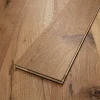

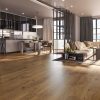



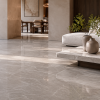
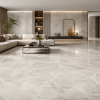
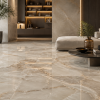
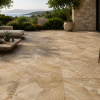
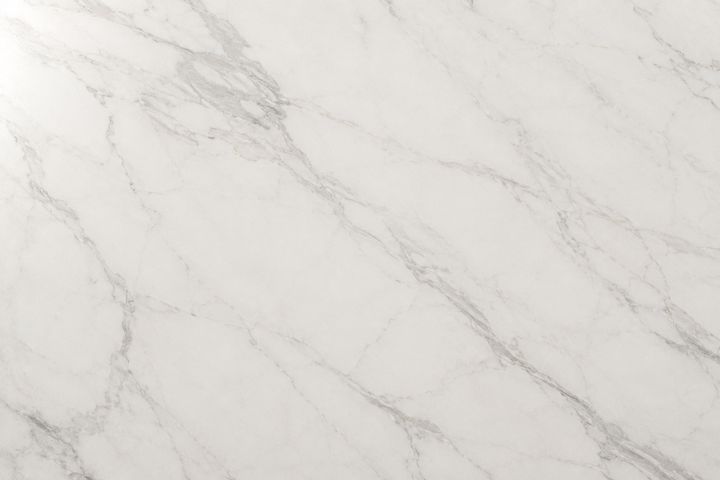
Marble Effect Tiles
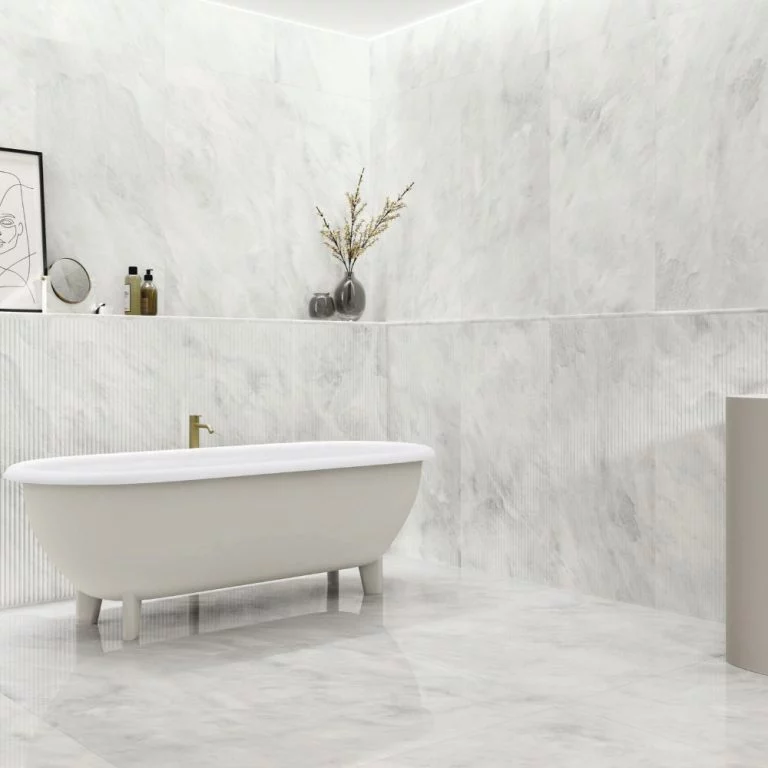
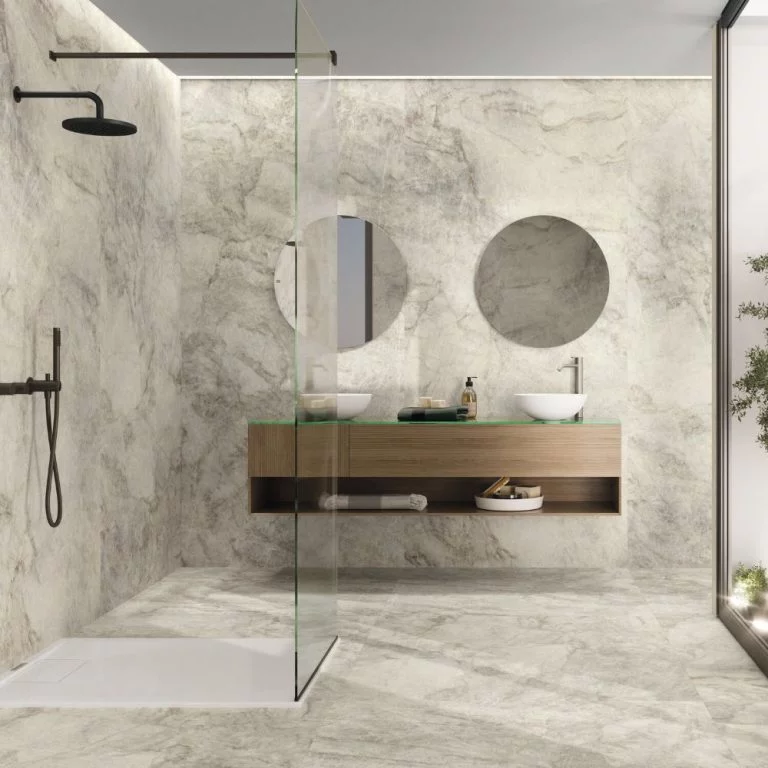
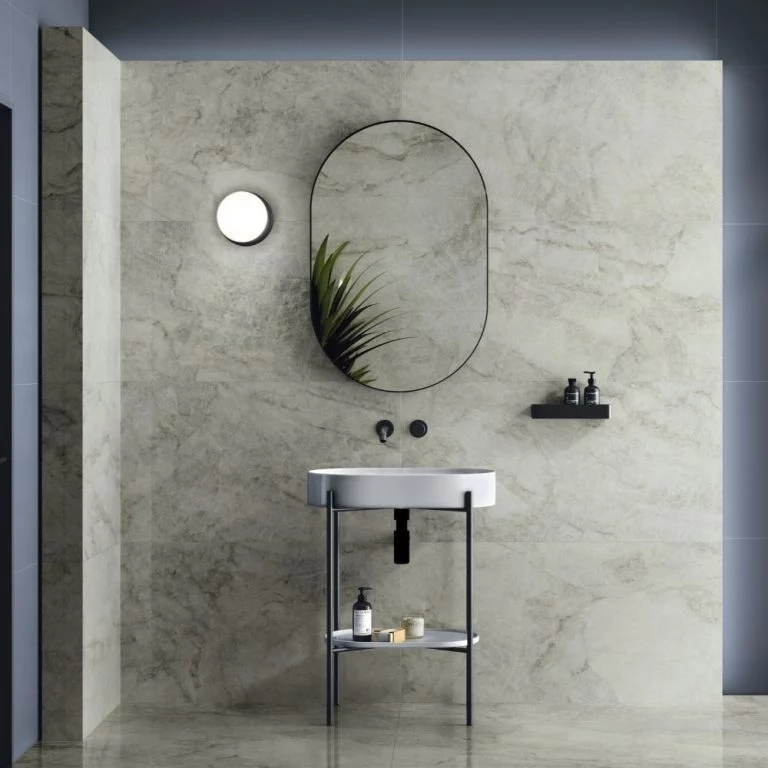
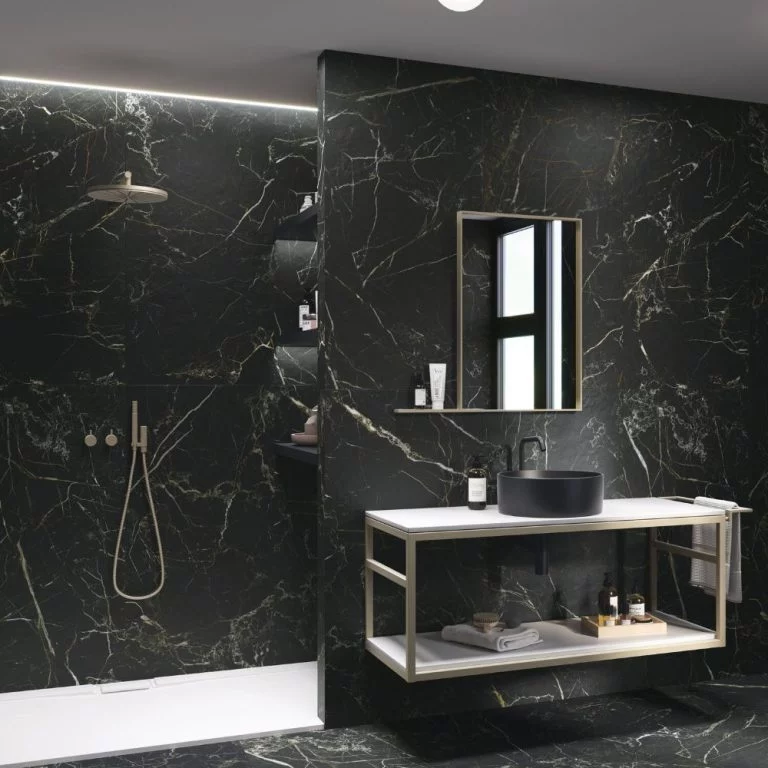
Marble Effect tiles in porcelain: seven at 600 mm by 1200 mm, five polished and two matt.
Shop Marble Effect
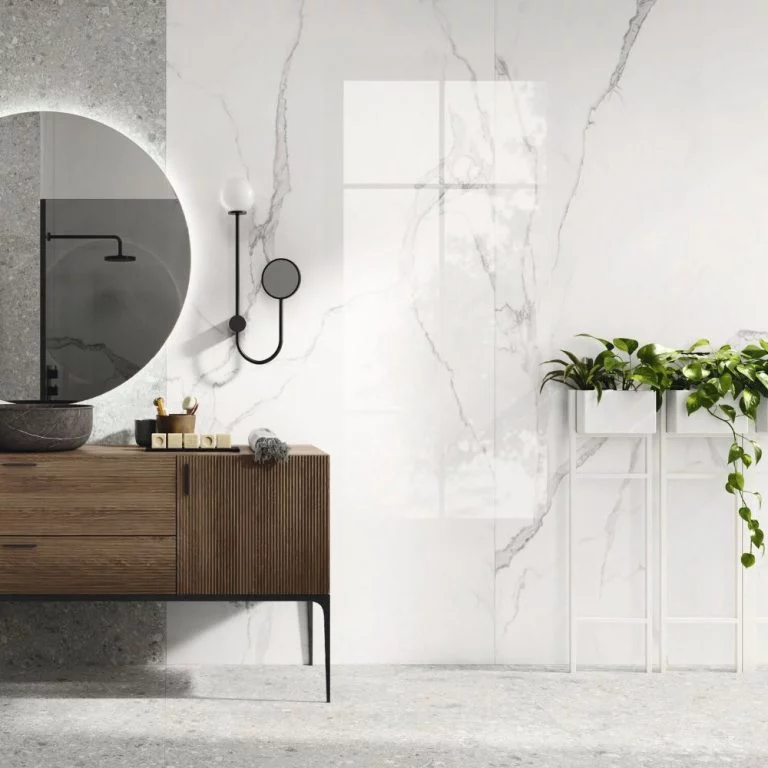
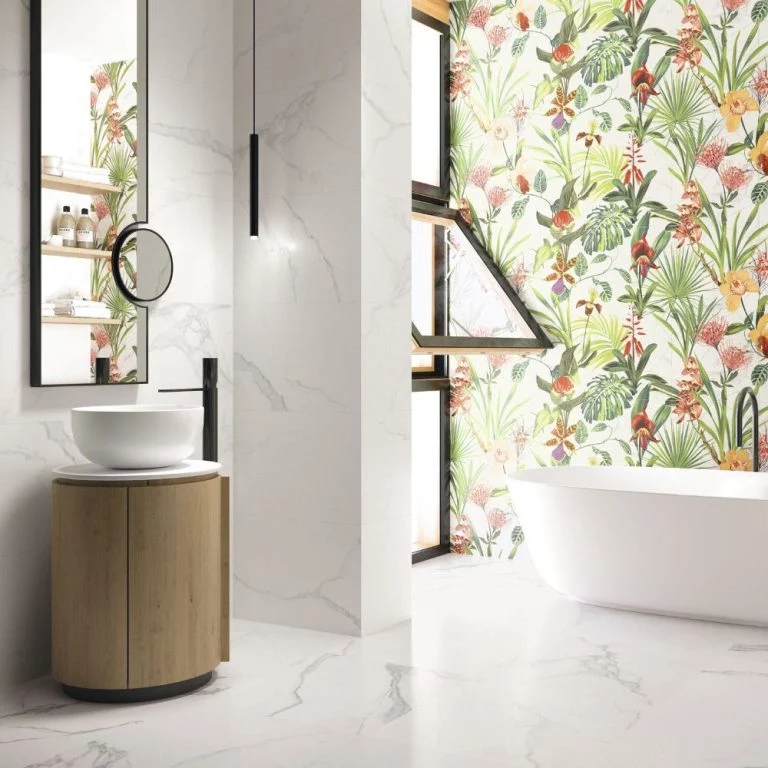
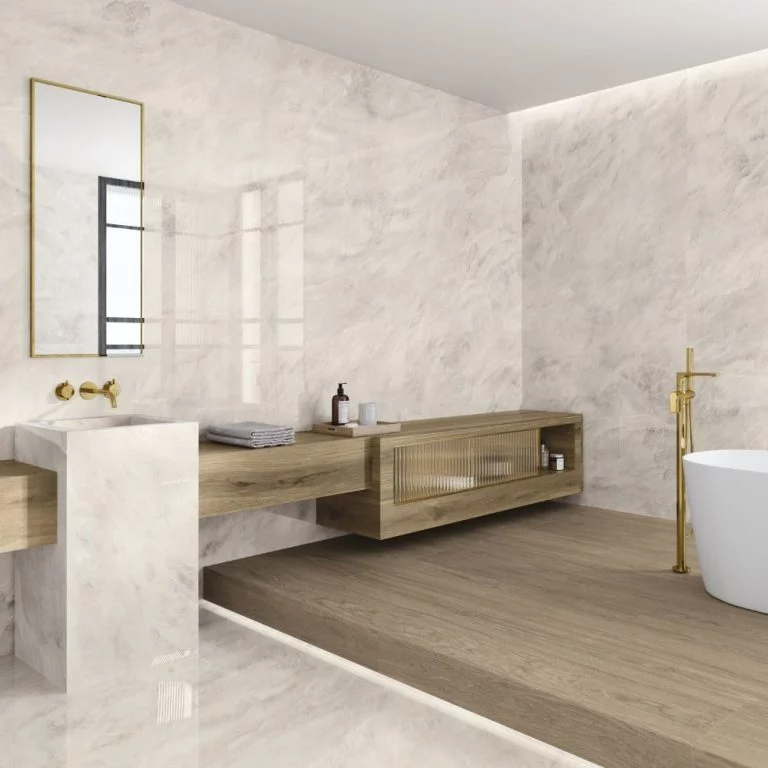
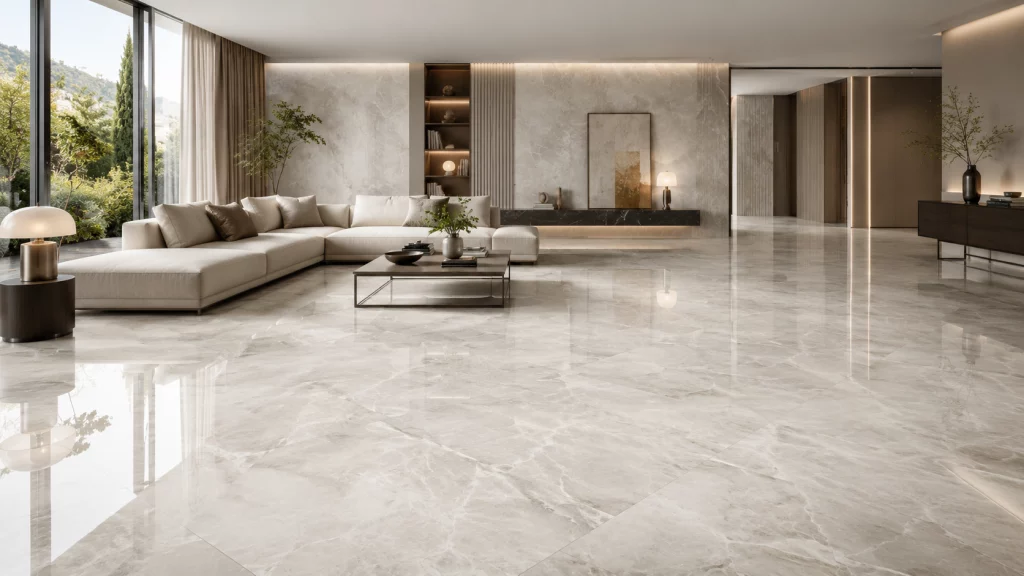
“Porcelain that behaves like stone and cleans like tile. Underfloor heating’s best friend.”
— our flooring team
Marble EffectThe look
Still unsure? Real people, honest advice.
The look
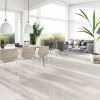
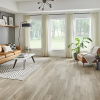
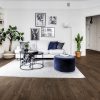
Marble Effect tiles in porcelain: seven at 600 mm by 1200 mm, five polished and two matt. Following white, cream, cappuccino and dark marbles, made in Spain, frost resistant and specified for floor and wall.
Polished or matt
Four marbles
Porcelain, not marble
In depth
Choosing marble-effect porcelain
Marble-effect porcelain gives the look of the stone without its habits. Real marble is porous, soft and etches under anything acidic; porcelain follows the veining and the colour, takes on almost no water and does not scratch under grit the way the stone does. The seven tiles here are all 600 mm by 1200 mm, made in Spain, frost resistant, listed as compatible with underfloor heating, with a water absorption ratio listed under 0.50 and specified for floor and wall, two to a box covering 1.44 square metres.
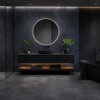
Four marbles are followed. Luna Blanca, in polished and matt versions at 10 mm, and Alexandria White at 9 mm follow white marbles. Alexandria Cream, 9 mm, is the warm one. Taj Mahal Cappuccino and Taj Mahal Pearl, both 10 mm and polished, follow a banded stone and are listed in the onyx subcategory as well. Night Lux, 9 mm and matt, is the dark one. Five of the seven are polished; the two matt tiles are the floor choices for rooms that get wet.
In practice
The finish is the practical decision. Polished porcelain is the marble look at its most convincing and it is slippery when wet, which is why Luna Blanca and Night Lux come matt as well. Slip resistance is not a matter of opinion: the HSE grades floors by the pendulum test value, quoted below, and the figure for a specific tile is on its manufacturer's data sheet. For a bathroom floor, ask for it; for a hallway or a kitchen that stays dry, the polished tiles are the point.
Large-format tiles ask for a flat subfloor and a tiler. The screed regularity classes the tiling trade works to are quoted below, along with the surface temperature limits for a tiled floor over heating, which porcelain suits well because it conducts heat readily. For a marble look that floats and clicks, the rigid vinyl range has no marble design; the lappato and stone-effect tiles are the nearest porcelain alternatives at a softer sheen.
FAQ
Why porcelain rather than real marble?
Polished or matt for a bathroom floor?
Do the tiles work with underfloor heating?
What does tile fitting cost?
Do you deliver UK-wide and can I get a sample first?
Standards
What the published standards say
Each entry is quoted from its source and linked to it. The full set is in the standards reference.
Pendulum Test Value — how slip risk is assessed
HSE grades pedestrian slip potential from the pendulum test value (PTV): 0-24 is high slip potential, 25-35 moderate and 36 or above low slip potential, the pendulum coefficient-of-friction test being the subject of BS 7976 Parts 1-3.
| low slip potential | 36 + PTV |
|---|---|
| moderate slip potential | 25-35 PTV |
| high slip potential | 0-24 PTV |
“Table 1 Slip potential classification, based on pendulum test values (PTV) PTV High slip potential 0-24 Moderate slip potential 25-35 Low slip potential 36 +”
Source: HSE - Assessing the slip resistance of flooring (GEIS2)Maximum floor surface temperature
EN 1264 caps the floor surface temperature at 29 °C in the occupied area, 35 °C in the edge (perimeter) zone and 33 °C in bathrooms.
| occupied area | 29 °C |
|---|---|
| edge zone | 35 °C |
| bathrooms | 33 °C |
“Max. surface temperatures in DIN EN 1264: • 29 °C in the occupied area • 35 °C in the edge zone • 33 °C in bathrooms”
Source: Uponor underfloor heating/cooling — Planning information (Technical Information TI-1186660)BS 8204 — surface regularity classes SR1 to SR3
BS 8204 defines three surface regularity classes for screeds and concrete bases, SR1, SR2 and SR3, measured as the maximum deviation below a 2 m straightedge placed directly on the surface.
| SR1 (max deviation under 2 m straightedge) | 3 mm |
|---|---|
| SR2 (max deviation under 2 m straightedge) | 5 mm |
| SR3 (max deviation under 2 m straightedge) | 10 mm |
| straightedge length | 2 m |
“Surface regularity classes are given in BS 8204 as SR1, SR2 and SR3 relating to 3mm, 5mm and 10mm respectively.”
Source: Surface regularity - straightedge method | The Concrete Society
Delivery & areas