
Antique Oak Engineered Wood Flooring
Rich character with natural warmth. Antique oak brings aged tones, subtle variation and authentic wood detail into your home. A beautiful choice for traditional or rustic interiors with depth, texture and timeless style.
Shop Antique Oak
“A real oak surface over a cross-laminated core. This is the version of oak that lives happily over underfloor heating.”
— our flooring team
Antique OakThe look
Still unsure? Real people, honest advice.
The look
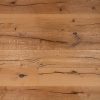
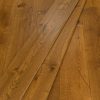
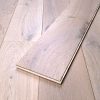
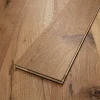
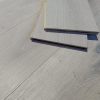
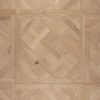
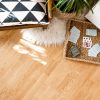
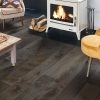
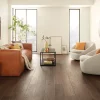
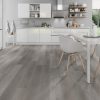
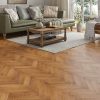
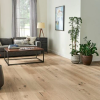
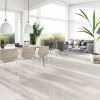
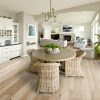
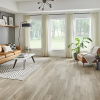
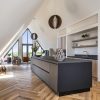
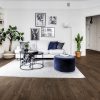
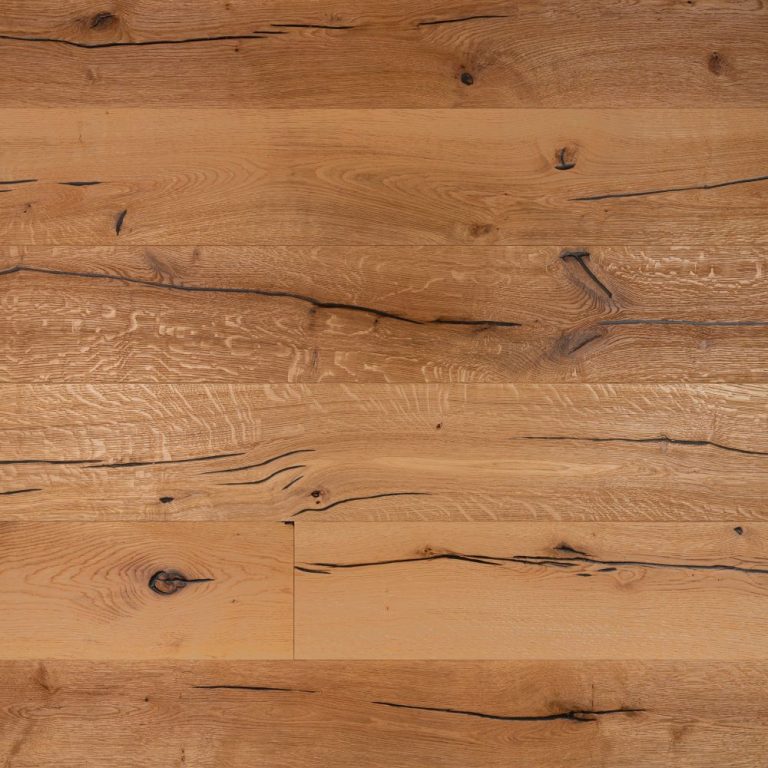
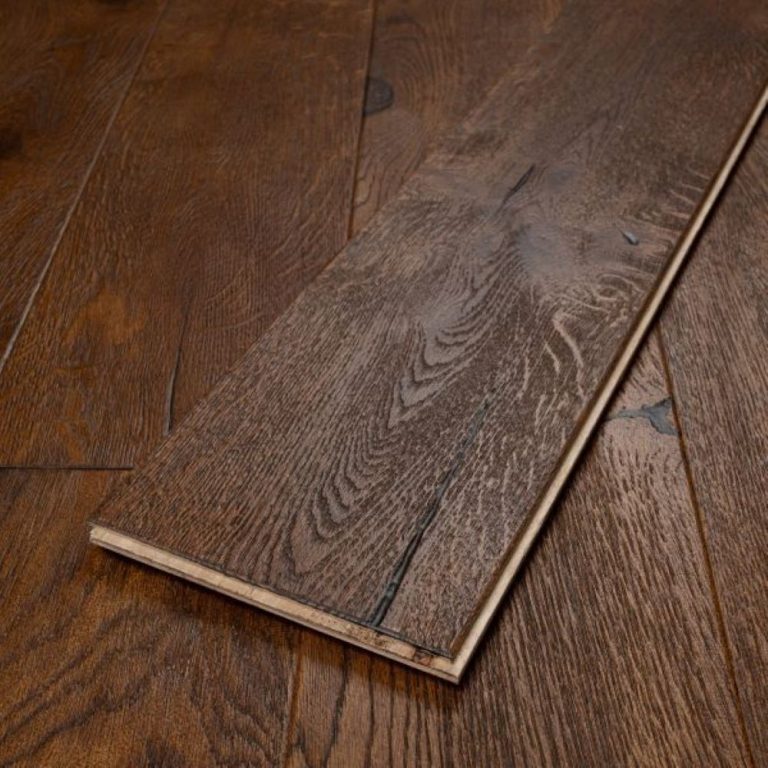
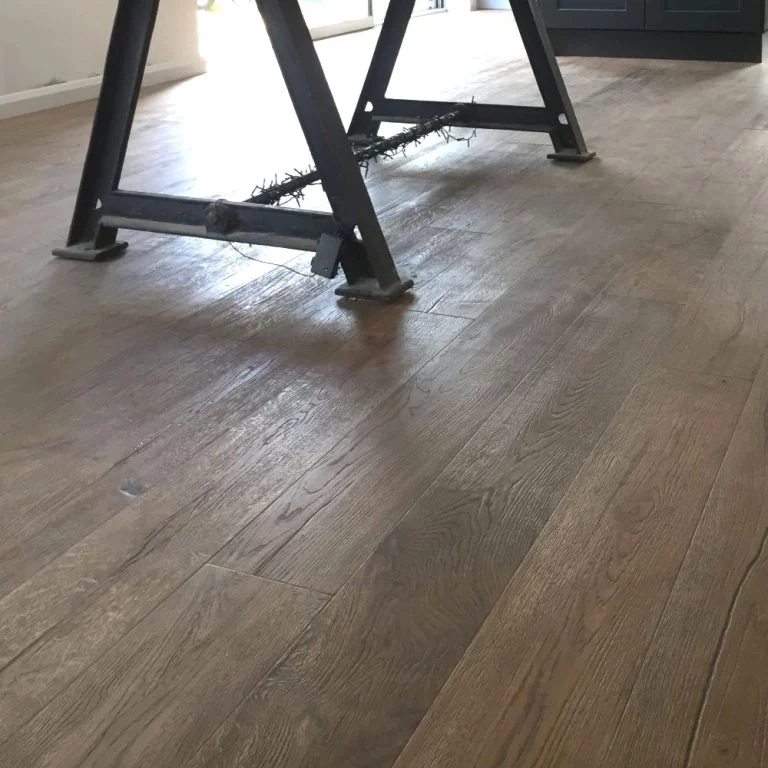
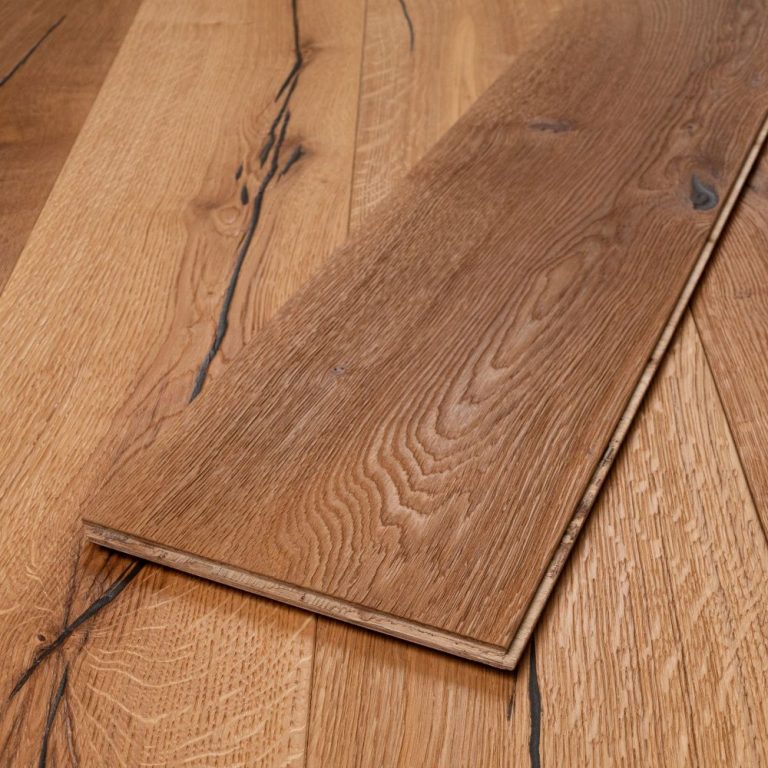
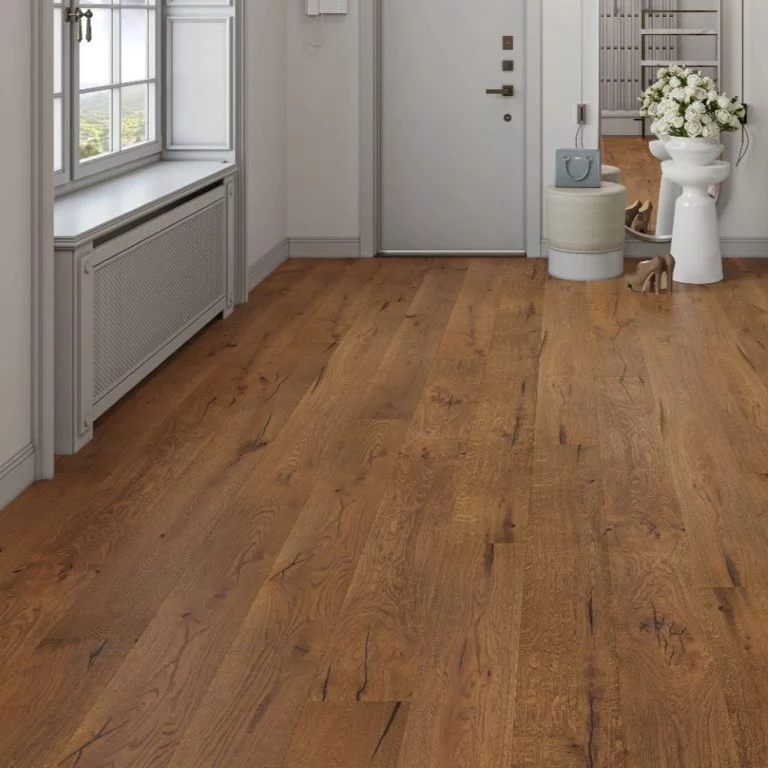
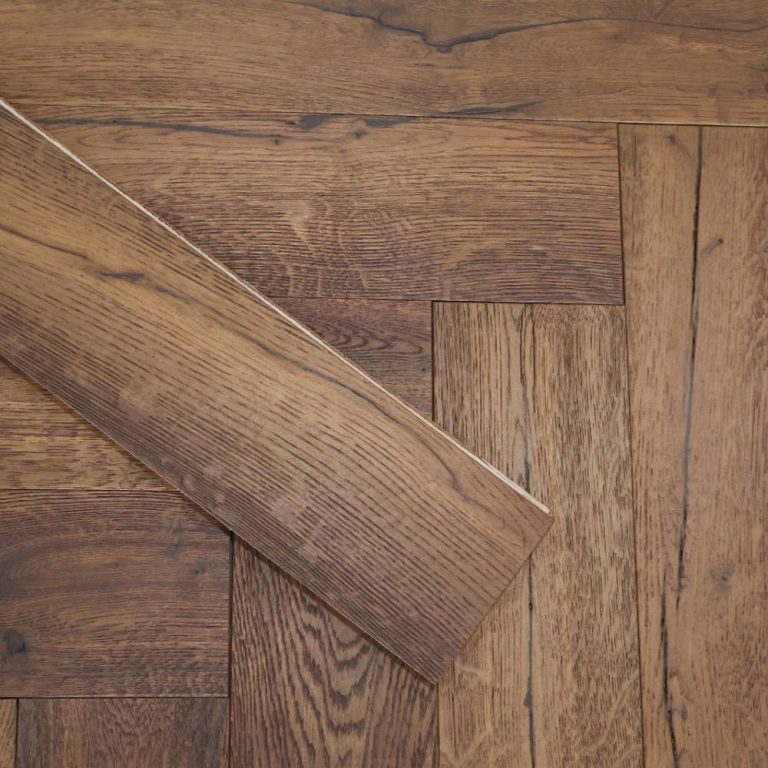
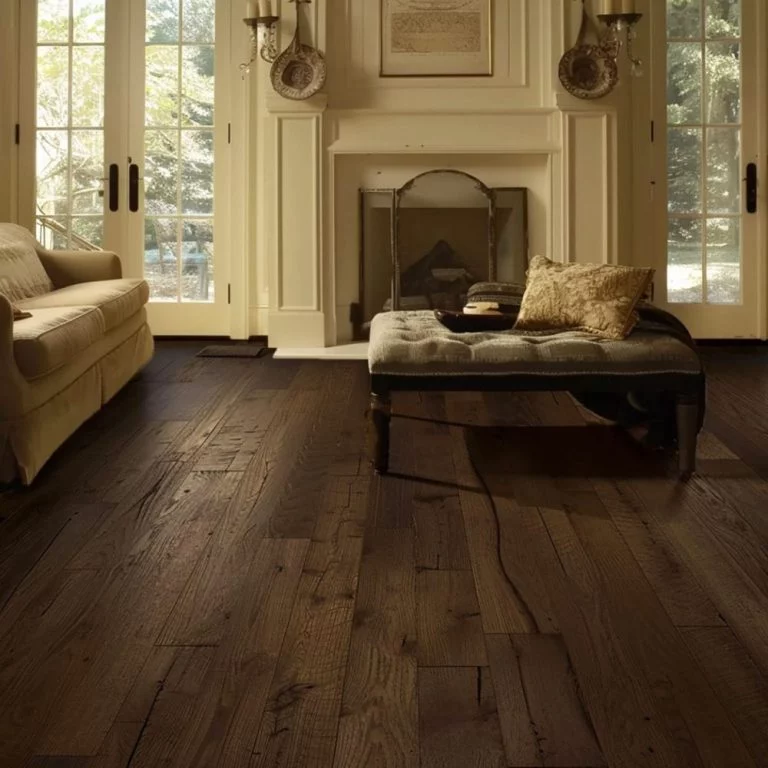
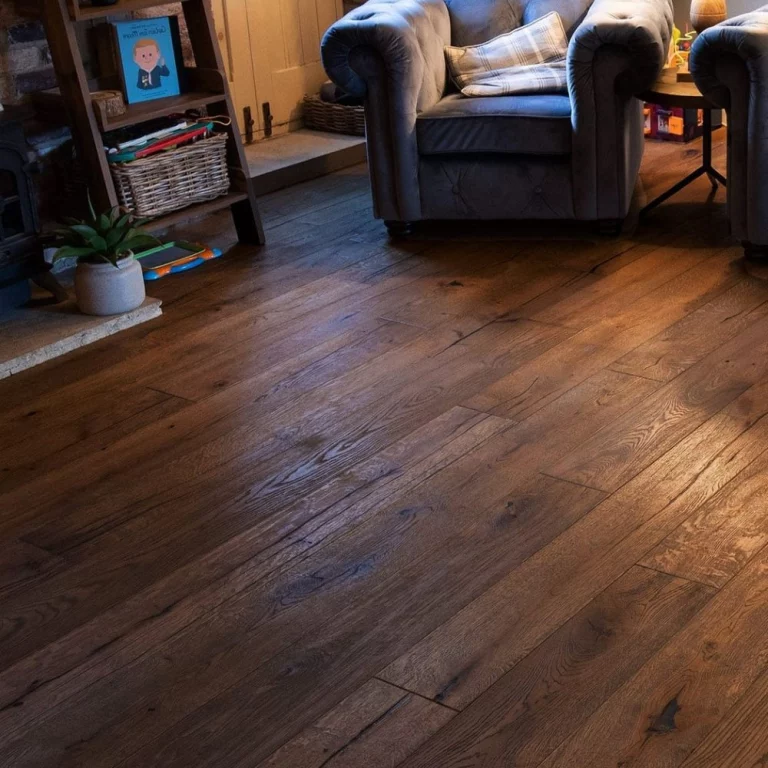
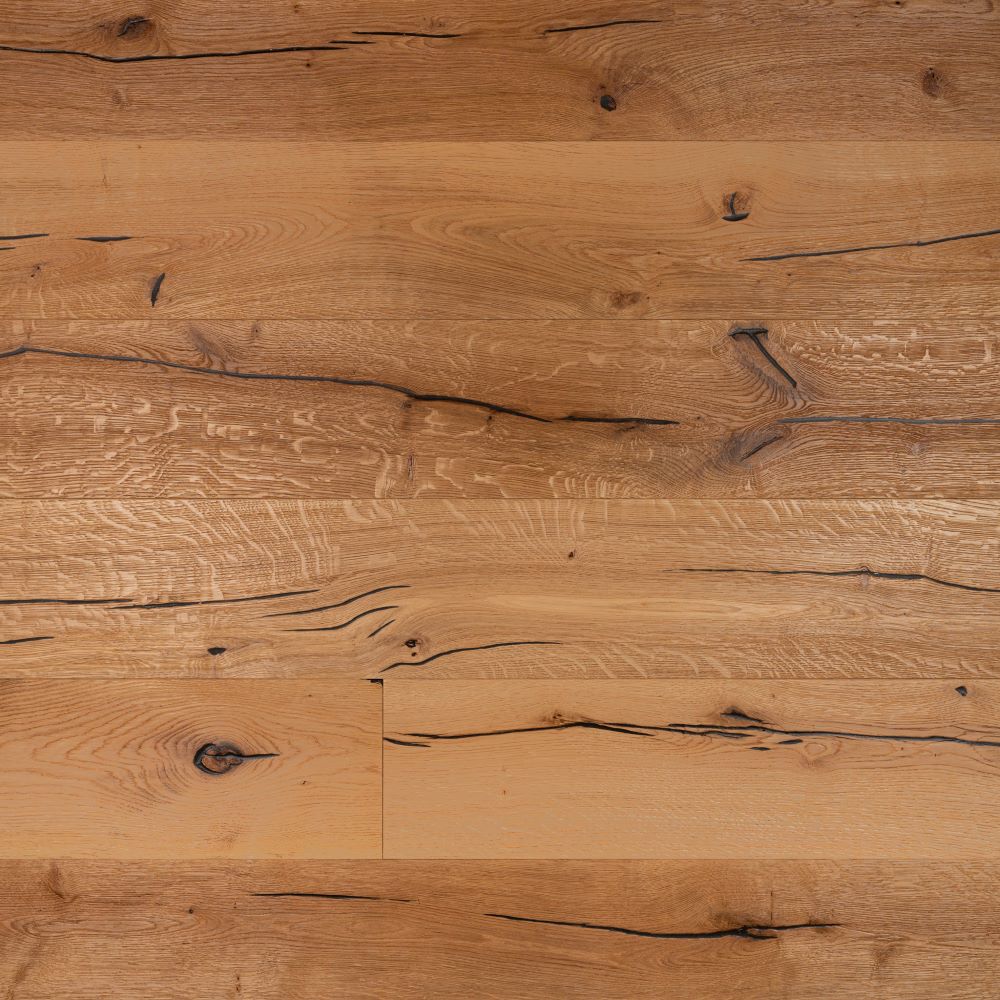
Antique Oak is deep-brushed, hard-wax-oiled engineered oak with the colour aged in. Every board carries an Antique Effect grade, so knots, colour variation and surface texture are part of the design rather than something to sort out of the pack. The Victorian Antique boards come in three formats, and the Oxford herringbone block brings the same aged colour to a patterned floor.
Deep brushed, then oiled
Three board formats
Where it belongs
In depth
Choosing antique engineered oak
An antique floor is a decision about surface before it is a decision about colour. All nine boards in this range are deep brushed and finished with hard wax oil, and all carry an Antique Effect grade. That combination is what makes the floor look aged rather than simply dark: the brushing opens the grain so light catches the texture, and the oil sits down in it. If you want an aged colour on a smooth, lacquered board, this is not the range; the Victorian Antique boards are texture first.
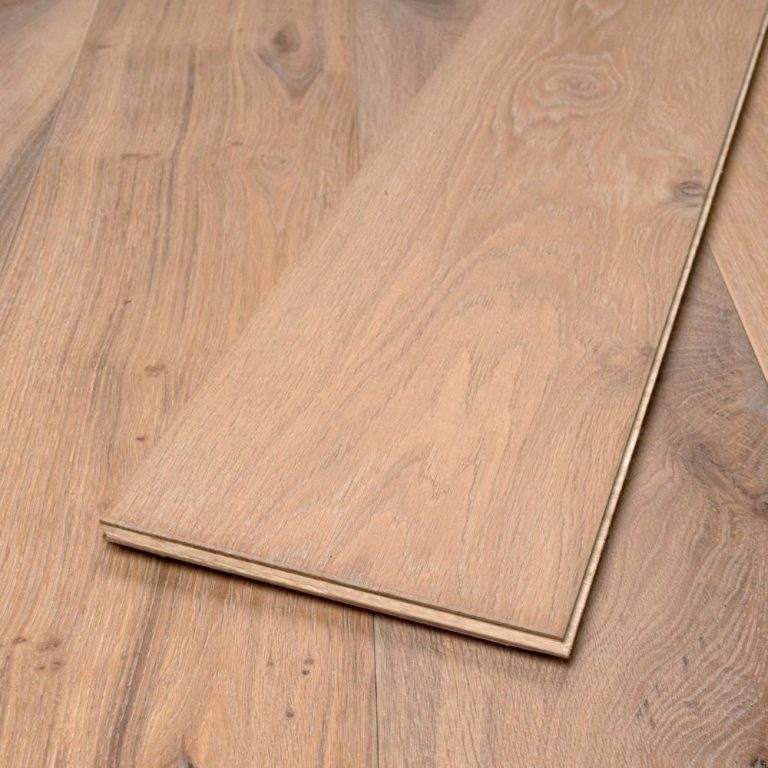
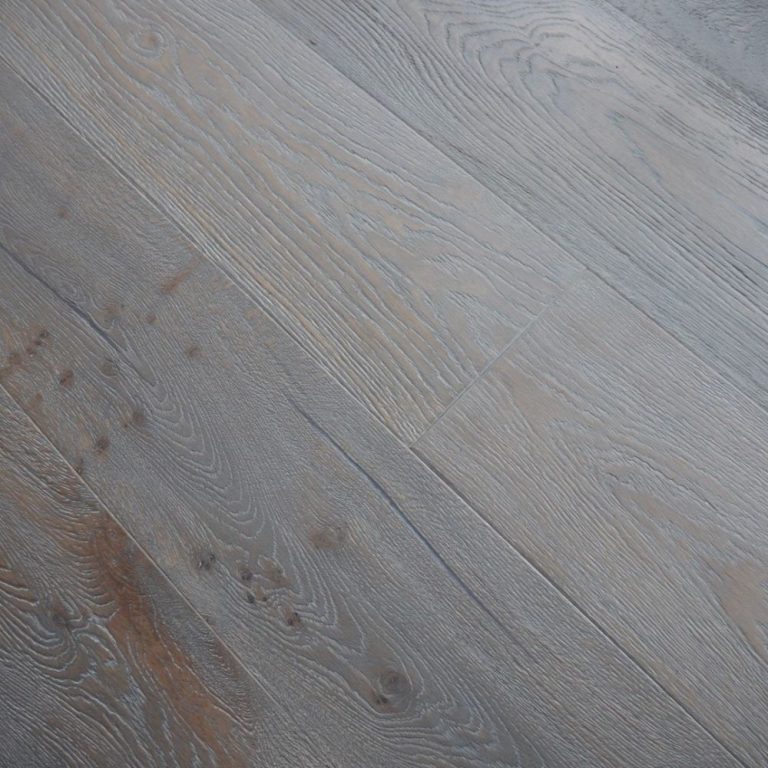
Colour runs the full width of the oak palette. Distressed and Light Brown sit at the warm end, Natural and Golden Brown in the middle, White at the pale end, and Smoked Grey, Smoky and Dark at the cool, deep end. Because the grade allows knots and colour variation, the sample you hold is a representative board, not an exact one. Order two samples from the same colour if you want to see the range of variation before deciding.
In practice
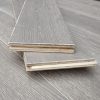
The formats are the practical difference. The 14 mm boards at 190 mm wide carry a 3 mm wear layer; the 15 mm boards at 220 mm wide carry 4 mm; and the two 20 mm boards at 190 mm wide carry 6 mm. All are tongue and groove with a micro-bevelled edge, and all are listed as compatible with underfloor heating. The thicker wear layers matter if the floor will be sanded back and re-finished in the years ahead, and the manufacturer's warranty rises from 15 years to 20 years on the 20 mm boards.
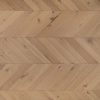
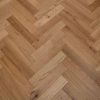
For a patterned floor in the same aged colour, the Oxford Herringbone Antique Brown block is 14 mm by 125 mm by 600 mm with a 3 mm wear layer. Read the herringbone notes before ordering: patterned floors need more cutting allowance than planks, and the amount is a manufacturer figure rather than a standard.
FAQ
Is antique oak the same as distressed oak?
Can I re-oil an antique oak floor myself?
Which antique board suits underfloor heating?
How do I order the right amount?
Do you deliver UK-wide and can I get a sample first?
Standards
What the published standards say
Each entry is quoted from its source and linked to it. The full set is in the standards reference.
Wood over underfloor heating
UK trade-association guidance sets no blanket ban on wood over underfloor heating but ties it to a temperature limit, noting that some hardwood floor finishes are installed with a maximum floor surface temperature of 27 °C.
| maximum floor surface temperature for some hardwood finishes | 27 °C |
|---|
“For example, some hardwood floor finishes are installed with a maximum floor surface temperature of 27°C.”
Source: CFA Guidance Document — Beyond Installation: Guidance on Underfloor Heating (Contract Flooring Association)How often a wood floor can be sanded
No trade-association or standards source found puts a number on how often an engineered wood floor can be sanded; the only sourced figure comes from a manufacturer, Kährs, which says engineered floors can be sanded up to four times depending on wear-layer thickness.
| sanding cycles, engineered wood floor (manufacturer statement) | up to 4 times |
|---|
“Depending on the thickness of the wear layer, they can be sanded up to four times, extending their lifespan significantly.”
Source: FAQ about flooring - KährsRelated looks
More engineered wood looks
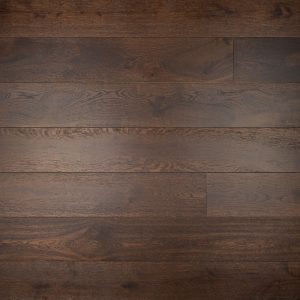 11 floorsDark Oak
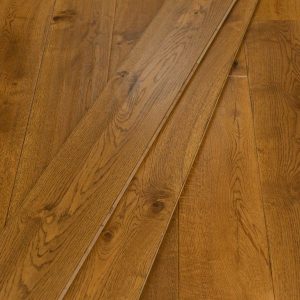 3 floorsGolden Oak
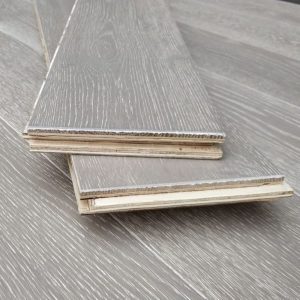 6 floorsGrey Oak
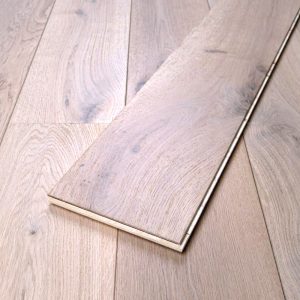 2 floorsLight Oak
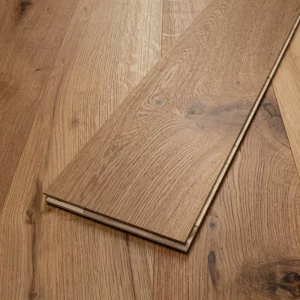 12 floorsNatural Oak
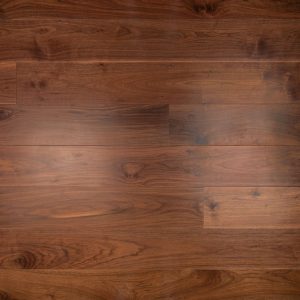 4 floorsWalnut
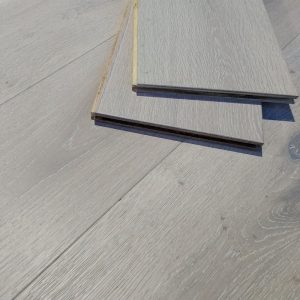 3 floorsWhite Oak
Delivery & areas