

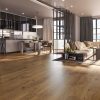



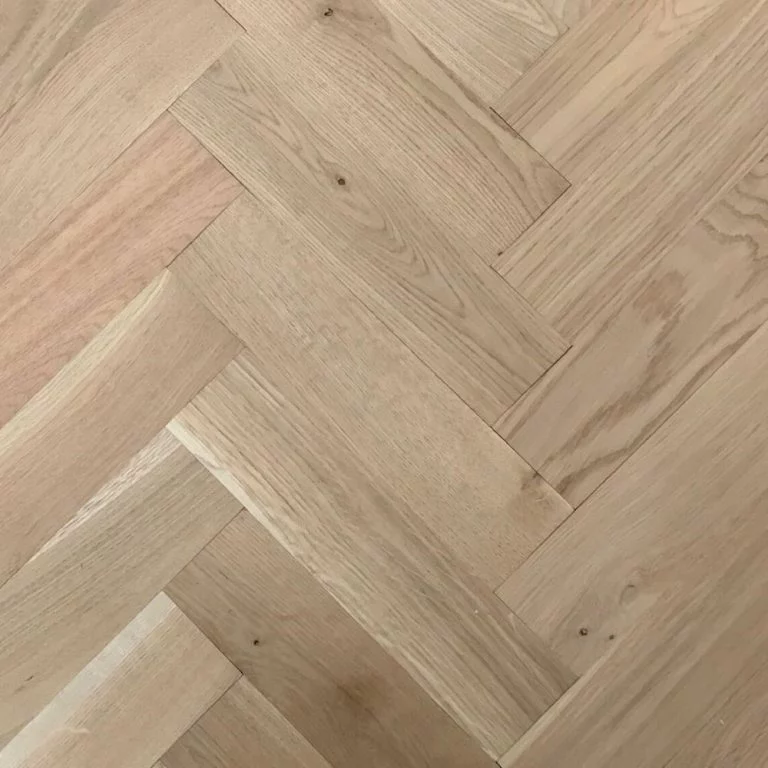
Solid Oak Parquet Blocks
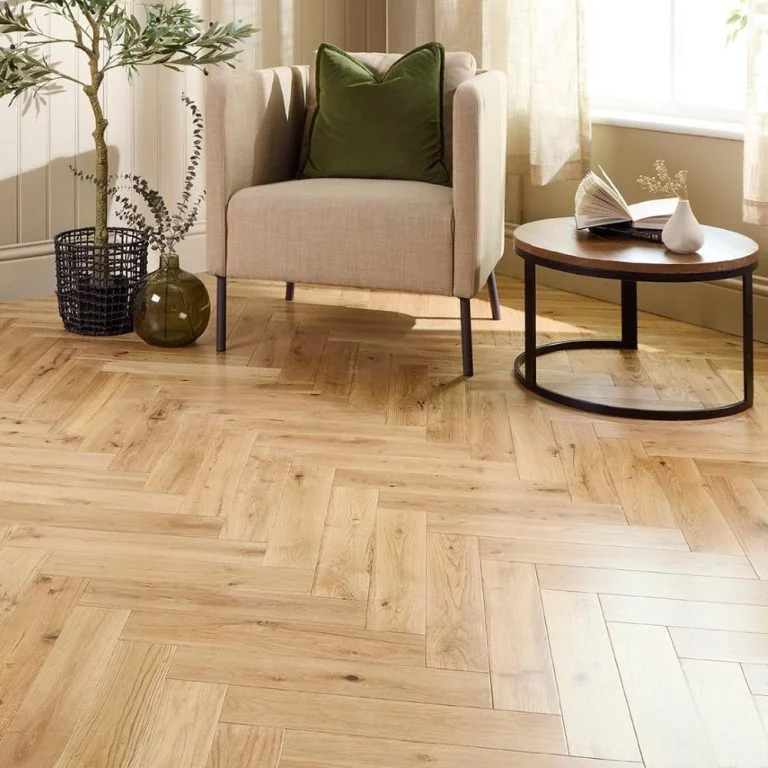
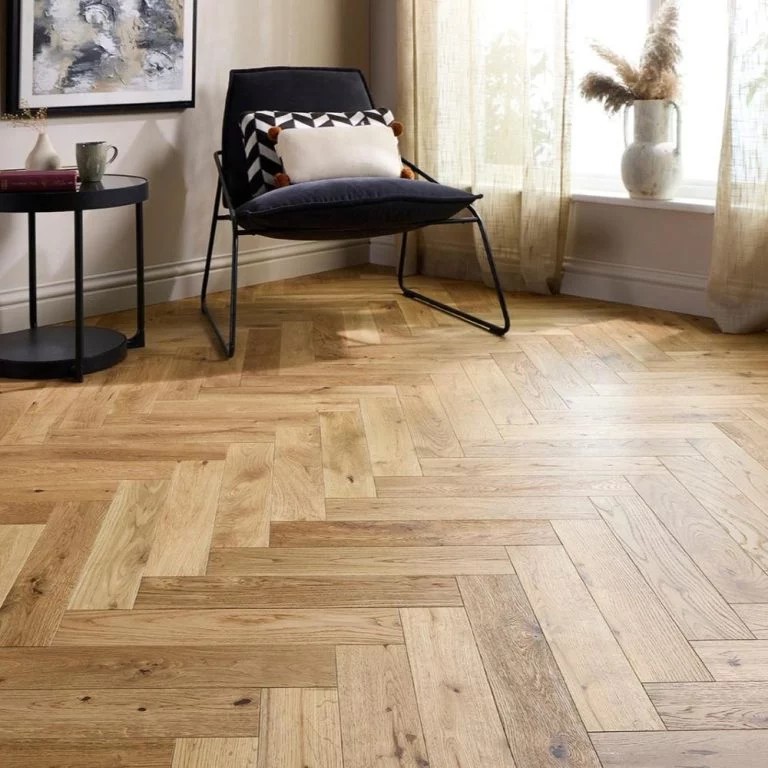
Solid wood blocks offer traditional parquet craftsmanship with rich texture and depth. They can be arranged in classic patterns like herringbone or basket weave, making them ideal for premium, heritage-inspired interiors.
Shop Solid Blocks
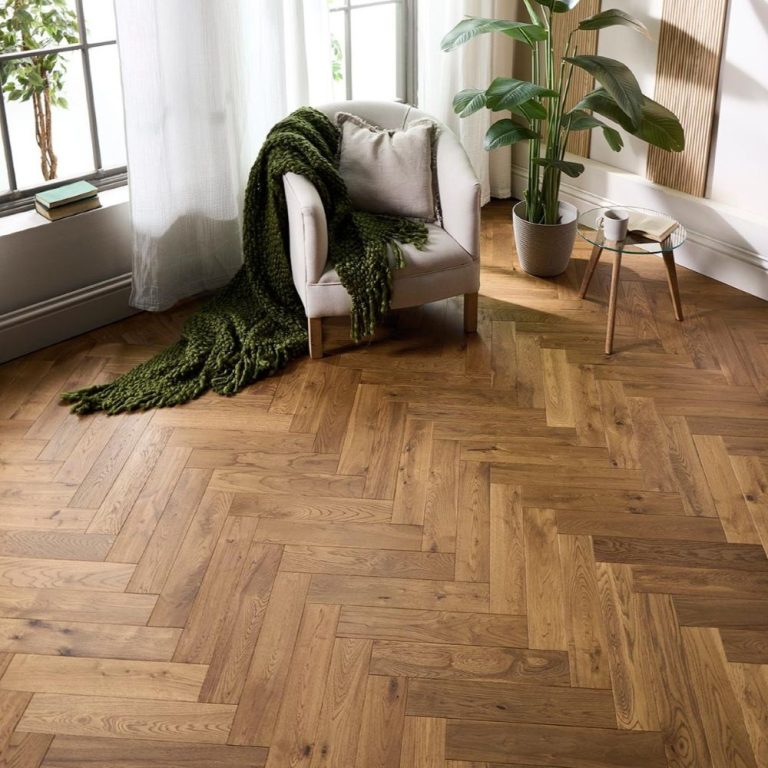
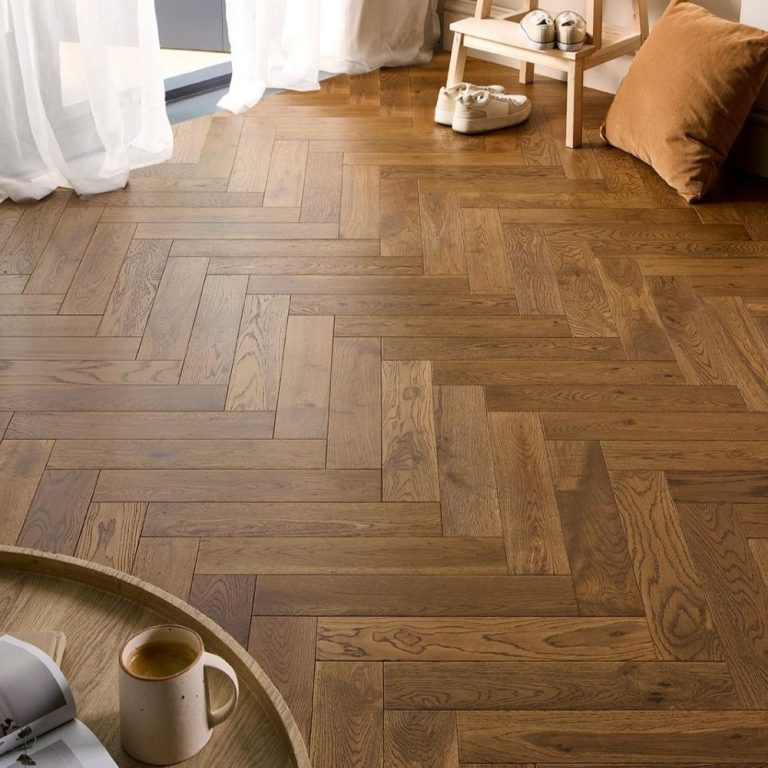
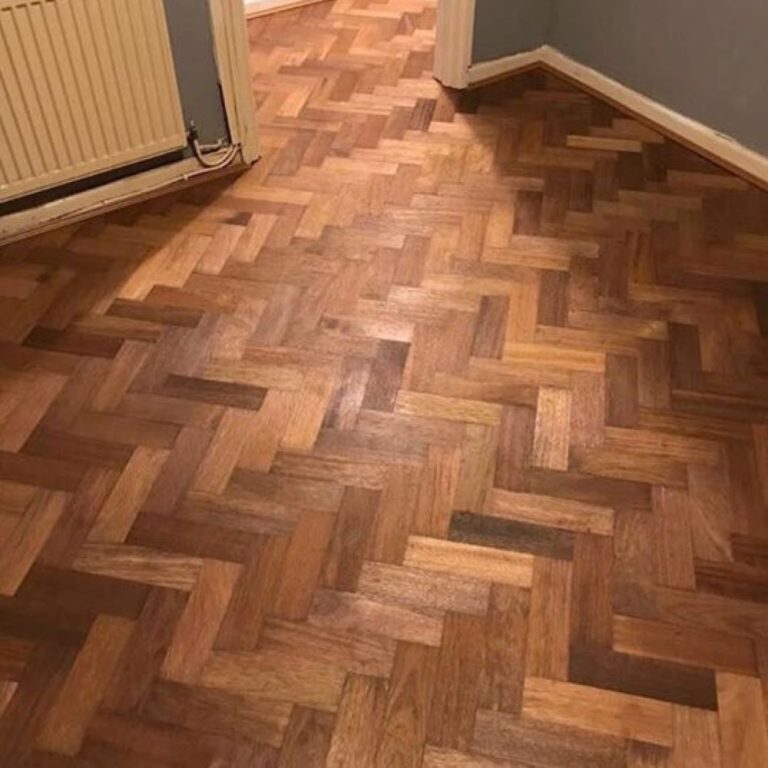
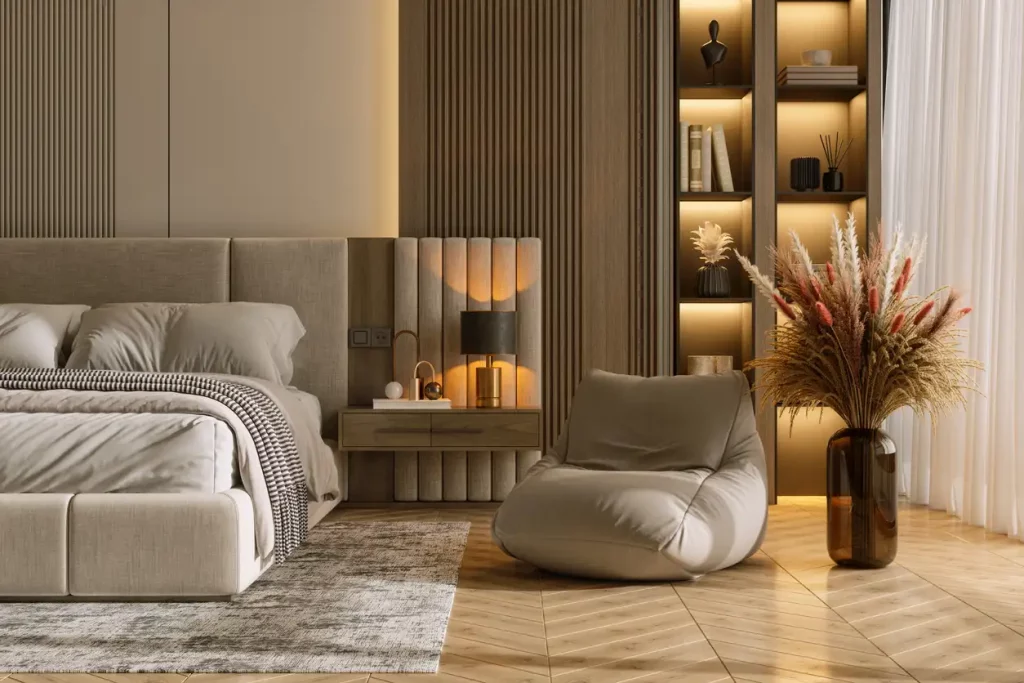
“One piece of oak, top to bottom. The floor people sand back and keep for generations.”
— our flooring team
Solid BlocksThe look
Still unsure? Real people, honest advice.
The look
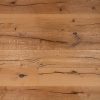
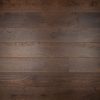
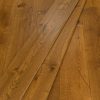
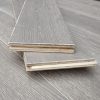
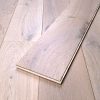
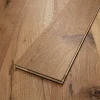
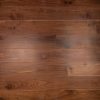
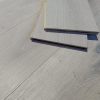
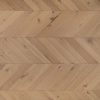
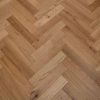
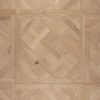
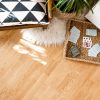
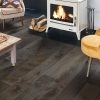
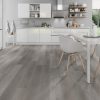
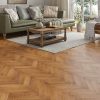
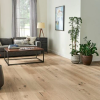
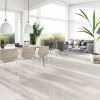
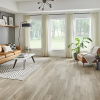
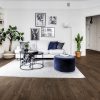
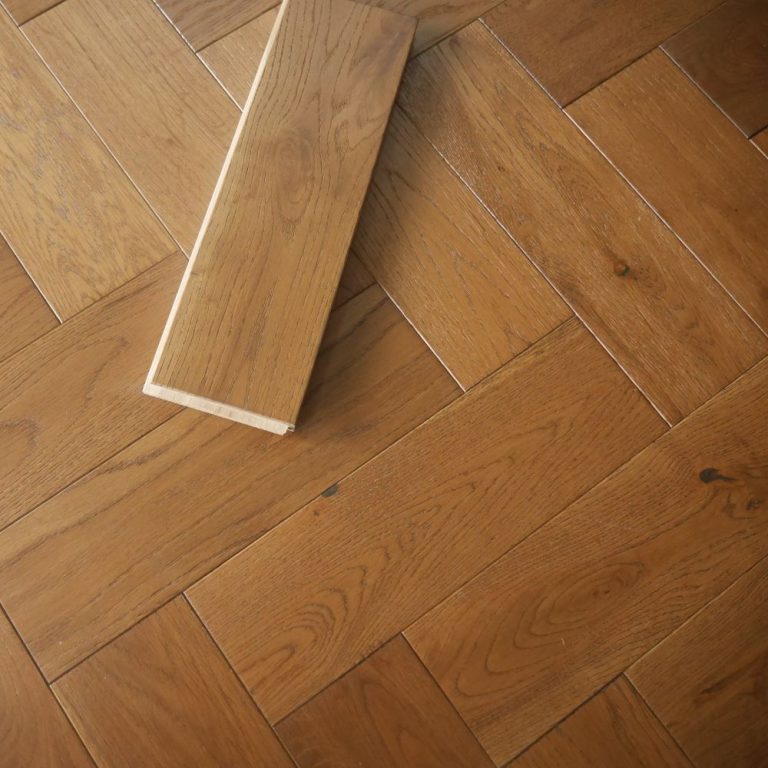
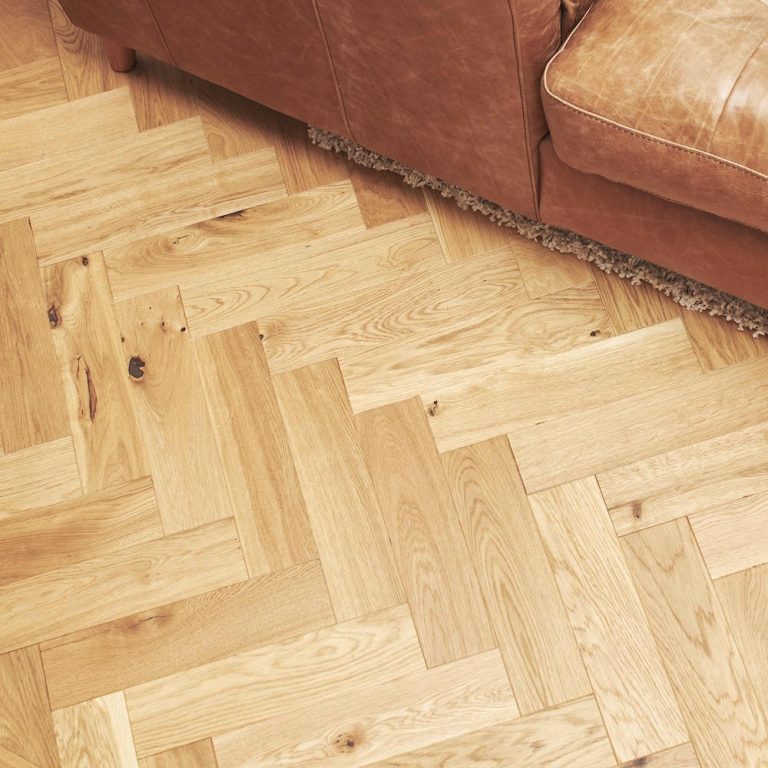
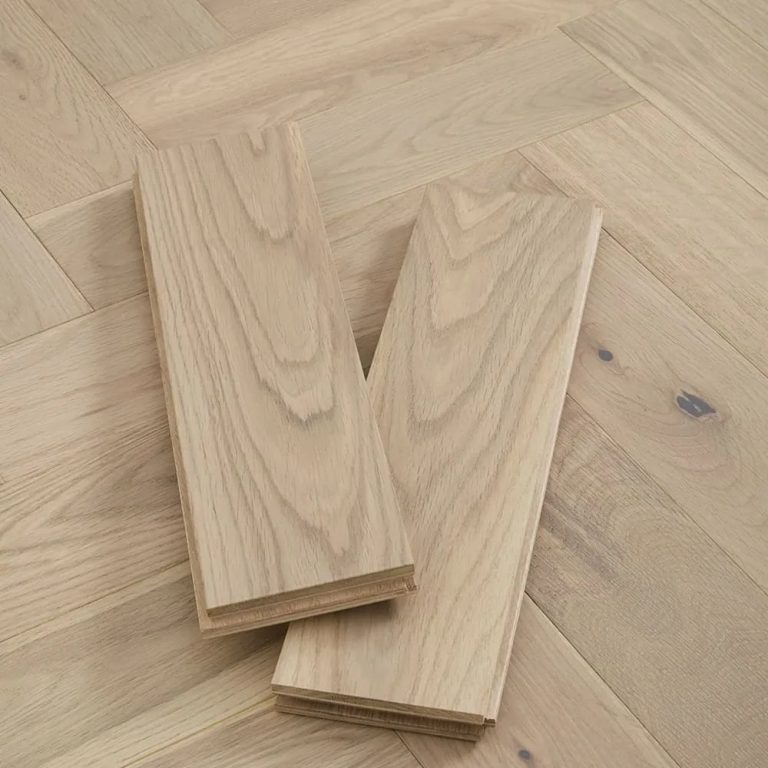
Solid Blocks are 18 mm solid oak blocks at 90 mm by 300 mm for a glued, patterned floor. Four Marlow blocks: smoked, natural and light oak finished, and one unfinished block for sanding and sealing on site.
Herringbone or brick bond
Finished or unfinished
Not for underfloor heating
In depth
Choosing solid parquet blocks
A parquet block is a floor you lay as a pattern, and the block itself is deliberately plain: 18 mm of solid European oak, 90 mm wide and 300 mm long, tongue and groove, micro-bevelled, Rustic grade, with a 20 year manufacturer's warranty. The Marlow blocks come in four versions. Three are finished, Smoked Oak brushed and UV oiled, Natural Oak brushed and matt lacquered, Light Oak brushed and matt lacquered, and one is unfinished, for a floor that is sanded and sealed on site after laying.
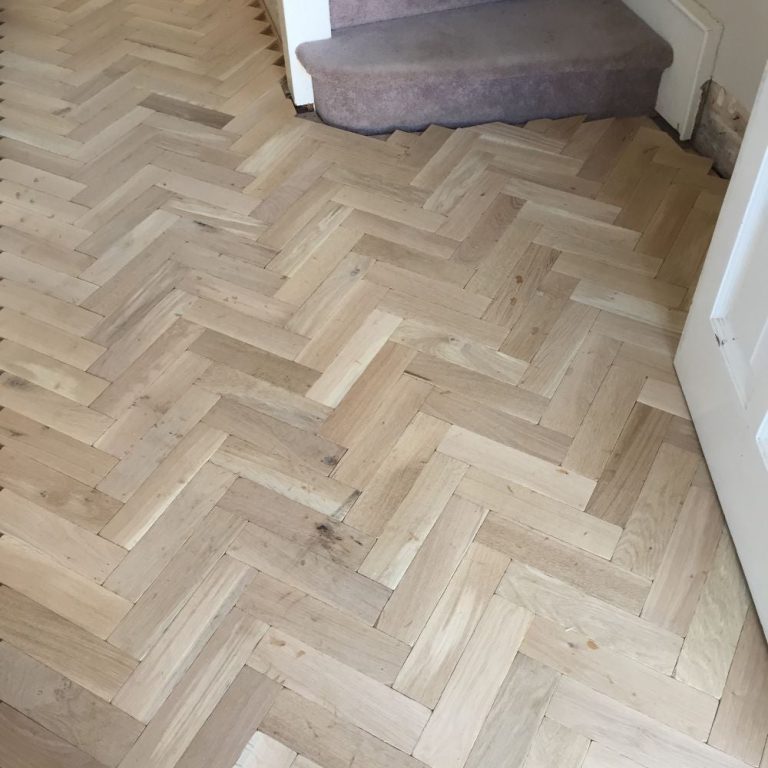
The finished blocks are laid, cleaned and walked on. The unfinished block is the traditional route: lay, let the adhesive cure, sand the whole floor flat in one pass so the blocks become one surface, then oil or lacquer. It is more work and it removes the tiny steps between blocks that a finished block keeps; in a period room, or where the floor will be refinished many times, it is the traditional route.
In practice
Because the block is solid oak and glued down rather than floated, the subfloor matters more than with any plank floor. It has to be flat, sound and dry; the moisture reading that UK practice treats as dry for solid timber is quoted below. The blocks also need to acclimatise in the room before laying, and the room needs to be at its in-service temperature when they do.
None of the four blocks is listed as compatible with underfloor heating. For the same patterns over a heated floor, the engineered herringbone blocks and chevron boards in the parquet range are listed as compatible and carry an oak wear layer over a stable core.
FAQ
Are solid blocks glued or floated?
Why choose an unfinished block?
How much extra should I order for a herringbone pattern?
Which rooms suit solid wood?
Do you deliver UK-wide and can I get a sample first?
Standards
What the published standards say
Each entry is quoted from its source and linked to it. The full set is in the standards reference.
BS EN 13226 — solid parquet elements
BS EN 13226 specifies the characteristics of solid parquet elements with grooves and/or tongues intended for internal use as flooring, covering elements with or without surface treatment.
“This European Standard specifies the characteristics of solid parquet elements with grooves and/or tongues for internal use as flooring. This standard is not applicable to panels made from elements for which a separate standard is in course of preparation.”
Source: BS EN 13226:2009 - Wood flooring. Solid parquet elements with grooves and/or tonguesBS 8203 — relative humidity limit for a subfloor
UK practice following BS 8203 treats a subfloor as dry enough for resilient floor coverings when hygrometer readings do not exceed 75% relative humidity (65% RH for solid timber coverings), measured with a hygrometer sealed to the surface so that it reaches equilibrium with the base.
| RH limit, resilient floor coverings | 75 % RH |
|---|---|
| RH limit, solid timber floor coverings | 65 % RH |
“The base can be considered dry enough to install most floorcoverings if a series of tests produce readings not exceeding 75% R.H. (65% R.H. for solid timber floorcoverings).”
Source: F. Ball and Co. Ltd - Digital Hygrometer, Technical Data SheetCutting waste — how much extra to order
There is no published industry standard for cutting waste; the figures come from manufacturers' own guidance and they vary. Havwoods advises 8-12 % wastage for planks and 15-20 % for patterned floors such as herringbone or chevron. Quick-Step's UK guidance for laminate is 5 % extra in a regular room and 10 % in a room with many angles or curves.
| Wastage allowance, plank floors (Havwoods UK) | 8-12 % |
|---|---|
| Wastage allowance, herringbone or chevron (Havwoods UK) | 15-20 % |
| Extra to order, regular room, laminate (Quick-Step UK) | 5 % |
| Extra to order, room with many angles or curves, laminate (Quick-Step UK) | 10 % |
“For planks we typically advise on 8-12% wastage and patterned floors, such as herringbone or chevron, may need 15-20% wastage.”
Source: Havwoods UK - FAQs: How Much Wastage Shall I Encounter For? · second source
Delivery & areas