






Best Flooring for Kitchens
A kitchen floor has to cope with water, dropped pans and constant traffic. Which floors in our range suit it, and the published limits behind the advice.
The realistic options
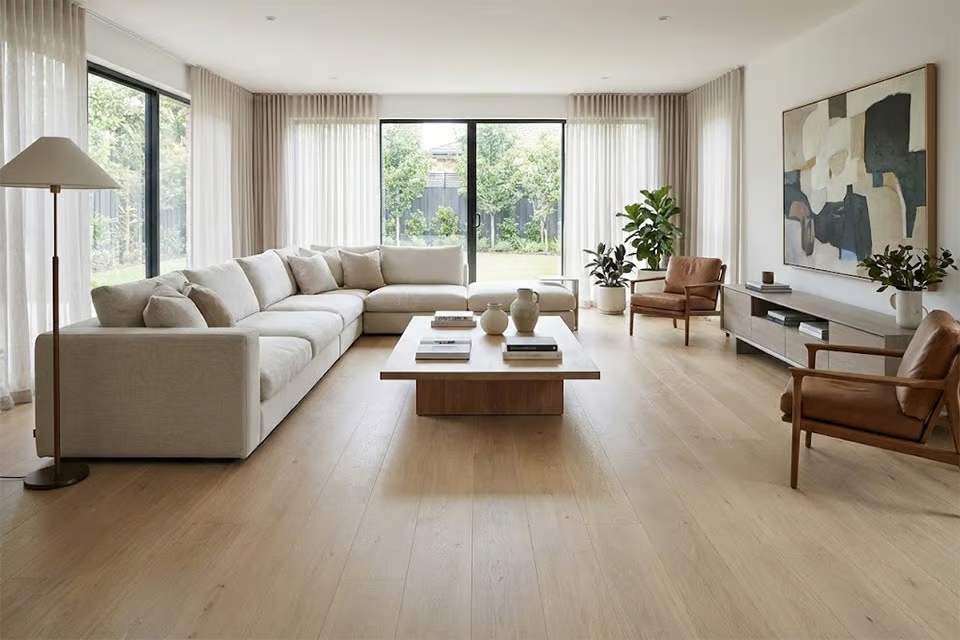
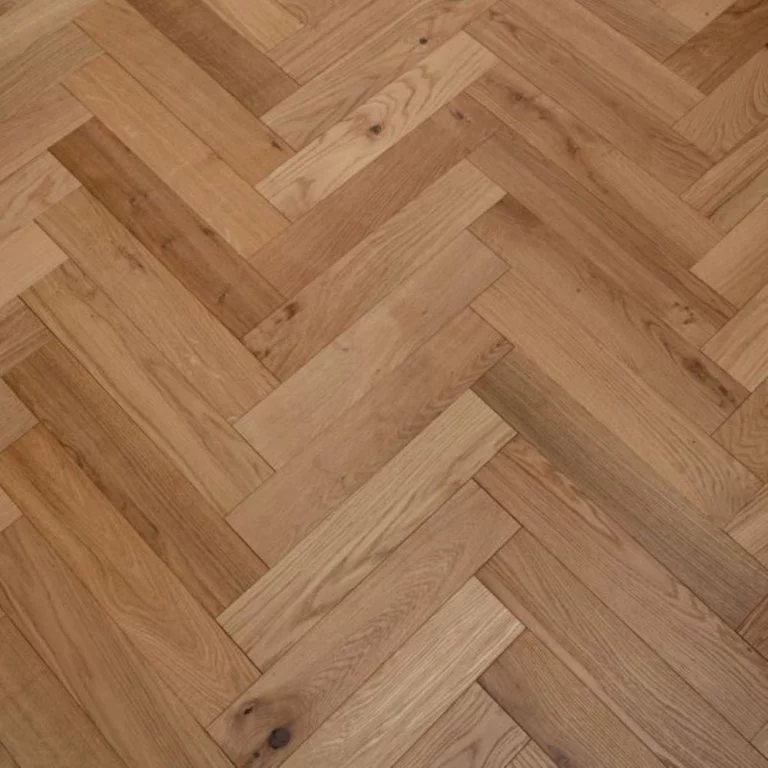
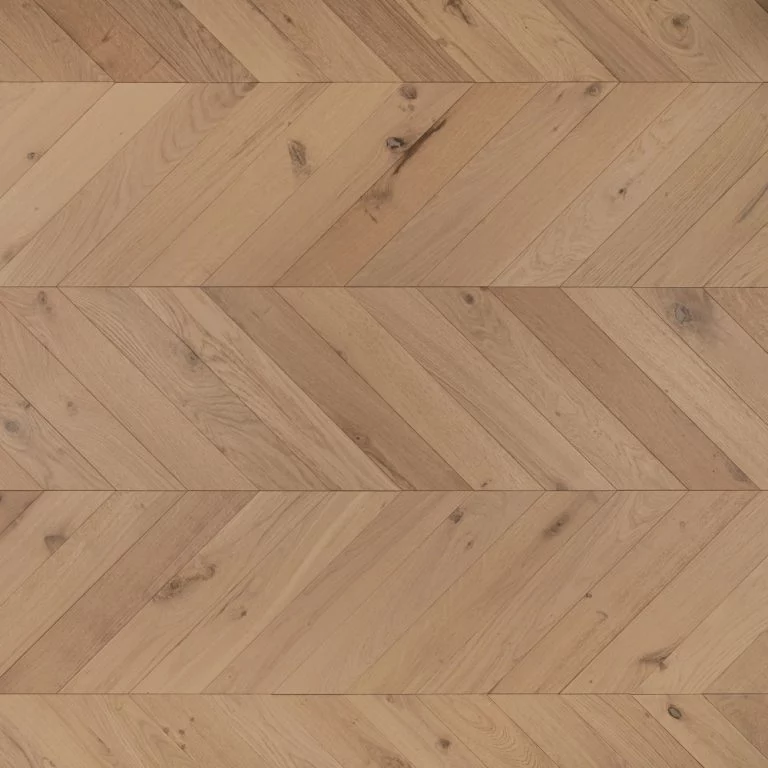
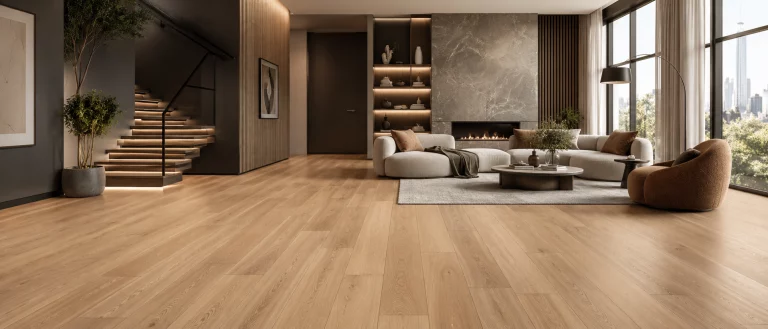
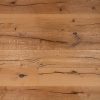
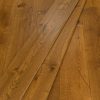
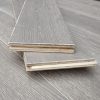
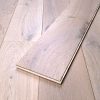
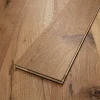
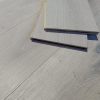
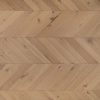
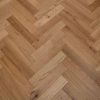
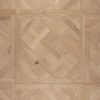
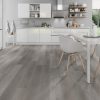
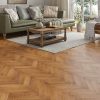
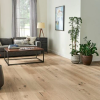
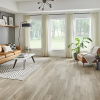
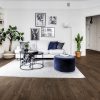
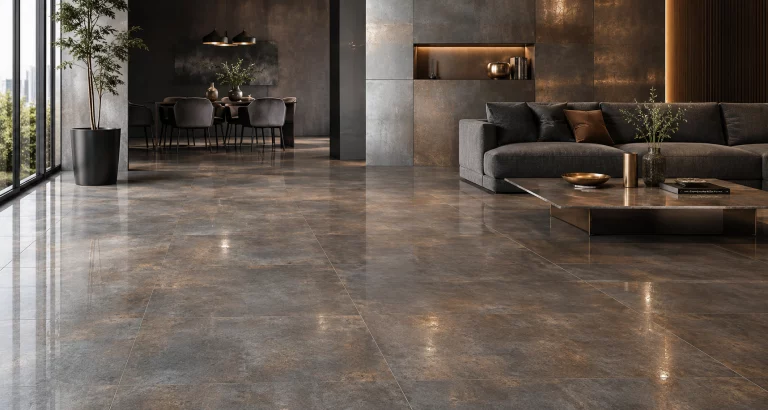
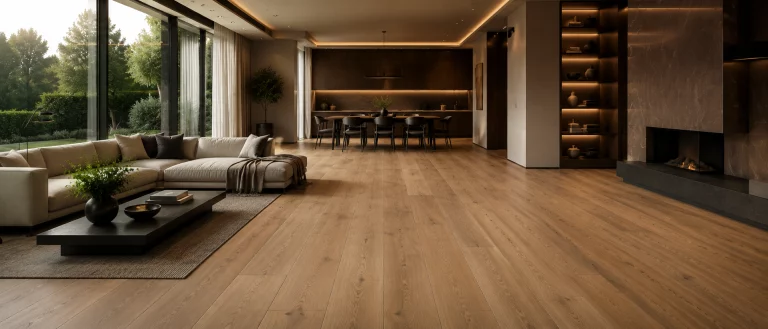
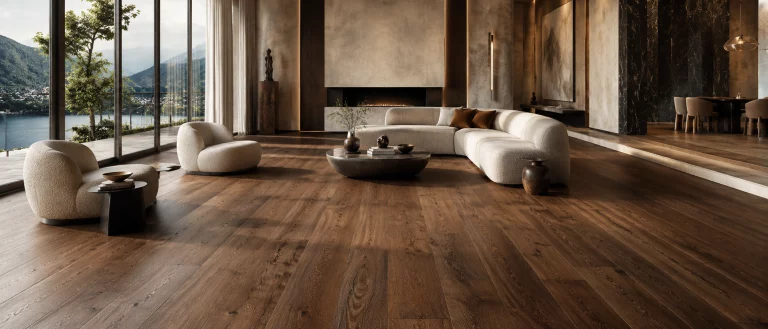
Four constructions in our range, and each suits a different kitchen.
What the published guidance says
Each entry is quoted from its source and linked to it. The full set is in the standards reference.
Pendulum Test Value — how slip risk is assessed
HSE grades pedestrian slip potential from the pendulum test value (PTV): 0-24 is high slip potential, 25-35 moderate and 36 or above low slip potential, the pendulum coefficient-of-friction test being the subject of BS 7976 Parts 1-3.
| low slip potential | 36 + PTV |
|---|---|
| moderate slip potential | 25-35 PTV |
| high slip potential | 0-24 PTV |
“Table 1 Slip potential classification, based on pendulum test values (PTV) PTV High slip potential 0-24 Moderate slip potential 25-35 Low slip potential 36 +”
Source: HSE - Assessing the slip resistance of flooring (GEIS2)Cleaning — the manufacturers’ own guidance
For multilayer modular floor coverings the MMFA requires low-moisture cleaning methods and states that pooling of liquid on the floor must be avoided under all circumstances.
“Absolutely avoid ponding in any case!”
Source: Basic cleaning — MMFA (Multilayer Modular Flooring Association)Vinyl over underfloor heating: 26 °C
BEAMA advises that most vinyls should not be heated above 26 °C, so the floor temperature should be restricted, and warns that in rooms with high heat losses such as conservatories a restricted floor temperature may not heat the room sufficiently.
| maximum temperature for most vinyls | 26 °C |
|---|
“However, as most vinyls should not be heated to above 26°C, the floor temperature should be restricted. Care should be taken in the design of systems in rooms with high heat losses, such as conservatories, as it may not be possible to sufficiently heat the room with a restricted floor temperature limit.”
Source: BEAMA Underfloor Heating — Choosing your floor covering to maximise your underfloor heating efficiency (April 2020)Multilayer modular floors: floating, with a gap per metre
The MMFA, the European association for multilayer modular floor coverings, says these floors expand and contract with temperature and humidity and should therefore only be laid as a floating installation, with an expansion gap of at least 1.5 mm per running metre of floor on each side of the room as a rule of thumb.
| Expansion gap per running metre of floor, each side (rule of thumb) | 1.5 mm |
|---|
“As MMF floor coverings expand and contract due to changes in ambient temperature or humidity conditions, the flooring should only be laid as a floating installation. … As a rule of thumb: create an expansion gap of min. 1.5 mm per running meter of flooring on each side of the room (e.g. room width 5 m = 8 mm border joint on each side).”
Source: TB 2 - MMFA Technical bulletin 12/2023 - Installation of Multilayer Modular Floor Coverings (English Edition 12/2023), Multilayer Modular Flooring AssociationA finish slows moisture change; it does not stop it
The Wood Handbook of the US Forest Products Laboratory says changes in the moisture content of wood can be retarded, but not prevented, by protective coatings such as varnish, lacquer or paint.
“Moisture content changes can be retarded, but not prevented, by protective coatings such as varnish, lacquer, or paint (Chap. 16).”
Source: Wood Handbook — Wood as an Engineering Material, General Technical Report FPL-GTR-282 (2021), chapter 4 "Moisture Relations and Physical Properties of Wood", section "Wood–Moisture Relationships", page 4–3 — USDA Forest Service, Forest Products LaboratoryStanding water and a wood floor
The US National Wood Flooring Association warns against cleaning a wood floor with a traditional mop and bucket that can apply too much moisture, because standing water results in cracks, splits, cupping, warping and degradation of the finish.
“Do not use a traditional mop and bucket that has a potential to apply too much moisture to the wood floor. Standing water will result in cracks, splits, cupping, warping, degradation of the finish, and can leave a discoloring and sometimes sticky residue.”
Source: NWFA Wood Flooring Installation Guidelines, Revised 2025 - National Wood Flooring Association (maintenance chapter)Engineered timber over underfloor heating: floating or nailed
BEAMA, the UK underfloor heating trade association, describes engineered timber as a more stable option than solid timber because it is cross-laminated, so that its moisture content is less critical, and says it can be laid directly over underfloor heating as a floating floor or nailed into battens or joists.
“Engineered timber – A more stable option than solid timber, due to being cross-laminated, its moisture content is less critical. It can be laid directly over the underfloor heating as a ‘floating floor’ or nailed into battens or joists.”
Source: BEAMA Underfloor Heating — Choosing your floor covering to maximise your underfloor heating efficiency (April 2020)Cutting waste — how much extra to order
There is no published industry standard for cutting waste; the figures come from manufacturers' own guidance and they vary. Havwoods advises 8-12 % wastage for planks and 15-20 % for patterned floors such as herringbone or chevron. Quick-Step's UK guidance for laminate is 5 % extra in a regular room and 10 % in a room with many angles or curves.
| Wastage allowance, plank floors (Havwoods UK) | 8-12 % |
|---|---|
| Wastage allowance, herringbone or chevron (Havwoods UK) | 15-20 % |
| Extra to order, regular room, laminate (Quick-Step UK) | 5 % |
| Extra to order, room with many angles or curves, laminate (Quick-Step UK) | 10 % |
“For planks we typically advise on 8-12% wastage and patterned floors, such as herringbone or chevron, may need 15-20% wastage.”
Source: Havwoods UK - FAQs: How Much Wastage Shall I Encounter For? · second source