
Light Oak Engineered Wood Flooring
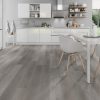
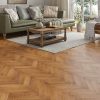
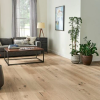
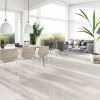
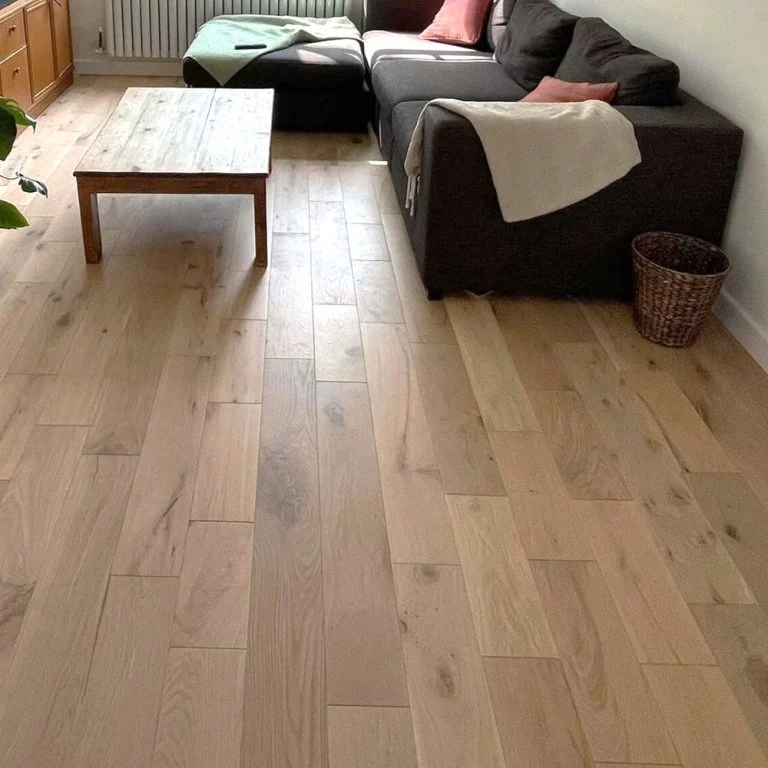
Bright tones with a fresh, airy feel. Light oak brings soft natural colour, warmth and a spacious look into your home. A beautiful choice for smaller rooms, modern interiors or spaces that need light, calm and lasting style.
Shop Light Oak
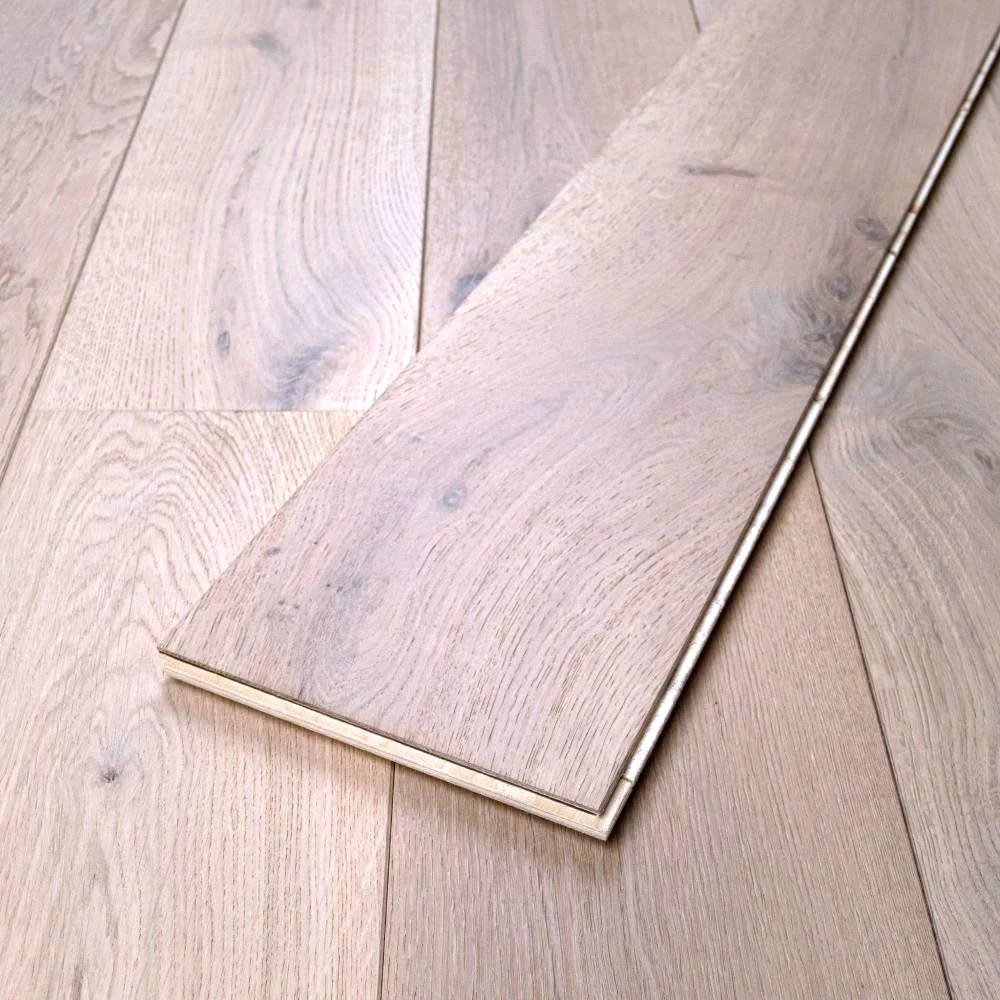
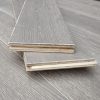
“A real oak surface over a cross-laminated core. This is the version of oak that lives happily over underfloor heating.”
— our flooring team
Light OakThe look
Still unsure? Real people, honest advice.
The look
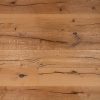
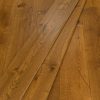
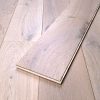
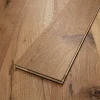
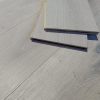
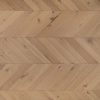
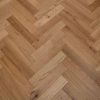
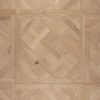
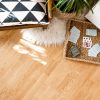
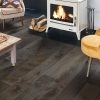
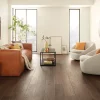
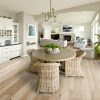
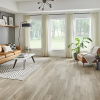
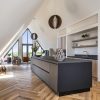
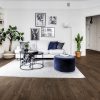
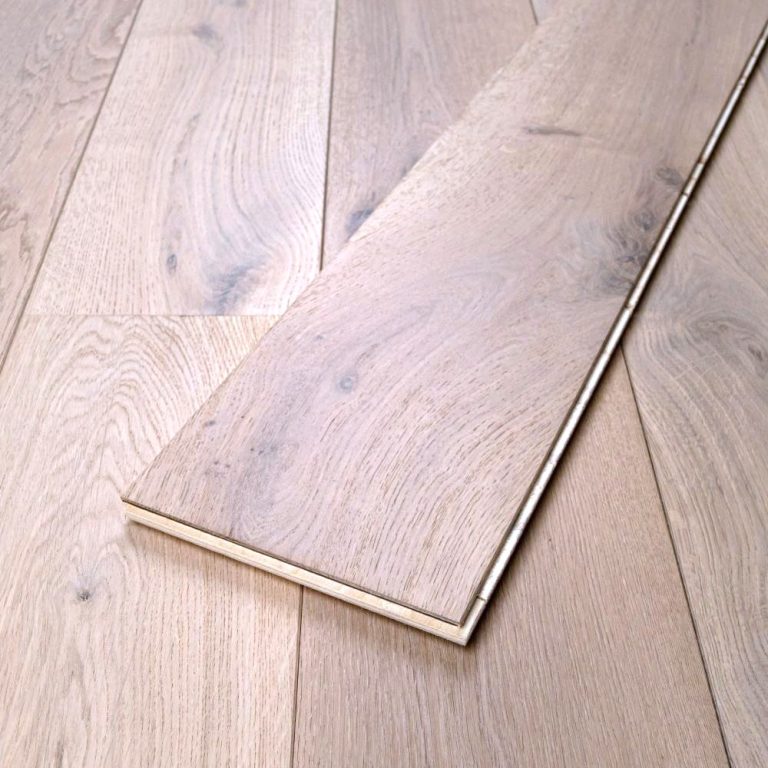
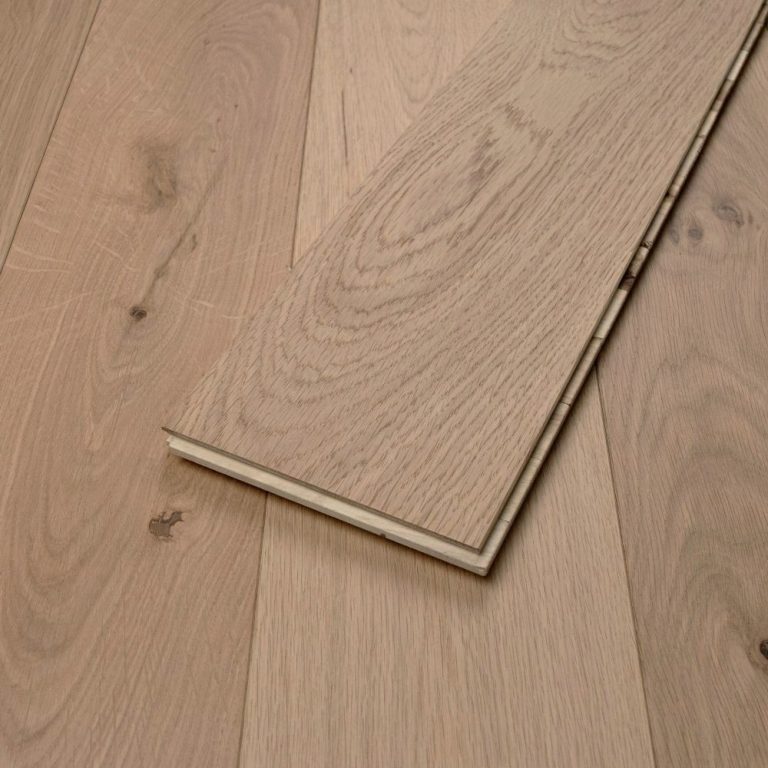
Light Oak is engineered oak finished to keep the pale colour of freshly sanded timber. Two Cobham boards at 150 mm wide, one invisible oiled and one invisible brushed matt lacquered, both with a 3 mm wear layer and neither with the amber tint a conventional finish adds.
The colour of bare oak
Makes small rooms larger
Shows more, hides less
In depth
Choosing light engineered oak
Light oak in this range means two things at once: a pale board, and a finish designed not to darken it. Ordinary oil and lacquer add an amber cast to oak that most people think of as the natural colour of the wood; an invisible finish keeps the raw, sanded tone instead. The Cobham Invisible Oiled board does that with an oil, and the Cobham Light Oak board does it with a brushed matt lacquer. Both are 14 mm thick, 150 mm wide in lengths from 300 mm to 1200 mm, tongue and groove with a micro-bevelled edge, and both carry a 3 mm wear layer and a 15 year manufacturer's warranty.
The grades differ. The Invisible Oiled board is Rustic, with more knots and colour play; the Light Oak board is Classic, calmer and more even. On a pale floor that difference is more visible than on a dark one, because there is nothing to hide the knots behind. If the room is meant to feel quiet and Scandinavian, the Classic board is the closer match; if it is a cottage or a converted barn, the Rustic board looks right.
In practice
The practical trade-off with any pale floor is that it shows dirt and dark scratches more than a mid-tone board does. Brushing helps, because the texture breaks up the reflection that makes marks visible, and both boards are brushed. Beyond that it is doormats, felt pads and the low-moisture cleaning routine that every wood floor asks for. Both boards are listed as compatible with underfloor heating.
If the scheme wants a pale floor with a little more warmth, the natural oak range is the next step; if it wants the pale grain with a cool tint, the washed greys are the alternative.
FAQ
What does an invisible finish mean?
Will a light oak floor yellow?
Oiled or lacquered, for a light floor?
How do I order the right amount?
Do you deliver UK-wide and can I get a sample first?
Standards
What the published standards say
Each entry is quoted from its source and linked to it. The full set is in the standards reference.
Cleaning — the manufacturers’ own guidance
For multilayer modular floor coverings the MMFA requires low-moisture cleaning methods and states that pooling of liquid on the floor must be avoided under all circumstances.
“Absolutely avoid ponding in any case!”
Source: Basic cleaning — MMFA (Multilayer Modular Flooring Association)How often a wood floor can be sanded
No trade-association or standards source found puts a number on how often an engineered wood floor can be sanded; the only sourced figure comes from a manufacturer, Kährs, which says engineered floors can be sanded up to four times depending on wear-layer thickness.
| sanding cycles, engineered wood floor (manufacturer statement) | up to 4 times |
|---|
“Depending on the thickness of the wear layer, they can be sanded up to four times, extending their lifespan significantly.”
Source: FAQ about flooring - KährsRelated looks
More engineered wood looks
 9 floorsAntique Oak
 11 floorsDark Oak
 3 floorsGolden Oak
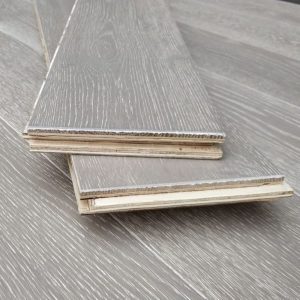 6 floorsGrey Oak
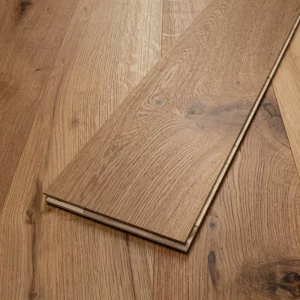 12 floorsNatural Oak
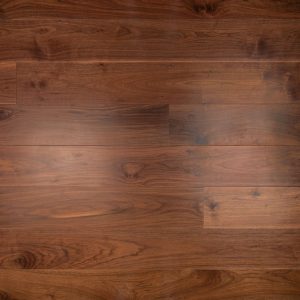 4 floorsWalnut
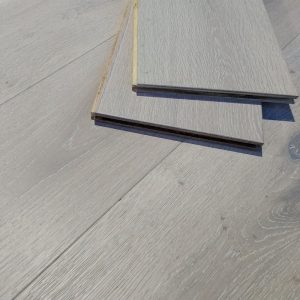 3 floorsWhite Oak
The same look in other floors
Delivery & areas