






Natural Oak Engineered Wood Flooring
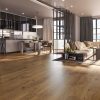
Authentic oak with timeless appeal. Natural oak brings balanced tones, real wood character and warmth into your home. A versatile choice for modern or classic interiors that need natural beauty, comfort and lasting style.
Shop Natural Oak
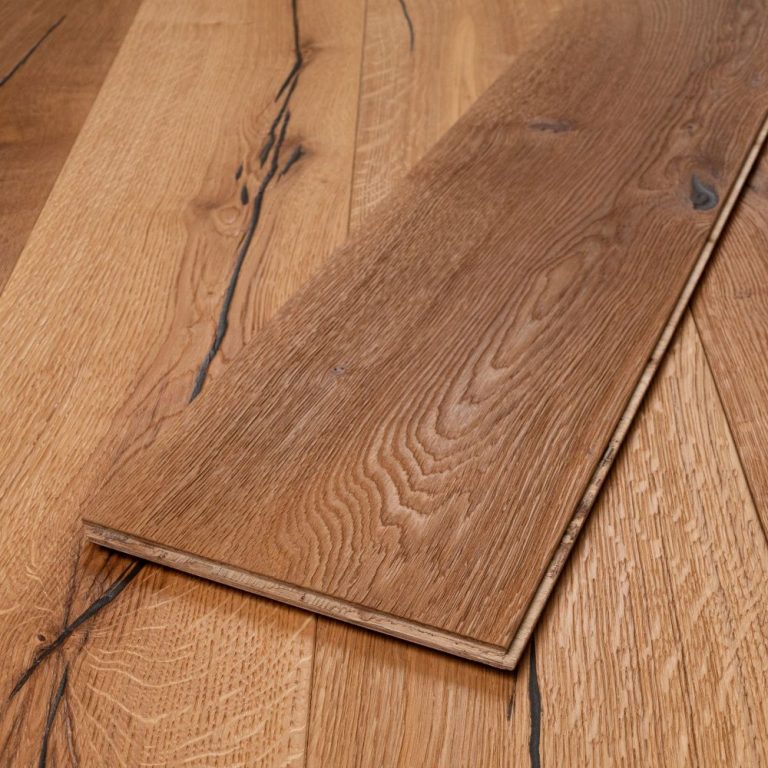
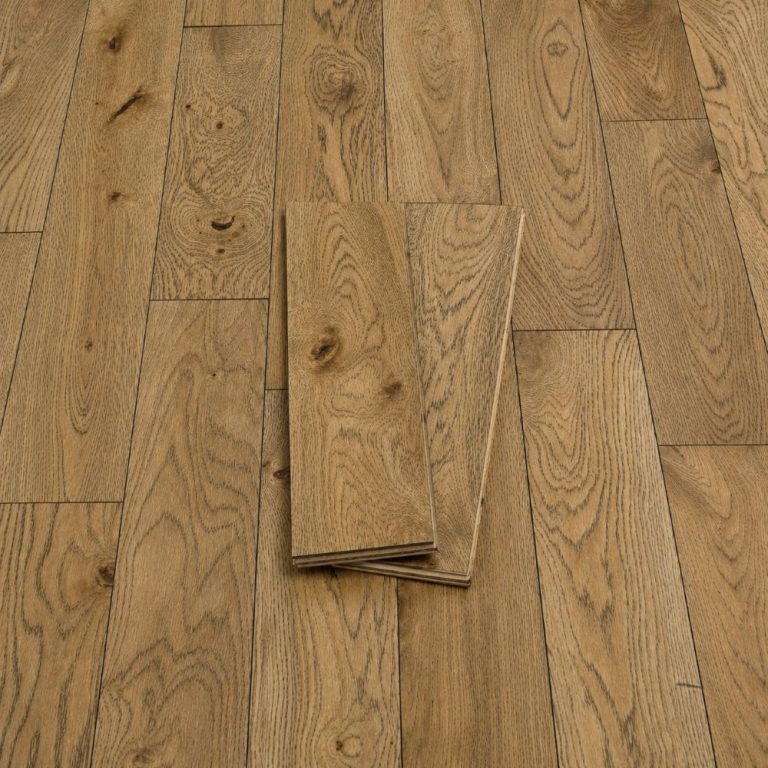
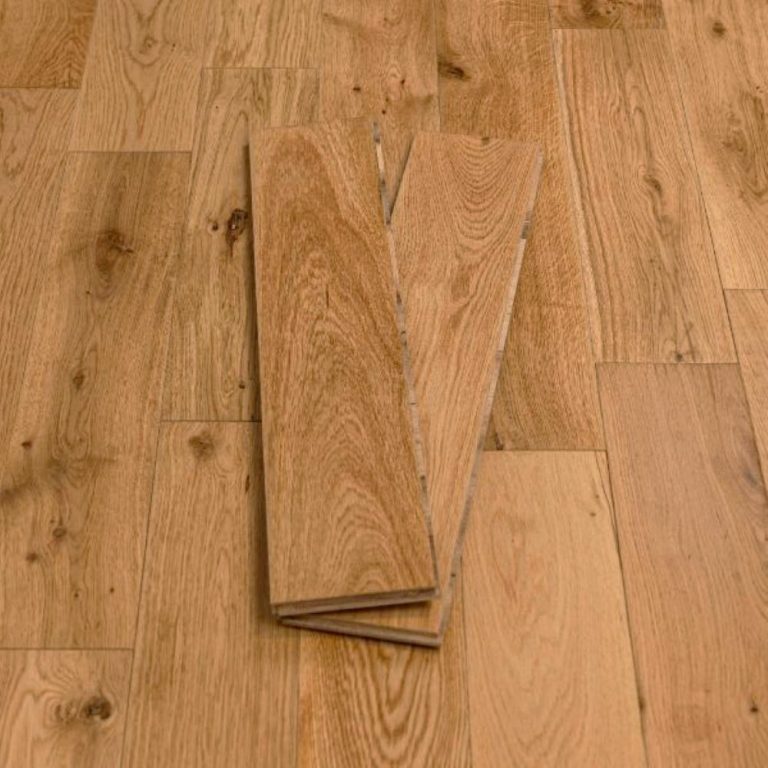
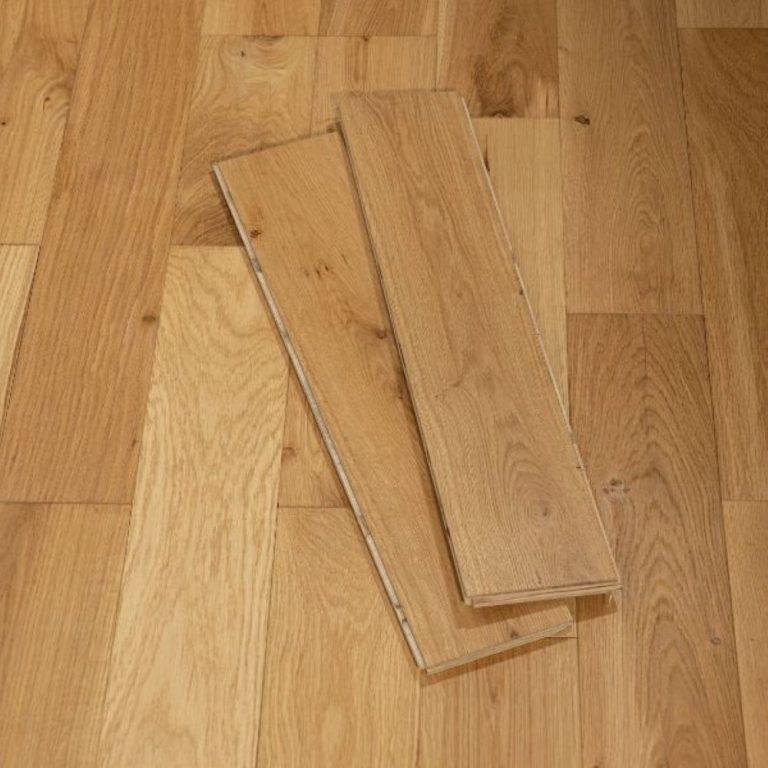
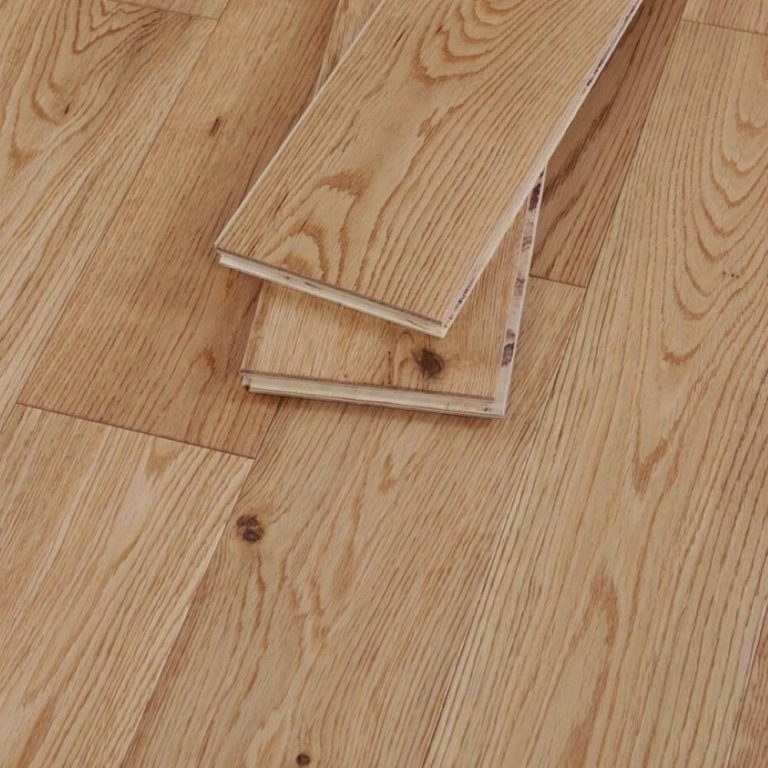
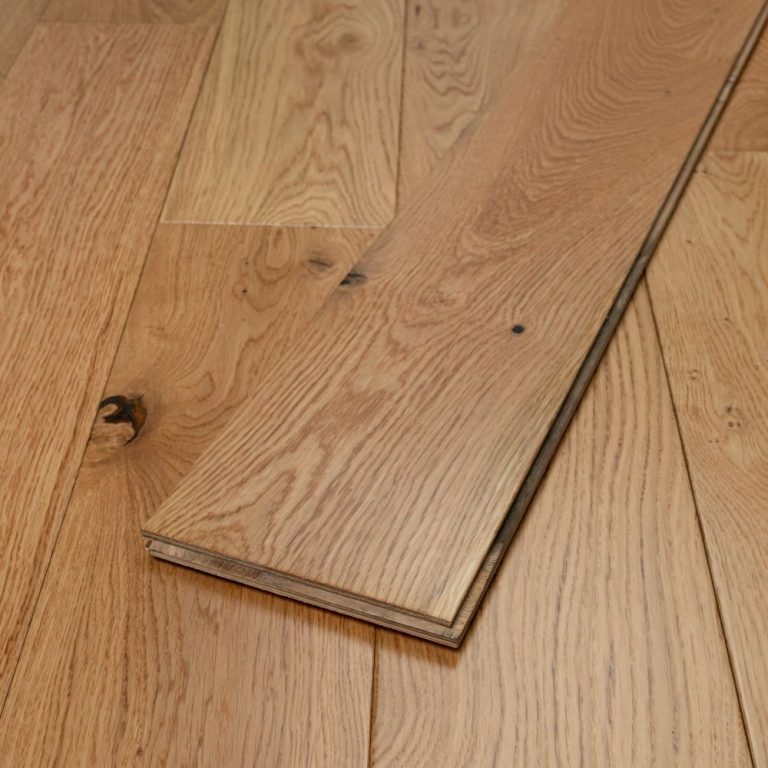
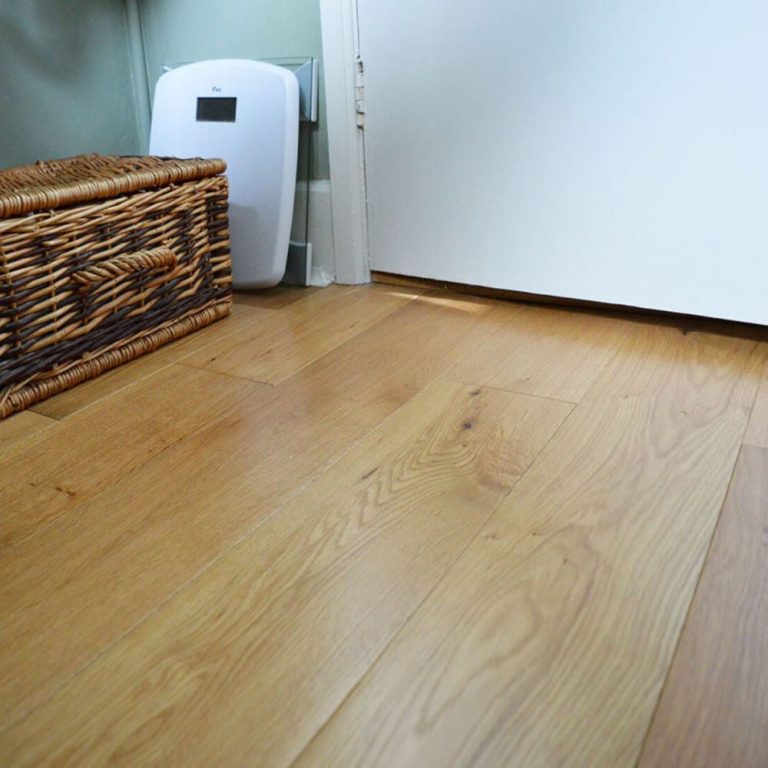
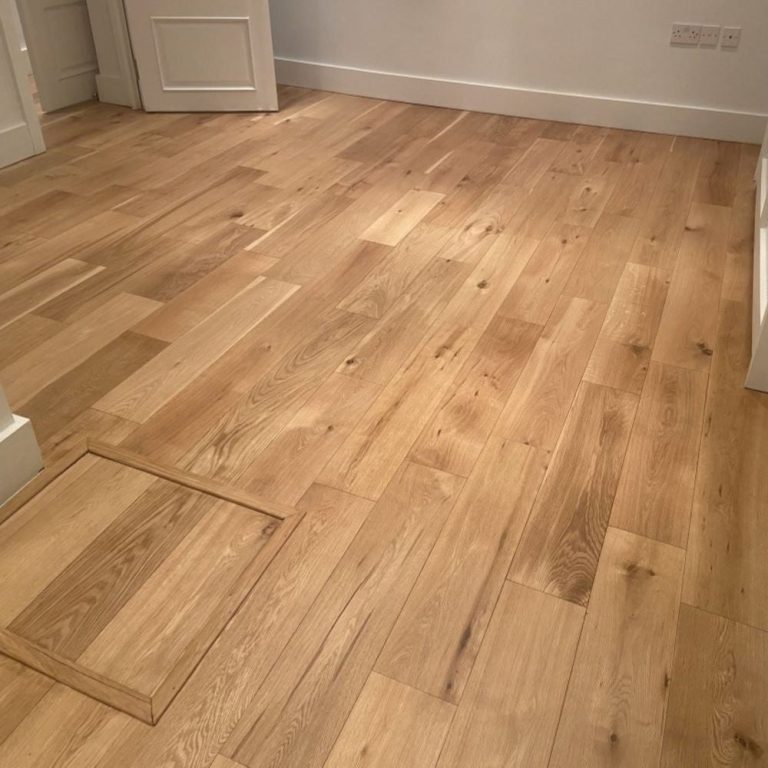
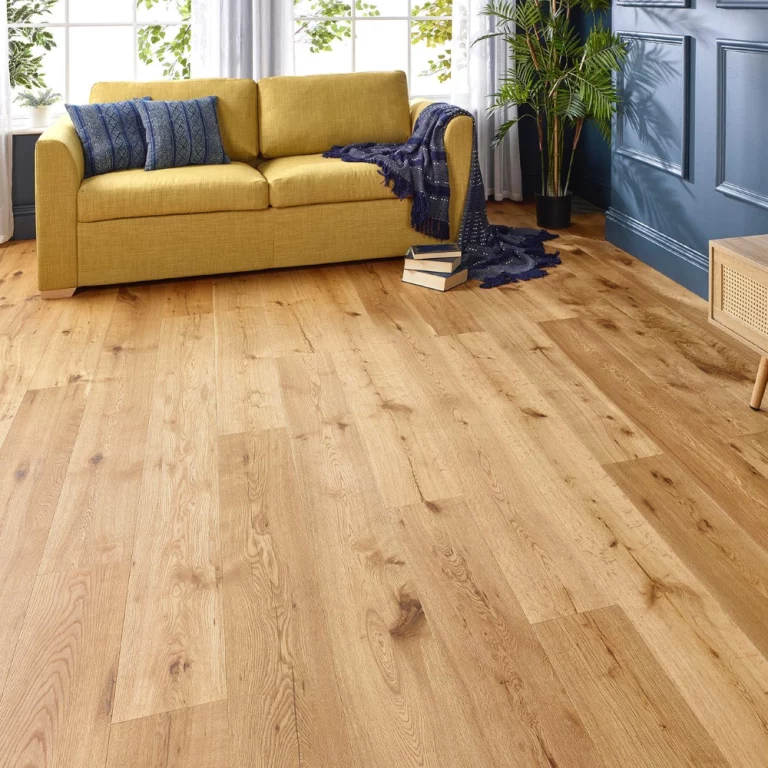
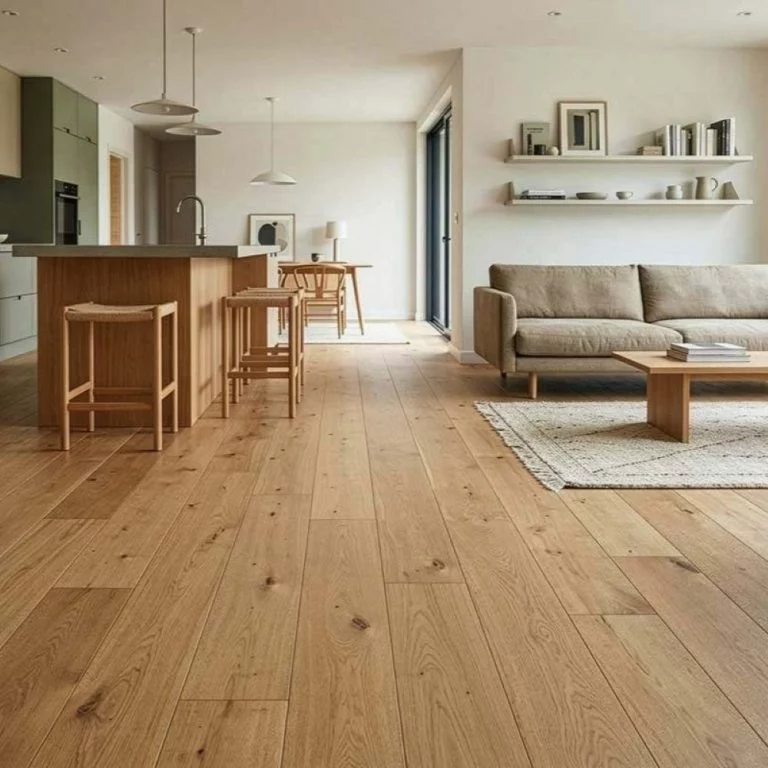
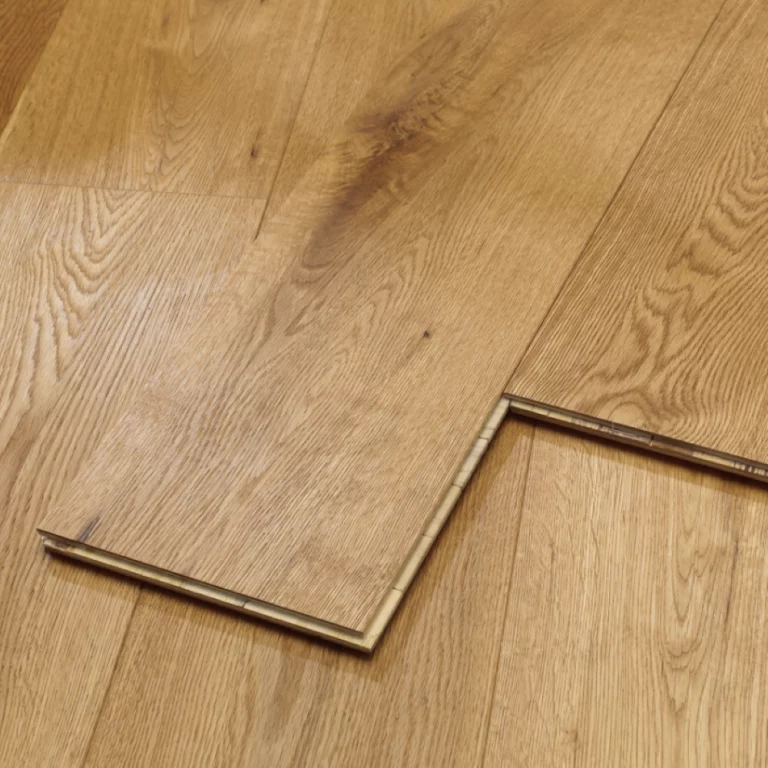
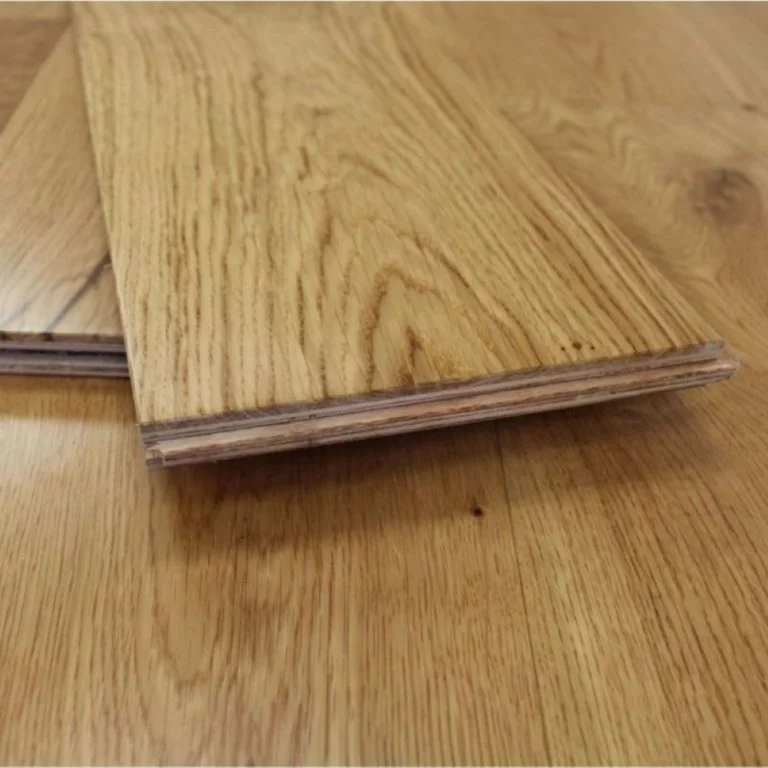
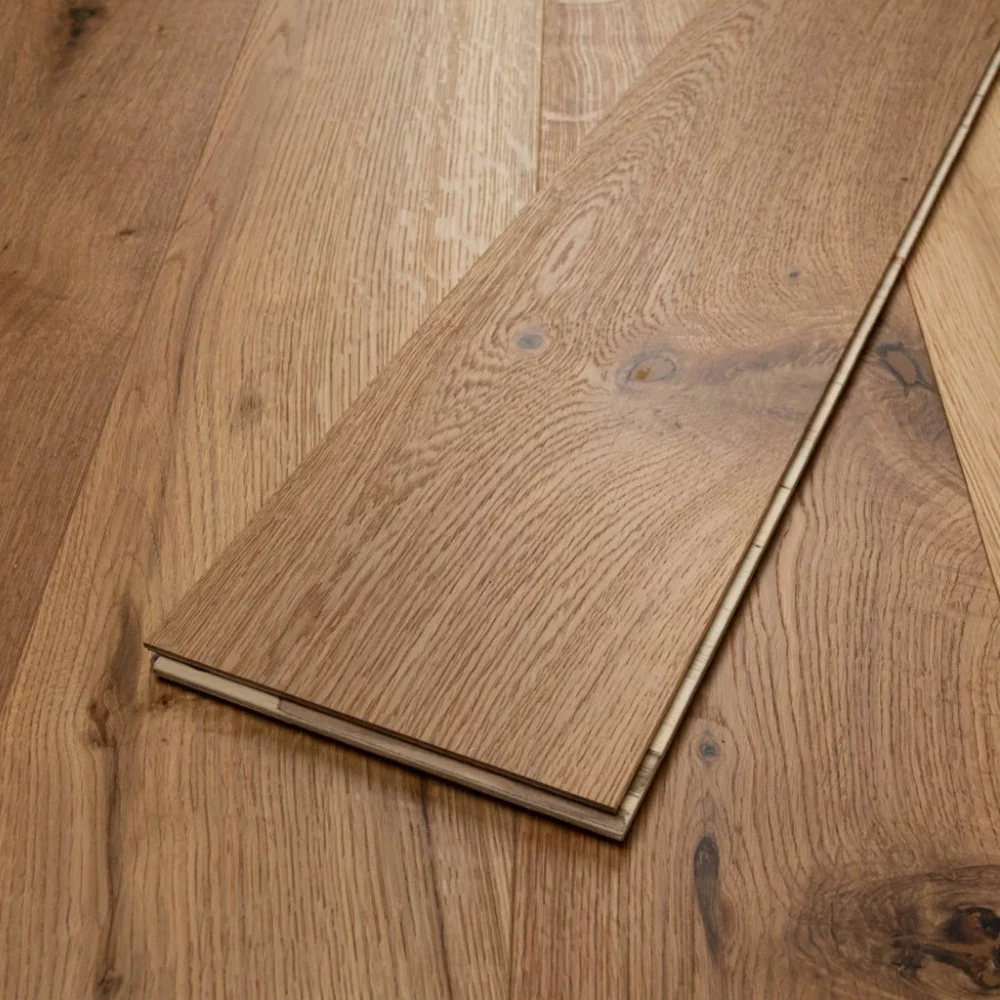
“A real oak surface over a cross-laminated core. This is the version of oak that lives happily over underfloor heating.”
— our flooring team
Natural OakThe look
Still unsure? Real people, honest advice.
The look
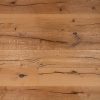
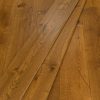
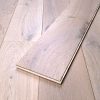
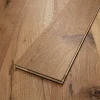
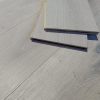
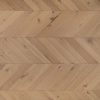
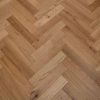
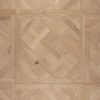
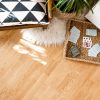
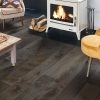
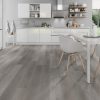
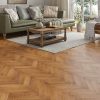
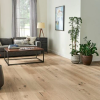
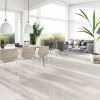
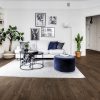
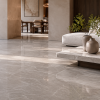
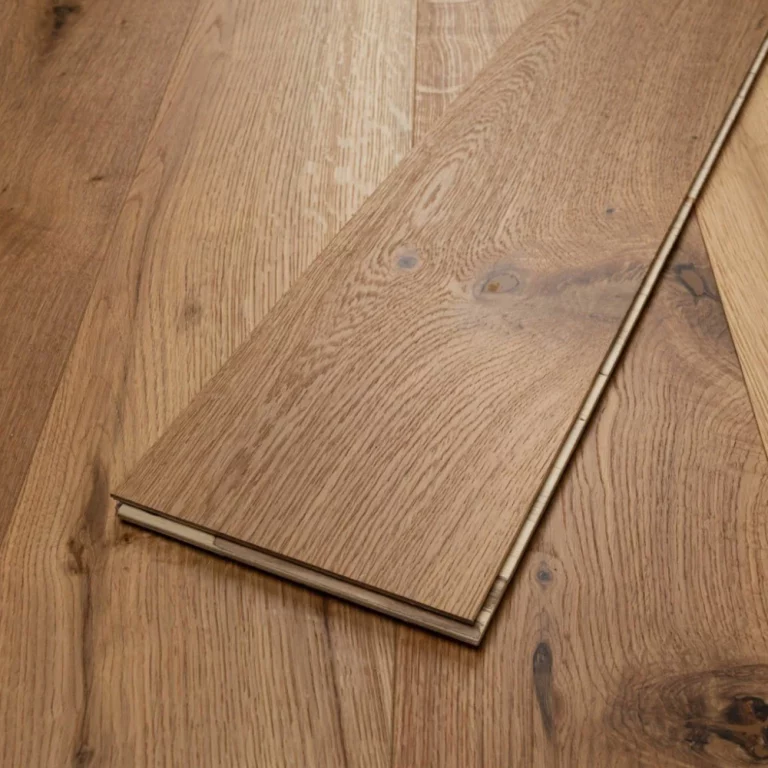
Natural Oak is engineered oak finished to look like oak, in seven boards and three widths. Four finishes and three grades, so the choice is about surface and character rather than colour.
Smooth or brushed
Four finishes
The safe choice, chosen well
In depth
Choosing natural engineered oak
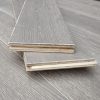
A natural oak board is the one where the finish is chosen to protect the wood and leave the colour alone, so this range is decided by surface and grade rather than by tone. The Ascot boards are 125 mm wide and the Cobham boards 150 mm wide, both 14 mm thick in random lengths between 300 mm and 1200 mm; the Victorian Antique Natural Oak is 15 mm thick and 220 mm by 2200 mm. All are tongue and groove, micro-bevelled, listed as compatible with underfloor heating and carry a 15 year manufacturer's warranty.
Surface first. Three boards are smooth: the Ascot Lacquered, the Cobham UV Lacquered and the Cobham Oiled. Three are brushed: the Ascot Brushed UV Oiled, the Ascot Natural Brushed and the Cobham Natural Brushed. The Victorian Antique board is deep brushed. A smooth surface is the cleanest, most formal look and shows fine scratches most readily; a brushed surface hides small marks and reads warmer. In a busy family room the brushed boards are the easier floor to live with.
In practice
Then finish. UV lacquer, on the three lacquered boards (one of them, the Ascot Natural Brushed, is brushed rather than smooth), gives the hardest wearing surface and is refinished as a whole floor when the time comes. UV oil and plain oil, on the three oiled boards, can be re-oiled locally where they wear. Hard wax oil, on the antique board, sits in the brushed grain and takes on the most patina with use. Wear layers are 3 mm on the six 14 mm boards and 4 mm on the antique board.
Grade is the last decision and the one that makes a natural floor look chosen rather than default: Classic for the calmer boards, Rustic for the ones with knots and colour play, Antique Effect for the aged, mixed surface. Order a sample of each grade before deciding, because photographs flatten exactly the difference that matters here.
FAQ
What is the difference between Classic and Rustic grade?
Lacquered or oiled natural oak?
Which width should I choose?
How do I order the right amount?
Do you deliver UK-wide and can I get a sample first?
Standards
What the published standards say
Each entry is quoted from its source and linked to it. The full set is in the standards reference.
Moisture content at delivery — what EN 13489 requires
EN 13489, the product standard for multi-layer parquet, requires the moisture content of the elements to be between 5 % and 9 % at the time of first delivery, measured by the oven-dry method of EN 13183-1. The corresponding figure for solid parquet under EN 13226 was not available from a source we could read, so it is not stated here.
| Moisture content at first delivery, multi-layer parquet (EN 13489:2023, clause 4.1.2) | 5-9 % |
|---|
“The moisture content shall be between 5 % and 9 % at the time of the first delivery of the product.”
Source: EN 13489:2023 - Wood-flooring and parquet - Multi-layer parquet elements (SIST preview of the standard, clause 4.1.2 Moisture content)Acclimatisation before fitting
The Contract Flooring Association's guide states that the room should be at its in-service temperature 48 hours before installation so that the flooring can be kept in the room and reach room temperature before it is laid.
| conditioning before installation | 48 h |
|---|
“They also advise that this temperature should be attained 48 hours prior to the installation, so that floorings can be kept in the room and brought to room temperature (acclimatised) before installation.”
Source: CFA Guide to Contract Flooring - Contract Flooring AssociationRelated looks
More engineered wood looks
 9 floorsAntique Oak
 11 floorsDark Oak
 3 floorsGolden Oak
 6 floorsGrey Oak
 2 floorsLight Oak
 4 floorsWalnut
 3 floorsWhite Oak
Delivery & areas