






White Laminate Flooring
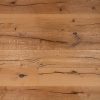
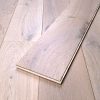
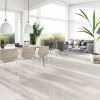
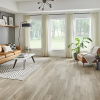
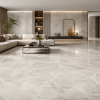
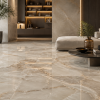
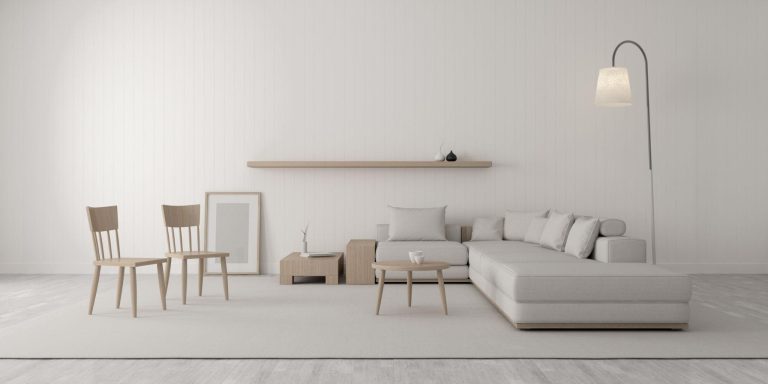
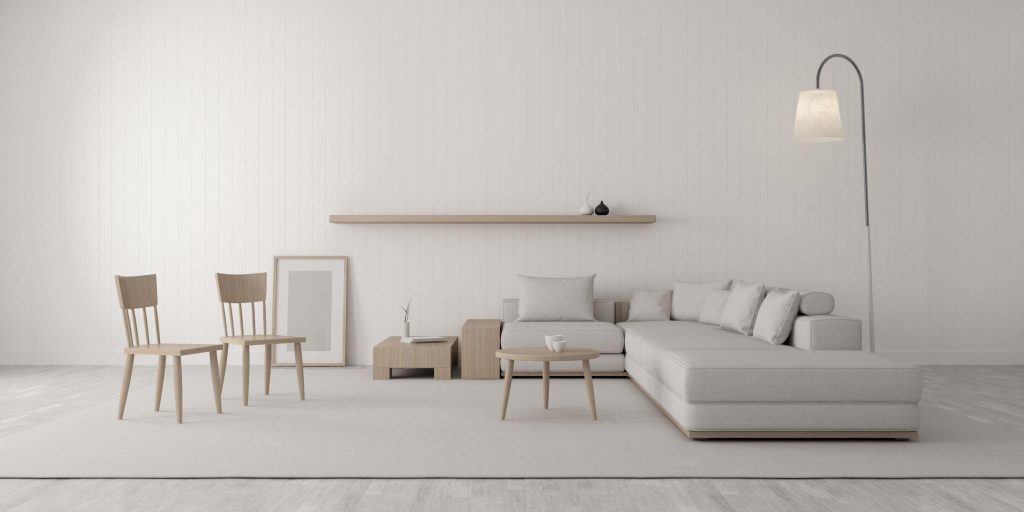
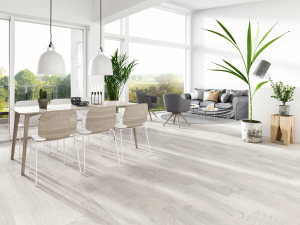
White laminate floors brighten rooms and create a fresh, spacious feel. Ideal for modern homes, studios and interiors that benefit from maximum light.
Shop White
“The most floor for the money. A modern laminate takes traffic that would mark real timber.”
— our flooring team
WhiteThe look
Still unsure? Real people, honest advice.
The look
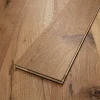
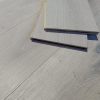
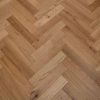
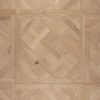
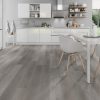
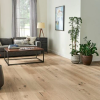
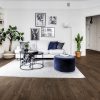
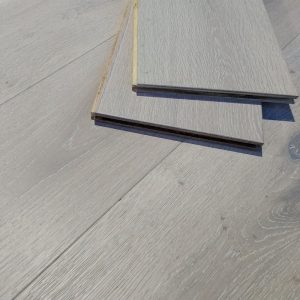
White in the 8 mm laminate range is one design, Unye, the palest board in the range. AC4 rated, click-fitted at 193 mm by 1204 mm on an HDF core, listed as compatible with underfloor heating, with a 25 year manufacturer's warranty.
The palest board
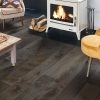
AC4 on a pale floor
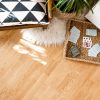
Bedrooms and studios
In depth
Choosing white laminate
Unye is the palest board in the laminate range and the only one in this subcategory. Its specification is the range's: 8 mm thick, 193 mm by 1204 mm, melamine surface over a printed decor on a high-density fibreboard core, click-fitted, micro-bevelled, AC4, listed as compatible with underfloor heating, 25 year manufacturer's warranty, 2.32 square metres to the box. It is listed under the greys as well, because it is a cool white with grey in the grain rather than a cream.
A white floor is a decision about light. It returns daylight to a room that has little, makes a small bedroom or a studio feel larger, and blurs the line between floor and wall under white skirting. It also shows dark marks and grit more than any other tone, and that is where laminate has an argument over pale oak or pale vinyl: the AC4 melamine surface resists scratching better than either, and dark scuffs wipe off it.
In practice
The limits are laminate's. The core is wood fibre and the laminate standard, quoted below, excludes rooms that get wet regularly, so a white bathroom floor is not this board; the white rigid vinyl herringbone is. And a printed white is more even than a whitewashed oak, which suits a modern room and can look flat in a period one.
Laid floating over an underlay with an expansion gap at every edge, a single design through a landing and the bedrooms off it is the common use, and the pale tone makes the upstairs read as one space. The industry guidance on the gap and on what the underlay does is quoted below.
FAQ
Is a white laminate floor practical?
Is Unye white or grey?
Can it go in a bathroom?
How long does laminate last?
Do you deliver UK-wide and can I get a sample first?
Standards
What the published standards say
Each entry is quoted from its source and linked to it. The full set is in the standards reference.
AC1 to AC6 — abrasion classes for laminate
EN 13329 classifies the abrasion resistance of laminate floor coverings in abrasion classes AC1 to AC6. The EPLF's own Environmental Product Declaration for DPL laminate floor covering states the property "Abrasion Class EN 13329" with the value range AC1-AC6.
| Abrasion classes under EN 13329 | AC1-AC6 |
|---|
“Abrasion Class EN 13329 | AC1-AC6 | -”
Source: Environmental Product Declaration - Direct Pressure Laminate Floor Covering (DPL Floor Covering), owner of the declaration: European Producers of Laminate Flooring e.V. (EPLF), decl. no. EPD-EPL-20210138-CBE1-ENBS EN 13329 — laminate floor coverings
BS EN 13329 specifies the characteristics, requirements and test methods for laminate floor coverings with a surface layer based on aminoplastic thermosetting resins, including requirements for marking and packaging. It also contains a classification system based on EN ISO 10874 for areas and levels of use, and it does not cover areas subject to frequent wetting such as bathrooms, laundry rooms or saunas.
“BS EN 13329 specifies characteristics, requirements, and test methods for laminate floor coverings with a surface layer based on amino plastic thermosetting resins. BS EN 13329 specifies requirements for marking and packaging.”
Source: BS EN 13329:2016+A2:2021 | 31 Oct 2021 | BSI KnowledgeThe expansion gap
The EPLF, the European association of laminate flooring producers, recommends an edge gap of 8 mm to 12 mm on all sides of a floating floor, so that the covering can expand and contract without lifting.
| recommended edge gap on all sides | 8 to 12 mm |
|---|
“To accommodate such changes, a edge spacing should be observed on all sides. A free space of 8 mm to 12 mm is recommended.”
Source: EPLF Technical Bulletin — Installation of Laminate Floor Coverings (06/2022), 6.4 Edge gapsWhat an underlay is actually for
The MMFA groups the benefits of an underlay under floating multilayer modular flooring into three headings: ensuring a satisfactory installation by levelling unevenness, permanently protecting the floor against wear and against rising residual building moisture, and improving the floor's properties in terms of impact sound, walking noise, heat insulation and walking comfort.
“The requirements for suitable underlays are aimed at protecting the floor from daily wear and tear such as falling objects and walking, as well as shielding the floor from rising residual building moisture or damp.”
Source: Underlays — MMFA (Multilayer Modular Flooring Association)

Delivery & areas