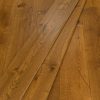
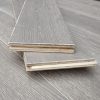
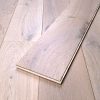
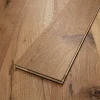


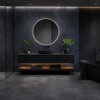
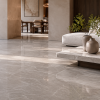
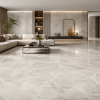
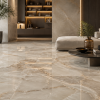
Greys Luxury Rigid Vinyl Flooring
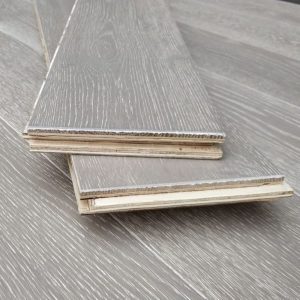
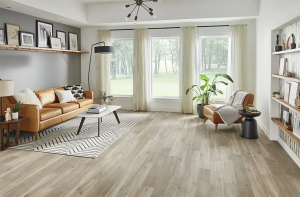
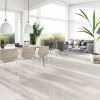
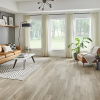
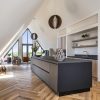
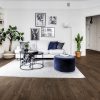
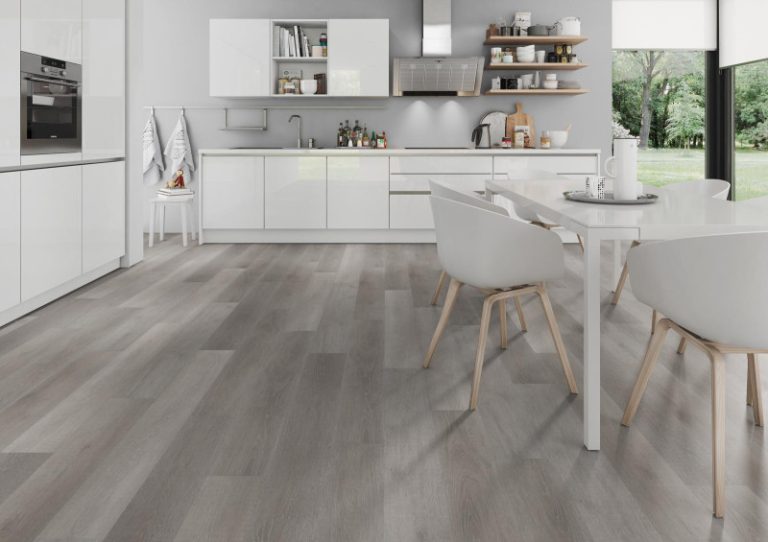
Grey Rigid Vinyl delivers a clean, modern and effortlessly stylish look. The neutral tones suit minimalist, Scandinavian and industrial interiors, offering flexible design options with a sleek, contemporary finish that feels both timeless and fresh.
Shop Greys
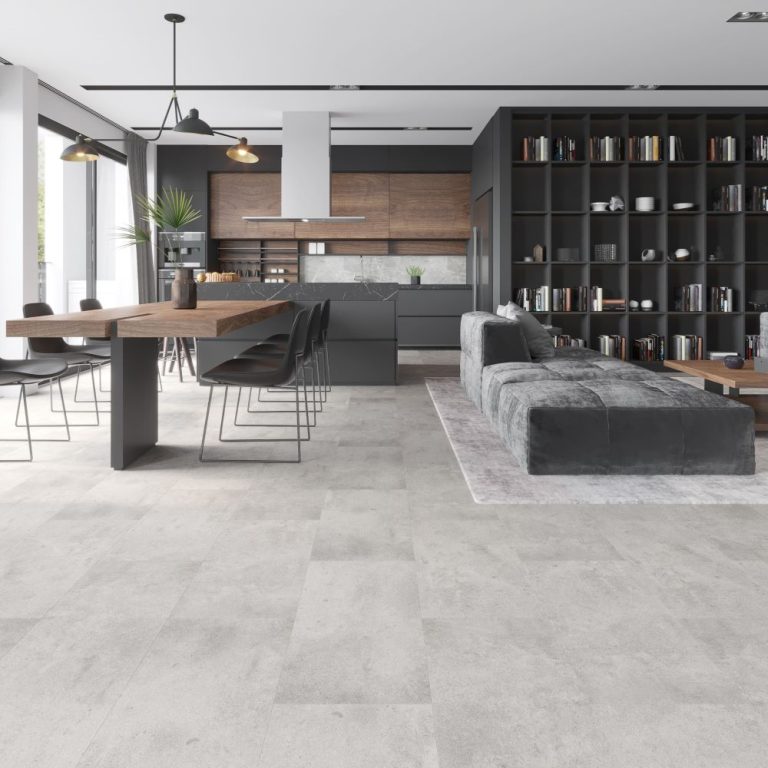
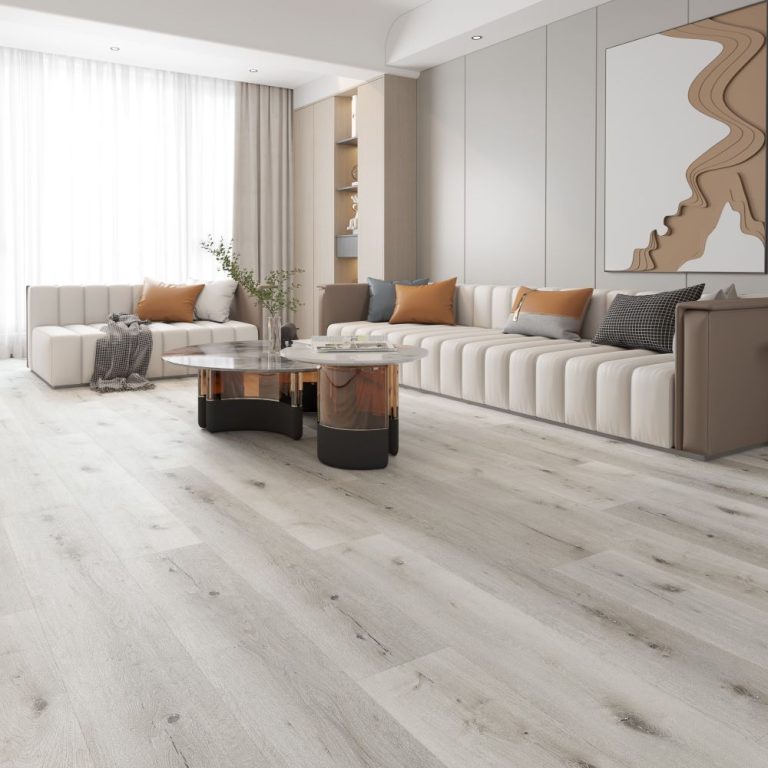
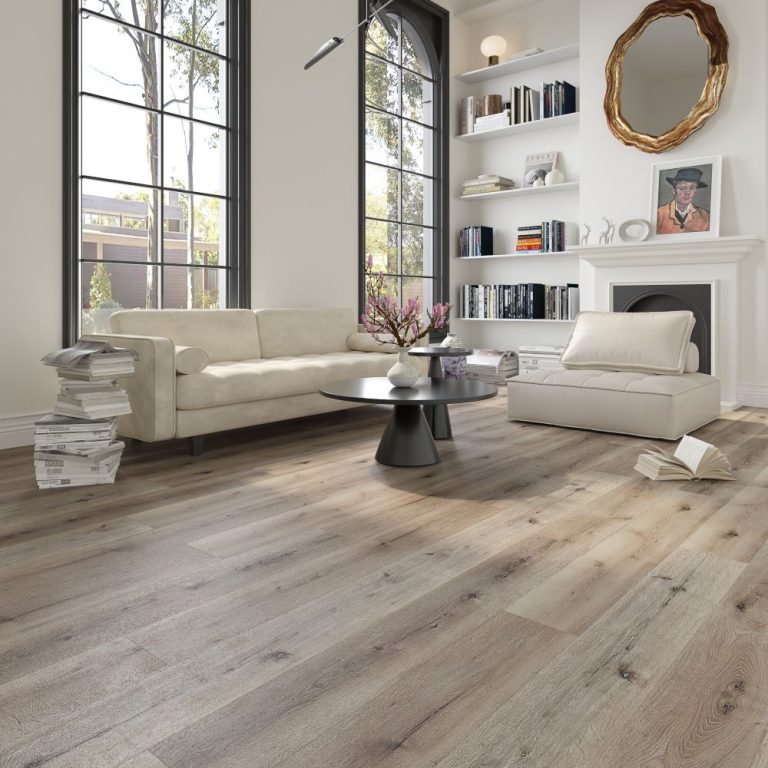
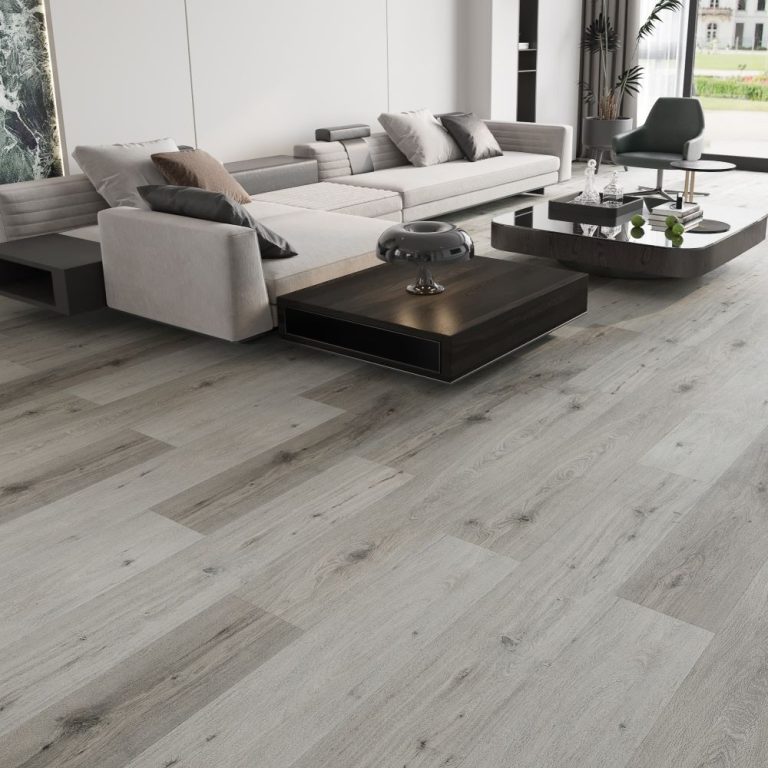
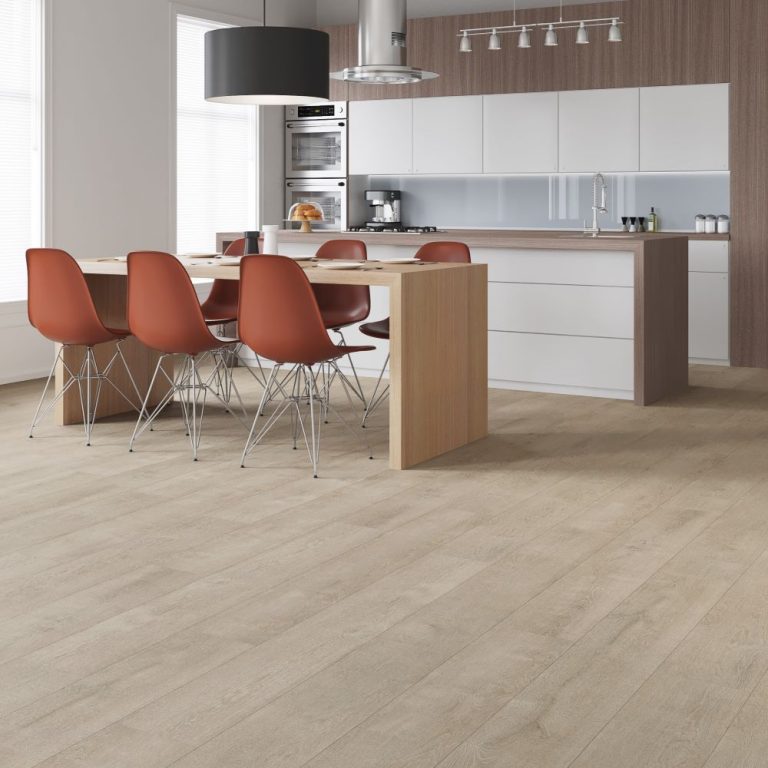
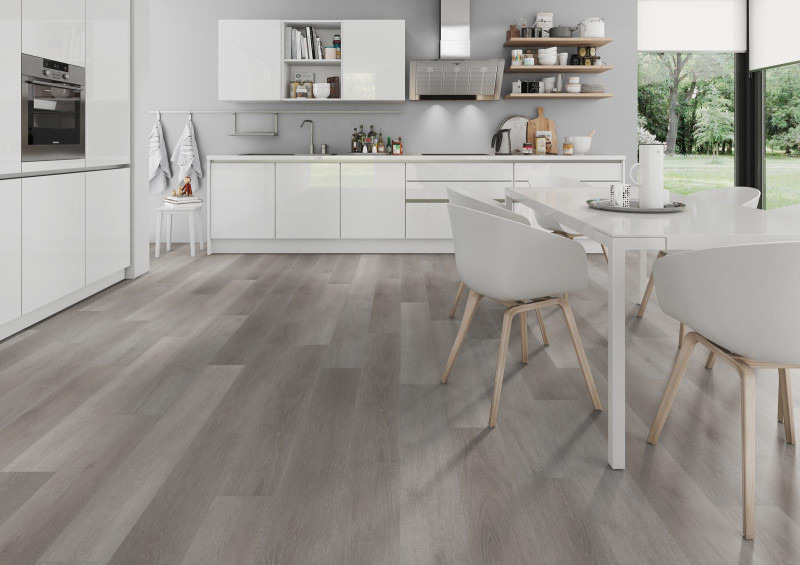
“The plank itself takes on no water, and it stays warm and quiet underfoot. The floor built for a kitchen that actually gets used.”
— our flooring team
GreysThe look
Still unsure? Real people, honest advice.
The look
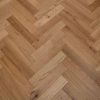
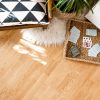
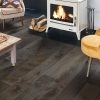
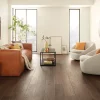
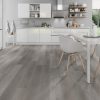
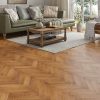
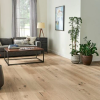
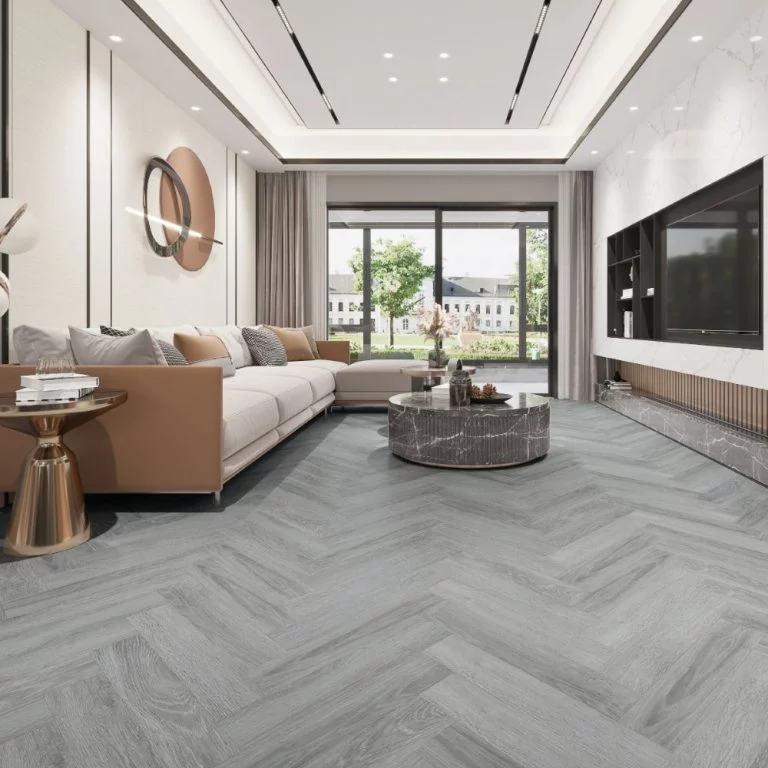
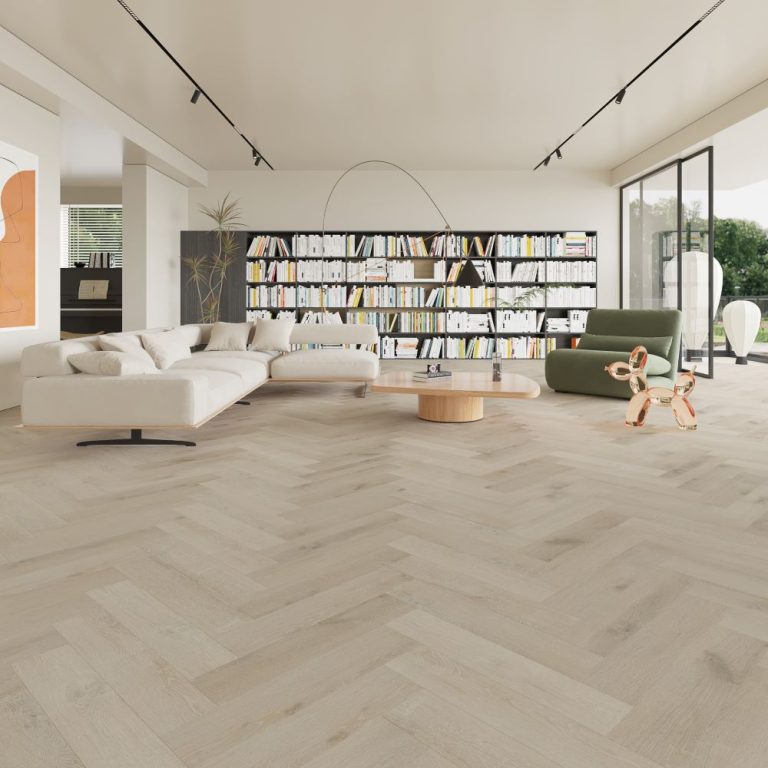
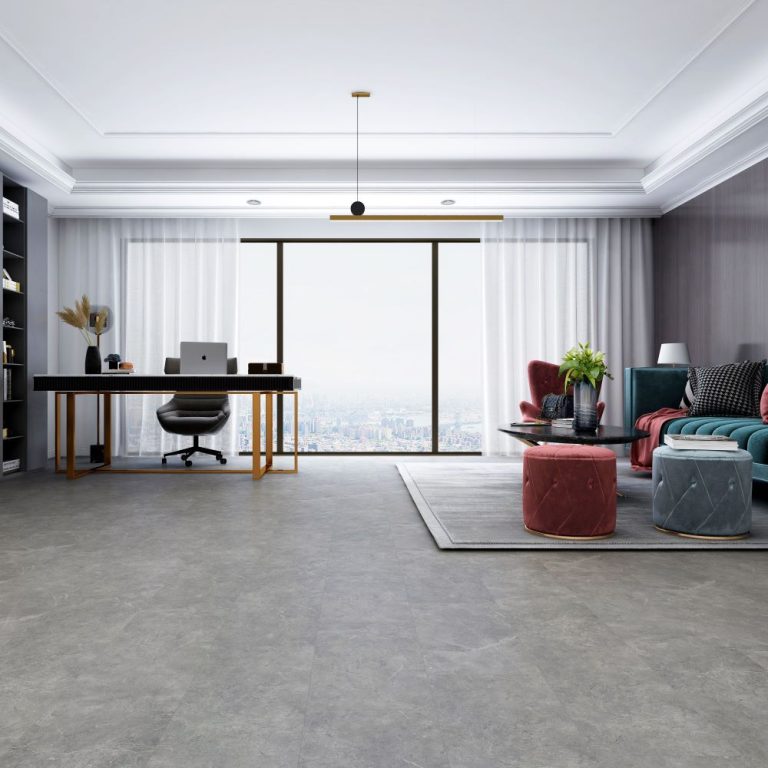
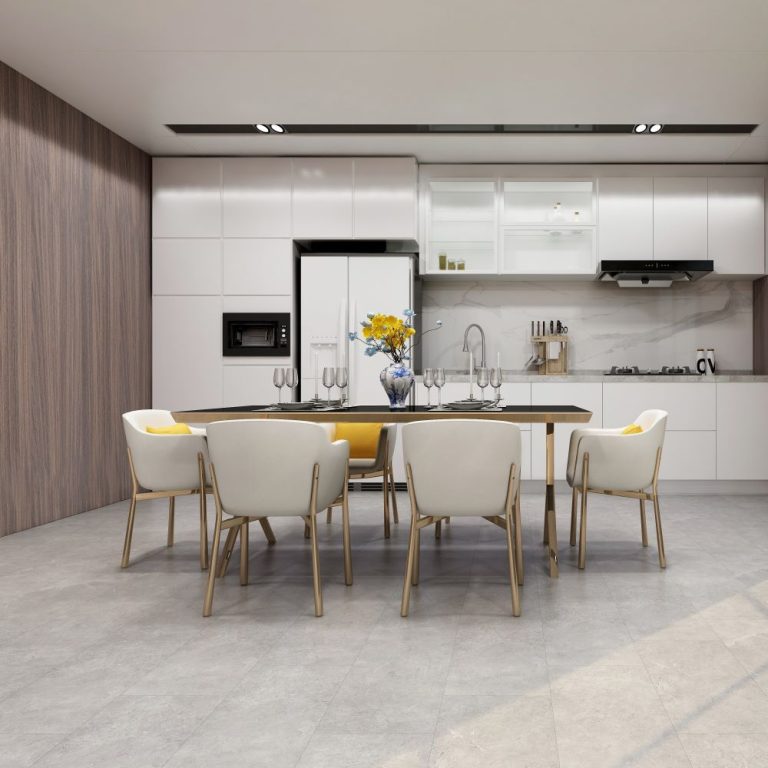
Greys in the BML rigid vinyl range run from grey oak planks to concrete and cement tiles. Eleven floors in all four formats; every one is listed as waterproof, arrives with the underlay attached and is listed as compatible with underfloor heating.
Wood look or stone look
Every format
Cool floor, warm room
In depth
Choosing grey rigid vinyl
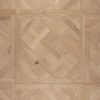
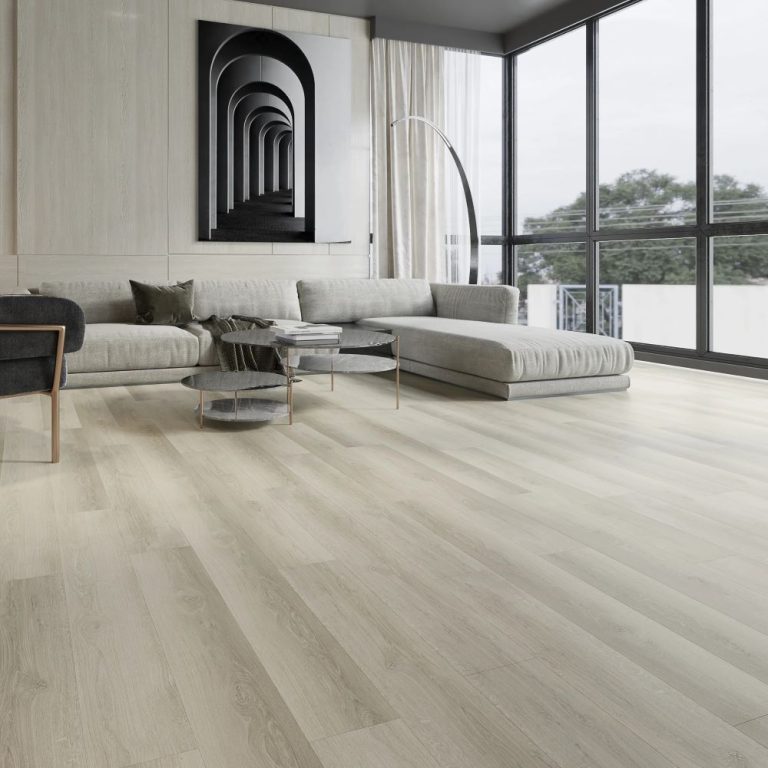
Grey is the widest tone in the rigid vinyl range and the only one that covers all four formats, which makes it the band to start in if the room is undecided between a wood look and a stone look. Eleven BML floors. Two 5.2 mm planks at 181 mm by 1220 mm with a 0.3 mm wear layer: Grey Oak and Misty Oak. Four 6.5 mm wide planks at 228 mm by 1524 mm with 0.55 mm: Rustic Grey Oak, Misty Oak, Grey Oak and Grey-beige Oak. Two 6.5 mm herringbone blocks at 126 mm by 630 mm, also 0.55 mm: Grey Oak and Smoked Limed Oak. And three 6.5 mm tiles at 305 mm by 610 mm with 0.55 mm: Concrete Dark Grey, Concrete Grey and Cement Light.
The split is wood look against stone look. The eight oak designs give a grey floor that reads as timber, with the printed grain running the length of the board; the three tiles give a floor that reads as poured concrete or cement, laid brick bond or stack bond with fine joints instead of grout. Bathrooms, utility rooms and downstairs cloakrooms tend to take the tiles; kitchen-diners and open-plan rooms tend to take the wide plank; hallways take the herringbone where a pattern is wanted at the door.
In practice
All eleven share the construction of the range: solid polymer core, listed as waterproof, underlay attached, commercial grade, listed as compatible with underfloor heating, 25 year manufacturer's warranty. The printed grey is more even than a grey oak floor, which is why a grey vinyl can read cool in a cool room. Warm white walls, timber furniture or a rug bring it back; a sample laid in the room's own light is the check.
Wear layer decides the format for busy rooms: the 0.3 mm planks for bedrooms and living rooms, the 0.55 mm floors for hallways, kitchens and bathrooms. The classification the flooring standards use for that difference, and the slip test that matters on a stone-look floor in a wet room, are quoted below.
FAQ
Which grey vinyl suits a bathroom floor?
Is the concrete tile cold underfoot?
What is the difference between Grey Oak and Rustic Grey Oak?
LVT or laminate, what is the difference?
Do you deliver UK-wide and can I get a sample first?
Standards
What the published standards say
Each entry is quoted from its source and linked to it. The full set is in the standards reference.
EN ISO 10874 — use classes
EN ISO 10874 sets out a classification of floor coverings by area and intensity of use; the classes are 21, 22 and 23 for domestic use, 31 to 34 for commercial use and 41 to 43 for industrial use.
| Class 21 | Domestic moderate/light |
|---|---|
| Class 22 | Domestic general/medium |
| Class 23 | Domestic heavy |
| Class 31 | Commercial moderate |
| Class 32 | Commercial general |
| Class 33 | Commercial heavy |
| Class 41 | Industrial moderate |
| Class 42 | Industrial general |
| Class 43 | Industrial heavy |
“In EN ISO 10874 a classification system for different use classes is described, with references to the relevant product standards.”
Source: How to use the Floor Covering Standard Symbols (FCSS) — EUFCA, symbols per EN 15398Pendulum Test Value — how slip risk is assessed
HSE grades pedestrian slip potential from the pendulum test value (PTV): 0-24 is high slip potential, 25-35 moderate and 36 or above low slip potential, the pendulum coefficient-of-friction test being the subject of BS 7976 Parts 1-3.
| low slip potential | 36 + PTV |
|---|---|
| moderate slip potential | 25-35 PTV |
| high slip potential | 0-24 PTV |
“Table 1 Slip potential classification, based on pendulum test values (PTV) PTV High slip potential 0-24 Moderate slip potential 25-35 Low slip potential 36 +”
Source: HSE - Assessing the slip resistance of flooring (GEIS2)Maximum floor surface temperature
EN 1264 caps the floor surface temperature at 29 °C in the occupied area, 35 °C in the edge (perimeter) zone and 33 °C in bathrooms.
| occupied area | 29 °C |
|---|---|
| edge zone | 35 °C |
| bathrooms | 33 °C |
“Max. surface temperatures in DIN EN 1264: • 29 °C in the occupied area • 35 °C in the edge zone • 33 °C in bathrooms”
Source: Uponor underfloor heating/cooling — Planning information (Technical Information TI-1186660)Related looks
More luxury rigid vinyl looks
 11 floorsBeige / Light Browns
 1 floorBlack
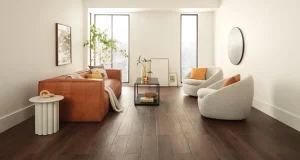 7 floorsDark Browns
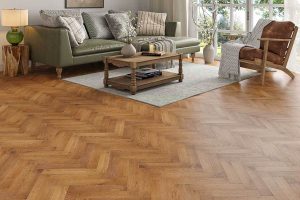 8 floorsHerringbone
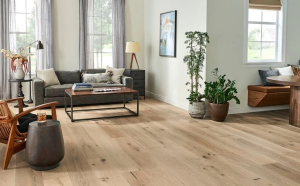 9 floorsMid Browns
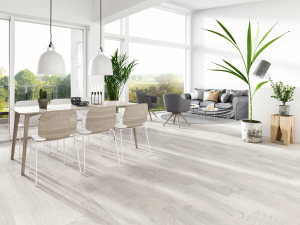 1 floorWhite
The same look in other floors