Local fact sheet
Salford's homes, by the numbers
Salford in the 2021 census: 115,117 households, 70% houses, 30% flats.
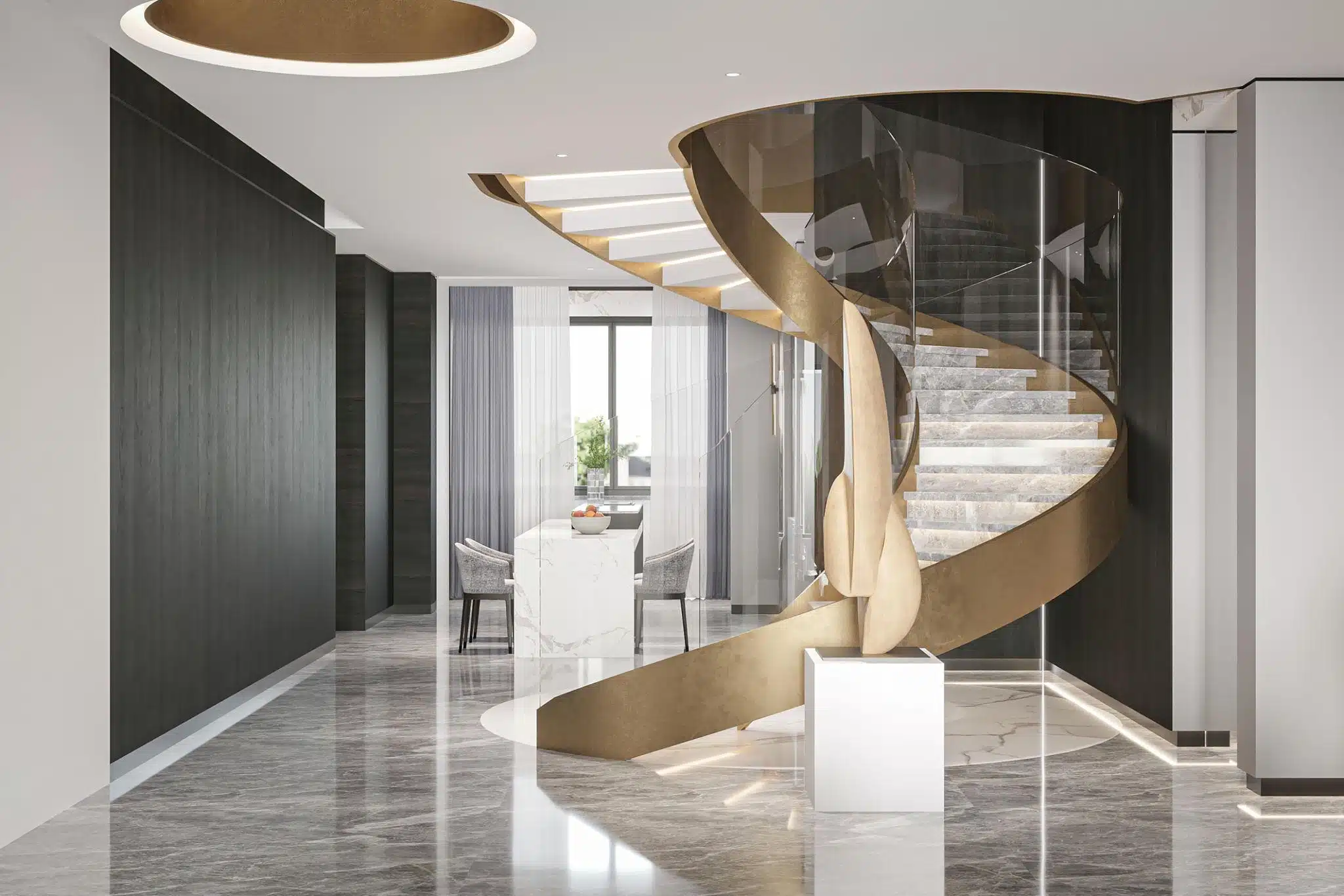
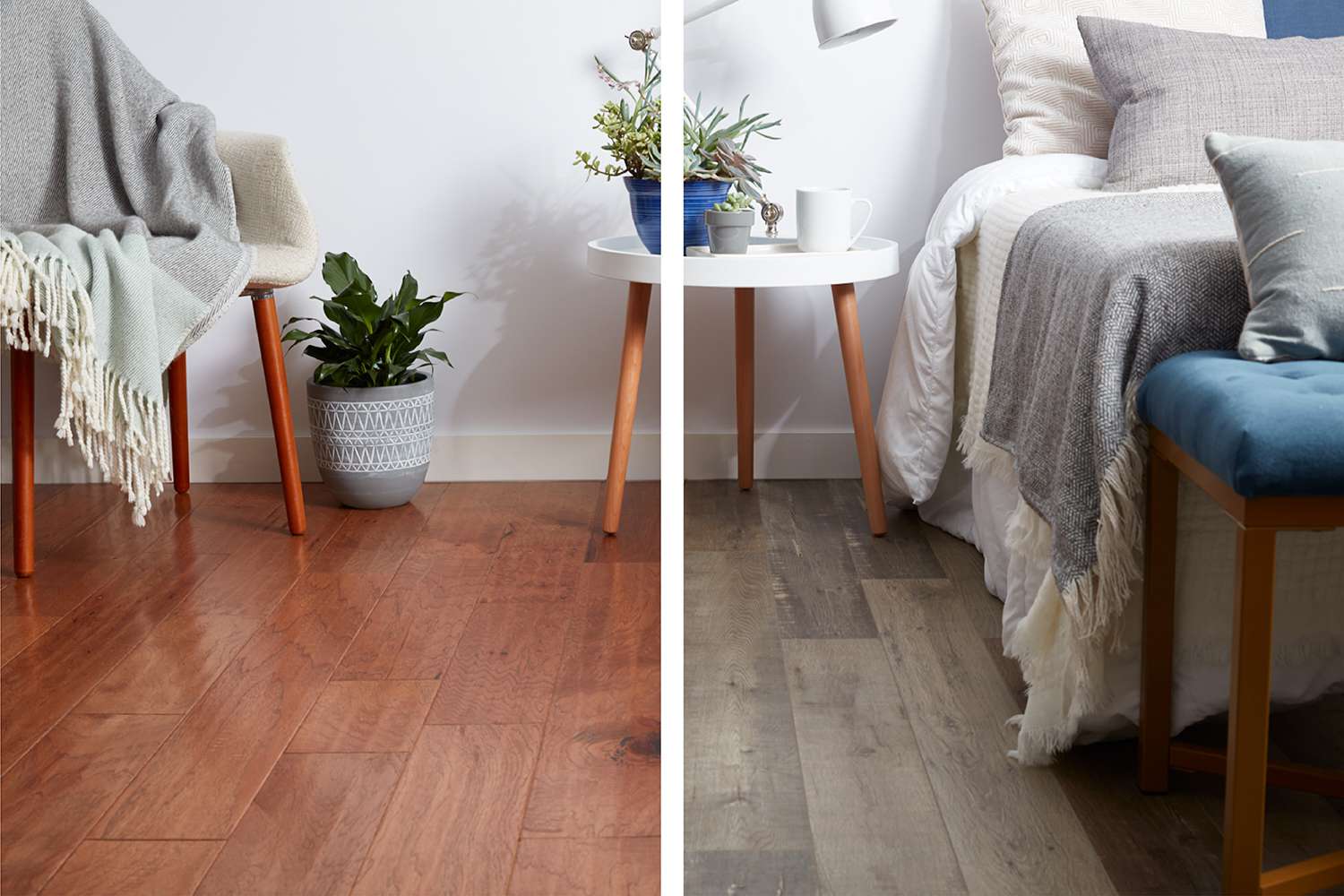
Salford's flats are overwhelmingly purpose-built, 27.8% of all homes against 1.4% converted from houses, and detached housing is rare at 9.4%. Ownership has fallen to 47.0%, with social renting at 25.4% and private renting at 26.8%. M3, M5, M6, M17 and M50 cover Ordsall, Quays, Blackfriars & Trinity, Weaste & Seedley, Pendleton & Charlestown and Eccles. A concrete separating floor deflects far less than joists but transmits impact energy efficiently, so a resilient layer beneath any hard finish is not optional in a leasehold block. Newer screed also calls for a moisture reading, and where underfloor heating sits inside it an engineered board copes with the warmth better than solid timber, which is prone to movement.
Under half of Salford's homes are owner-occupied, and better than a quarter of households live in purpose-built flats around Ordsall, the Quays, Blackfriars and Trinity. A great deal of that housing is recent, and recent construction brings a problem that old buildings do not have.
A newly poured slab or screed holds water from the mix and gives it up over months rather than weeks, more slowly still where the building is sealed and unheated. The test is a moisture reading taken in the room, not the age of the building.
Delivery times and options depend on the delivery postcode. See Delivery & Returns for the applicable estimate.