Local fact sheet
Sunderland's homes, by the numbers
Sunderland in the 2021 census: 122,177 households, 87% houses, 13% flats.
Social landlords hold 26.6% of homes in Sunderland, with ownership at 58.1% and private renting at 14.8%. Houses account for 87.4% of the stock, dominated by 45.0% semi-detached and 29.1% terraced, and flats fall to 12.5%. SR1 to SR6 cover Millfield, Pallion, Hendon, Fulwell, Ryhope and Silksworth. A large social sector tends to shape specification more than taste does: hard-wearing, quickly replaced, fitted to void-period timescales. Semi-detached and terraced properties normally mean a timber upper floor over a plastered ceiling, so squeaks and deflection are worth curing while the boards are lifted. Ground floors vary with age between suspended timber and solid slab, and the preparation differs accordingly, ventilation in the first case and a membrane check in the second.
Semis carry Sunderland — close to nine households in twenty — with a quarter renting from a social landlord and a long eastern edge on the North Sea at Fulwell, Roker, Seaburn and Ryhope. Rooms facing that coast take direct light for a good part of the day with nothing in front of them.
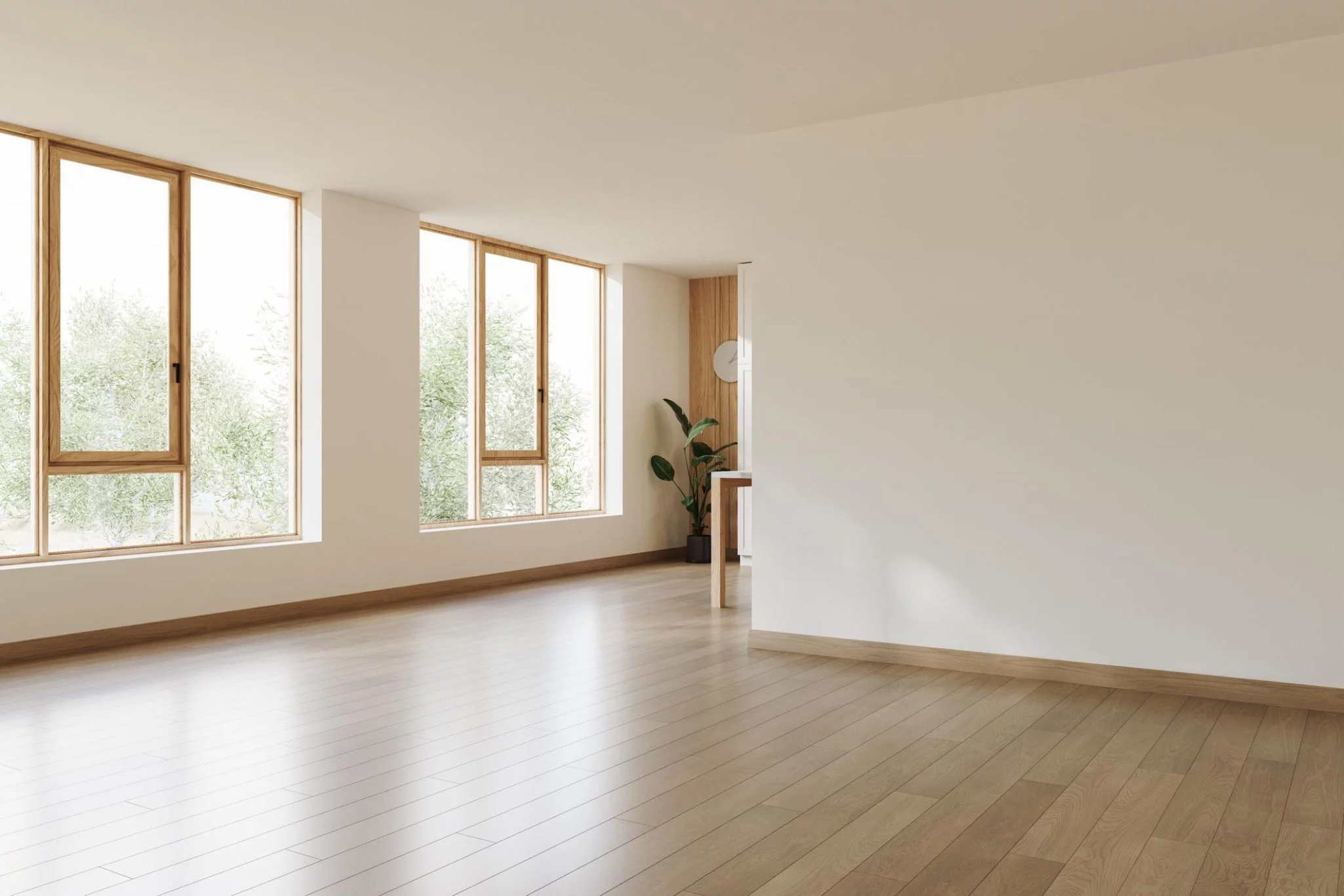
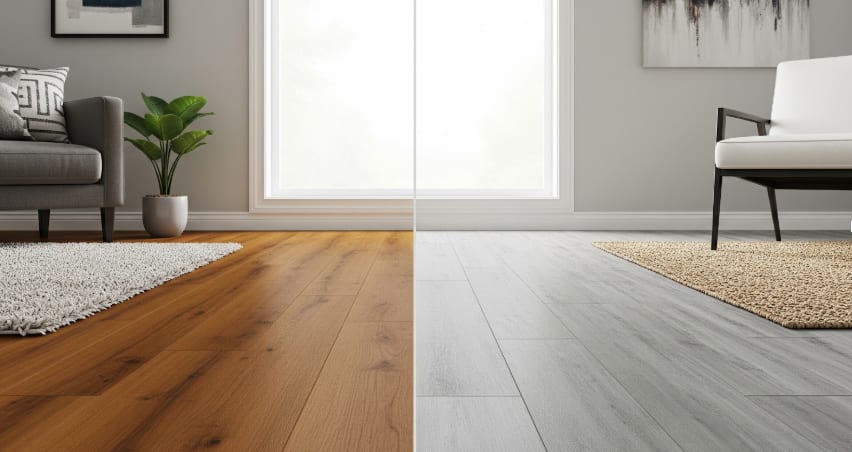
Rooms facing the coast at Fulwell, Roker, Seaburn and Ryhope take direct light for much of the day. Strong daylight fades a floor unevenly: the strip by the window goes first, and a rug leaves its outline behind when it is moved.
Delivery times and options depend on the delivery postcode. See Delivery & Returns for the applicable estimate.