Local fact sheet
Exeter's homes, by the numbers
Exeter in the 2021 census: 52,551 households, 73% houses, 26% flats.
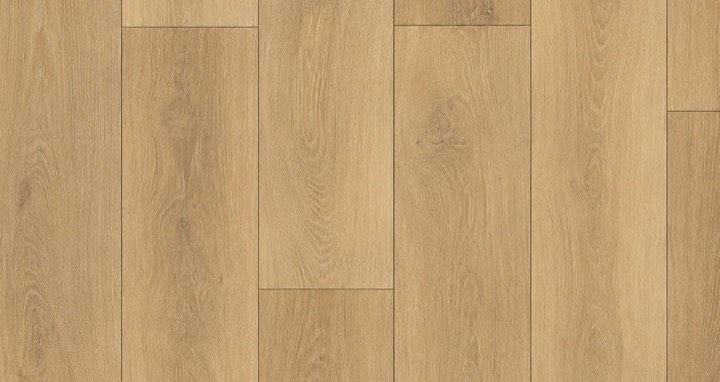
Private renting reached 24.9% of Exeter households in 2021, up from 21.0% a decade earlier, while owner-occupation slipped to 57.2%. Terraced housing is the largest single type at 31.3%, spread through Heavitree, Exwick, Newtown and St Leonard's and St David's, with EX1, EX2 and EX4 all served. A rented terrace argues for floors that go down without wrecking what is underneath: click-fit vinyl planks or loose-lay carpet tiles lift again at the end of a tenancy. Suspended timber ground floors are common in stock of that form, and loose boards want screwing back to the joists with a plywood overlay before anything rigid goes on top, or deflection opens gaps within a season.
Exeter combines elegant Georgian and Regency terraces in St Leonard’s and the Cathedral Close with characterful Victorian villas in Pennsylvania and Heavitree, riverside conversions in Topsham and modern family developments at Cranbrook and Newcourt. The cathedral city’s mix of heritage, university and growing tech economy drives consistent demand for quality renovations.
The city centre was rebuilt after the war and its ground floors are solid; Pennsylvania, Duryard and the older terraces are not. That split runs through the middle of Exeter and decides whether the first job is a levelling compound or a look at the joists.
Delivery times and options depend on the delivery postcode. See Delivery & Returns for the applicable estimate.