





















Flooring Underlay: What It Does and How to Choose
An underlay levels the subfloor, holds back moisture and decides how a floor sounds and how heat gets through. How to match it to the floor.
Underlay is the part of a floor nobody sees and most people buy last, after the boards have been chosen and the budget is spent. It is also the part that decides whether a floating floor sounds hollow, whether underfloor heating gets through, and whether residual moisture in a screed reaches the boards. This guide is about buying it first.
On this page
What an underlay is for
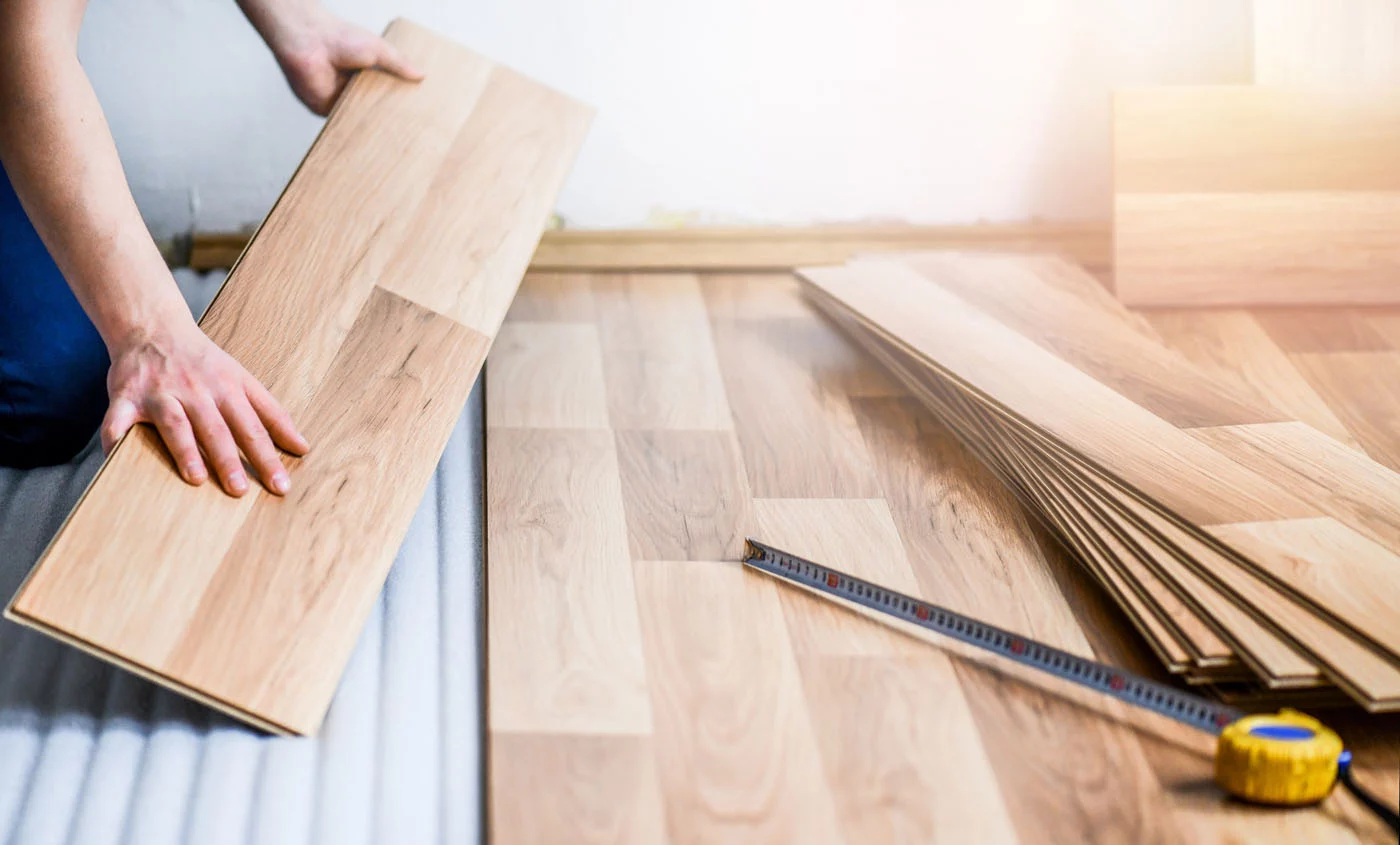
The European association for multilayer modular flooring groups the job of an underlay under three headings, and its statement is quoted in full at the end of this guide. First, a satisfactory installation: the underlay levels small unevenness in the subfloor so the boards sit flat and the joints do not flex. Second, protection: it keeps residual moisture rising from the base away from the floor, and it protects the floor against wear from below. Third, the floor's properties: impact sound, walking noise, heat insulation and comfort underfoot. Every underlay does the three jobs differently, and the choice is a matter of which job matters most in the room.
Which floors need it
Sound
A floating floor has a hollow sound underfoot that a glued one does not, and the underlay is what reduces it. There are two sounds to think about: the walking noise heard in the room, and the impact sound heard in the room below, which is what matters in a flat. The standard that sets the test methods for underlays under laminate is quoted below, and so is the producers' guidance on the figure an underlay should reach; what neither publishes is a typical value, so the figure on a specific underlay's data sheet is the one to compare. For a flat, the building regulations set the requirement for the finished floor, and the underlay is only part of meeting it.
Heat
Over underfloor heating, the underlay is a layer of insulation between the heat and the room, and too much of it defeats the system. The heating standard limits the thermal resistance of everything above the heating to a figure quoted below; underlays are sold with a tog rating, and the conversion from tog to that figure is quoted as well, so the two can be compared on a data sheet. The rule of thumb that follows is: over underfloor heating, the thinnest, densest underlay that still does the levelling job, and the floor's own thermal resistance added to it before the total is compared with the limit. The underfloor heating guide covers the floor side of that sum.

Moisture
A new screed, or an old one without a damp-proof membrane, gives up moisture for a long time, and a wood-fibre laminate core or an oak board above it will take that moisture on. An underlay with an integral moisture barrier, or a separate membrane beneath the underlay, is the protection; it is not a substitute for a dry subfloor, and the moisture reading that the trade treats as dry is the check before any floor goes down. The laminate cost guide and the LVT cost guide both put subfloor preparation into the total, because it is usually the cost people forget.

The expansion gap
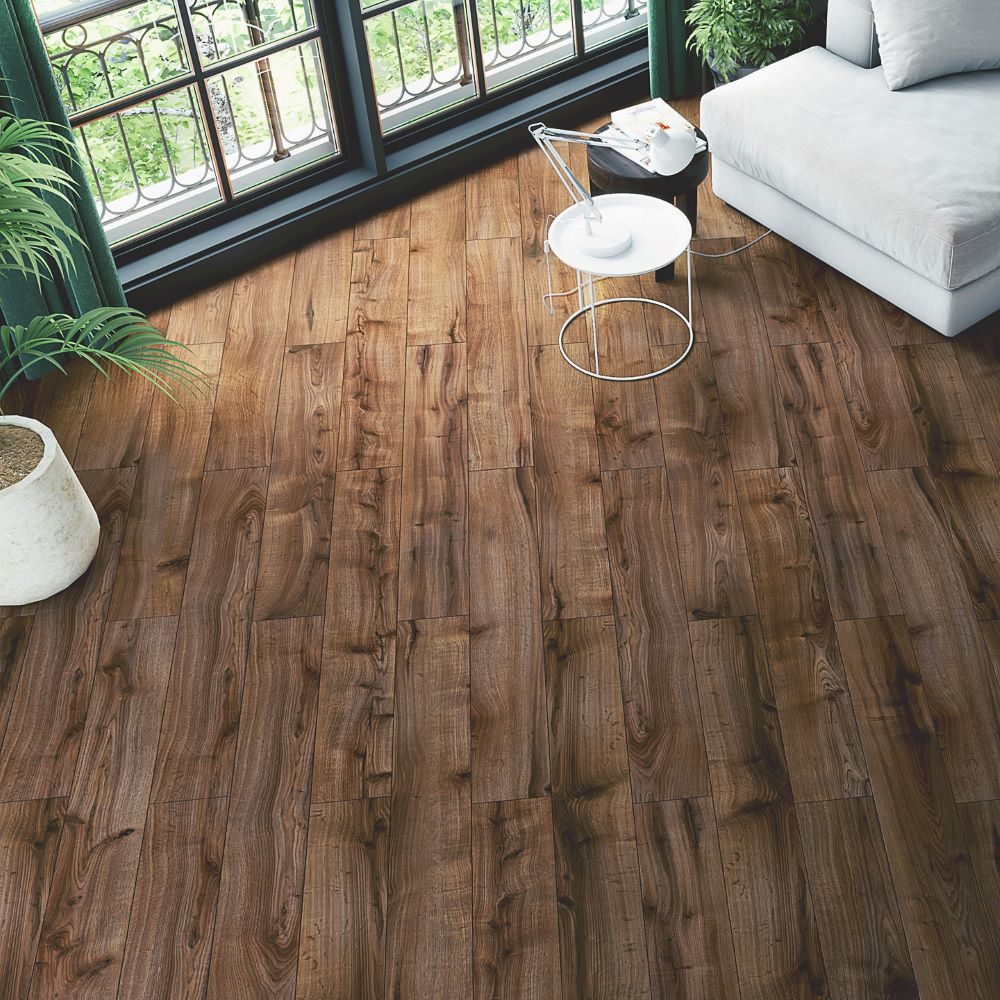
An underlay does not remove the need for a gap around a floating floor; the floor still moves, and the gap is what lets it. The industry figure for the gap is quoted below. The underlay stops short of the wall by the same gap, or is trimmed back to it, so that it does not bridge the space the floor needs.
Common questions
Is a thicker underlay better?
Not as a rule. A thick, soft underlay lets click joints flex, which is how joints fail; over underfloor heating it blocks the heat. A thin, dense underlay does the levelling and the sound job without either problem. Thickness is a property, not a quality.
Do I need underlay under rigid vinyl?
Not under the BML floors in the range: the underlay backing is attached, and a second layer is not part of the specification. Under a rigid vinyl without an attached backing, the manufacturer's own fitting guide says which underlay it allows.
Can underlay fix an uneven floor?
It levels small unevenness, the kind you feel rather than see. A subfloor with humps and hollows needs a levelling compound before any underlay; laying a floating floor over a bad subfloor and hoping the underlay hides it is how joints fail.
What is a tog rating?
A measure of thermal resistance used for underlays and bedding. The conversion to the unit the heating standard uses is quoted below; divide the tog value by ten and compare the result, plus the floor's own resistance, with the limit the standard sets.
The underlay is chosen with the floor, not after it, and it is chosen for the room: sound in a flat, heat over a heated screed, moisture over a new one. Which of those applies has as much to do with the building as with the floor. Browse by town and region.

What the published standards say
Who publishes this guide
- Samples £1.99 each
- UK-wide delivery
- Advice before you order