







Engineered Wood vs Laminate: Which Should You Buy?
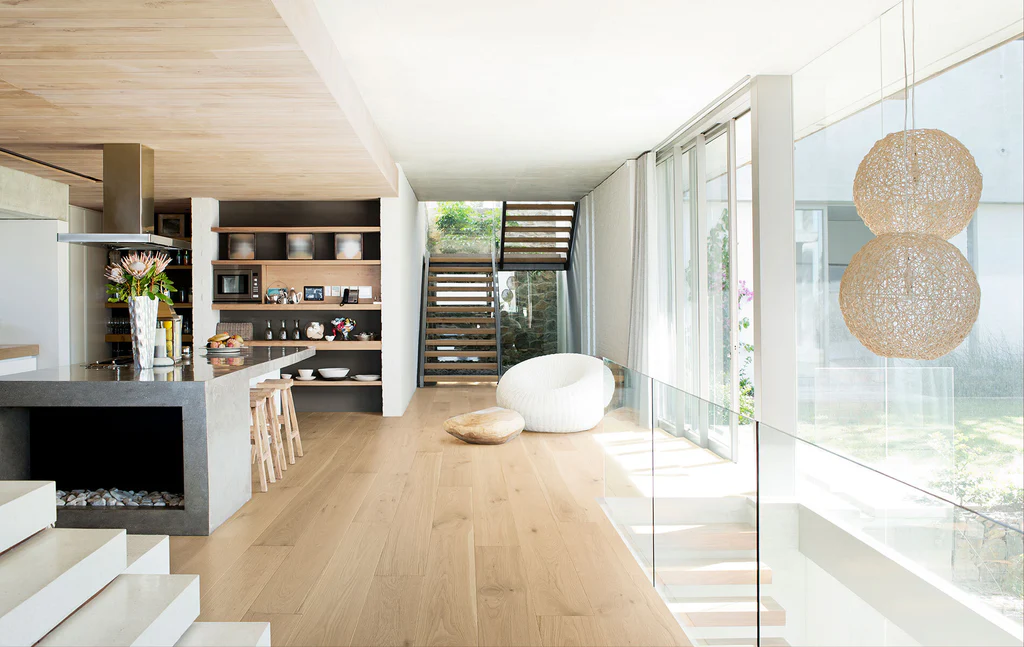
Both look like wood from standing height. One is wood. What that difference means for lifespan, repair and the feel underfoot.
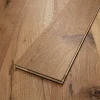
Engineered
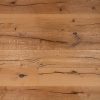
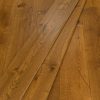
Real oak surface
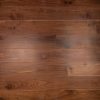
Laminate
Printed decor layer
Can be sanded
Engineered only
Underfloor heating
Engineered suitable
02
Side by side
The comparison that matters, without the marketing on either side.
Surface
Engineered: real oak. Laminate: printed decor under an overlay.
Repair
Engineered can be sanded and refinished. Laminate cannot be repaired, only replaced.
Underfoot
Engineered feels warmer and quieter. Laminate is harder and can sound hollow over an underlay.
Water
Neither likes standing water. Laminate swells at the edges once water reaches the core, and that is permanent.
Underfloor heating
Engineered is suitable. Laminate depends entirely on the specific product being rated for it.
Ageing
Oak mellows and gains character. A print does not change, it simply wears.
See also
05
Questions about engineered wood and laminate
Which lasts longer, engineered wood or laminate?
Engineered wood, because it can be renewed. A 3 mm or thicker wear layer can be sanded and refinished at least once, so the same floor serves through several redecorations. Laminate cannot be sanded: when the decor wears through or the edges swell, the board is replaced. The AC4 laminates in our range are rated for heavy domestic use under EN 13329, so they last well; they just cannot be renewed.
Which is better over underfloor heating?
Both are listed for it in our range, every engineered board and every laminate. The engineered board is glued or floated; the laminate floats on an underlay rated for heating, kept thin so that floor plus underlay stay within the thermal resistance the system was designed for.
Is laminate more scratch resistant than engineered wood?
Day to day, yes: the melamine overlay on an AC4 laminate resists claws, chairs and grit better than an oiled oak surface. What laminate cannot do is recover. A scratch in oak blends into patina or is repaired; a scratch through a laminate decor is permanent.
Can I use either in a kitchen?
Neither is the first choice for the wet end of a kitchen; that is the rigid vinyl listed as waterproof. A lacquered engineered oak works in a kitchen with prompt wiping of spills. Laminate is HDF at the core and swells if water stands in the joints, so it belongs in the dry rooms.
See also
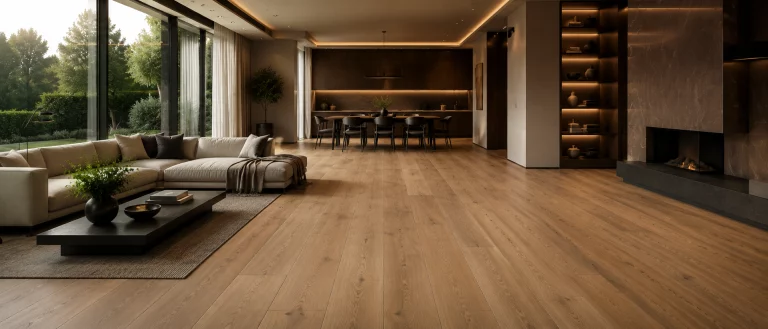
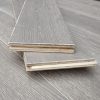
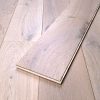
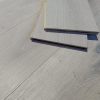
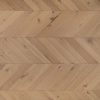
The difference is obvious in the hand
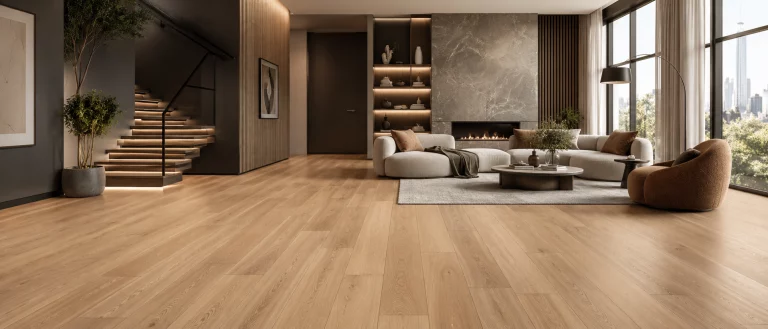
Photographs flatten the distinction completely. Order one of each and look at them in your own light.
On this page
Not sure it suits your room?
A real cut from a real board. Samples £1.99 each, up to 10 per order.
Order samples · £1.99