





Delivery
Delivered to Newcastle
Delivery times and options depend on the delivery postcode. See Delivery & Returns for the applicable estimate.
Also nearby: Gateshead, South Shields, Chester-le-Street, Sunderland
Speak to our team 020 3858 0353 Shop by category
Start with a sample: real cuts of our floors at £1.99 each, sent to your door across the UK.
Start with a sample: real cuts of our floors at £1.99 each, sent to your door across the UK.
Tyne and Wear · flooring delivered
Oak, 1930s homes and Tyneside flats
Newcastle homes and their floors: inter-war houses, Tyneside flats, council and private lets, conversions, purpose-built blocks and new-build screeds.
Delivered to Newcastle: NE1 to NE7
Start here · Newcastle in one figure
18.3%
built 1930 to 1939
6th highest of 141 towns
VOA, 2025-03-31 · all local facts →18.3% of Newcastle's dwellings were built between 1930 and 1939, 6th highest of 141 towns and against 9.9% across England and Wales.
Council housing was part of that inter-war story: the council's Character Assessment records large estates going up in parts of Fenham and Cowgate between the wars. A 1930s house shares with Victorian and Edwardian ones something a new build lacks, a ground floor that is often timber boards on joists above a ventilated void.
So before you weigh oak against laminate or vinyl in a house of that age, find out what the existing floor rests on. The same question runs through the city's Tyneside flats, its lets, its conversions and its new builds.
Read the 7 chapters on Newcastle homes See all 19 local facts
At a glance
Delivery
Delivery times and options depend on the delivery postcode. See Delivery & Returns for the applicable estimate.
Also nearby: Gateshead, South Shields, Chester-le-Street, Sunderland
Speak to our team 020 3858 0353Homes in Newcastle
7 chapters on Newcastle homes and what they ask of a floor · about 5 min read
01/ 07
The years between the wars left a heavy imprint on the city's housing. Dwellings from 1930 to 1939 make up 18.3% of the stock, and the years 1919 to 1929 add 5.7%, above the 4.8% for England and Wales. According to Newcastle City Council, the earliest homes it built under the Housing Act 1919, the Addison Act, went up in the city's west, on the Pendower Estate, and to the east in Walker.
Houses of this age often stand on a suspended ground floor. The boards rest on joists, and air moving through the space beneath them keeps that timber dry. That floor lasts as long as nothing blocks the airbricks outside, so keep them clear when the new floor goes in.
Those shares are the Valuation Office Agency's tally of dwellings by building period; nobody surveyed the floors. A kitchen or hall may have been relaid on concrete since, and the material of the joists and the stacking of rooms depend on when and where the house was built. Raise a board by the skirting, or shine a torch through an airbrick, ahead of buying anything.
02/ 07
Homes built before 1919 account for 18.7% of all dwellings in the city, under the 20.8% for England and Wales and slightly ahead of the 1930s share. Among them is a local type. The Character Assessment finds Tyneside flats, a form traditional to this area, in Elswick, Scotswood and North Benwell, dating from the years before the First World War, each with a yard at the back. For the older suburbs on the north side of the centre, which it groups as Mid Newcastle, it notes that the earlier terraces include Tyneside flats as well as houses, typically with a front garden and a yard behind.
If another home sits above or below yours, the floor is shared with it: a footstep or a dropped key travels through the structure to the room underneath, and swapping carpet for a hard covering lets more of that noise through. A ground-floor home of that age commonly has a suspended timber floor, so check yours before you plan.
The yard counts as well. Where the back door leads from a yard into the kitchen, grit and rain arrive at the back of the house as well as the front, and the kitchen floor takes them on top of the spills. Where water gets used in a house, and where dirt crosses the threshold, have to do with the building as much as with the people in it.
03/ 07
27.2% of Newcastle households rent from the council or a housing association, 15th highest of 151 towns, against 17.1% across England and Wales. Private renters add 23.4%, above the 20.3% nationally, so social tenants outnumber private ones here. Owners are still the largest group, yet at 48.7% they fall well short of the 61.6% for England and Wales, 137th of 151 towns.
That spread changes who decides. In any let, trouble often starts with a leak nobody mentions straight away, from a washing machine weeping behind its kick plate or an overflowing shower tray. Pick a covering water cannot soak into and that leak means mopping and drying; pick one that drinks it up, and the floor comes up, with the home empty until it is relaid.
Owners choose on other grounds, because they live with the result. Specifying for a tenancy and specifying for yourself are different sums, and an error in the first tends to surface years later.
04/ 07
7.2% of households occupy a flat inside a shared or converted house, or inside some other converted building, which puts Newcastle 16th of 151 towns, where England and Wales has 4.2%. The council's profile of the Summerhill conservation area records that, with demand for homes, many of its houses have been divided into flats.
In a conversion, establish what the separating floor is built from before you order. Concrete and timber joists respond differently to the same covering, so an underlay chosen for one can be the wrong choice on the other.
Purpose-built blocks of flats or tenements house a larger group, 25.4% of households, against 16.7% nationally. Their separating floors are held to tougher standards for both airborne and impact sound than those in a converted house. A lease on a flat commonly includes a clause on floor coverings, sometimes requiring carpet or the freeholder's consent for anything hard, so read yours before the samples arrive.
05/ 07
9.3% of the homes sold in Newcastle during 2025 were new builds, 11th highest of 133 towns. A new build has a different floor beneath the floor from the terraces and inter-war houses around it, and where that is a screed it can look ready well before it is: pale, flat and firm underfoot while still holding water.
When a covering fails in a new house, the cause is often a screed that seemed dry and was not, and the covering takes the blame. Ask the developer for a moisture reading and put nothing down until it shows the screed is dry, however finished the surface looks.
06/ 07
Warm days are rare in the town centre: 5.2 days a year top twenty-five degrees, joint 131st of 151 towns, where the median town has 13.8. Air frost comes on 27.3 days a year, also below the median of 38.1.
For a conservatory or garden room, that means fewer hot afternoons and fewer freezing nights in a typical year, not none. Glass rooms still heat quickly in sun and lose heat quickly after dark, so pick a covering intended for conservatory use.
Flooding from rivers or the sea is a small exposure across the council area: 0.4% of homes lie where that risk is rated high, medium or low, 131st of 135 towns, against 4.7% in England. If your home is among them, no installation keeps water out completely; it finds its way to the subfloor through the joints and the gap at the edges, whatever the planks are made of.
07/ 07
The city council lists 12 conservation areas across Newcastle. The rules that come with designation concern the outside of a building, not the floor you lay inside an unlisted house within one of them.
Listing is another matter. Per 1,000 dwellings, Newcastle's built-up area holds 1.5 entries at Grade I or II*, 18th highest of 135 towns and above England's 1.2. Consent for a listed building can cover the inside too: work that alters its character, including lifting old boards or blocks, may need it. Talk to the conservation officer at the council before the old floor comes up; afterwards is too late.
Floor by floor
19 floors, rooms and needs, each with a note written for Newcastle homes. Pick one to read it.
 Floor type
Newcastle
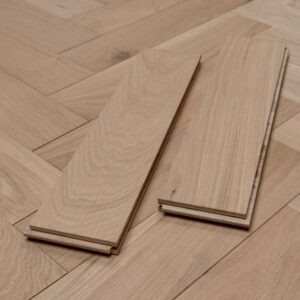
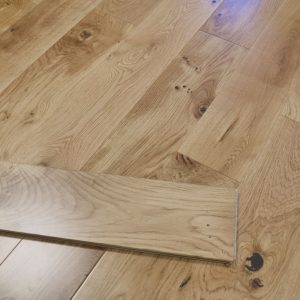
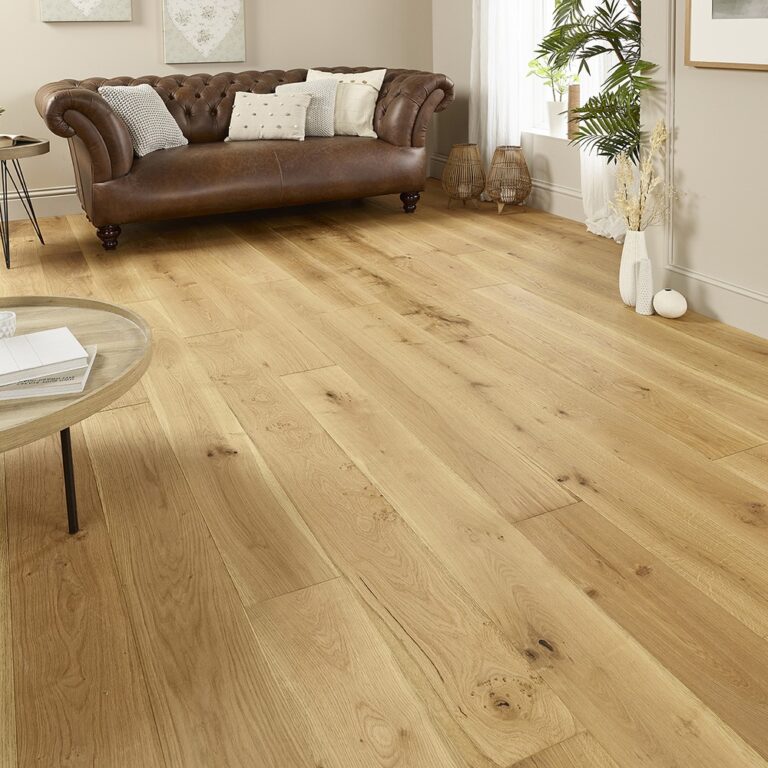
Engineered oak puts real wood over the concrete of a purpose-built block, provided the underlay satisfies the sound rules of the building.
 Floor type
Newcastle
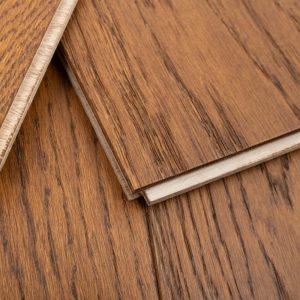
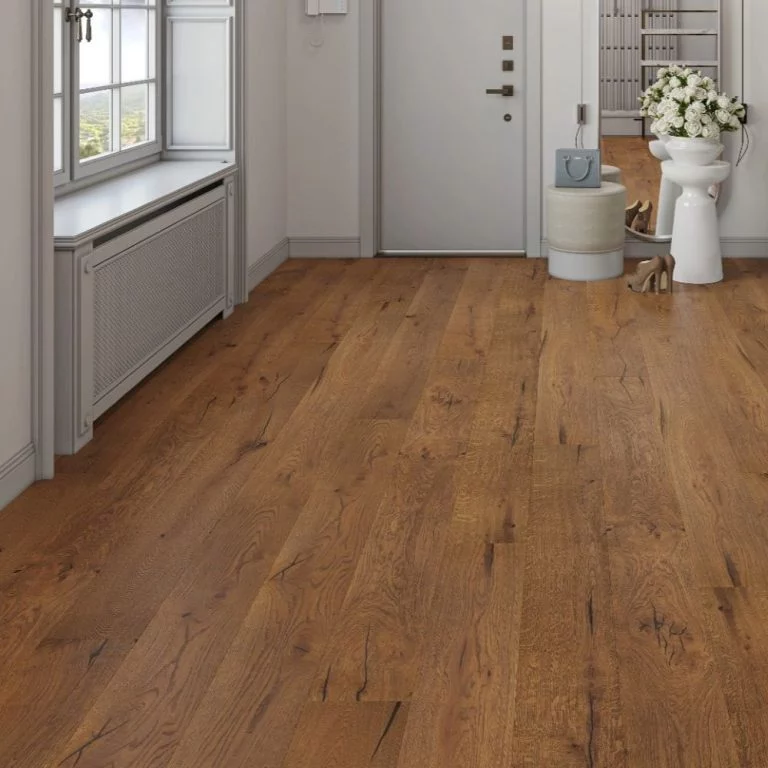
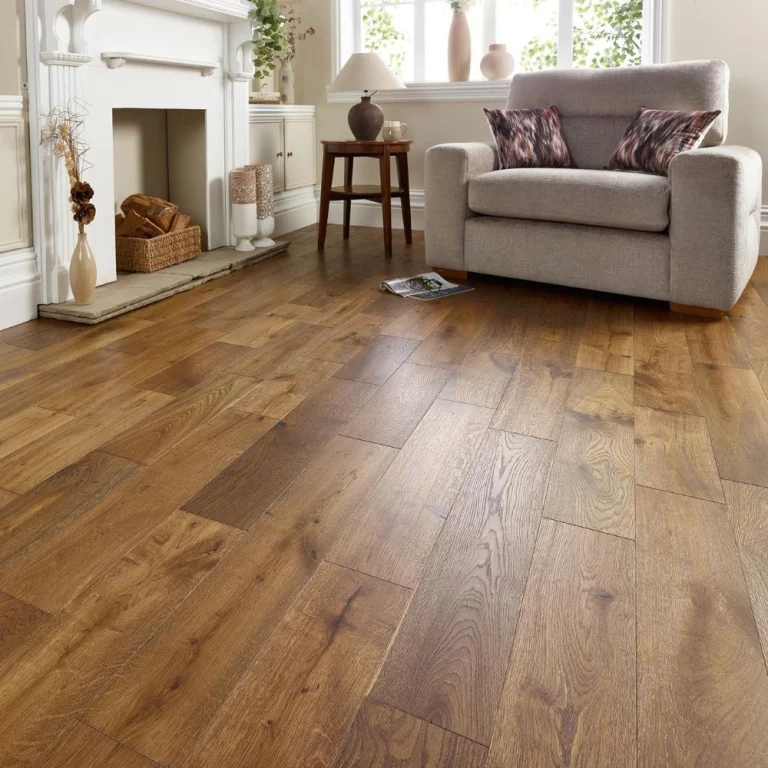
Solid boards suit an inter-war house whose suspended floor has a dry void and open airbricks.
 Floor type
Newcastle
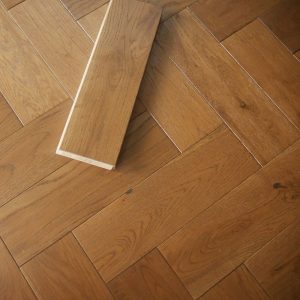
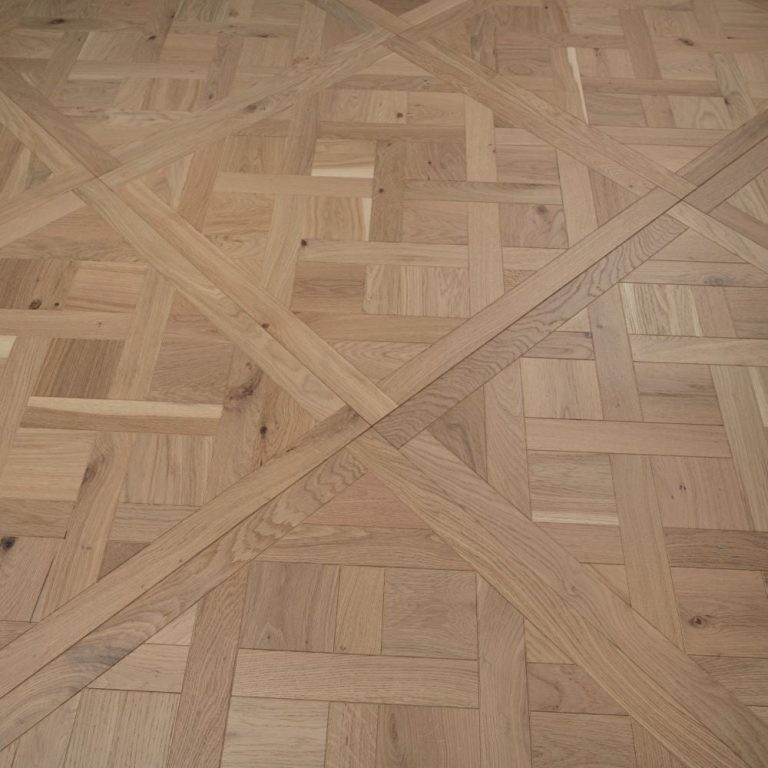
Parquet blocks need a firm, level base, so find out whether an older terrace or Tyneside flat has boards or a slab underneath.
 Floor type
Newcastle
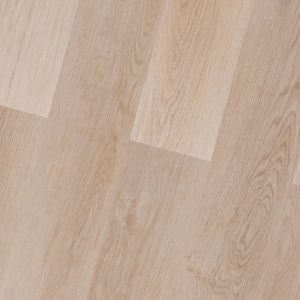
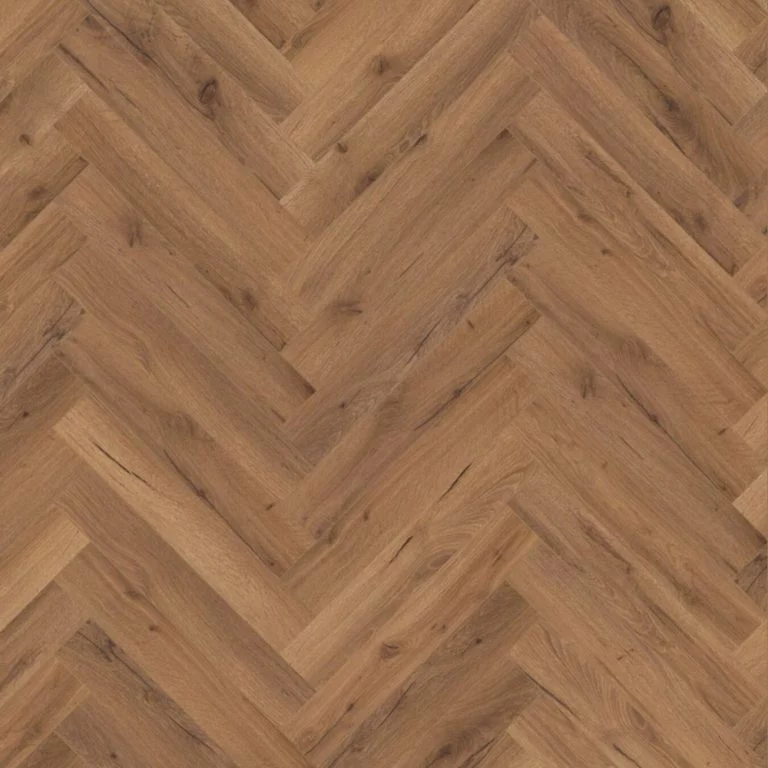
In a Newcastle let, laminate earns its place when the hall gets a tougher abrasion class than the bedrooms.
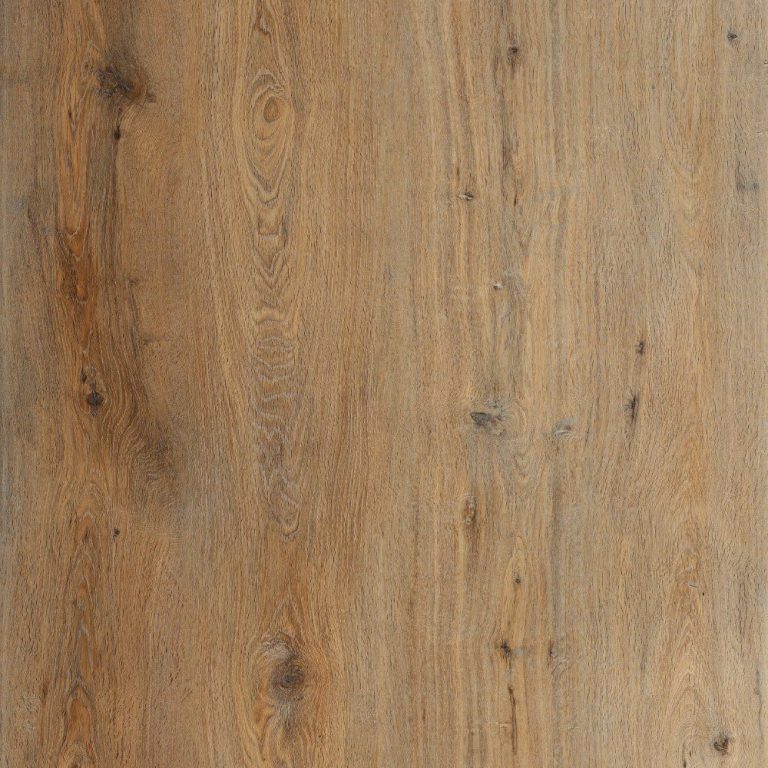 Floor type
Newcastle
Vinyl planks and tiles take kitchen spills and bathroom splashes in rented homes, where a leak may go unmentioned for a while.
 Floor type
Newcastle
A rigid core floor is worth a look for a ground-floor flat on a slab whose kitchen sees regular spills.
RoomNewcastle
A Newcastle terrace hall catches whatever the street brings in, grit and rain alike, so it earns the toughest floor you lay.
 Room
Newcastle
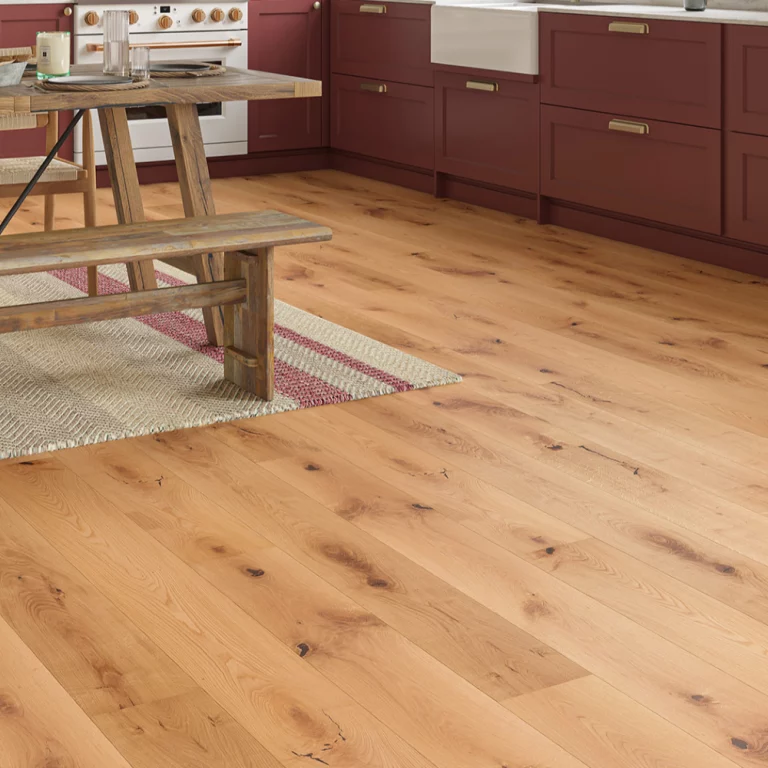
Where a terrace kitchen opens onto the yard, its floor meets grit and rain at the back door as well as spills from the sink.
 Room
Newcastle
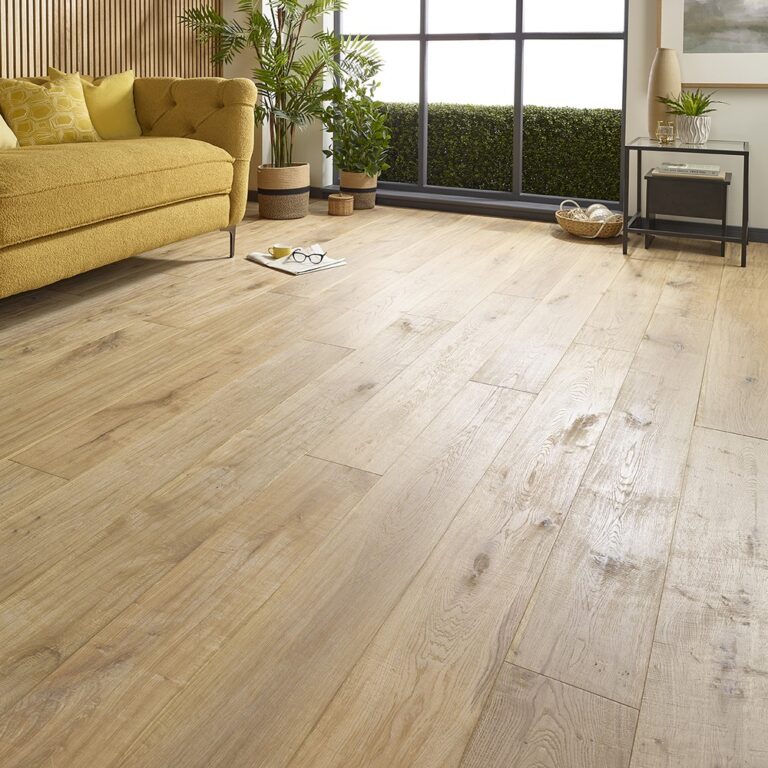
In a 1930s house the living room floor often sits on joists, so check the boards are level and sound before anything goes over them.
 Room
Newcastle
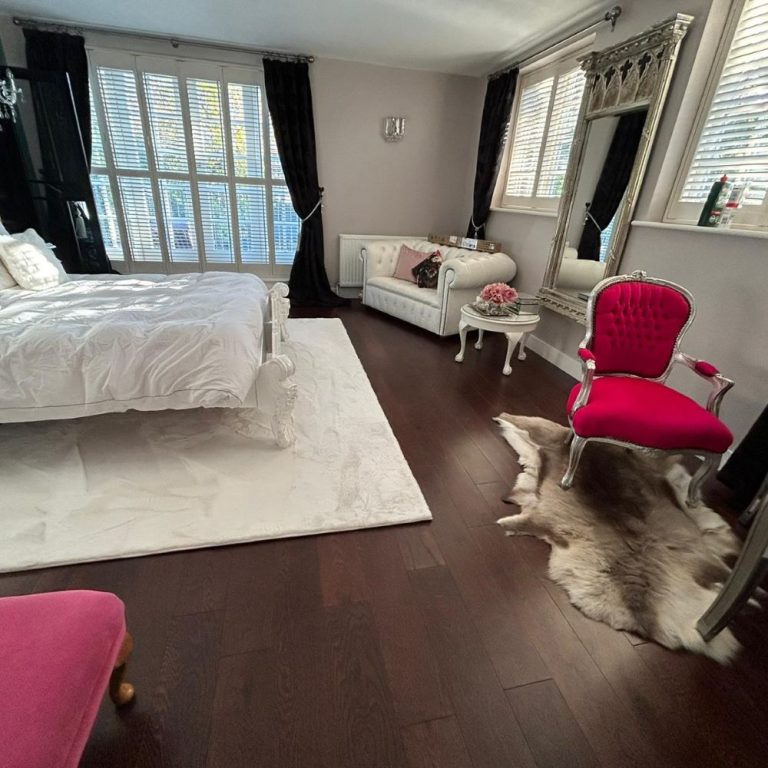
Upstairs, where wear is light, a bedroom can take a softer floor than the hall below it.
 Room
Newcastle
Over somebody else's ceiling, in a conversion or a block, a bathroom needs a floor water cannot get into and edges that hold a spill.
 Room
Newcastle
Stand the washing machine on a floor water cannot soak into, and a split hose in the utility room becomes a mop-up.
 Room
Newcastle
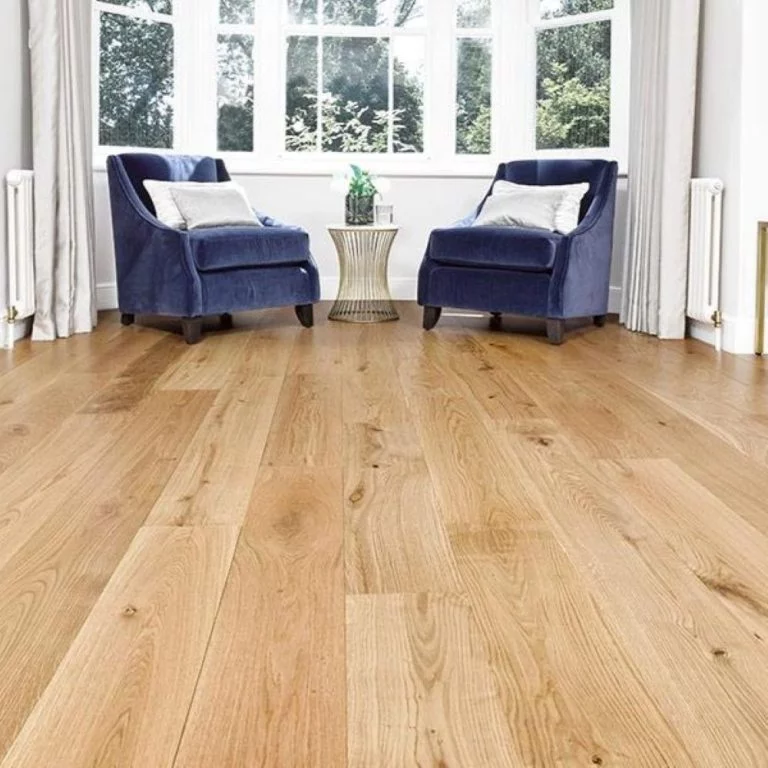
A Newcastle conservatory sees fewer hot days and fewer frosts than the median town on our list, but it still needs a covering meant for glass rooms.
 Pattern or need
Newcastle
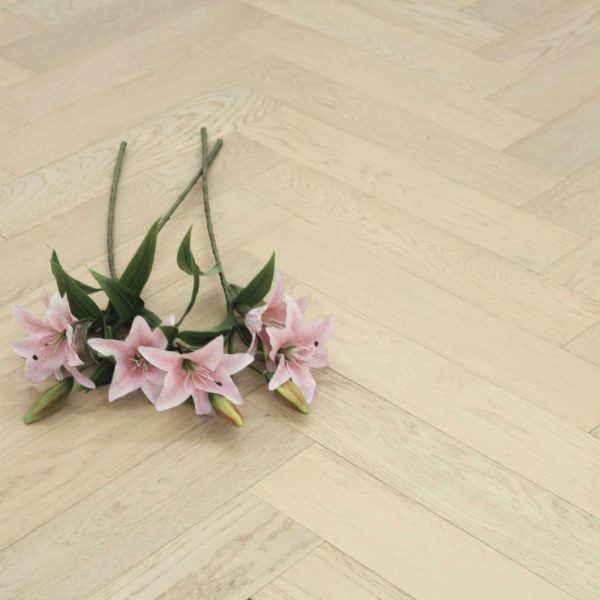
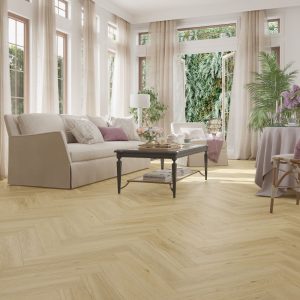
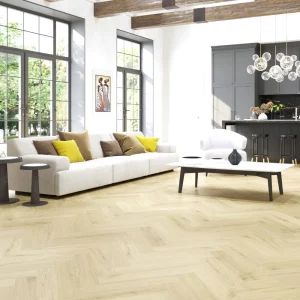
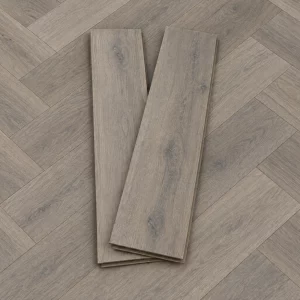
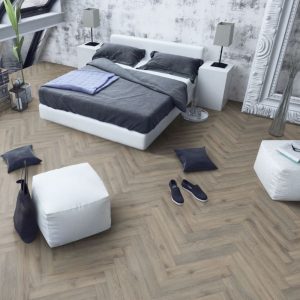
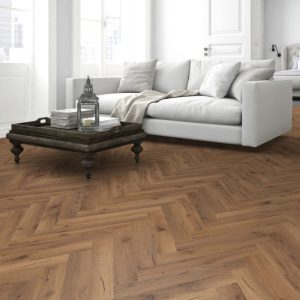
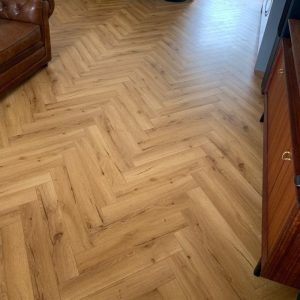
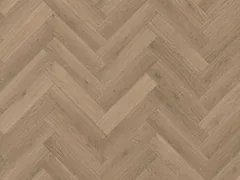
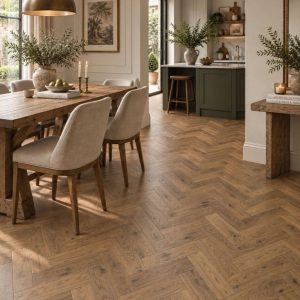
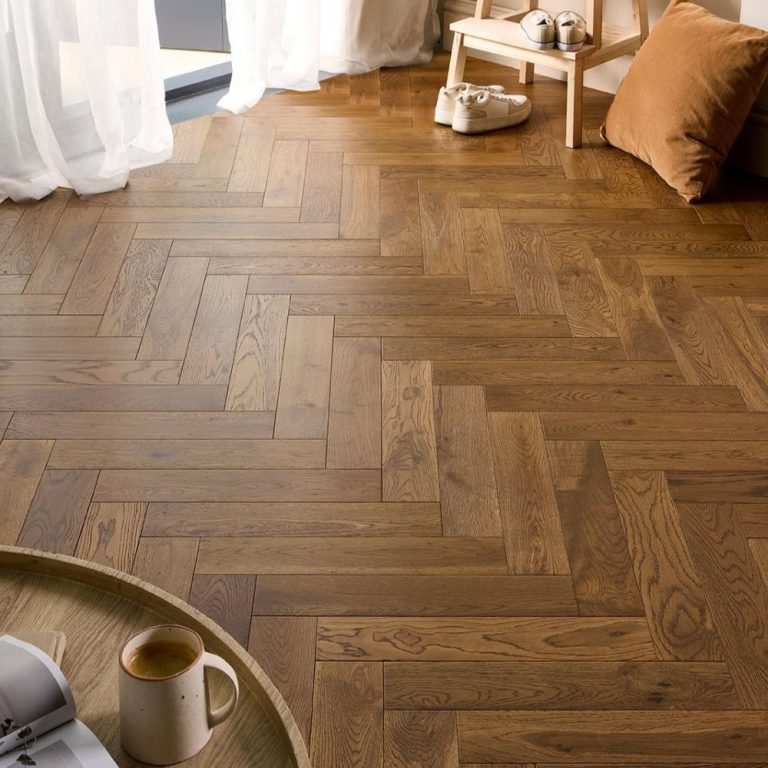
Herringbone gives a 1930s front room a pattern of its own; over old boards it needs a level, firm base first.
 Pattern or need
Newcastle
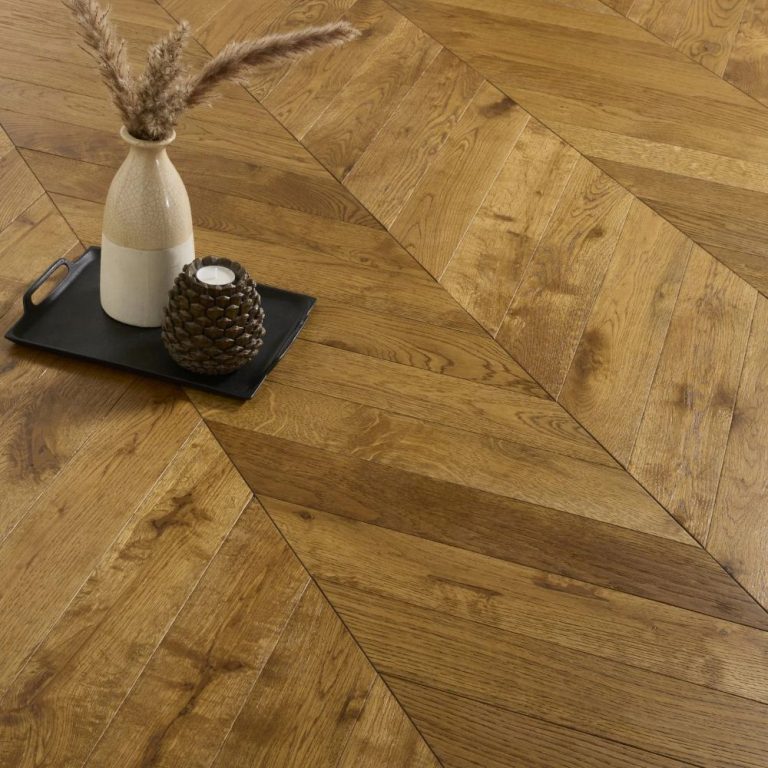
Chevron reads well along a long living room, and in a converted flat the underlay should be agreed with the lease first.
 Pattern or need
Newcastle
Few homes in Newcastle's council area face river or sea flood risk, yet a covering listed as waterproof still needs sealed edges in kitchens and bathrooms.
 Pattern or need
Newcastle
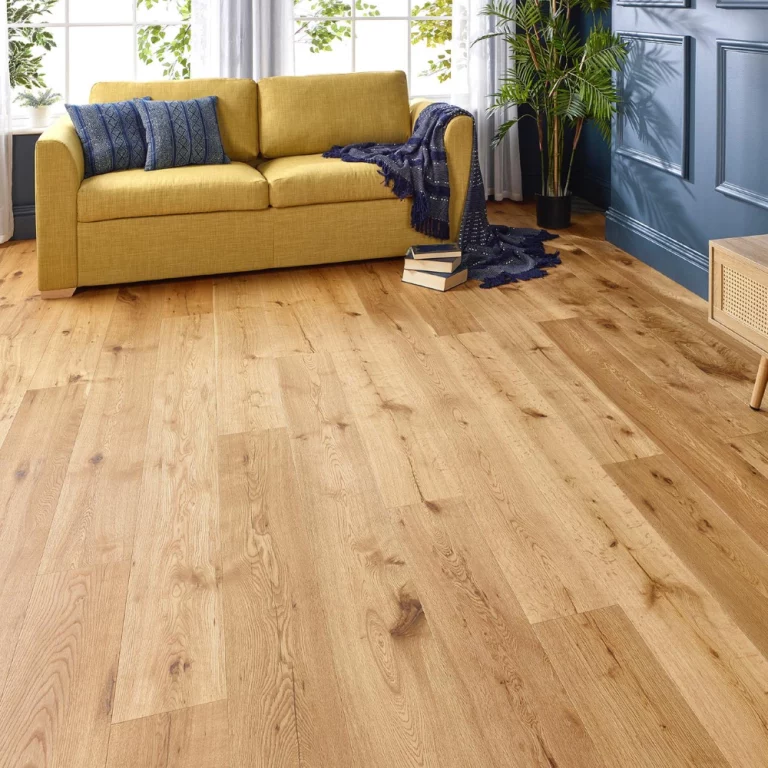
If heating pipes are cast into a new Newcastle home's screed, the floor on top must be rated for them, and it waits until that screed is dry.
 Pattern or need
Newcastle
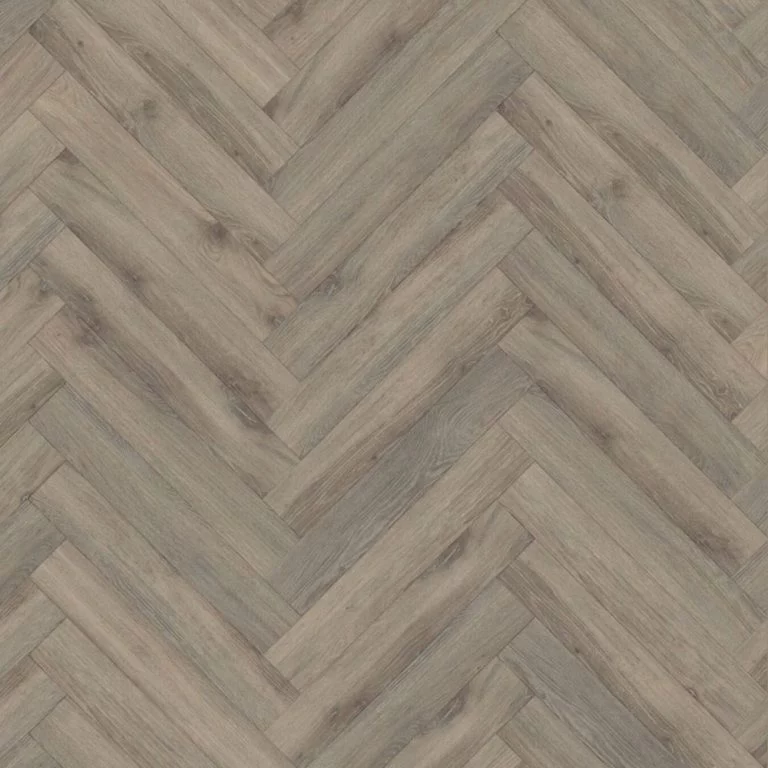
Wet paws from the yard land straight on the floor, so a pet-friendly choice must cope with water as well as claws, and suit a dog walking on it.
 Pattern or need
Newcastle
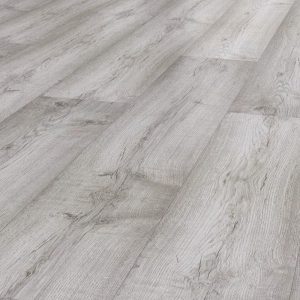
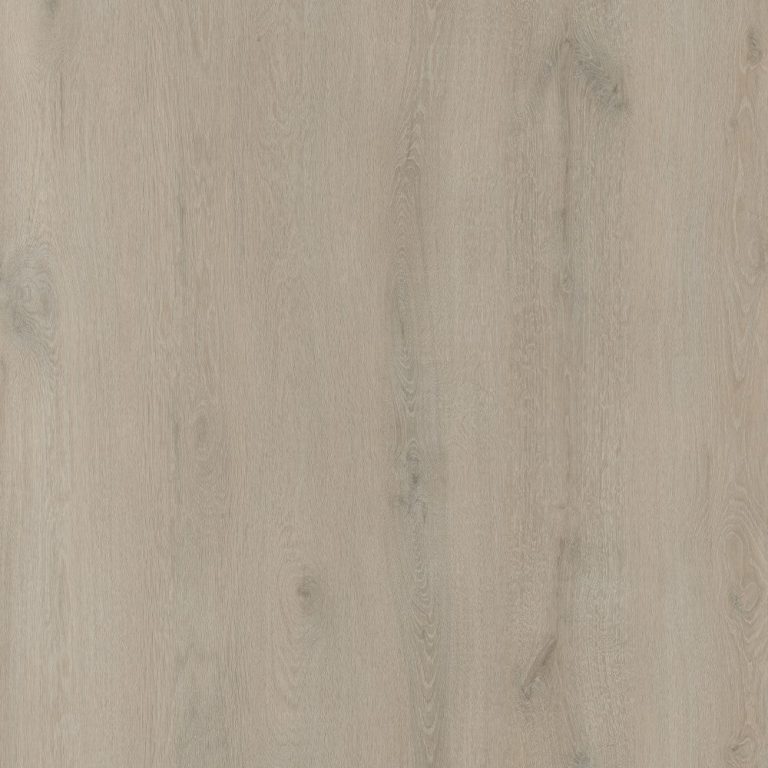
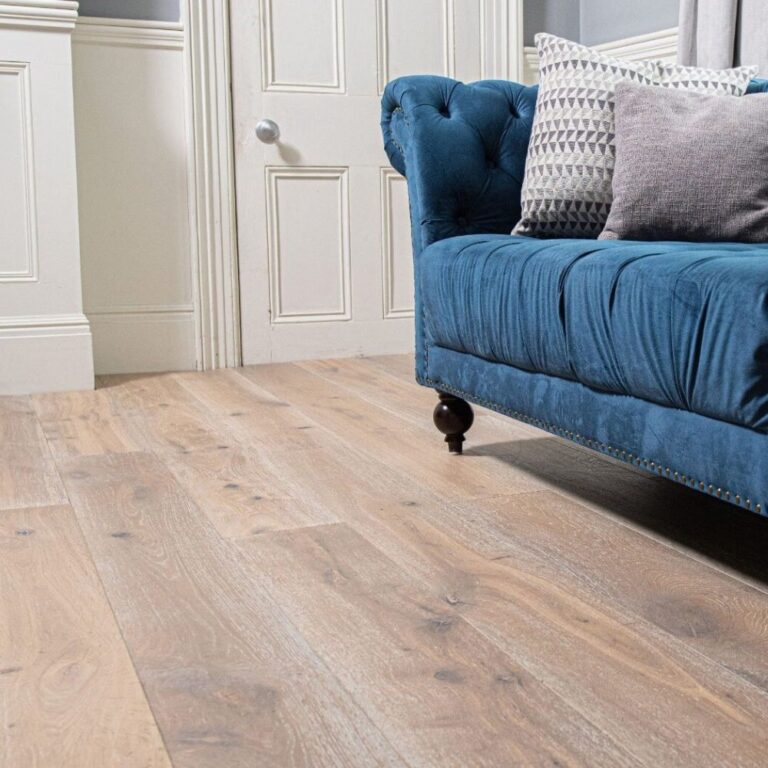
Grey keeps a rented Newcastle flat neutral for whoever moves in next.
Bestsellers
Reviews
Trustpilot
Reviews written by our customers on Trustpilot.
Read all reviews on TrustpilotReviews on our Google Business Profile.
Read all reviews on GoogleAsk us first
Call 020 3858 0353, Monday to Friday 10am to 6pm, Saturday 10am to 4pm, or send a photo of the room to info@homesandfloors.com.
Contact usQuestions
Often, yes. 18.3% of all dwellings in the city date from 1930 to 1939, and a suspended timber floor, boards carried on joists with air moving beneath, is typical of inter-war houses. A torch at an airbrick, or one board lifted by the wall, settles it.
It can. If another home is above or below yours, your footsteps reach their room, so pick an underlay that quotes its impact sound figure. The Character Assessment dates a number of West End Tyneside flats to the years before the First World War, while homes from before 1919 are 18.7% of all dwellings in the city, so check for timber joists first.
Something water cannot soak into, with the joints closed off along the kitchen and bathroom edges. Social landlords house 27.2% of Newcastle households, and in a tenancy a dripping pipe can run for a while before anyone rings about it.
Not for the conservation area's sake: designation, in each of the city's 12 areas, governs how buildings look from outside. A listed building is another matter. Grade I and II* entries alone come to 1.5 for every 1,000 dwellings here, above England's 1.2, so check with the council before any original floor is lifted.
Only once a test shows the screed is dry, however finished it seems. 9.3% of the homes sold in Newcastle in 2025 were new builds; if yours is one, ask for the moisture reading first.
Local facts
19 facts from the census, the Met Office, the council and other public records, each with what it means for a floor in Newcastle and where it comes from.
When they were built
18.3%
built 1930 to 1939
6th highest of 141 towns
For your floorNewcastle's share of 1930s homes is among the highest on our list, from an age at which a ground floor of boards over a ventilated void is common.
Dwellings built 1930 to 1939. Area: Newcastle built-up area (ONS Built-up Areas 2024). VOA, Council Tax: stock of properties 2025, table CTSOP4.1 (build period). Data: 2025-03-31 · retrieved 2026-09-22.
When they were built
Building period
The Character Assessment records large council housing estates built in parts of Fenham and Cowgate in the interwar years, followed by post-war estates.
For your floorInter-war council estates in Fenham and Cowgate date some of Newcastle's housing, and a house's age says a lot about its joists and how its rooms are stacked.
Area: North West Newcastle townscape character zone (Zone J), Newcastle Character Assessment. Newcastle Character Assessment: Combined Citywide and Zone Statements. Data: 2017 version (PDF created 2018-01-29), published on new.newcastle.gov.uk in the 2026-10 upload folder · retrieved 2026-11-03.
When they were built
Building period
Newcastle City Council states that the first council houses built under the Addison Act (the Housing Act 1919) were on the Pendower Estate in the West and in Walker in the East.
For your floorPendower and Walker hold the city's first Addison Act council houses, and a house's date says a lot about what its joists are made of.
Area: Newcastle upon Tyne (Newcastle City Council). Celebrating 100 years of council housing (web page). Data: undated web page for the centenary of the Housing Act 1919 (content as retrieved 2026-11-03) · retrieved 2026-11-03.
When they were built
5.7%
built 1919 to 1929
53rd highest of 141 towns
For your floorDwellings of the years 1919 to 1929 still belong to the era of suspended timber ground floors, so check before laying on them.
Dwellings built 1919 to 1929. Area: Newcastle built-up area (ONS Built-up Areas 2024). VOA, Council Tax: stock of properties 2025, table CTSOP4.1 (build period). Data: 2025-03-31 · retrieved 2026-09-22.
When they were built
18.7%
built before 1919
67th highest of 141 towns
For your floorIn homes older than 1919, including Tyneside flats of that age, a suspended timber ground floor is a likely starting point.
Dwellings built before 1919. Area: Newcastle built-up area (ONS Built-up Areas 2024). VOA, Council Tax: stock of properties 2025, table CTSOP4.1 (build period). Data: 2025-03-31 · retrieved 2026-09-22.
Homes
Housing type
The Newcastle Character Assessment records locally traditional "Tyneside flats" at North Benwell, Elswick and Scotswood, built before the First World War, with rear yards.
For your floorWhere a Tyneside flat has a rear yard, grit and water can come in at the back as well as the front, which matters for the kitchen floor.
Area: West End and Riverside townscape character zone (Zone K), Newcastle Character Assessment. Newcastle Character Assessment: Combined Citywide and Zone Statements. Data: 2017 version (PDF created 2018-01-29), published on new.newcastle.gov.uk in the 2026-10 upload folder · retrieved 2026-11-03.
Homes
Housing type
For Mid Newcastle (the older Victorian and Edwardian suburbs of Sandyford, Heaton, Jesmond, parts of Fenham and Gosforth), the Character Assessment describes the earlier terraced homes as both houses and "Tyneside" flats, typically with front gardens and rear yards.
For your floorThe older suburbs north of the centre hold both terraced houses and Tyneside flats, and each type gets wet and gritty in its own places.
Area: Mid Newcastle townscape character zone (Zone M), Newcastle Character Assessment. Newcastle Character Assessment: Combined Citywide and Zone Statements. Data: 2017 version (PDF created 2018-01-29), published on new.newcastle.gov.uk in the 2026-10 upload folder · retrieved 2026-11-03.
Who lives here
27.2%
rent socially
15th highest of 151 towns
For your floorWith a large council and association sector, more floors here sit in lets, where a leak may not be reported straight away.
Households renting from a council or housing association. Area: Newcastle built-up area (ONS Built-up Areas 2024). ONS, Census 2021, TS054 Tenure (households). Data: 2021-03-21 · retrieved 2026-09-22.
Who lives here
48.7%
own their home
137th highest of 151 towns
For your floorOwner-occupiers are a smaller share than nationally, so fewer floors here are picked by those who will live on them for years.
Households owning their home outright or with a mortgage. Area: Newcastle built-up area (ONS Built-up Areas 2024). ONS, Census 2021, TS054 Tenure (households). Data: 2021-03-21 · retrieved 2026-09-22.
Who lives here
23.4%
rent privately
54th highest of 151 towns
For your floorA private landlord picks a floor to see several tenants through, and a mistake tends to show when one of them moves out.
Households renting privately. Area: Newcastle built-up area (ONS Built-up Areas 2024). ONS, Census 2021, TS054 Tenure (households). Data: 2021-03-21 · retrieved 2026-09-22.
Homes
Housing type
The same profile notes that many of the individual houses in the Summerhill conservation area have been converted to flats to meet demand.
For your floorWhere houses have been split into flats, as in Summerhill, the kitchen and bathroom of one flat may sit over a room of another.
Area: Summerhill conservation area (Newcastle City Council). Conservation Area Profiles: Summerhill. Data: profile sheet, PDF created 2010-10-26 (linked from the council's Conservation Areas page, retrieved 2026-11-03) · retrieved 2026-11-03.
Weather & ground
5.2
days above 25 °C
joint 131st highest of 151 towns
For your floorHot days are few in the town centre, so a conservatory's afternoon peak comes less often, though it still comes.
Days above 25 degrees C per year (1991-2020 average, town centre). Area: Newcastle town centre (Met Office HadUK-Grid 2 km cell). Met Office, HadUK-Grid climate averages 1991-2020 (climate data portal). Data: 1991-2020 · retrieved 2026-09-22.
Weather & ground
27.3
air frost days a year
129th highest of 151 towns
For your floorAir frost is less frequent than in the median town, which spares a conservatory some of its coldest nights.
Days with air frost per year (1991-2020 average, town centre). Area: Newcastle town centre (Met Office HadUK-Grid 2 km cell). Met Office, HadUK-Grid climate averages 1991-2020 (climate data portal). Data: 1991-2020 · retrieved 2026-09-22.
Heritage & plans
Conservation areas
Newcastle City Council states that there are 12 conservation areas in the city.
For your floorThe 12 conservation areas are about how buildings look from the street; they do not decide the floor inside an unlisted home.
Area: Newcastle upon Tyne (Newcastle City Council area). Conservation Areas (web page, section "Conservation Areas In Newcastle"). Data: undated web page (content as retrieved 2026-11-03) · retrieved 2026-11-03.
Heritage & plans
1.5 per 1,000 dwellings
Grade I and II* listed building entries per 1,000 dwellings
18th highest of 135 towns
For your floorGrade I and II* entries are more frequent per home here than across England; in any listed home, ask the conservation officer before a floor is lifted.
Grade I and II* listed building entries per 1,000 dwellings. Area: Newcastle built-up area (ONS Built-up Areas 2024). Historic England, National Heritage List for England, listed building entries. Data: 2026-09-21 · retrieved 2026-09-22.
Nearby
Distances are straight-line miles from Newcastle.
United KingdomTyne and WearNewcastle
151 towns and cities, 24 county guides, one map.
New ranges and offers. Hear it first.
No spam. Unsubscribe any time.
Free to join
Ideas, advice and offers to help you plan your next floor, by email.
No spam. Unsubscribe any time.