




Delivery
Delivered to Edinburgh
Delivery times and options depend on the delivery postcode. See Delivery & Returns for the applicable estimate.
Also nearby: Livingston, Falkirk, Stirling, Dundee
Speak to our team 020 3858 0353 Shop by category
Start with a sample: real cuts of our floors at £1.99 each, sent to your door across the UK.
Start with a sample: real cuts of our floors at £1.99 each, sent to your door across the UK.
Scotland · flooring delivered
Wood and vinyl for tenement flats
What Edinburgh homes ask of a floor: tenement and block flats above other people's ceilings, few semis, listed interiors and frosty winters.
Delivered to Edinburgh: 13 postcode districts
Start here · Edinburgh in one figure
61.6%
in a purpose-built flat
2nd highest of 151 towns
National Records of Scotland, 2022-03-20 · all local facts →61.6% of Edinburgh households live in a tenement or another purpose-built block, against 32.4% across Scotland, placing Edinburgh 2nd among the 151 towns we compare.
Counting every kind of flat, maisonette or apartment, the figure is 64.8%. In this city the floor you lay is very often somebody else's ceiling, and that changes the order in which you choose. The underlay and the person living below come first; colour and board width come later.
Everything below follows from that: how the tenement shaped Edinburgh's housing, why houses are in the minority, who decides the floor in a let, what listing means once you are indoors, and what a frosty winter does to a wood floor laid in a heated flat.
Read the 8 chapters on Edinburgh homes See all 19 local facts
At a glance
Delivery
Delivery times and options depend on the delivery postcode. See Delivery & Returns for the applicable estimate.
Also nearby: Livingston, Falkirk, Stirling, Dundee
Speak to our team 020 3858 0353Homes in Edinburgh
8 chapters on Edinburgh homes and what they ask of a floor · about 5 min read
01/ 08
The council's Old Town appraisal treats the tenement, with one home built over another, as Scotland's traditional and characteristic building form. The city carried that form well beyond the Old Town. The appraisal of the New Town, which was built between 1767 and 1890, names the residential tenement block as its principal building form: a sunken basement topped by three or four storeys. In Marchmont, every building in the feuing plan of 1876 was to be a tenement of four or five storeys.
A building's date tells you something before you lift a single board: how its rooms are stacked, and what material the joists are, follow from when the block went up. Treat the dates on this page as a reason to look under your own floor, not as a description of it.
The census figure of 61.6% for purpose-built blocks of flats or tenements counts those tenements together with every other purpose-built block. Old or new, the floor between two of those flats is one household's floor and another's ceiling, so the underlay and the fixing method are part of how the whole building lives, not a private choice.
02/ 08
With 64.8% of households in a flat, maisonette or apartment, against 34.4% across Scotland, the sound of a floor is a shared matter here. A step, a chair leg or a dropped key travels through the structure to the ceiling below. Take up a carpet and put down boards, and that sound carries further than it did before.
None of this rules out wood, laminate or vinyl in a flat. It changes the order of decisions: first the underlay, chosen for a stated impact figure, then the way the floor is fixed, and only then the surface you will see every day.
03/ 08
The council's appraisal of the Colonies describes a different way of stacking homes. At Stockbridge, the first development, the smaller homes downstairs, known as low doors, open onto their own gardens along one face of the terrace, while the larger homes upstairs, the high doors, are reached by an external stair from the opposite side. Here too one household lives on the ground floor and another above it, so a hard floor in the upper house can be heard in the lower one.
A further 2.9% of Edinburgh households occupy a flat in part of a shared or converted house, against 1.6% across Scotland. If you live in one, find out what the separating floor is made of before you buy an underlay. A concrete slab and a timber joist floor behave differently under the same covering, and a converted house can have either.
04/ 08
Houses are in the minority. 12.3% of Edinburgh households live in a semi-detached house, against 23.3% across Scotland, which puts the city 151st of the 151 towns: no town on our list has a smaller share. Detached houses hold 10.6% of households, 129th of 151 towns (Scotland: 23.9%).
If you do live in one of those houses, the floor questions change. With nobody living underneath, an echoing room calls for rugs and furniture, not a special underlay. Which rooms take the heaviest wear depends on how the house is lived in, and a semi with a hall differs there from a house whose front door opens straight off the street.
05/ 08
58.2% of Edinburgh households are owner-occupiers, with or without a mortgage, below the 62.3% for Scotland. Owners are still the biggest of the three groups, but renting privately is more common here than across Scotland: 23.6% of households, against 12.9%. Another 15.9% rent from the council or a housing association, against 22.5% across Scotland.
A landlord picks a floor to last through several tenancies, and only the end of one shows whether it was a good choice, often years after it went down.
Leaks are the other test in any let, council, association or private: a hose weeps behind the washing machine, a shower tray overflows, and nobody says so straight away. If the material of the floor absorbs no water, the result is a drying job; if it soaks water up, the result is a new floor. In a tenement, whether the water also reaches the ceiling downstairs depends on the edges and joints. Owner-occupiers choosing for their own household can let comfort and looks lead.
06/ 08
14.1% of Edinburgh households live in a home with four or more bedrooms (Scotland: 17.2%), 123rd of 150 towns. Rooms going spare are scarcer as well. Households with two or more bedrooms beyond what they need make up 23.5%, set against 32.2% for Scotland, 142nd of 150.
Fewer idle rooms means fewer floors that can be specified lightly. A laminate's abrasion rating is picked per room, because a hall and a spare bedroom do different jobs. In the larger homes, if the spending is fixed across the whole house, take it out of the bedrooms and put it into the hall, the kitchen and the stairs.
07/ 08
The Edinburgh locality has 849 listed building entries in Category A, the highest category in Scotland. The median for the 10 Scottish and Northern Irish towns we compare is 35.5, and Edinburgh is 1st of them.
A listing does not stop at the front wall. Work that changes a listed building's character indoors can require listed building consent, and taking up original boards or blocks is the kind of work that may qualify. The council's guidance for listed buildings asks that floors original to the building, or worth keeping for their material, pattern or finish, be respected, repaired and kept where they are. In a listed flat or house, tell the council's conservation officer before any original floor is lifted.
08/ 08
Air frost is recorded on 43.3 days a year in the town centre, 35th highest of 151 towns, where the median town has 38.1. January's mean daily temperature there is 4.4 °C, a little lower than the 4.8 °C median.
All that heating leaves the indoor air dry. Timber answers by giving up some of its moisture, each board narrows a fraction, and thin lines can open between boards; they shut again when the damper air of summer returns. Seeing them in February means the floor is following the seasons, not failing.
Frost also matters for a conservatory or garden room. How often a glass room freezes depends on where the house stands, and the town centre here sees more frost days than the median town.
Floor by floor
19 floors, rooms and needs, each with a note written for Edinburgh homes. Pick one to read it.
 Floor type
Edinburgh
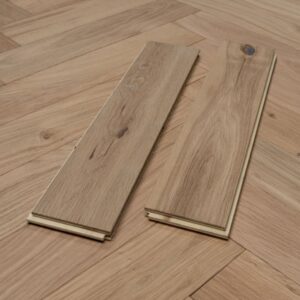
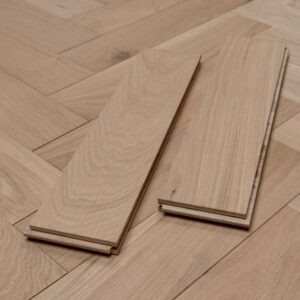
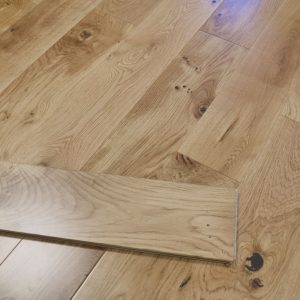
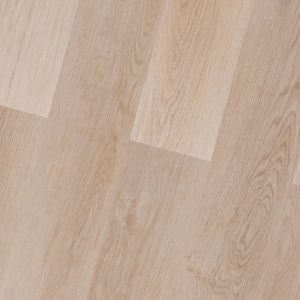
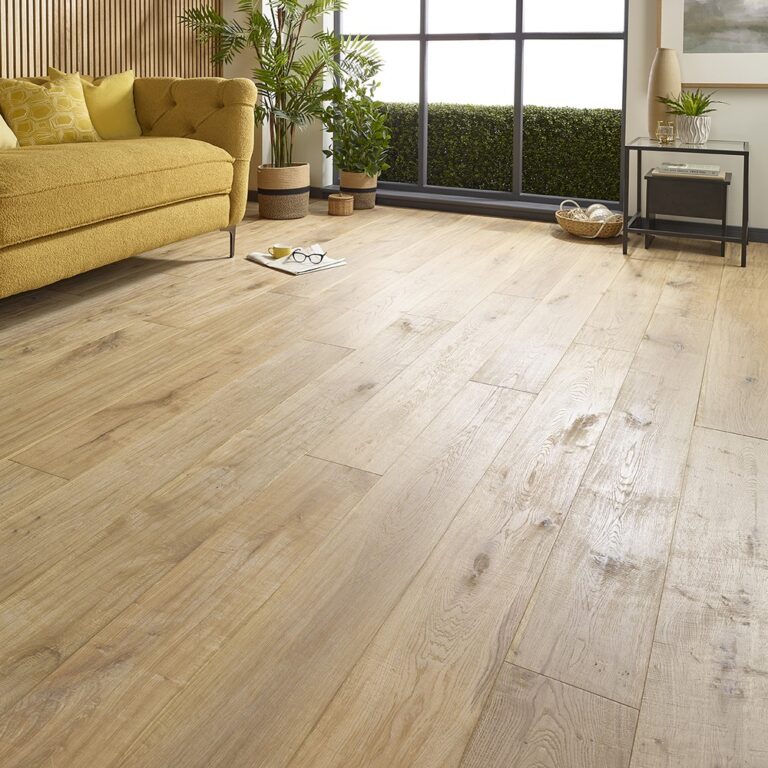
Engineered oak gives a tenement flat real wood on top while sitting over the underlay that protects the household below.
 Floor type
Edinburgh
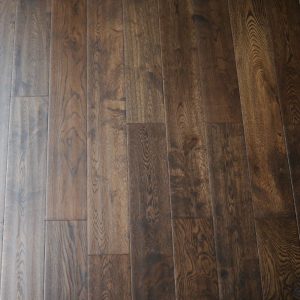
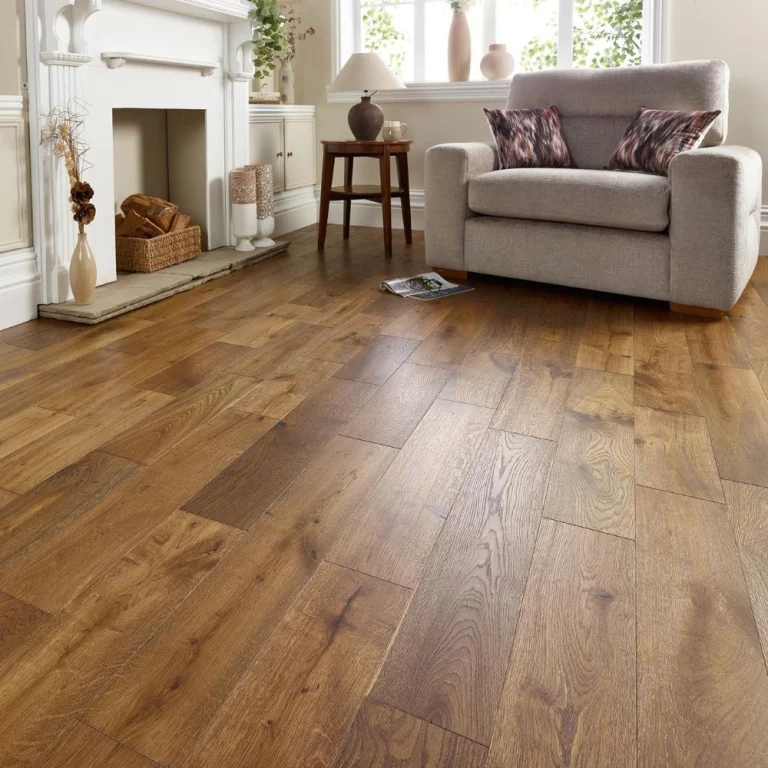
Solid oak suits an owner settling into a period flat, laid once you know what the joists and boards underneath are like.
 Floor type
Edinburgh
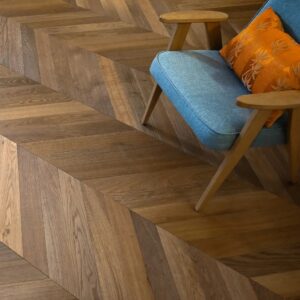
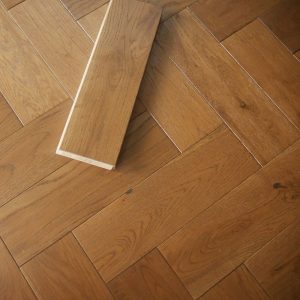
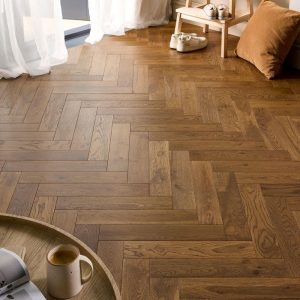
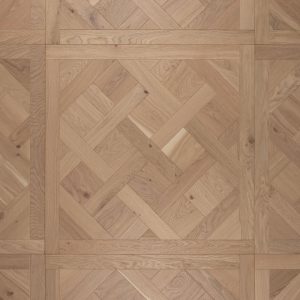
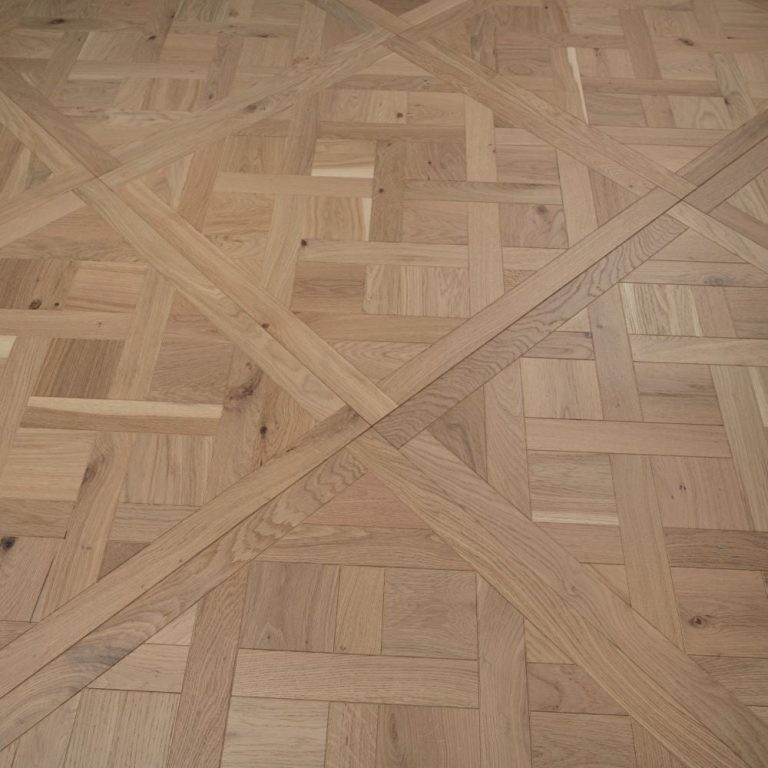
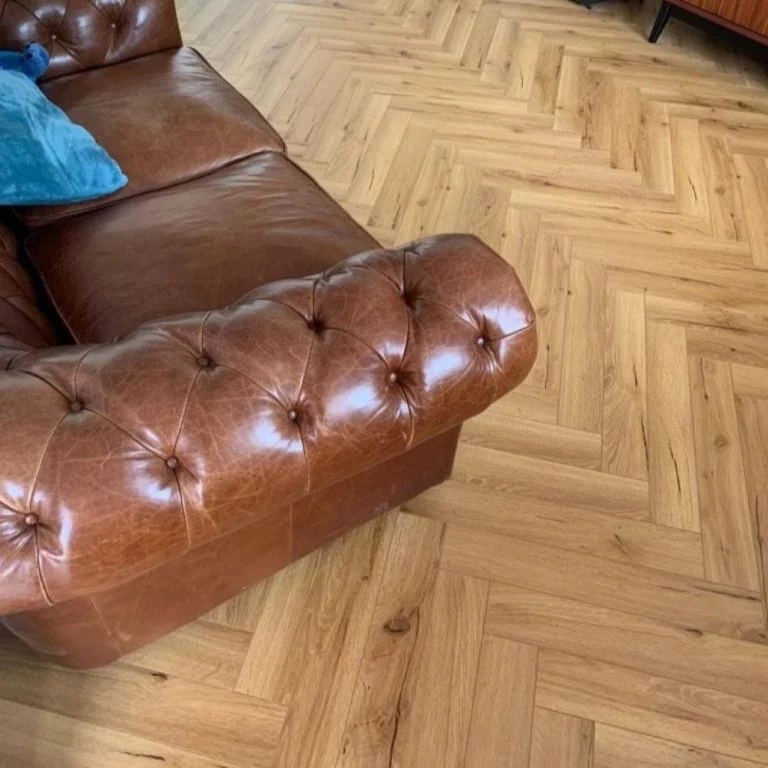
Parquet belongs in a period room where any original floor has been checked first, since the council expects original floors in listed buildings to be kept.
 Floor type
Edinburgh
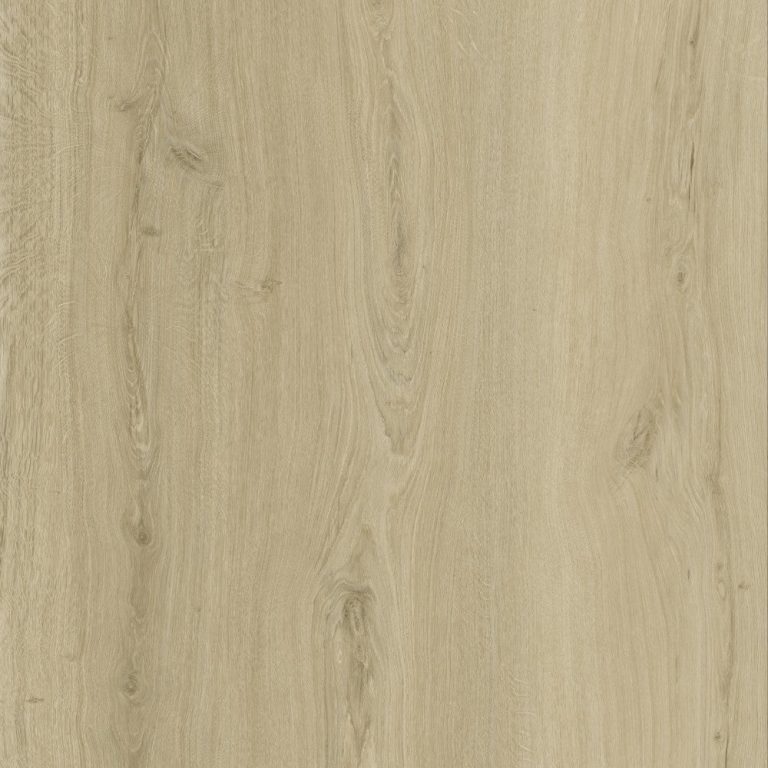
For a let, laminate with its abrasion rating chosen room by room keeps the hall and the spare room on different grades.
 Floor type
Edinburgh
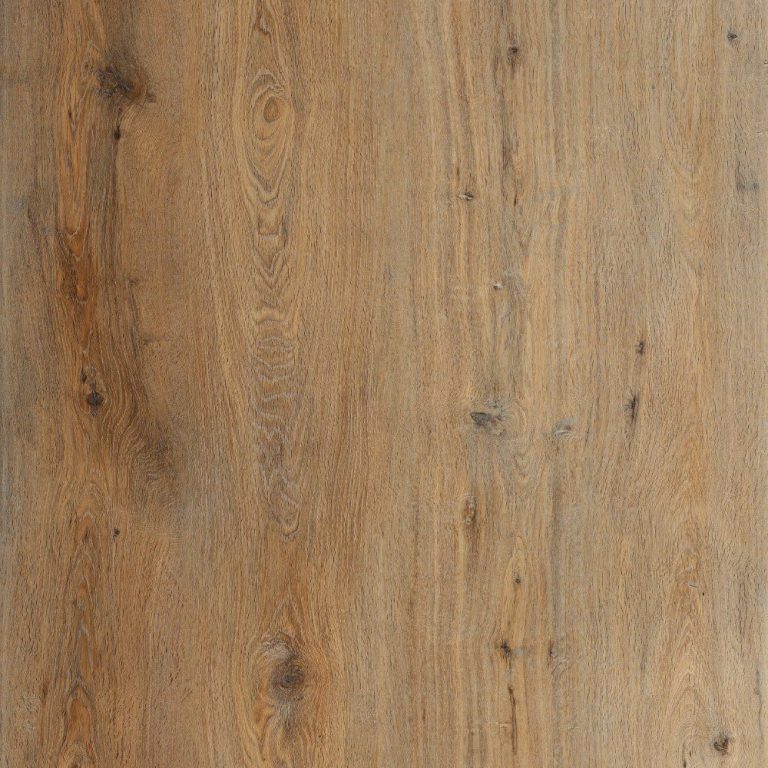
Vinyl planks and tiles suit rented kitchens and bathrooms in a tenement, where an unnoticed leak can end up on a neighbour's ceiling.
 Floor type
Edinburgh
Rigid core planks suit a block or tenement flat where the covering must keep water out and someone lives underneath.
RoomEdinburgh
Street grit and rain arrive in an Edinburgh hall before anywhere else, so that floor deserves the toughest wear layer you can choose, plus a doormat.
 Room
Edinburgh
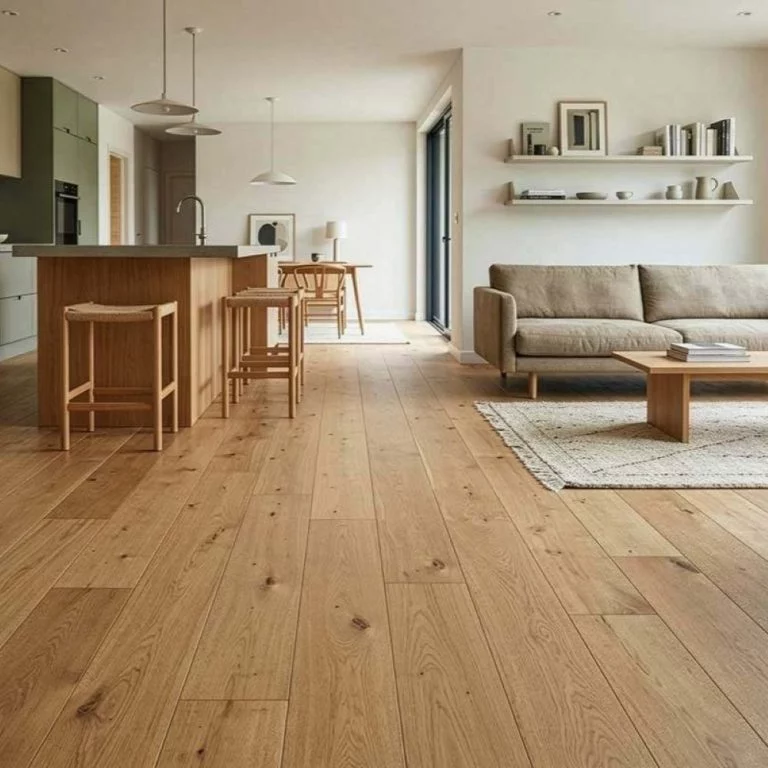
A flat's kitchen sits over someone else's room, so its floor should keep water from a leaking appliance on the surface.
 Room
Edinburgh
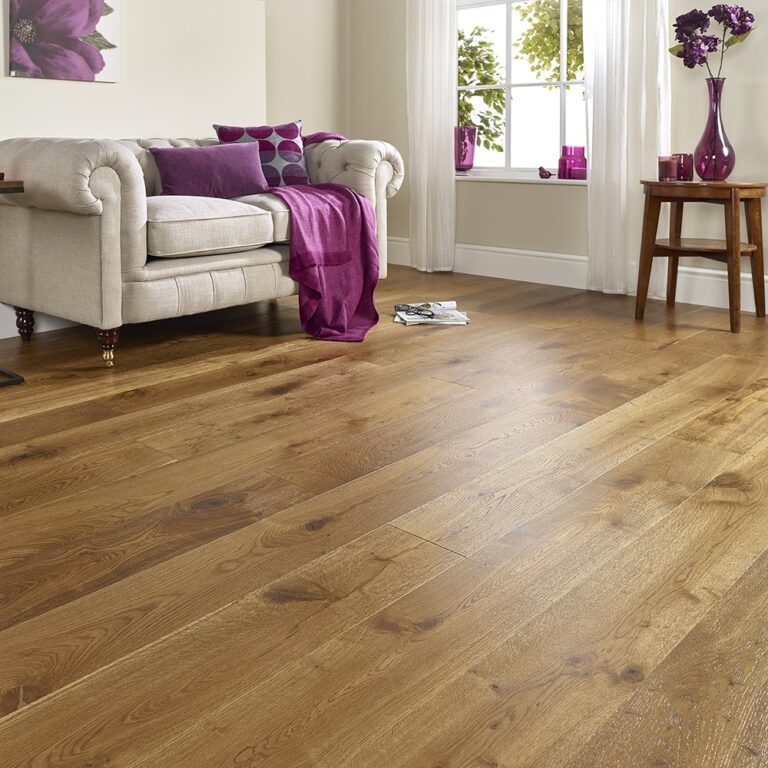
In a tenement living room, the flat below judges you by the impact rating of your underlay, so choose that before the boards.
 Room
Edinburgh
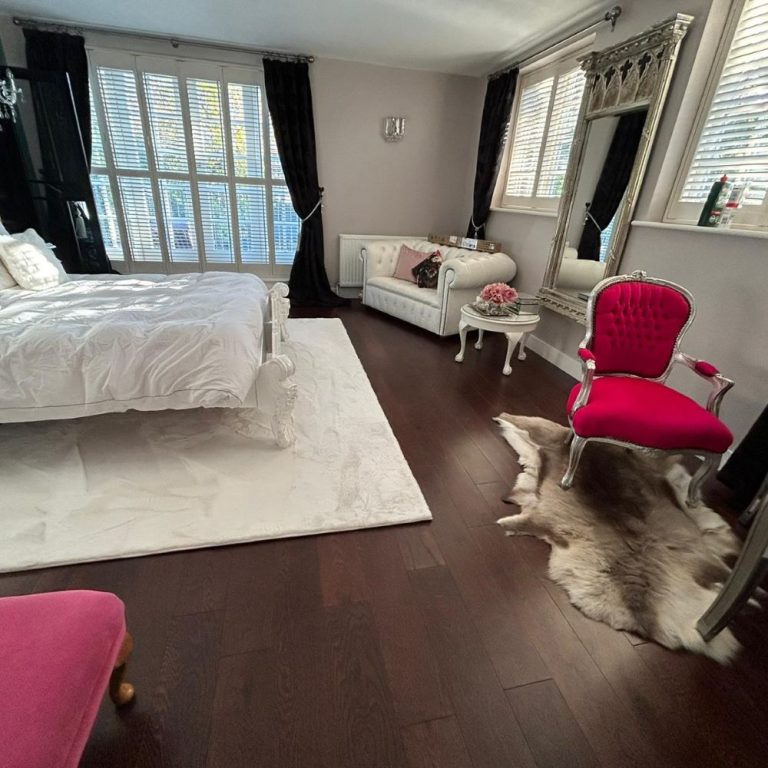
Bedrooms see lighter wear than the hall or kitchen, so a gentler finish and a lighter wear grade will do there.
 Room
Edinburgh
Above another household, a bathroom floor that absorbs no water, edged and sealed, keeps an overflow from becoming the neighbour's problem.
 Room
Edinburgh
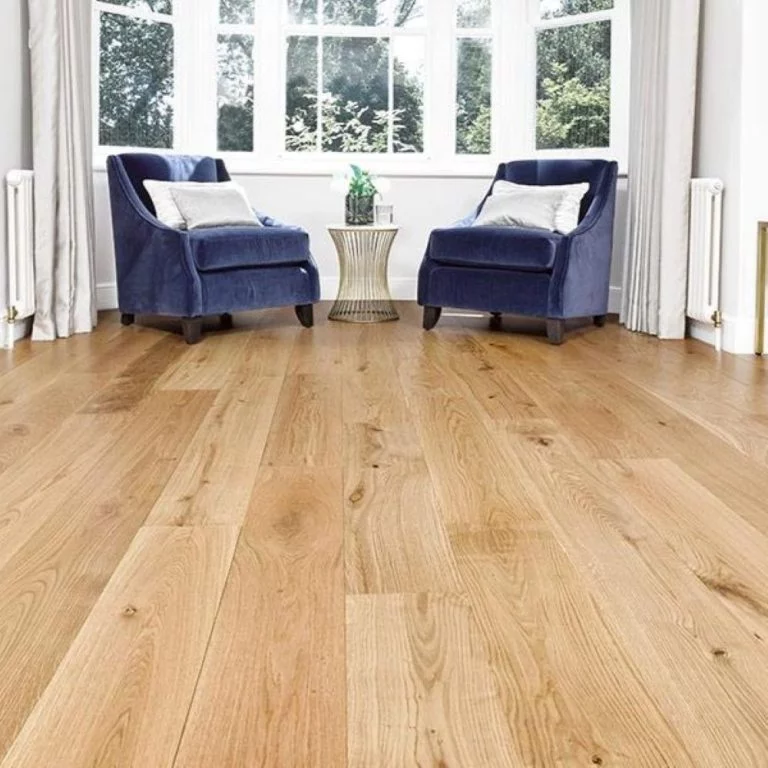
Wherever the washing machine stands in an Edinburgh flat, the floor beneath it should not absorb water, because a leak travels down.
 Room
Edinburgh
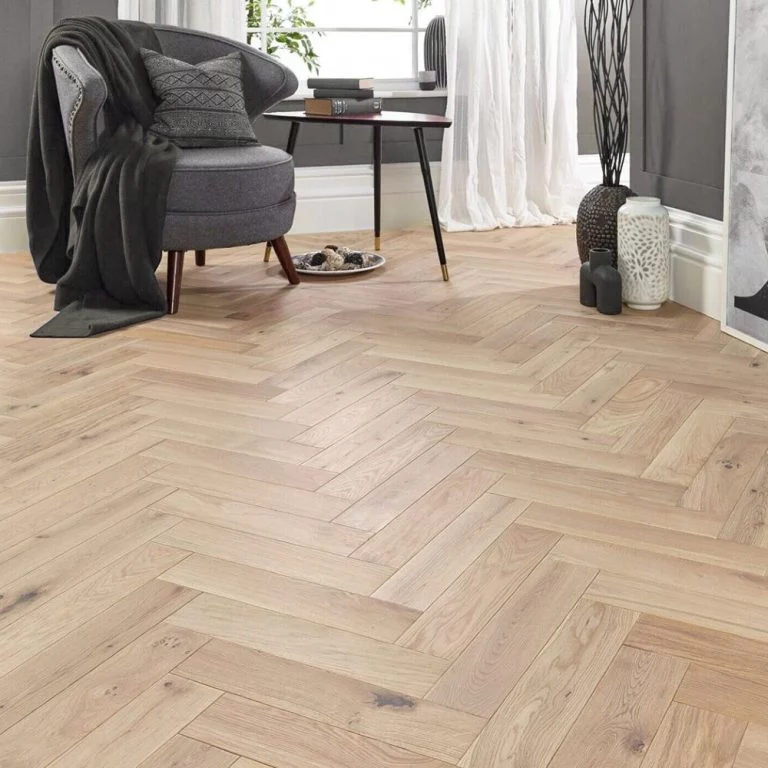
43.3 air frost days a year in the town centre mean a conservatory floor here has to tolerate glass-room cold on many winter nights.
 Pattern or need
Edinburgh
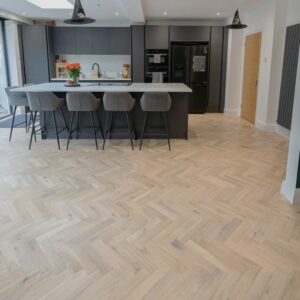
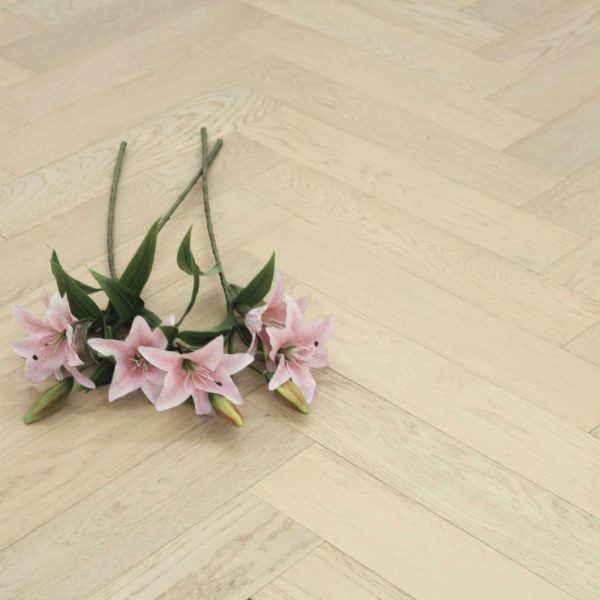
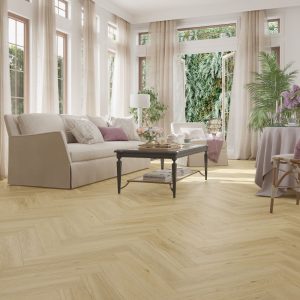
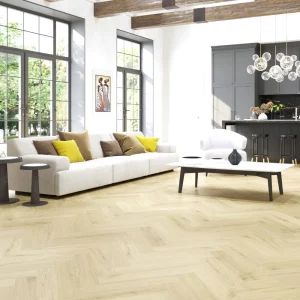
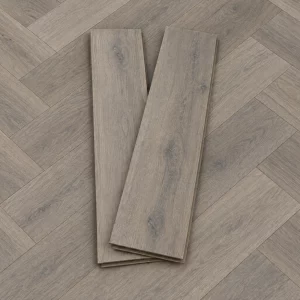
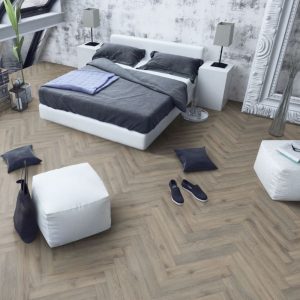
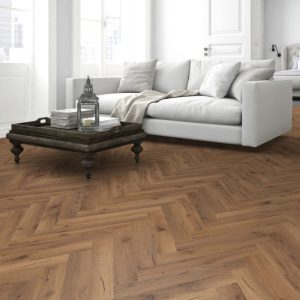
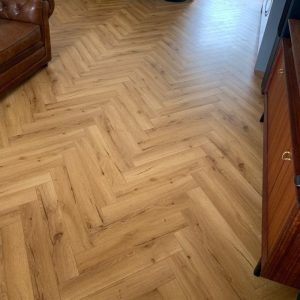
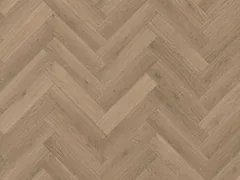
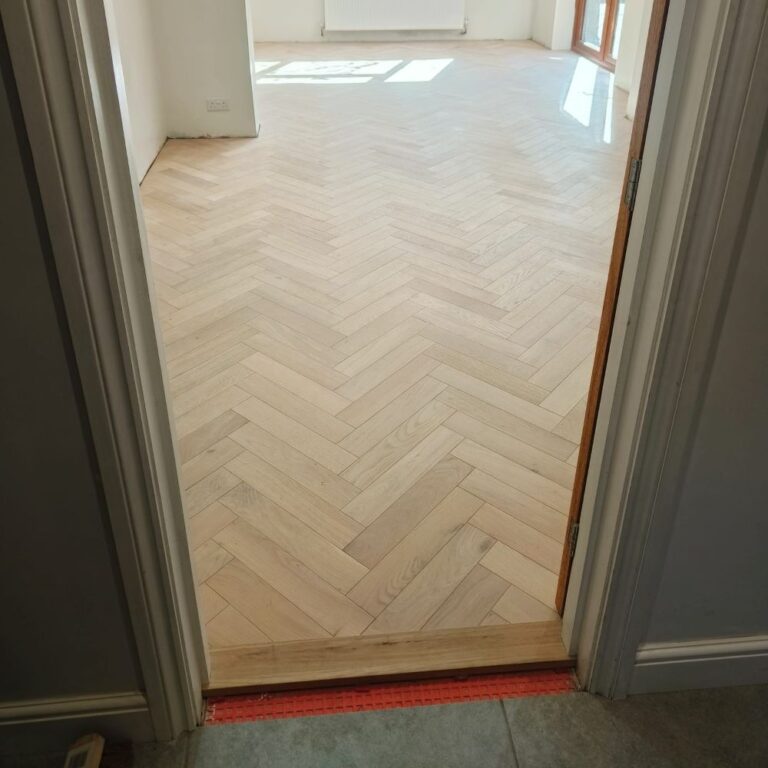
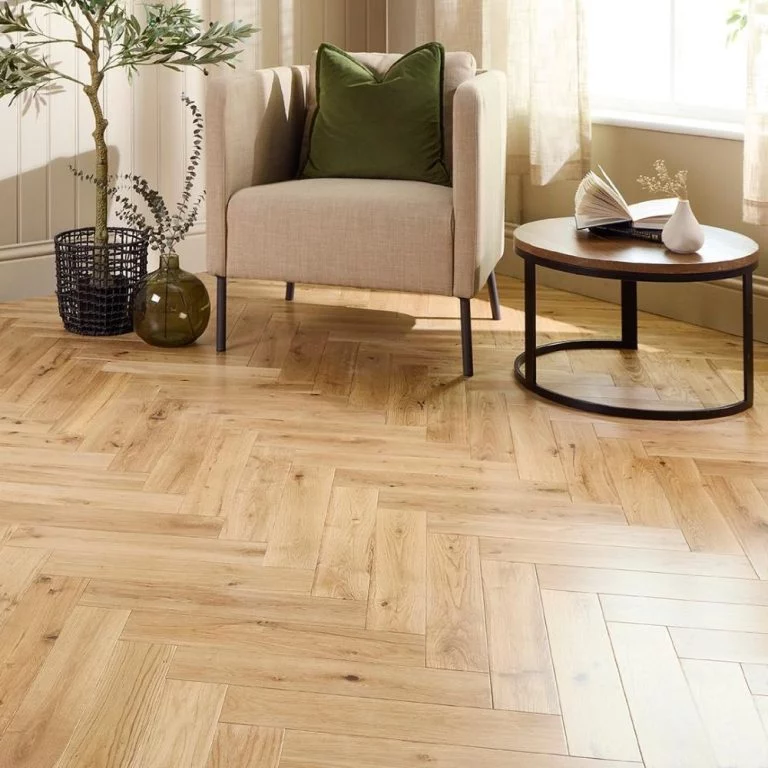
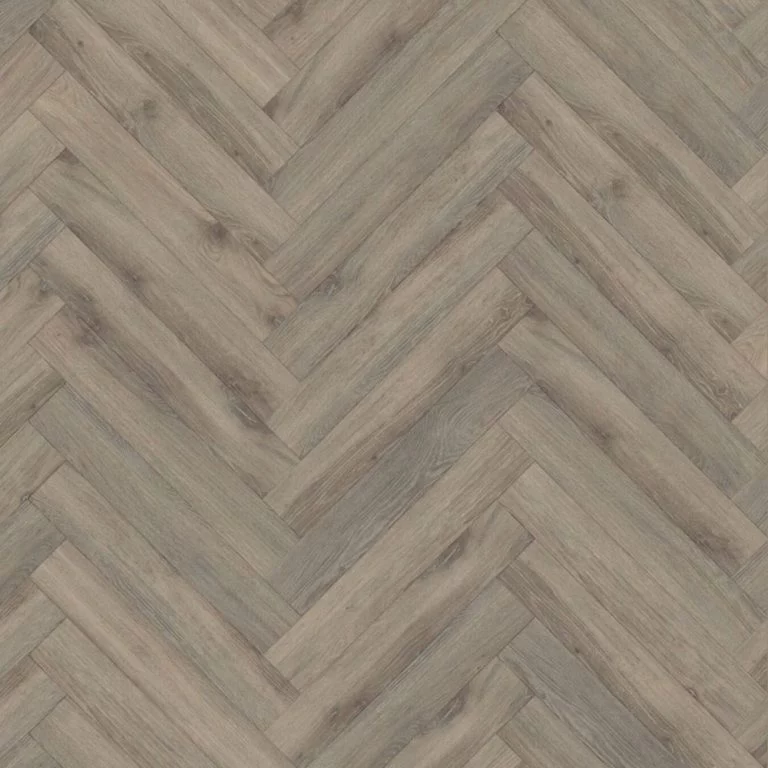
Herringbone suits a front room in a New Town or Marchmont flat, laid over an underlay chosen with the neighbours below in mind.
 Pattern or need
Edinburgh
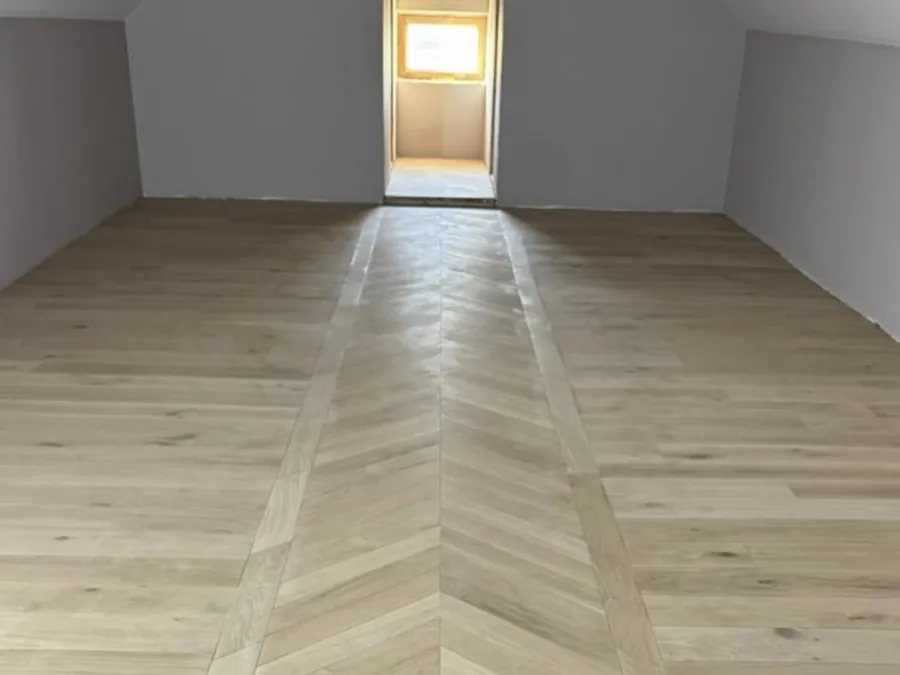
A chevron pattern can lead the eye down a flat's hall, once the impact sound reaching the household below has been dealt with.
 Pattern or need
Edinburgh
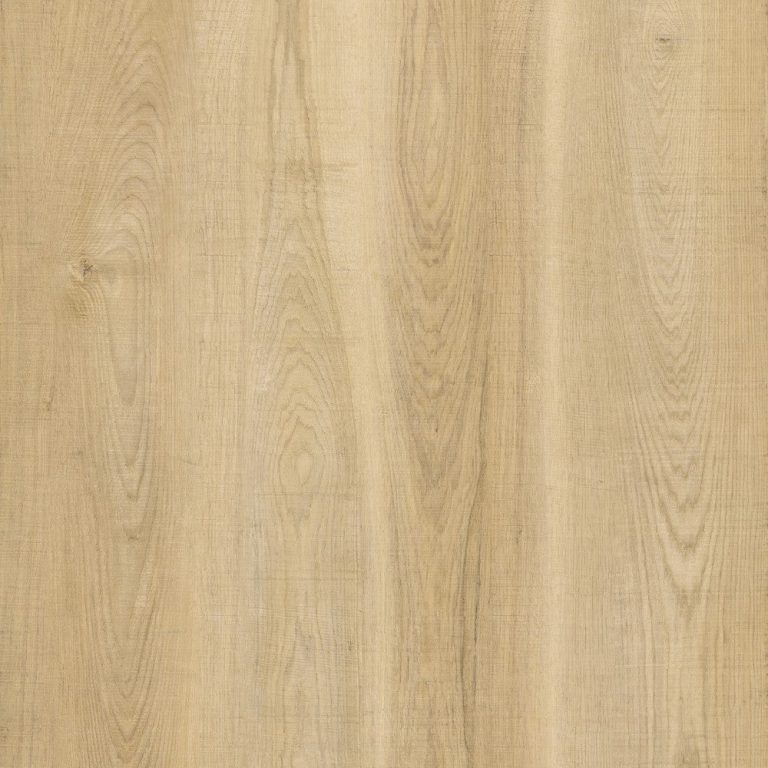
In an upper flat, planks listed as waterproof keep the covering itself from swelling, but sealed edges decide whether water reaches the ceiling below.
 Pattern or need
Edinburgh
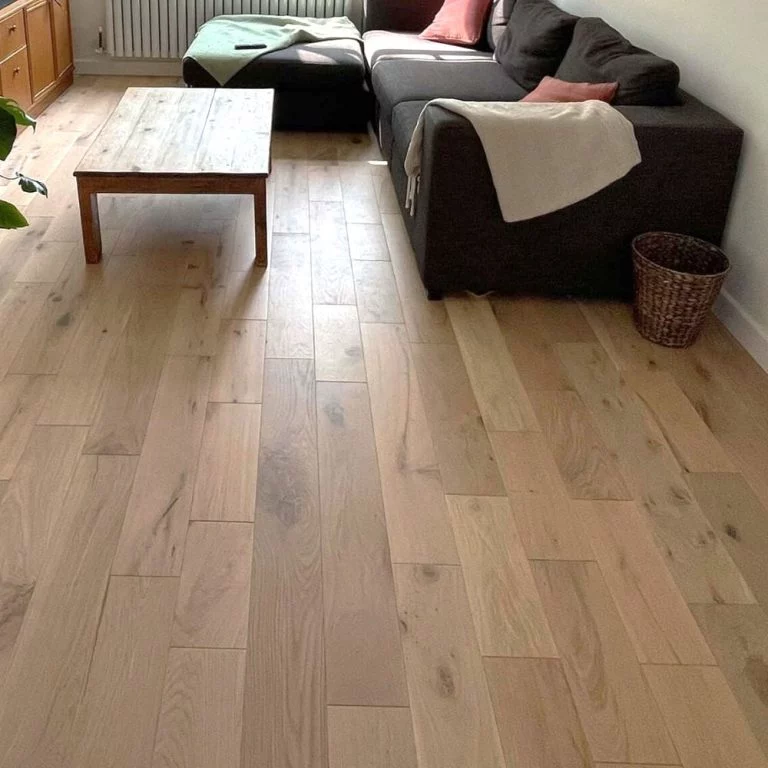
A town-centre January mean of 4.4 °C gives underfloor heating steady winter use, so choose a floor that is rated for it.
 Pattern or need
Edinburgh
A dog in a flat needs a floor it can cross comfortably and one that copes with wet paws carried in from the street.
 Pattern or need
Edinburgh
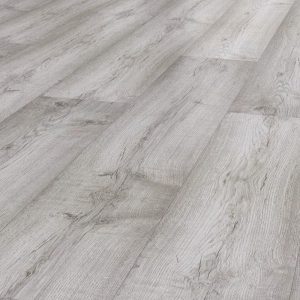
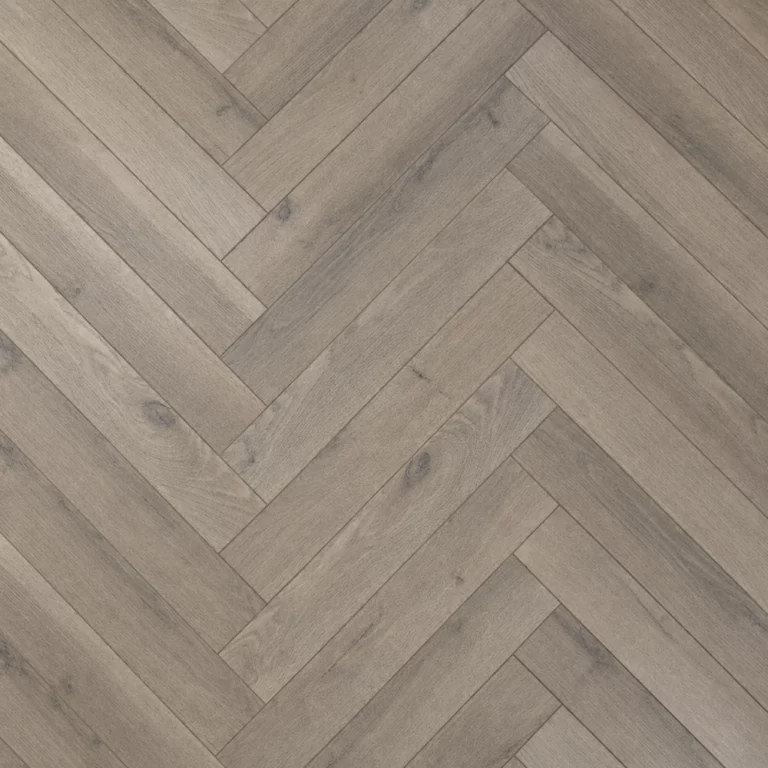
Grey gives an Edinburgh landlord a neutral base for tenants whose furniture nobody can predict.
Bestsellers
Reviews
Trustpilot
Reviews written by our customers on Trustpilot.
Read all reviews on TrustpilotReviews on our Google Business Profile.
Read all reviews on GoogleAsk us first
Call 020 3858 0353, Monday to Friday 10am to 6pm, Saturday 10am to 4pm, or send a photo of the room to info@homesandfloors.com.
Contact usQuestions
They may, so plan the underlay with them in mind. With 61.6% of households in tenements or other purpose-built blocks, sound passing through the structure to the flat below is an everyday issue here, and boards pass on more of it than the carpet they replace. Find out what your building's rules say, then pick an underlay with a declared impact figure.
It can be. The locality has 849 entries in Category A, and inside any listed building, work that alters its character may need listed building consent. The council's guidance asks for original floors to be kept and repaired, so talk to the conservation officer before a board comes up.
The last week of the tenancy as much as the first. 23.6% of households here rent privately, against 12.9% across Scotland, and a leak in a let can go unreported at first. A covering that absorbs no water, with edges sealed in kitchen and bathroom, keeps the damage small for your flat and for the ceiling under it.
Because central heating leaves the indoor air dry. With the town centre's January mean at 4.4 °C, the heating is on through the winter, the boards give up moisture and shrink a little, and fine gaps appear at the joints. They close again when summer humidity returns.
The hall, the kitchen and any stairs. Just 14.1% of Edinburgh households occupy a home with four or more bedrooms, so there are fewer quiet rooms where a lighter floor will do. Set the abrasion rating for each room separately instead of one grade everywhere.
Local facts
19 facts from the census, the Met Office, the council and other public records, each with what it means for a floor in Edinburgh and where it comes from.
Who lives here
23.6%
rent privately
52nd highest of 151 towns
For your floorA large private rented sector puts many Edinburgh floors in landlords' hands, chosen to last several tenancies, and a poor pick surfaces only years later.
Households renting privately. Area: Edinburgh locality (Scotland's Census 2022). National Records of Scotland, Scotland's Census 2022, UV402 and UV404 (households, census localities). Data: 2022-03-20 · retrieved 2026-09-22.
Who lives here
15.9%
rent socially
110th highest of 151 towns
For your floorCouncil and housing association tenants, like any tenants, may not report a leak straight away, so a floor that absorbs no water limits the damage.
Households renting from a council or housing association. Area: Edinburgh locality (Scotland's Census 2022). National Records of Scotland, Scotland's Census 2022, UV402 and UV404 (households, census localities). Data: 2022-03-20 · retrieved 2026-09-22.
Who lives here
58.2%
own their home
74th highest of 151 towns
For your floorOwners remain the biggest group, and an owner choosing for their own household can put comfort and looks ahead of the next tenancy.
Households owning their home outright or with a mortgage. Area: Edinburgh locality (Scotland's Census 2022). National Records of Scotland, Scotland's Census 2022, UV402 and UV404 (households, census localities). Data: 2022-03-20 · retrieved 2026-09-22.
Weather & ground
43.3
air frost days a year
35th highest of 151 towns
For your floorEdinburgh has more air frost days than the median town, the freezing half of what a conservatory floor must withstand.
Days with air frost per year (1991-2020 average, town centre). Area: Edinburgh town centre (Met Office HadUK-Grid 2 km cell). Met Office, HadUK-Grid climate averages 1991-2020 (climate data portal). Data: 1991-2020 · retrieved 2026-09-22.
Weather & ground
4.4
January mean
joint 121st highest of 151 towns
For your floorA January below the town median keeps the heating on, the dry air shrinks wood boards slightly, and the winter gaps close again in summer.
Mean daily temperature in January (1991–2020 average, town centre). Area: Edinburgh town centre (Met Office HadUK-Grid 2 km cell). Met Office, HadUK-Grid (v1.1.0.0) climate averages 1991-2020, Met Office Climate Data Portal: Monthly Temperature Observations 1991-2020 (2 km grid), Monthly Min Temperature Observations 1991-2020 12km (12 km grid), Annual Count of 10mm Rainfall Days 1991-2020 (2 km grid). Data: 1991-2020 · retrieved 2026-09-22.
Heritage & plans
849
Listed building entries in the highest category (Category A in Scotland, Grade A in Northern Ireland)
1st highest of 10 towns
For your floorIn a Category A building, as in any listed one, taking up the original boards or blocks may count as works needing consent.
Listed building entries in the highest category (Category A in Scotland, Grade A in Northern Ireland). Area: Edinburgh locality (NRS Census 2022 localities). Historic Environment Scotland, Listed Buildings (layer "Listed Buildings by Category", INSPIRE service). Data: 2026-09-09 · retrieved 2026-09-22.
Homes
Housing type
The council's Old Town appraisal treats the tenement, with homes stacked one above another, as Scotland's traditional and characteristic way of building.
For your floorIn a tenement, homes stacked above each other, the building as much as the household decides where the wet rooms are and whose ceiling lies under them.
Area: Old Town conservation area (City of Edinburgh Council). Old Town Conservation Area Character Appraisal. Data: undated in the text; PDF created March 2017 · retrieved 2026-11-03.
When they were built
Building period
The council's New Town appraisal states that the New Town was constructed between 1767 and 1890.
For your floorThe New Town's long building period means the age of each block, not the district alone, tells you what the joists may be.
Area: New Town conservation area (City of Edinburgh Council). New Town Conservation Area Character Appraisal. Data: undated in the text (refers to the 250th anniversary of the plan, 1767-2017); PDF created August 2017 · retrieved 2026-11-03.
Homes
Housing type
According to the New Town appraisal, the tenement block, homes over a sunken basement rising three or four storeys, is the main building form across the New Town.
For your floorIn a tenement block over a sunken basement, the building shapes where the wet rooms sit and how much grit comes in, as much as the people living there do.
Area: New Town conservation area (City of Edinburgh Council). New Town Conservation Area Character Appraisal. Data: undated in the text (refers to the 250th anniversary of the plan, 1767-2017); PDF created August 2017 · retrieved 2026-11-03.
Homes
Housing type
The same appraisal states that the 1876 feuing plan for Marchmont proposed tenements of four or five storeys and nothing else.
For your floorMarchmont's 1876 feuing plan proposed tenements only, so the building, as much as the household, settles where water is used and how far street grit travels indoors.
Area: Marchmont, Meadows and Bruntsfield conservation area (City of Edinburgh Council). Marchmont, Meadows & Bruntsfield Conservation Area Character Appraisal (updated February 2020). Data: 2020-02 (updated February 2020) · retrieved 2026-11-03.
Homes
Housing type
For the first Colonies development, at Stockbridge, the appraisal describes smaller homes downstairs with their own gardens along one face of the terrace and larger homes upstairs reached by an external stair from the opposite side.
For your floorIn the Stockbridge Colonies one household lives over another even in a low terrace, so an upstairs hard floor can be heard downstairs.
Area: Stockbridge Colonies (Colonies conservation areas, City of Edinburgh Council). Edinburgh Colonies Conservation Area Character Appraisal. Data: 2014-02 (dated February 2014; Colonies conservation areas designated 15 March 2013) · retrieved 2026-11-03.
Heritage & plans
Historic interior
The council's householder guidance for listed buildings says that floors original to a building, or worth keeping for their material, pattern or finish, should be kept, repaired and left in place.
For your floorThe council expects original floors in listed buildings to be kept, so ask the conservation officer before any boards or blocks are lifted.
Area: City of Edinburgh Council area (householder guidance for listed buildings). Listed Buildings and Conservation Areas – Guidance for Householders. Data: 2025-09 (September 2025) · retrieved 2026-11-03.
Nearby
Distances are straight-line miles from Edinburgh.
United KingdomScotlandEdinburgh
151 towns and cities, 24 county guides, one map.
New ranges and offers. Hear it first.
No spam. Unsubscribe any time.
Free to join
Ideas, advice and offers to help you plan your next floor, by email.
No spam. Unsubscribe any time.