Local fact sheet
Lincoln's homes, by the numbers
Lincoln in the 2021 census: 42,509 households, 80% houses, 20% flats.
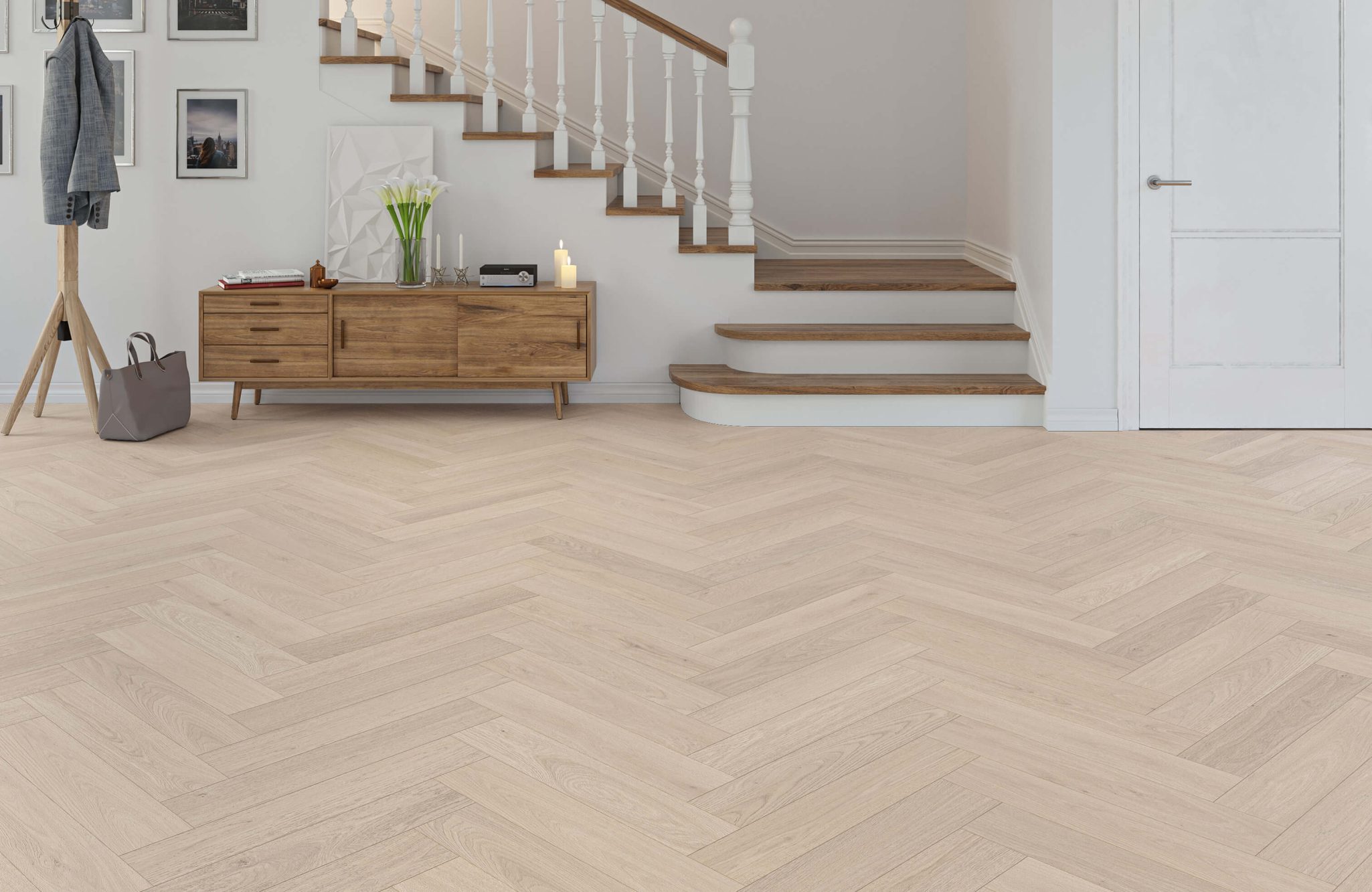
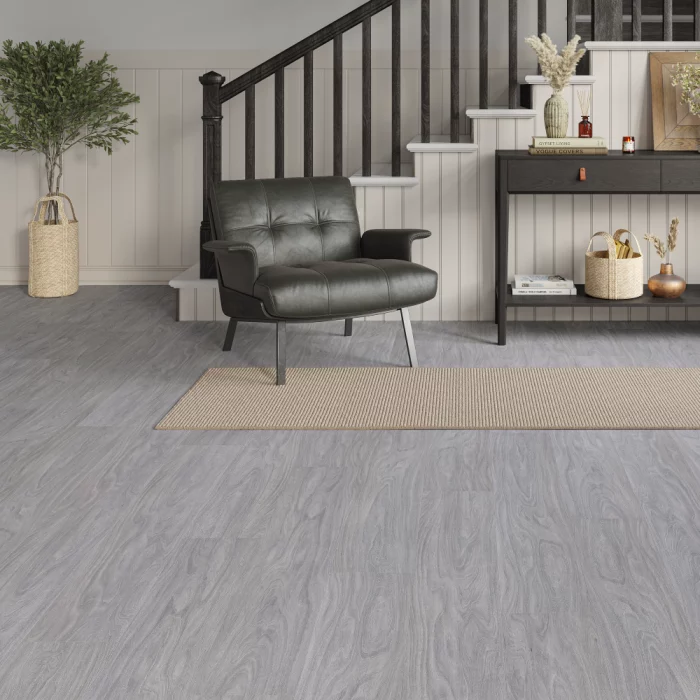
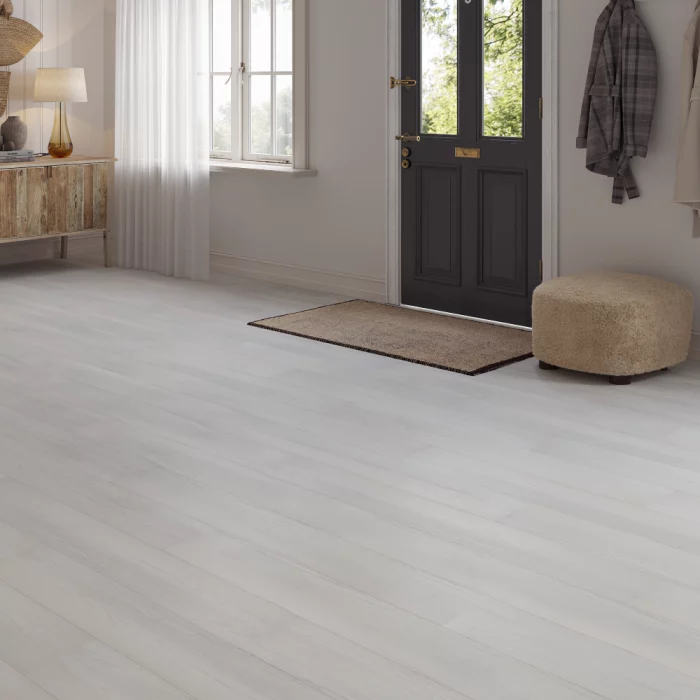
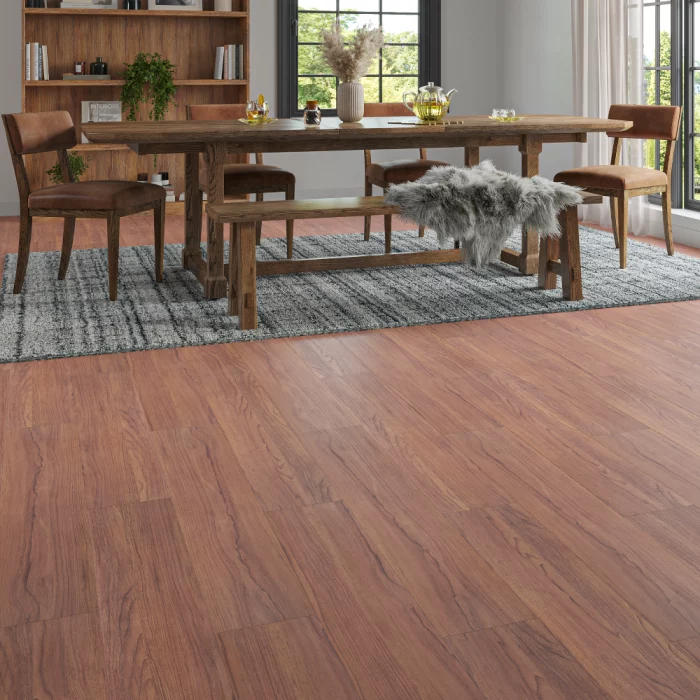
Home ownership in Lincoln has fallen to 50.5%, from 55.1% ten years earlier, while private renting has climbed to 27.2%. LN1 and LN2 reach Carholme, Castle, Minster, Abbey, Boultham and Glebe, then continue out to Nettleham, Saxilby, Sudbrooke, Cherry Willingham, Scampton, Stow, Collingham and Dunholme and Welton. Semi-detached housing is the largest single type at 30.7%, with terraces just behind on 29.6%. A rented market of that size turns floors over quickly, so how easily a covering can be lifted and replaced counts for as much as its wear rating; click-fit systems over a decent underlay suit it. Older terraces in the inner wards commonly have suspended timber below; airbricks should be left clear and the boards checked for damp before anything is fixed down.
Lincoln combines internationally significant heritage architecture in the Bailgate and Cathedral Quarter with Victorian terraces in Uphill and Newport, modern family developments at Bracebridge Heath and Witham St Hughs, and characterful properties across surrounding Lincolnshire villages. The Cathedral, Castle and growing university drive a strong, year-round renovation and rental market.
The city divides on a hill, and on a sloping site the ground floor is often not one floor. A house built into the slope may step down between rooms, and an internal step needs its own nosing — the part most often left to the fitting day.
Delivery times and options depend on the delivery postcode. See Delivery & Returns for the applicable estimate.