

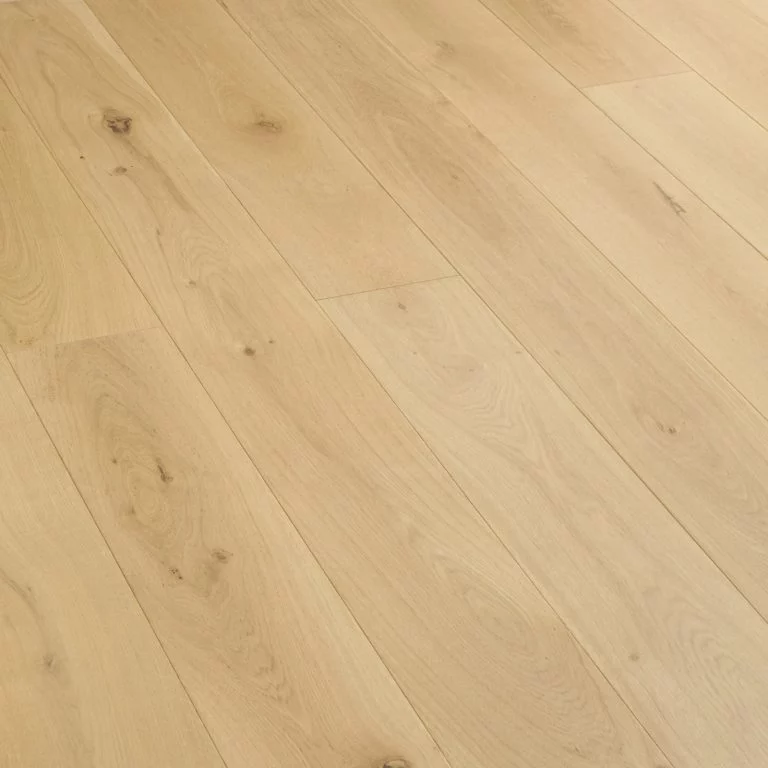
Laminate AC Ratings Explained
AC1 to AC6 under EN 13329, the use classes of ISO 10874, what neither says about water, and what the AC4 boards in the range carry.
Every box of laminate carries a rating that begins with AC, and most of what is written about it online is a guess dressed as a rule. The rating is real, it is defined in the product standard, and it measures one thing. This guide sets out what that thing is, what the second classification on the same declaration means, and what neither of them tells you.
On this page
What AC measures
EN 13329 is the European standard for laminate floor coverings, the boards whose surface layer is based on aminoplastic thermosetting resins, and it sets out their characteristics, requirements and test methods, down to how they are marked and packed. Among those characteristics is abrasion resistance, and the standard classifies it in abrasion classes from AC1 to AC6. The European laminate producers' own environmental declaration for direct-pressure laminate states the property as "Abrasion Class EN 13329" with the range AC1 to AC6, and that is the whole of the scale.
Abrasion is wear by rubbing: grit under a shoe, a chair leg dragged across the same path, a dog's claws on the route to the door. The abrasion class describes how long the surface layer resists that before the decor beneath it shows through. It is a measure of the surface, and only of the surface.
The other number: the use class
The same declaration usually carries a second classification, and it is the one that answers the question people ask the AC rating. EN ISO 10874 classifies floor coverings by the area and the intensity of use: classes 21, 22 and 23 for domestic use at moderate, general and heavy intensity, 31 to 34 for commercial use and 41 to 43 for industrial use. EN 13329 builds its own classification of areas and levels of use on that system. So when the question is "is this board right for a hallway", the use class is written to answer it and the abrasion class is one of the inputs behind it.
How the two relate is set out in the standard's tables, which are not reproduced here. What matters when buying is that the datasheet states both, and that the use class is the one written for the room.
What neither number says
What the laminate in the range carries
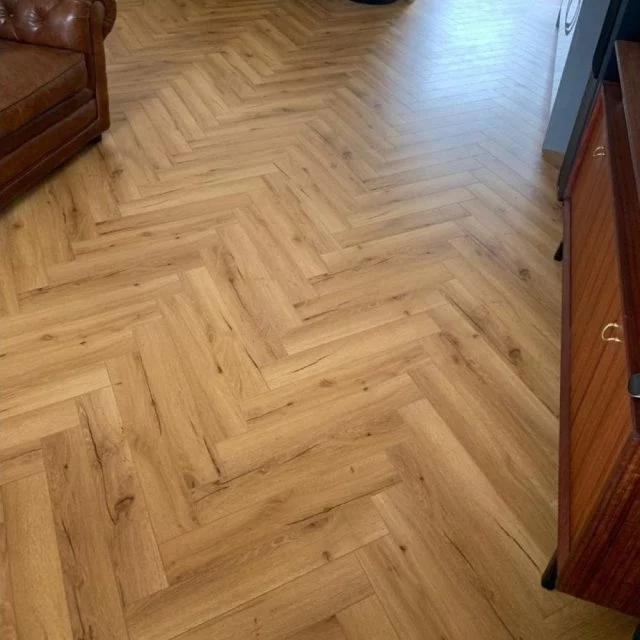
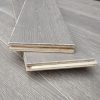
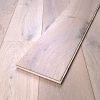
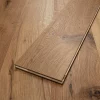
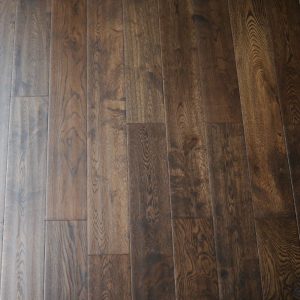
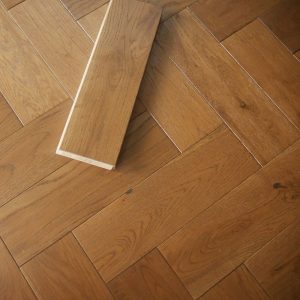
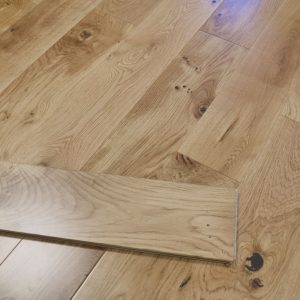
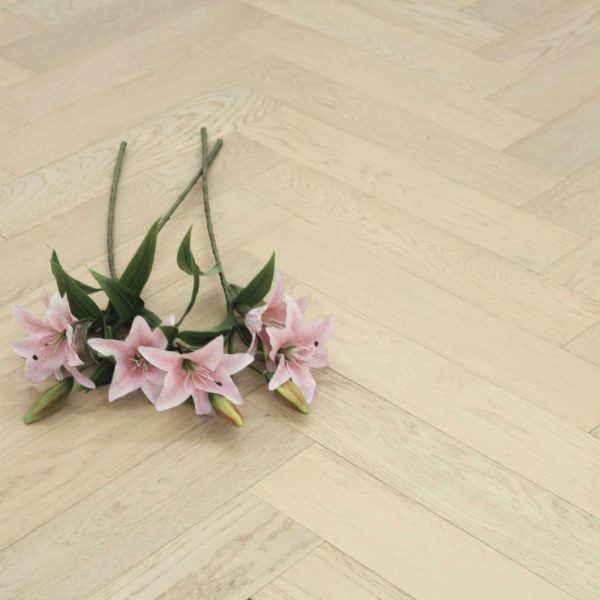
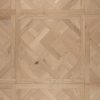
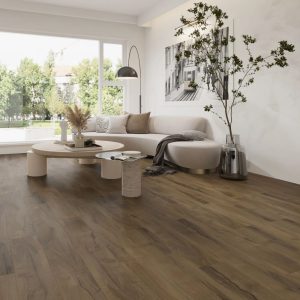
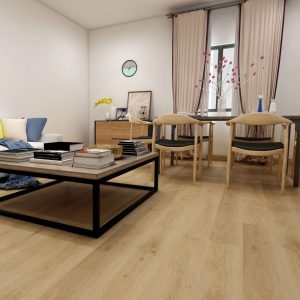
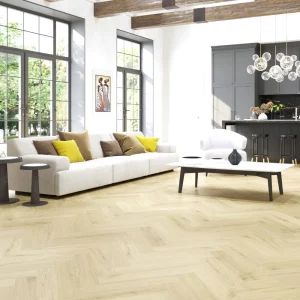
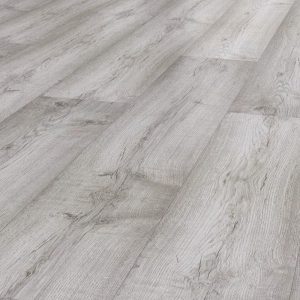
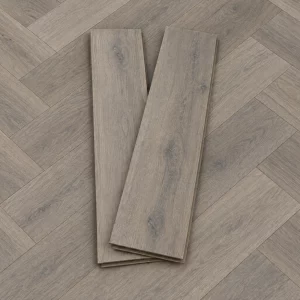
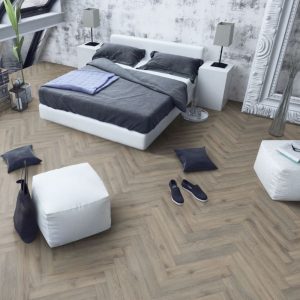
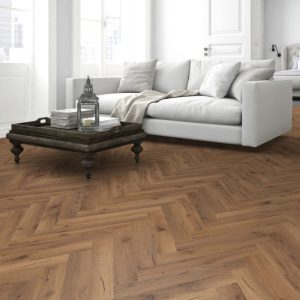
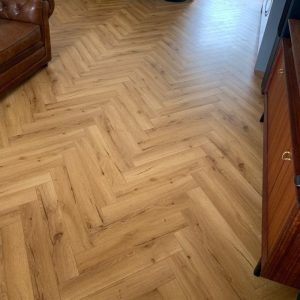
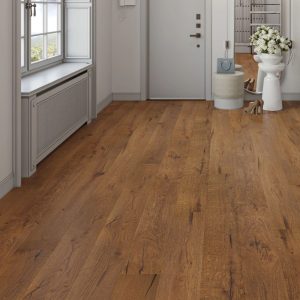
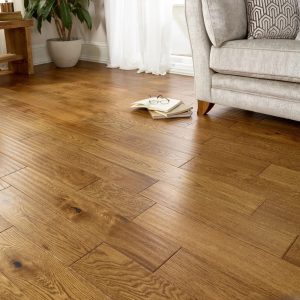
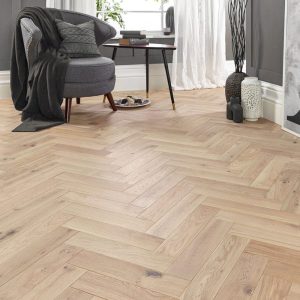
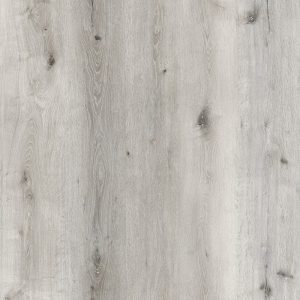
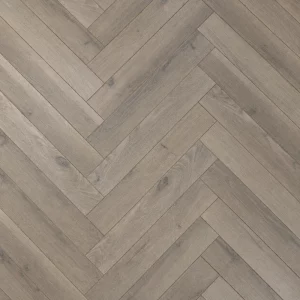
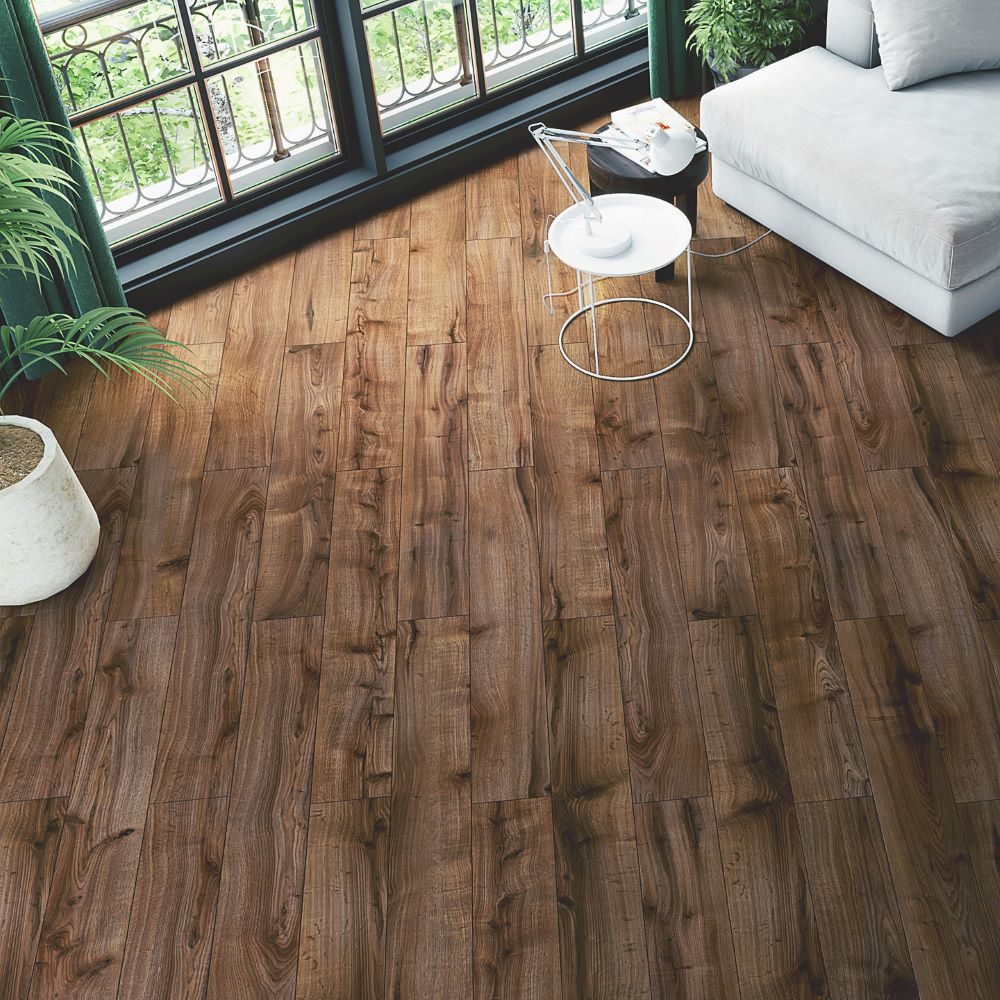
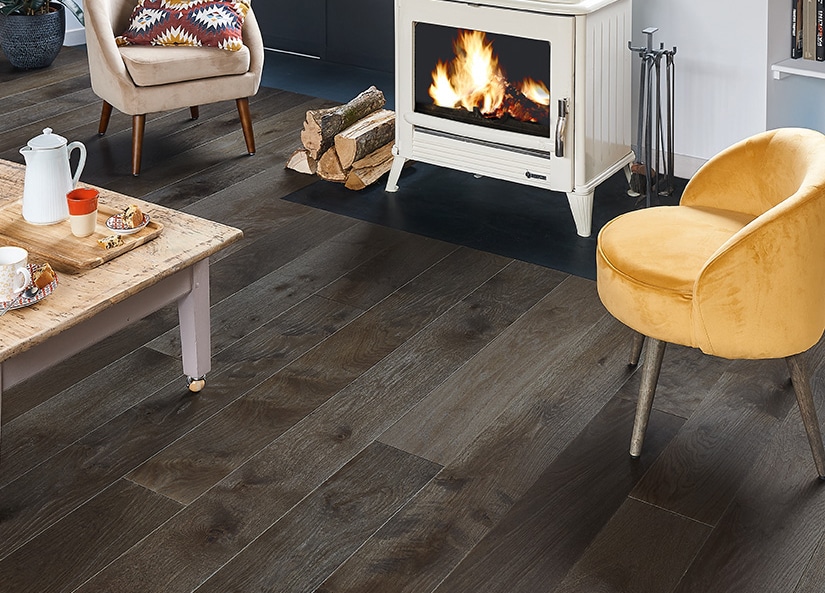
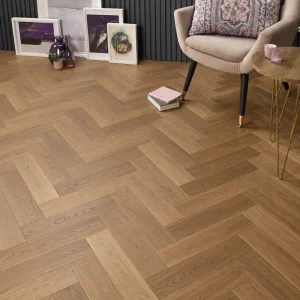
The 5 laminate blocks in the range share one specification: an HDF core, 12 mm thick, 100 mm by 600 mm, laid as herringbone with a click joint, abrasion class AC4, 32 blocks to a box for 1.92 m², listed as compatible with underfloor heating and carrying a 15-year manufacturer's warranty. The decision between them is the design, from the grey of Durham and the greige of Canterbury to the smoked oak of York, because the rating does not change from one to the next.
The use class for the boards is stated on the declaration that accompanies them, and that, rather than the AC4, is the line to check against the room.
Formaldehyde: the E1 on the same label
Laminate has a wood-fibre core bonded with resin, so the declaration also carries an emission class. E1 is the class for wood-based products including laminate flooring; an E1 product releases no more than 0.1 ppm of formaldehyde into the air around it, determined by the chamber method of EN 717-1. It is a separate property from the AC rating and a separate line on the label.
How the rating meets the floor
Laminate is, in the words of the European producers' technical bulletin, by conception intended for floating installation; a full-surface adhesive bond is an exception for special circumstances and needs the manufacturer's confirmation first. A floating floor needs an edge gap on all sides, which the same association puts at 8 to 12 mm, and an underlay. For underlays under laminate EN 16354 sets the test methods, and the producers' bulletin says the underlay's impact sound value, ISLam, should be at least 14 dB. The MMFA groups what an underlay does under three headings: levelling small unevenness so the joints sit right, protecting the board from wear beneath and from residual building moisture, and improving impact sound, walking noise, heat insulation and comfort.
The abrasion class is about the top of the board. The floor lasts as long as the top, the joint and the underlay together, and two of those three are not on the AC label at all.
Common questions
Is AC4 enough for a hallway?
The abrasion class is one input; the use class on the declaration is the classification written for the room, with 21 to 23 covering domestic use from moderate to heavy and 31 to 34 commercial. Check that line for the hallway rather than the AC number on its own.
Is a higher AC rating a better floor?
It is a more abrasion-resistant surface, which is not the same thing. The joint, the core, the underlay and the fitting decide as much of how a floor lasts as the wear of its surface, and none of those is in the abrasion class.
Does the AC rating say anything about water?
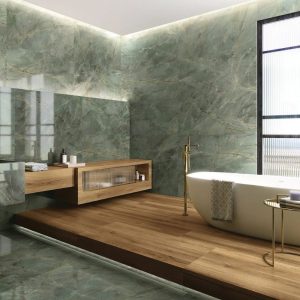
No. The standard that defines it excludes areas subject to frequent wetting, and names bathrooms, laundry rooms and saunas. For those rooms the range's answer is rigid vinyl listed as waterproof, or porcelain.
What does E1 mean on the label?
It is the formaldehyde emission class for wood-based products: an E1 product releases no more than 0.1 ppm of formaldehyde, determined by the chamber method of EN 717-1. It is unrelated to the abrasion class.
Can laminate be glued down instead of floated?
The European producers' bulletin describes laminate as intended by conception for floating installation and treats a full-surface bond as an exception for special circumstances, to be confirmed with the manufacturer first. The boards in the range are click boards for floating installation.
Which rooms take the most abrasion depends on how a house is lived in, and that differs between a terrace with the front door onto the street and a semi with a hall. Browse by town and region.
What the published standards say
Who publishes this guide
- Samples £1.99 each
- UK-wide delivery
- Advice before you order