

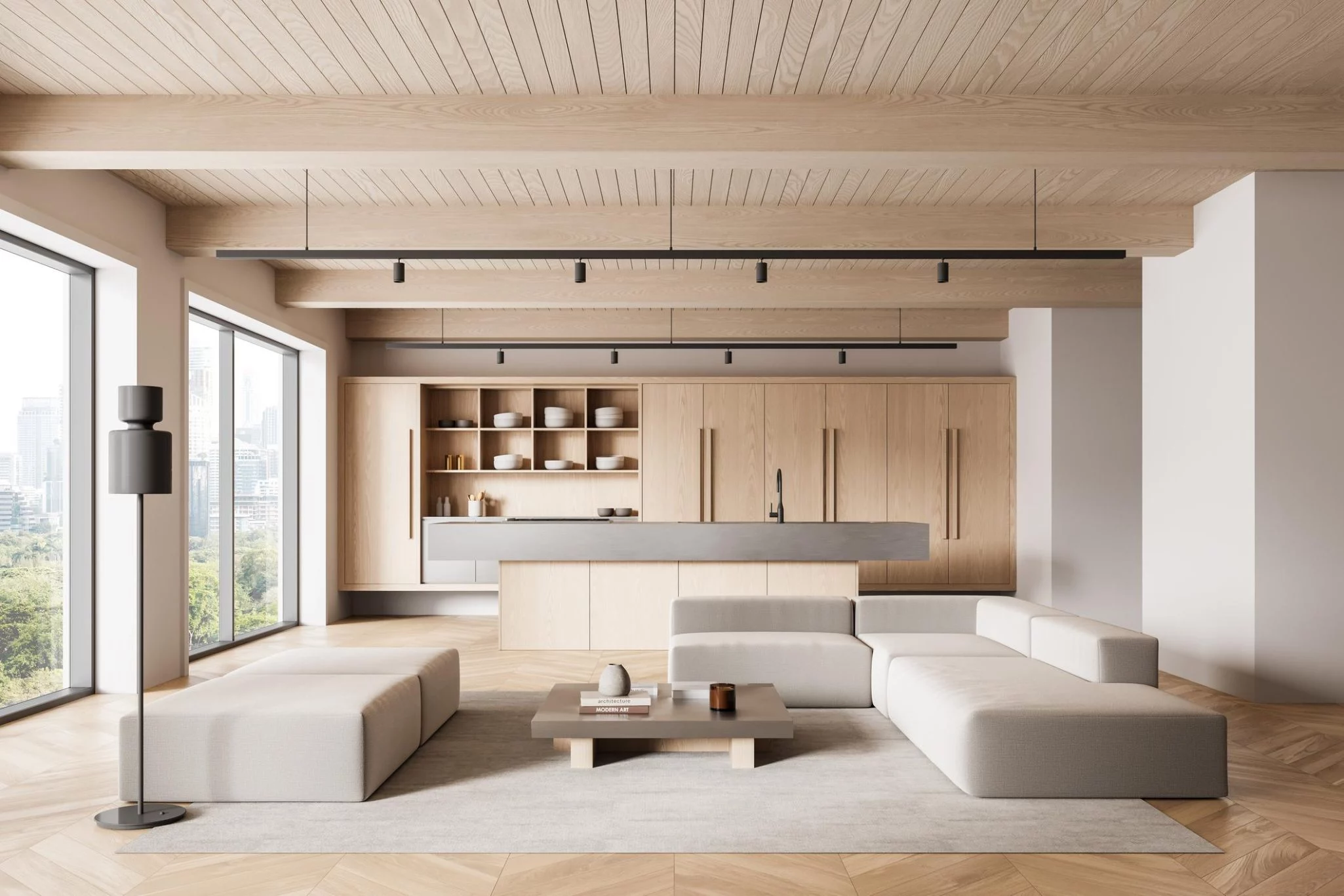
Flooring for Period Homes
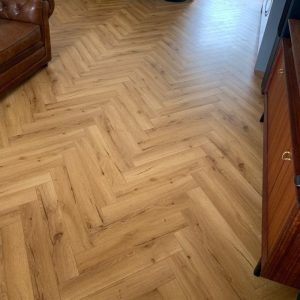
Suspended timber floors, solid oak to BS EN 13226, herringbone and Versailles panels, ground-floor damp, and why the solid oak stays off underfloor heating.
A Victorian terrace, an Edwardian semi and a 1930s house between the wars share a floor that a new build does not have: timber boards on joists over a ventilated void, with a solid floor, if there is one, only in the kitchen and the hall. Flooring one of these houses is a different job from flooring a screed, and it is where most of the folklore about wood floors comes from. This guide sets out what the construction asks for, which floors in the range answer it, and the questions to settle before ordering.
On this page
The floor you already have
A suspended timber floor moves. The joists span between sleeper walls or from wall to wall, the boards on top have been drying and shrinking for a century, and the void beneath is ventilated through airbricks in the outside wall. That void is the point: the air moving under the floor keeps the timber dry, and the floor stays sound as long as the airbricks stay clear. A floor laid on top of the old boards inherits their condition. Loose boards are screwed down, boards that rock are packed, and a plywood overlay is often the difference between a floor that stays flat and one that follows every ridge beneath it.
BS 8201:2011 is the UK code of practice for installing flooring of wood and wood-based panels, and it gives recommendations on the material, the environment and the installation, the three variables the standard says together decide how a wood floor performs. A fitter who quotes to it is quoting to the document written for this job.
The ground floor and damp
Approved Document C, paragraph 4.2, asks that floors next to the ground resist the passage of ground moisture to the upper surface, not be damaged by moisture from the ground or by groundwater, and resist the passage of ground gases. A period house predates the document, and its answer to the same requirement is the ventilated void rather than a membrane. Where a solid floor exists in an older house, a kitchen quarry-tile floor on a bed of concrete, a hall laid in the 1950s, it may have no damp-proof membrane at all, and a wood floor cannot be laid over it until that is known. The test is the one used for any screed: a hygrometer sealed to the surface inside an insulated box, left to reach equilibrium, with at least four hours before the first reading on a 50 mm screed with the membrane beneath and 72 hours where the membrane lies below the base slab. For solid timber the reading must not exceed 65 per cent relative humidity, against 75 per cent for resilient coverings. An old solid floor with no membrane will not usually pass, and the answer is a surface membrane or a different floor, not a hope.
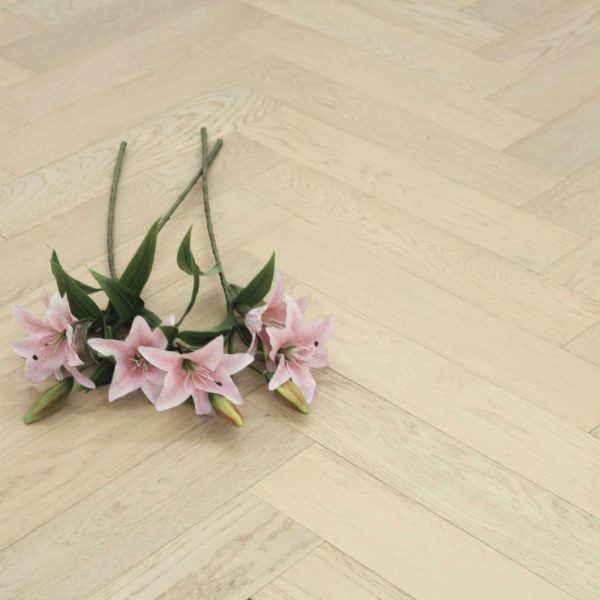
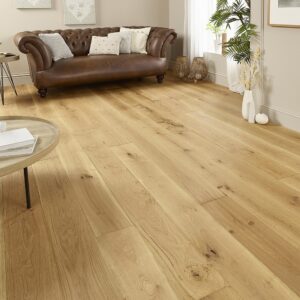
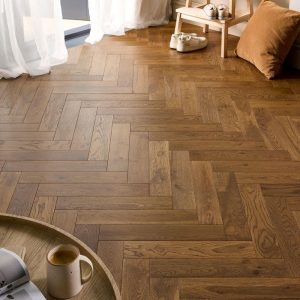
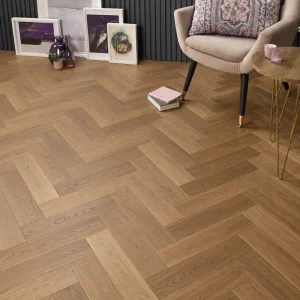
The floors that belong in the house
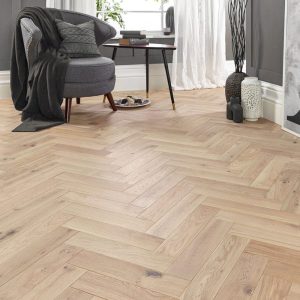
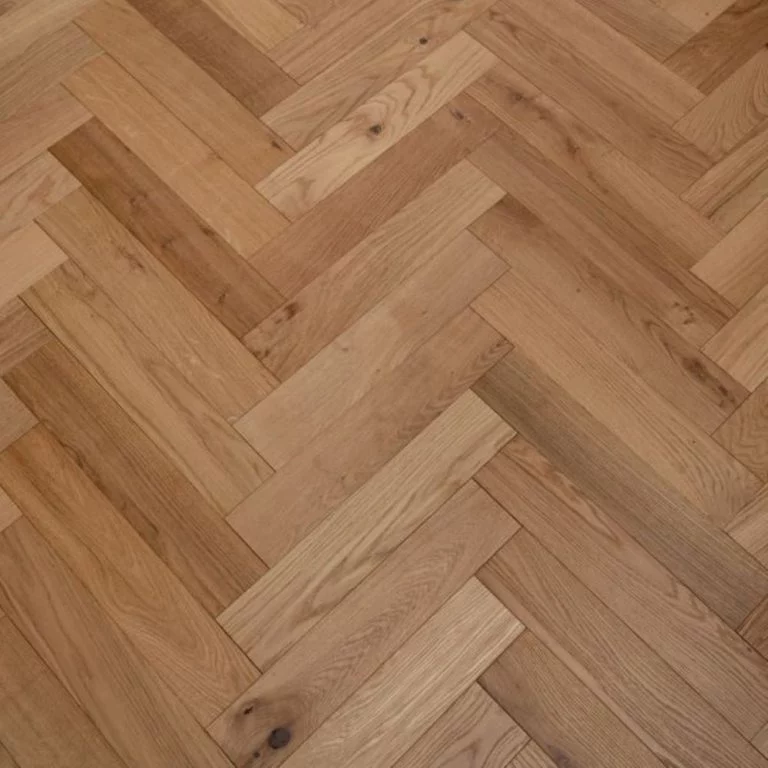
Underfloor heating in an old house
Retrofitting heating under a suspended timber floor is done, and it changes which oak can go on top. UK trade guidance sets no blanket ban on wood over underfloor heating but ties it to a surface temperature limit, noting that some hardwood floor finishes are installed with a maximum floor surface temperature of 27 °C. For the range that guidance is already applied in the listing: engineered yes, solid no. The underfloor heating guide has the limits and the commissioning cycle.
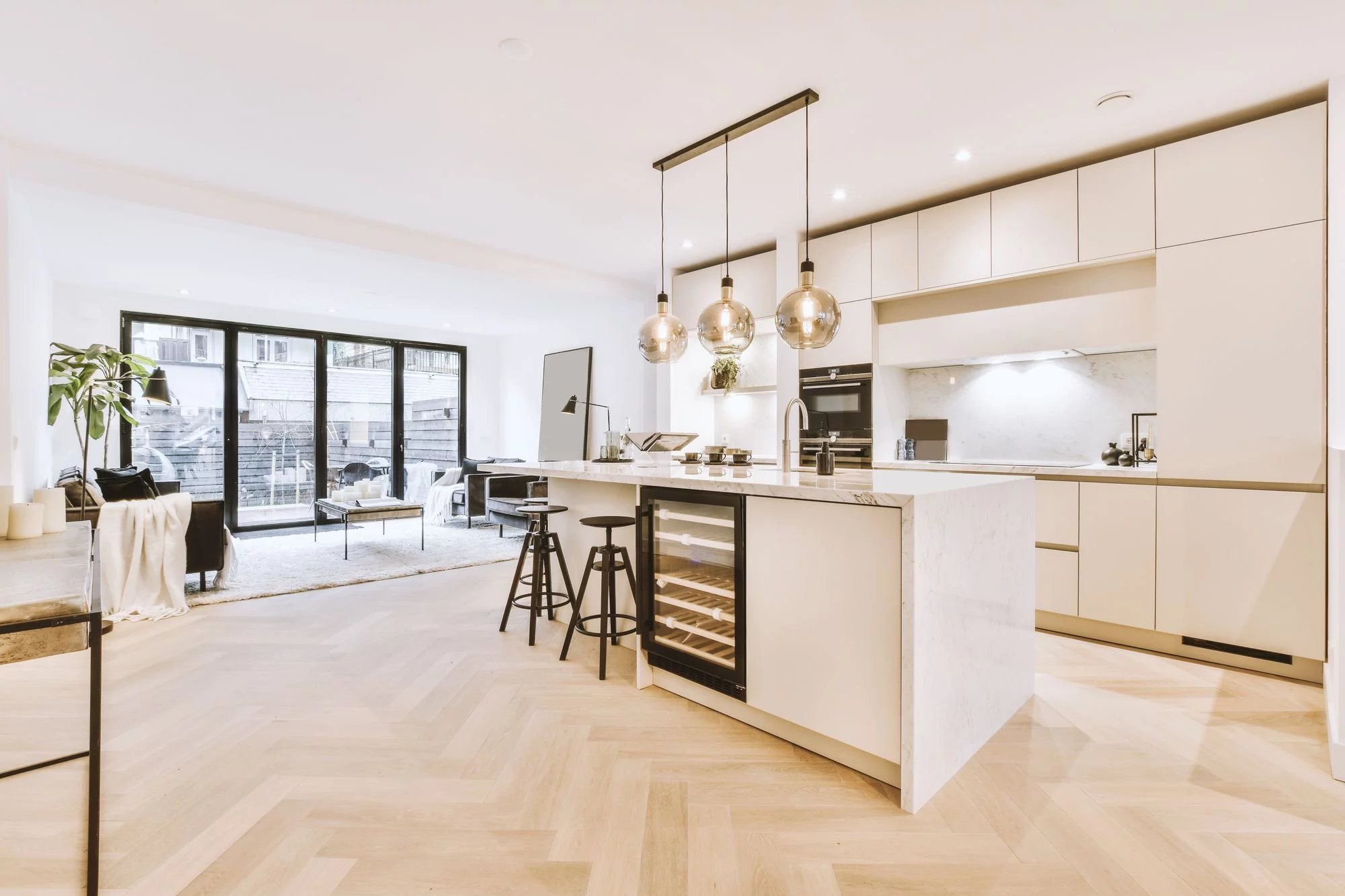
Moisture, before and after
EN 13489 requires the moisture content of a multi-layer parquet element to be between 5 and 9 per cent at first delivery, measured by the oven-dry method of EN 13183-1; the figure for solid parquet under EN 13226 was not available from a source we could read and is not stated here. The Contract Flooring Association's guide puts the room at its in-service temperature 48 hours before installation so the flooring can be kept in the room and brought to room temperature. In a period house that means the heating on, the airbricks clear and any damp in the void dealt with first, and for solid oak the boards stay in the room until a meter says they and the room agree. The moisture and humidity guide covers the rest.
Sanding, later
A period floor is bought to be refinished. A solid board offers the oak above the tongue; an engineered board offers its wear layer, and the only sourced figure on how often is a manufacturer's, Kährs, which says an engineered floor can be sanded up to four times depending on the wear layer. The wear layer guide sets 3, 4 and 6 mm against that.
Conservation areas and listed buildings
Conservation-area rules are about the outside of a building. A listed building is different, because works that affect its character, inside as well as out, can need listed building consent, and lifting original boards or blocks can count. Ask the local authority's conservation officer before the old floor comes up, not after. The range's town pages note where a town has conservation areas, and they draw on the 2021 census for the age and type of housing in each place.
Common questions
Can I lay a new wood floor over the original floorboards?
Yes, once they are sound: loose boards screwed down, rocking boards packed, and often a plywood overlay so the new floor does not follow every ridge. The void beneath must stay ventilated through the airbricks.
Can solid oak go on underfloor heating in an old house?
Not the solid boards and blocks in this range: every one is listed as not compatible. Trade guidance ties wood over heating to a surface temperature limit rather than a ban, and the range's oak for a heated floor is engineered, all of which is listed as compatible.
What if the old kitchen floor is solid concrete with no membrane?
Test it with a hygrometer sealed to the surface. For solid timber the reading must not exceed 65 per cent relative humidity, and an old slab with no damp-proof membrane will not usually pass; the answer is a surface membrane or a different floor.
Do I need consent to change the floor in a conservation area?
Conservation-area rules are about the outside of the building; a listed building can need consent for works that affect its character, inside as well as out. Ask the conservation officer before lifting original boards or blocks.
Which towns are full of Victorian terraces and which are 1930s semis is on the census, and the town pages read it. Browse by town and region.
What the published standards say
Who publishes this guide
- Samples £1.99 each
- UK-wide delivery
- Advice before you order