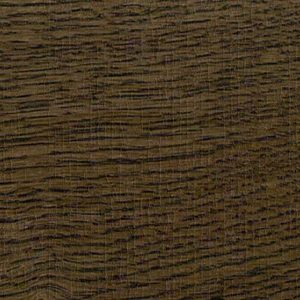
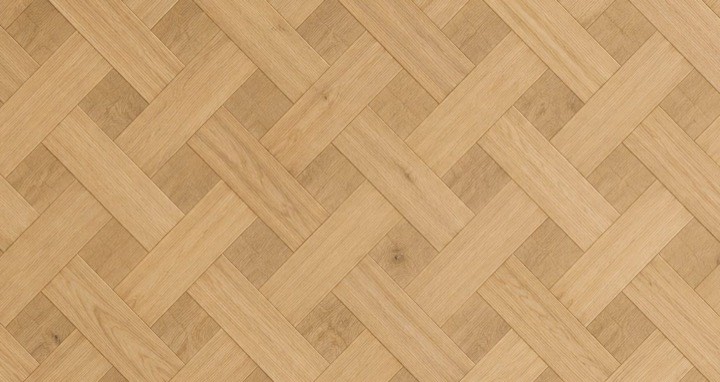
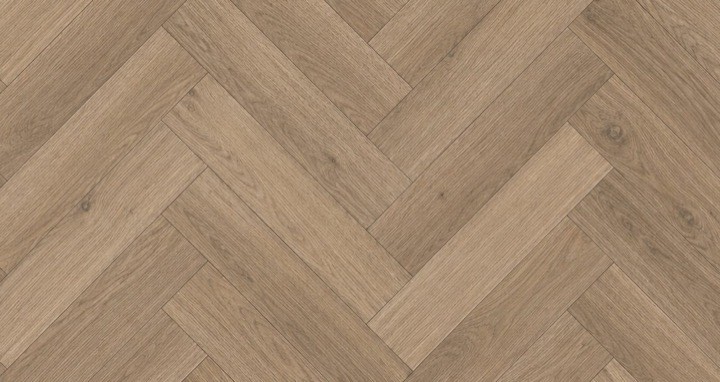
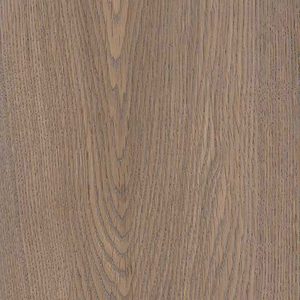
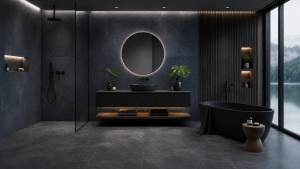
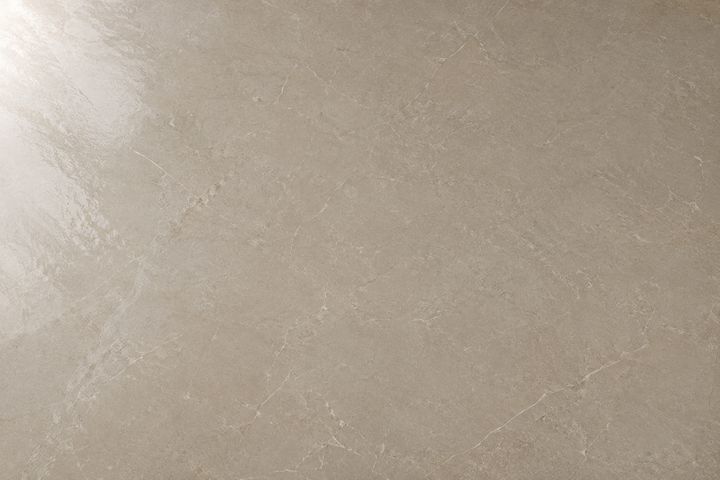
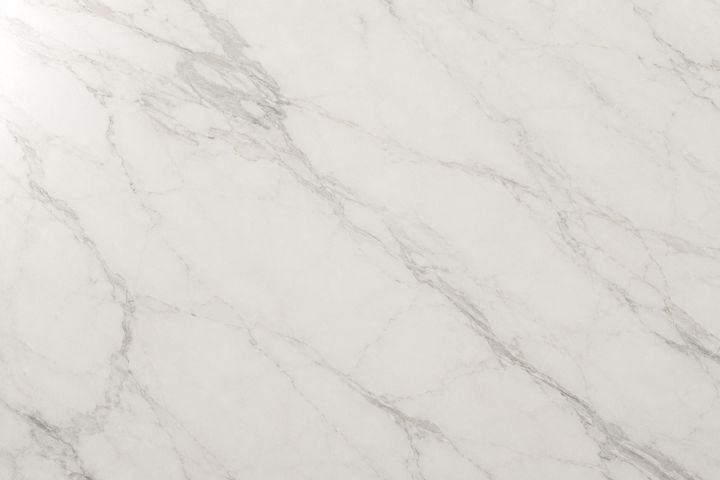
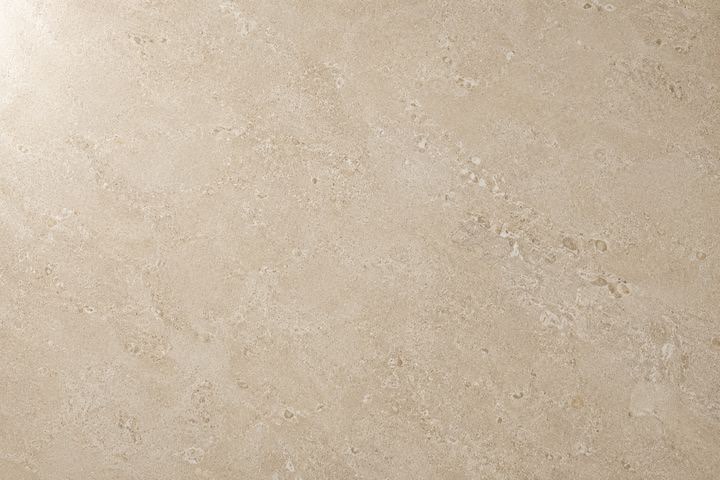
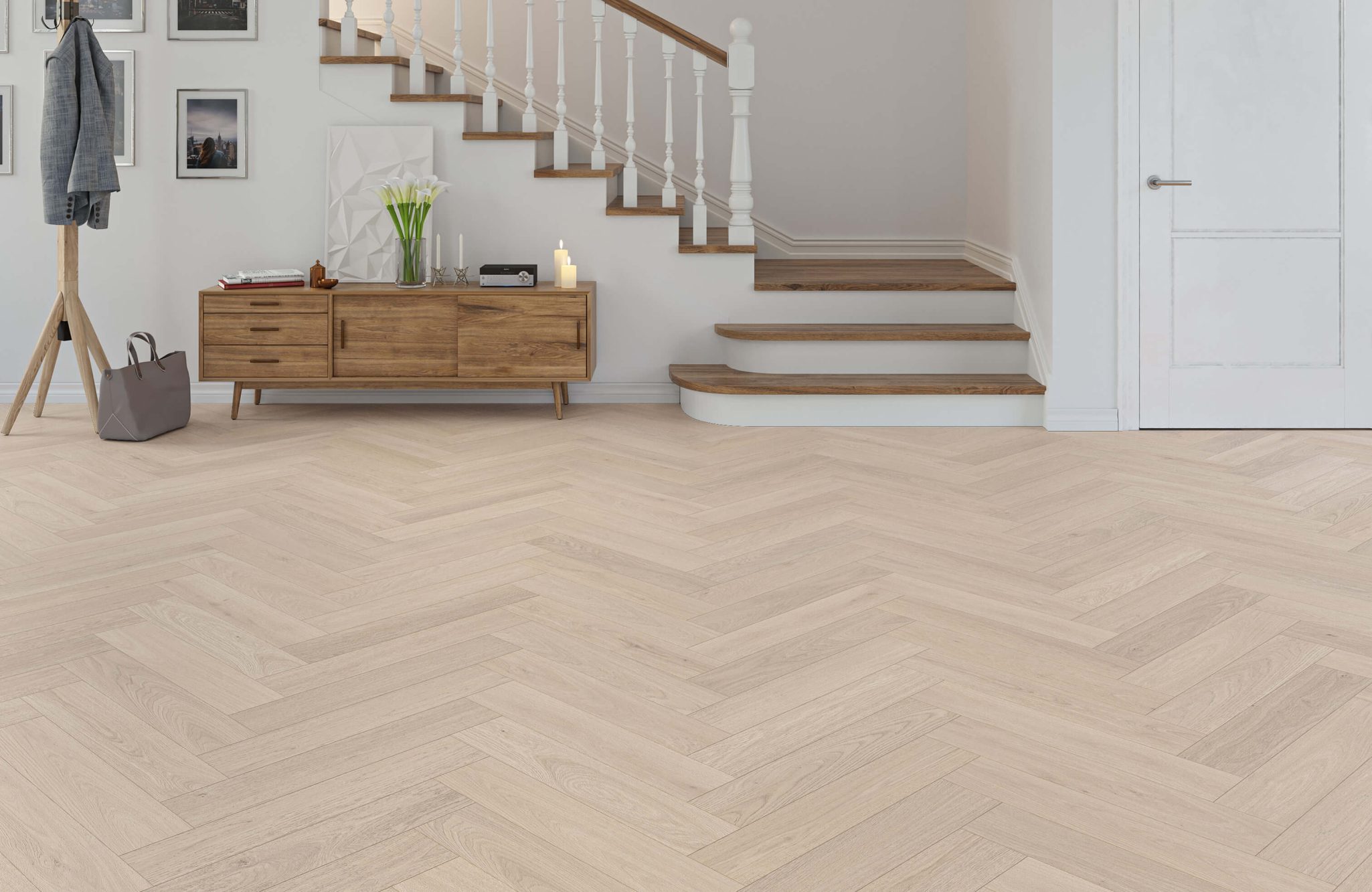
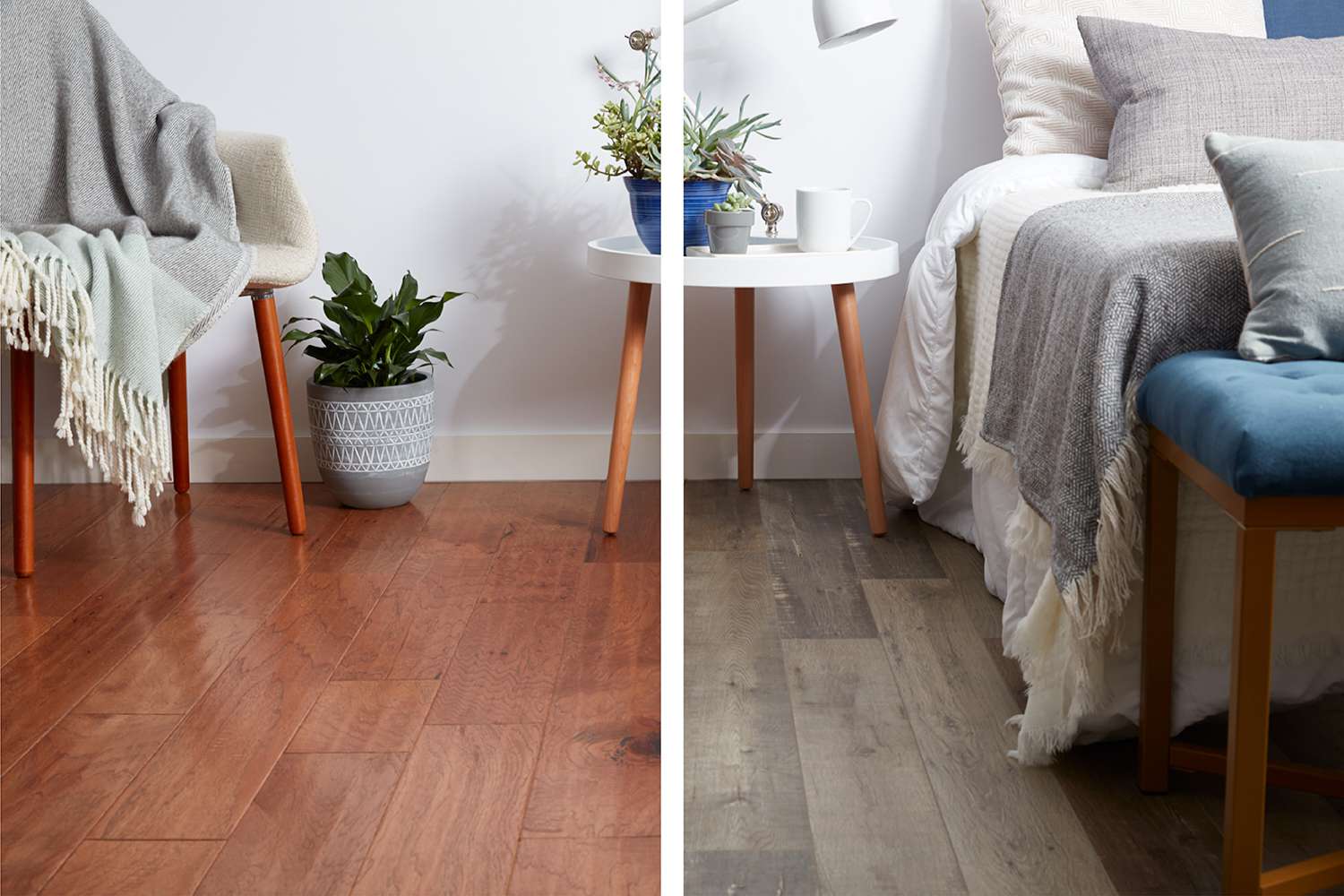
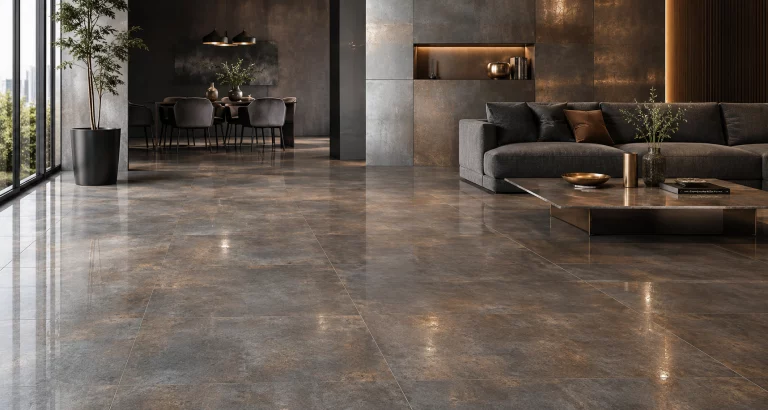
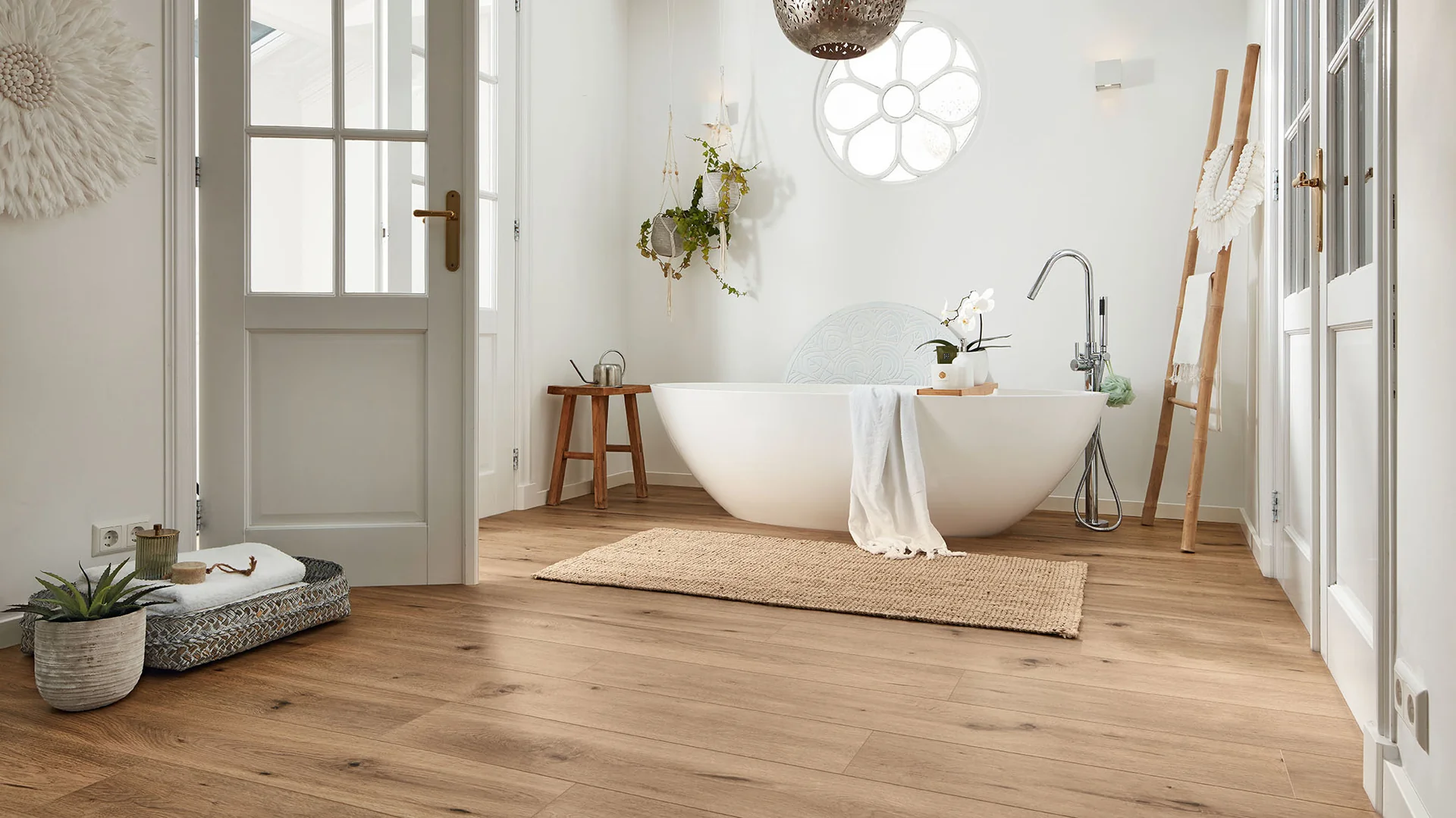
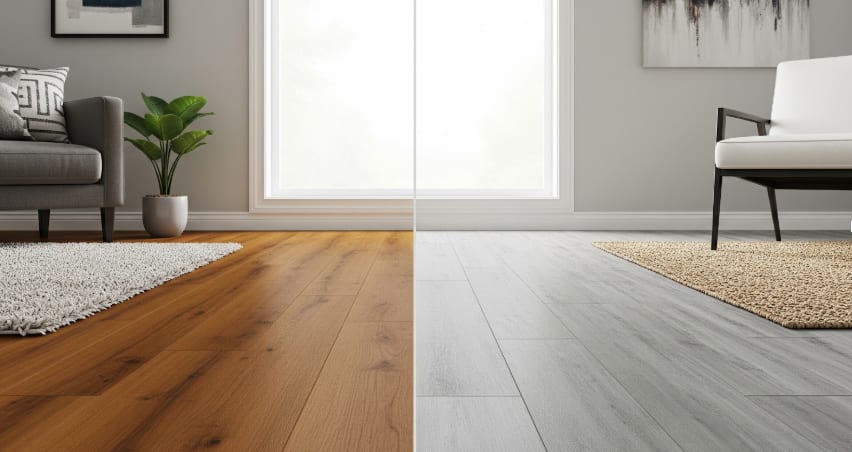
Vinyl keeps the build-up shallow enough for an original door; porcelain is denser and colder, and wants a rigid base that a converted flat does not reliably offer.
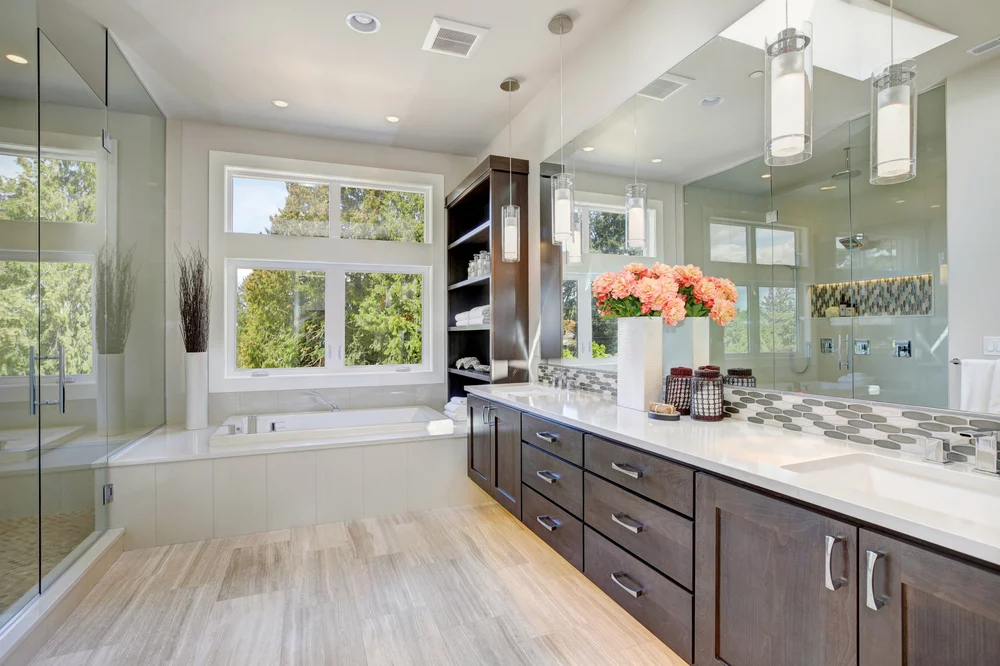
Most London bathrooms sit above another household, so the floor has two jobs before it has a look: it must not let water through, and it must not carry impact sound into the flat below. A rigid vinyl tile from the BML range answers the first at plank level, sits on its own underlay, and adds little height; a porcelain tile answers it more permanently but wants a tanked, rigid base and a lease that allows the extra weight.
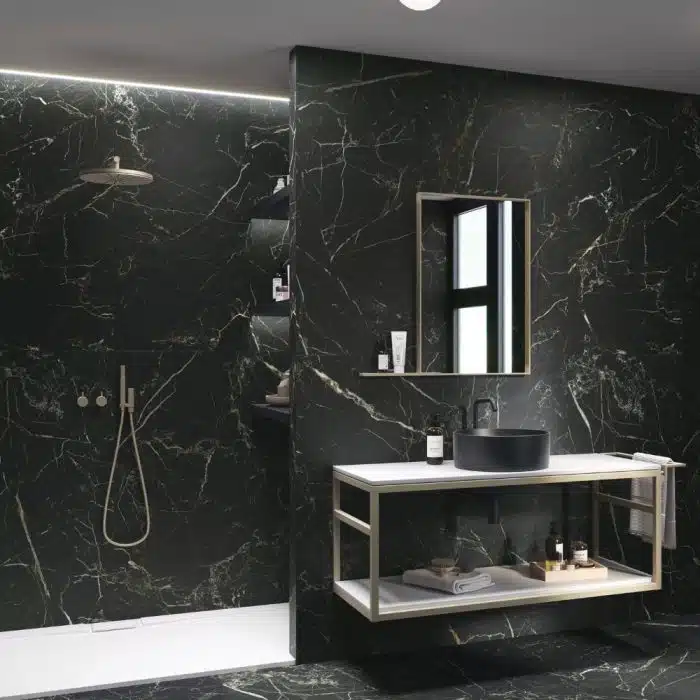
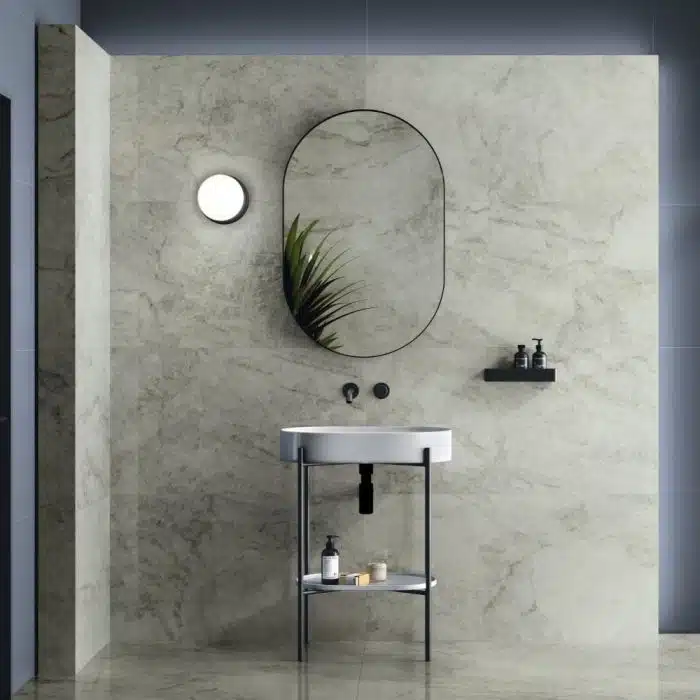
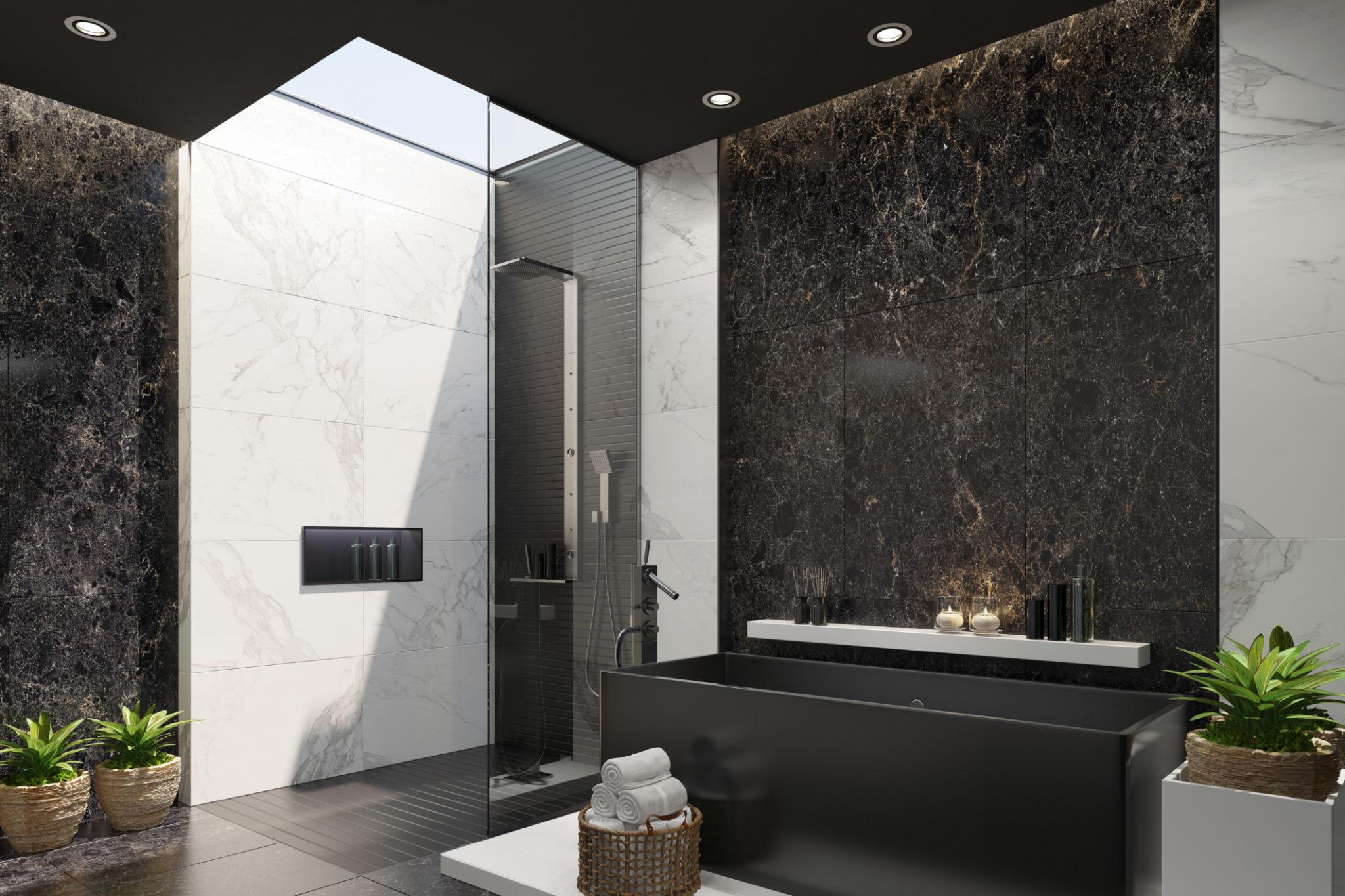
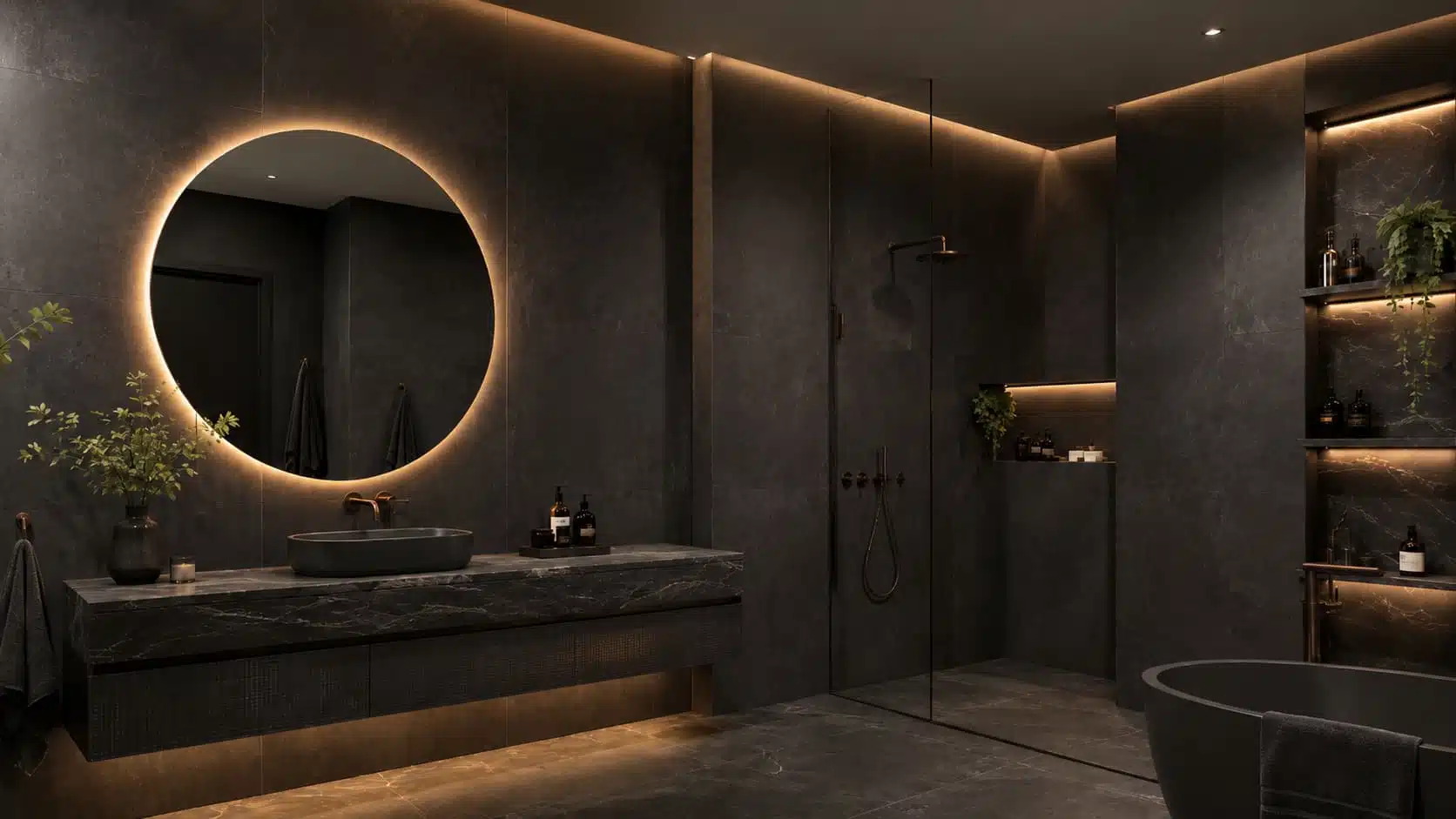
In the wet zone itself the Berry Alloc wall panels replace tiled walls with a few interlocking boards and no grout, which in a London shower room the size of a cupboard is also easier to clean than the tiling it replaces. Ventilation matters more than the surface: a pre-war bathroom with an internal window and no extractor will defeat any floor in time.
Flats are 54% of the homes in the London (33 boroughs) district, and a bathroom in a flat is the room a leak from matters most, because it is someone else's ceiling. The rigid-vinyl floor over the slab with the edges sealed to the instructions, and the panels on the shower walls without a grout line to fail, are the two choices that keep the water where it belongs.
Private renting is 30% of households in London (33 boroughs), and a rented bathroom in London is refitted more often than any other room. The rigid vinyl goes in without a wet trade and comes out the same way; the wall panels go up over existing tiles. For a let that turns over, that is the specification.