Local fact sheet
London's homes, by the numbers
London (33 boroughs) in the 2021 census: 3,423,841 households, 46% houses, 54% flats.
“Check the lease before you choose the floor, not after.”
More than a quarter of London's homes were built before 1919 and another fifth between 1919 and 1944, and over half of London households live in a flat rather than a house. Two things follow for flooring. In the pre-war stock the ground floor is usually suspended timber, so it moves, it is rarely level, and it wants a floor that can be laid over a levelled and stabilised base. In flats, the binding constraint is almost never the floor itself but the lease: most London leases carry an acoustic clause, and a hard floor laid without adequate impact insulation is a dispute waiting to happen. Check the lease before you choose the floor, not after.
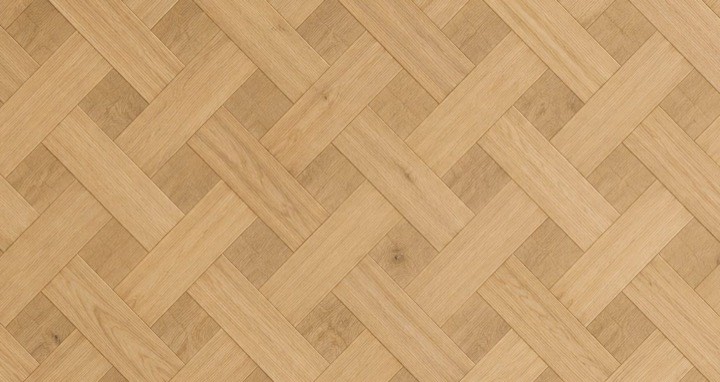
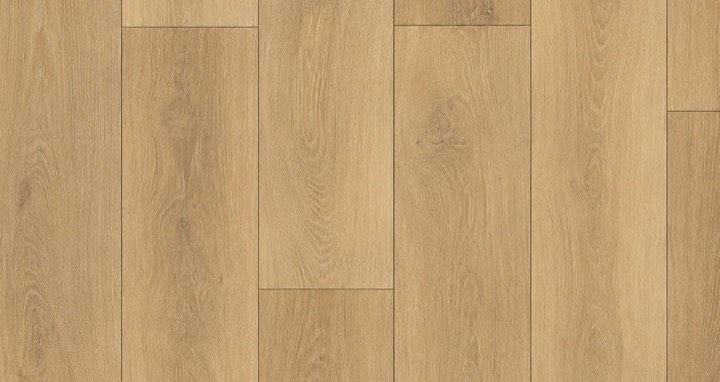
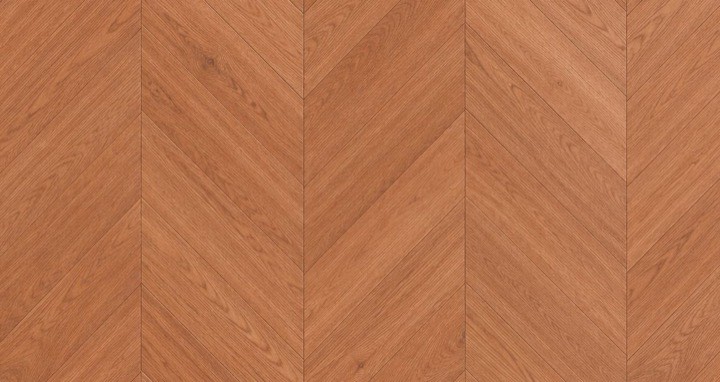
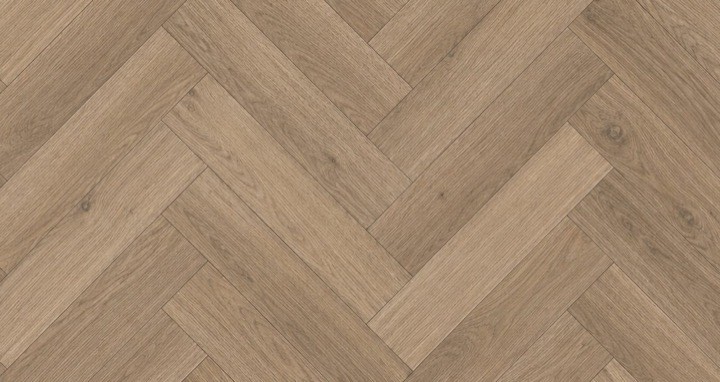
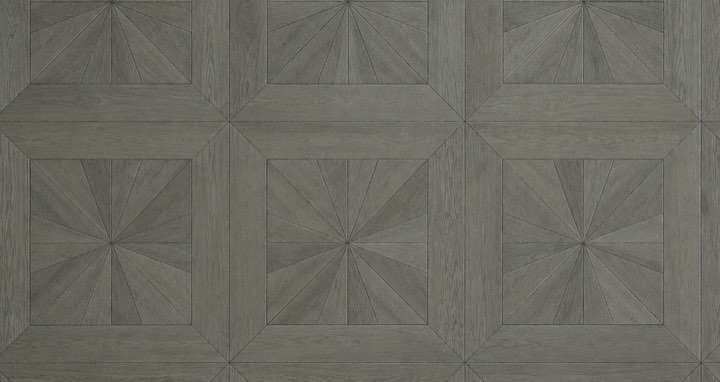
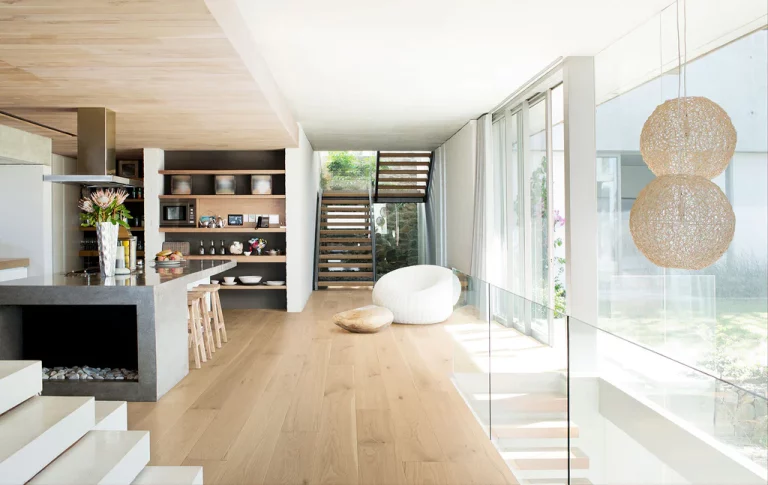
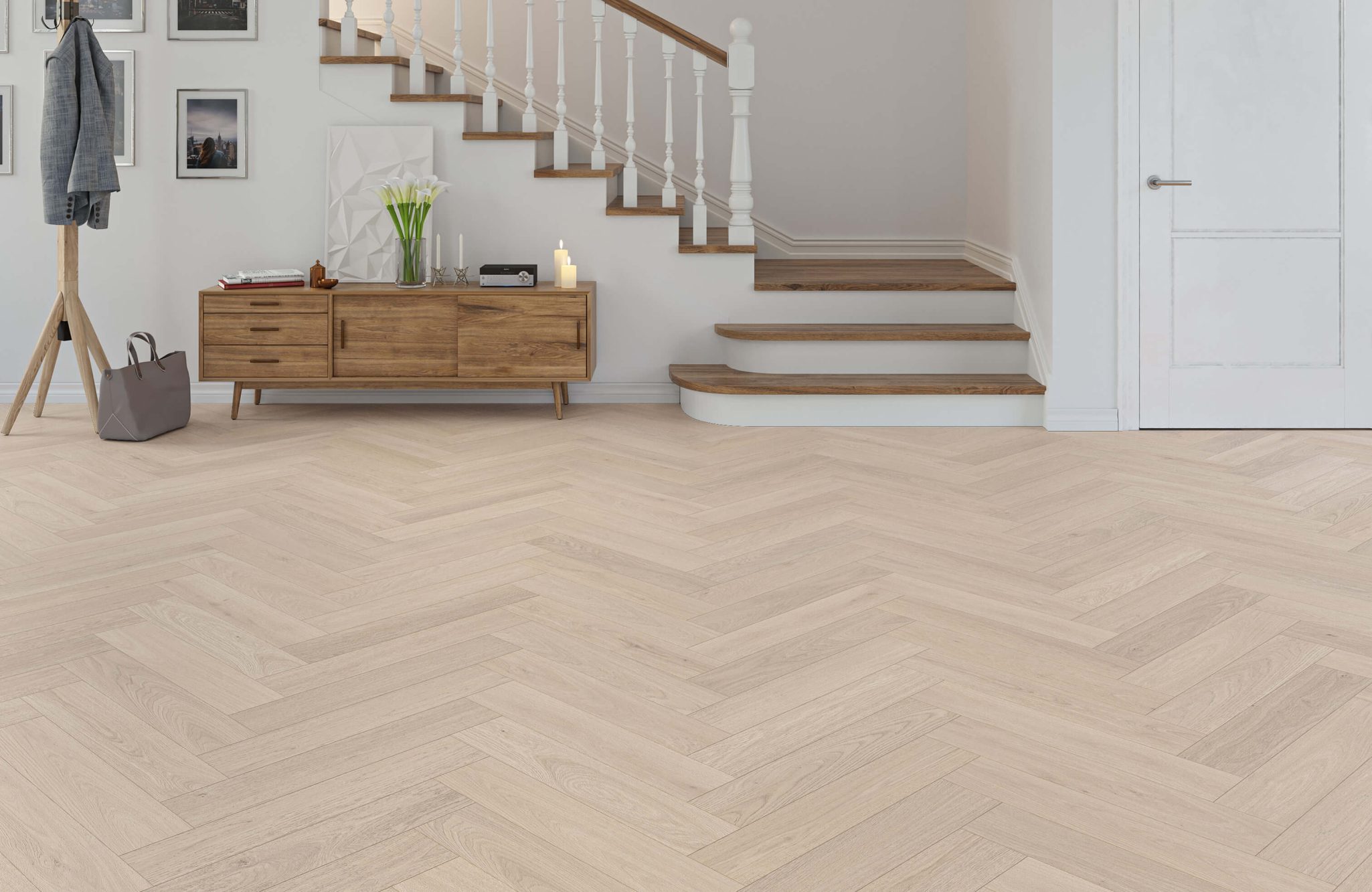
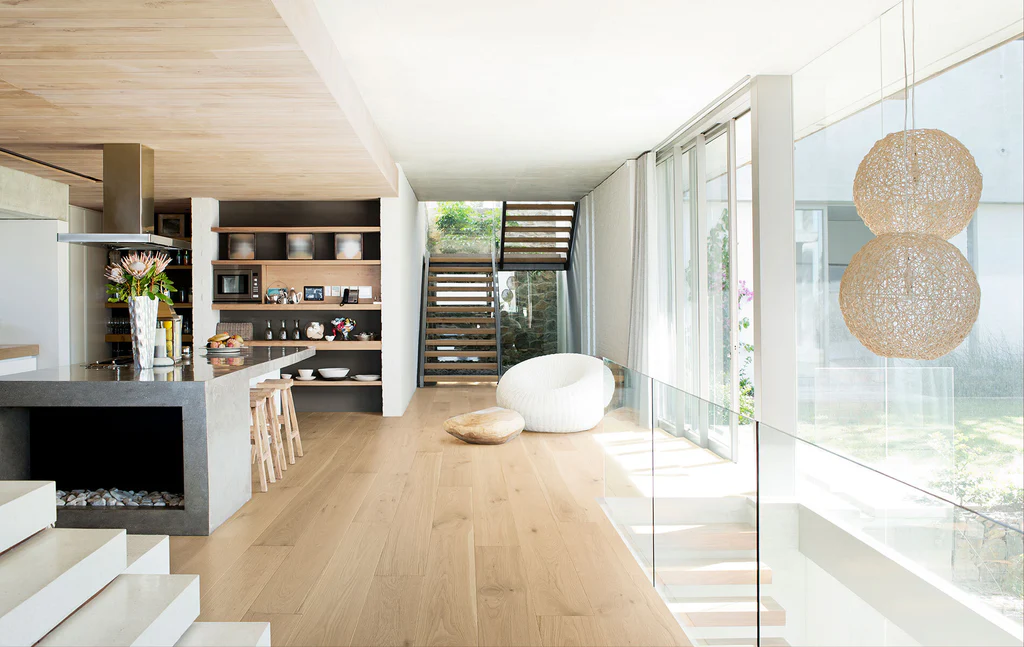
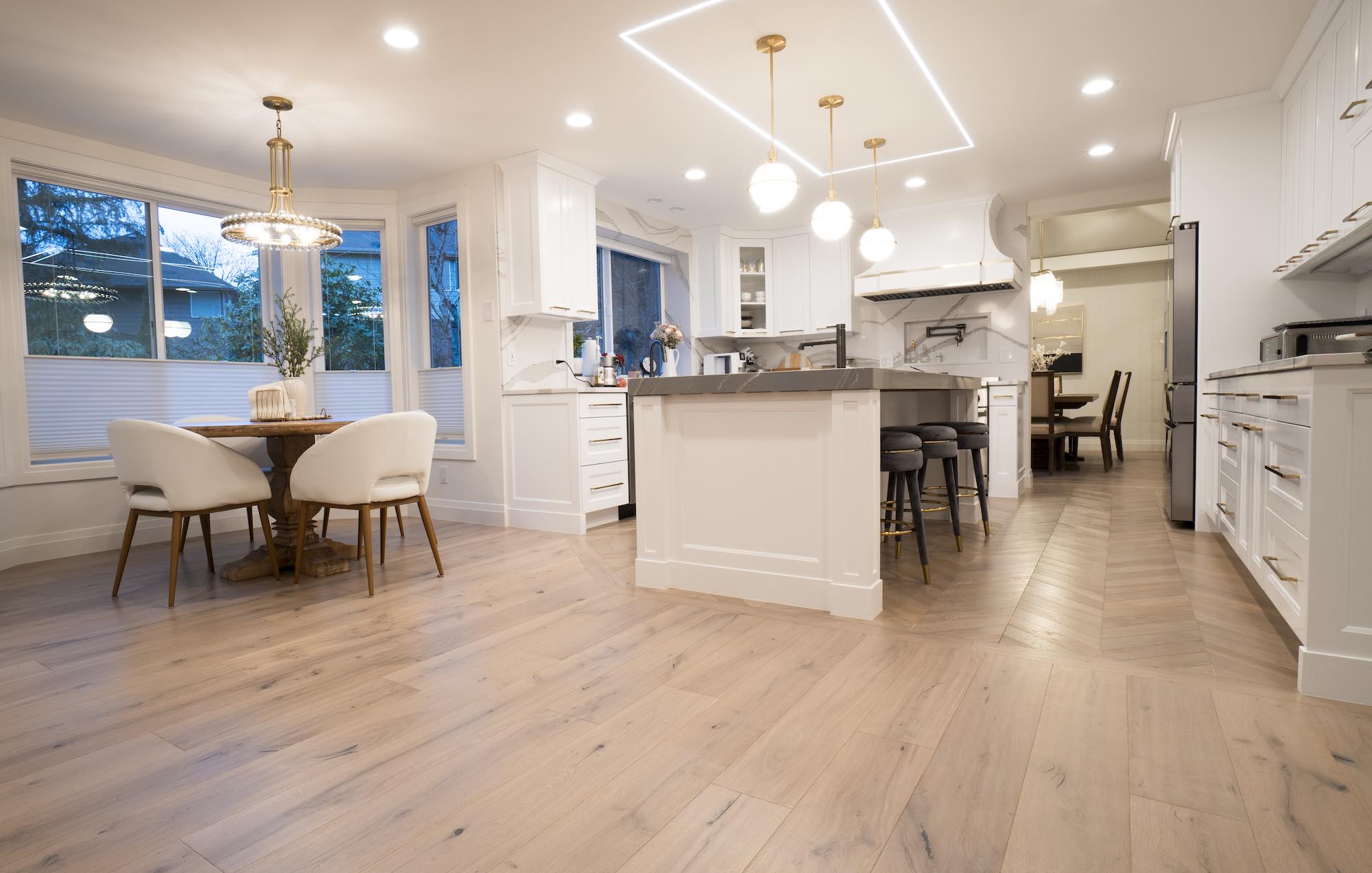
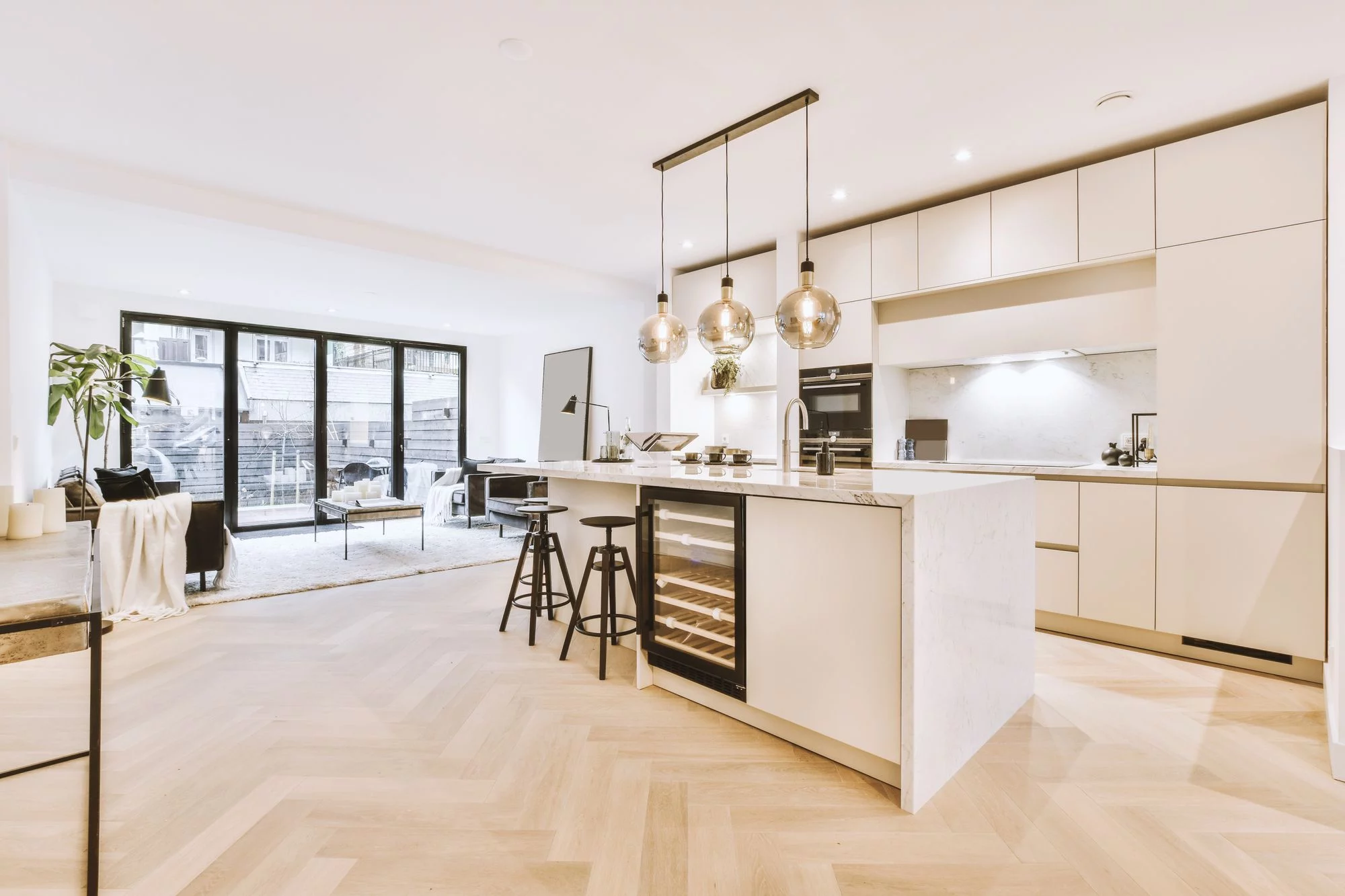
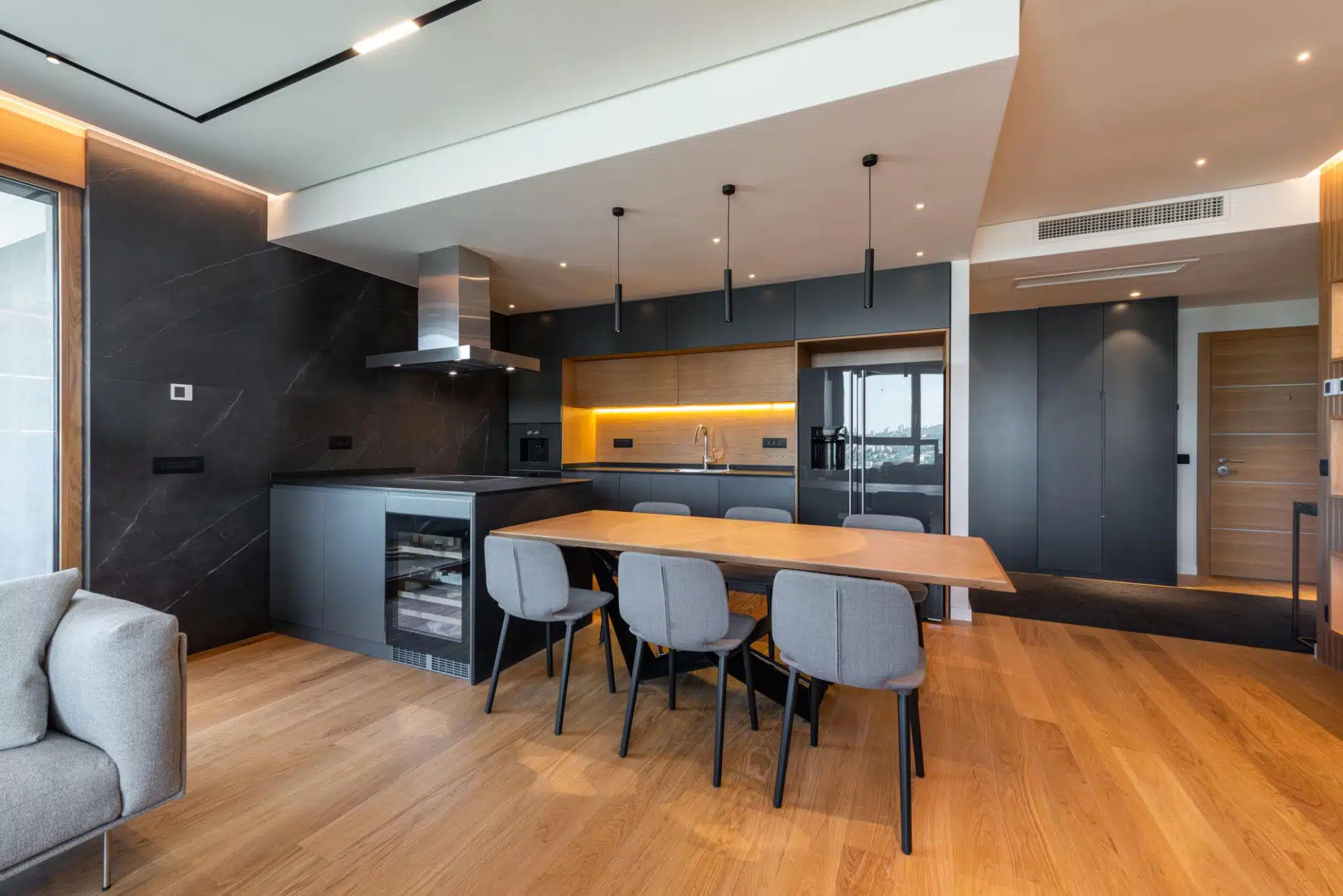
From Georgian townhouses in Islington to contemporary apartments in Canary Wharf, London properties demand flooring that matches their character. Period homes with high ceilings and ornate features call for wide-plank oak or herringbone parquet, while modern open-plan flats benefit from the clean lines of large-format porcelain tiles or engineered wood in lighter tones.
Access decides the delivery in central London more often than stock does. A long board has to reach a fourth-floor flat through a communal stair or a lift, and many blocks set delivery windows. Measure the stair turn and ask the building manager before the order goes in, not after.
Delivery times and options depend on the delivery postcode. See Delivery & Returns for the applicable estimate.