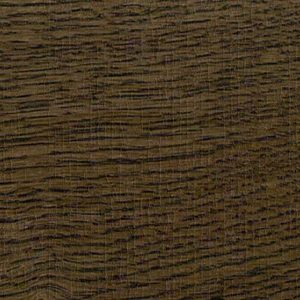
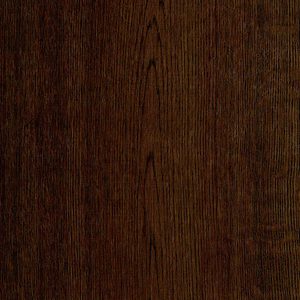
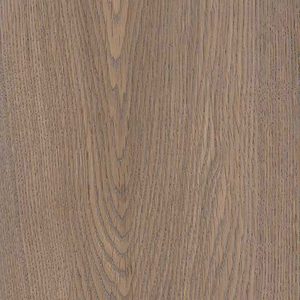
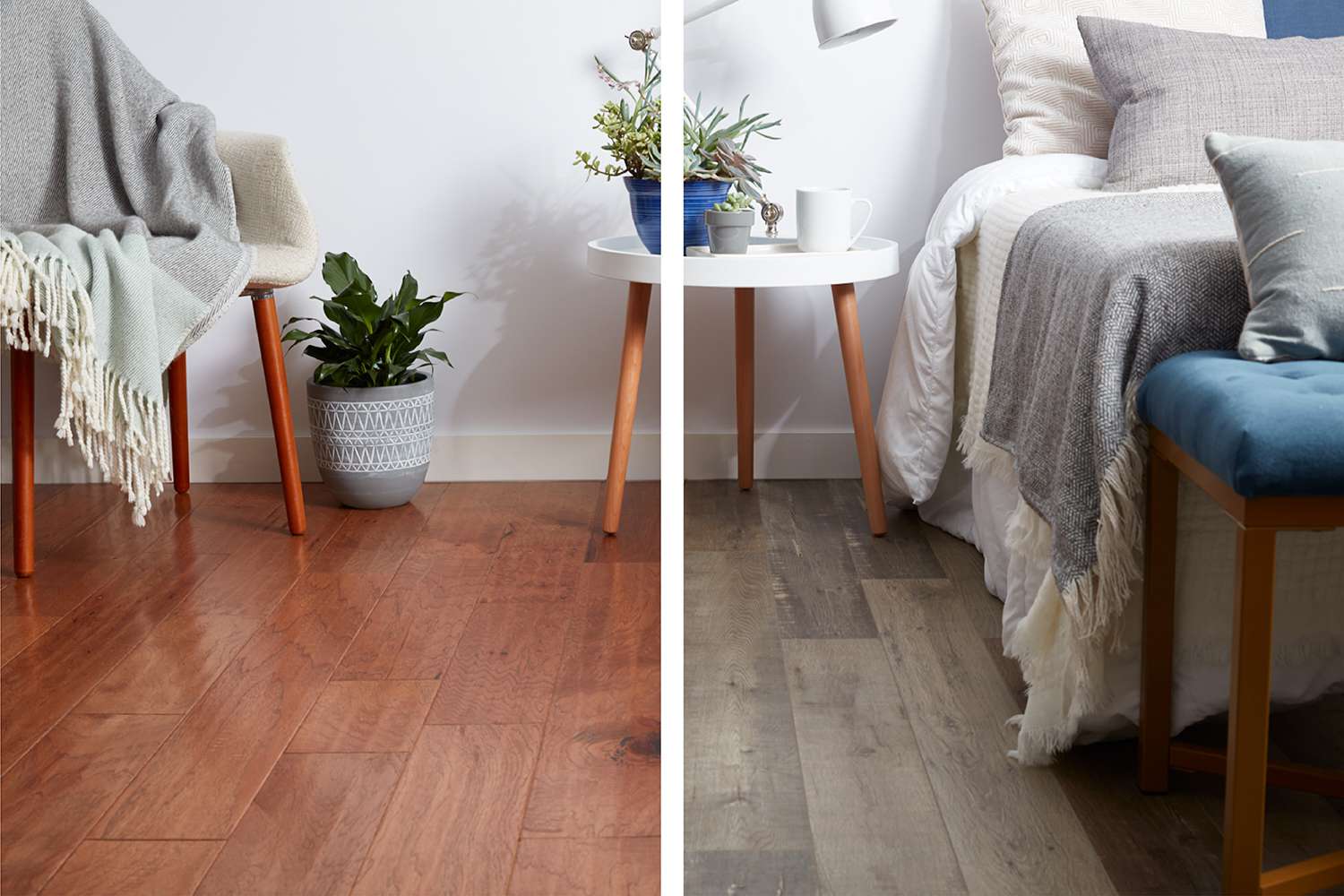
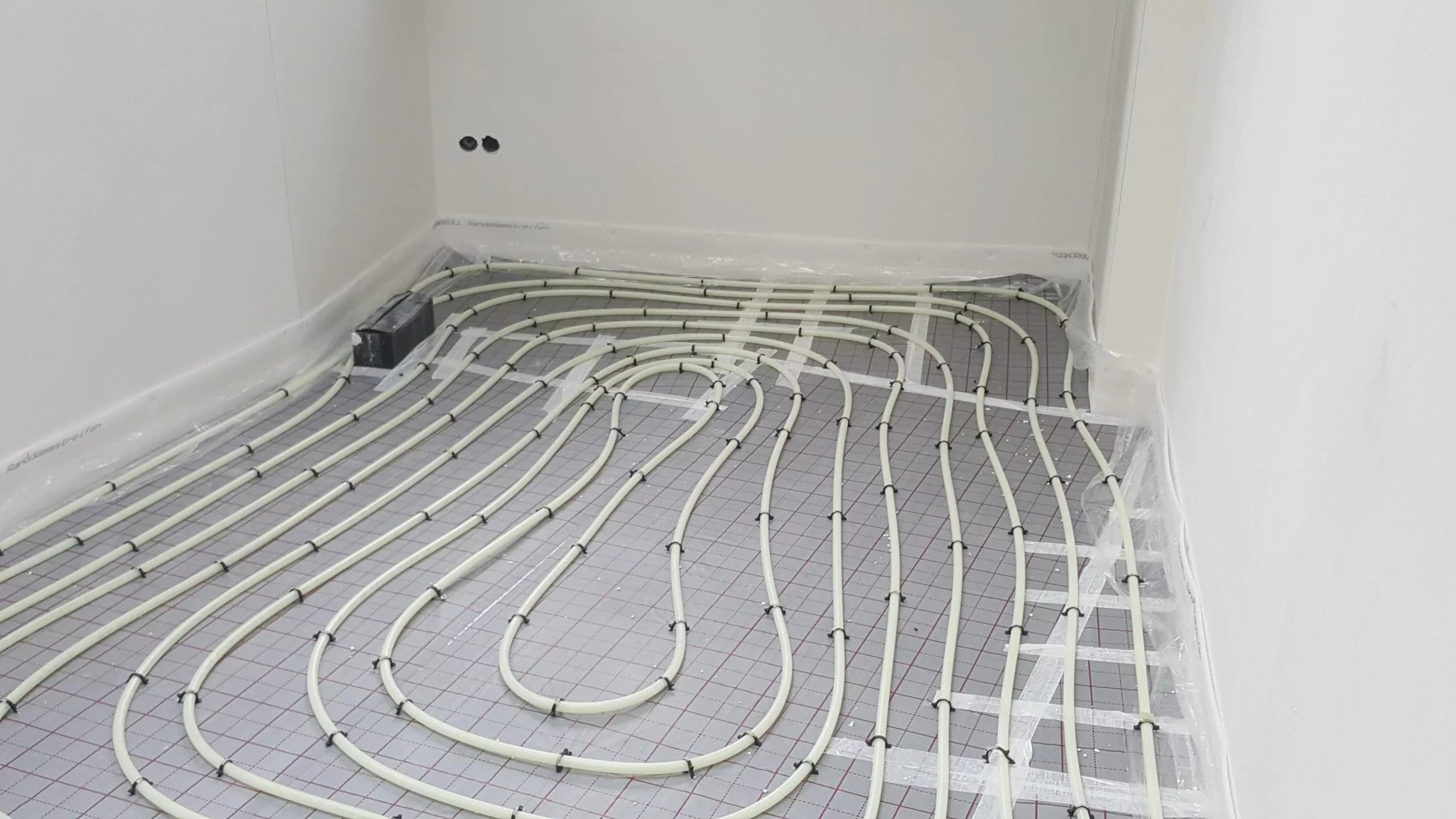
Over a levelled timber floor or a concrete slab it adds very little height, which keeps door thresholds and the acoustic layer inside the depth a lease allows.
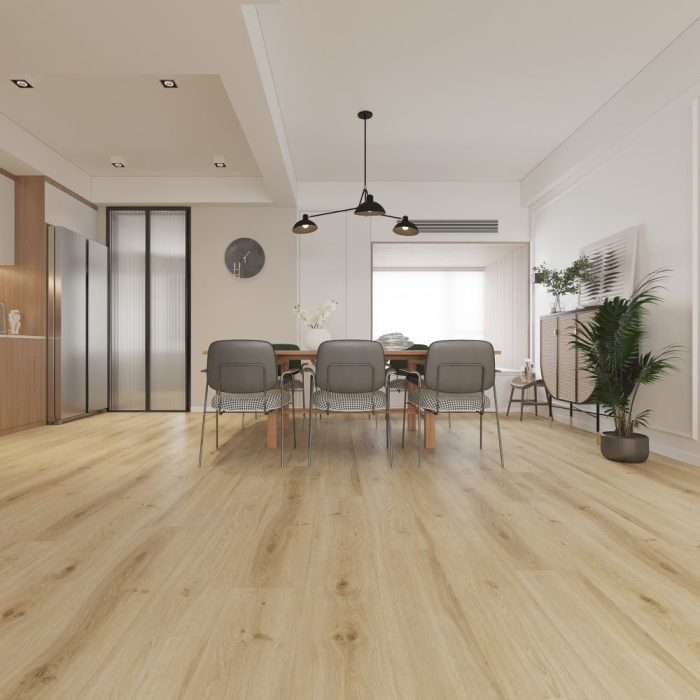
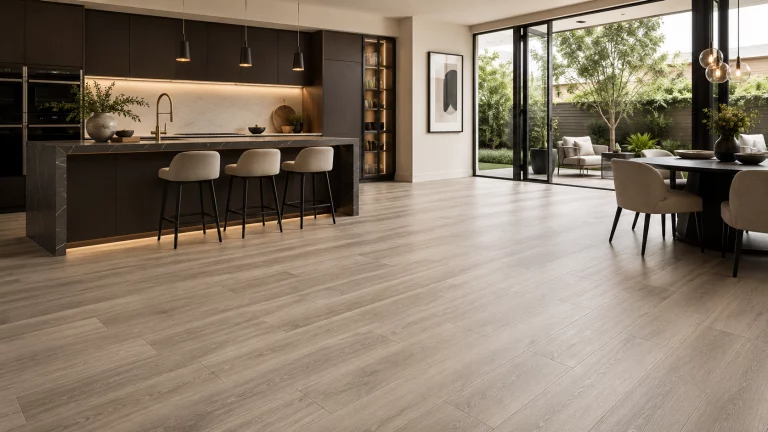
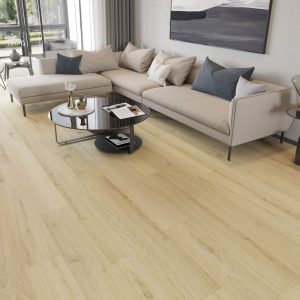
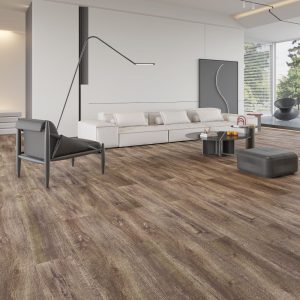
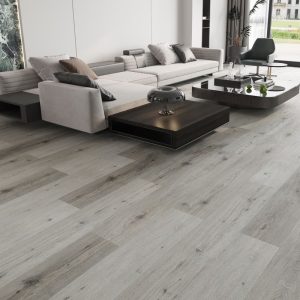
The rigid vinyl planks in the BML range arrive with the underlay bonded to the back, which in a London flat is a smaller point than it sounds: one layer fewer in a build-up that a lease has already squeezed to a few millimetres. The plank itself is listed as waterproof, so the same floor runs from a galley kitchen into the bathroom of a converted house without a threshold strip.
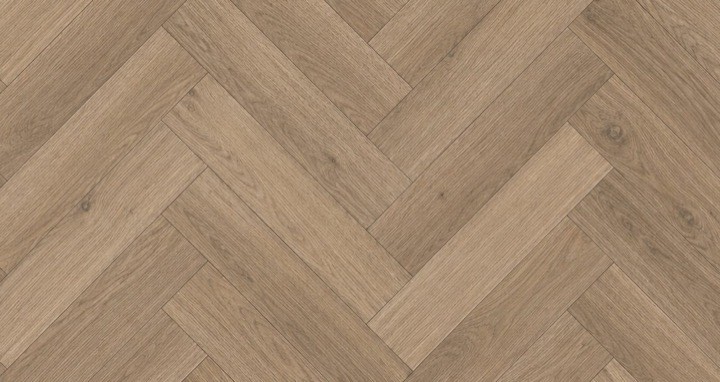
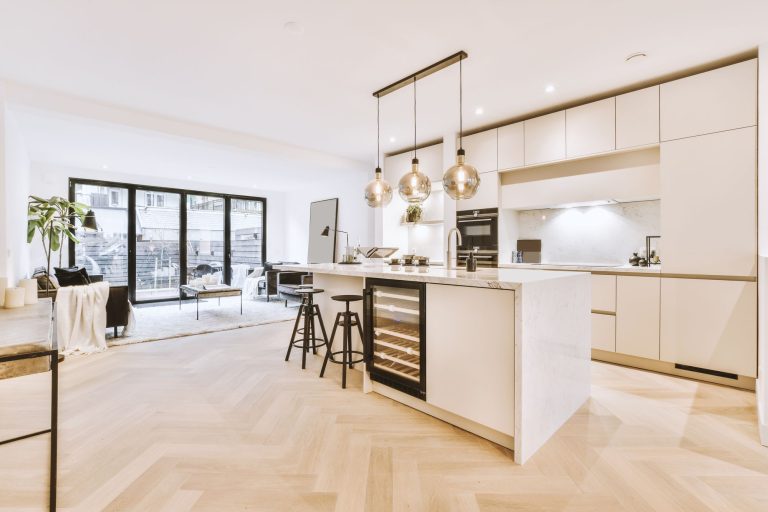
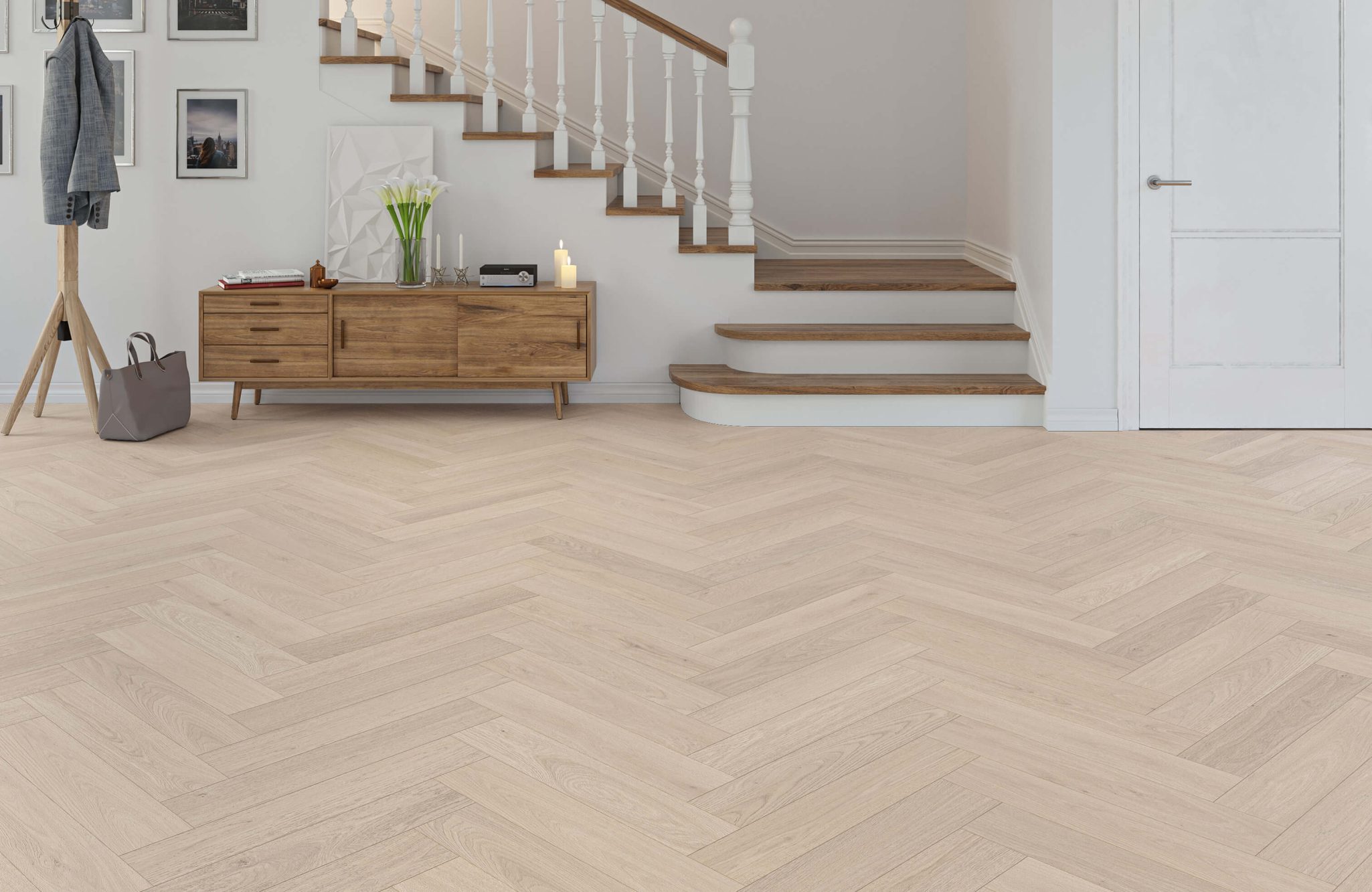
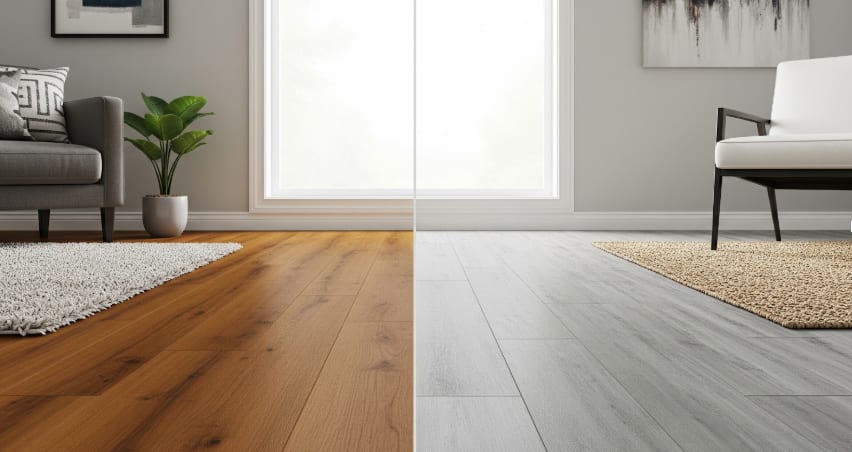
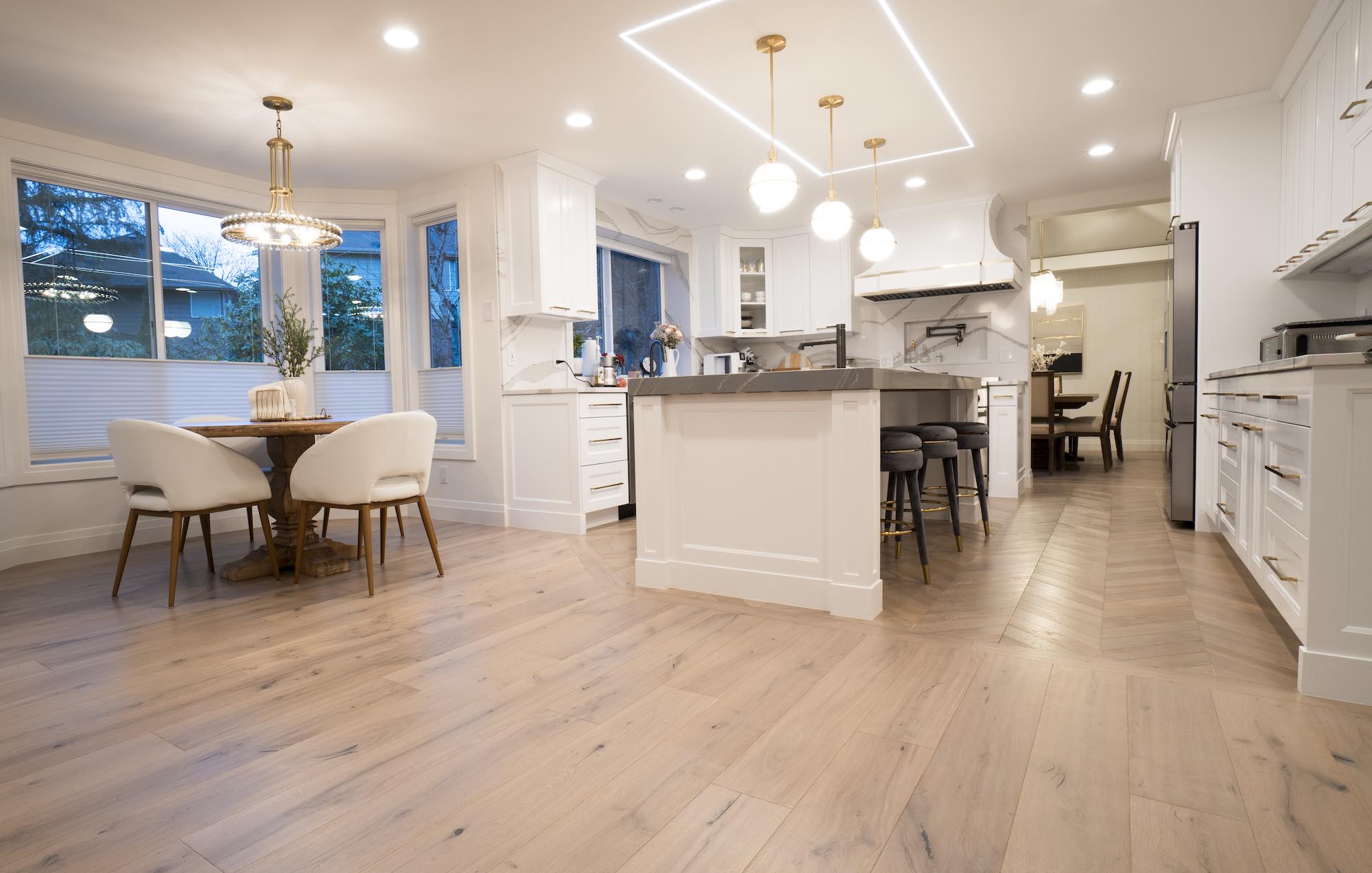
In the pre-war terraces the boards go over a levelled timber floor, in the Canary Wharf and Nine Elms towers over concrete, and in both cases the click joint floats the floor rather than gluing it. For a landlord letting a Westminster flat, a scuffed plank is lifted and replaced on its own; for an owner, the herringbone block in the same range gives the parquet look where an original floor cannot be recovered.
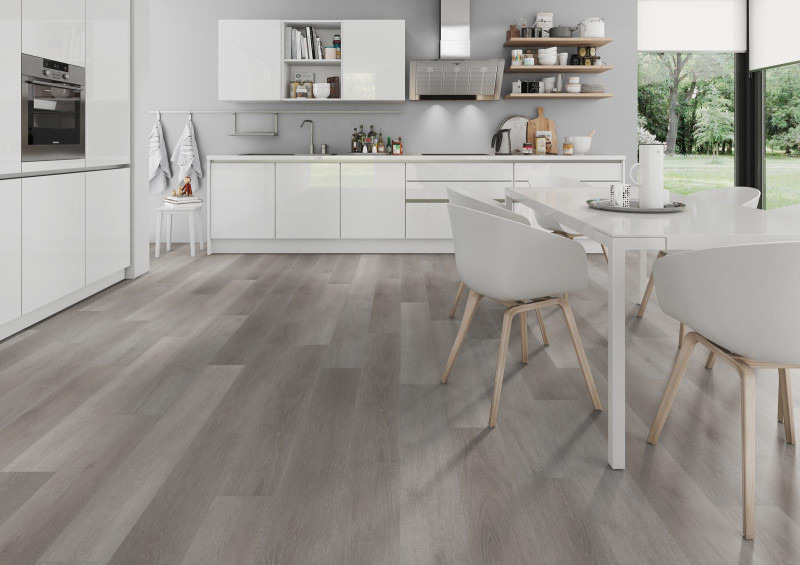
Flats are 54% of the homes in the London (33 boroughs) district, and a rigid-vinyl floor in a flat goes over the slab on an acoustic underlay: it is thin enough to stay under the door thresholds and quiet enough, with the right underlay, to meet the impact-sound clause a lease carries. The kitchen and the bathroom of a flat are its two natural rooms.
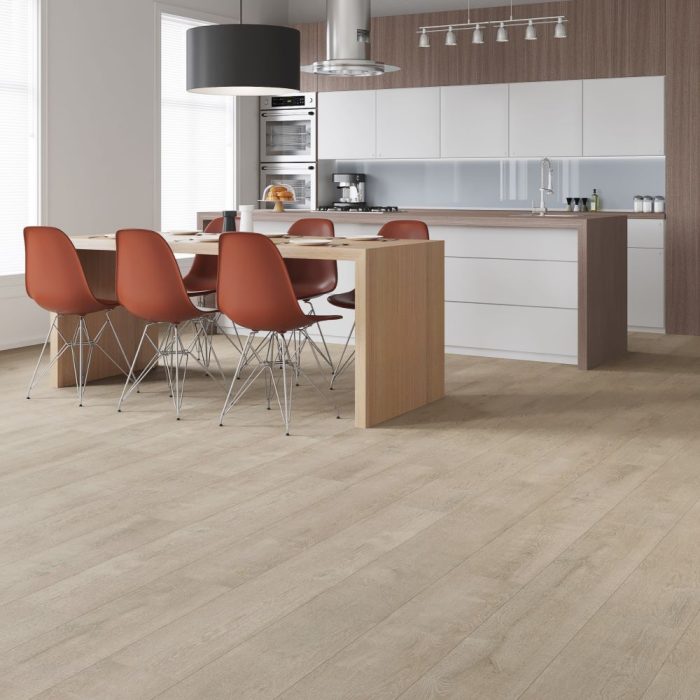
Private renting is 30% of households in London (33 boroughs), and the rigid-vinyl range is the rental floor for the wet rooms in London: listed as waterproof, clicked and floated, wiped clean, and with a 0.55 mm wear layer rated by the manufacturer as commercial grade. It is the floor a landlord puts into a kitchen once and does not think about between tenancies.