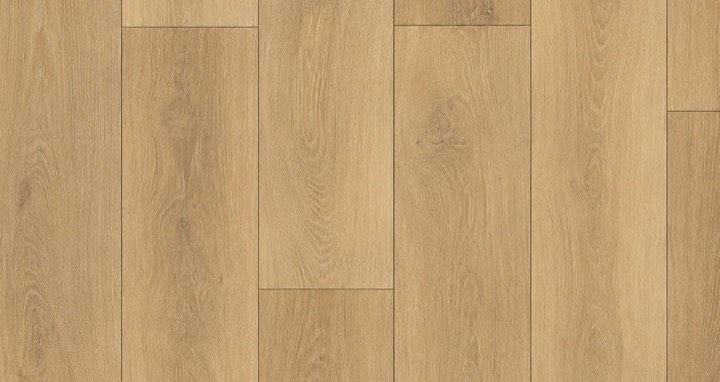
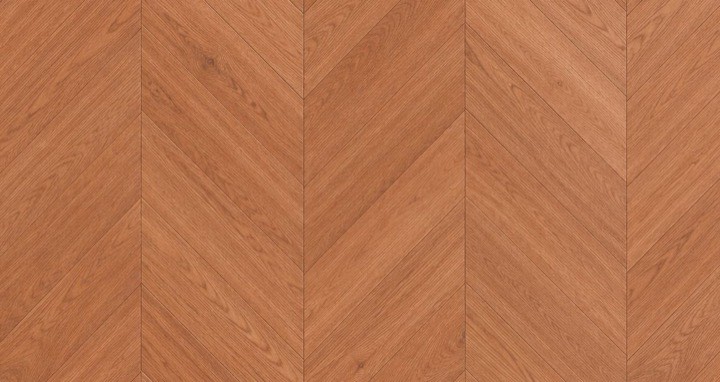
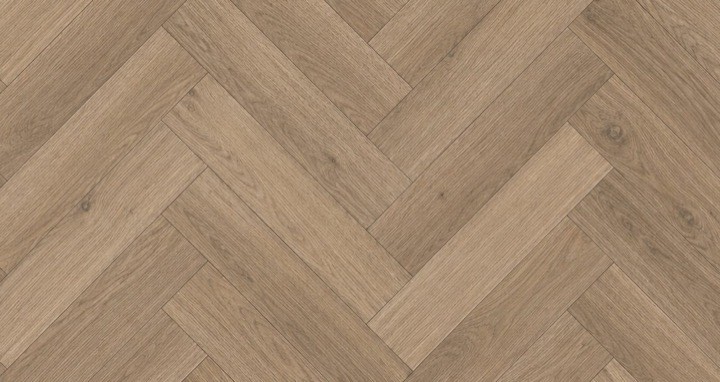
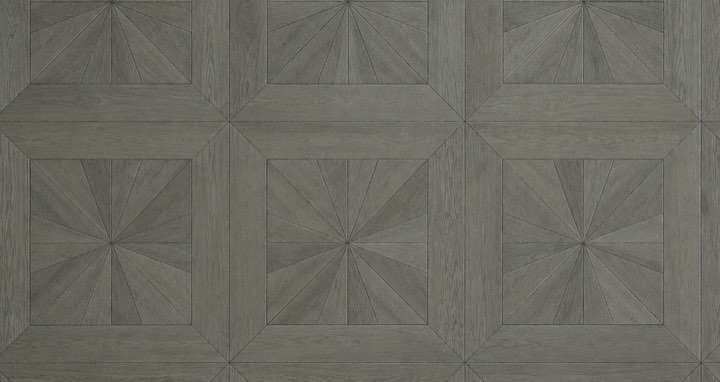
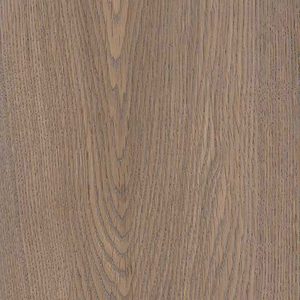
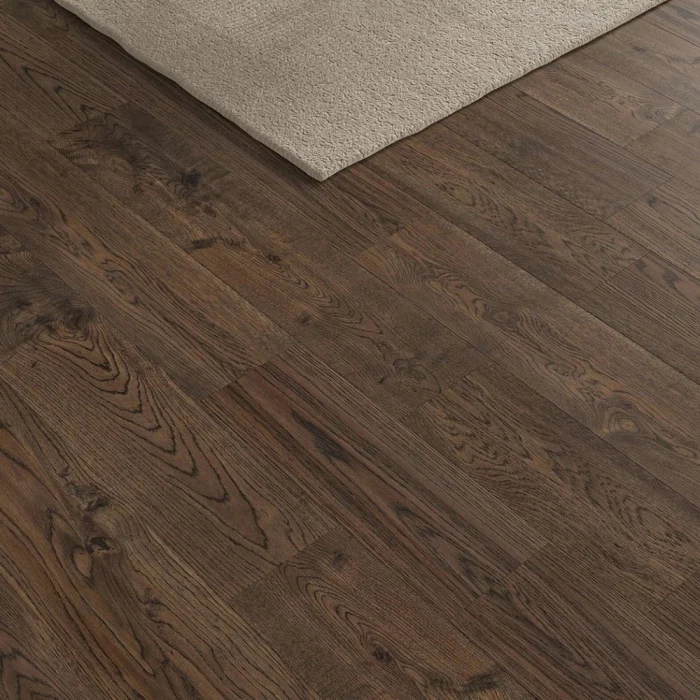
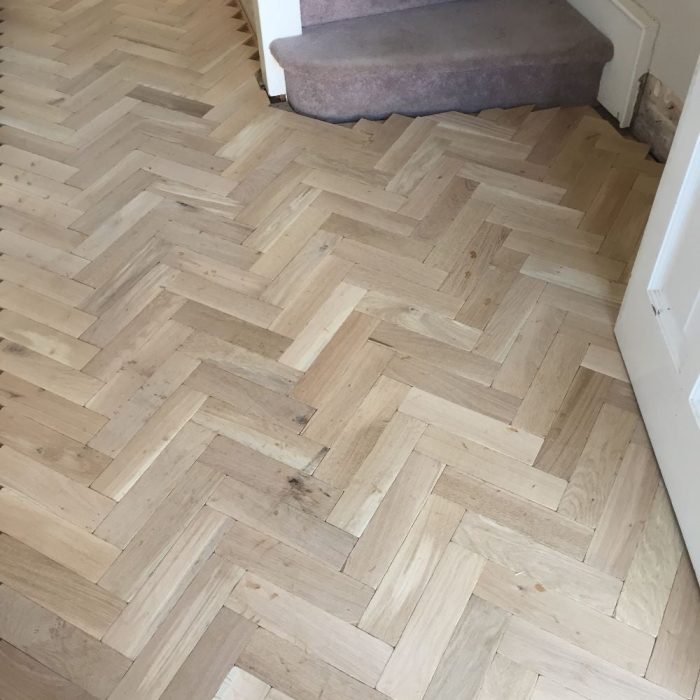
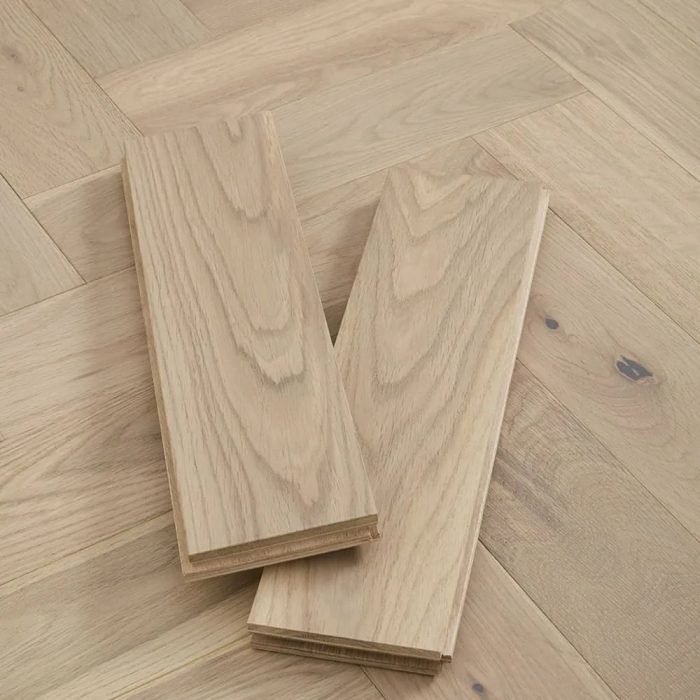
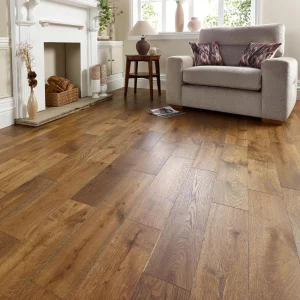
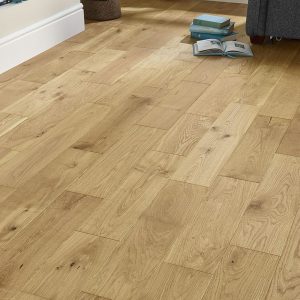
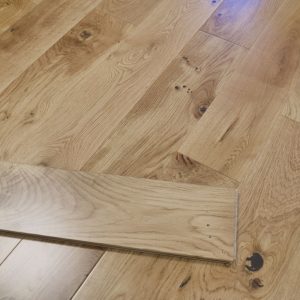
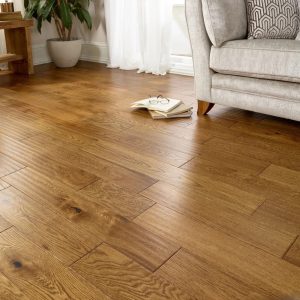
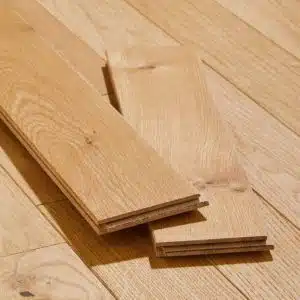
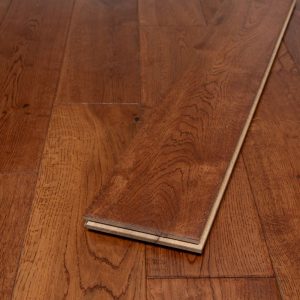
On pre-war suspended timber it is at home, provided the void beneath is ventilated and the moisture reading is taken before the boards are ordered.
London has more than a thousand conservation areas, and inside them the original boards are usually part of what is protected, so the first question in a Georgian or Victorian house is whether the floor can be lifted at all. Where the answer is yes, a Windsor board in a period width lays as the house was built to be floored, tongue and groove over the joists or a plywood deck, once the void below has been checked for ventilation.
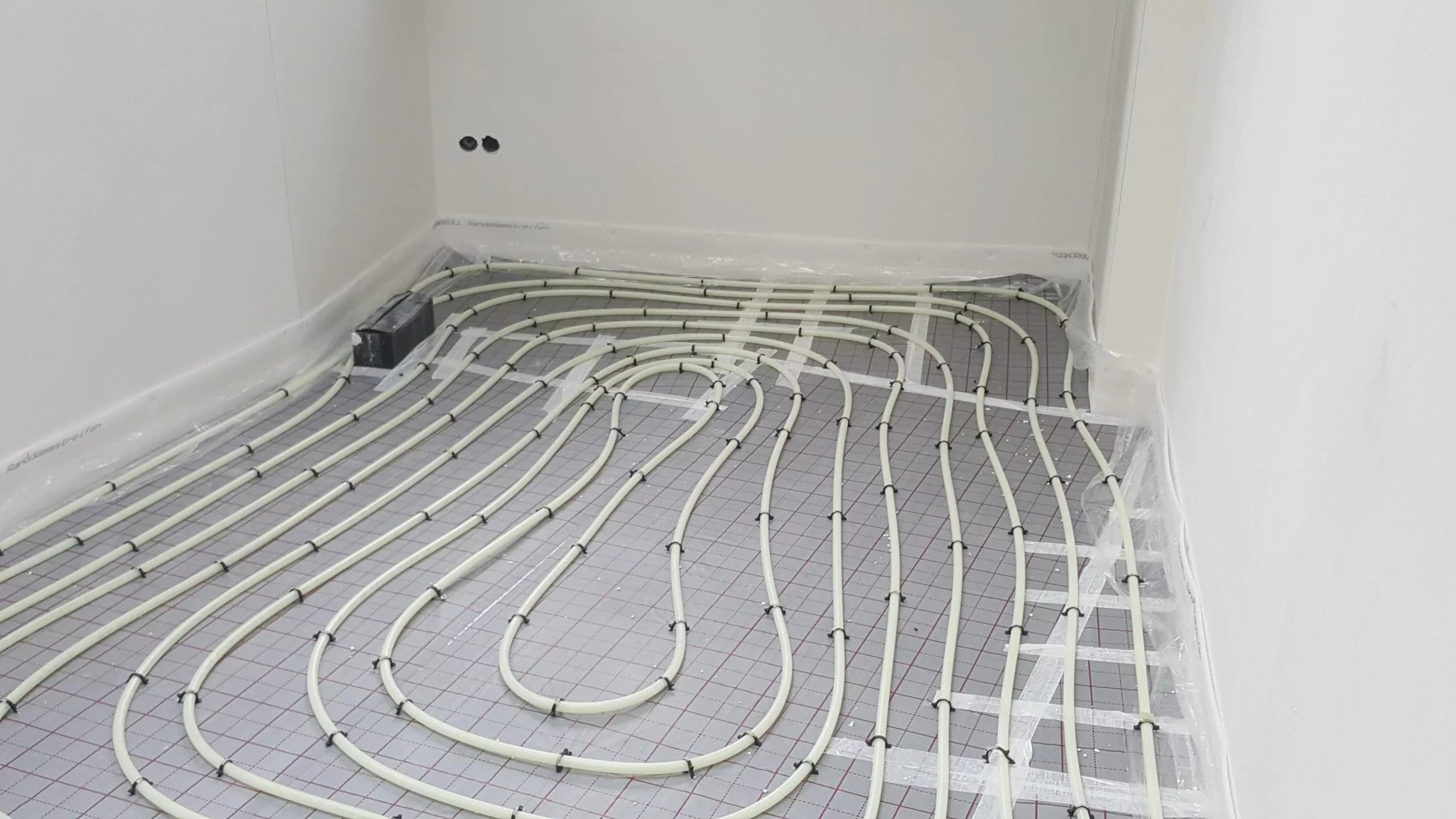
Solid oak moves with the seasons more than any other floor in the range, and a London house with radiators running hard from October to April is a dry environment. Let the boards acclimatise in the room they will live in, keep them out of a basement flat and away from the heated screeds of the new estates, and choose an oiled surface for a hallway so that wear is repaired locally rather than by sanding the whole floor.
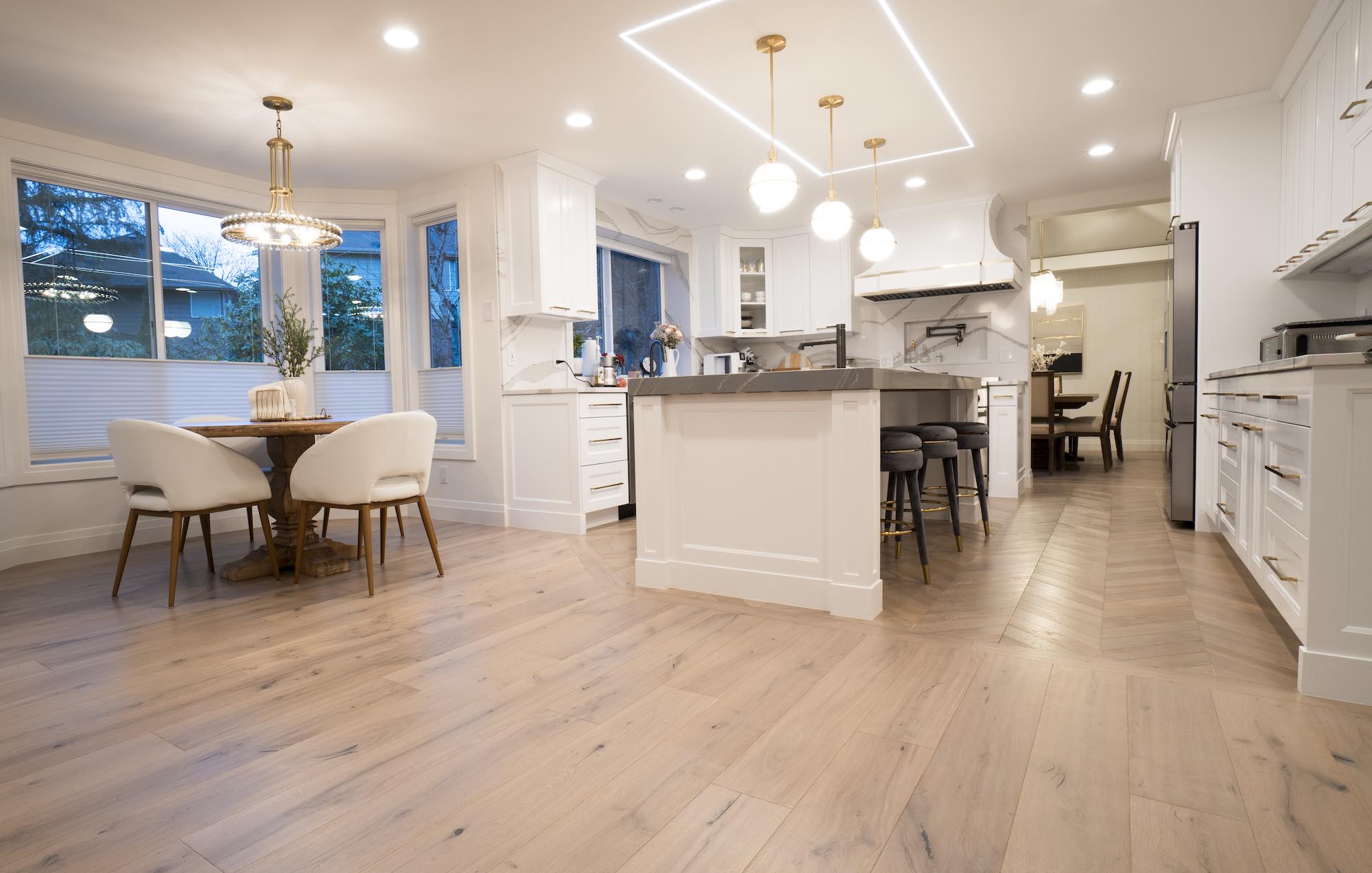
Flats are 54% of the homes in the London (33 boroughs) district, and a flat is usually the wrong place for a solid board: the base is often concrete, the lease usually has an impact-sound clause, and a solid floor cannot be floated on an acoustic underlay. In a converted house with a timber floor and no clause, it can work; in a purpose-built block, an engineered board over acoustic underlay is the right answer and the wood looks the same.
Private renting is 30% of households in London (33 boroughs), and solid oak is a landlord's choice only where the property is held for the long term: the floor costs more to fit than it does to buy, and its advantage, that it can be refinished for decades, pays off over tenancies rather than within one. For a portfolio with a shorter horizon, the engineered range is the usual specification.