Local fact sheet
Birmingham's homes, by the numbers
Birmingham in the 2021 census: 423,455 households, 75% houses, 25% flats.
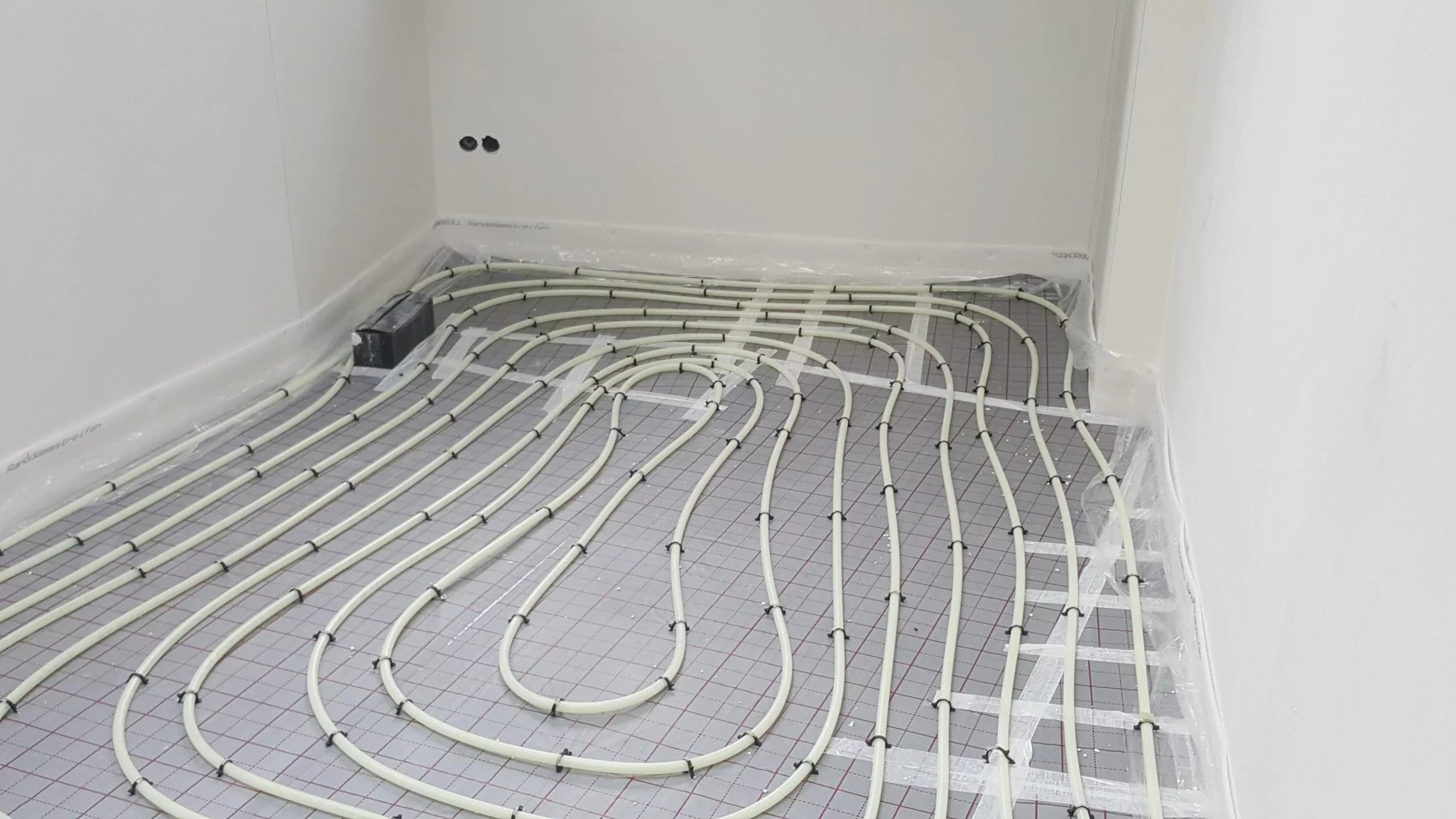
Birmingham's housing is comparatively old — large parts of the city were laid out in the Victorian, Edwardian and inter-war periods, so most homes are seventy years or more. In practice you meet one of two ground floors: suspended timber with boards in the older terraces, or a solid concrete slab in the inter-war semis of Hall Green, Kingstanding and Weoley Castle. The first needs levelling; the second needs the damp-proof membrane checked before anything goes down. In the 29 conservation areas — the Jewellery Quarter, Edgbaston, Moseley, Bournville Village among them — original boards cannot simply be lifted and skipped without consent. The new quarters are the opposite case: Smithfield, Perry Barr and Icknield Port Loop are screed with underfloor heating, where engineered wood is the right call and solid is not.
Birmingham is a city of semis — better than a third of households — with terraces through Bordesley, Balsall Heath and Sparkbrook and a quarter of homes rented from a social landlord. Around the edges and on the cleared sites, the newer stock is built to a different floor entirely.
A modern estate house usually has a beam-and-block ground floor: concrete beams with blocks between them, insulation over, then a screed. It is flat, dry and predictable, and it behaves nothing like the suspended timber in the older wards — the same house type, two different jobs.
Delivery times and options depend on the delivery postcode. See Delivery & Returns for the applicable estimate.