








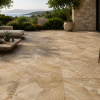
Kitchen Flooring
Spills, foot traffic and the occasional dropped pan — kitchen floors take a beating. Choose one that copes without compromising on style.
The best floors for your kitchen
The kitchen is the busiest, messiest room in most homes. Moisture and durability drive the decision here, which is why rigid vinyl listed as waterproof and porcelain tiles are the usual answers, with a lacquered engineered oak a warmer option for the careful.
Luxury Vinyl
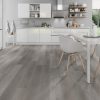
Listed as waterproof, warm and quiet underfoot, in wood and stone decors, and a click floor that can be lifted again when the kitchen changes.
Porcelain Tiles
Fired dense enough to shrug off almost anything, at home in a wet room, and well suited to underfloor heating.
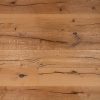
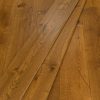
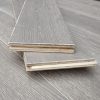
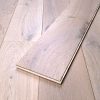
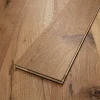
Engineered Wood
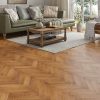
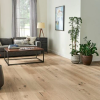
Possible with discipline — a durable lacquered finish, sealed edges and quick spill clean-up bring real-wood warmth.
Kitchen floors we recommend
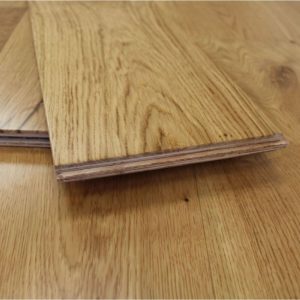
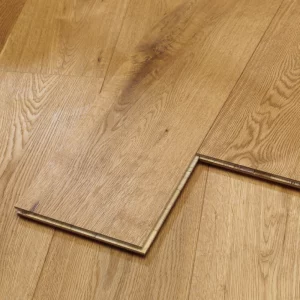
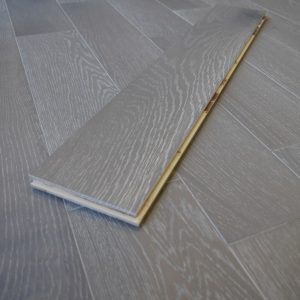
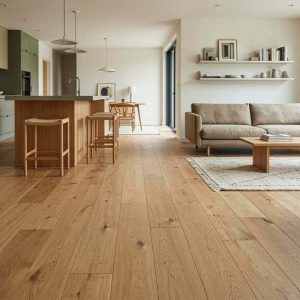
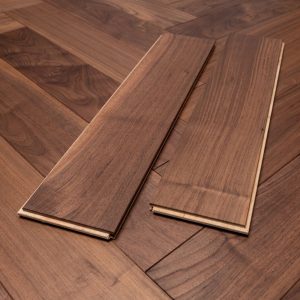
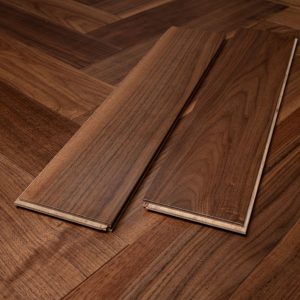
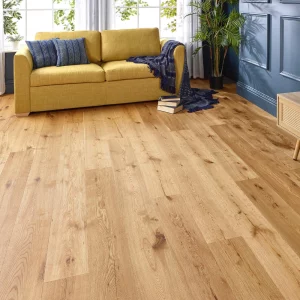
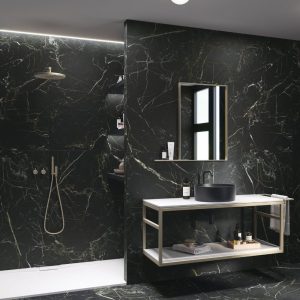
Browse the ranges for this room: LVT · Tiles · Engineered Wood
What to consider in a kitchen
Spills and moisture
Water is the enemy of real wood. In busy kitchens a rigid vinyl listed as waterproof, or porcelain, takes a spill without swelling; the base underneath still has to be dry.
Heavy-duty wear
Dropped pans, chair scrapes and constant footfall — pick a hard surface that won't dent or scratch easily.
Easy to clean
Look for smooth, sealed surfaces you can mop in minutes. Large formats mean fewer grout lines to scrub.
Warmth underfoot
Tiles can feel cold — pair them with underfloor heating, or choose LVT for natural warmth.
How to style your kitchen
Warmth without the worry
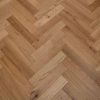
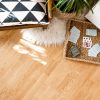
Wood-effect LVT gives you the look of oak on a plank that takes on no water — ideal if you love wood but cook a lot.
Go large-format
Big tiles or long planks mean fewer joins, a cleaner look and less grout to keep clean.
Match or contrast units
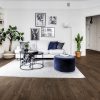
Light floors keep a small kitchen airy; darker floors ground a bright, high-gloss scheme.
Continue the flow
In open-plan kitchen-diners, run the same floor throughout to make the whole space feel bigger.