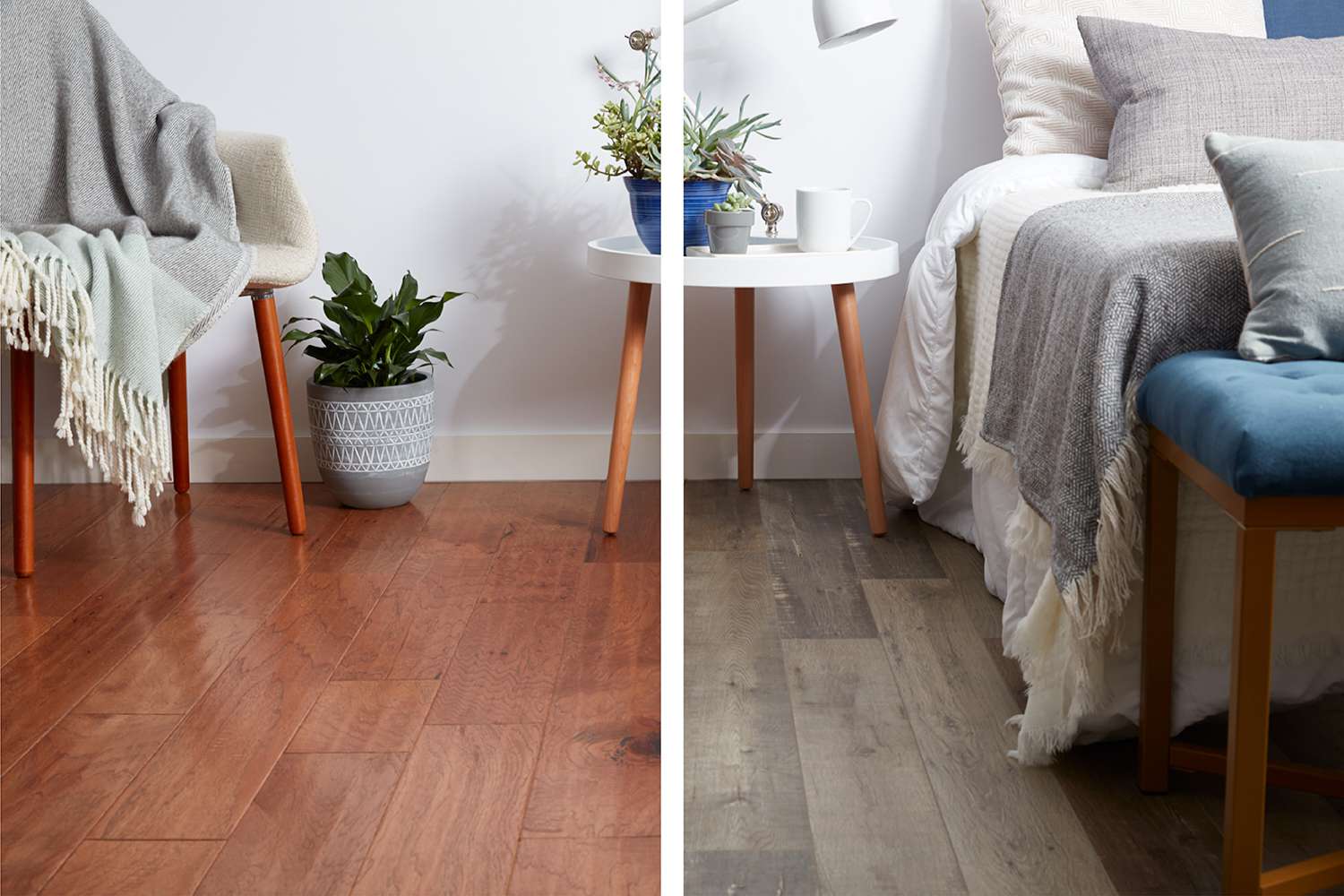
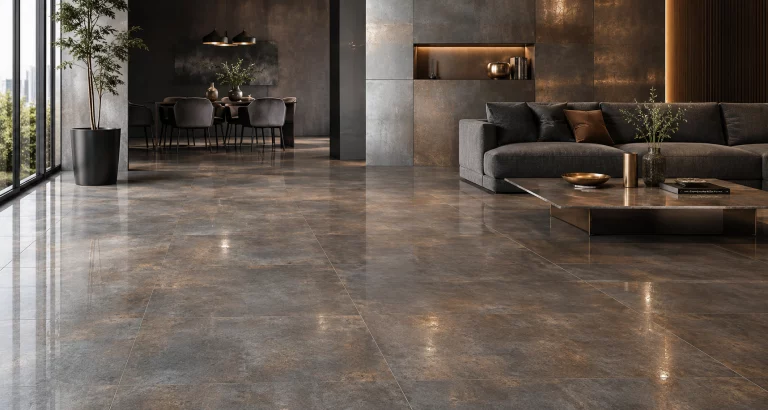
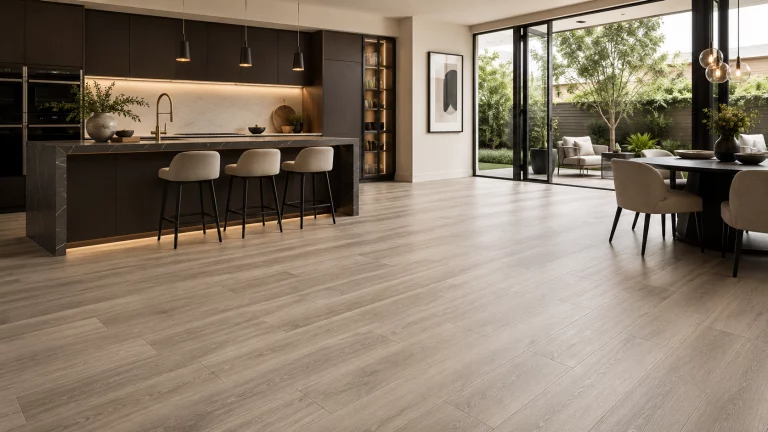
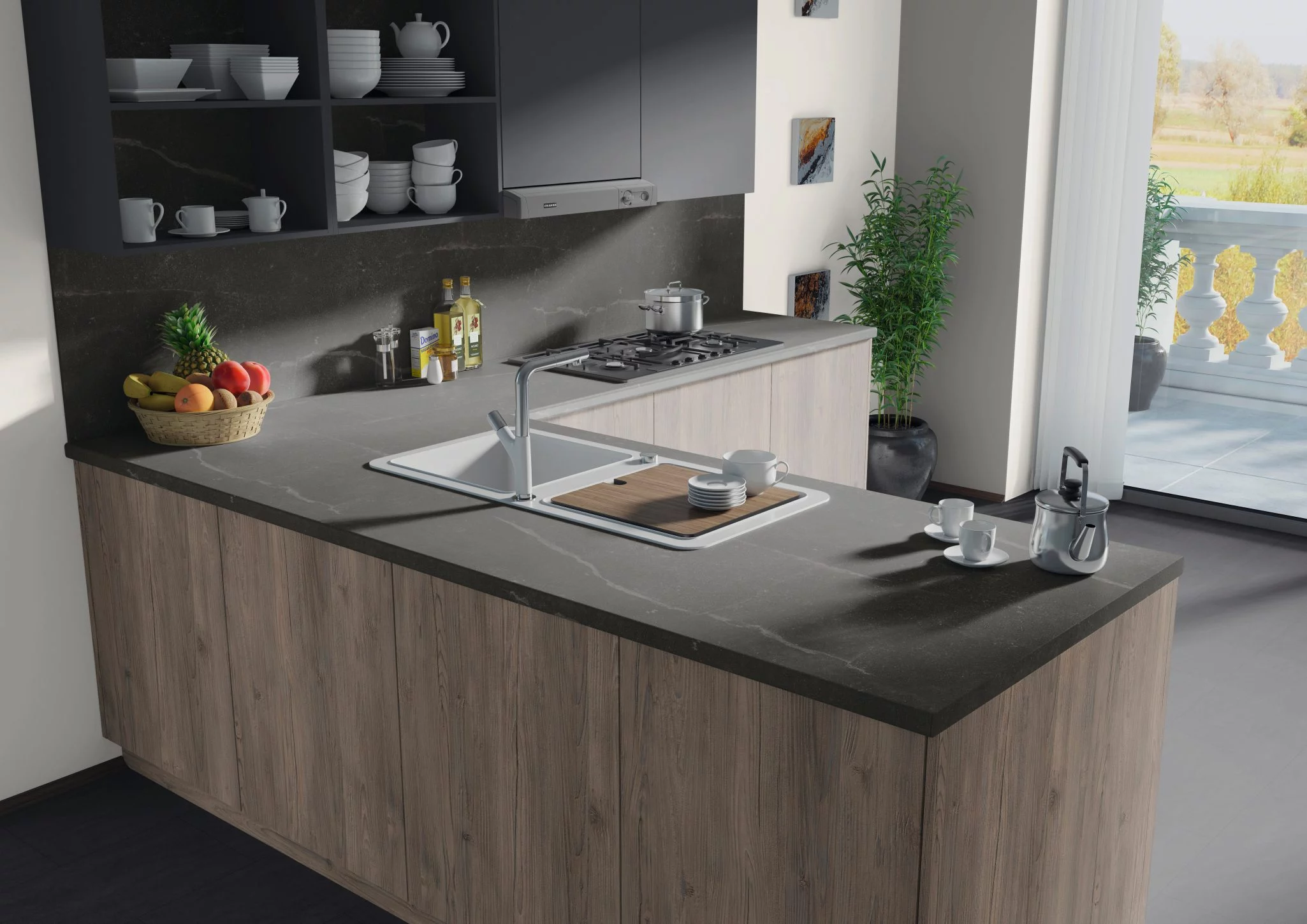
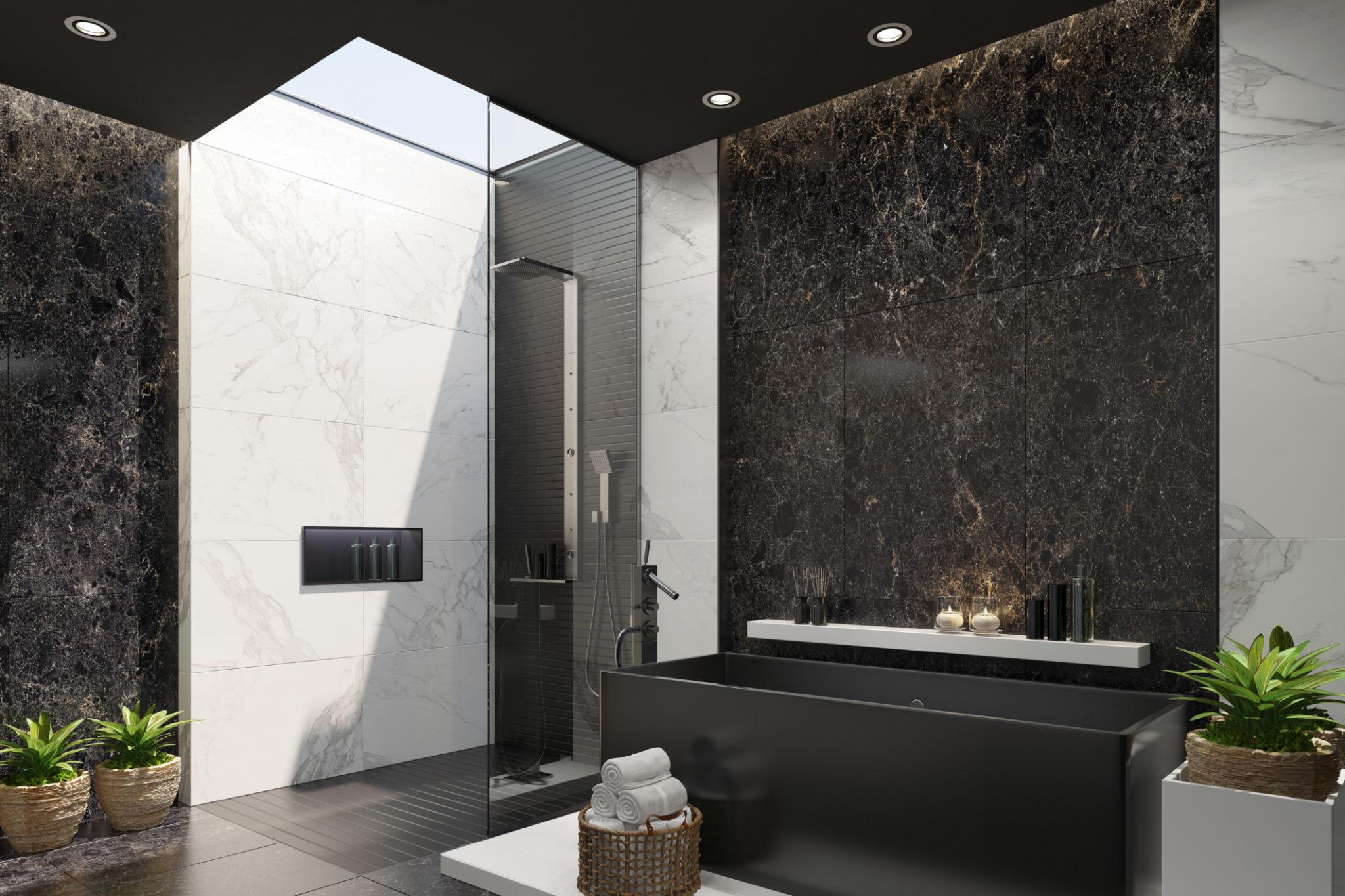
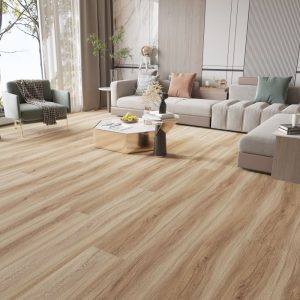
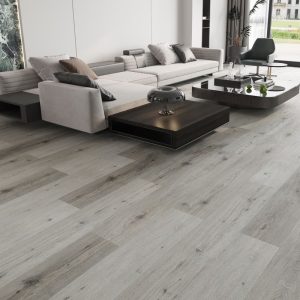
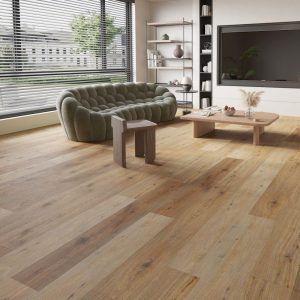
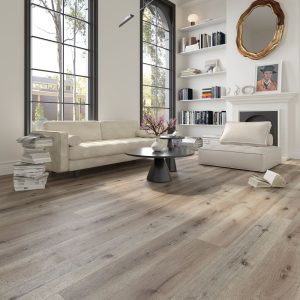
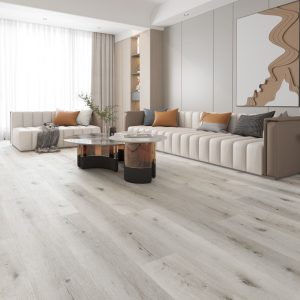
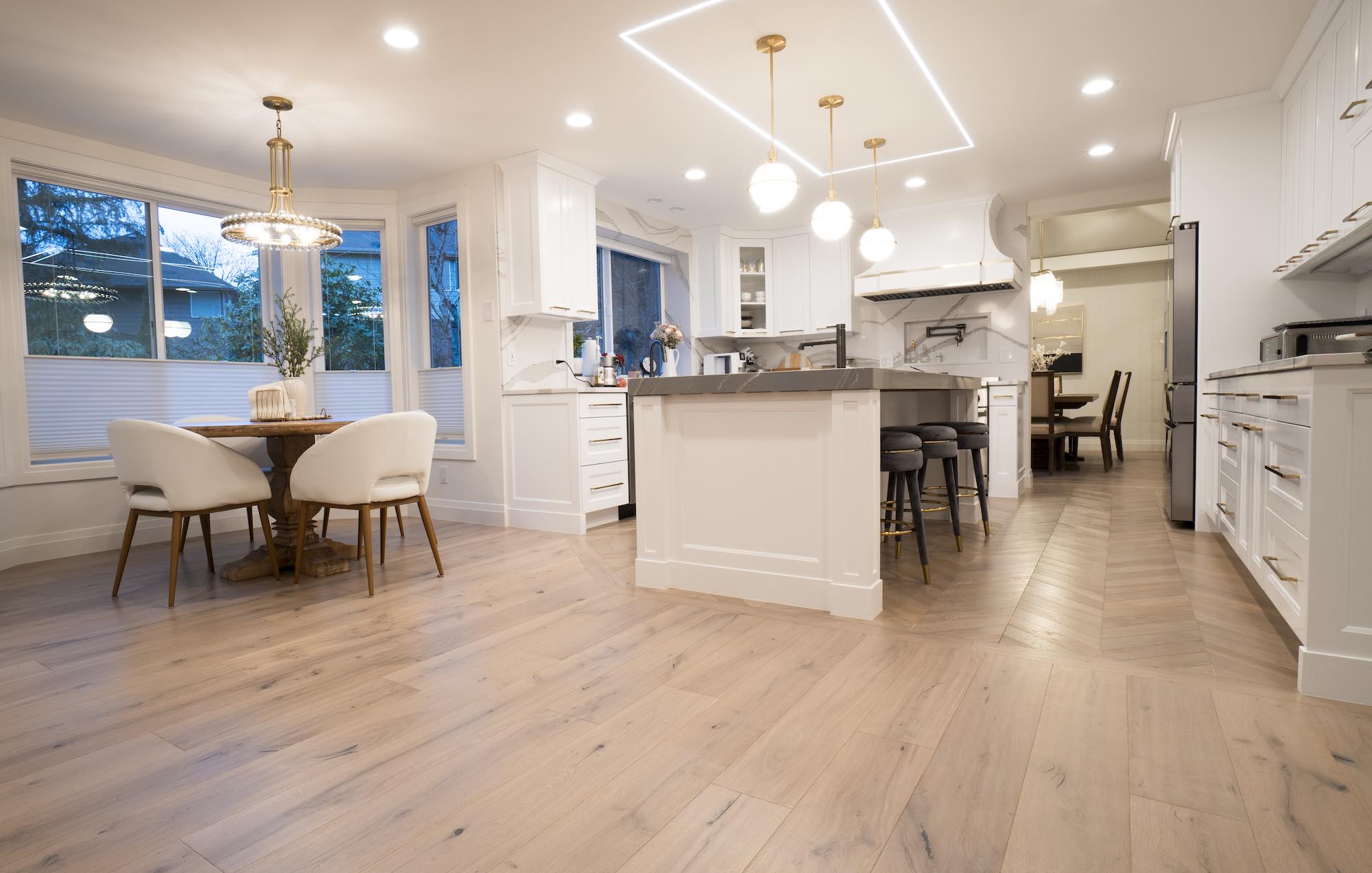
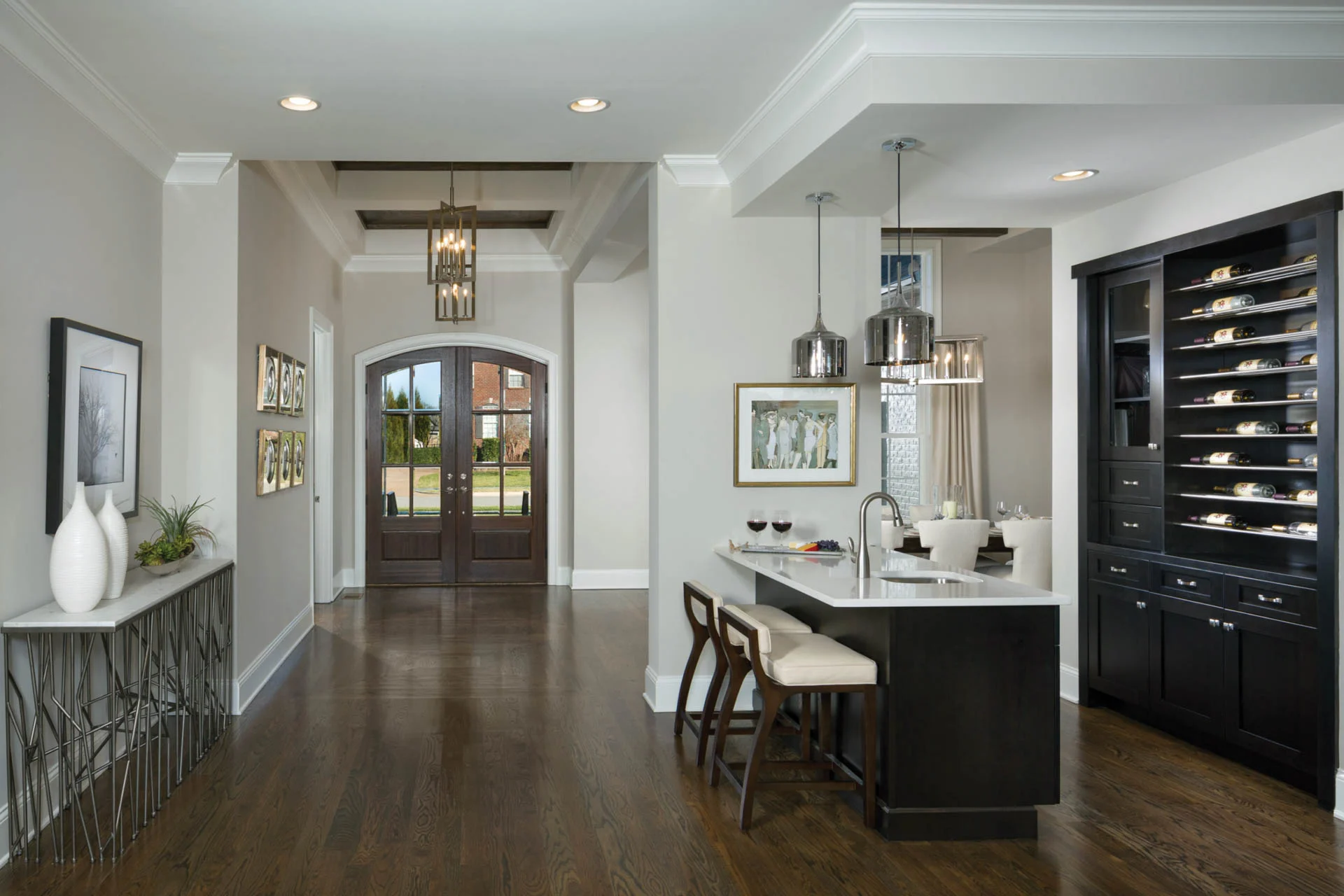
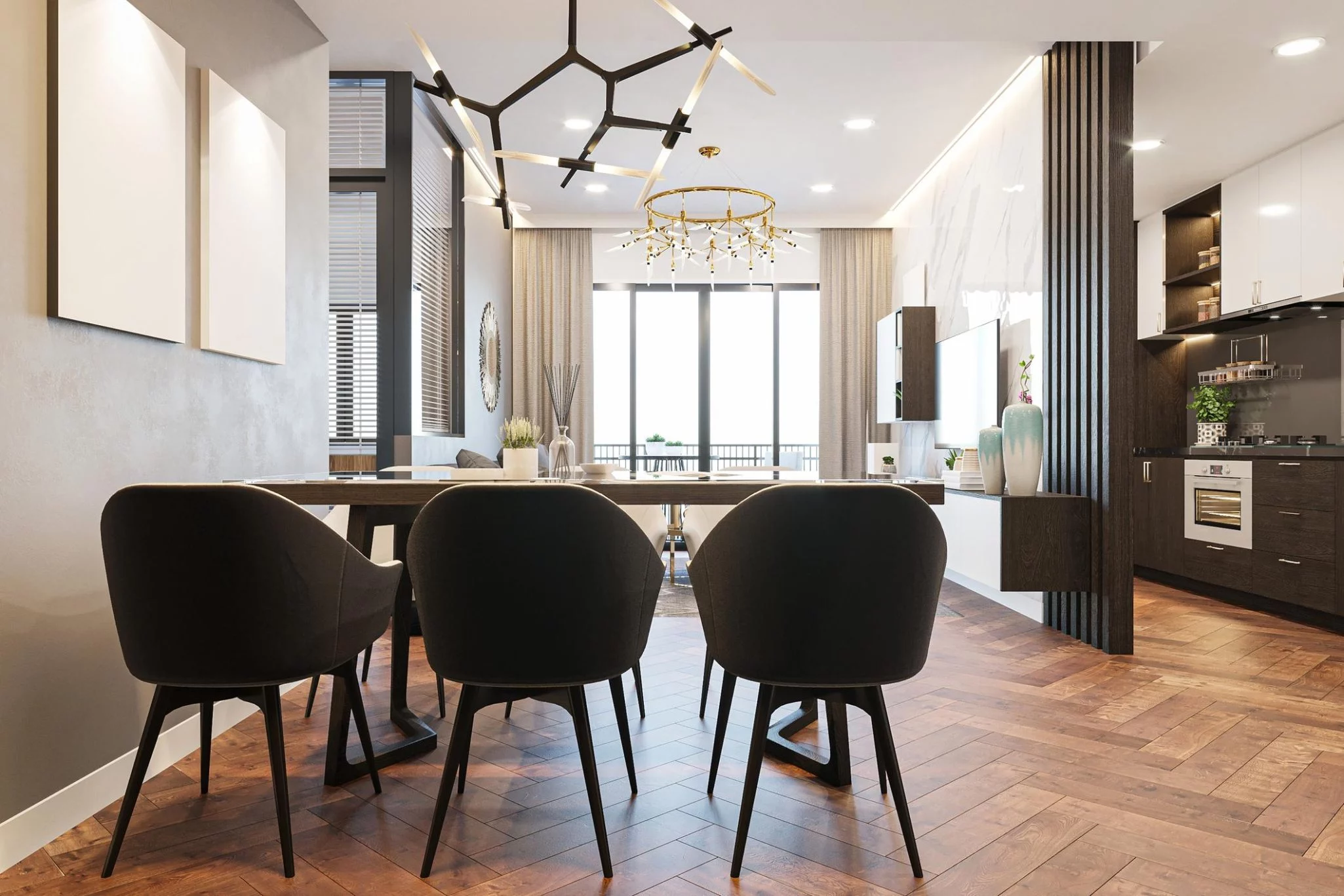
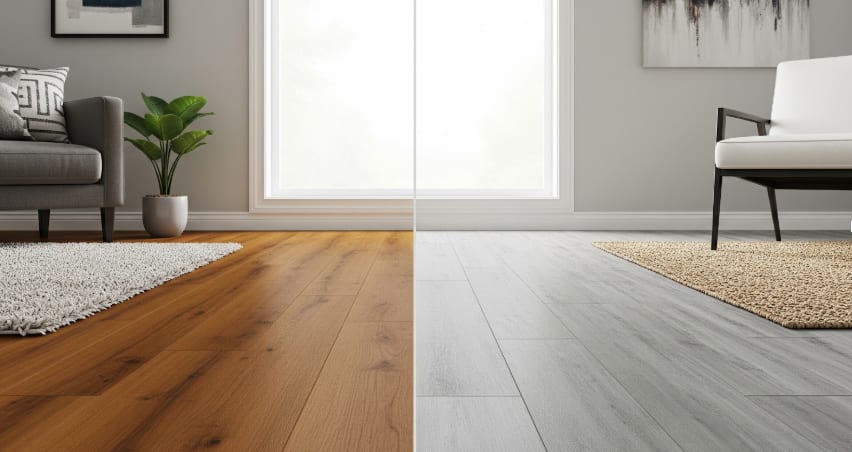
Over a slab, porcelain is the hardest-wearing option; over the levelled timber of the older half, vinyl is the lighter and quieter surface.
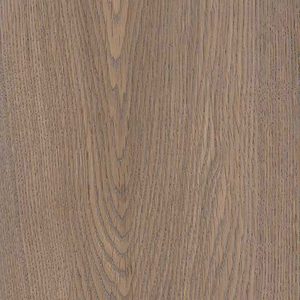
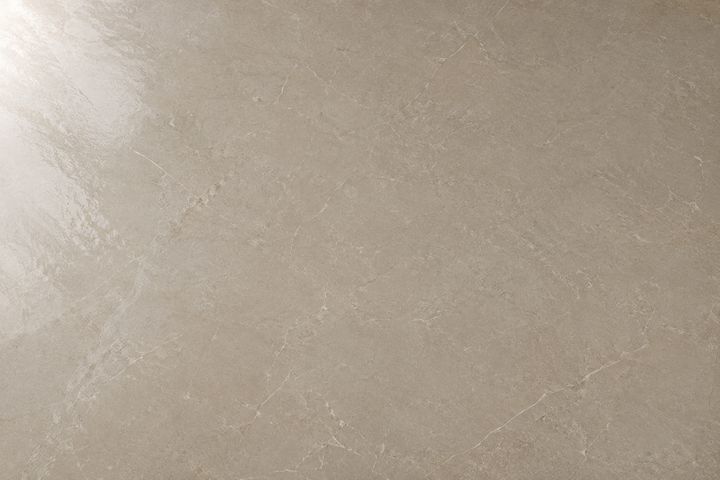
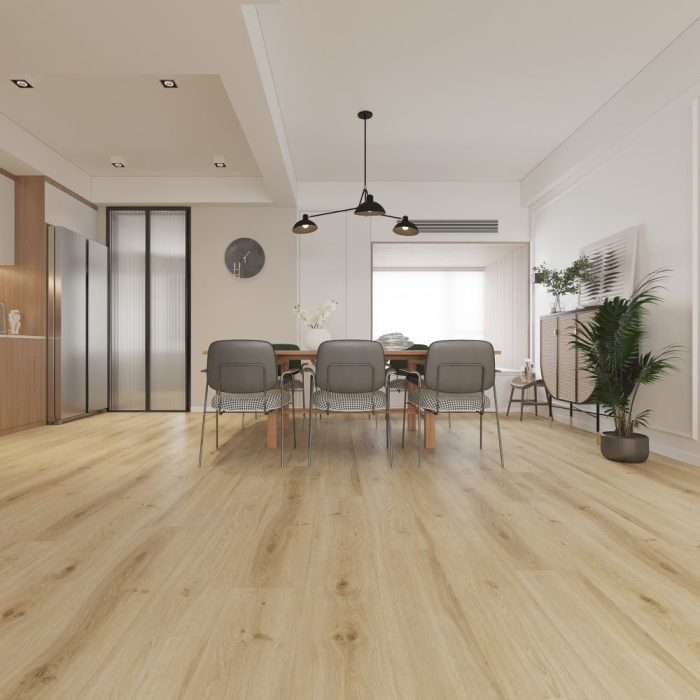
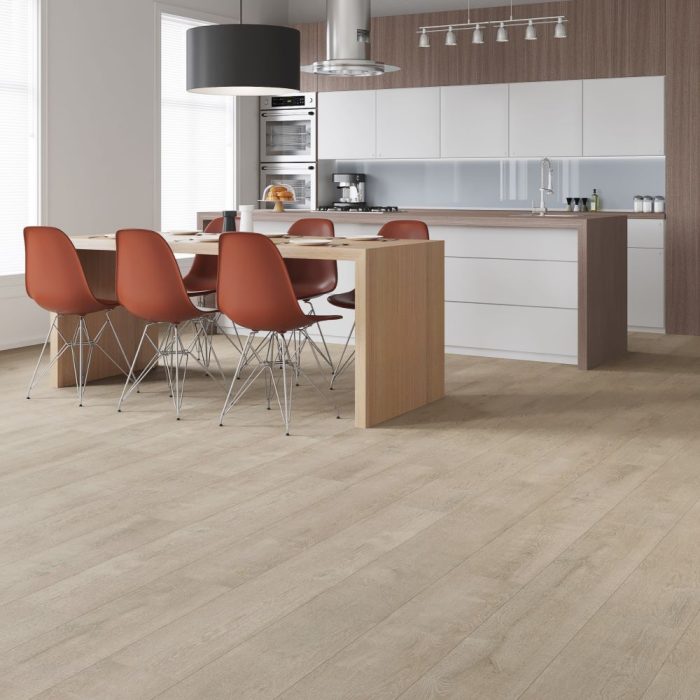
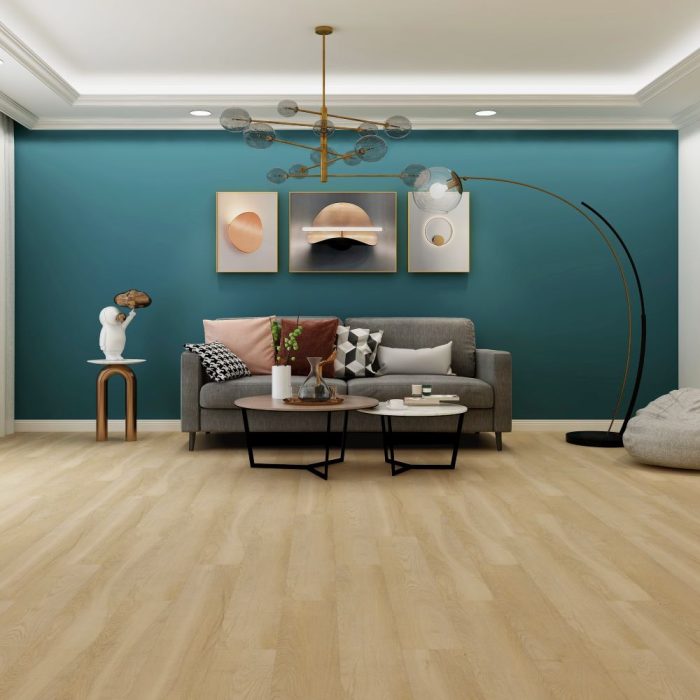
The kitchen in a Katesgrove or Caversham terrace usually carries the marks of a scullery that grew: a floor in two parts, joists at the house end and a later slab at the garden end, and a lip between them that trips the family for years. The lip goes first, with a levelling compound or a deck, and only then is a surface chosen; over that one plane the BML rigid vinyl plank runs unbroken to the back door, while a porcelain tile from the range wants the deck stiffened and a movement joint where the old wall stood.
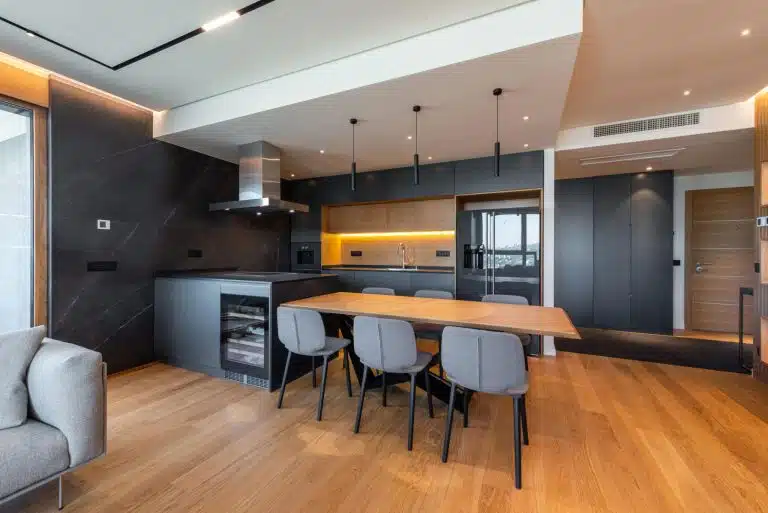
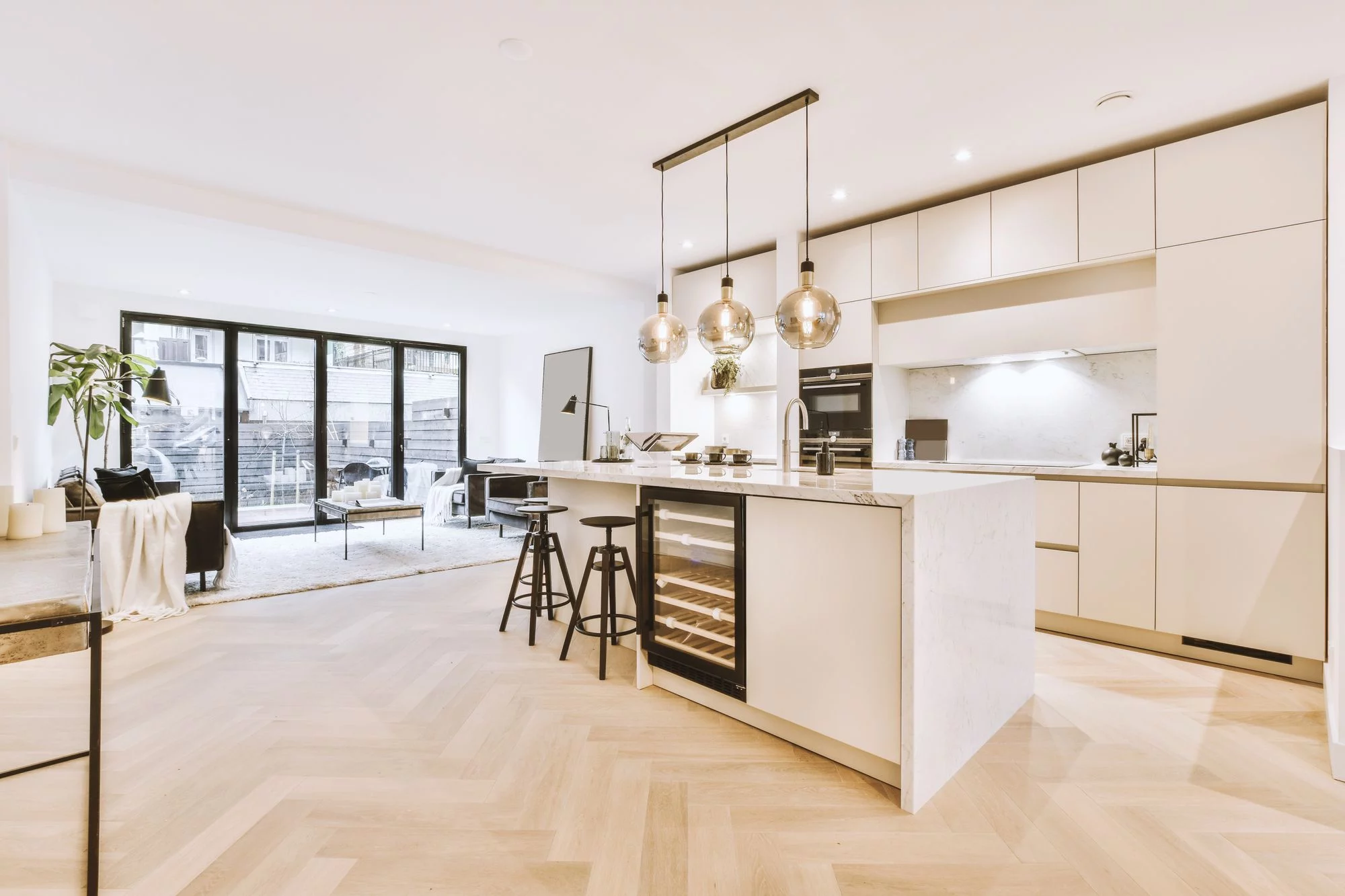
The new-build kitchen at Green Park, Kennet Island or Dee Park is open-plan on a heated screed, and there the large-format porcelain carries the heat into the room quickly and the plank is warmer to stand on until it does; both are listed as compatible with the heating. In a flat the lease sets the acoustic layer beneath either surface, and the door threshold decides how much depth is left for it.
Flats are 33% of the homes in the Reading district, and a kitchen in a flat is often open to the living room and above or below a neighbour. A rigid-vinyl floor over an acoustic underlay carries less footfall through the slab than a tile does, and it stays under the door thresholds; the lease usually has a view on hard floors, and it is read first.
Terraced houses are 28% of the homes in Reading, and the terraced kitchen in Reading is the room at the back, often on a concrete floor laid over the old scullery, sometimes damp. That base is the decision: a rigid-vinyl floor bridges a slab that is not quite flat and floats over it, where a tile needs the slab levelled and a dry reading first. Either way the hygrometer comes before the floor.