

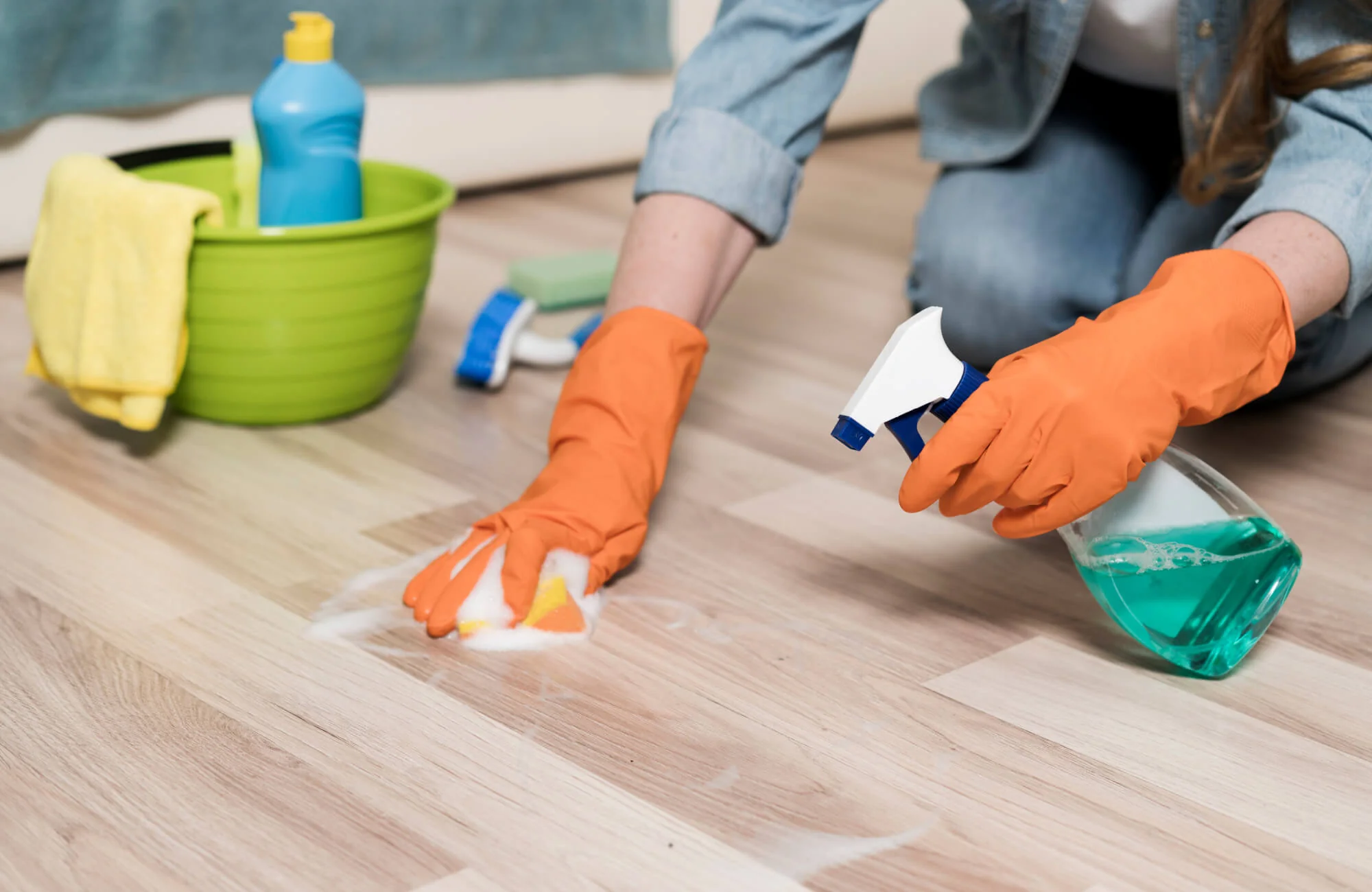
Cleaning and Caring for SPC and LVT Flooring
Low moisture and no pooling: the published cleaning rule for rigid vinyl, what the wear layer is, what not to use, and what to do after a leak.
A rigid vinyl floor is bought for being easy to look after, and most of them are. The ones that are not have usually been cleaned with the wrong thing: a steam mop, a bucket left to dry on its own, an abrasive pad on a scuff. This guide is about what the floor actually is, what the published guidance says about cleaning it, and which habits keep the wear layer doing its job.
On this page
What you are cleaning
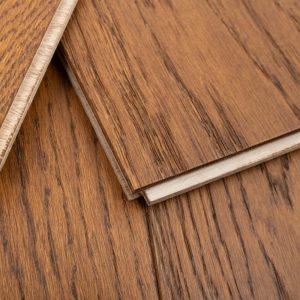
SPC stands for solid polymer core, as the Multilayer Modular Flooring Association defines it, against WPC for a wood plastic composite core; both are core materials for multilayer modular floor panels. The standard for those panels, BS EN 16511:2023, covers multilayer mechanically locked floor coverings with a wear-resistant decorative surface layer, in tiles or planks, for floating installation in domestic and commercial use. The phrase to hold on to is "wear-resistant decorative surface layer": the decor is a print, and the clear layer over it is what takes the traffic. Cleaning is about that layer and nothing beneath it.
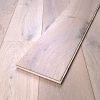
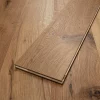
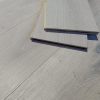
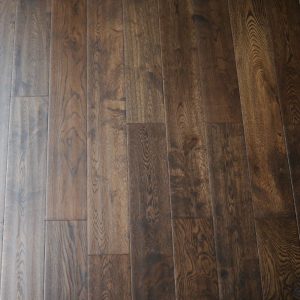
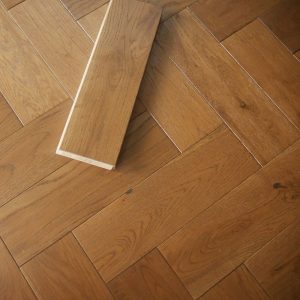
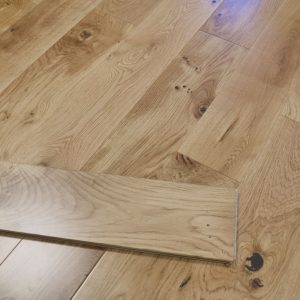
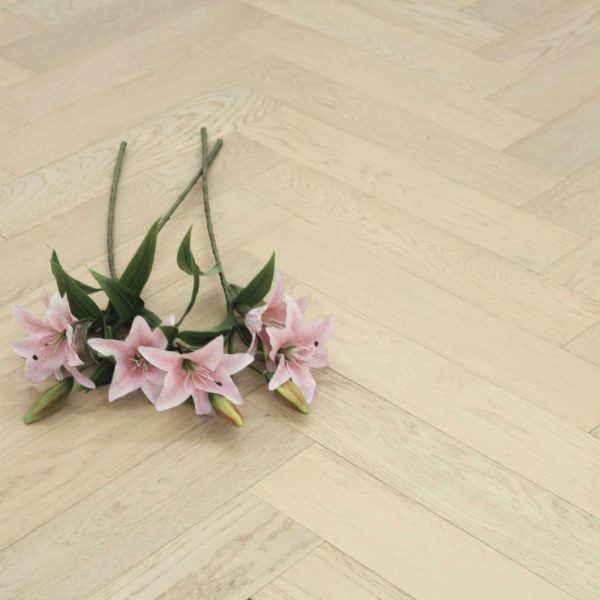
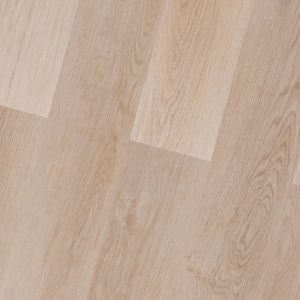
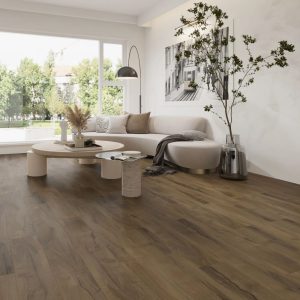
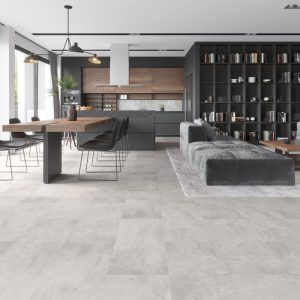
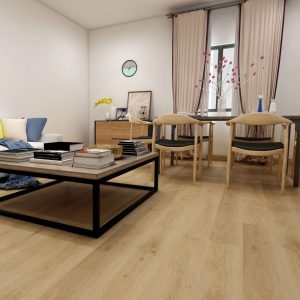
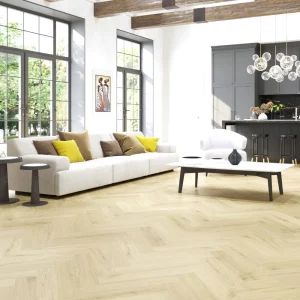
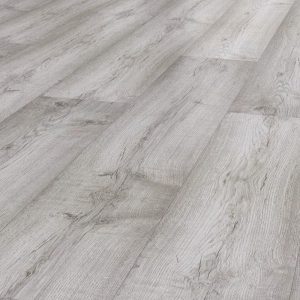
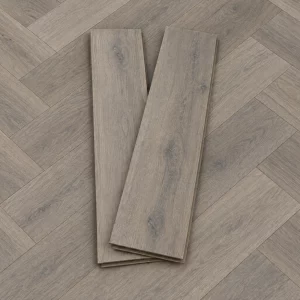
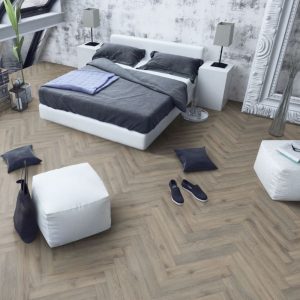
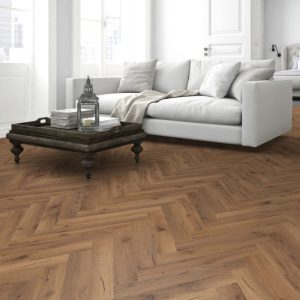
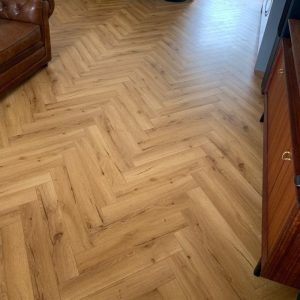
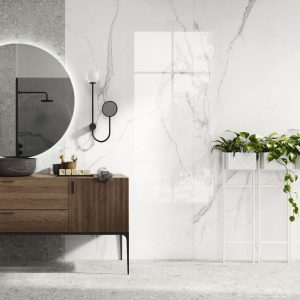
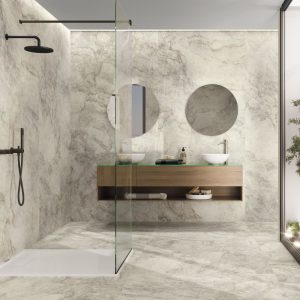
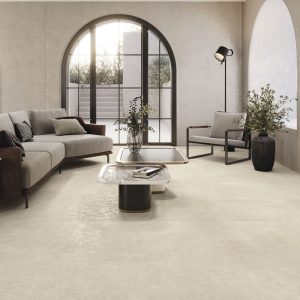
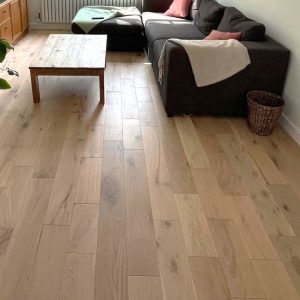
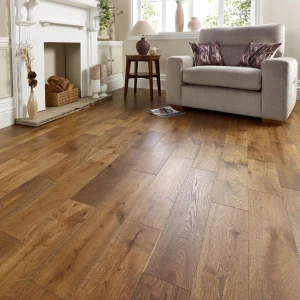
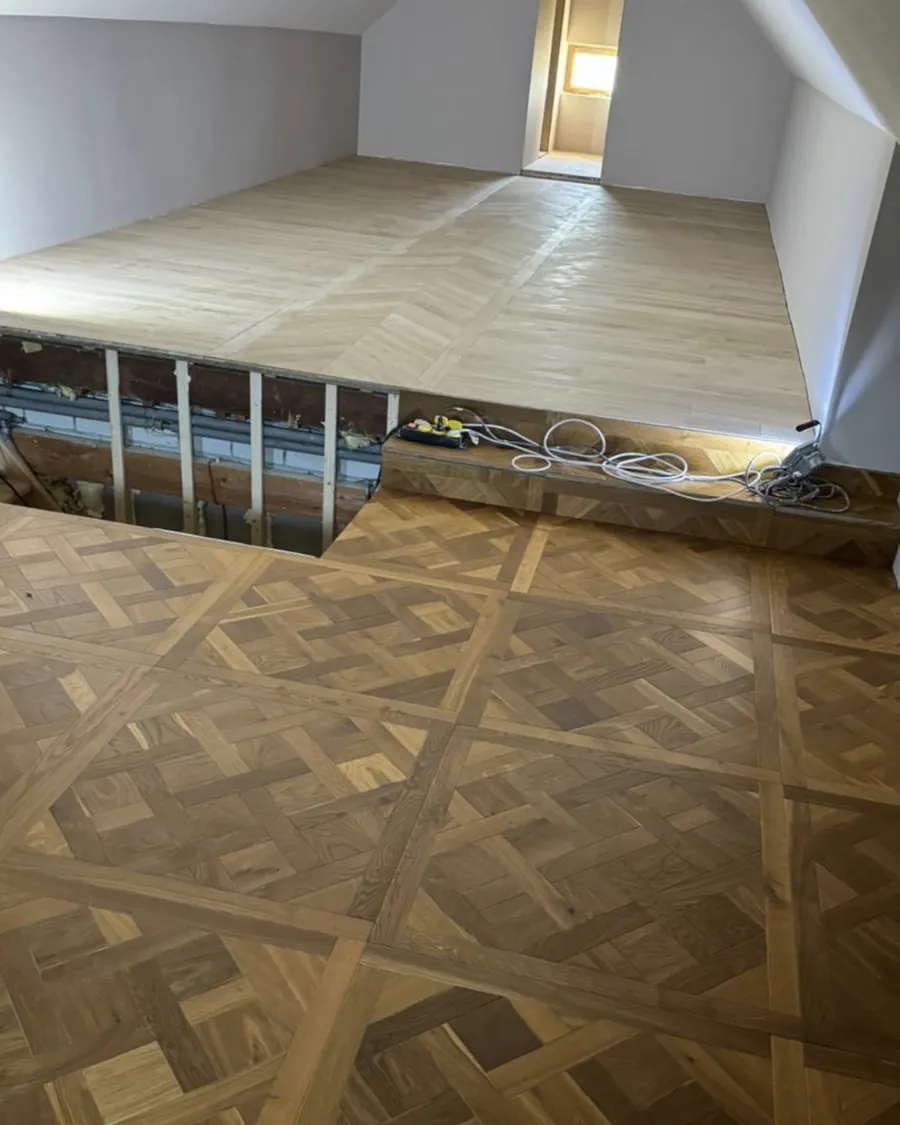
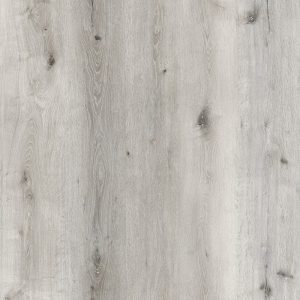
The BML floors in the range have a wear layer of 0.3 mm on the 5.2 mm click planks and 0.55 mm on the 6.5 mm wide planks, herringbone blocks and stone-effect tiles. All have a textured surface, are graded commercial, are listed as waterproof, come with the underlay backing attached, and carry a 25-year manufacturer's warranty.
What the class number does and does not say
A vinyl floor's declaration carries a use class, 23 for heavy domestic, 31 to 34 for commercial. EN ISO 10582, the standard for heterogeneous PVC floor coverings, includes that classification by intensity of use so that a buyer can see where the floor gives satisfactory service. It does not tie the class to a wear layer thickness in millimetres: the class says where a floor is fit to be used, not how thick its wear layer is. So a floor's grade and its wear layer are two facts, and both are on the datasheet.
The published rule: low moisture, no pooling
For multilayer modular floor coverings the MMFA requires low-moisture cleaning methods and states that pooling of liquid on the floor must be avoided under all circumstances. That is the whole of the rule, and everything below follows from it.
Protecting the surface
Felt pads under chair and table legs, a mat inside the front door that catches grit before it reaches the floor, and castors or glides on anything that rolls. A textured surface shows a scuff less readily than a smooth gloss one, but it collects grit in the texture, which is why the dry pass comes first. The wood floor care guide covers the same habits for wood.
What is underneath
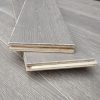
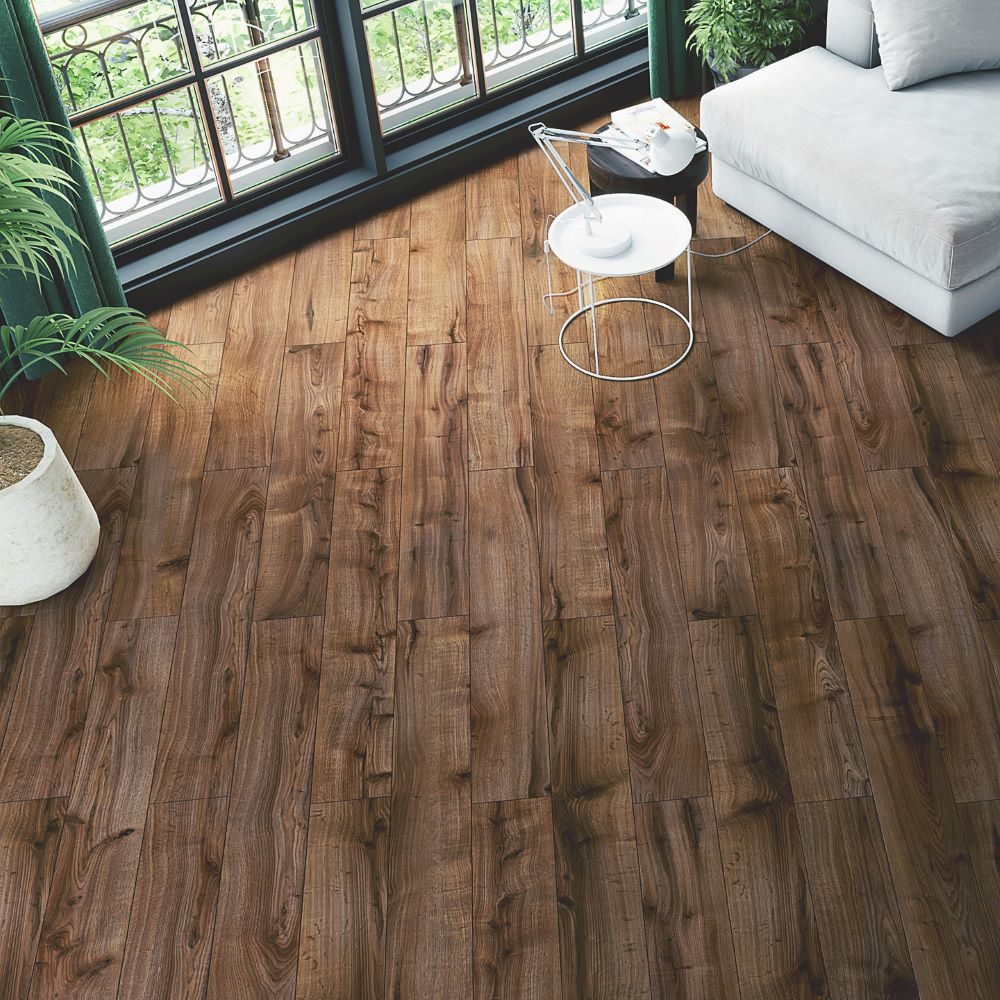
The BML floors arrive with the underlay backing attached, and a second underlay is not part of the specification. The MMFA groups what an underlay does under three headings, levelling small unevenness, protecting the floor from wear beneath and from rising residual moisture, and improving sound, heat insulation and comfort, and the attached backing is the range's answer to all three. Over underfloor heating the floors are listed as compatible; the underlay guide covers the thermal limit that applies to the whole build-up.
When something does go wrong
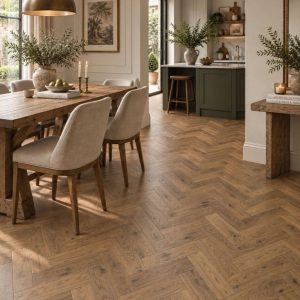
A click floor is a floating floor, and a damaged plank can be lifted and replaced by working back from the nearest wall, which is the reason to keep a spare box from the original order. A leak is a drying job rather than a new floor, provided the water is taken up rather than left, and provided the subfloor beneath is dried before the boards go back. The 25-year warranty has its own conditions on cleaning and installation, and they are the conditions to read first.
Common questions
Can I use a steam mop on SPC or LVT?
The published guidance for multilayer modular floors requires low-moisture cleaning and forbids pooling; a steam mop is neither low-moisture nor cool, and it drives heat and wet into the click joints. Use a well-wrung or spray mop instead.
The floor is listed as waterproof. Why does standing water matter?
The board is waterproof; the floor is boards, joints and a subfloor. The MMFA says pooling must be avoided under all circumstances because water that stands finds the joint, and the subfloor beneath does not share the board's rating.
Does the wear layer wear out?
It is the layer that takes the traffic, 0.3 mm on the range's 5.2 mm planks and 0.55 mm on the 6.5 mm formats, and grit is what wears it. Keeping the floor swept and matted does more for it than any cleaner.
Do I need underlay under rigid vinyl?
Not under the BML floors: the underlay backing is attached, and a second layer is not part of the specification. Two soft layers under a click joint let it flex.
Grit, sand and a wet climate are the three things a floor meets at the door, and how much of each depends on where the house stands. Browse by town and region.

What the published standards say
Who publishes this guide
- Samples £1.99 each
- UK-wide delivery
- Advice before you order