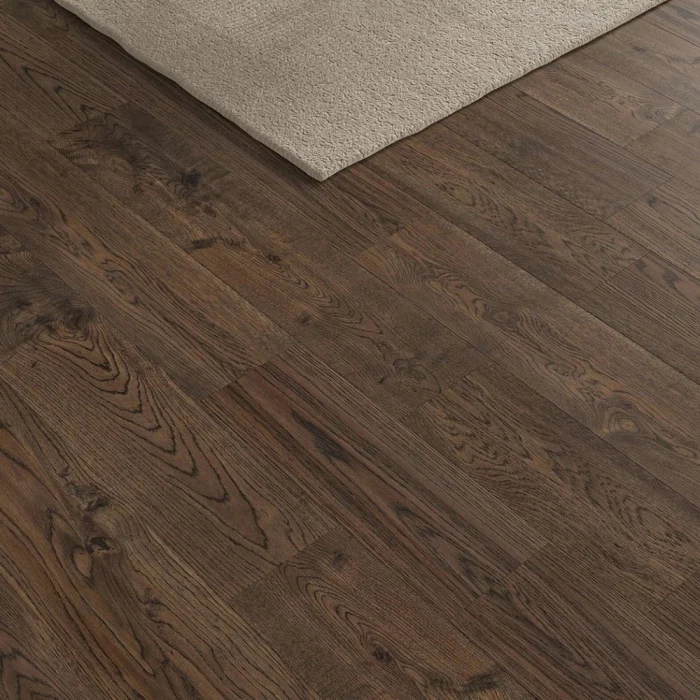
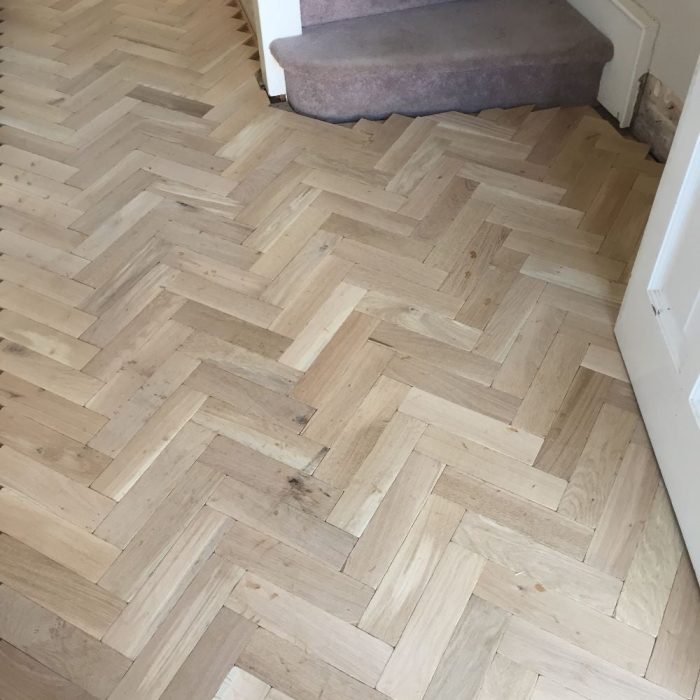
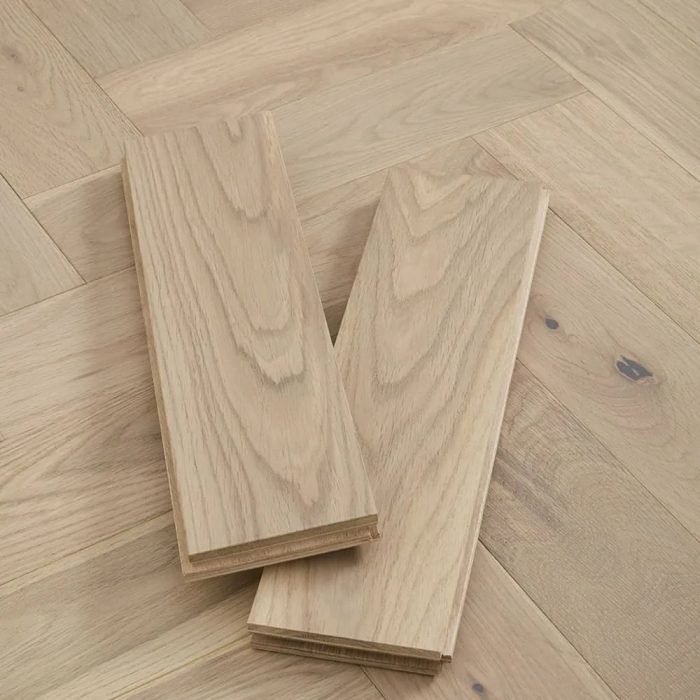
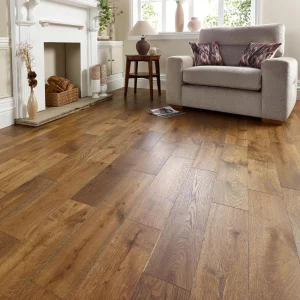
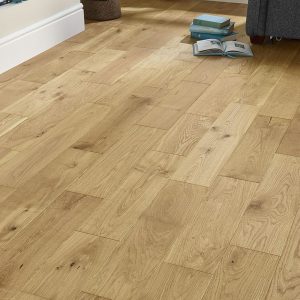
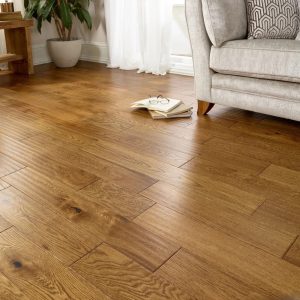
Where new oak goes down, level the base first: a solid board transmits every dip in the joists straight to the surface you walk on.
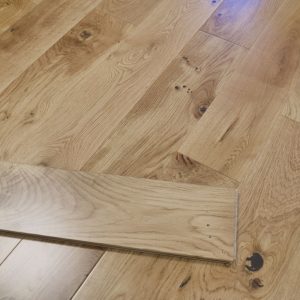
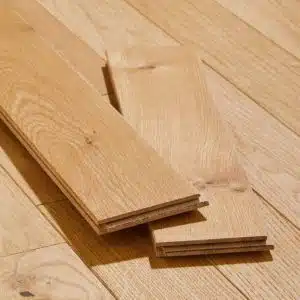
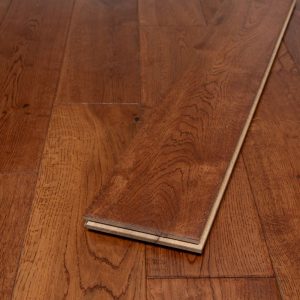
A solid Windsor board goes into the Victorian houses of Caversham, Eldon Square and Kendrick, on suspended timber over a ventilated void, where the joists are levelled first because a solid board transmits every dip beneath it straight to the surface. The moisture in the void is read before the order, the boards spend their fortnight in the room, and the tongue-and-groove goes over the joists or a plywood deck.
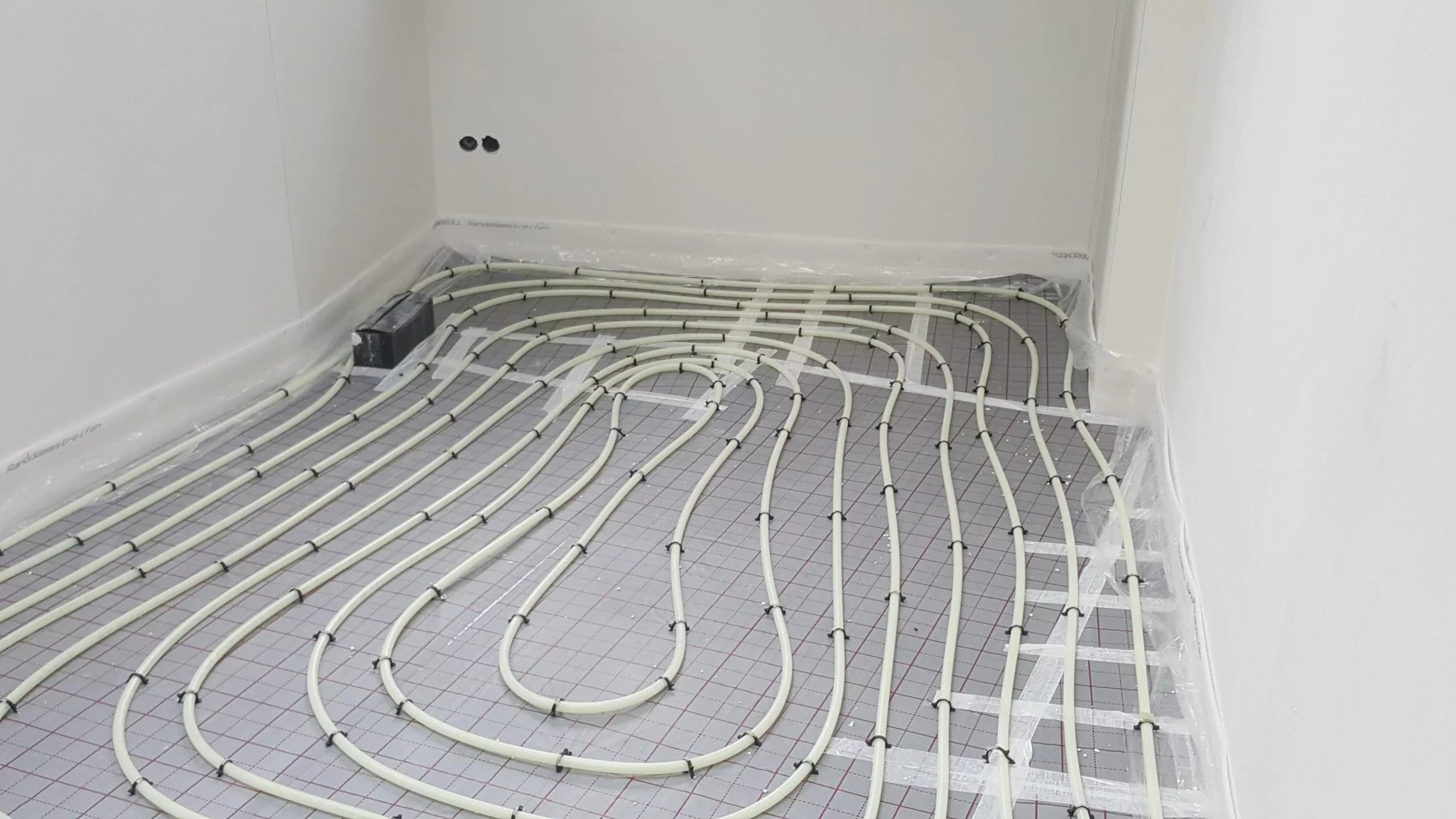
In the Kendrick and Eldon Square conservation areas the original board may be what the designation protects, and restoring it is the solid-wood job there. The exclusions are heat and concrete: Dee Park, Watchman’s Place and the Kennet Island flats are heated screed, and the Tilehurst and Whitley estates are slab, and both call for the engineered range. A Reading let, in a town where nearly a third of households rent, is not a solid board’s home either.
Flats are 33% of the homes in the Reading district, and a flat is usually the wrong place for a solid board: the base is often concrete, the lease usually has an impact-sound clause, and a solid floor cannot be floated on an acoustic underlay. In a converted house with a timber floor and no clause, it can work; in a purpose-built block, an engineered board over acoustic underlay is the right answer and the wood looks the same.
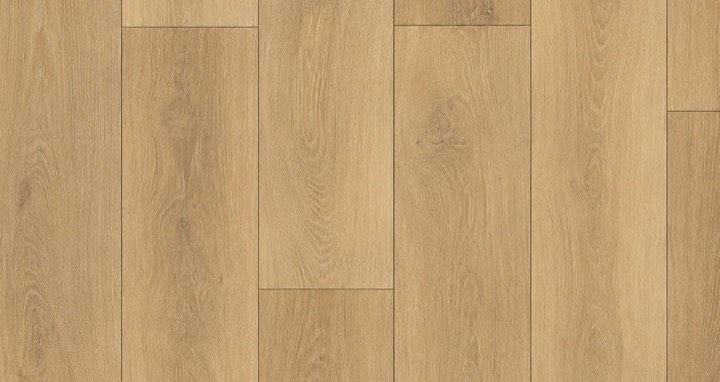
Terraced houses are 28% of the homes in the Reading district, and a terrace is where solid oak is at home: the original floor was solid timber on joists, and a new solid board is fixed the same way, nailed or screwed through the tongue into the joists or a ply overlay. The 90 mm Windsor Narrow boards suit the proportions of a terraced front room. What the terrace needs first is a dry, ventilated void underneath, because solid timber follows the moisture of the air around it.