Local fact sheet
Reading's homes, by the numbers
Reading in the 2021 census: 67,682 households, 66% houses, 33% flats.
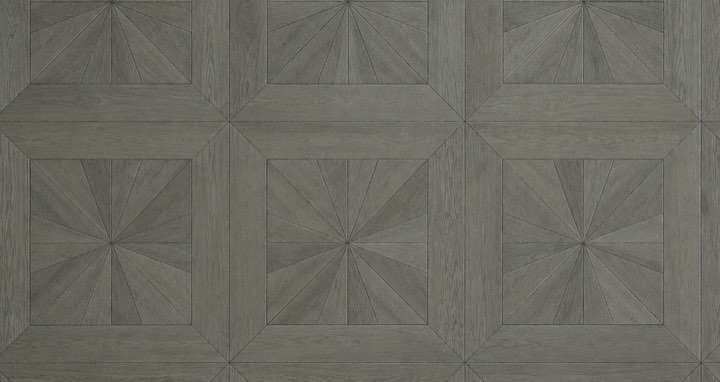
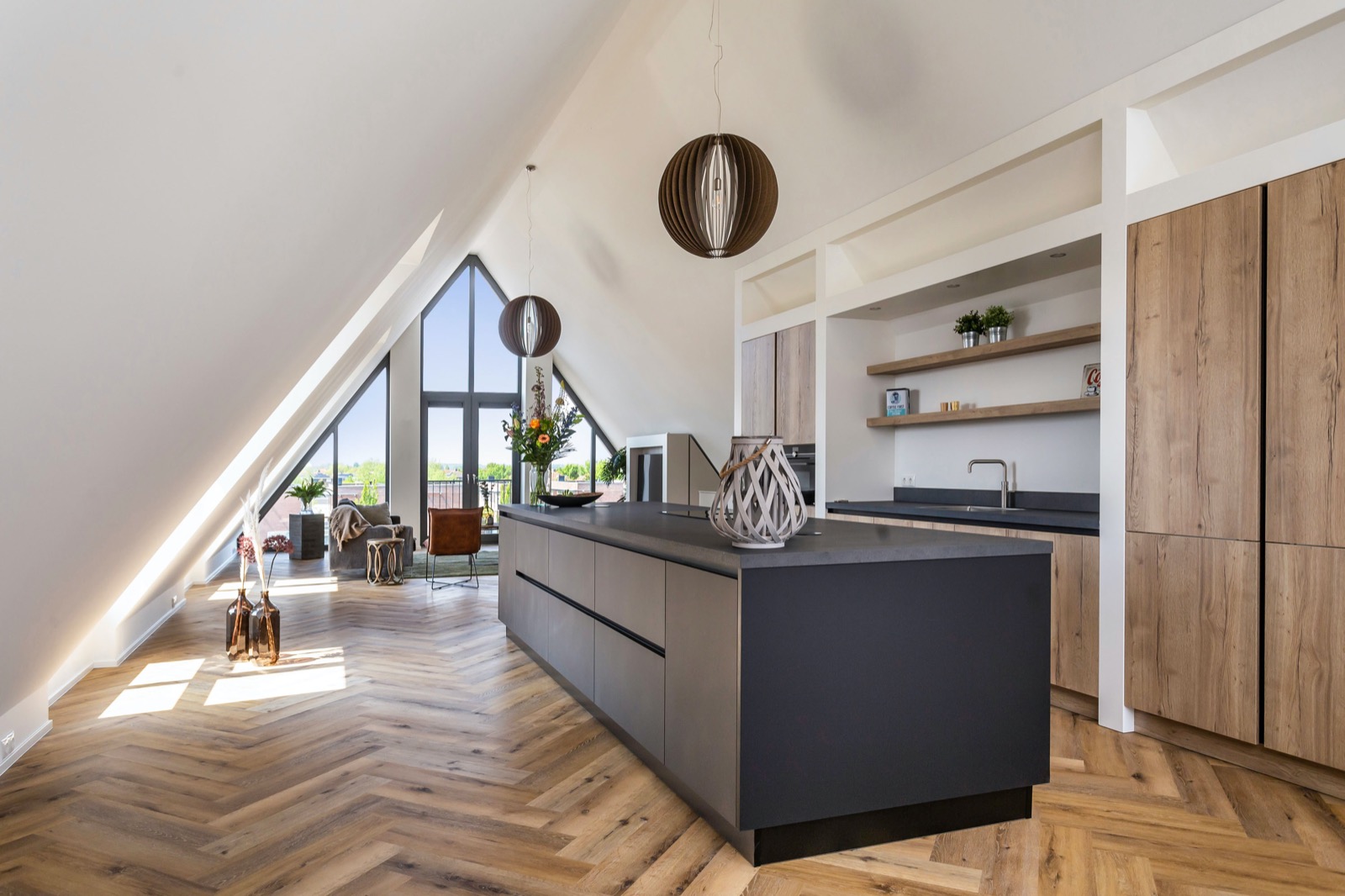
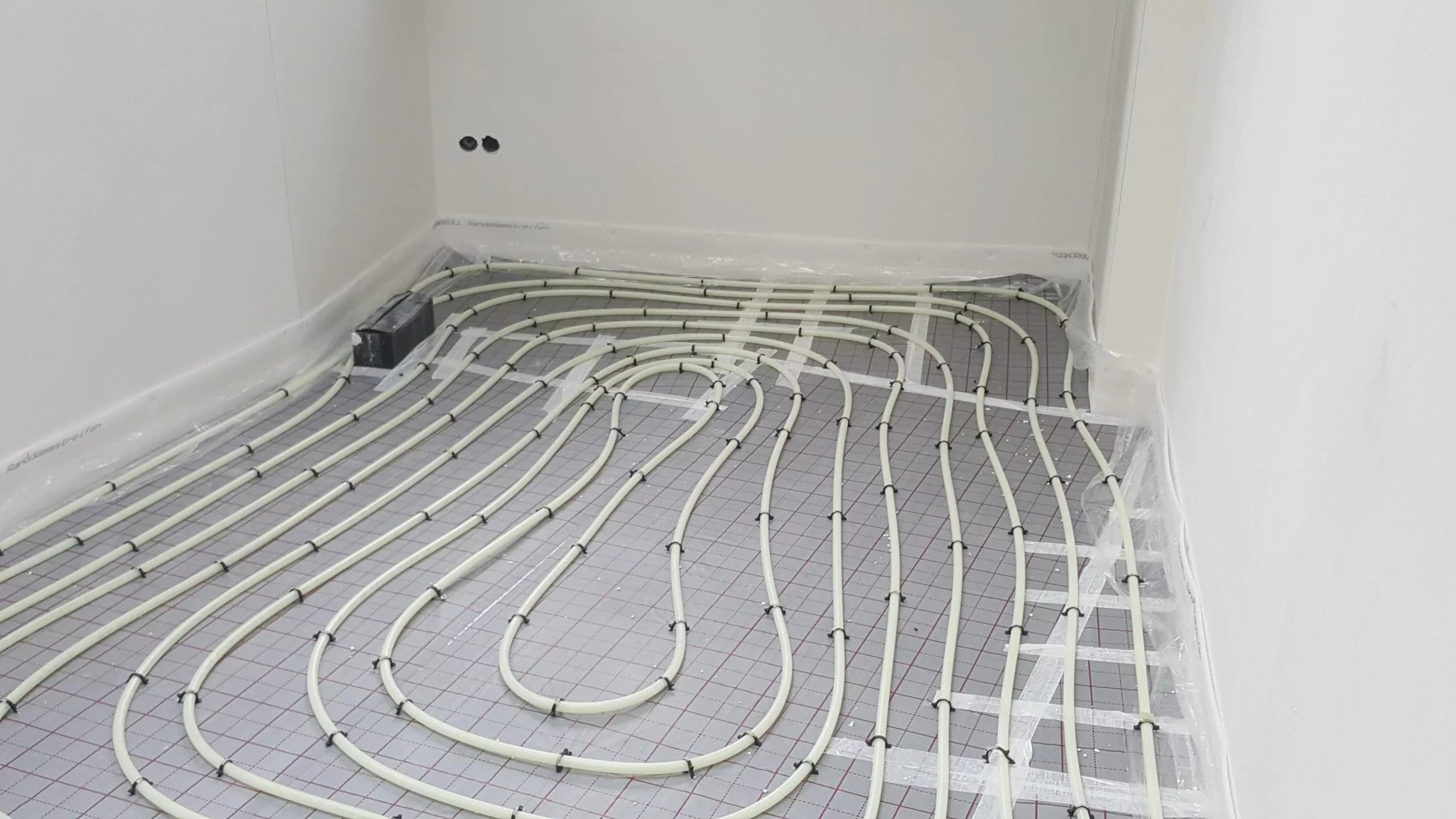
Reading grew mainly in the Victorian and Edwardian periods, and the era is still legible in the locally fired polychrome brick with terracotta and tile detail across the older suburbs. Those houses have suspended timber ground floors that need levelling before anything is laid, and the 15 conservation areas — St Peter's, Kendrick, Eldon Square, Market Place — add a consent question wherever original boards survive. Dee Park, Dwyer Road and Watchman's Place are the newer condition: screed, commonly underfloor heating, and engineered wood rather than solid timber over a heat source.
Reading’s housing market blends Victorian terraces in the town centre and Caversham with modern developments around Green Park and the station quarter. Surrounding villages like Sonning and Pangbourne offer premium country homes where traditional flooring is in high demand. The town’s proximity to London also drives a commuter market that values quality finishes.
A house or flat is rarely finished on the day the keys arrive. Snagging brings trades back through the rooms for weeks — touching up paint, adjusting doors, sometimes lifting a section of floor to reach a service. A floor laid before that list is closed gets damaged by the people closing it.
Delivery times and options depend on the delivery postcode. See Delivery & Returns for the applicable estimate.