Local fact sheet
Norwich's homes, by the numbers
Norwich in the 2021 census: 64,459 households, 64% houses, 36% flats.
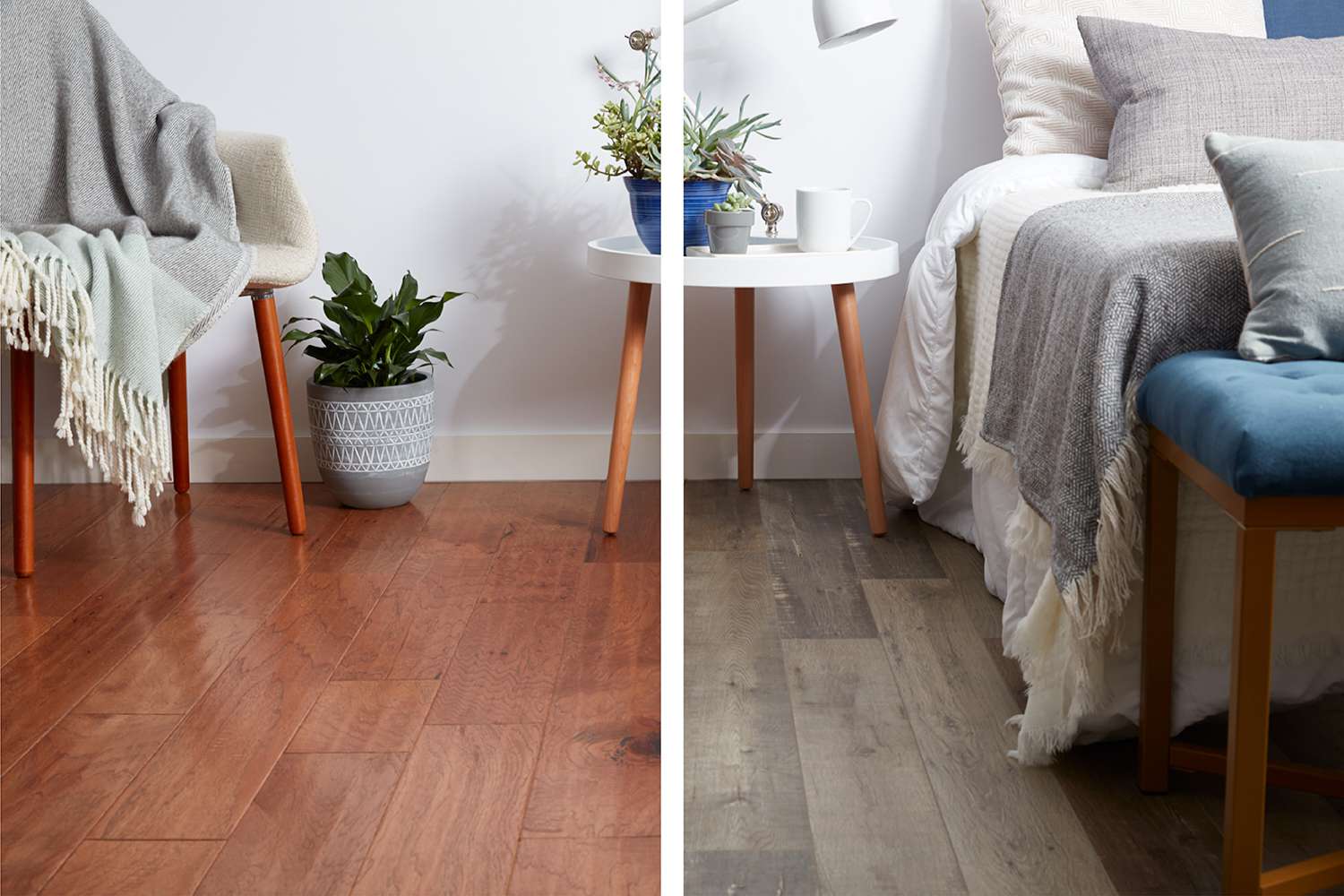
Owner occupation stands at 42.1%, which leaves a clear majority of Norwich homes rented, 30.3% from social landlords and 26.9% privately. Terraces are the largest single form at 32.0%, purpose-built flats close behind at 30.2%, and detached houses a thin 10.3%. NR1 to NR7 reach Mancroft, Lakenham, Mile Cross, Catton Grove and Eaton. Rented stock argues for wear layers that survive turnover and for finishes replaceable room by room rather than as one continuous floor. Terraced ground floors are often suspended timber, which moves and is seldom level; in the purpose-built blocks the constraint flips to impact sound and to whatever the lease or the tenancy agreement permits underfoot.
Norwich combines medieval and Georgian heritage in the Cathedral Quarter and around Elm Hill with elegant Victorian villas in Eaton and Heigham, modern developments at Cringleford and substantial properties across surrounding Norfolk villages. The city’s thriving university, cathedral and growing tech sector drive consistent demand for quality renovations.
In the streets around Mancroft, Nelson and Crome, internal doors were hung to the floor as it then was, and most have little clearance underneath. Raising the level means doors come off and get trimmed — ordinary work, but it belongs in the plan.
Delivery times and options depend on the delivery postcode. See Delivery & Returns for the applicable estimate.