Local fact sheet
Cardiff's homes, by the numbers
Cardiff in the 2021 census: 147,334 households, 73% houses, 27% flats.
Terraces are Cardiff's most common house type at 31%, ahead of semis at 29%, flats at 26% and detached at 14%, and 60% of the council's own stock predates the mid-1960s. The terraces of Canton, Roath and Grangetown are suspended timber at ground level and want levelling before anything is laid; the later estates are solid slab and want the damp-proof membrane checked. Cathays Park, Cathedral Road, Llandaff and Roath Park are among the 27 conservation areas, where original boards are protected. Plasdwr and the Lisvane schemes are the modern case: screed, underfloor heating, engineered wood over solid.
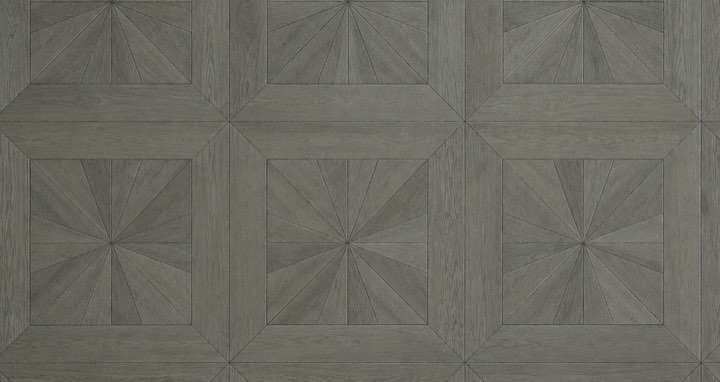
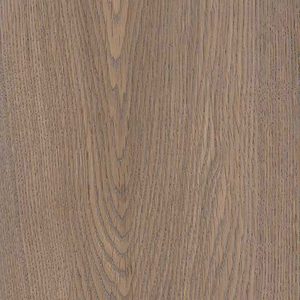
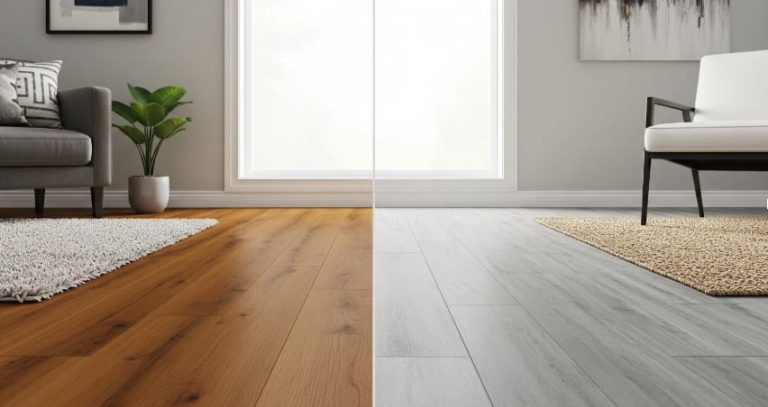
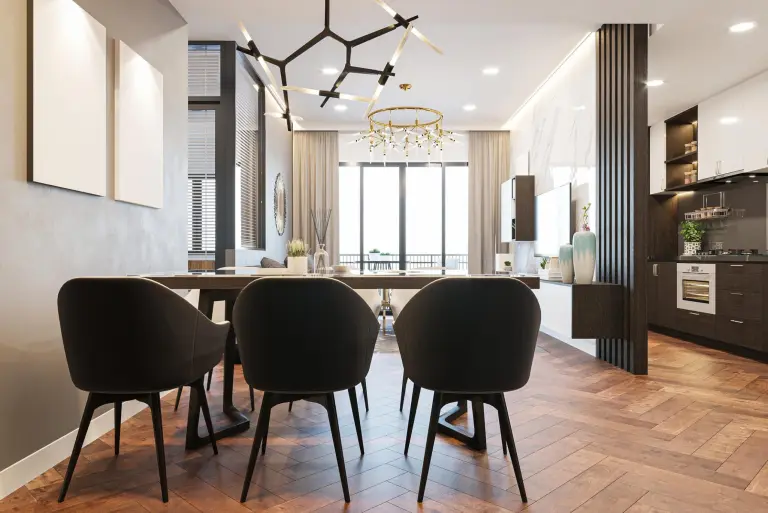
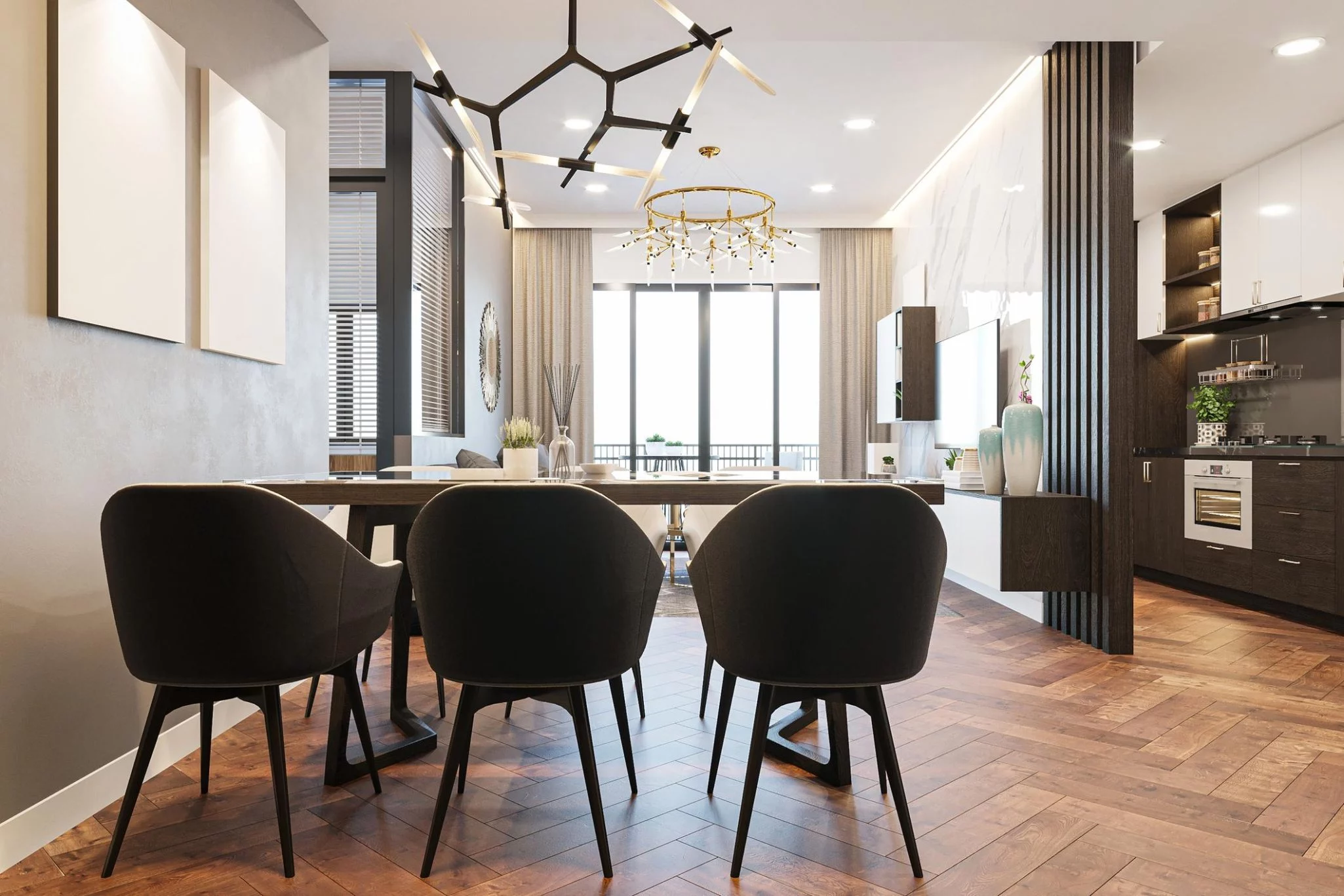
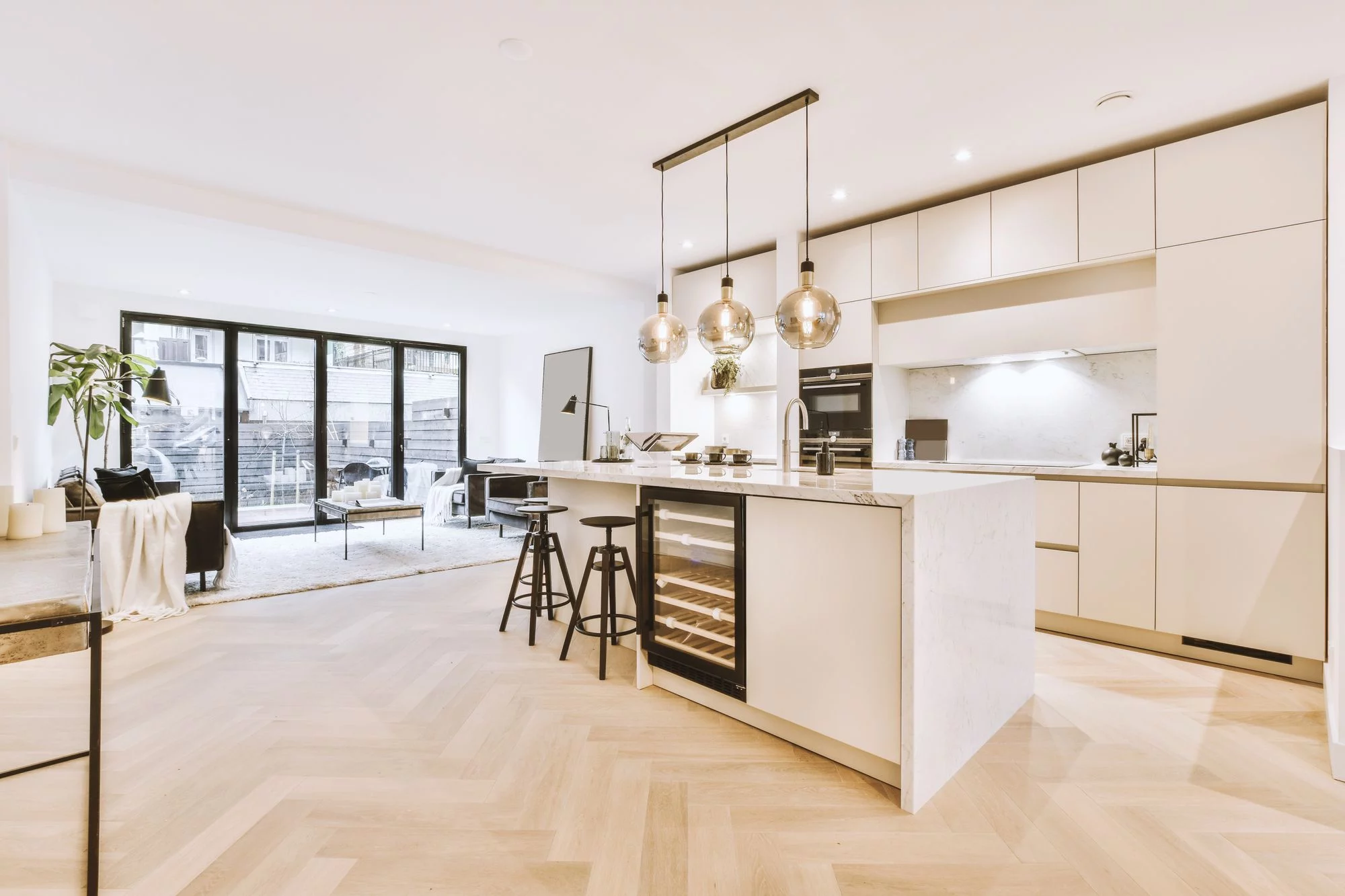
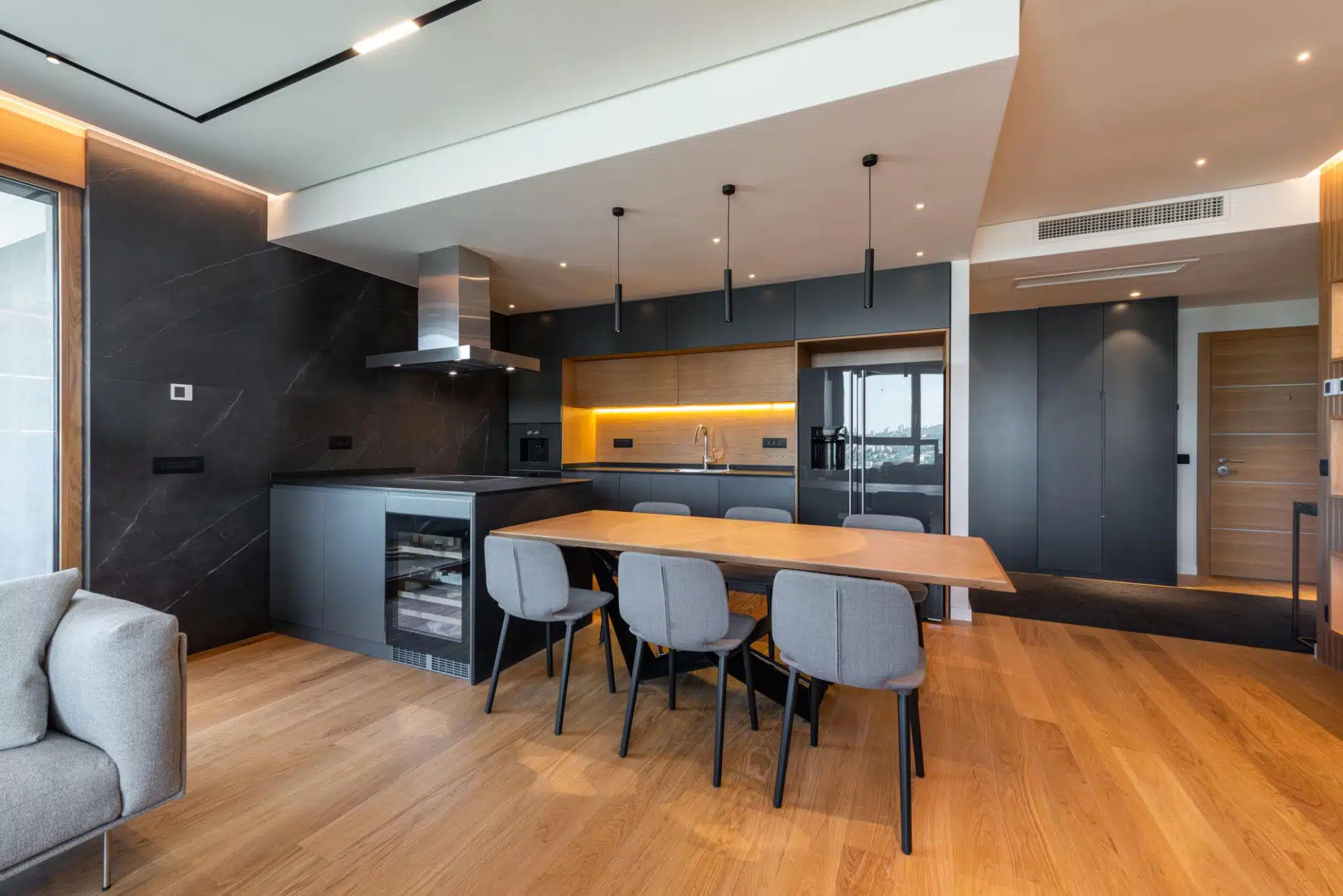
Cardiff blends classic Victorian and Edwardian terraces in areas like Pontcanna and Roath with modern waterfront living around Cardiff Bay. As the Welsh capital, it attracts a mix of families, professionals and investors. The city’s period homes suit traditional oak, while the Bay developments lean towards contemporary finishes.
Cross-ventilation is what makes that work: air has to enter on one side of the house and leave on the other. A rear extension, a raised patio or a run of painted-over airbricks closes one side, the air stops moving, and the floor above it stays damp however dry the weather turns.
Delivery times and options depend on the delivery postcode. See Delivery & Returns for the applicable estimate.