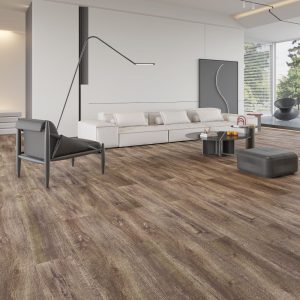
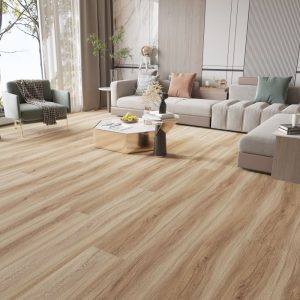
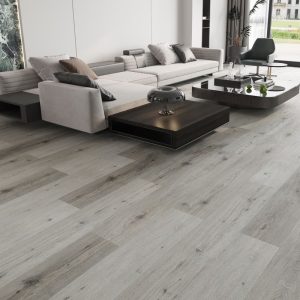
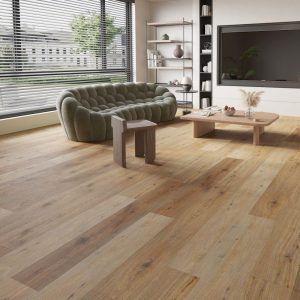
In the lower flat the joists span a void and want levelling first; above that, a plank that ignores damp underfoot is the sensible finish.
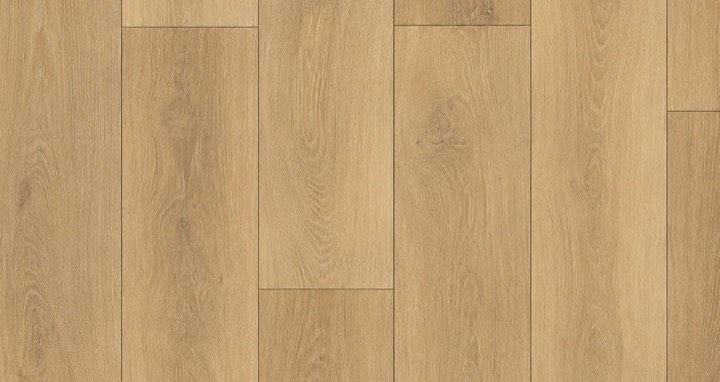
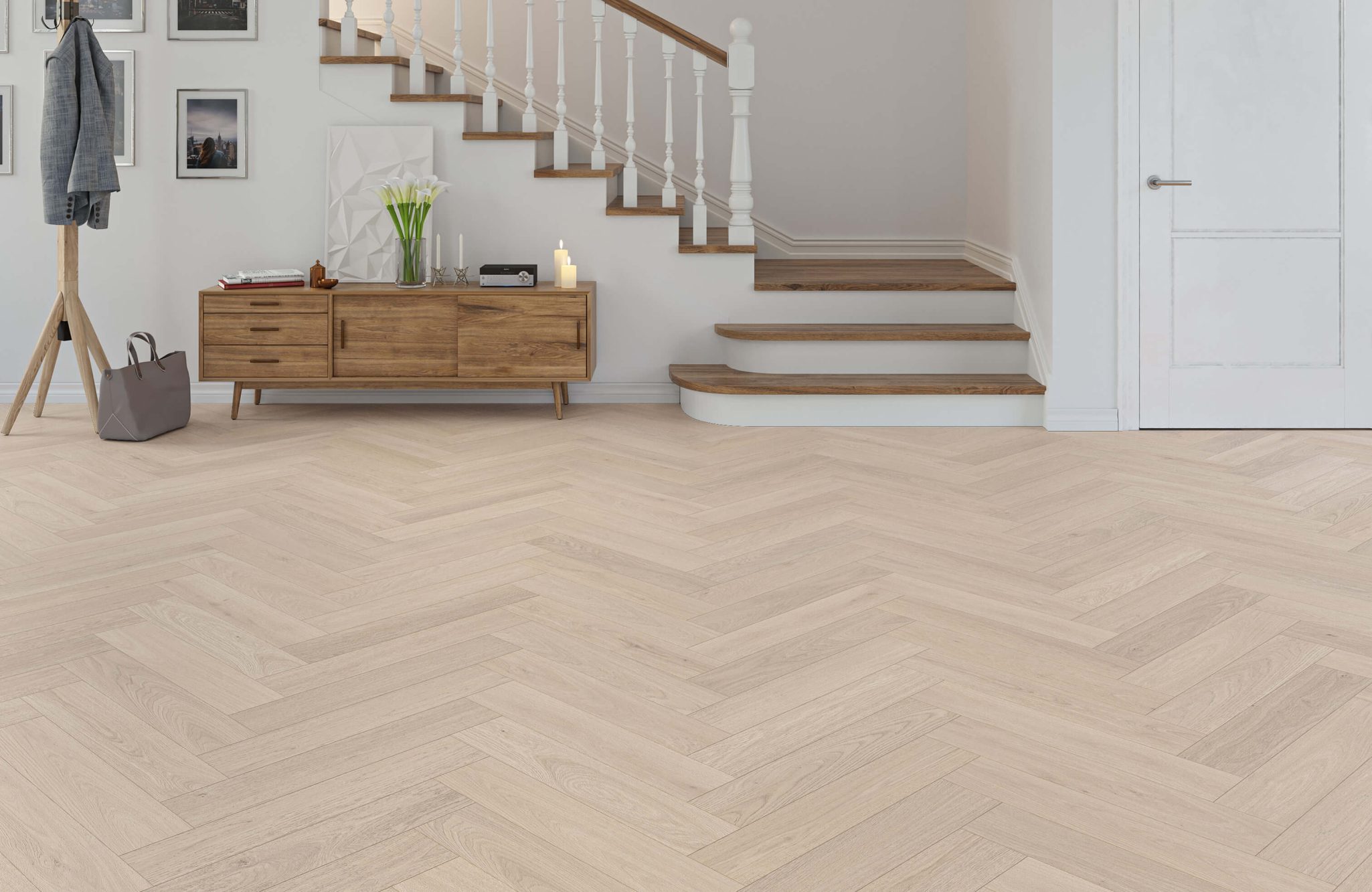
Weather arrives at an NE4 or NE6 front door with every visitor for most of the year, and the BML rigid vinyl plank is the hall floor that takes it: the plank itself is listed as waterproof, the surface is mopped, and the underlay bonded to the back keeps the build-up shallow in a Tyneside flat whose door frame has no depth to spare. Upstairs the acoustic layer still goes beneath it; downstairs the boards over the void are levelled first.
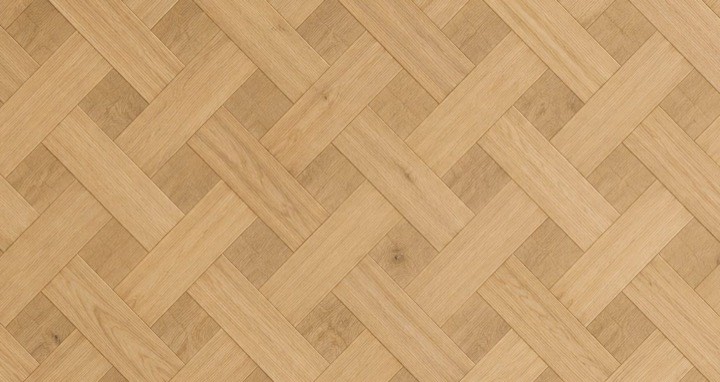
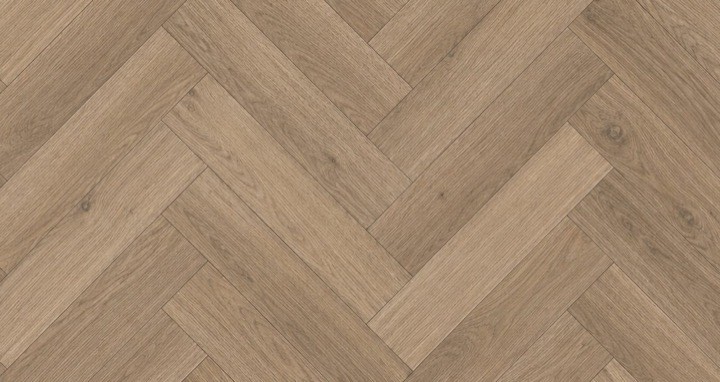
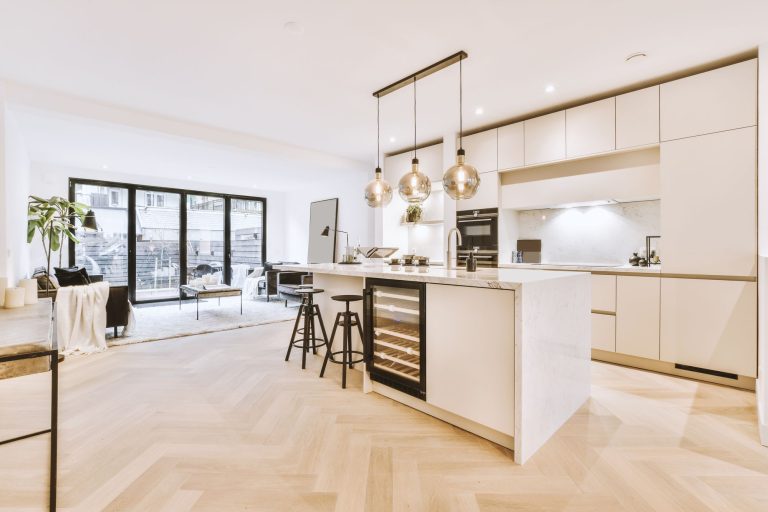
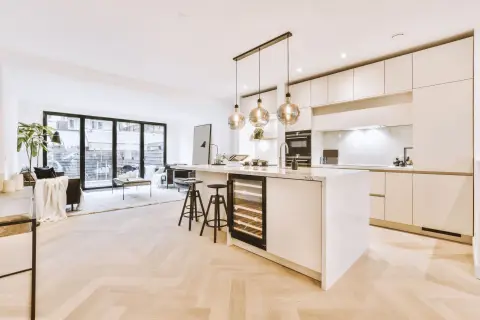
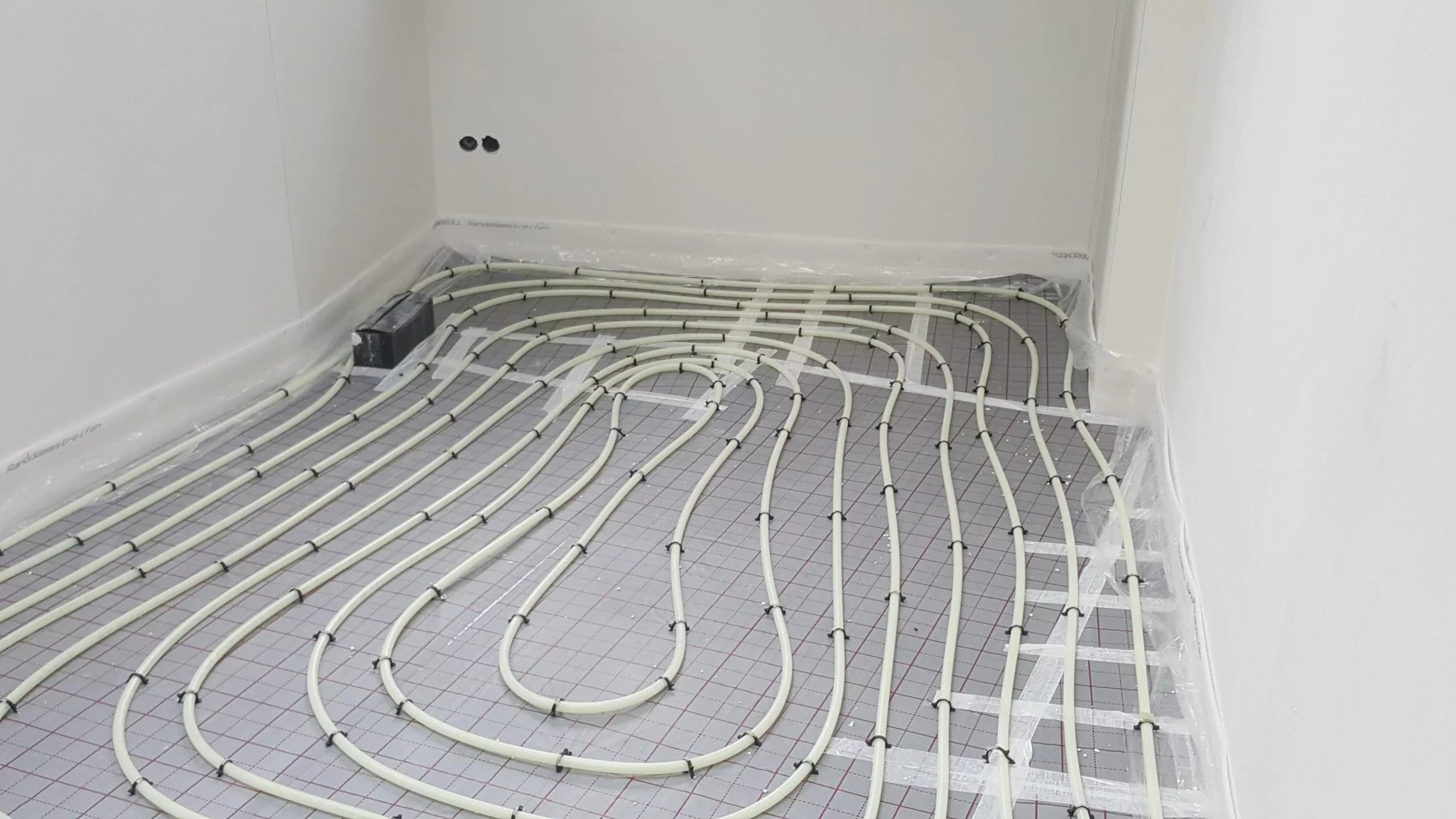
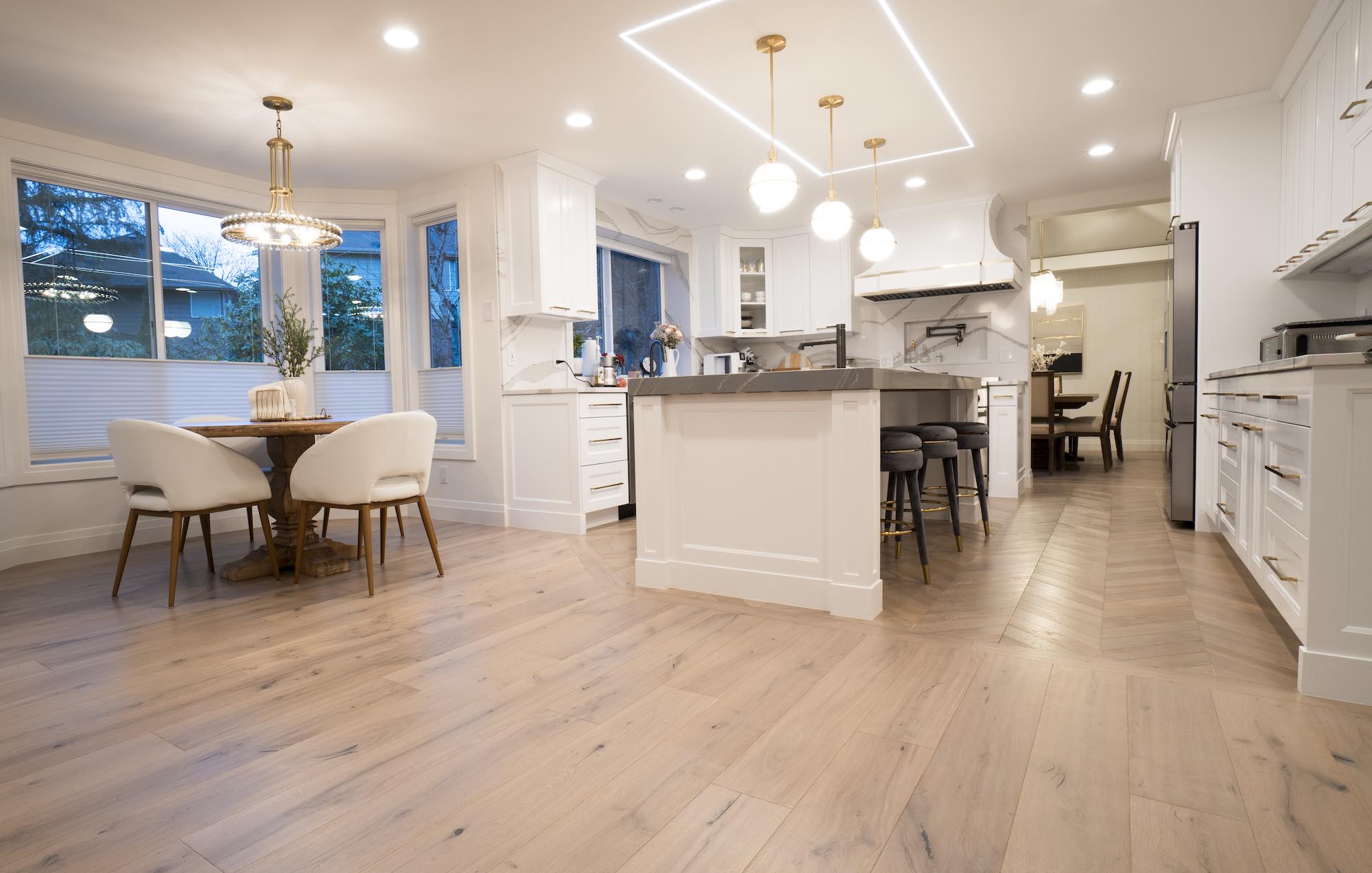
A Heaton or Sandyford landlord replaces a scuffed plank on its own between student tenancies, which no timber floor allows. Out at Tynemouth and Whitley Bay the coastal damp is one more argument for a plank that takes on no water. At Newcastle Great Park the screed is heated and the plank is listed as compatible with it; the herringbone block in the same range gives an NE2 hall the parquet pattern on the same core.
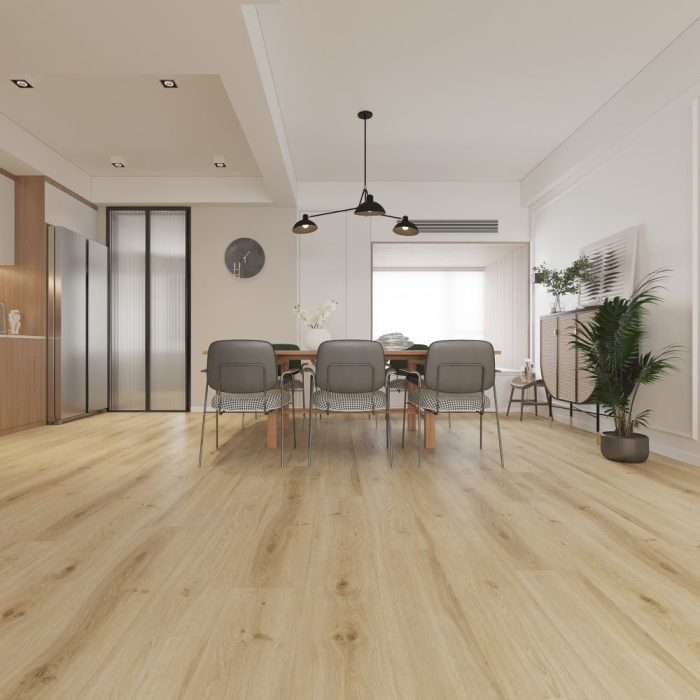
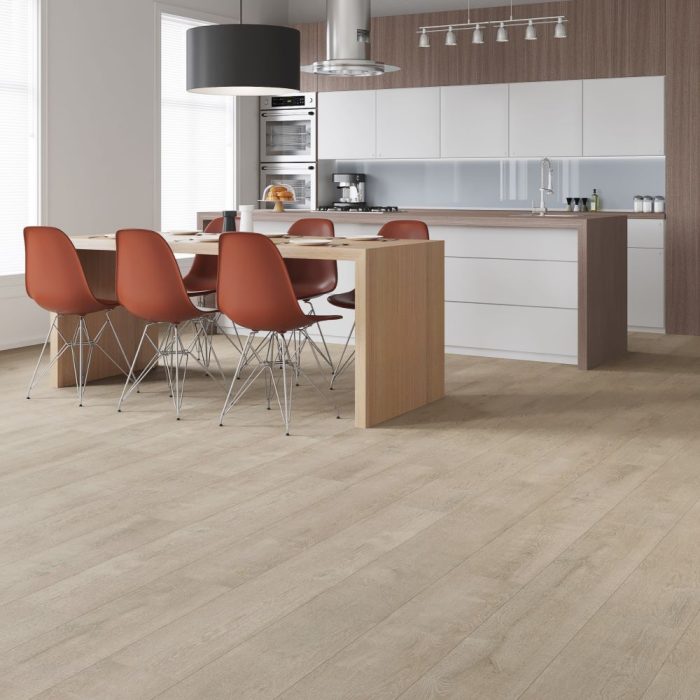
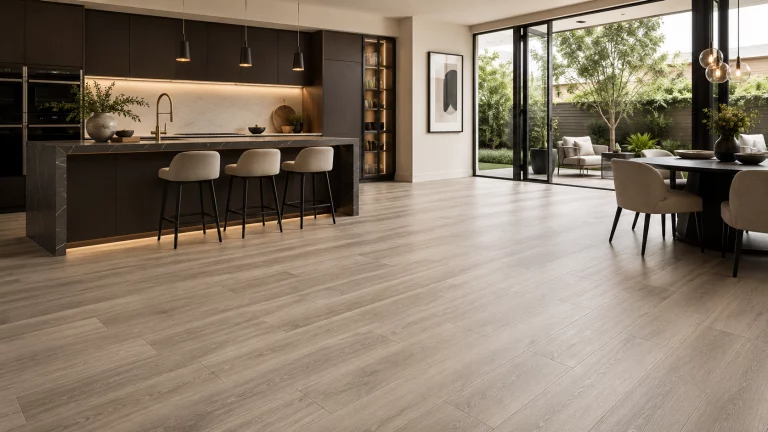
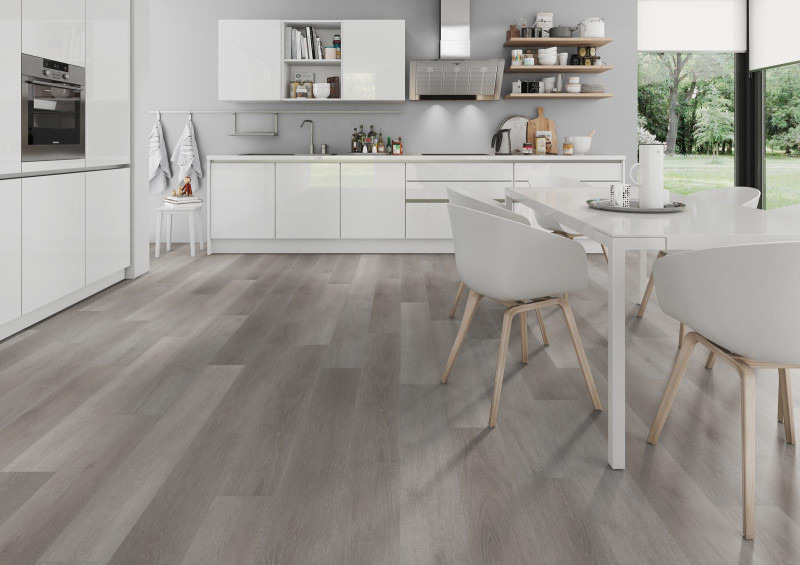
Semi-detached houses are 35% of the Newcastle upon Tyne stock, and the semi's kitchen-diner, timber at the front and concrete under the extension, is a rigid-vinyl floor more often than any other in Newcastle: one click floor across both bases, an underlay chosen per base, and no seam at the join. The wear layer decides the room: 0.55 mm for the kitchen and the hall, 0.3 mm where the traffic is lighter.
Flats are 32% of the homes in the Newcastle upon Tyne district, and a rigid-vinyl floor in a flat goes over the slab on an acoustic underlay: it is thin enough to stay under the door thresholds and quiet enough, with the right underlay, to meet the impact-sound clause a lease carries. The kitchen and the bathroom of a flat are its two natural rooms.