








Porcelain Tile Cost
Published UK figures for porcelain tiles supplied and fitted, what large format changes, what preparation adds, and the numbers on the tiles in the range.
A porcelain floor is the one floor in this range where the fitting usually costs more than the material. The tile is priced per square metre and the tiler is priced per square metre, and on a mid-range tile the second figure is the larger. This guide sets out the published UK figures for both, what moves them, and what the numbers on the tiles in the range mean for the total.
On this page
The tile

The tiler
Checkatrade's figures for labour are £30 to £60/m², averaging £50, or £240 to £360 a day. MyBuilder's are £20 to £40 an hour and the same range per square metre, with the hourly rate moving by region: around £30 to £40 in London and the South East, £20 to £30 in the Midlands and the North, and £18 to £35 in Scotland and Wales. The two guides agree on the shape of the number and differ on its level, which is what you would expect from two samples of the same trade.
The reason labour is the larger line is that porcelain is cut with a wet saw or a rail cutter, bedded in adhesive on a floor that has to be flat first, and grouted afterwards, and each of those is a separate pass over the same square metre. A click floor is one pass.
The total
Checkatrade's all-in figure for a porcelain floor, tiles, materials and labour together, is £60 to £130/m² with an average of £90. On its worked examples that is £300 to £650 for a 5 m² bathroom, £600 to £1,300 for a 10 m² kitchen and £900 to £2,000 for a 15 m² living space. MyBuilder's £80 to £130 sits inside the same band. Take £90/m² as a planning figure, then move it for the tile tier, the region and the preparation.
Large format changes the labour, not only the tile
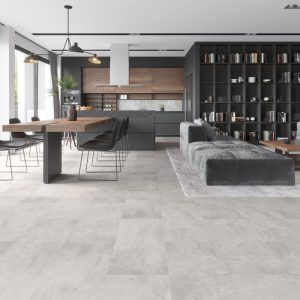
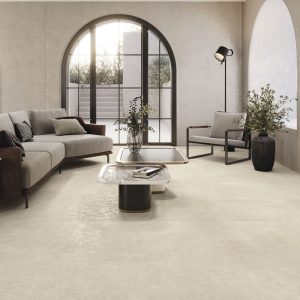
Every floor tile in the range is 600 mm by 1200 mm, which is a large-format tile. Checkatrade's large-format guide (last updated August 2026) prices 800 mm square tiles at £22 to £68/m² and 1200 mm square at £36 to £80/m², says most tilers charge around £50/m² for labour, and gives a day's output as 10 to 15 m² of large-format tile. A large tile has fewer joints to grout and more weight to lift, and it shows a hollow in the floor that a small tile would follow, so the flatness of the subfloor matters more than the tile size does.
What moves the figure
What the tiles in the range carry
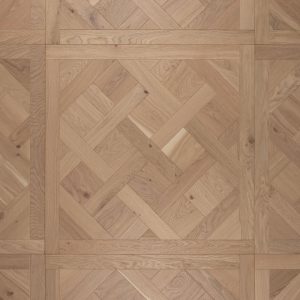
The eleven porcelain floor tiles are 600 mm by 1200 mm, 9 or 10 mm thick, two to a box, so one box is 1.44 m². All are rated for floor and wall, compatible with underfloor heating, frost resistant and listed with a water absorption ratio below 0.5. Their abrasion resistance for glazed ceramic is class III or IV, and two of the lappato stone-effect tiles carry an R11 slip resistance. R11 comes from a different test from the pendulum test the Health and Safety Executive uses to grade slip potential, where a pendulum test value of 36 or more is low potential, 25 to 35 moderate and 0 to 24 high; the two are not converted into each other, so a bathroom specification should ask for the figure it is actually written around.
The bathroom and the kitchen are where porcelain is weighed against rigid vinyl, and what luxury vinyl costs to buy and lay is the comparison to read next. For the order itself, how much to order turns the room into boxes.

Common questions
Why does fitting cost more than the tile?
Because a porcelain floor is three passes over the same square metre: levelling and priming the base, cutting and bedding the tiles, then grouting. Checkatrade's published labour figure is £30 to £60/m² against £20 to £60/m² for the tile itself, and MyBuilder's hourly rate moves from £18 to £40 depending on the region.
Do large tiles cost more to lay?
Checkatrade's large-format guide gives around £50/m² for labour and 10 to 15 m² a day of output. What a large tile adds is a demand on flatness: a 600 by 1200 tile bridges a hollow that a small tile would follow, so the levelling line on the quote is where the format shows up.
How many boxes do I need?
Every floor tile in the range is two tiles to a box and 1.44 m² per box. Divide the room area by 1.44, add the waste allowance you have chosen, and round up to whole boxes. There is no published waste figure for tiles among our sources; the plank and pattern figures from Havwoods, 8 to 12 % and 15 to 20 %, bracket the sensible range.
Can porcelain go over underfloor heating?
Every porcelain tile in the range is listed as compatible with underfloor heating, and where the heating is in a screed the screed is run through its commissioning cycle before tiling. The underfloor heating guide covers the limits on the floor build-up.
A tiler's rate is the line that moves most by region, and the two published guides above show the spread. Browse by town and region.
What the published standards say
Who publishes this guide
- Samples £1.99 each
- UK-wide delivery
- Advice before you order