



Delivery
Delivered to Wrexham
Delivery times and options depend on the delivery postcode. See Delivery & Returns for the applicable estimate.
Also nearby: Chester, Liverpool, Shrewsbury, Warrington
Speak to our team 020 3858 0353 Shop by category
Start with a sample: real cuts of our floors at £1.99 each, sent to your door across the UK.
Start with a sample: real cuts of our floors at £1.99 each, sent to your door across the UK.
North Wales · flooring delivered
Post-war slabs, red brick and lets
15.3% of Wrexham's dwellings date from 1945 to 1954, 2nd of 141 towns. What that, the older brick streets, the lets and the dogs mean for a new floor.
Delivered to Wrexham: LL11 to LL13
Start here · Wrexham in one figure
15.3%
built 1945 to 1954
2nd highest of 141 towns
VOA, 2025-03-31 · all local facts →Of all the dwellings in Wrexham's built-up area, 15.3% were built between 1945 and 1954, against 6.4% for England and Wales, the 2nd highest share among 141 towns.
Few places put so much of their housing into that one decade, and it leaves a particular question under many ground floors. A solid floor laid in those years may have gone down with no damp-proof membrane at all. Until you know whether yours has one, no wood floor, solid or engineered, should go on top.
So in a house of that age the first job is a damp test on the slab, before any talk of colour or finish. The sections below then work back through the older streets, the house types, the lets, the dogs and the weather.
At a glance
Delivery
Delivery times and options depend on the delivery postcode. See Delivery & Returns for the applicable estimate.
Also nearby: Chester, Liverpool, Shrewsbury, Warrington
Speak to our team 020 3858 0353Homes in Wrexham
7 chapters on Wrexham homes and what they ask of a floor · about 5 min read
01/ 07
The guide to period homes names the case precisely: a solid floor in an older house, a quarry-tiled kitchen on concrete or a hall laid in the 1950s, may have nothing between it and the damp in the ground. In Wrexham, where 15.3% of dwellings come from 1945 to 1954, that possibility is worth ruling out in any house of the period. The order of work follows from it: a moisture reading on the slab, then the choice of floor, and only then the order.
Bungalows add to the ground-floor question. They account for 9.5% of the town's dwellings, 15th of 141 towns and above the 9.2% for England and Wales. A bungalow has no upper storey, so the bedrooms, the hall and the kitchen all sit at ground level, and the presence and condition of the damp-proof membrane decide what can be laid in every one of them, not only in the kitchen.
02/ 07
Older housing is a smaller share here than across England and Wales. Dwellings from before 1940 make up 25.6% (England and Wales: 35.4%), 108th of 141 towns, and those from before 1900 only 9.4% against 15.5%. The years 1900 to 1918 run the other way: 6.4% of dwellings date from 1900 to 1918, above the 5.2% for England and Wales and 42nd of 141 towns.
The council's appraisal dates one cluster. Grosvenor Road and Grove Road were laid out between 1861 and 1881, it records, as prestigious streets for the town's emerging middle class. A house of that generation, like an Edwardian one or a semi of the 1930s, normally stands on a suspended timber ground floor: boards on joists, with air moving through the void beneath them.
That moving air is what keeps the timber dry, and the floor stays sound only for as long as the airbricks in the outside walls stay open. Before a new floor goes into a pre-war Wrexham house, walk round the outside walls and make sure no path, patio or flower bed has been raised over them. Then lift a corner of the old covering and look at the boards themselves.
03/ 07
South of the historic town centre, the council's appraisal of one conservation area describes streets of buildings typically two storeys high, mostly short terraces or semi-detached houses. Ruabon red brick is its predominant material, at its most common in the later 19th-century and early 20th-century houses there.
Which rooms get wet, and how much grit crosses the threshold, depends as much on the house as on the household, and a short terrace with its door on the pavement behaves differently from a semi with a hall. If the old boards in a house like this stay down and the new floor goes over them, the new floor inherits their condition: a loose board, a squeak, a dip. Fix whatever moves before anything is laid on top.
That conservation area is one of 23 the council lists across the county borough, and four entries in its list carry the town's name, among them Wrexham Town Centre, Grosvenor Road and Fairy Road. Conservation-area rules concern the exterior of a building, so a new floor inside a house in one of these areas is not what they address.
04/ 07
Semi-detached houses are home to 33.9% of Wrexham households, above the 31.5% for England and Wales, and detached houses to 24.5%, 22nd of 151 towns (England and Wales: 23.2%). Terraced houses hold 21.8%, below the 23.2% for England and Wales and 105th of 151.
The difference shows at the front door. In a semi the hall usually takes the grit and the wear before anyone reaches the living room; in a terrace whose door opens straight into the front room, the same dirt lands where you sit. Give the hardest-wearing surface to whichever room the street reaches first.
Flats account for 19.8% of households, below the 21.7% for England and Wales and 96th of 151 towns. In a flat the floor is shared in practice: footsteps travel through the structure into the ceiling of the home below, and a hard surface carries them further than carpet did, so the underlay is chosen by its impact figure. In a house, echo within a room is a job for rugs and furniture instead.
05/ 07
Councils and housing associations let the homes of 24.3% of Wrexham households, 28th of 151 towns and well above the 17.1% for England and Wales. Another 20.6% rent privately (England and Wales: 20.3%). Owner-occupiers, outright or with a mortgage, make up 54.3%, 115th of 151 against 61.6% for England and Wales.
In a rented home a washing machine leak or an overflowing shower is often reported late, if at all. A floor that takes on no water turns that into a drying job; one that soaks it up turns it into a replacement and an empty property. A landlord also chooses for tenants who have not yet signed, and a poor choice shows only years later, while an owner chooses for the people who will walk on the floor every day.
06/ 07
The three postcode districts LL11 to LL13 have a median of 0.78 dogs per household, a modelled estimate from 2015 that ranks the town 3rd of 150; across 2,737 postcode districts in Great Britain the median is 0.41.
The guide for dog owners argues that scratching is the usual question but not the bigger one. Water carried in on paws, and whether the dog can walk on the floor at all, cause more trouble day to day.
Wet weather feeds the first of those. The town centre averages 18.3 days a year with ten millimetres of rain or more (1991 to 2020 average), against a median of 17.8 for the 151 towns. On such days grit and water arrive together at the back door as well as the front, so put a mat well there and choose a surface listed as waterproof where water will stand.
07/ 07
January in the town centre averages 4.9 °C (1991 to 2020 average; median of the 151 towns: 4.8 °C). Through the heating season the air indoors dries, wooden boards give up moisture and shrink slightly, and fine gaps can open between them. In summer the boards take the moisture back and the gaps close again. Gaps that come and go with the seasons are this movement at work, which is why a solid or engineered floor is laid with room to move at the walls.
Floor by floor
19 floors, rooms and needs, each with a note written for Wrexham homes. Pick one to read it.
 Floor type
Wrexham
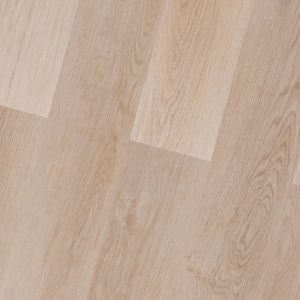
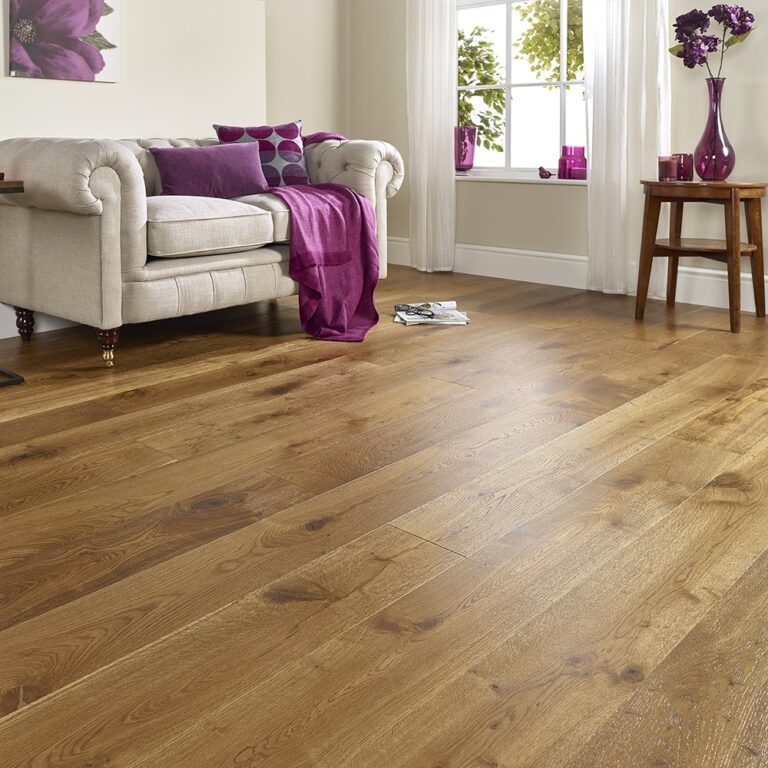
Engineered boards can go onto a slab from 1945 to 1954 once a damp test has shown whether it has a membrane, and not before.
 Floor type
Wrexham
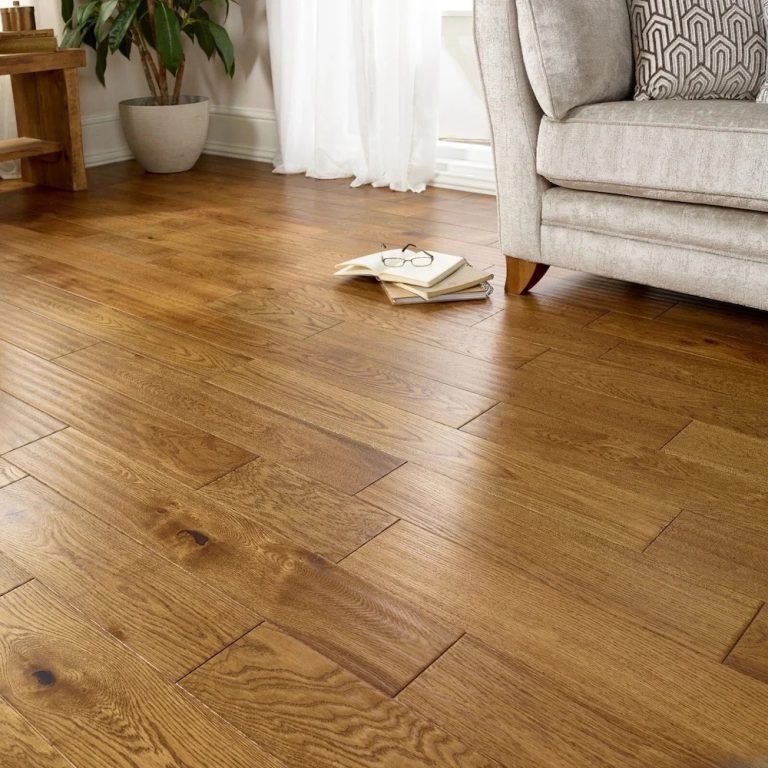
Solid boards are at home on the joists of a pre-war house, provided the airbricks are clear and you expect fine gaps to open in a heated January.
 Floor type
Wrexham
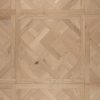
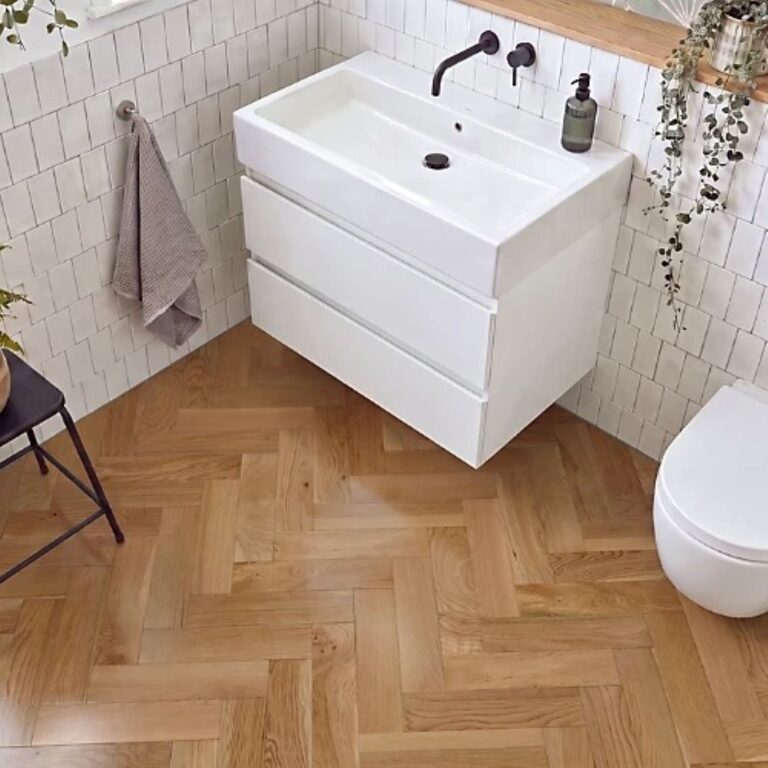
Parquet blocks glued to a slab share its condition, so in a mid-century house the moisture reading comes before the pattern.
 Floor type
Wrexham
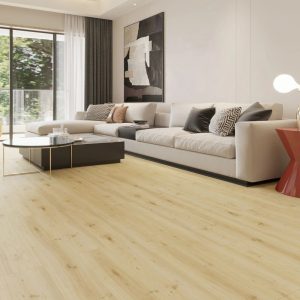
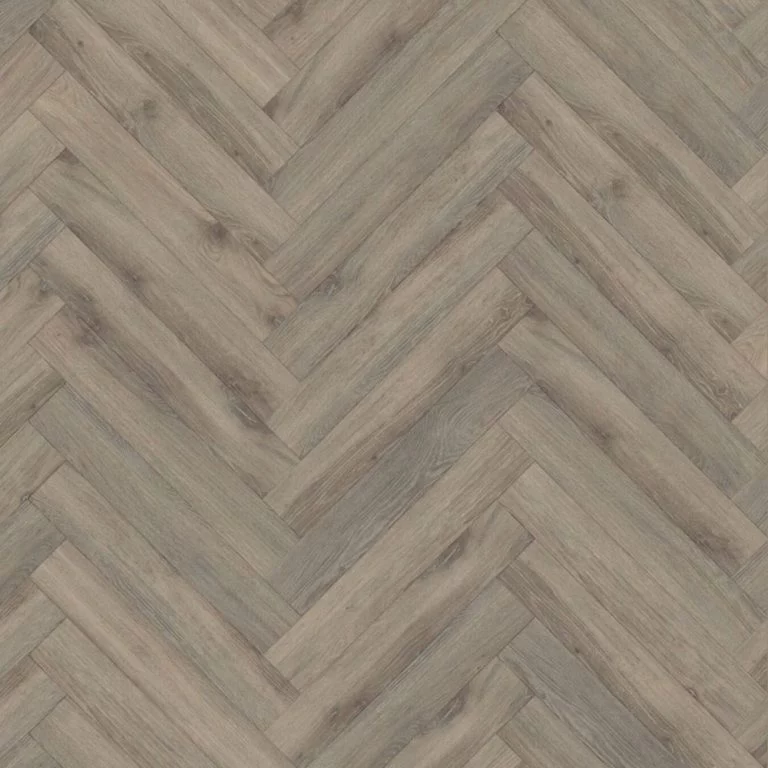
In a semi the hall takes the grit first, so laminate for the hall needs a higher wear rating than laminate for a bedroom upstairs.
 Floor type
Wrexham
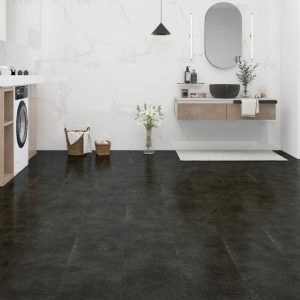
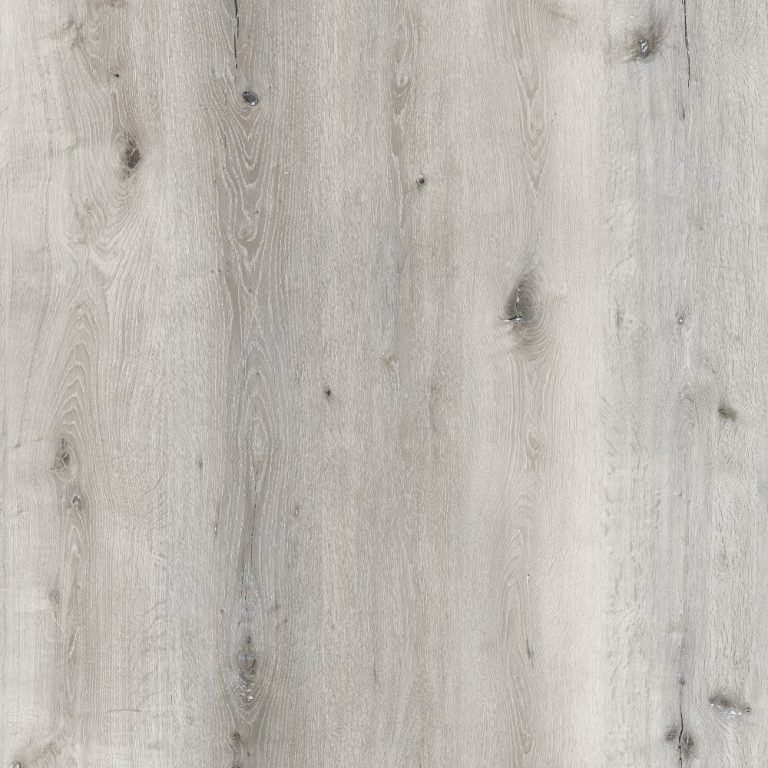
With 24.3% of households in council or housing association homes, vinyl tiles listed as waterproof keep a late-reported kitchen leak to a drying job.
 Floor type
Wrexham
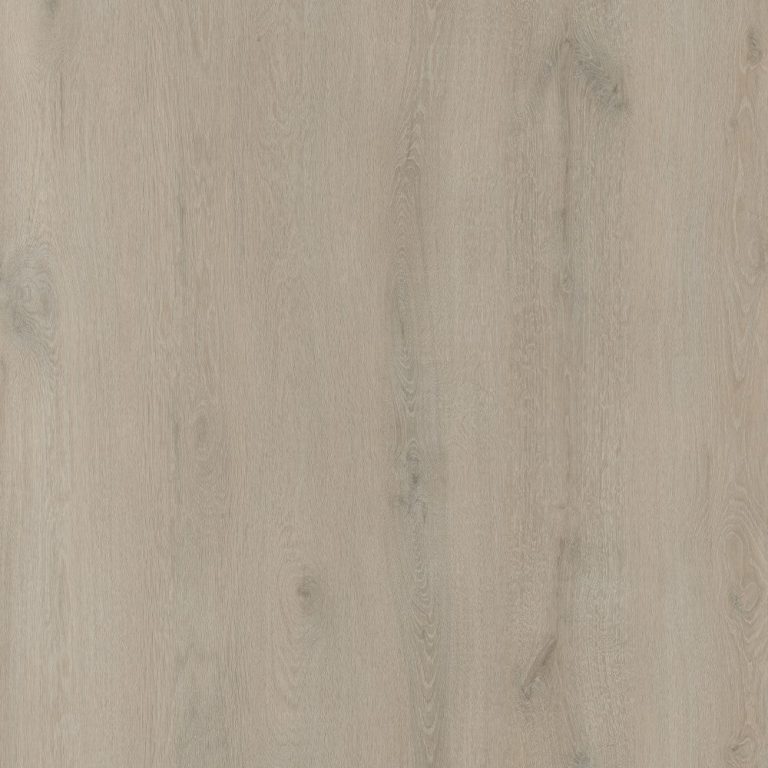
In private lets, home to 20.6% of households, a rigid-core floor is specified for the tenancies still to come, not just the current one.
RoomWrexham
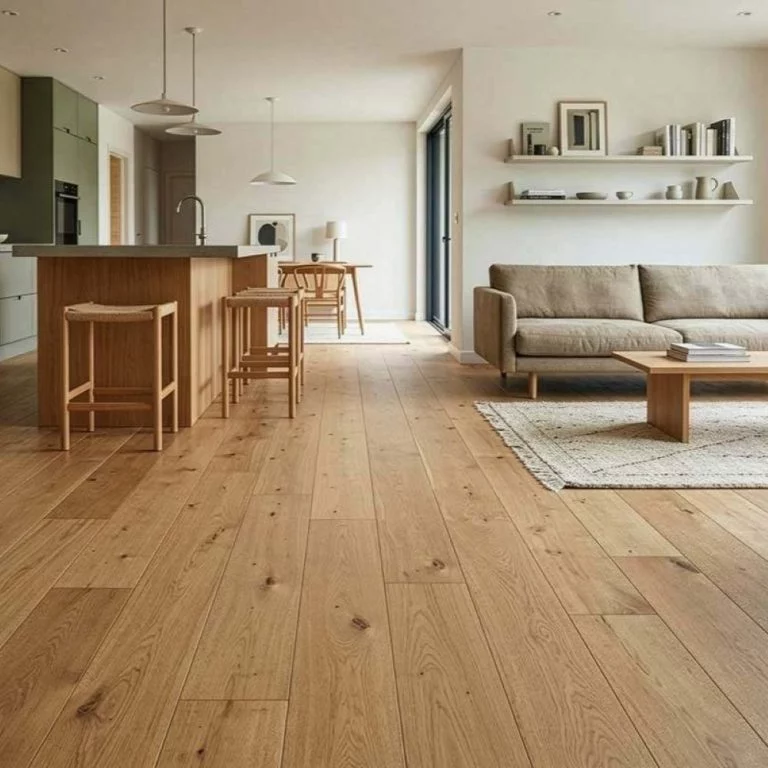
Semis are the commonest home here at 33.9% of households, and their halls take the rain and grit first, so give the hall the hardest-wearing floor in the house.
 Room
Wrexham
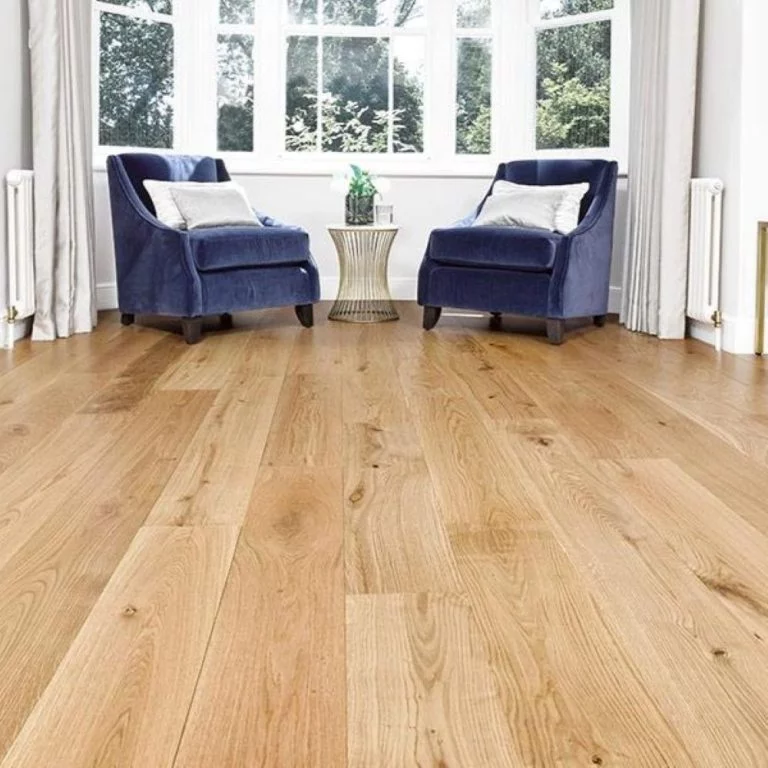
In a pre-war house the kitchen may be the one solid floor among suspended ones, so test it on its own before a new floor goes down.
 Room
Wrexham
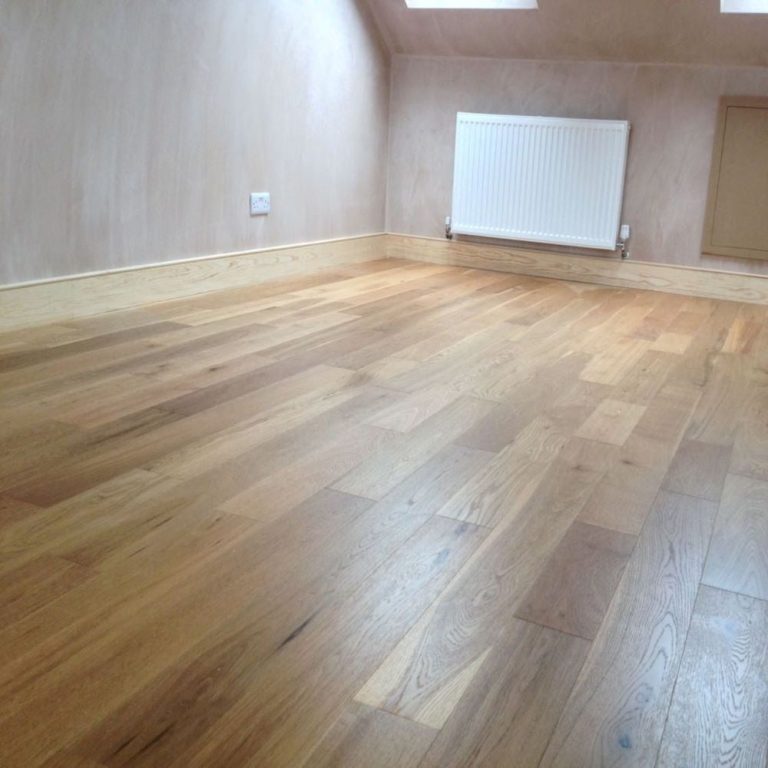
Where a terrace's front door opens into the living room, that floor is also the entrance floor and should be chosen for grit as well as comfort.
 Room
Wrexham
In a bungalow, 9.5% of the town's dwellings, the bedrooms sit at ground level and face the same damp-proof check as the kitchen.
 Room
Wrexham
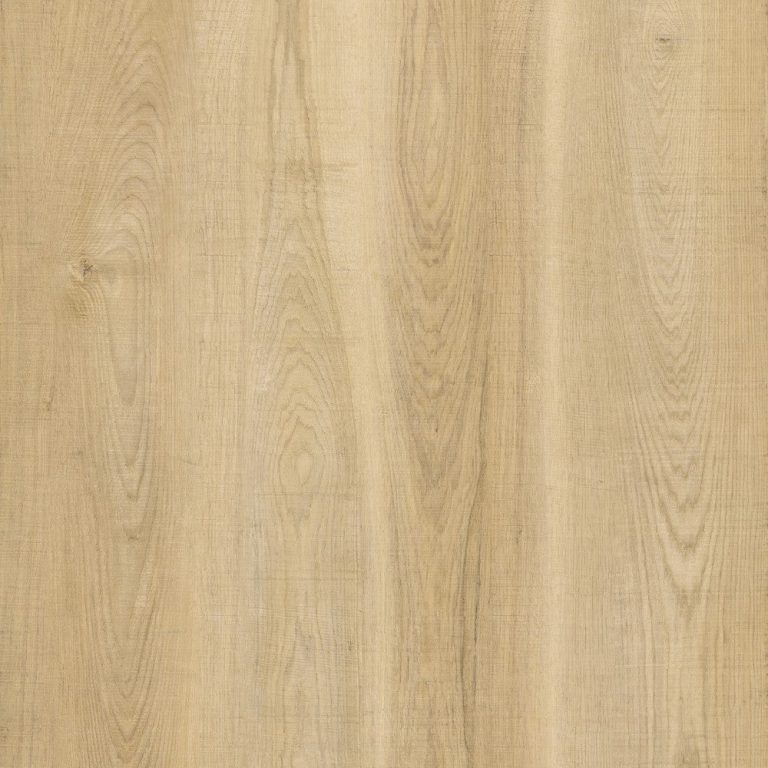
An overflowing shower in a rented home may go unreported for a while, so a bathroom floor that takes on no water spares the joists below.
 Room
Wrexham
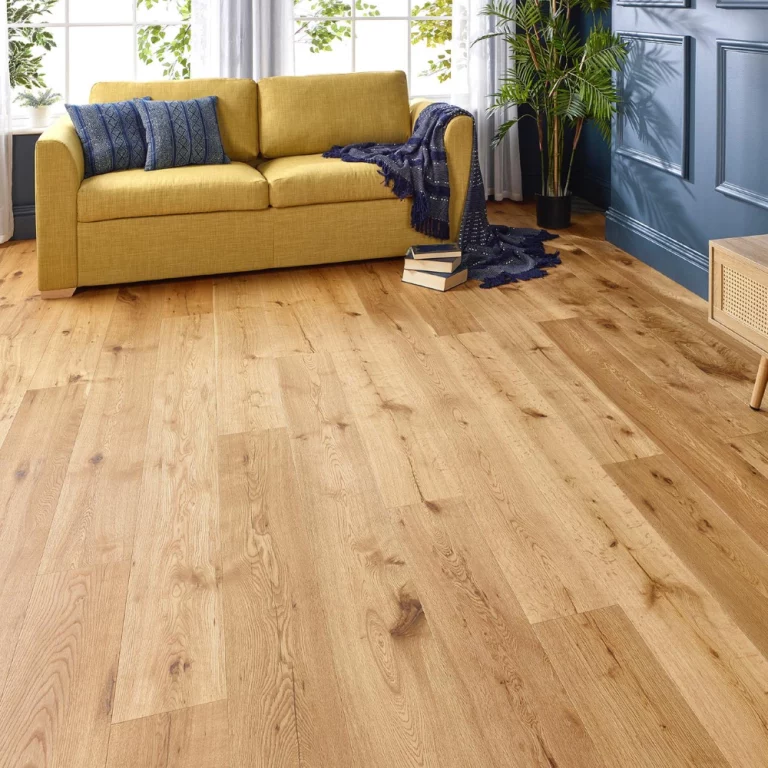
A washing machine that leaks unnoticed in a rented home is the reason a utility floor in a Wrexham let should take on no water.
 Room
Wrexham
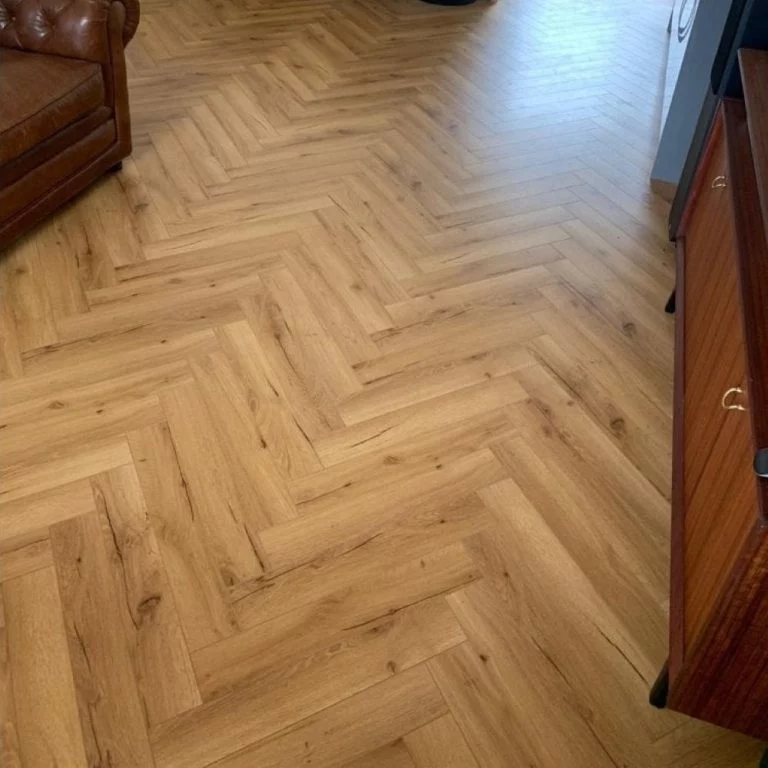
A conservatory floor has to take the room's own swing from sunny afternoons to cold nights; the town's January mean of 4.9 °C is only the starting point.
 Pattern or need
Wrexham
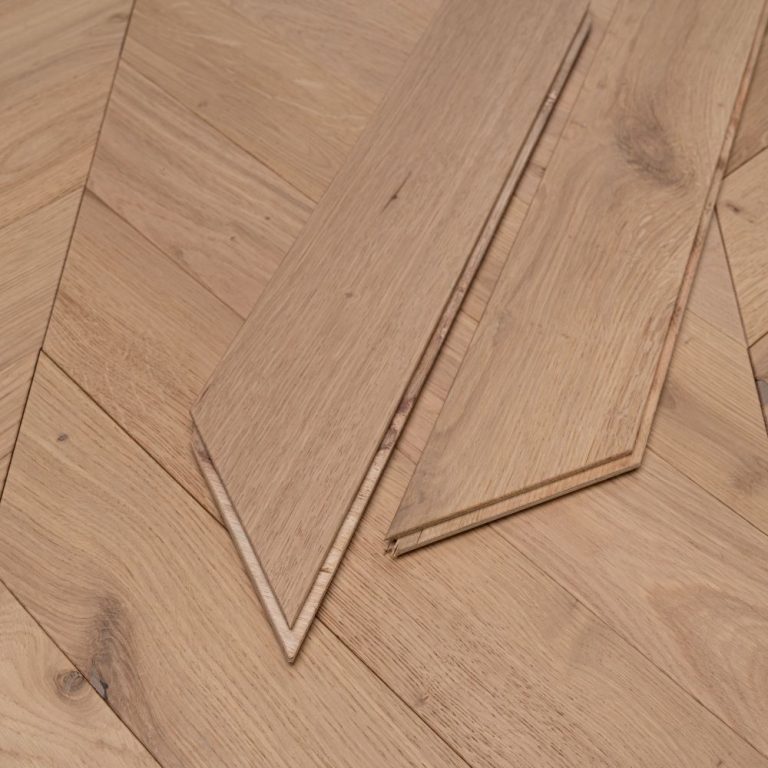
A herringbone hall over Victorian or Edwardian boards takes on their faults, so loose or uneven boards are fixed before the first piece goes down.
 Pattern or need
Wrexham
Chevron in a house inside one of the 23 conservation areas is a matter of subfloor, not of conservation-area rules, which deal with the outside.
 Pattern or need
Wrexham
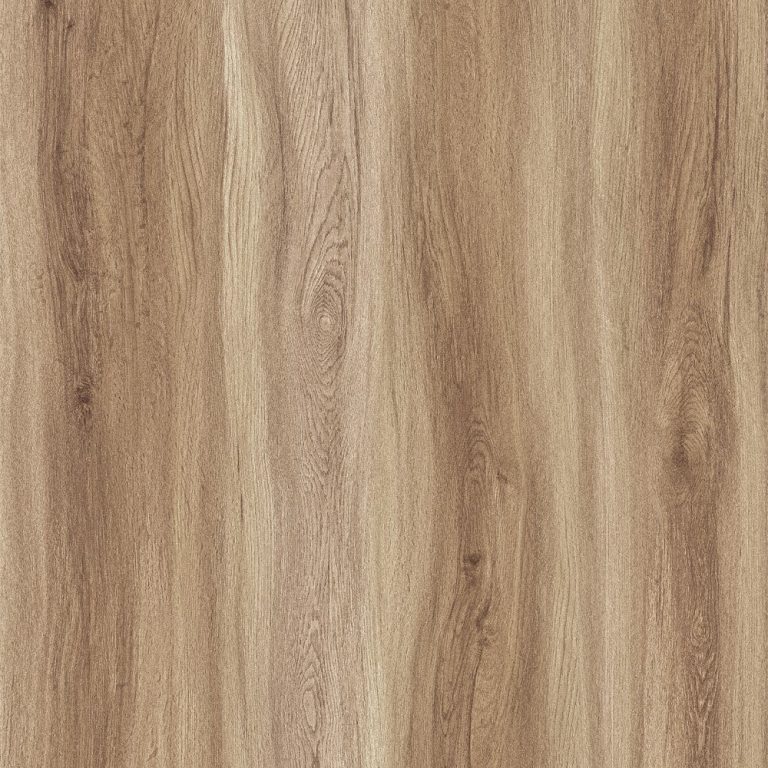
With 18.3 days a year of ten millimetres of rain or more and a modelled median of 0.78 dogs per household across its postcode districts, the back door is where a floor listed as waterproof earns its place.
 Pattern or need
Wrexham
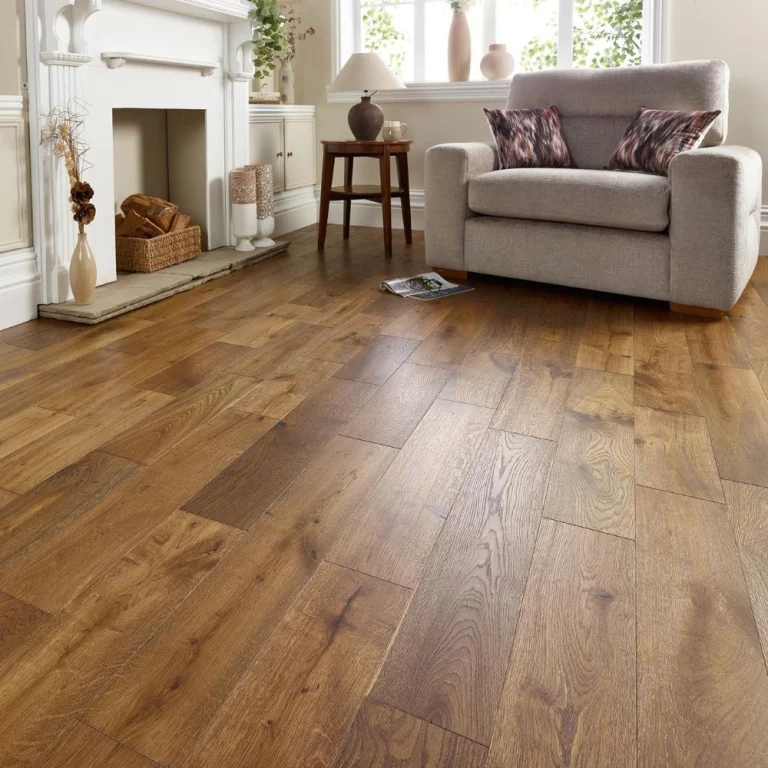
Before a heated floor goes into a mid-century house, settle whether the slab beneath has a damp-proof membrane at all.
 Pattern or need
Wrexham
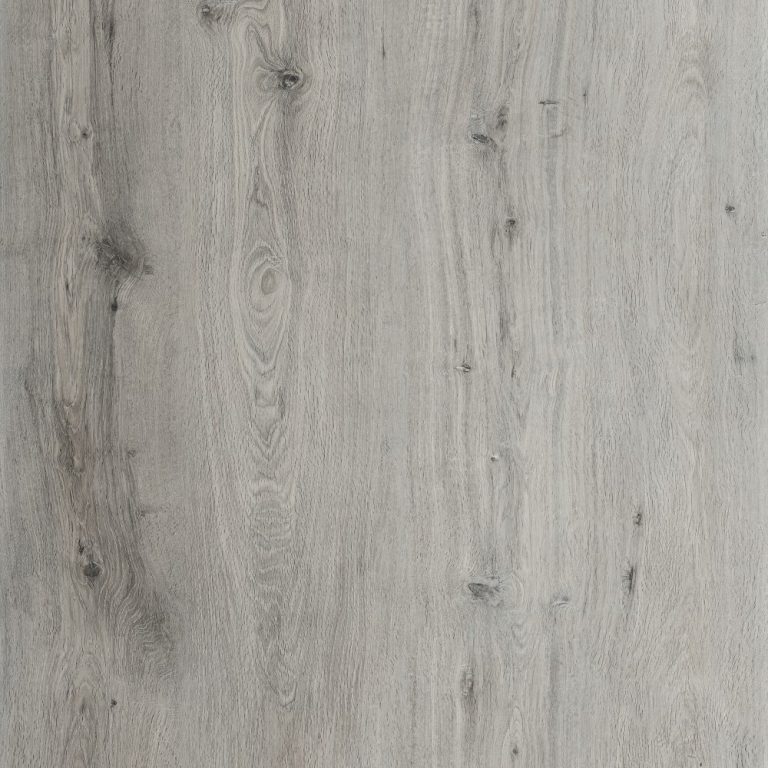
Where the postcode districts' modelled median is 0.78 dogs per household, choose for wet paws and for how the dog walks on the floor, not for scratches alone.
 Pattern or need
Wrexham
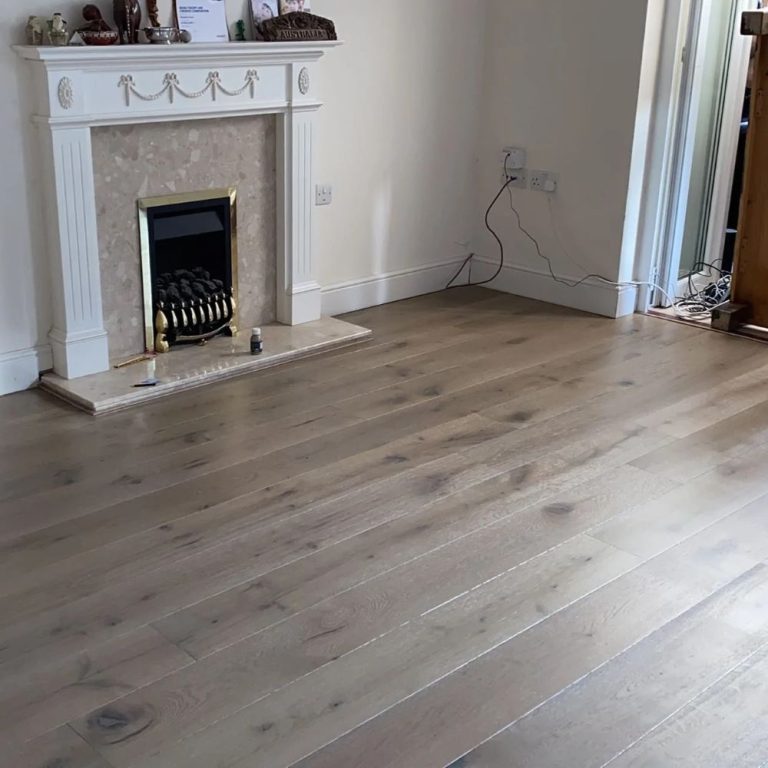
Grey is a colour rather than a construction, so in a house from 1945 to 1954 the damp test on the slab still comes before the shade.
Bestsellers
Reviews
Trustpilot
Reviews written by our customers on Trustpilot.
Read all reviews on TrustpilotReviews on our Google Business Profile.
Read all reviews on GoogleAsk us first
Call 020 3858 0353, Monday to Friday 10am to 6pm, Saturday 10am to 4pm, or send a photo of the room to info@homesandfloors.com.
Contact usQuestions
Only after the slab has been tested. 15.3% of the town's dwellings date from 1945 to 1954, and a solid floor of that period may have no damp-proof membrane, so a wood floor waits until you know.
Yes, because every room is at ground level, so the damp-proof membrane decides what goes down throughout. Bungalows are 9.5% of the town's dwellings, 15th of 141 towns.
No. The council lists 23 conservation areas in the county borough, and their rules concern the outside of buildings rather than the floor inside a house.
One that takes on no water in the kitchen, bathroom and utility room. 24.3% of households rent from a council or housing association and 20.6% from a private landlord, and in a let a leak is often found late.
It should be part of the decision. The town's three postcode districts have a median estimate of 0.78 dogs per household against a Great Britain median of 0.41, and wet paws and how the dog walks on the floor matter as much as scratches.
Because heating dries the air and the boards shrink as they give up moisture; the gaps close again in summer. January in the town centre averages 4.9 °C, against a median of 4.8 °C for the 151 towns.
Local facts
19 facts from the census, the Met Office, the council and other public records, each with what it means for a floor in Wrexham and where it comes from.
When they were built
15.3%
built 1945 to 1954
2nd highest of 141 towns
For your floorWith 15.3% of Wrexham dwellings from 1945 to 1954, many ground floors may be slabs without a membrane, to be tested before any wood floor.
Dwellings built 1945 to 1954. Area: Wrexham built-up area (ONS Built-up Areas 2024). VOA, Council Tax: stock of properties 2025, table CTSOP4.1 (build period). Data: 2025-03-31 · retrieved 2026-09-22.
When they were built
25.6%
built before 1940
108th highest of 141 towns
For your floorWrexham's pre-1940 houses depend on clear airbricks to keep the timber under their ground floors dry.
Dwellings built before 1940. Area: Wrexham built-up area (ONS Built-up Areas 2024). VOA, Council Tax: stock of properties 2025, table CTSOP4.1 (build period). Data: 2025-03-31 · retrieved 2026-09-22.
When they were built
9.4%
built before 1900
90th highest of 141 towns
For your floorWrexham's Victorian houses, a smaller share than in England and Wales, still stand on boards and joists over a ventilated void.
Dwellings built before 1900. Area: Wrexham built-up area (ONS Built-up Areas 2024). VOA, Council Tax: stock of properties 2025, table CTSOP4.1 (build period). Data: 2025-03-31 · retrieved 2026-09-22.
When they were built
6.4%
built 1900 to 1918
42nd highest of 141 towns
For your floorWrexham's Edwardian houses, a larger share than in England and Wales, have the same suspended timber ground floor.
Dwellings built 1900 to 1918. Area: Wrexham built-up area (ONS Built-up Areas 2024). VOA, Council Tax: stock of properties 2025, table CTSOP4.1 (build period). Data: 2025-03-31 · retrieved 2026-09-22.
Who lives here
24.3%
rent socially
28th highest of 151 towns
For your floorIn Wrexham's large social rented sector, a floor that takes on no water turns an unreported leak into drying.
Households renting from a council or housing association. Area: Wrexham built-up area (ONS Built-up Areas 2024). ONS, Census 2021, TS054 Tenure (households). Data: 2021-03-21 · retrieved 2026-09-22.
Who lives here
20.6%
rent privately
89th highest of 151 towns
For your floorWrexham's private landlords specify floors for future tenancies, a different calculation from choosing for themselves.
Households renting privately. Area: Wrexham built-up area (ONS Built-up Areas 2024). ONS, Census 2021, TS054 Tenure (households). Data: 2021-03-21 · retrieved 2026-09-22.
Who lives here
54.3%
own their home
115th highest of 151 towns
For your floorFewer Wrexham homes are owner-occupied than in England and Wales, so more floors here are chosen by landlords.
Households owning their home outright or with a mortgage. Area: Wrexham built-up area (ONS Built-up Areas 2024). ONS, Census 2021, TS054 Tenure (households). Data: 2021-03-21 · retrieved 2026-09-22.
Who lives here
0.78
dogs per household
3rd highest of 150 towns
For your floorWith dogs common in Wrexham's postcode districts, wet paws and how the dog walks on the floor count as much as scratches.
Dogs per household, estimate (median of the postcode districts named under Area). Area: median of 3 postcode districts (LL11–LL13). Animal and Plant Health Agency, dogs per household per postcode district (modelled). Data: 2015-01-01 · retrieved 2026-09-22.
Weather & ground
18.3
days with 10 mm of rain or more
joint 71st highest of 151 towns
For your floorWrexham's days with ten millimetres of rain or more bring grit and water to the door together, and the floor there meets both first.
Days with at least 10 mm of rain per year (1991–2020 average, town centre). Area: Wrexham town centre (Met Office HadUK-Grid 2 km cell). Met Office, HadUK-Grid (v1.1.0.0) climate averages 1991-2020, Met Office Climate Data Portal: Monthly Temperature Observations 1991-2020 (2 km grid), Monthly Min Temperature Observations 1991-2020 12km (12 km grid), Annual Count of 10mm Rainfall Days 1991-2020 (2 km grid). Data: 1991-2020 · retrieved 2026-09-22.
Weather & ground
4.9
January mean
joint 60th highest of 151 towns
For your floorWinter heating in Wrexham dries the air, so wood floors open fine gaps in winter and close them in summer.
Mean daily temperature in January (1991–2020 average, town centre). Area: Wrexham town centre (Met Office HadUK-Grid 2 km cell). Met Office, HadUK-Grid (v1.1.0.0) climate averages 1991-2020, Met Office Climate Data Portal: Monthly Temperature Observations 1991-2020 (2 km grid), Monthly Min Temperature Observations 1991-2020 12km (12 km grid), Annual Count of 10mm Rainfall Days 1991-2020 (2 km grid). Data: 1991-2020 · retrieved 2026-09-22.
Heritage & plans
Conservation areas
Wrexham County Borough Council lists 23 designated conservation areas in the county borough; four of them carry the town's name in the council's list: Wrexham Town Centre, Grosvenor Road, Salisbury Park and Fairy Road.
For your floorWrexham's conservation areas, 23 across the county borough, regulate the outside of buildings, not the floor inside.
Area: Wrexham County Borough (Wrexham County Borough Council area). Conservation areas (web page, section "Designated conservation areas in Wrexham County Borough"). Data: undated web page (content as retrieved 2026-10-21) · retrieved 2026-10-21.
Homes
Housing type
The appraisal of the Salisbury Park conservation area, south of the historic town centre, records buildings typically two storeys high, mostly short terraces or semi-detached houses.
For your floorThe short terraces and semis south of Wrexham's centre shape which rooms get wet and where grit comes in.
Area: Salisbury Park conservation area, south of Wrexham town centre. Salisbury Park Conservation Area Character Assessment & Management Plan. Data: 2013-04 (adopted April 2013) · retrieved 2026-10-21.
When they were built
Building period
The Grosvenor Road appraisal records that Grosvenor Road and Grove Road were laid out between 1861 and 1881 as prestigious residential streets for the town's emerging middle class.
For your floorThe 1861 to 1881 date of Grosvenor Road tells you what kind of joists and floor structure to expect there.
Area: Grosvenor Road conservation area, north west of Wrexham town centre. Grosvenor Road Conservation Area Assessment and Management Plan. Data: 2009-04 (adopted April 2009) · retrieved 2026-10-21.
Heritage & plans
Construction and materials
The Salisbury Park appraisal names Ruabon red brick as the area's predominant building material, most prevalent in its later 19th and early 20th century houses.
For your floorIn the Ruabon brick houses south of Wrexham's centre, a new floor laid over the old boards inherits their condition.
Area: Salisbury Park conservation area, south of Wrexham town centre. Salisbury Park Conservation Area Character Assessment & Management Plan. Data: 2013-04 (adopted April 2013) · retrieved 2026-10-21.
Nearby
Distances are straight-line miles from Wrexham.
United KingdomNorth WalesWrexham
151 towns and cities, 24 county guides, one map.
New ranges and offers. Hear it first.
No spam. Unsubscribe any time.
Free to join
Ideas, advice and offers to help you plan your next floor, by email.
No spam. Unsubscribe any time.