



Delivery
Delivered to Portsmouth
Delivery times and options depend on the delivery postcode. See Delivery & Returns for the applicable estimate.
Also nearby: Southampton, Eastleigh, Winchester, Worthing
Speak to our team 020 3858 0353 Shop by category
Start with a sample: real cuts of our floors at £1.99 each, sent to your door across the UK.
Start with a sample: real cuts of our floors at £1.99 each, sent to your door across the UK.
Hampshire · flooring delivered
Oak and vinyl for period terraces
Portsmouth's terraces, boarded floors in pre-war houses, big Southsea homes split into flats, flood risk and rare frosts: what each means for your floor.
Delivered to Portsmouth: PO1 to PO5
Start here · Portsmouth in one figure
54.7%
Residential sales in 2025 that were terraced houses (including end-of-terrace)
1st highest of 133 towns
HM Land Registry, Price Paid Data, 2025 · all local facts →In 2025, terraced houses, counting end-of-terrace ones, accounted for 54.7% of homes sold in Portsmouth.
Nationally the share was 27.4%, and among the 133 towns we compare, Portsmouth ranks 1st. The census shows the same picture from inside the front door: 41.6% of households have a terraced house as their home, 8th of 151 towns. Terraces account for more of the city's sales than every other kind of home put together, and a terrace sets its own terms for a floor.
The street outside sets the grit that gets in; the number of bathrooms sets how often each wet room is soaked. Add a housing stock in which 55.4% of dwellings predate 1940, and the sections below follow: boards over a void, flats carved out of big Southsea houses, flood risk, and mild winters that still dry the air indoors.
Read the 7 chapters on Portsmouth homes See all 19 local facts
At a glance
Delivery
Delivery times and options depend on the delivery postcode. See Delivery & Returns for the applicable estimate.
Also nearby: Southampton, Eastleigh, Winchester, Worthing
Speak to our team 020 3858 0353Homes in Portsmouth
7 chapters on Portsmouth homes and what they ask of a floor · about 5 min read
01/ 07
A terrace's position in the city shapes the wear on its floors. How much grit gets carried indoors follows from what lies beyond the front step, and a central terrace collects other dirt than a house tucked into an estate. Rain adds its share. On 22.6 days each year, on average, the town centre records rainfall of ten millimetres or more, which puts Portsmouth 42nd of 151 towns, with 17.8 as the median across those towns. Sand, grit and wet come in together, and they land first on the strip of floor behind the door.
Give that strip a hard-wearing finish and a doormat big enough to catch a full stride, and let the softer floors begin further in.
Where water falls indoors depends on the layout. A terraced house with a single bathroom sends every bath and shower in the household onto one patch of floor, daily, whereas a home with three spreads it around. If yours is the single-bathroom kind, pick that floor for daily soaking rather than the odd splash.
02/ 07
Pre-1940 homes make up 55.4% of Portsmouth's dwellings, placing the city 4th of 141 towns, against a 35.4% share across England and Wales. Older still, 25.4% predate 1900 (15.5% nationally), and dwellings dated 1900 to 1918 supply another 12.0%, while across the two nations it is 5.2%.
Portsmouth City Council's notes on its conservation areas put streets to those figures. In Owen's Southsea, the terraces and villas around the Southsea shopping centre go back to building that began in the 1830s. Rochester Road is a street of brick terraced houses from the closing Victorian years and the Edwardian period, many of them with original features in place. And the Portsea conservation area holds Georgian buildings alongside some of the city's early council housing.
Victorian, Edwardian and inter-war houses commonly stand, on the ground floor, on boards nailed across timber joists over a cavity vented to the outside air. A new build is made differently. Moving air in that cavity is what stops the joists and boards from getting damp, and it keeps flowing only while nothing blocks the airbricks. A house's period also governs how its rooms are stacked and what its joists consist of, and in Portsmouth the period differs from district to district.
These percentages come from Valuation Office Agency records of when dwellings were built; nobody surveyed the floors. So before planning, lever up one board at the room's edge, or peer through an airbrick with a torch, and find out what is there.
Recent building barely changes that picture. Homes completed in 2009 or since make up only 5.7% of all dwellings here, 127th of 141 towns, set against 11.8% nationally. A new-build estate has a different kind of base beneath its floors from the terraces around it, and in Portsmouth homes that recent are scarce.
03/ 07
Several Southsea streets lie in conservation areas, and in parts of Craneswater and Eastern Parade the council has gone a step further. Article 4 directions made there in 2009 and 2010 withdraw permitted development rights for external works, putting new windows and doors into the front of a house among them.
Each of those controls is about the view from the pavement. Conservation-area rules concern a building's exterior; your hall boards and your front-room floor sit outside their reach.
04/ 07
The council describes Craneswater and Eastern Parade as roads of large detached houses, many of them Edwardian or inter-war, with a number of them now flats. Conversions are not confined to one conservation area: 7.2% of Portsmouth households occupy a flat that is part of a house that has been converted or is shared, or of some other converted building, 15th of 151 towns, while the national share is 4.2%.
In a conversion the layer between two homes may be concrete or could be the timber joists the house was built with; a given covering does not act alike on the two. Ask or look before an underlay is chosen. The building counts for as much as its occupants: a big house now split into flats need not get wet or gritty in the same places as a terrace entered by one front door.
Another 25.1% of households live in flats of a purpose-built block or tenement, 29th of 151 towns; across England and Wales it is 16.7%. Counting every type, flats hold 33.6% of households, against 21.7% nationally. For flats being built new, building regulations demand better airborne and impact sound performance from the separating floor than for a house being converted now. Those figures apply to that new work, not to a covering you replace in an existing flat. Still, any flat passes its footsteps, chair legs and dropped keys down to the ceiling beneath, and hard flooring transmits more of it than the old carpet did. Pick the underlay for the household underneath.
05/ 07
27.2% of Portsmouth households rent privately, ranking 20th of 151 towns; the national share is 20.3%. Flooring a flat or house you let is not the same job as flooring your own. The landlord makes one decision and lives with it across successive tenancies, and a wrong call tends to surface long afterwards, when a tenancy ends, not in the opening weeks.
The questions above apply to a let as much as to your own home: what lies under the boards of an old terrace, whether its airbricks are clear, and, in a converted flat, what separates your tenant from the household below.
06/ 07
Across the council area, 7.7% of homes sit where flood risk from the sea or from rivers is rated low, medium or high, 20th of 135 towns; for England the share is 4.7%. Own one of those homes, and you need to know the limits of a floor. Planks listed as waterproof take no water into their own material, yet flood water still gets beneath them, at the board joints and along the expansion gap by the walls, and no method of laying stops that.
07/ 07
Portsmouth's town centre has a January mean of 6.3 °C, 3rd of 151 towns (the median town: 4.8 °C), and air frost comes on only 15.3 days in an average year, 148th of 151, with 38.1 as the median.
The heating still runs through the winter, and warm indoor air is dry air. Wood gives up some of its moisture over the cold months, each board narrows slightly, and hairline gaps may open up; as summer air turns damper, the wood swells a touch and the joints tighten. Gaps in January are the season, not a defect.
For a conservatory, how often it freezes and how hot it gets both depend on location. Here, with air frost on 15.3 days against the median 38.1, the freezing end of that range is gentle, but glass still swings a room between a cold night and a warm afternoon, so choose a floor made for conservatories rather than the one in the room next door.
Floor by floor
19 floors, rooms and needs, each with a note written for Portsmouth homes. Pick one to read it.
 Floor type
Portsmouth
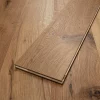
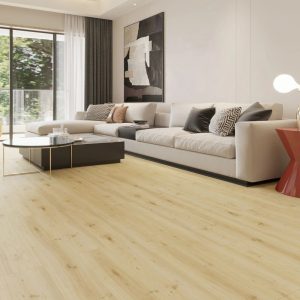
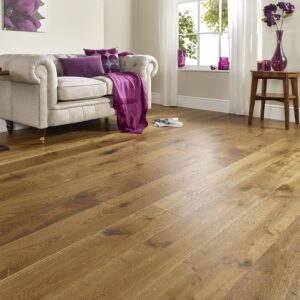
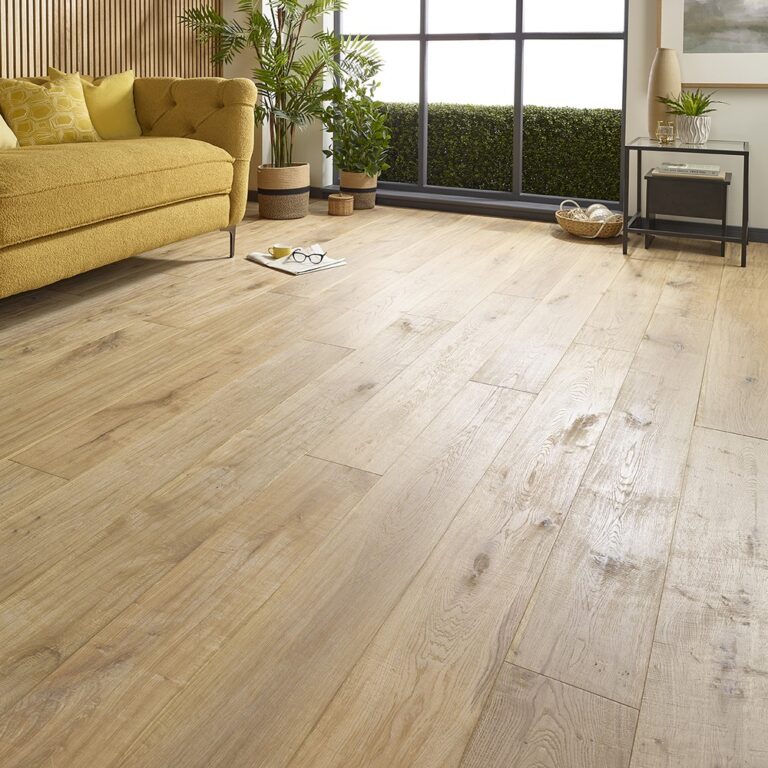
Engineered oak suits a flat in a divided Southsea house, laid over an underlay picked for whatever floor separates you from the home below.
 Floor type
Portsmouth
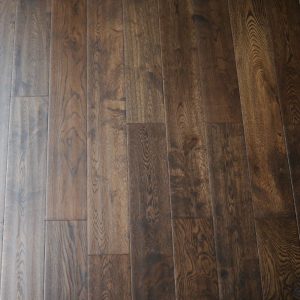
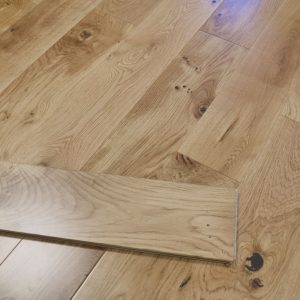
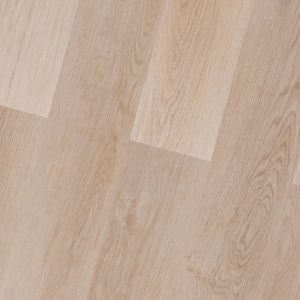
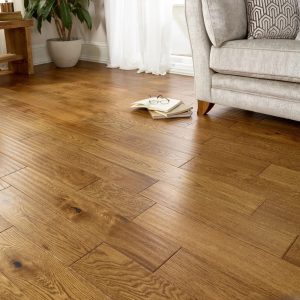
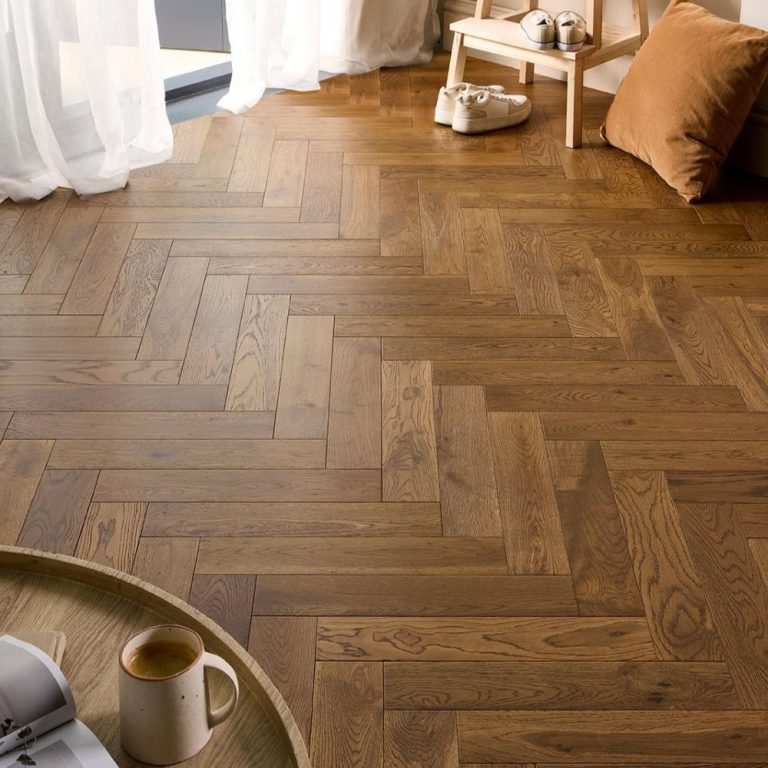
Solid oak boards can be fixed straight to the joists of a terrace built before 1940, provided the air space under them is dry and well vented.
 Floor type
Portsmouth
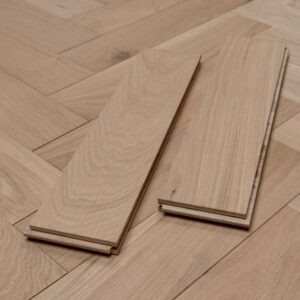
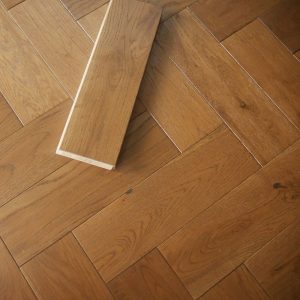
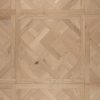
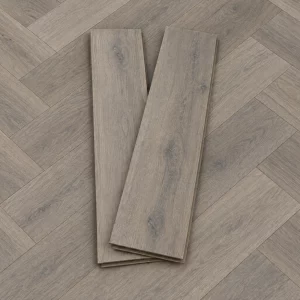
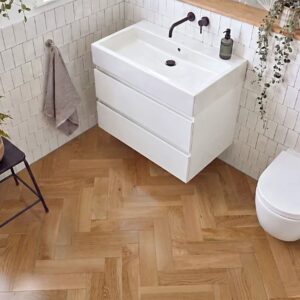
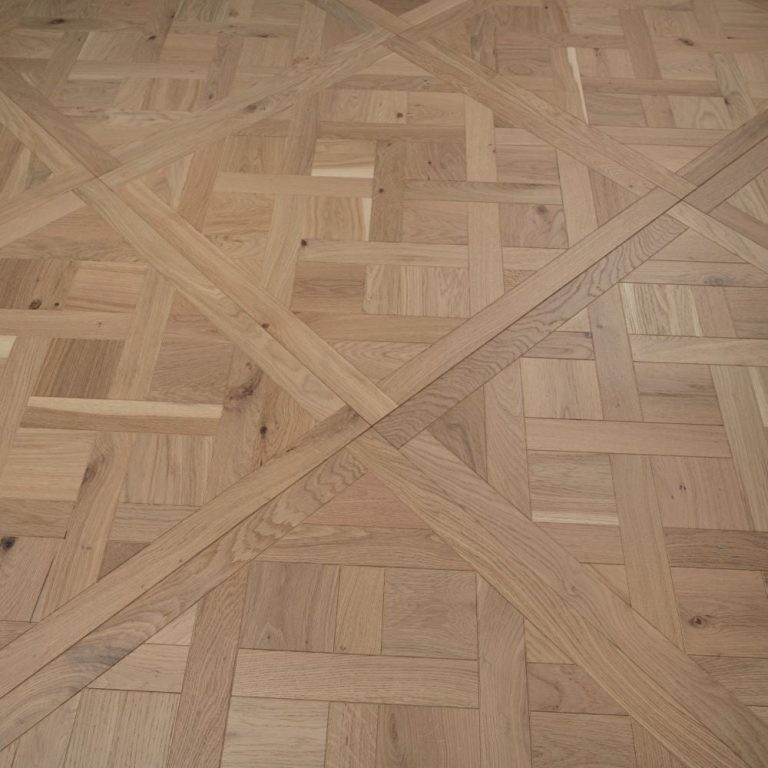
Parquet blocks want a flat and solid base, so in an old Portsmouth house discover what sits beneath today's boards before laying out the pattern.
 Floor type
Portsmouth
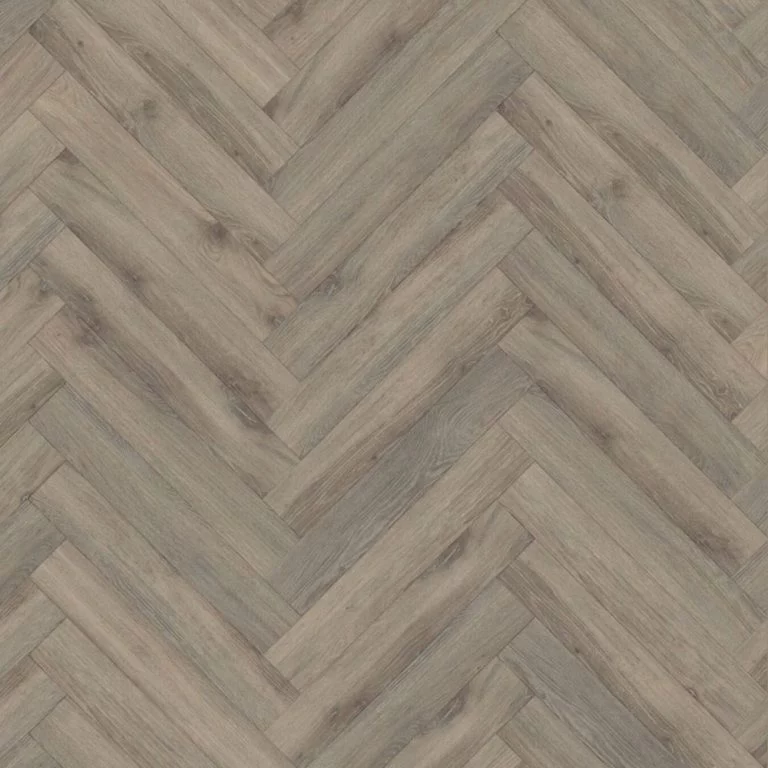
For a Portsmouth let, choose laminate's abrasion class room by room, with a higher class by the front door than in the bedrooms.
 Floor type
Portsmouth
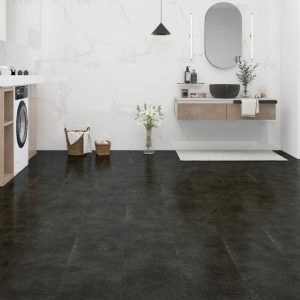
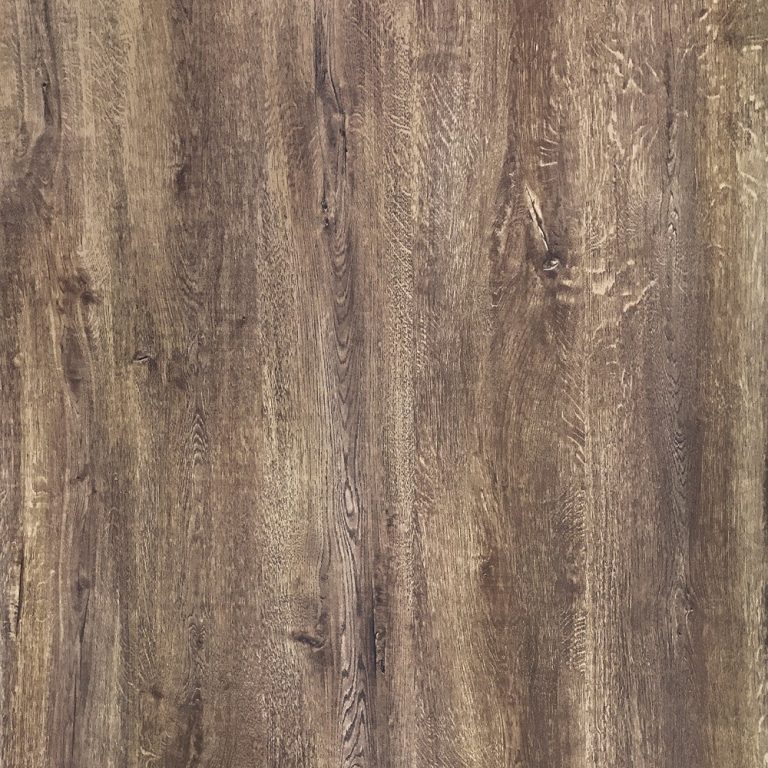
If your terrace has a single bathroom, vinyl planks or tiles suit its daily use, because their material soaks up no water.
 Floor type
Portsmouth
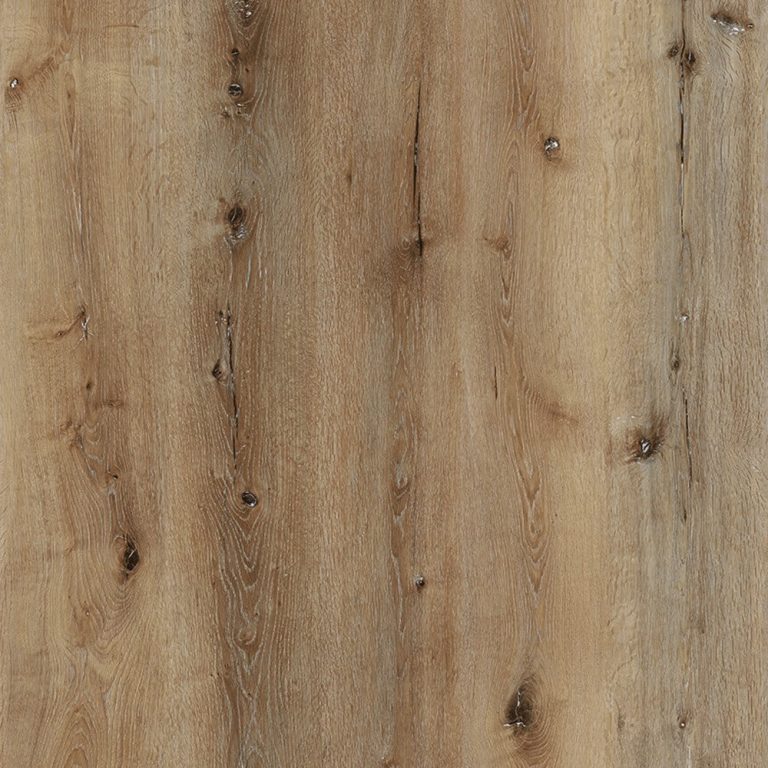
Rigid core planks soak up no water themselves, which suits the kitchen or bathroom of a converted flat above another home.
RoomPortsmouth
Rainfall of ten millimetres or more arrives on 22.6 days a year, which a terrace hall meets first along with the grit, so lay a hard-wearing floor there with a deep doormat.
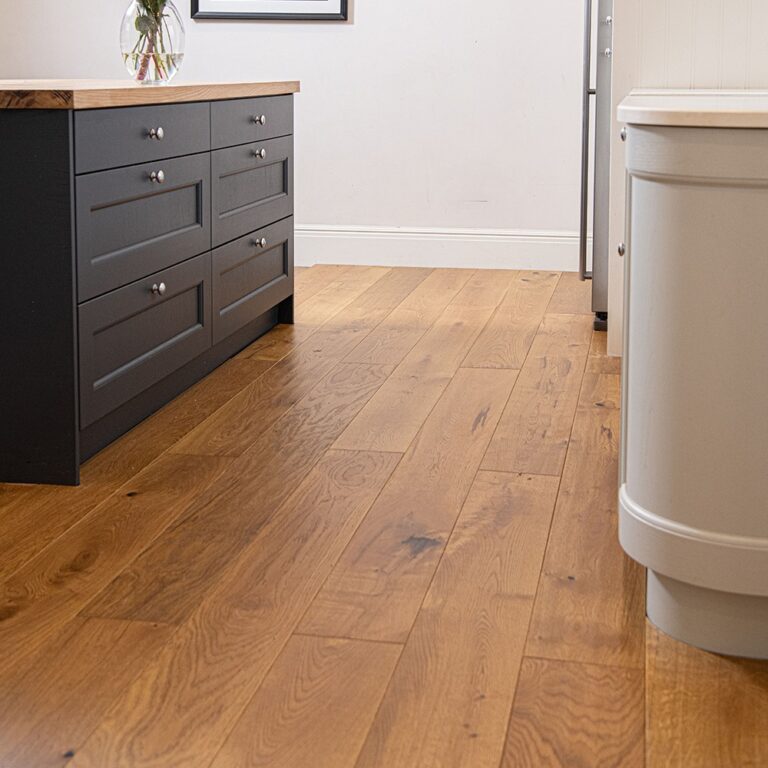 Room
Portsmouth
Kitchen floors take splashes from the sink and leaks from appliances, so choose boards whose material soaks up none of it.
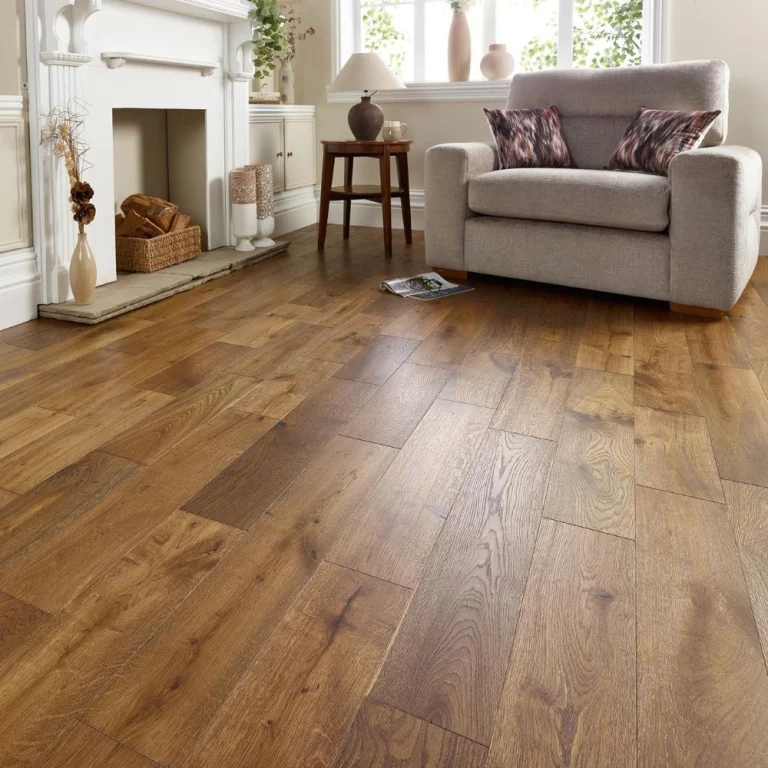 Room
Portsmouth
An old terrace's front room may sit on boards over a void, so check the airbricks before the new living room floor goes down.
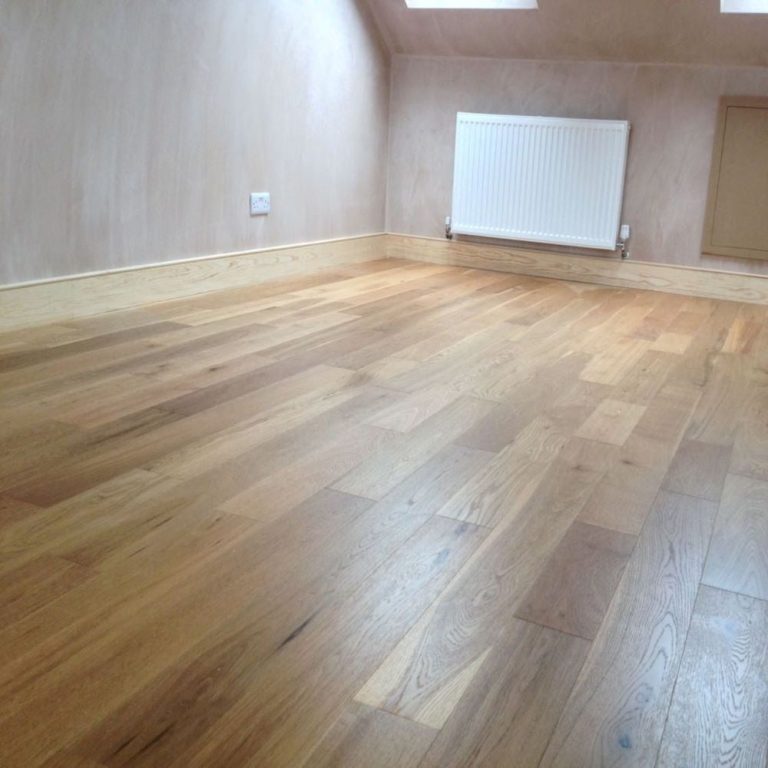 Room
Portsmouth
Away from the street door a terrace's bedrooms take little grit, so a gentler finish and a modest wear rating will do there.
 Room
Portsmouth
Where a converted flat's bathroom sits over another household's ceiling, choose a floor whose material takes in no water, with the edges sealed against the walls.
 Room
Portsmouth
Wherever the washing machine stands, put it on boards that absorb no water, so a leak means drying out, not replacing.
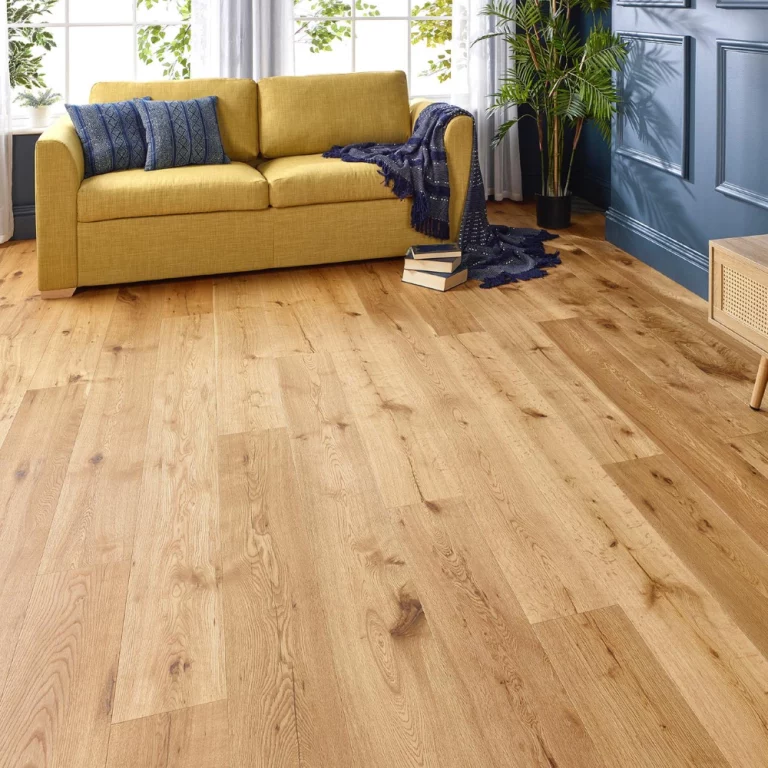 Room
Portsmouth
With air frost on just 15.3 days a year, a Portsmouth conservatory is spared many freezing nights, though its floor must still be one sold for glass rooms.
 Pattern or need
Portsmouth
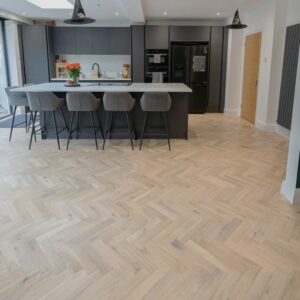
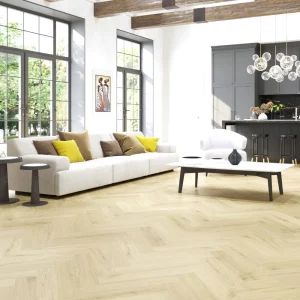
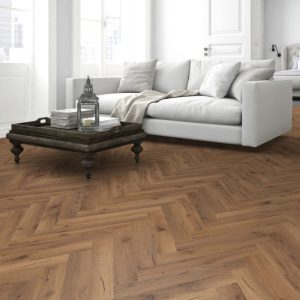
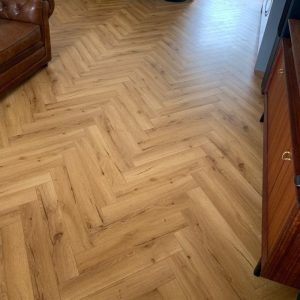
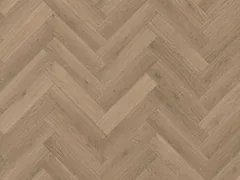
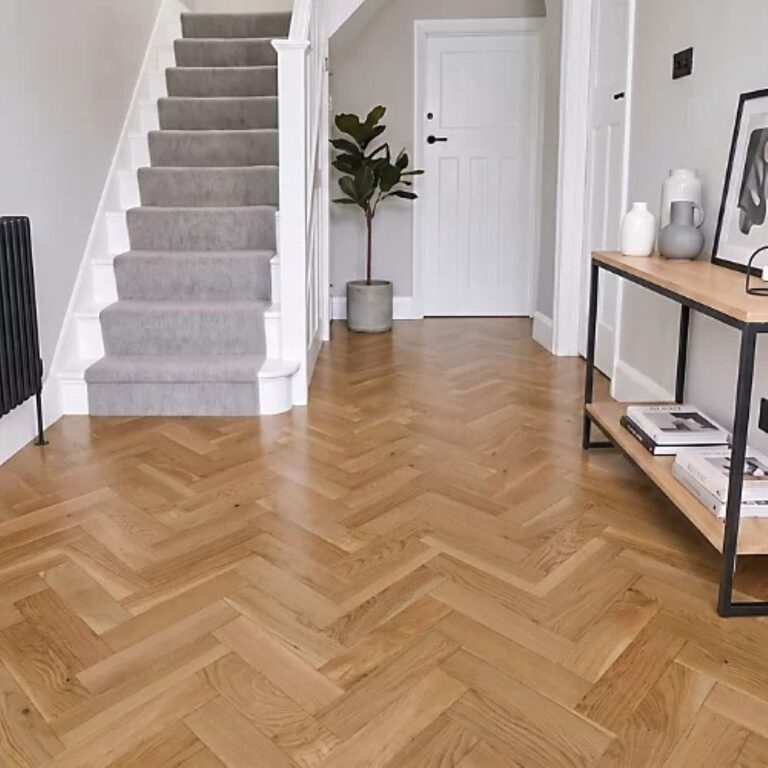
A herringbone floor suits a Victorian terrace's front room, set out once you know the boards beneath it are sound.
 Pattern or need
Portsmouth
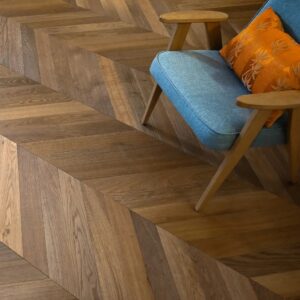
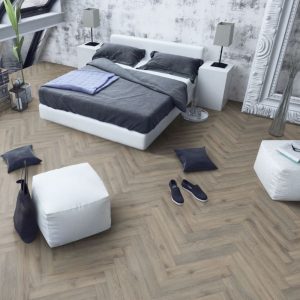
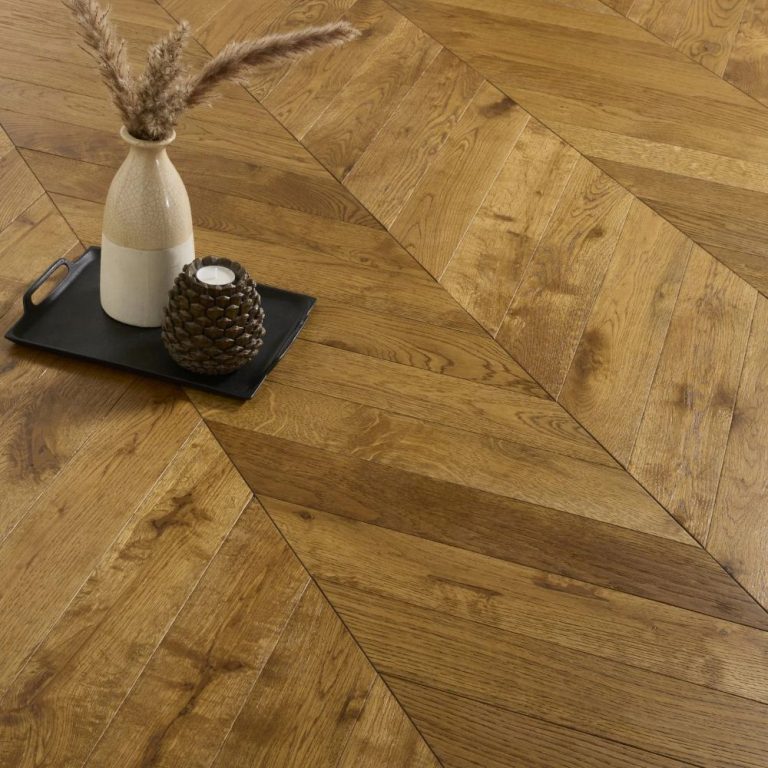
Chevron works in a period hallway or sitting room, planned after you have found out whether the floor beneath is boards or a slab.
 Pattern or need
Portsmouth
Flooring listed as waterproof takes in no spills or leaks itself; flood water, though, gets under it at the seams and edges.
 Pattern or need
Portsmouth
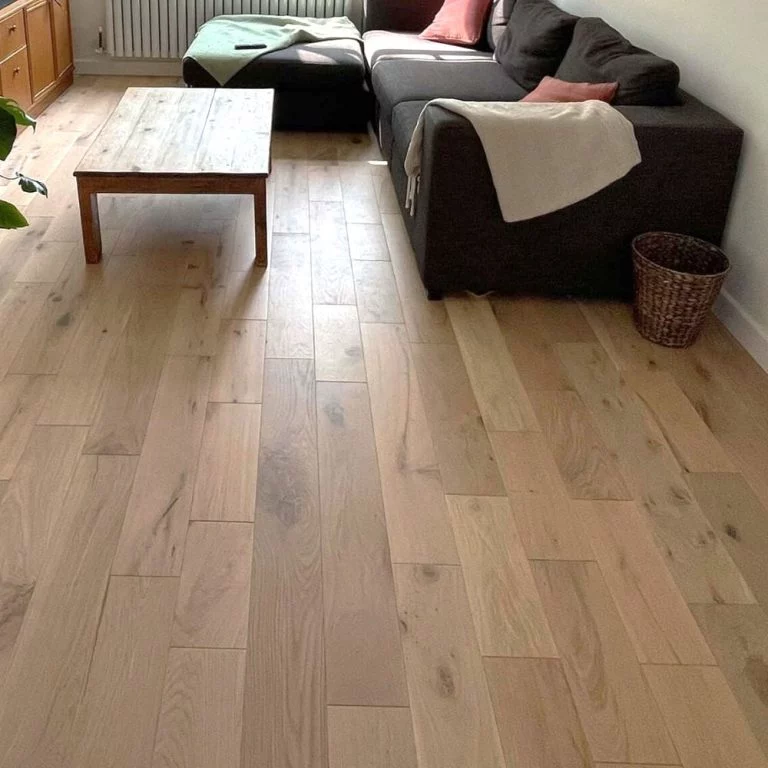
A floor over underfloor heating must be rated for it, as much in a converted Victorian house as in a newer flat.
 Pattern or need
Portsmouth
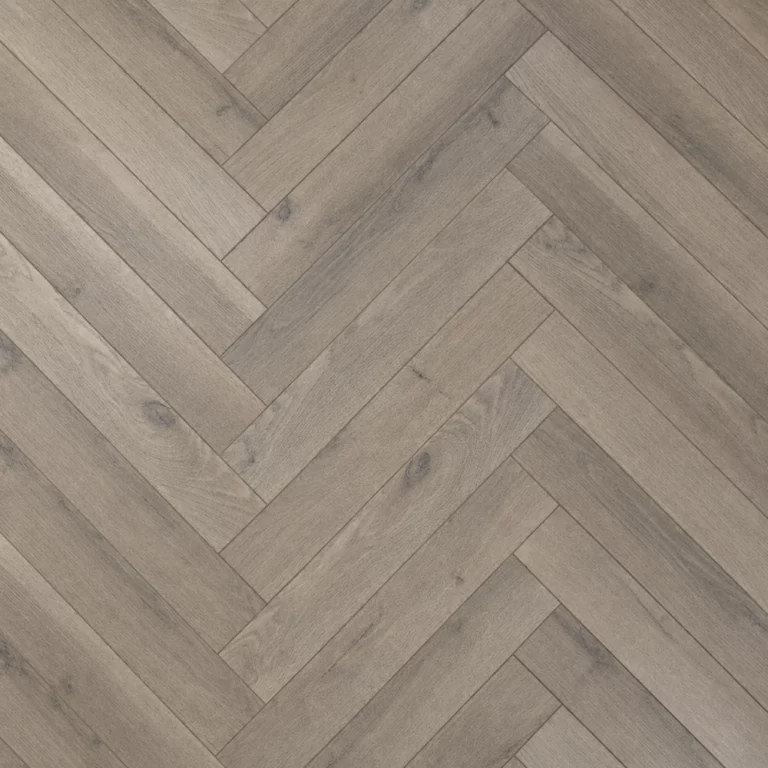
A dog back from a rainy walk carries water straight into a terrace hall, so pick a pet-friendly floor that copes with dripping paws and with claws.
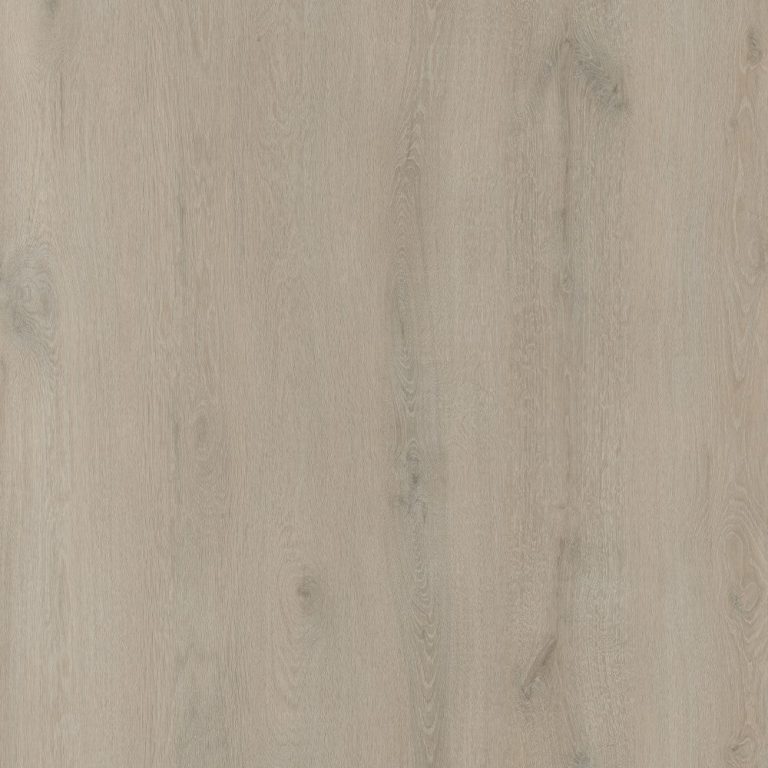 Pattern or need
Portsmouth
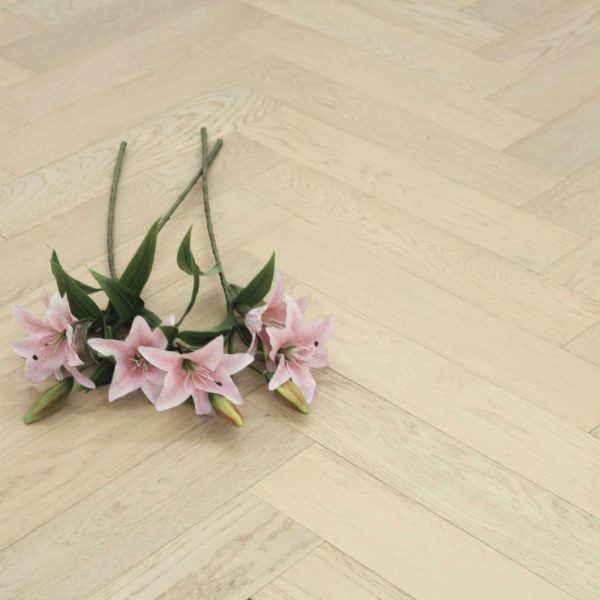
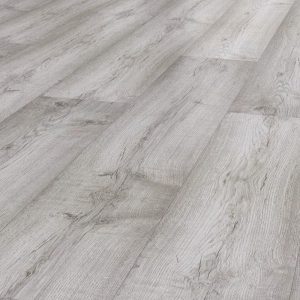
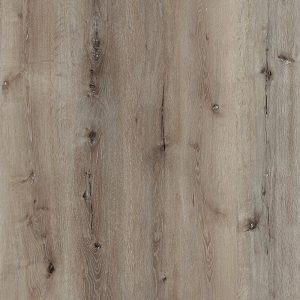
Grey gives a Portsmouth let a neutral floor that suits whichever tenant moves in next.
Bestsellers
Reviews
Trustpilot
Reviews written by our customers on Trustpilot.
Read all reviews on TrustpilotReviews on our Google Business Profile.
Read all reviews on GoogleAsk us first
Call 020 3858 0353, Monday to Friday 10am to 6pm, Saturday 10am to 4pm, or send a photo of the room to info@homesandfloors.com.
Contact usQuestions
It may well, but check. 55.4% of Portsmouth's dwellings predate 1940, a period in which boards laid across joists over a vented void were a common ground floor. Raise one board close to the wall, or put a torch to an airbrick and look in; once the job is done, leave every airbrick unobstructed.
No. The directions made in 2009 and 2010 concern external works such as new front windows and doors, and conservation-area rules as a whole are about a building's exterior. Inside, the date of the house is what counts: in homes from before 1900, 25.4% of all dwellings here, inspect the boards and the void beneath them before you order anything.
With the layer under your feet. 7.2% of households in Portsmouth live in a flat within a house that has been converted or is shared, or within some other converted building, and in those the separating layer may be concrete or the old joists; one covering does not act alike on both. Then match the underlay to the household beneath.
It should change your expectations. Across the council area 7.7% of homes lie in areas at low, medium or high risk of flooding from the sea or from rivers. However carefully it is fitted, no floor stops flood water reaching the subfloor; the water finds the seams between boards and the expansion margin round the room.
Dry, heated air is the cause. The town centre's January mean of 6.3 °C is mild against the 151 towns, yet the central heating is on for months, so the boards dry out and narrow by a fraction. Expect them to tighten up again once summer comes.
Local facts
19 facts from the census, the Met Office, the council and other public records, each with what it means for a floor in Portsmouth and where it comes from.
When they were built
55.4%
built before 1940
4th highest of 141 towns
For your floorSo many pre-1940 homes make the air beneath ground-floor boards, and the airbricks feeding it, a Portsmouth matter.
Dwellings built before 1940. Area: Portsmouth built-up area (ONS Built-up Areas 2024). VOA, Council Tax: stock of properties 2025, table CTSOP4.1 (build period). Data: 2025-03-31 · retrieved 2026-09-22.
When they were built
25.4%
built before 1900
8th highest of 141 towns
For your floorPortsmouth's large stock from before 1900 means many ground floors of timber laid over a vented cavity.
Dwellings built before 1900. Area: Portsmouth built-up area (ONS Built-up Areas 2024). VOA, Council Tax: stock of properties 2025, table CTSOP4.1 (build period). Data: 2025-03-31 · retrieved 2026-09-22.
When they were built
12.0%
built 1900 to 1918
4th highest of 141 towns
For your floorDwellings dated 1900 to 1918 are unusually common here, and they share that boarded ground floor over a void with older houses.
Dwellings built 1900 to 1918. Area: Portsmouth built-up area (ONS Built-up Areas 2024). VOA, Council Tax: stock of properties 2025, table CTSOP4.1 (build period). Data: 2025-03-31 · retrieved 2026-09-22.
Who lives here
27.2%
rent privately
20th highest of 151 towns
For your floorWith a sizeable private rented sector, many Portsmouth floors are picked by landlords, whose mistakes surface only after years of tenancies.
Households renting privately. Area: Portsmouth built-up area (ONS Built-up Areas 2024). ONS, Census 2021, TS054 Tenure (households). Data: 2021-03-21 · retrieved 2026-09-22.
When they were built
5.7%
built 2009 or later
127th highest of 141 towns
For your floorRecent homes are scarce in Portsmouth, so few floors here sit on the base of a new-build estate.
Dwellings built 2009 or later. Area: Portsmouth built-up area (ONS Built-up Areas 2024). VOA, Council Tax: stock of properties 2025, table CTSOP4.1 (build period). Data: 2025-03-31 · retrieved 2026-09-22.
Weather & ground
22.6
days with 10 mm of rain or more
42nd highest of 151 towns
For your floorDays bringing rainfall of ten millimetres or more outnumber the median town's here, and that rain crosses the doorstep with street grit.
Days with at least 10 mm of rain per year (1991–2020 average, town centre). Area: Portsmouth town centre (Met Office HadUK-Grid 2 km cell). Met Office, HadUK-Grid (v1.1.0.0) climate averages 1991-2020, Met Office Climate Data Portal: Monthly Temperature Observations 1991-2020 (2 km grid), Monthly Min Temperature Observations 1991-2020 12km (12 km grid), Annual Count of 10mm Rainfall Days 1991-2020 (2 km grid). Data: 1991-2020 · retrieved 2026-09-22.
Weather & ground
15.3
air frost days a year
148th highest of 151 towns
For your floorAir frost is rare in Portsmouth, so a conservatory here freezes on fewer nights than the median town sees.
Days with air frost per year (1991-2020 average, town centre). Area: Portsmouth town centre (Met Office HadUK-Grid 2 km cell). Met Office, HadUK-Grid climate averages 1991-2020 (climate data portal). Data: 1991-2020 · retrieved 2026-09-22.
Weather & ground
6.3
January mean
3rd highest of 151 towns
For your floorA mild January still means months of heating, and the dry air opens fine gaps in wood floors that close by summer.
Mean daily temperature in January (1991–2020 average, town centre). Area: Portsmouth town centre (Met Office HadUK-Grid 2 km cell). Met Office, HadUK-Grid (v1.1.0.0) climate averages 1991-2020, Met Office Climate Data Portal: Monthly Temperature Observations 1991-2020 (2 km grid), Monthly Min Temperature Observations 1991-2020 12km (12 km grid), Annual Count of 10mm Rainfall Days 1991-2020 (2 km grid). Data: 1991-2020 · retrieved 2026-09-22.
When they were built
Building period
Portsmouth City Council dates the terraces and villas of its Owen's Southsea conservation area, around the Southsea shopping centre, to development that began in the 1830s.
For your floorOwen's Southsea goes back to the 1830s, and a house's date hints at how its rooms are stacked and what its joists consist of.
Area: Owen's Southsea conservation area, Southsea. Conservation Area number 2: Owen's Southsea (web page). Data: undated web page (content as retrieved 2026-11-04) · retrieved 2026-11-04.
Homes
Housing type
In the council's description, the Rochester Road conservation area is made up of brick terraced houses from the late Victorian and Edwardian years, many keeping original features.
For your floorIn brick terraces like those of Rochester Road, the building decides, no less than its occupants, where water and grit get in.
Area: Rochester Road conservation area, Southsea. Conservation area number 24: Rochester Road (web page). Data: undated web page (content as retrieved 2026-11-04) · retrieved 2026-11-04.
When they were built
Building period
The Portsea conservation area takes in buildings ranging from the Georgian period to early council housing.
For your floorPortsea's conservation area spans Georgian buildings and early council housing, and the age of each home there bears on how its joists were built.
Area: Portsea conservation area. Conservation area number 23: Portsea (web page). Data: undated web page (content as retrieved 2026-11-04) · retrieved 2026-11-04.
Homes
Housing type
The council describes the Craneswater and Eastern Parade conservation area as roads of large detached houses, many Edwardian or inter-war, with a number of them now flats.
For your floorWhere large Craneswater houses are now flats, the building, not only the household, shapes where water lands and how much grit is carried in.
Area: Craneswater & Eastern Parade conservation area, Southsea. Conservation area number 29: Craneswater & Eastern Parade (web page, with the Article 4(2) directions of 2009 and 2010). Data: undated web page (content as retrieved 2026-11-04); directions dated 6 August 2009 and 4 March 2010 · retrieved 2026-11-04.
Heritage & plans
Conservation areas
For specified houses on named roads in the Craneswater and Eastern Parade conservation area, Article 4(2) directions made by the council in 2009 and 2010 take away permitted development rights for external works such as putting new windows and doors into the front of a house.
For your floorCraneswater's Article 4 controls cover external works only; flooring inside lies beyond them.
Area: Craneswater & Eastern Parade conservation area, Southsea (specified houses on named roads). Conservation area number 29: Craneswater & Eastern Parade (web page, with the Article 4(2) directions of 2009 and 2010). Data: undated web page (content as retrieved 2026-11-04); directions dated 6 August 2009 and 4 March 2010 · retrieved 2026-11-04.
Nearby
Distances are straight-line miles from Portsmouth.
United KingdomHampshirePortsmouth
151 towns and cities, 24 county guides, one map.
New ranges and offers. Hear it first.
No spam. Unsubscribe any time.
Free to join
Ideas, advice and offers to help you plan your next floor, by email.
No spam. Unsubscribe any time.