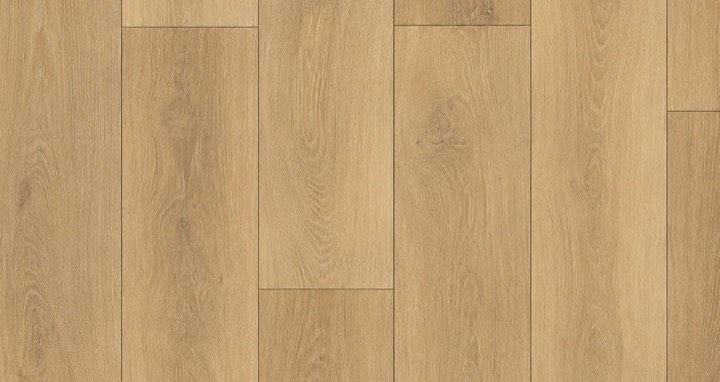
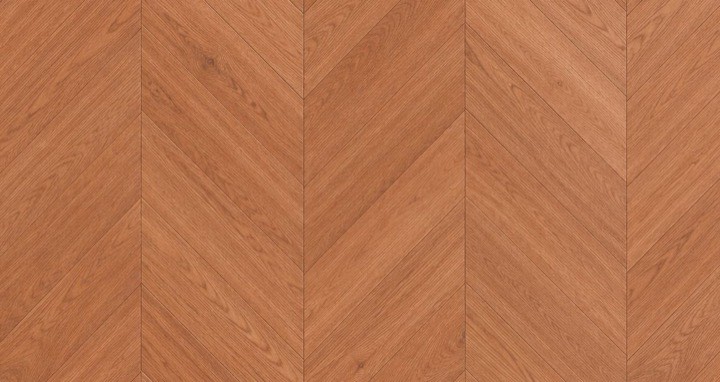
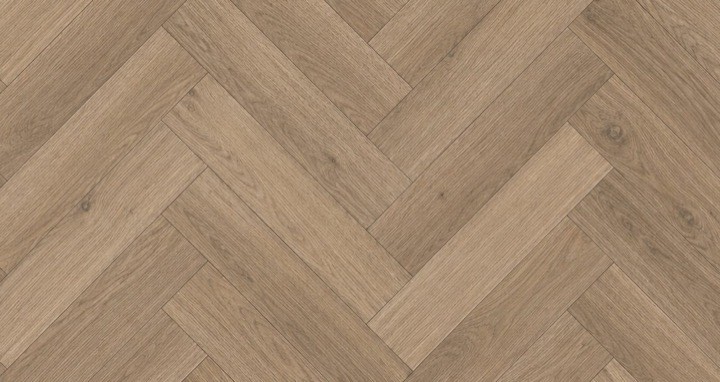
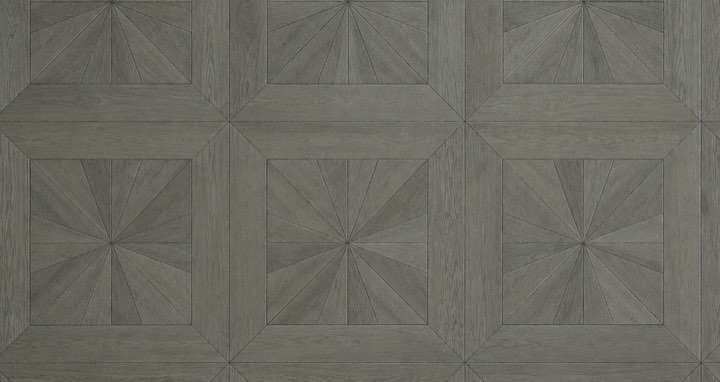
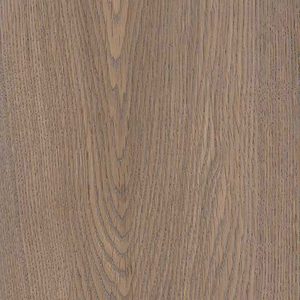
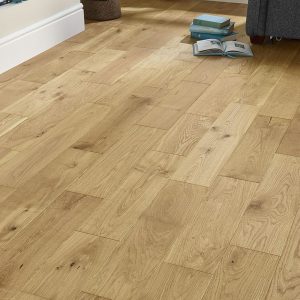
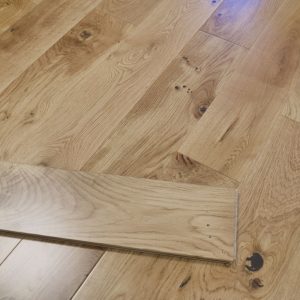
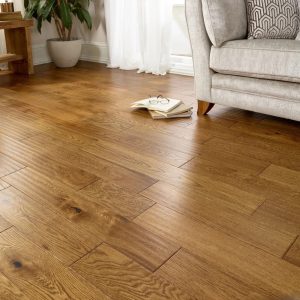
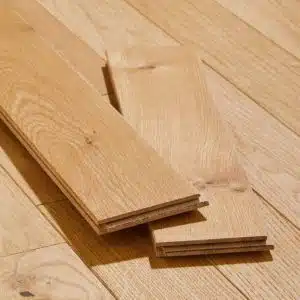
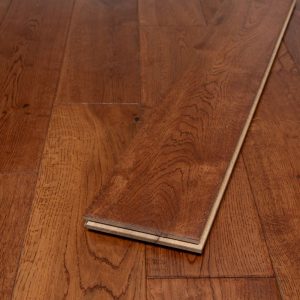
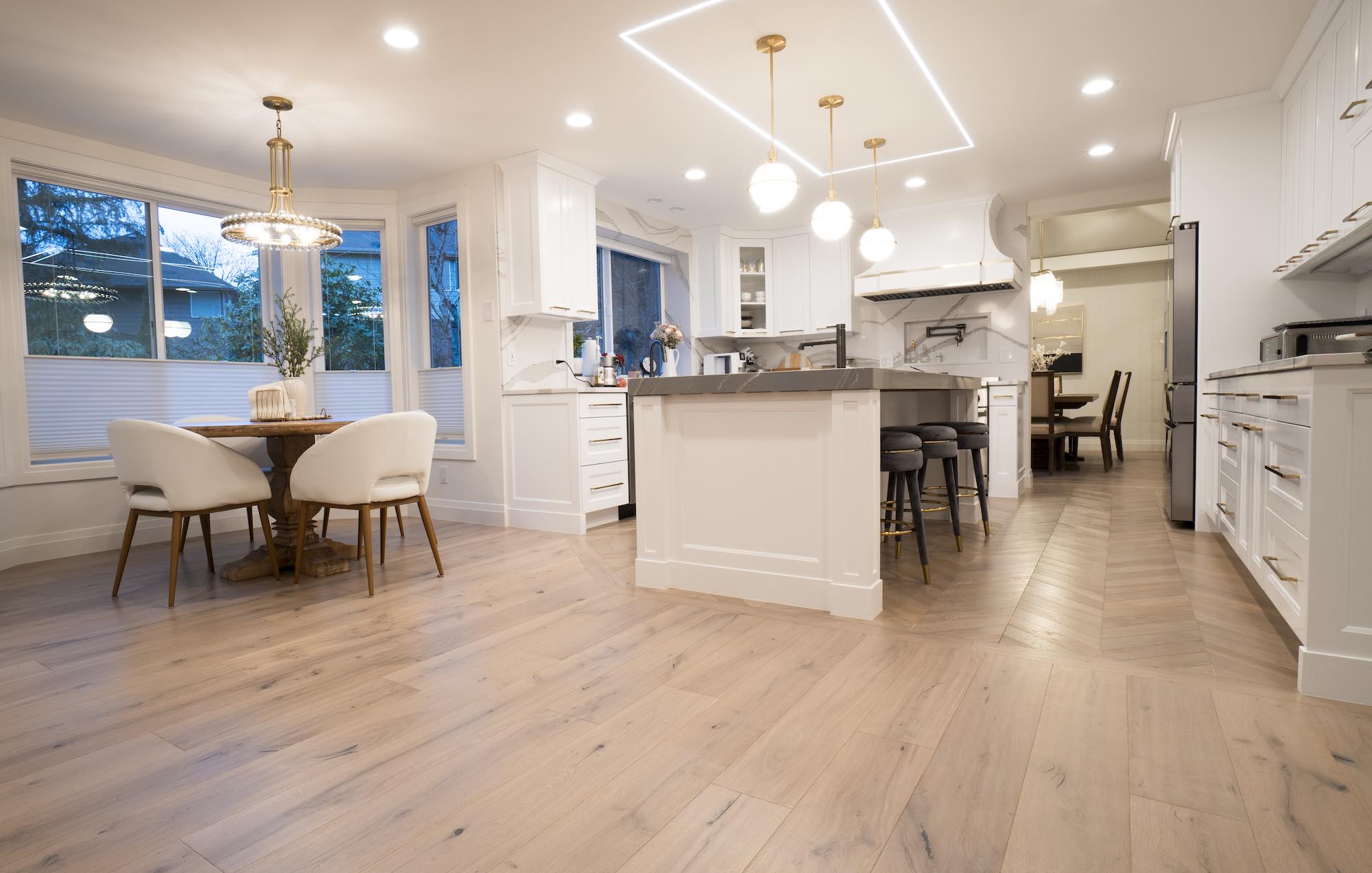
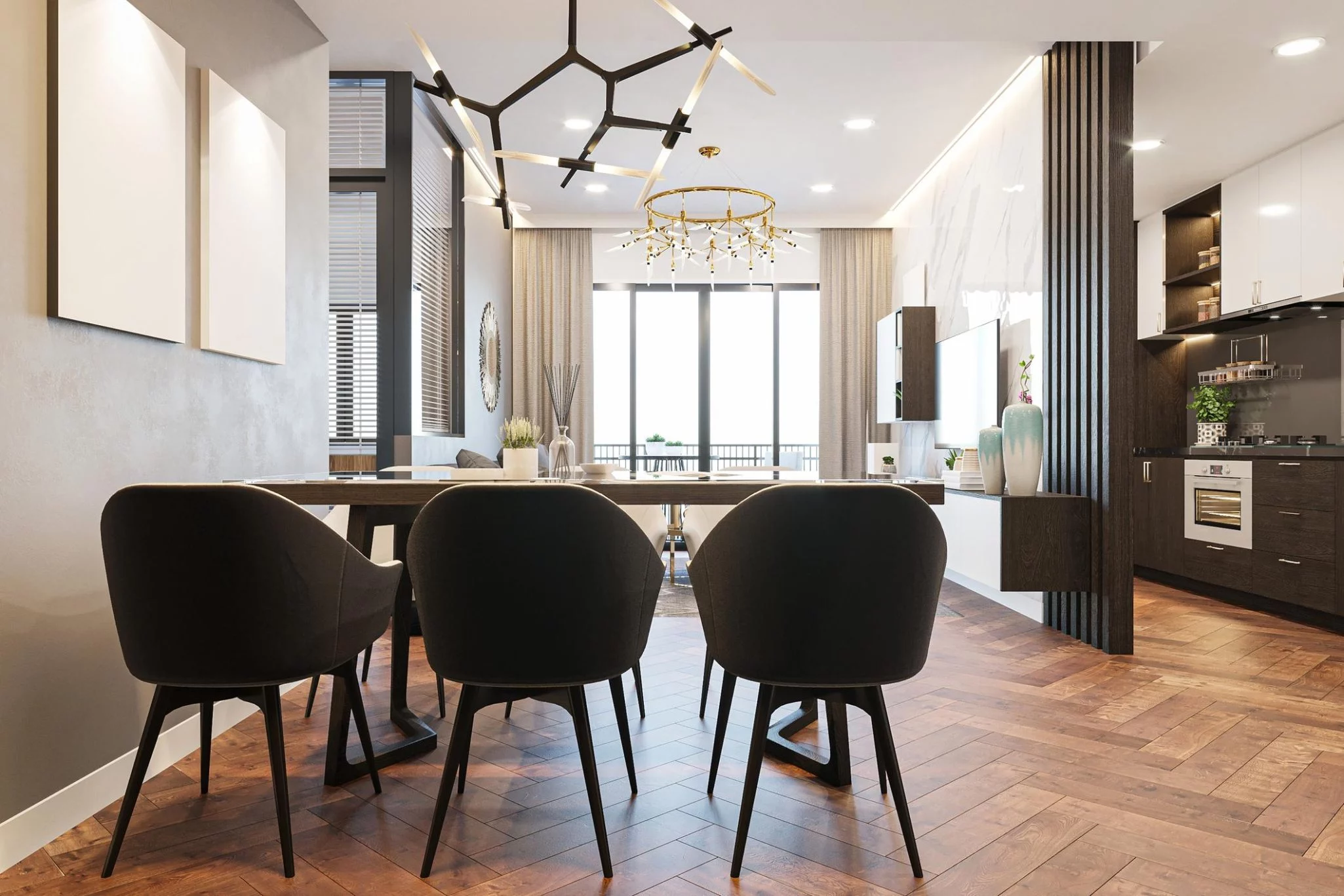
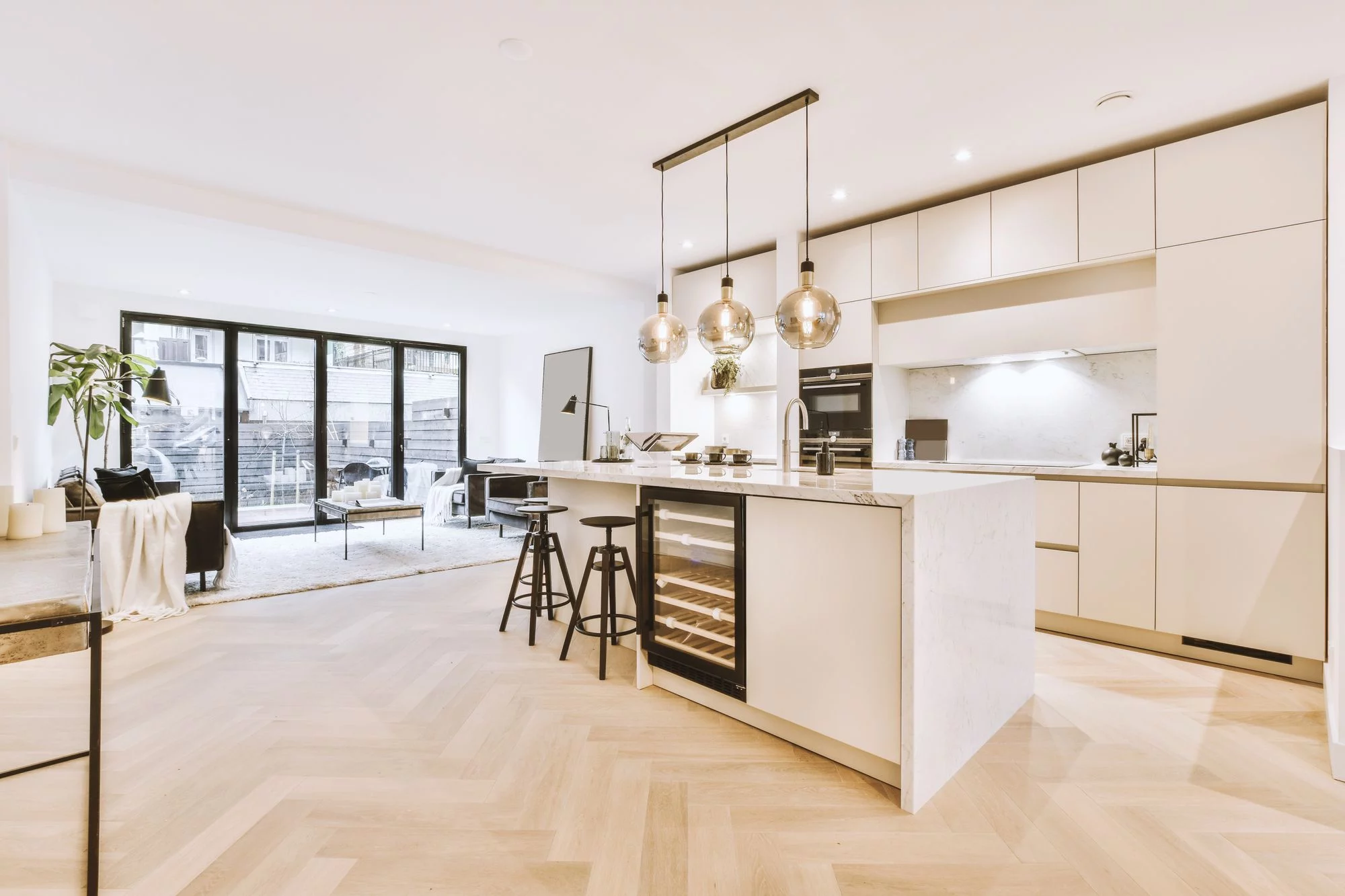
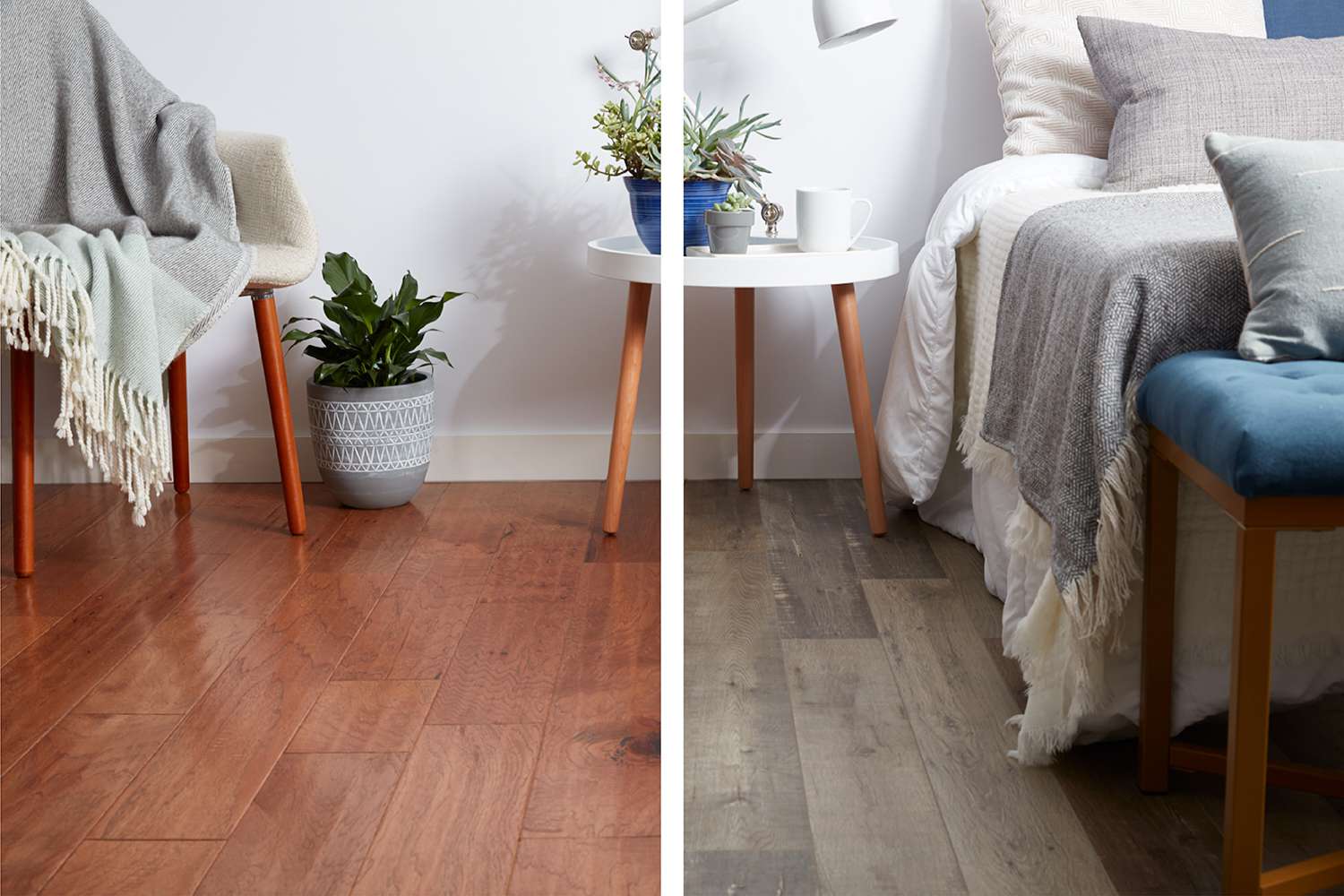
Over a ventilated timber void with the moisture content checked, an oak board here will take refinishing several times across its life.
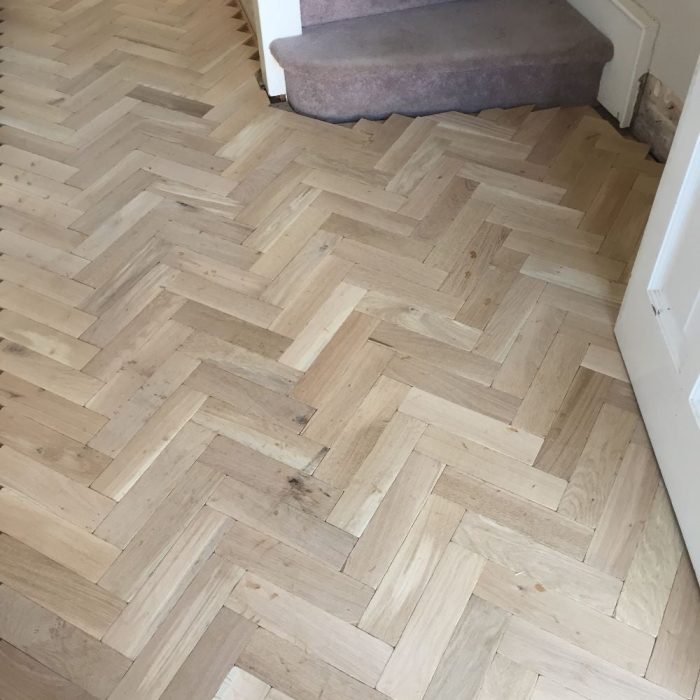
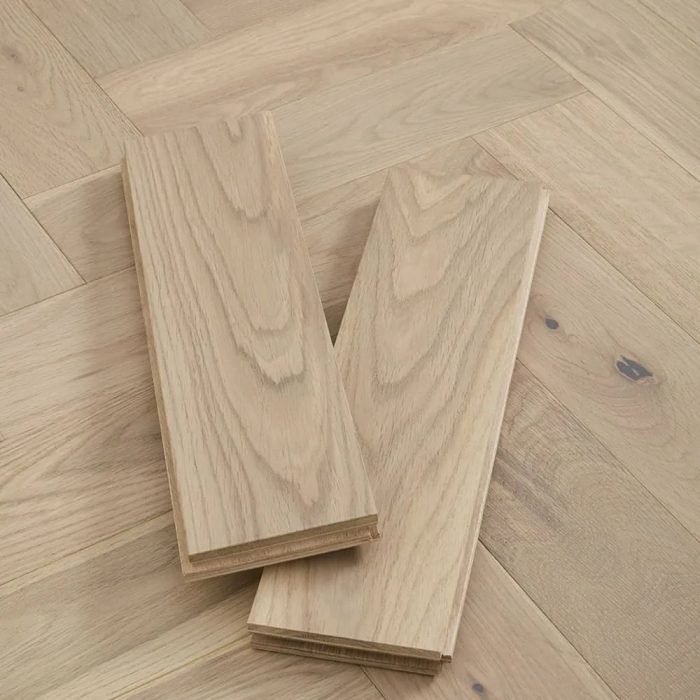
The pre-war terraces of Portswood, Freemantle and Bitterne Park are the Southampton houses a solid Windsor board suits: suspended timber over a ventilated void, an owner who intends to keep the floor, and a moisture reading in the void taken before the order. The boards spend their fortnight in the room and go tongue and groove over the joists or a plywood deck, and an oiled surface in the hall lets wear be repaired locally.
The post-war centre rules a solid board out on construction: a solid floor over concrete needs conditions those slabs rarely give, and the heated screed at Bargate Quarter and Houndwell Place is the wrong place for it altogether; the engineered range takes both. In Carlton Crescent and Oxford Street the original boards may be protected, and restoring them is the solid-wood job there. Flats make up a large share of the city, and a solid board is not a flat’s floor.
Flats are 42% of the homes in the Southampton district, and a flat is usually the wrong place for a solid board: the base is often concrete, the lease usually has an impact-sound clause, and a solid floor cannot be floated on an acoustic underlay. In a converted house with a timber floor and no clause, it can work; in a purpose-built block, an engineered board over acoustic underlay is the right answer and the wood looks the same.
Private renting is 29% of households in Southampton, and solid oak is a landlord's choice only where the property is held for the long term: the floor costs more to fit than it does to buy, and its advantage, that it can be refinished for decades, pays off over tenancies rather than within one. For a portfolio with a shorter horizon, the engineered range is the usual specification.