
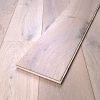
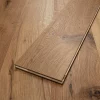
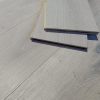

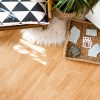
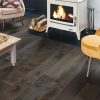

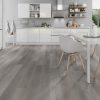
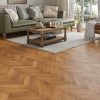
Herringbone Wood Parquet Flooring
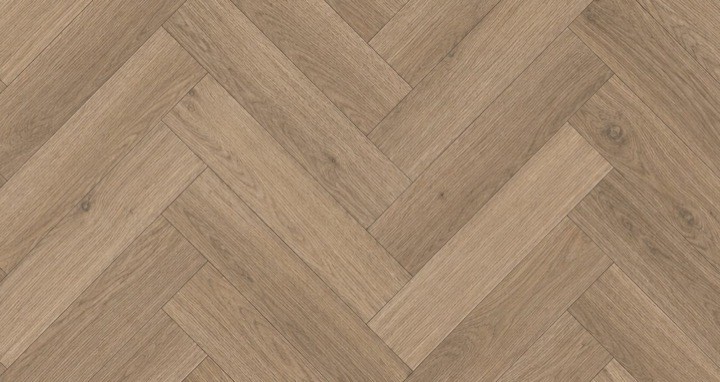
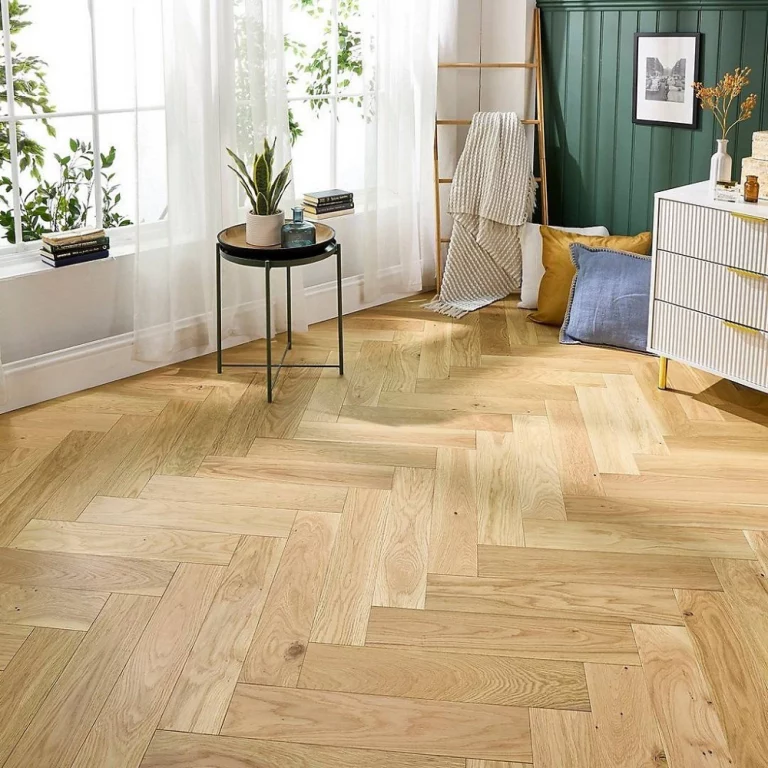
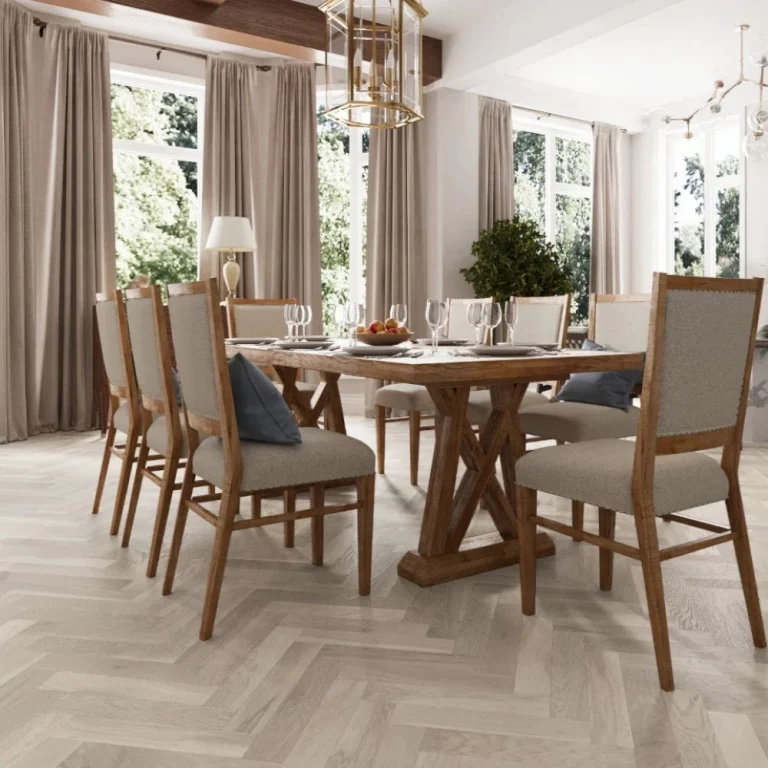
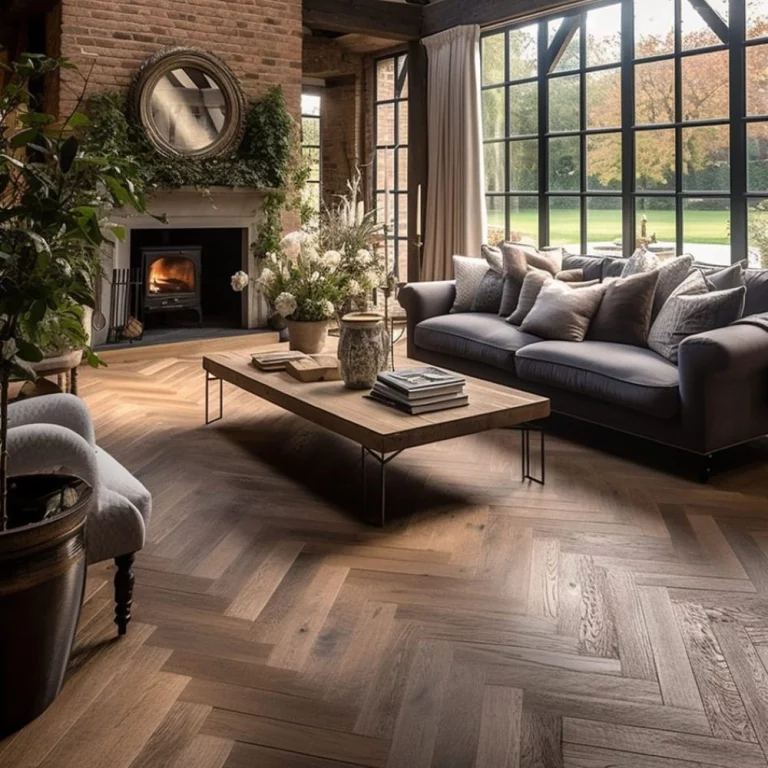
Herringbone wood parquet combines natural timber warmth with a classic zig-zag pattern. It adds depth, movement and timeless charm, perfect for elegant homes and heritage-inspired interiors.
Shop Herringbone Wood
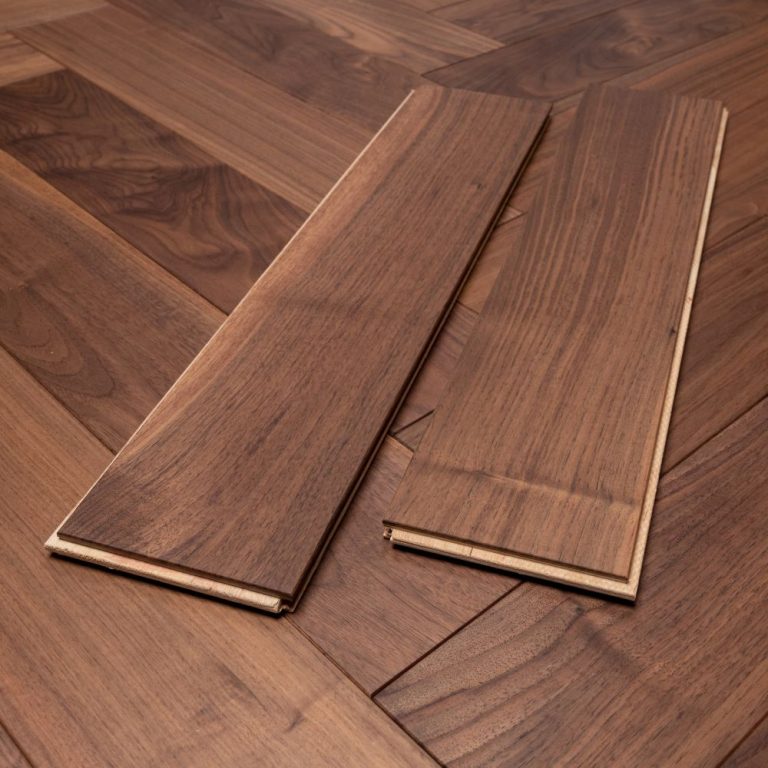
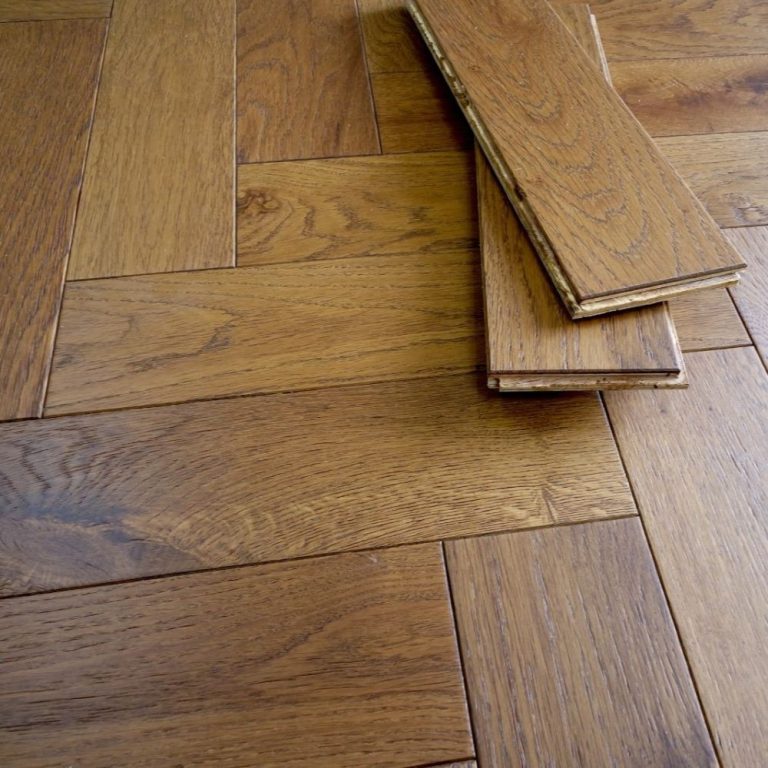
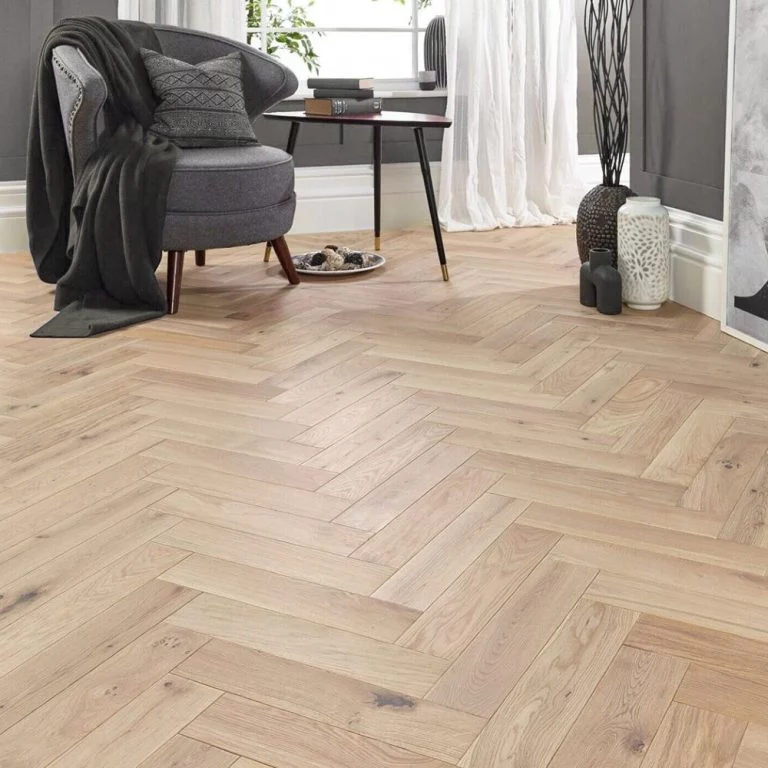
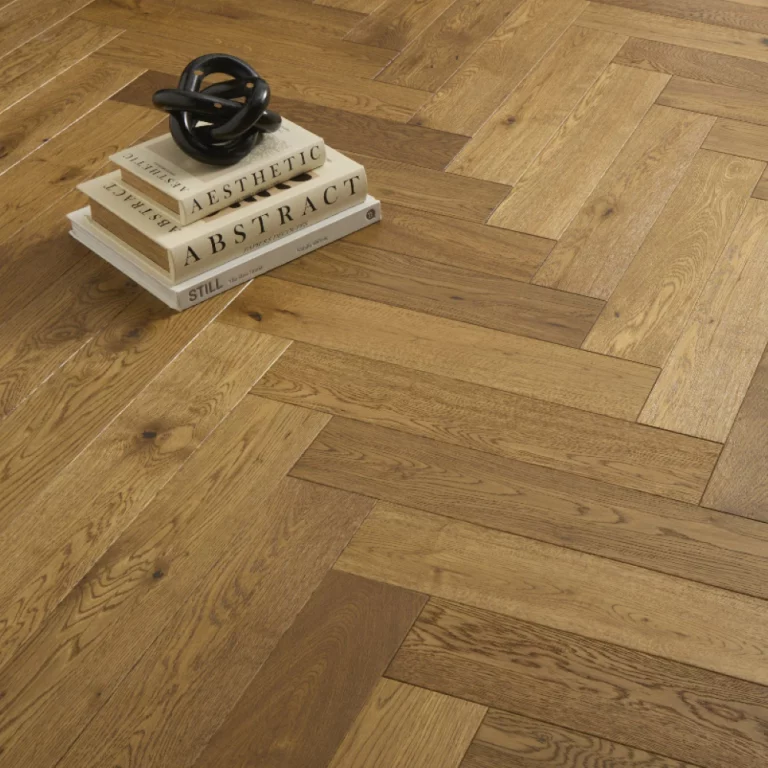
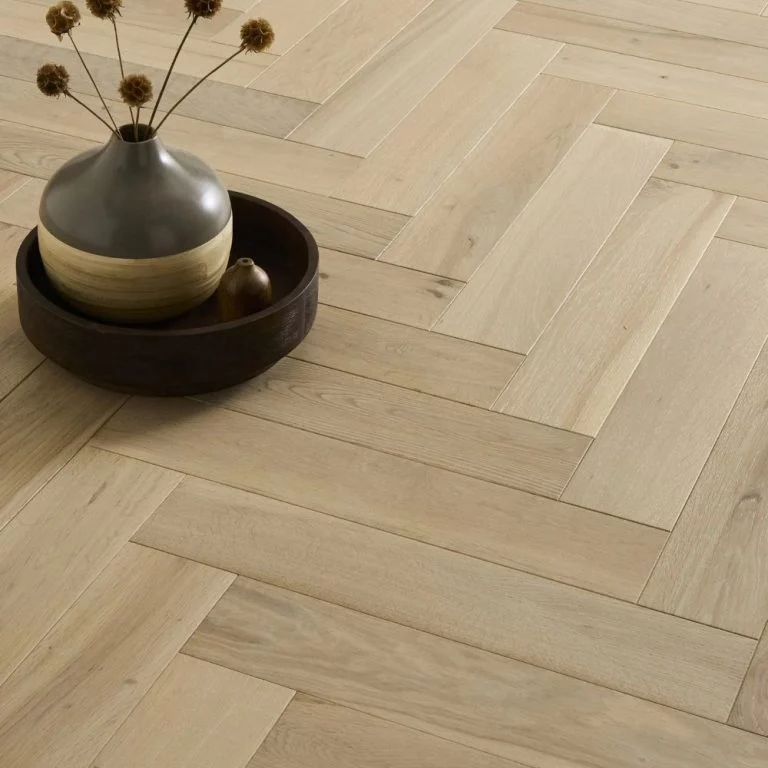
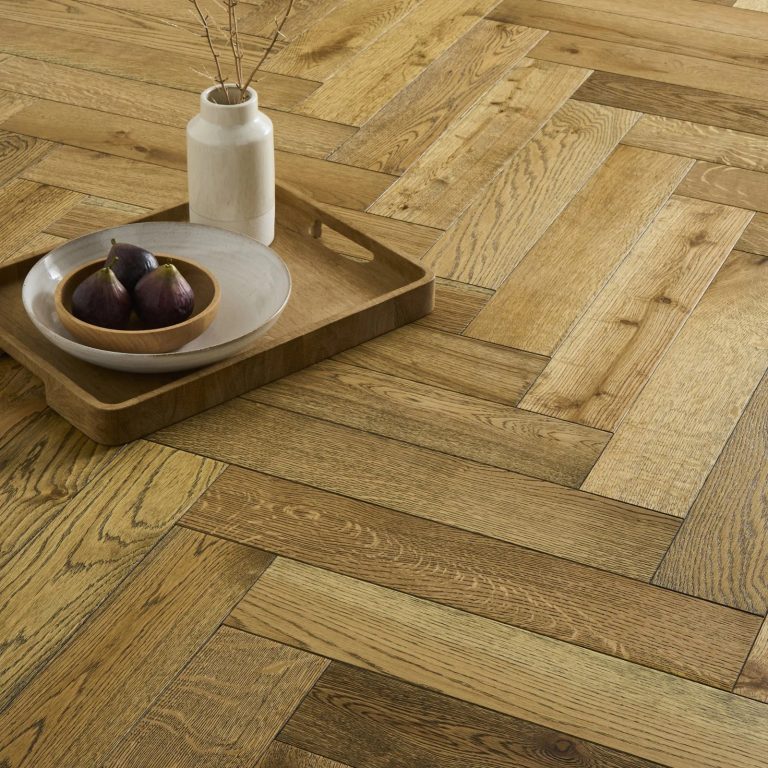
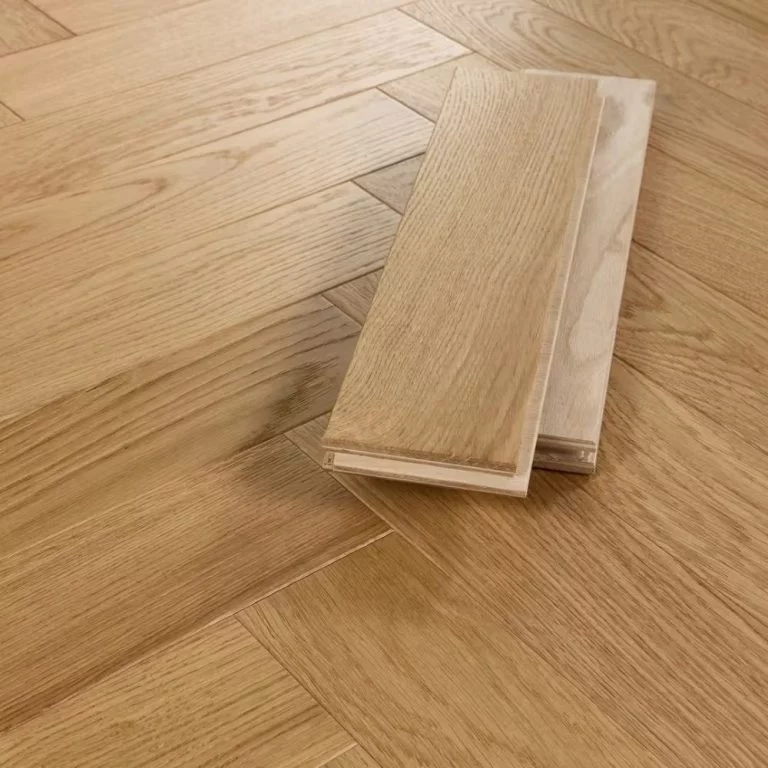
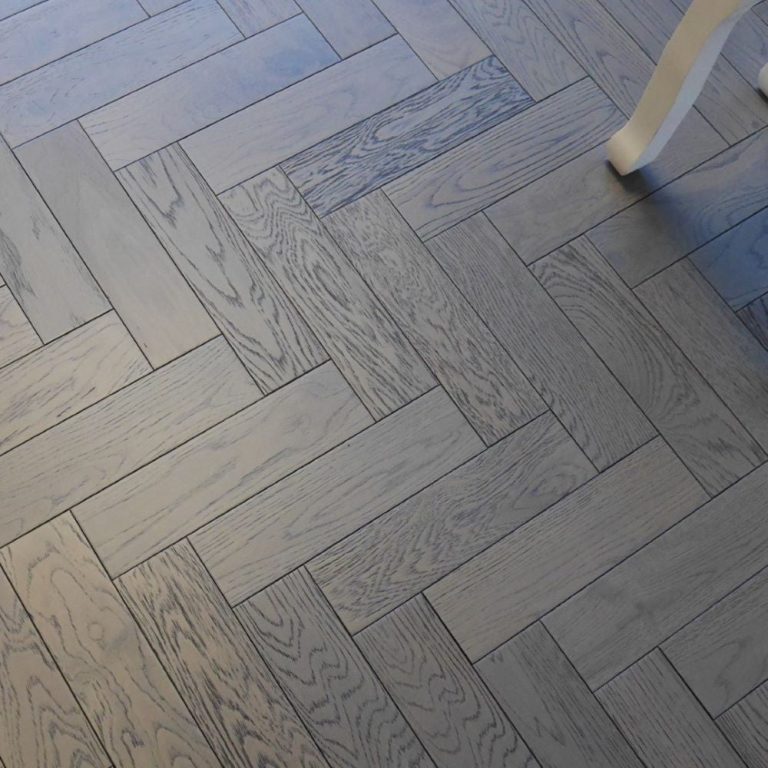
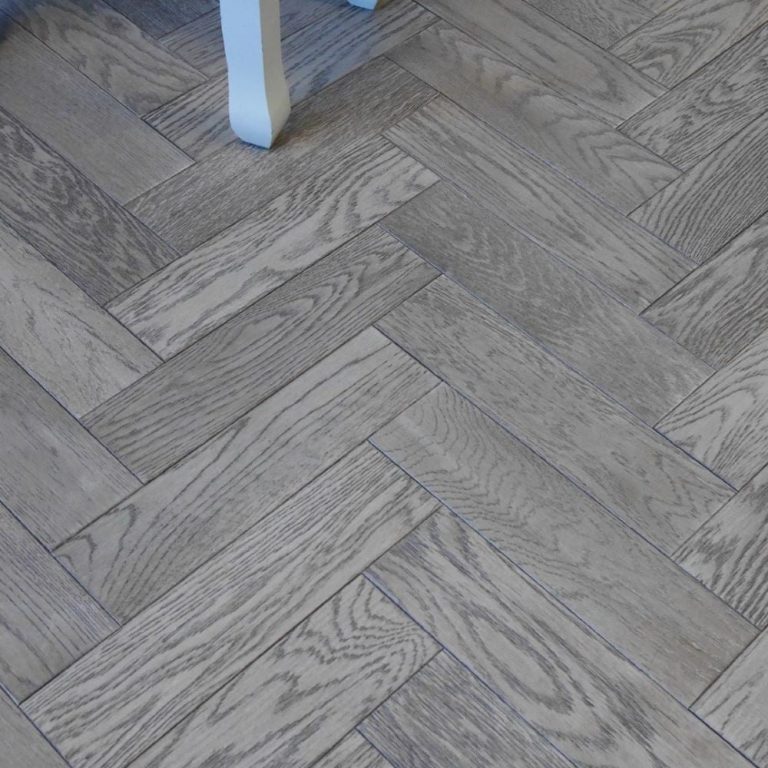
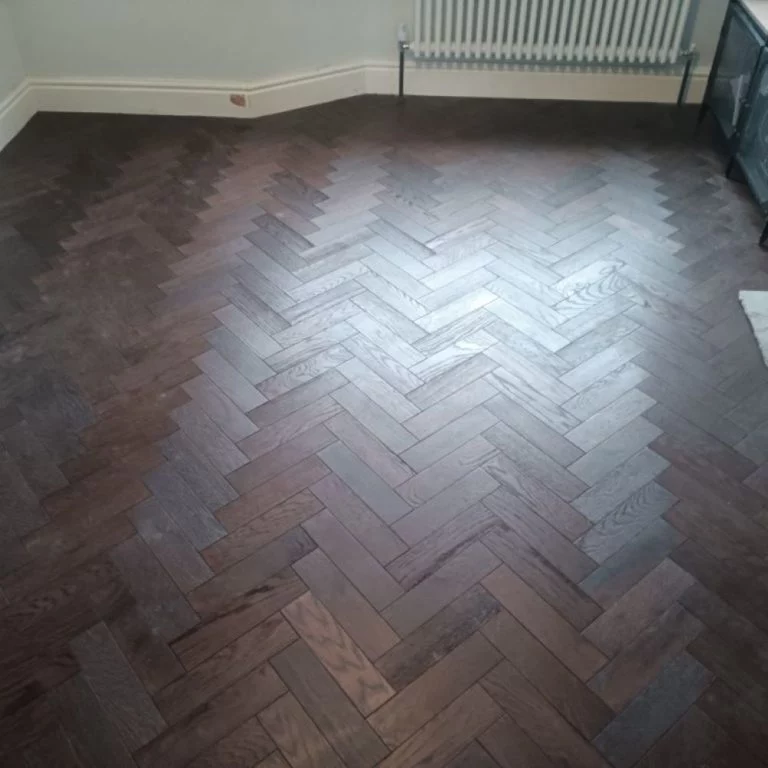
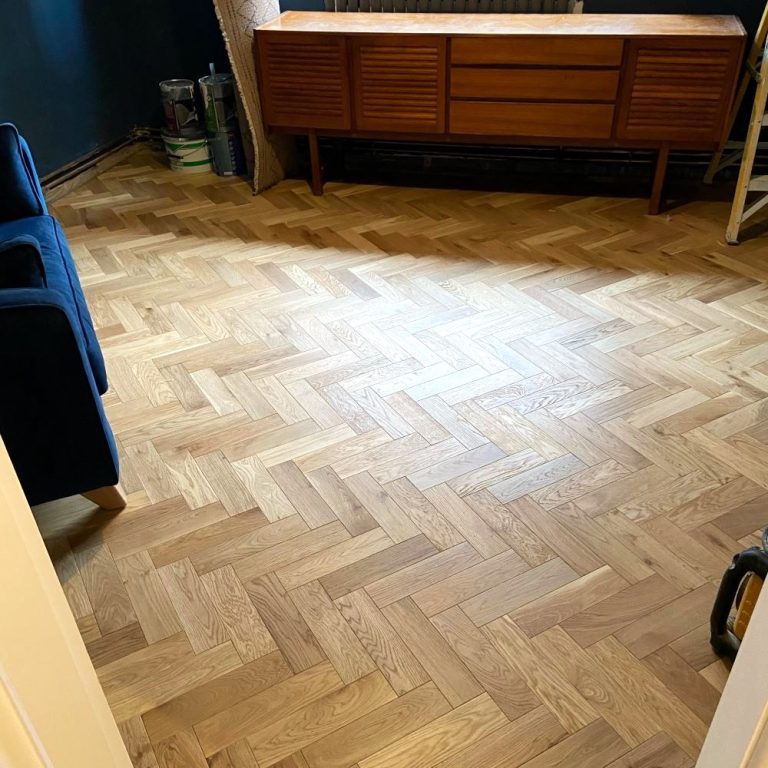
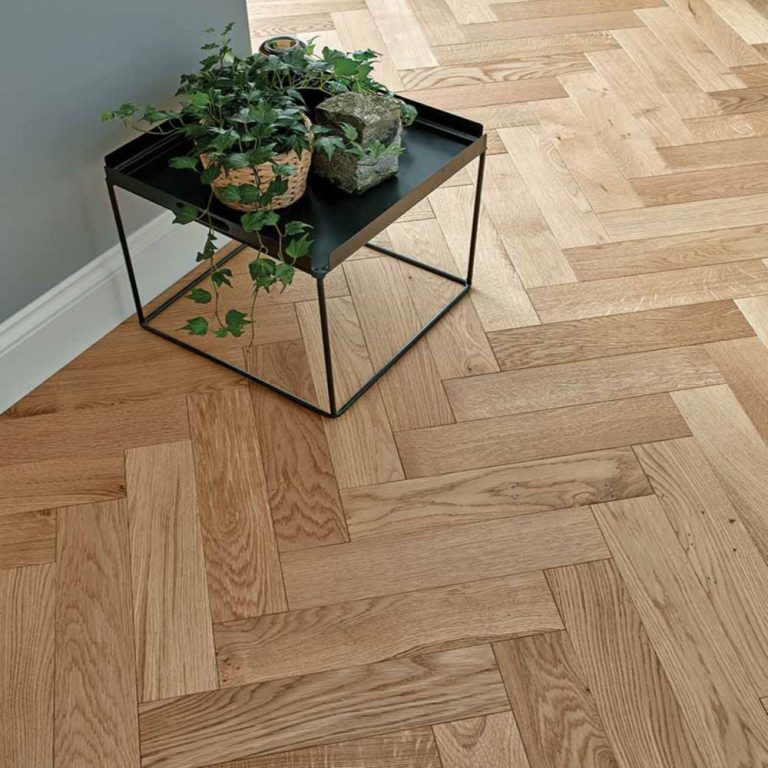
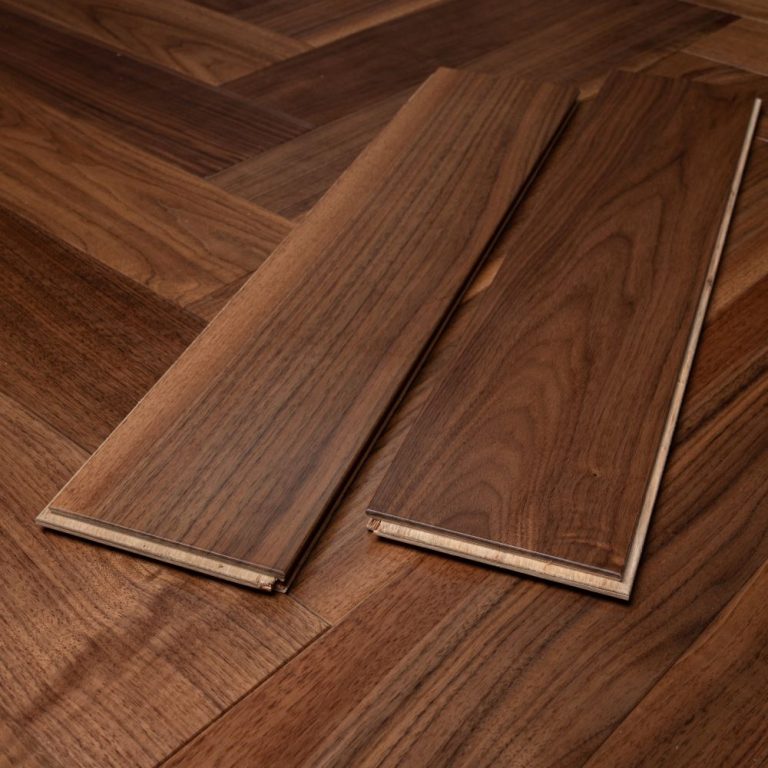
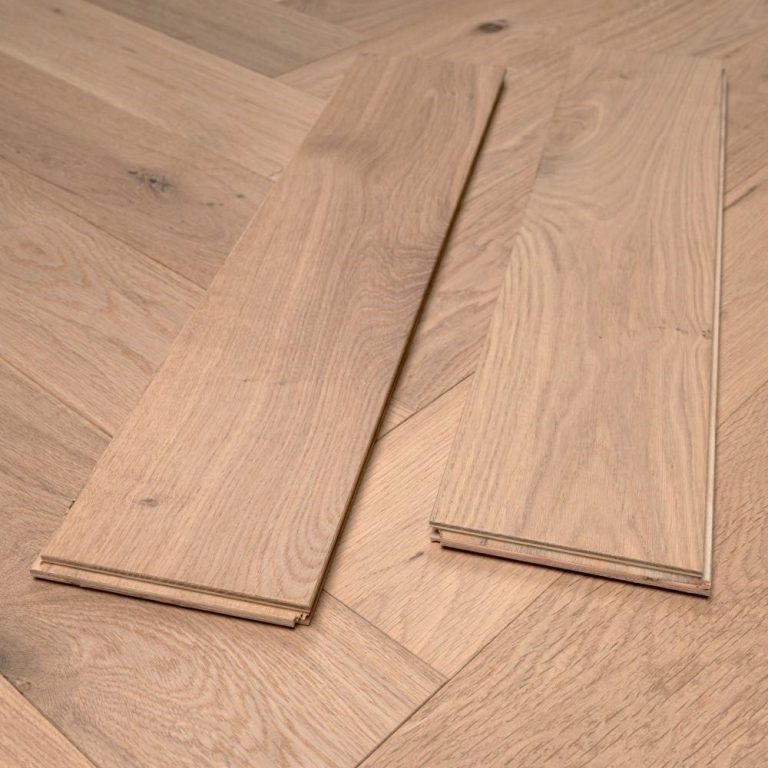
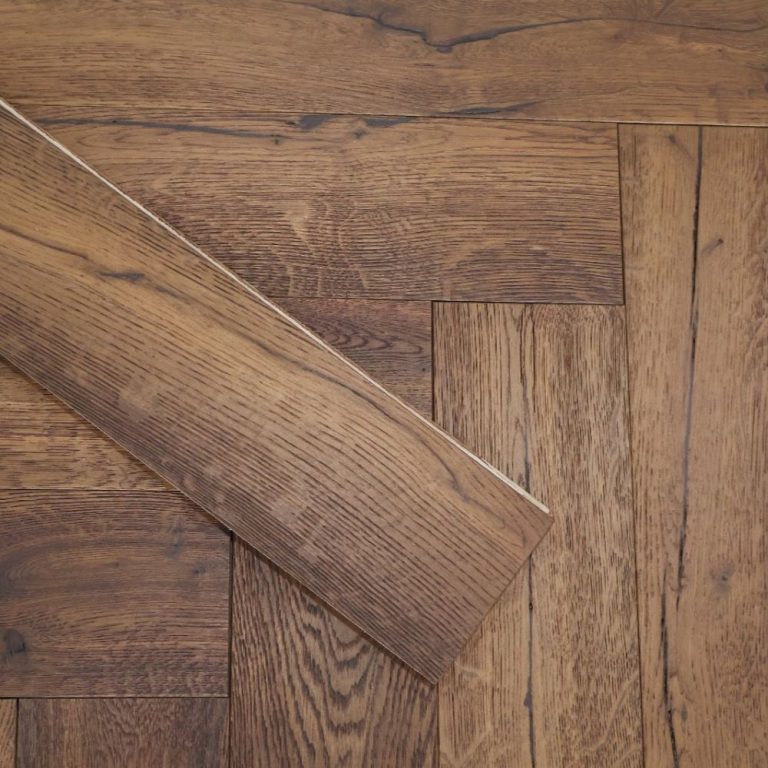
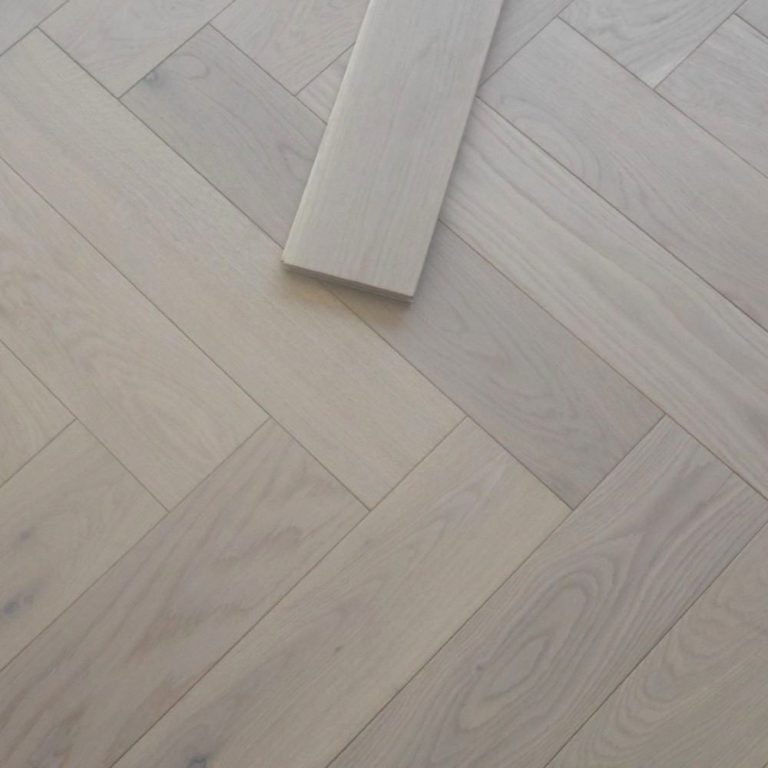
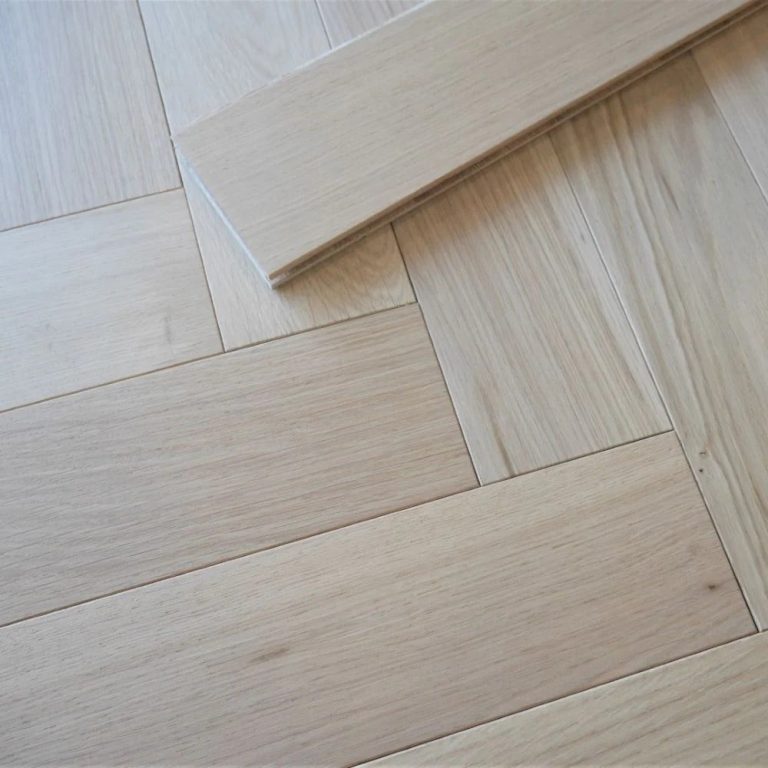
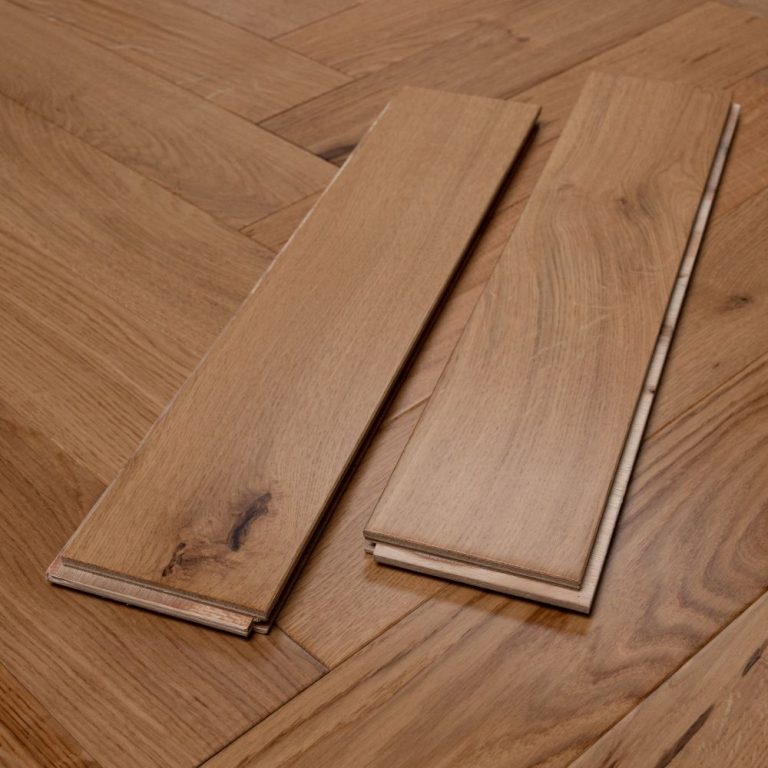
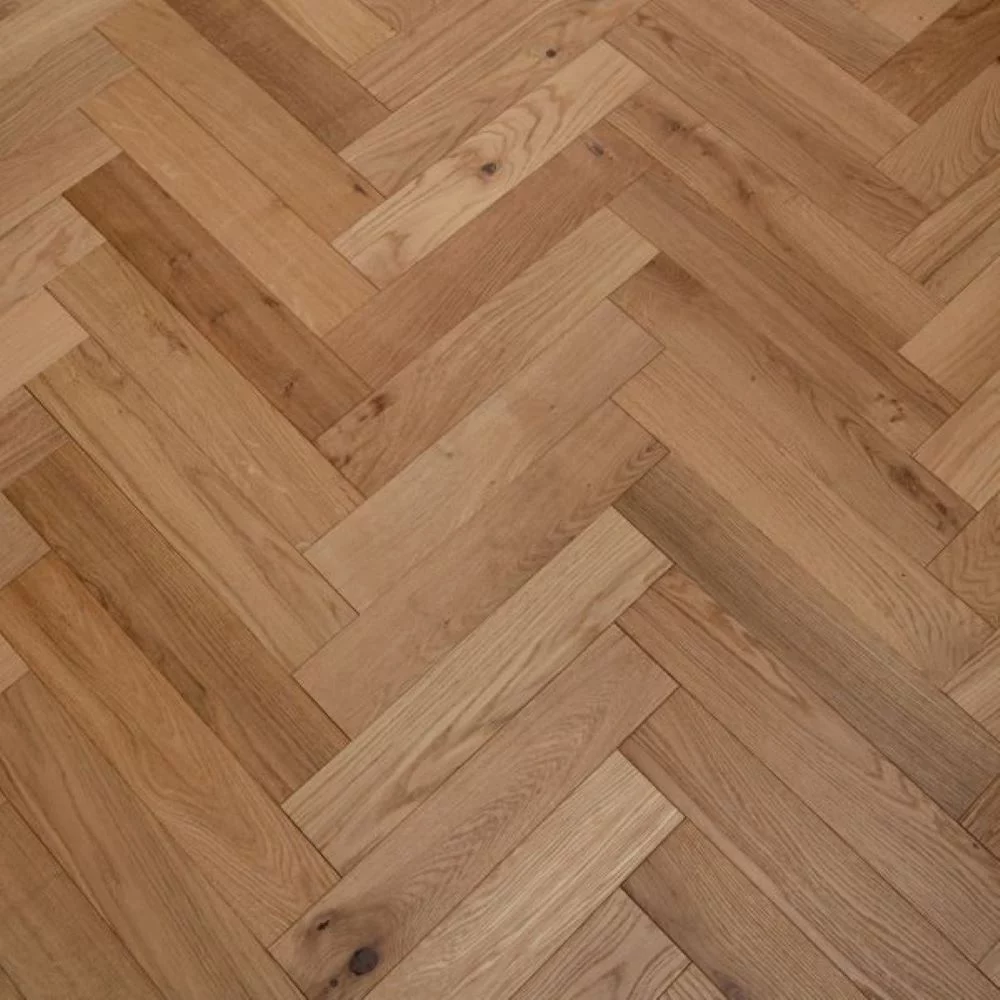
“Laid block by block. Herringbone is the pattern people notice before they notice the room.”
— our flooring team
Herringbone WoodThe look
Still unsure? Real people, honest advice.
The look
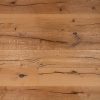
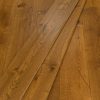
Herringbone Wood parquet in engineered oak and walnut: 22 blocks in five formats, with a 3 mm or 4 mm wear layer. Three ranges, Oxford, Cambridge and Amersham, oiled or lacquered, brushed or smooth, and every block listed as compatible with underfloor heating.
Five block sizes
Two wear layers
Heated floors, yes
In depth
Choosing engineered herringbone
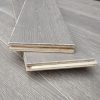
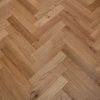
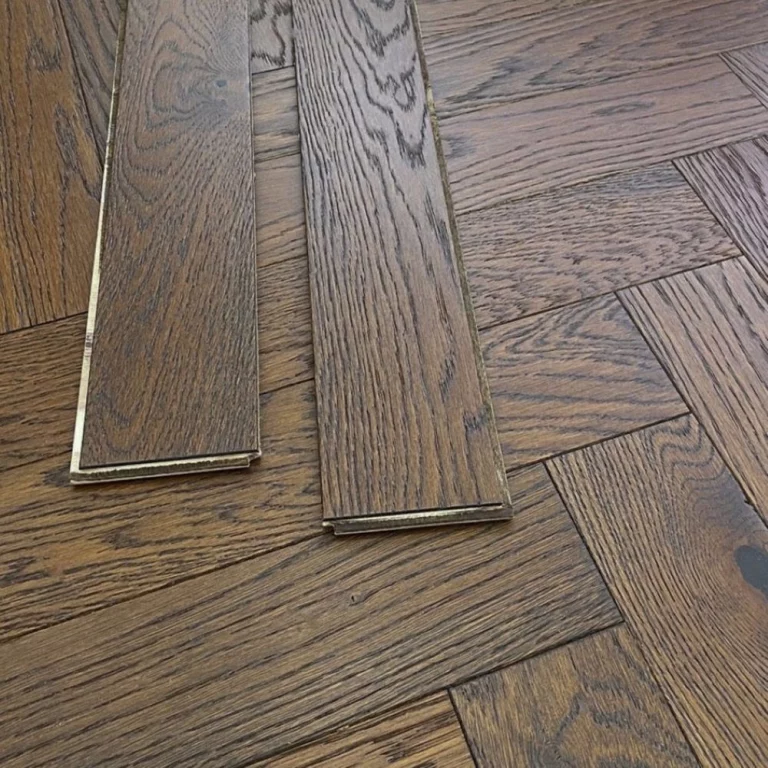
Herringbone is the parquet pattern most people picture: rectangular blocks with square ends, laid at right angles to each other and staggered, so the floor reads as a broken zigzag. This range does it in engineered wood, which is the version that goes over underfloor heating and stays flat in a modern, centrally heated house: 22 blocks, all tongue and groove and micro-bevelled, with a European oak wear layer on all but the two American black walnut blocks.
Three ranges make up the 22. Oxford is 14 mm thick at 90 mm by 450 mm and at 125 mm by 600 mm, the size the two walnut blocks come in, and 18 mm thick at 80 mm by 300 mm; every Oxford block has a 3 mm wear layer and a 15 year manufacturer's warranty. Cambridge is 18 mm thick at 100 mm by 500 mm and Amersham 15 mm thick at 90 mm by 400 mm; both have a 4 mm wear layer and a 25 year warranty. The grade is Classic, except Select on the two Amersham and the two walnut blocks and Antique Distressed on the Oxford Antique Brown.
In practice
Colour runs from White Oiled and Whitewashed at the pale end, through light and natural oak, to Dark Brown, Dark Oak and Antique Brown, with Grey-Brown, Dark Grey and three smoked tones, Fumed, Cinnamon and Smoked Golden, alongside, and walnut as a different species. Most blocks are brushed; four are smooth, the Antique Brown is deep brushed and the Amersham Light lightly brushed. Finishes are UV oil on seven blocks, matt lacquer on seven, invisible matt lacquer on three, UV lacquer on two, and invisible UV oil, white oil and hard wax oil on one each. Oiled blocks can be re-oiled locally; lacquered ones are refinished as a whole floor.
Two things to settle before ordering. The pattern is set out from the centre line of the room, so the room's shape decides how many cut blocks it needs, and the allowance for that is a manufacturer figure quoted below rather than a standard. And the boards need to acclimatise in the room, at its in-service temperature, before they are laid; for a patterned floor with hundreds of joints that matters more than for planks.
FAQ
What is the difference between herringbone and chevron?
Which block size should I choose?
How much extra do I order for herringbone?
How do I order the right amount?
Can I get a sample first?
Standards
What the published standards say
Each entry is quoted from its source and linked to it. The full set is in the standards reference.
Herringbone and chevron — what the two patterns are
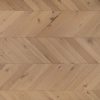
Herringbone is laid from rectangular blocks whose ends are cut square: set at right angles to each other and staggered, so that the end of one block meets the side of the next and the pattern reads as a broken zigzag. Chevron blocks have their ends cut at an angle - typically 45 or 60 degrees, depending on the manufacturer - so the ends meet on a continuous line and form a V. No published standard we could read defines the two patterns; the definitions here come from manufacturers and agree with each other.
| Herringbone: angle between adjacent blocks | 90 degrees |
|---|---|
| Chevron: typical end-cut angle (manufacturer-dependent) | 45 or 60 degrees |
“Herringbone flooring features rectangular wood planks arranged in a staggered zigzag pattern. Each plank meets the next at a 90-degree angle. In chevron patterns, the wood planks are cut at an angle, typically 45 or 60 degrees, so they meet in a continuous V-shape.”
Source: Havwoods - Herringbone vs. Chevron: Which Parquet Style Suits Your Space Best? · second sourceCutting waste — how much extra to order
There is no published industry standard for cutting waste; the figures come from manufacturers' own guidance and they vary. Havwoods advises 8-12 % wastage for planks and 15-20 % for patterned floors such as herringbone or chevron. Quick-Step's UK guidance for laminate is 5 % extra in a regular room and 10 % in a room with many angles or curves.
| Wastage allowance, plank floors (Havwoods UK) | 8-12 % |
|---|---|
| Wastage allowance, herringbone or chevron (Havwoods UK) | 15-20 % |
| Extra to order, regular room, laminate (Quick-Step UK) | 5 % |
| Extra to order, room with many angles or curves, laminate (Quick-Step UK) | 10 % |
“For planks we typically advise on 8-12% wastage and patterned floors, such as herringbone or chevron, may need 15-20% wastage.”
Source: Havwoods UK - FAQs: How Much Wastage Shall I Encounter For? · second sourceWood over underfloor heating
UK trade-association guidance sets no blanket ban on wood over underfloor heating but ties it to a temperature limit, noting that some hardwood floor finishes are installed with a maximum floor surface temperature of 27 °C.
| maximum floor surface temperature for some hardwood finishes | 27 °C |
|---|
“For example, some hardwood floor finishes are installed with a maximum floor surface temperature of 27°C.”
Source: CFA Guidance Document — Beyond Installation: Guidance on Underfloor Heating (Contract Flooring Association)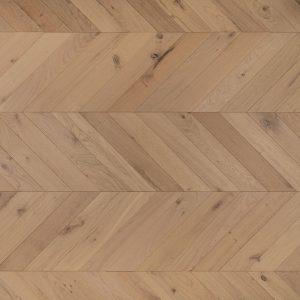
Delivery & areas