






Porcelain Tiles over Underfloor Heating
Why ceramic and stone tiles carry heat best, what tile thickness changes, why a decoupling membrane and flexible adhesive matter, and the EN 1264 limits.
Of all the floors that go over underfloor heating, tile asks the fewest questions about heat and the most about movement. It passes heat into the room better than anything else on the list, it is not held to the low surface temperatures that wood and vinyl are, and it is the floor most likely to crack if the build-up beneath it is wrong. This guide covers both halves.
On this page
The best conductor on the list
BEAMA, the UK underfloor heating trade association, calls natural stone and ceramics the best floor material for water-based underfloor heating, letting the heat from the pipework flow easily into the room. Its table puts 15 mm stone at a thermal resistance of 0.004 m²K/W, and Uponor gives tiles and marble about 0.01 to 0.02 m²K/W; either way, against the usual ceiling of 0.15 m²K/W for a floor covering, a tile uses a small fraction of the allowance.
Thickness matters less than people fear. In BEAMA's words, increasing the thickness of the tile has little effect on the heat output, but slightly increases the heat-up time. A thicker tile is a slower floor, not a colder one.
The temperature limits come from comfort
Wood and vinyl are usually held to 26 or 27 °C because of what heat does to them. Tile has no such limit of its own, so the limits that apply are the ones the heating standard sets for the people walking on it: EN 1264 caps the floor surface at 29 °C in the occupied area, 33 °C in bathrooms and 35 °C in the edge zone along the walls. The heating designer works to those figures.
Decoupling membrane and flexible adhesive
A heated floor expands and contracts with every heating cycle, and a tile bonded rigidly to it takes the strain. BEAMA's advice is that with stone, slate and ceramic tiles it is always advisable to use a decoupling membrane and flexible adhesive, to reduce the risk of hairline expansion cracks. Both belong in the specification before the tiler is booked.
So does the order of work. Where the heating is in a screed, EN 1264-4, as set out in IMI's commissioning instructions, has the system run through functional heating, up and down, before the floor covering goes on; the Contract Flooring Association, writing about the floors its members lay, puts that period at usually around 21 days. A tiled floor laid on a screed that has never been heated is the first thing the heating will test.
What the range says
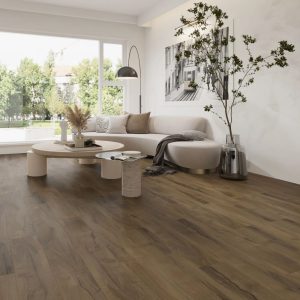
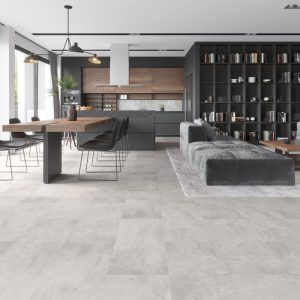
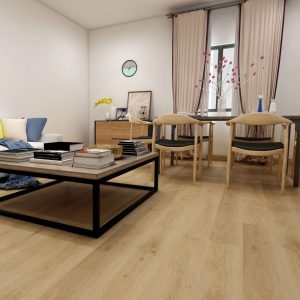
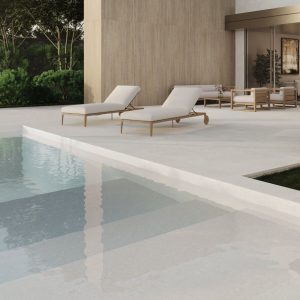
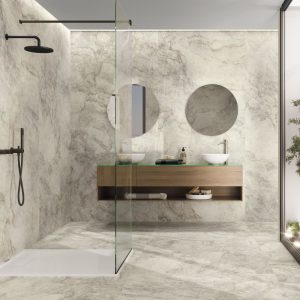
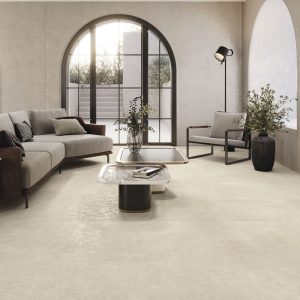
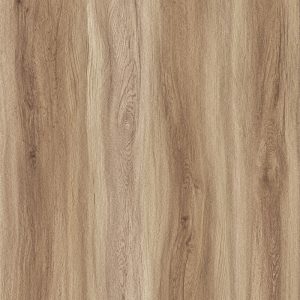
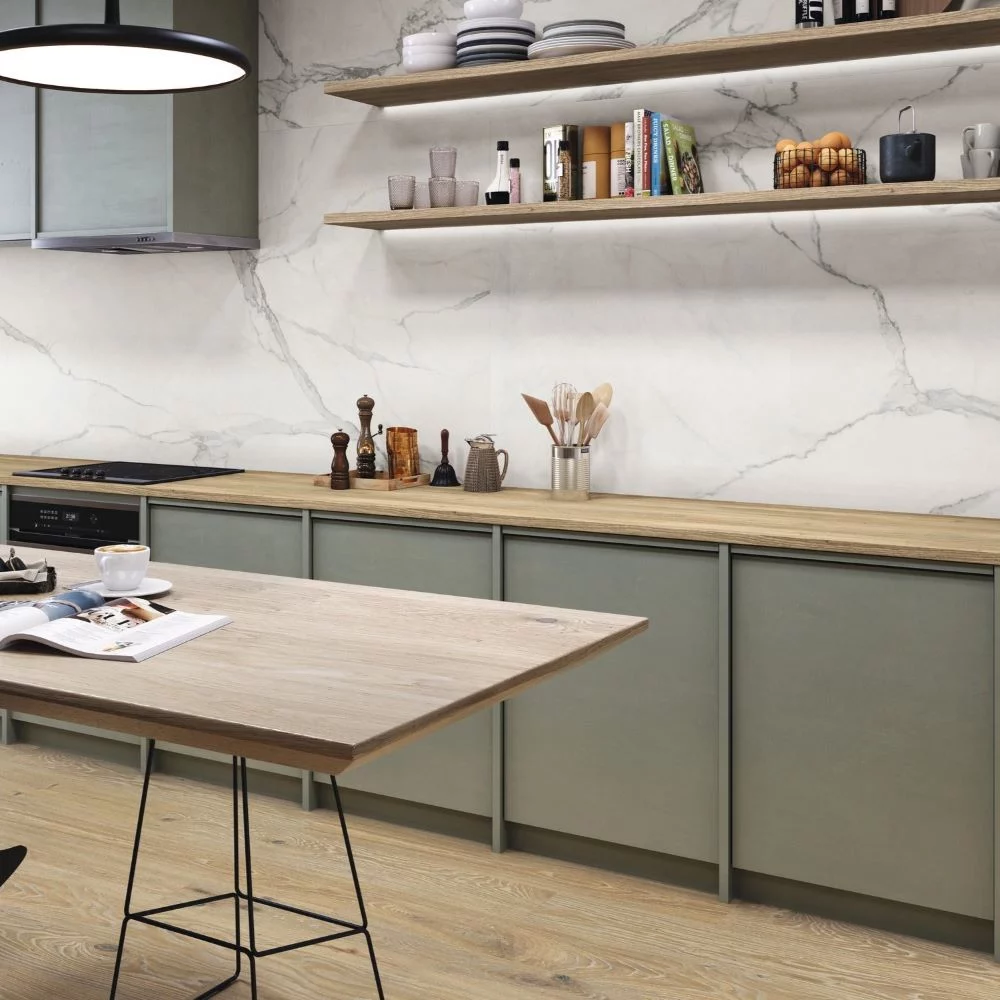
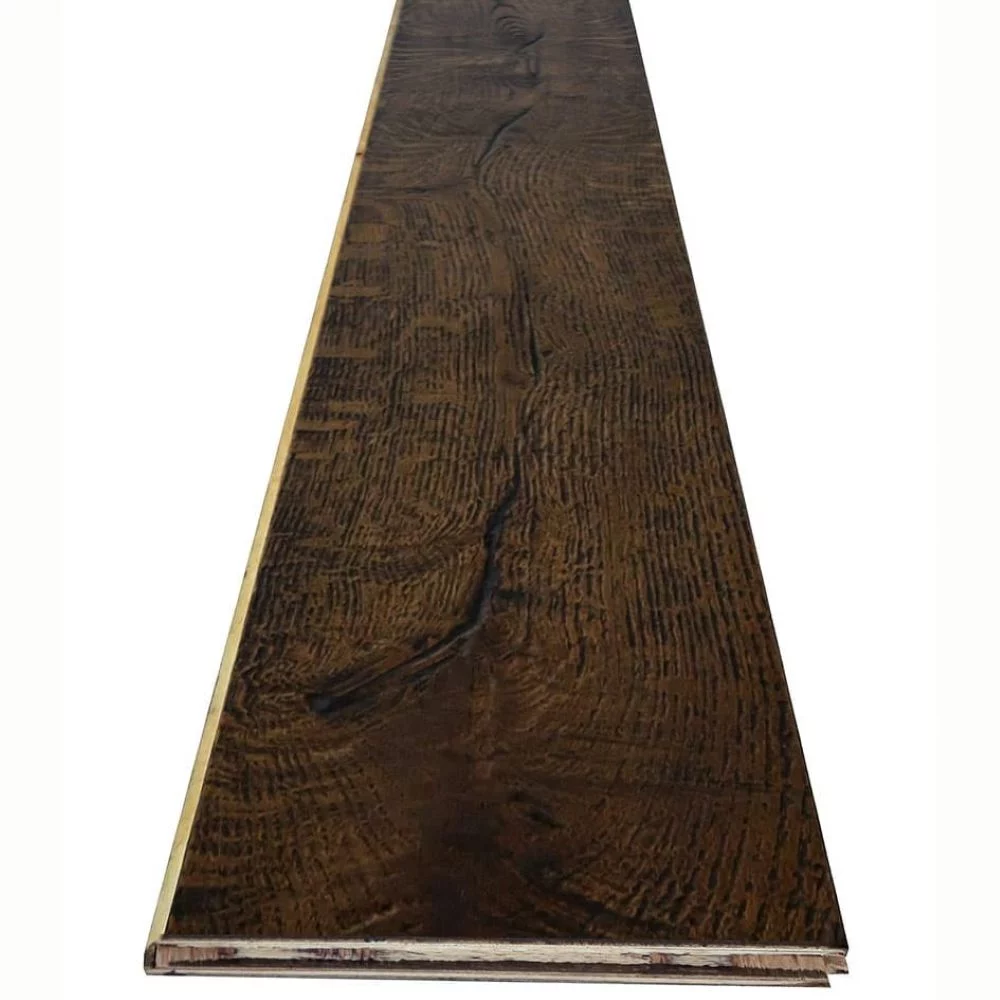
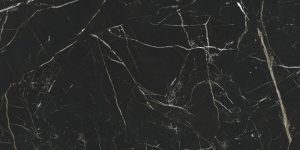
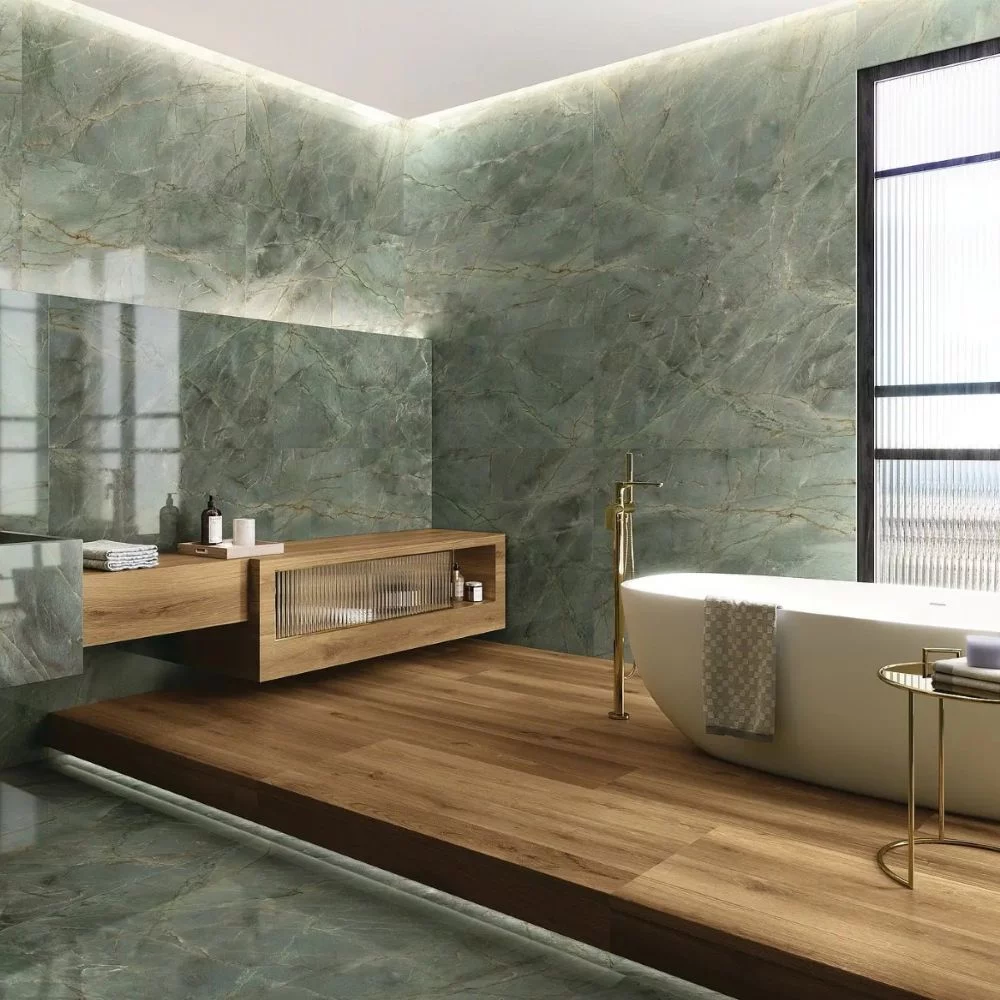
The 11 porcelain tiles in our range are made in Spain and all are listed as compatible with underfloor heating; 6 of them are 9 mm thick and 5 are 10 mm. Porcelain is a dense, fired ceramic; it conducts heat less well than stone, but still uses only a small part of the 0.15 m²K/W allowance.
Common questions
Are porcelain tiles good over underfloor heating?
Yes. BEAMA calls stone and ceramics the best floor material for water-based underfloor heating, and all 11 porcelain tiles in our range are listed as compatible with it.
Does a thicker tile make underfloor heating less effective?
Hardly. BEAMA says increasing the tile thickness has little effect on the heat output but slightly increases the heat-up time; its table puts 15 mm stone at 0.004 m²K/W, and Uponor gives tiles about 0.01 to 0.02.
Do tiles over underfloor heating need a decoupling membrane?
BEAMA advises that with stone, slate and ceramic tiles it is always advisable to use a decoupling membrane and flexible adhesive, to reduce the risk of hairline expansion cracks.
How warm can a tiled floor be?
EN 1264 caps the floor surface at 29 °C where people stand and sit, 33 °C in bathrooms and 35 °C in the edge zone. The heating is designed to those limits.
Porcelain tiles travel on the same pallet network as the rest of the range. Browse by town and region.
What the published standards say
Who publishes this guide
- Samples £1.99 each
- UK-wide delivery
- Advice before you order