







Parquet Flooring
Classic pattern with premium character. Parquet flooring brings timeless elegance, natural wood detail and a refined design feel to your home. Choose from beautiful tones and finishes for a statement floor built to add warmth, style and lasting value.
Shop Parquet
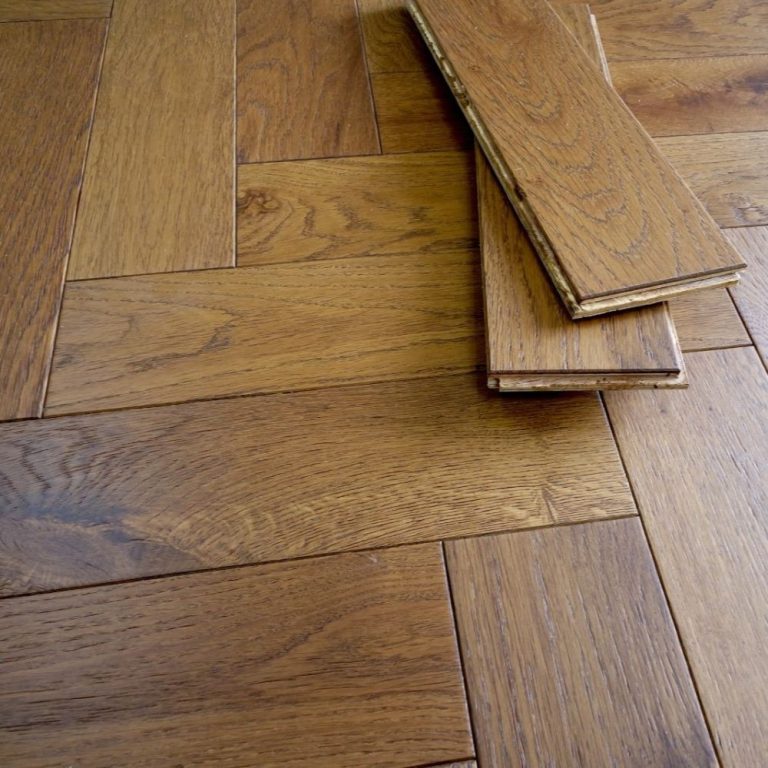
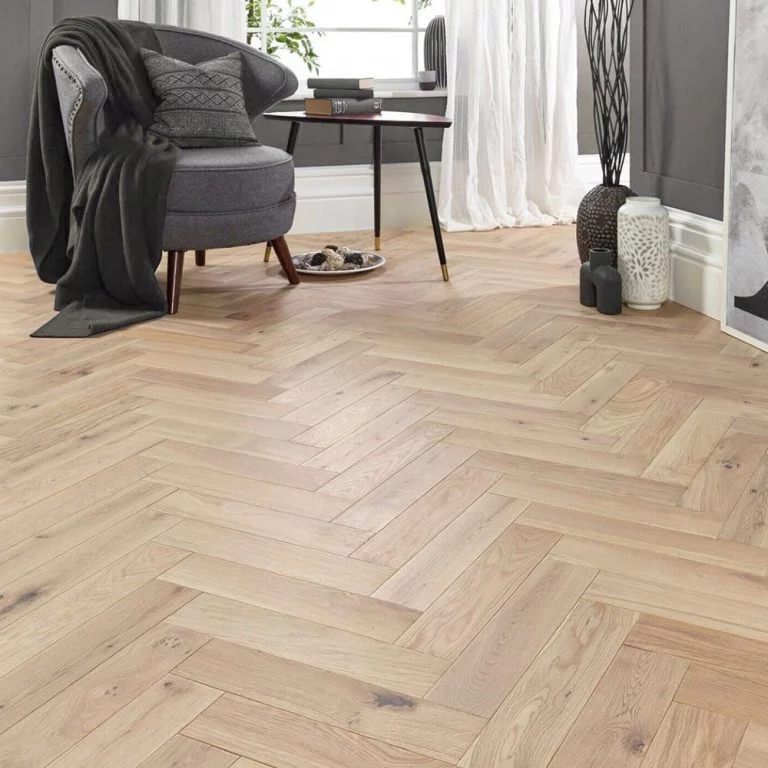
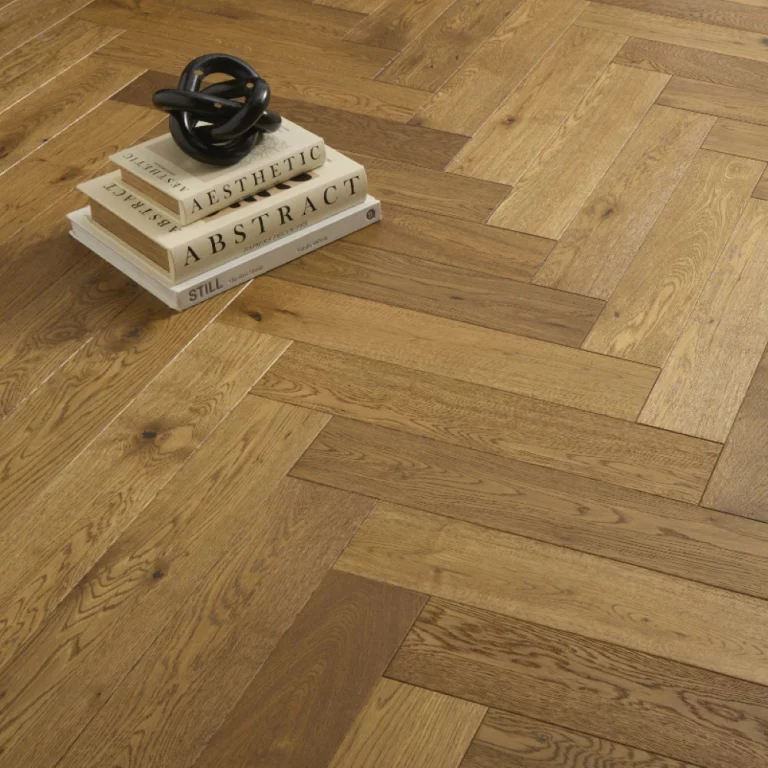
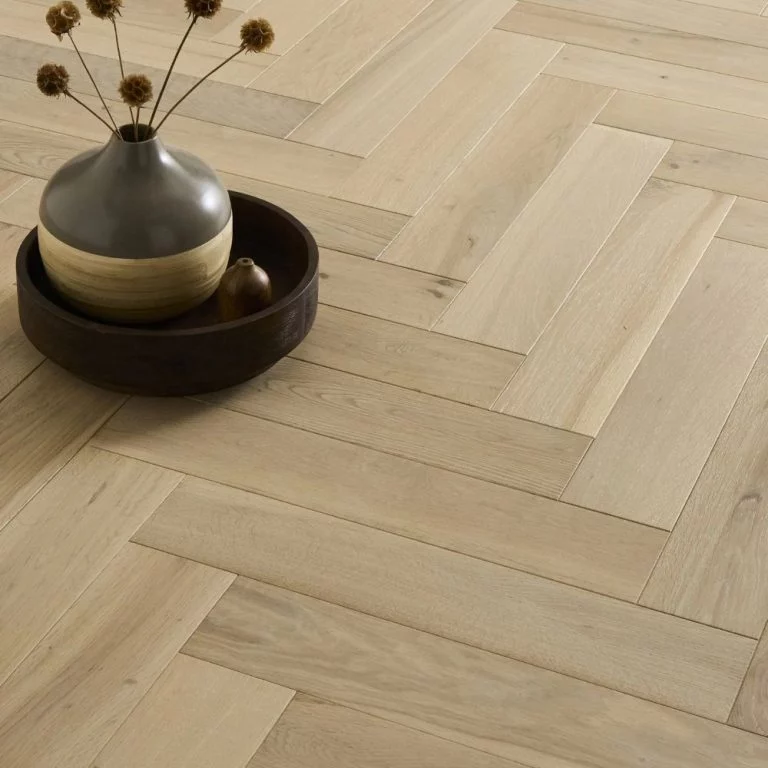
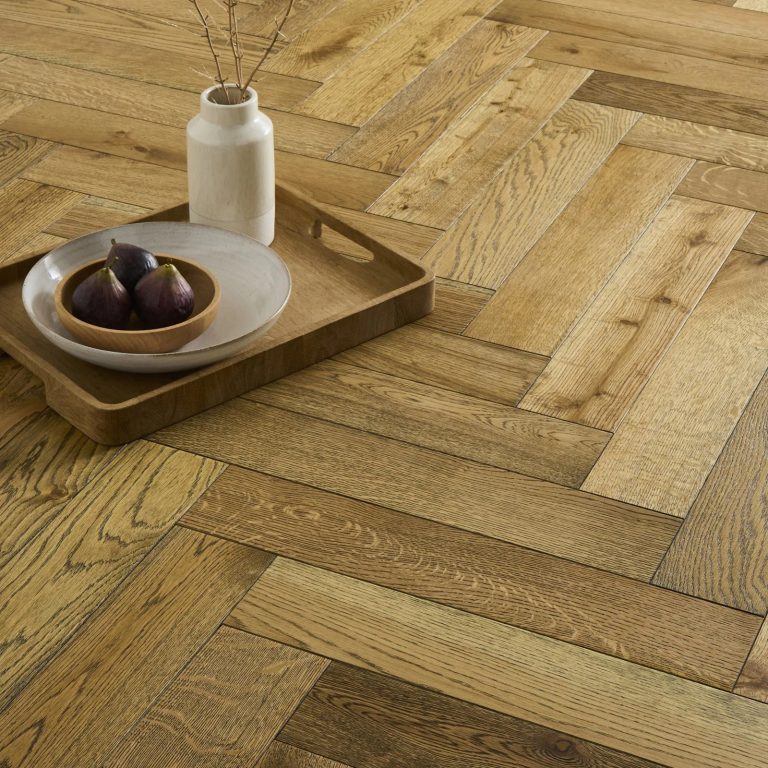
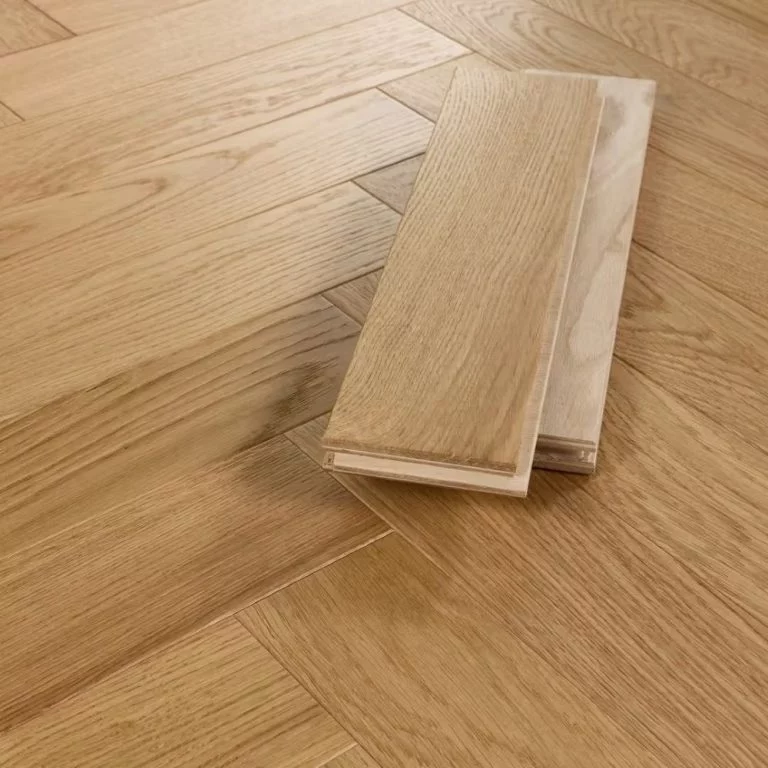
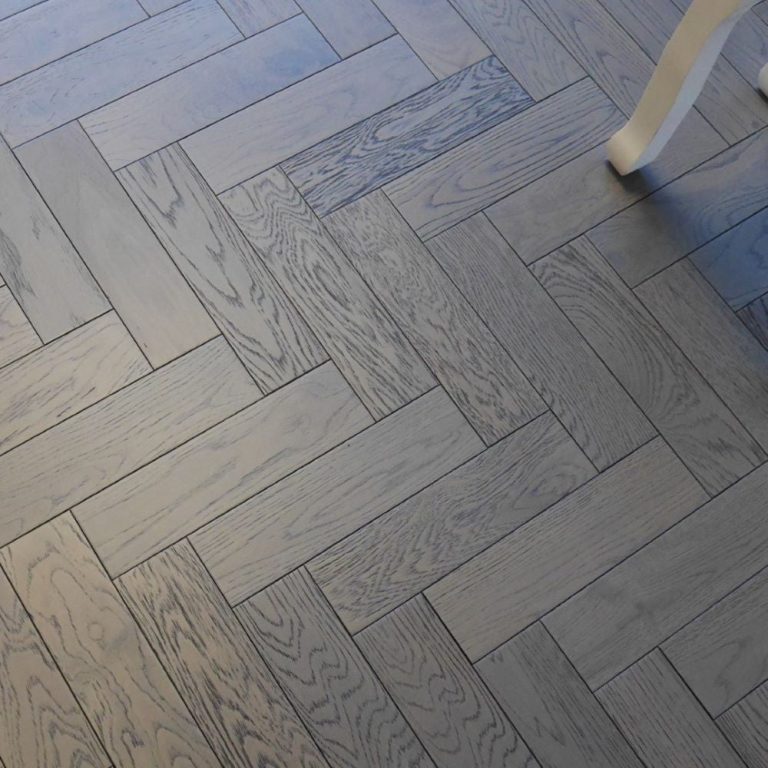
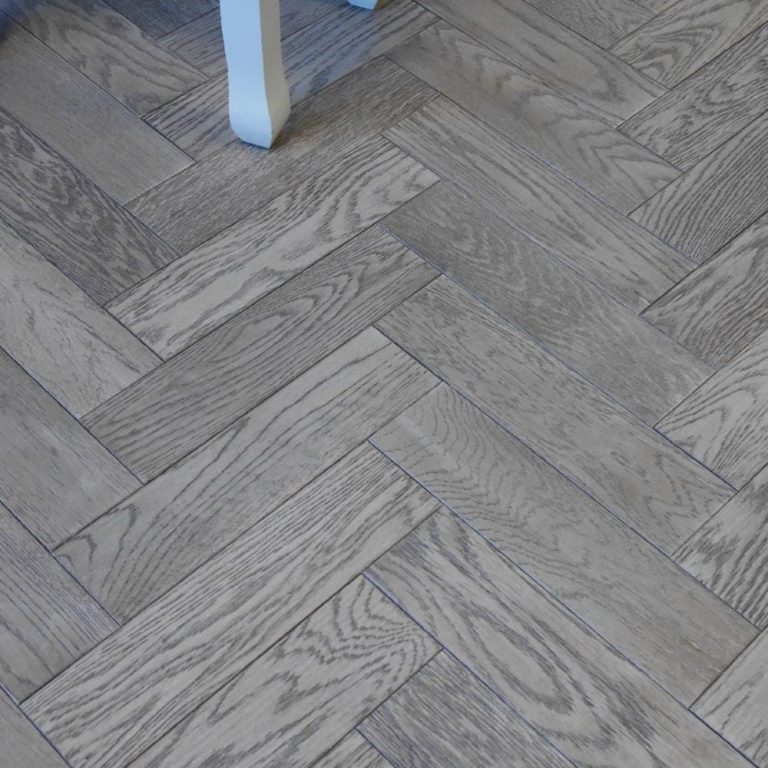
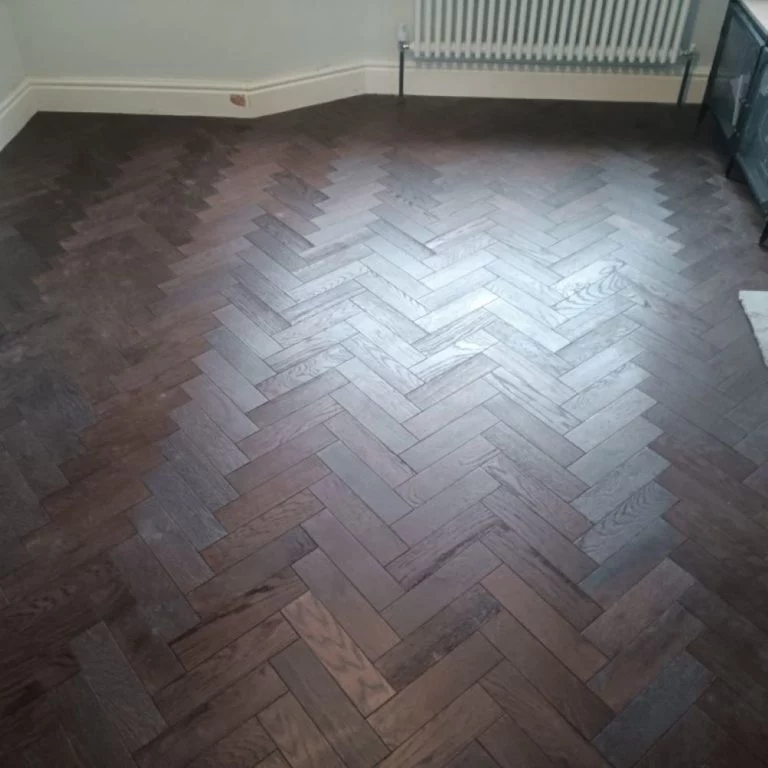
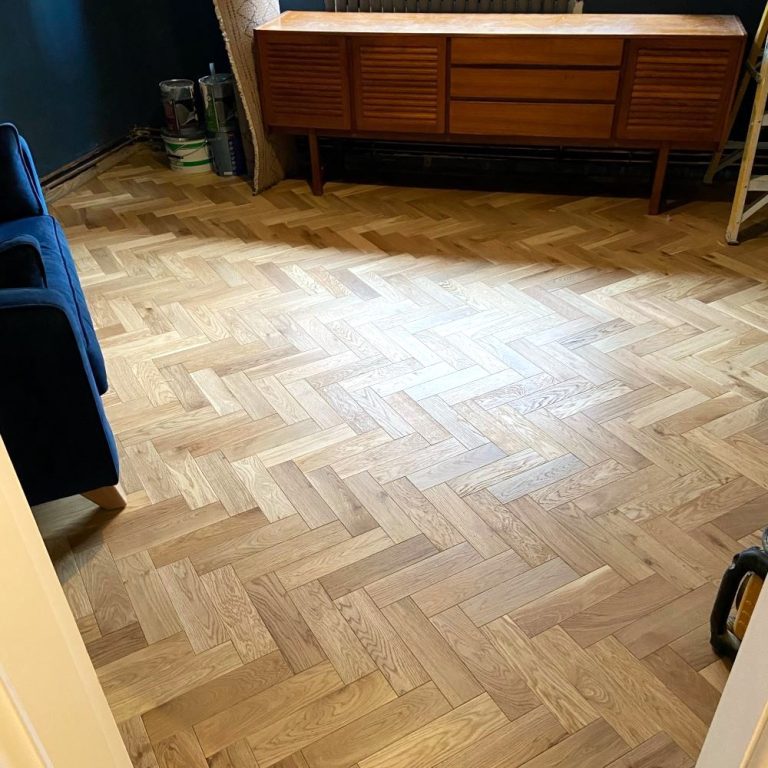
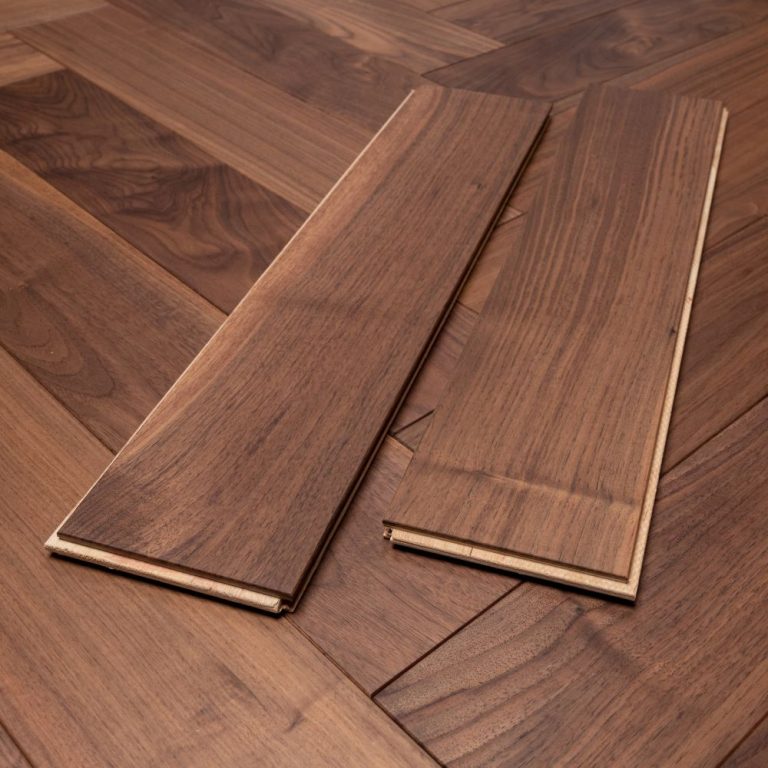
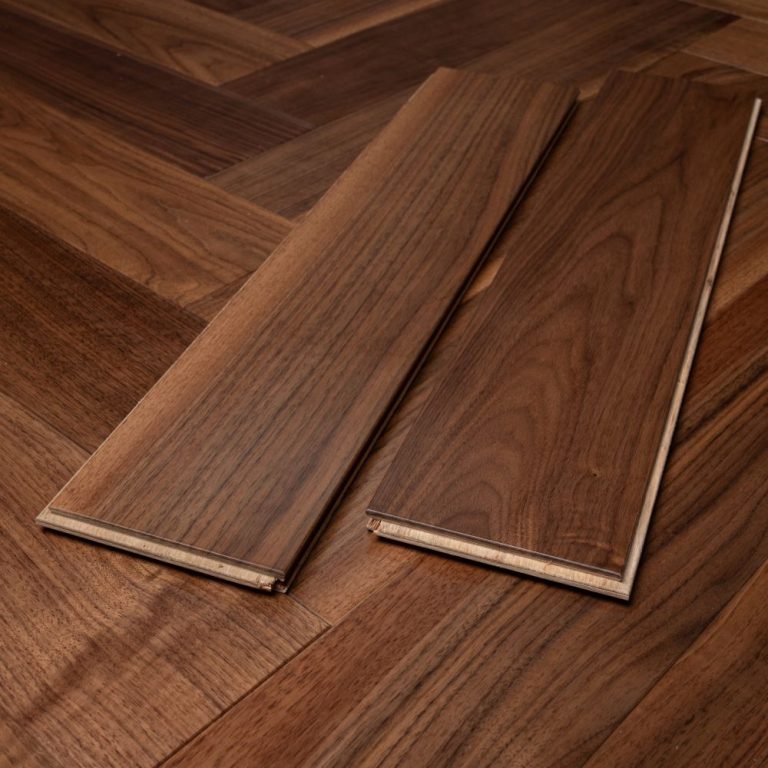
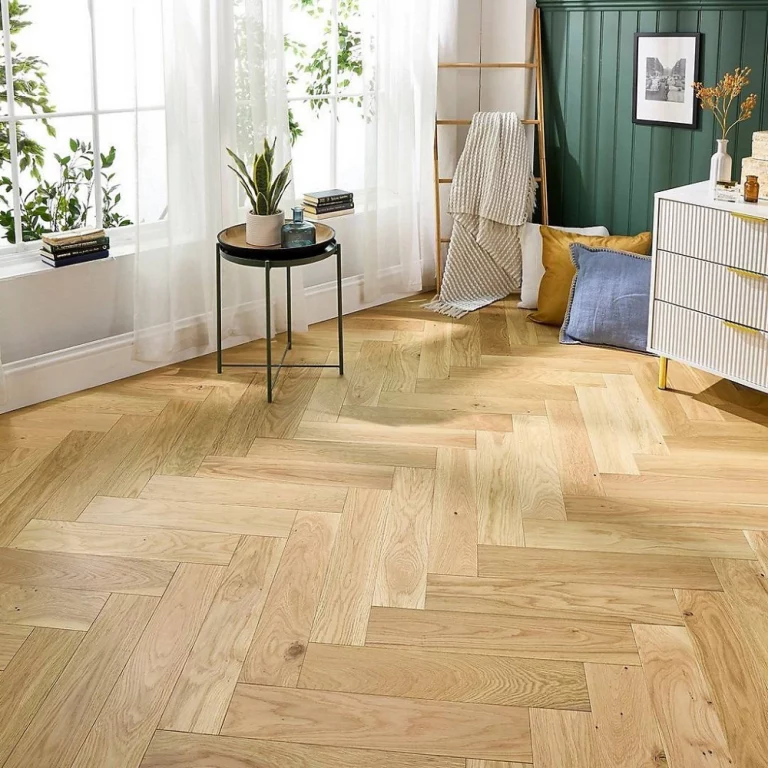
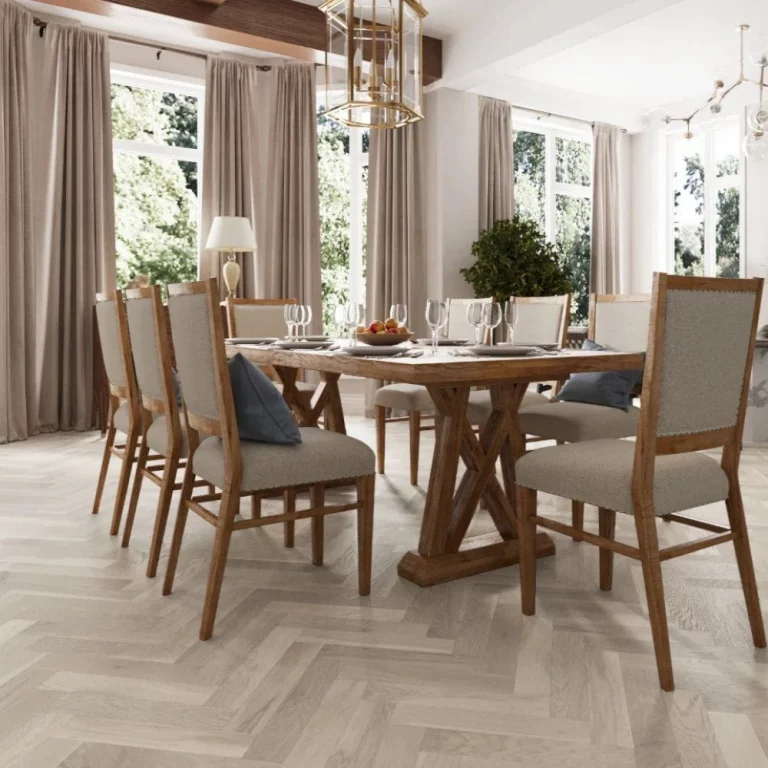
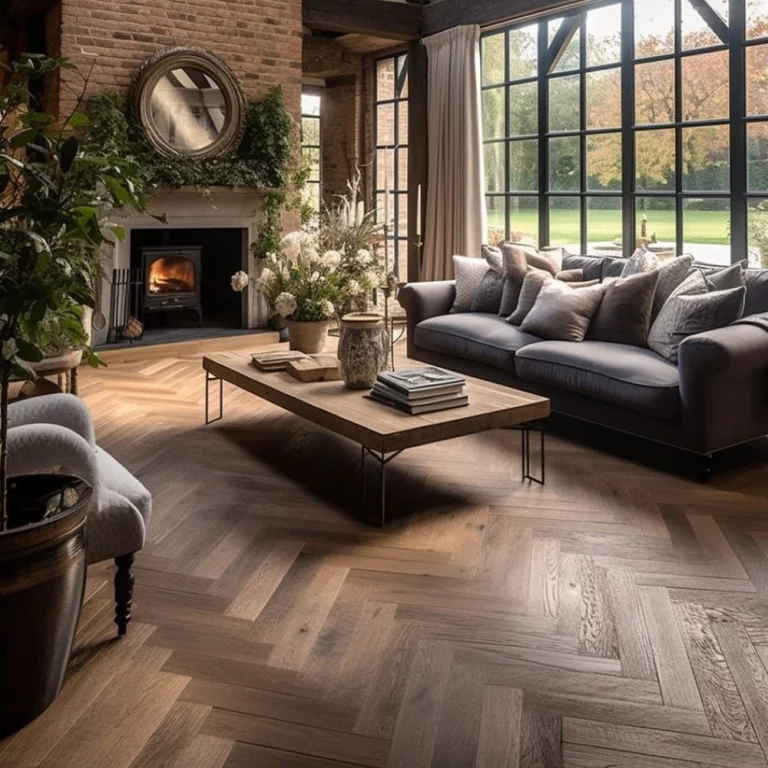
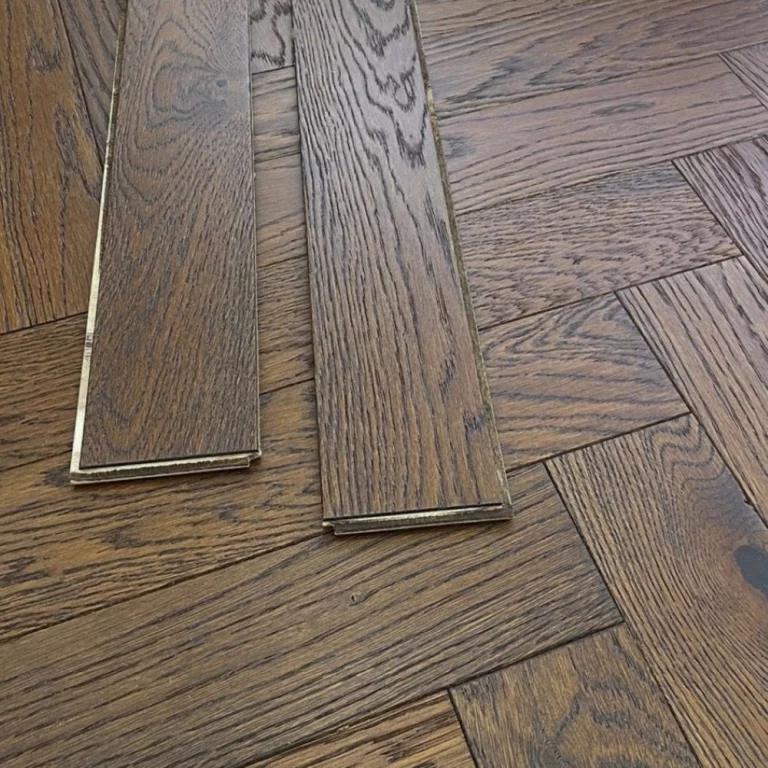
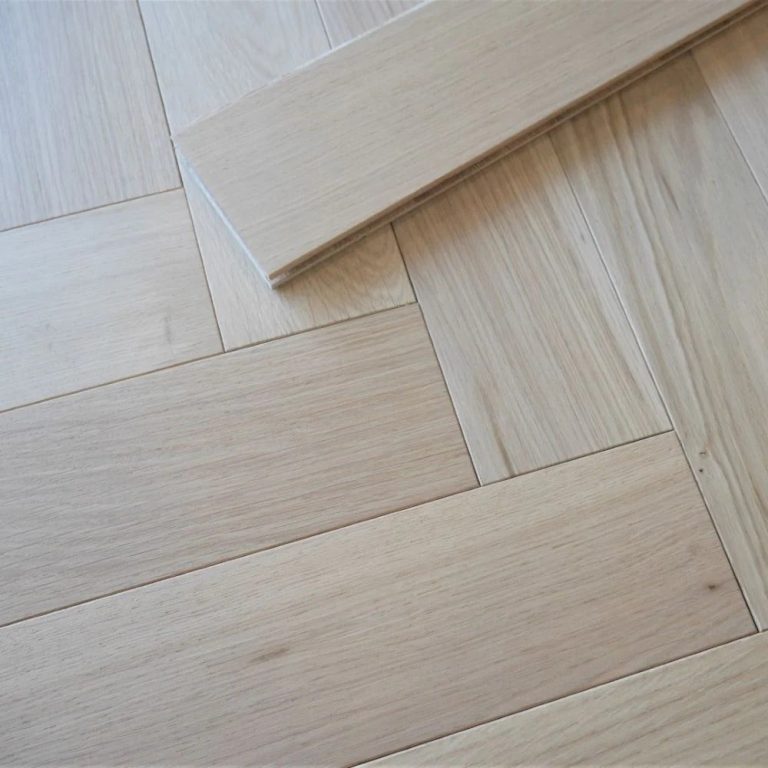
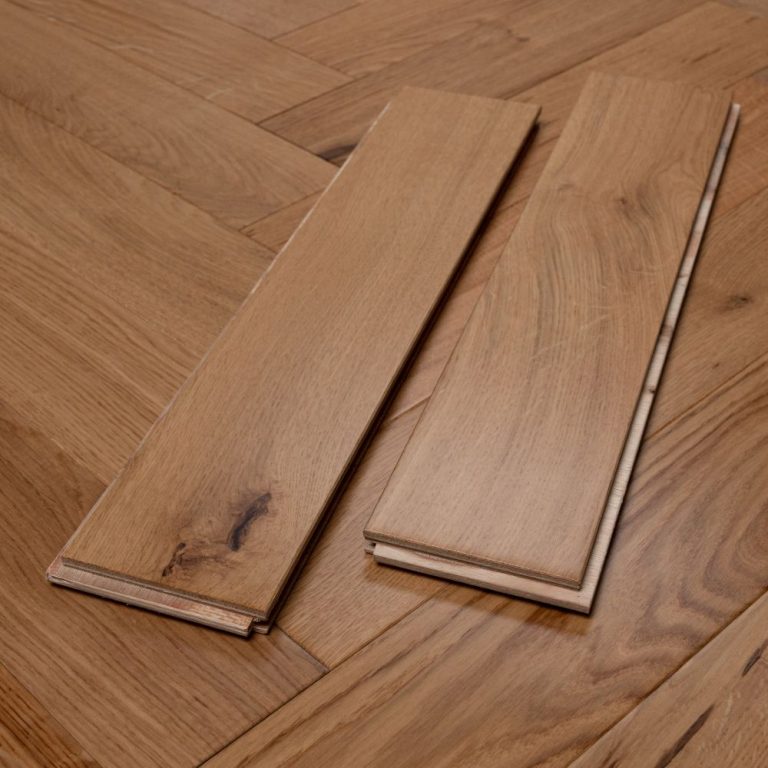
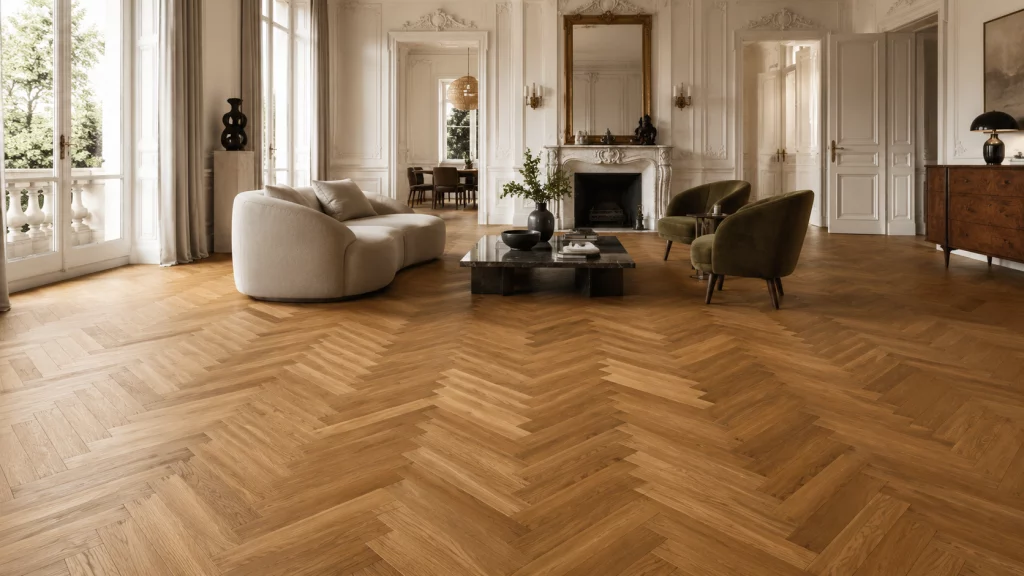
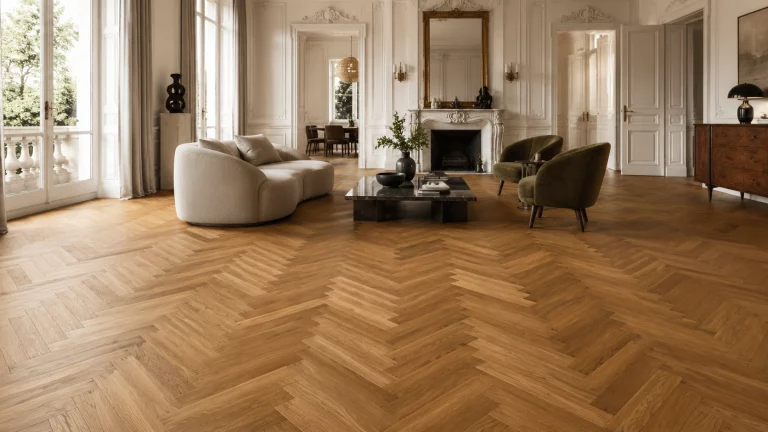
“Laid block by block. Herringbone is the pattern people notice before they notice the room.”
— our flooring team
ParquetBuying guide
Still unsure? Real people, honest advice.
Buying guide
A few simple decisions—finish, format and where it’ll live—make choosing your parquet straightforward.
Best for statement floors
Best of both worlds
Best for room shaping
In depth
How to choose parquet
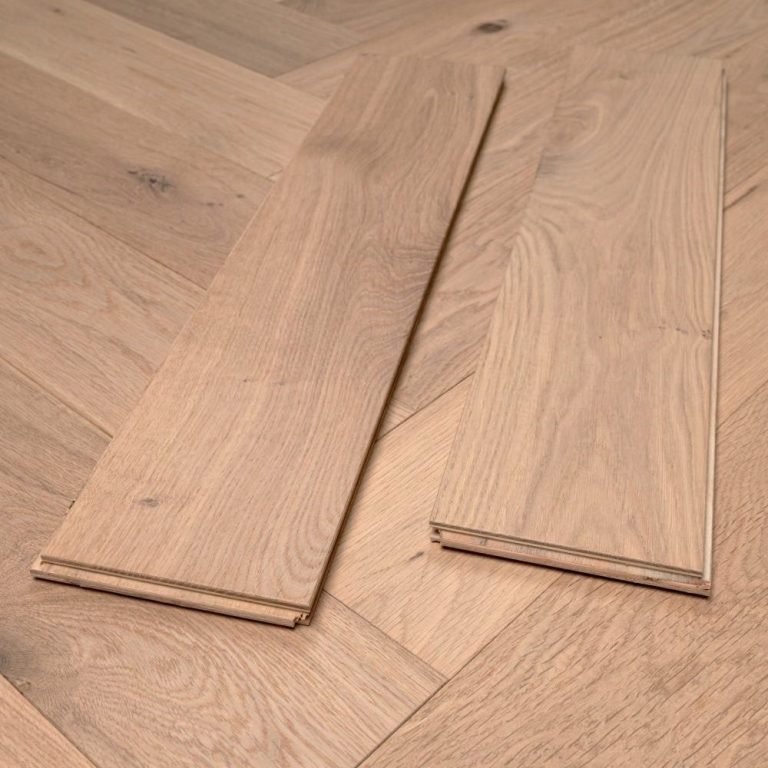
Parquet is a floor laid as a pattern, and this range is the engineered version of it: 15 products, all with a European oak wear layer over an engineered core, all tongue and groove and micro-bevelled, all listed as compatible with underfloor heating. Ten are Oxford herringbone blocks in two sizes, two are Knightsbridge chevron boards, three are Versailles panels. The solid oak parquet blocks, which are not listed for underfloor heating, are in the solid wood range; everything here is built for a modern, heated house.
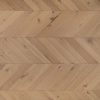
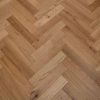
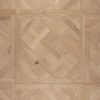
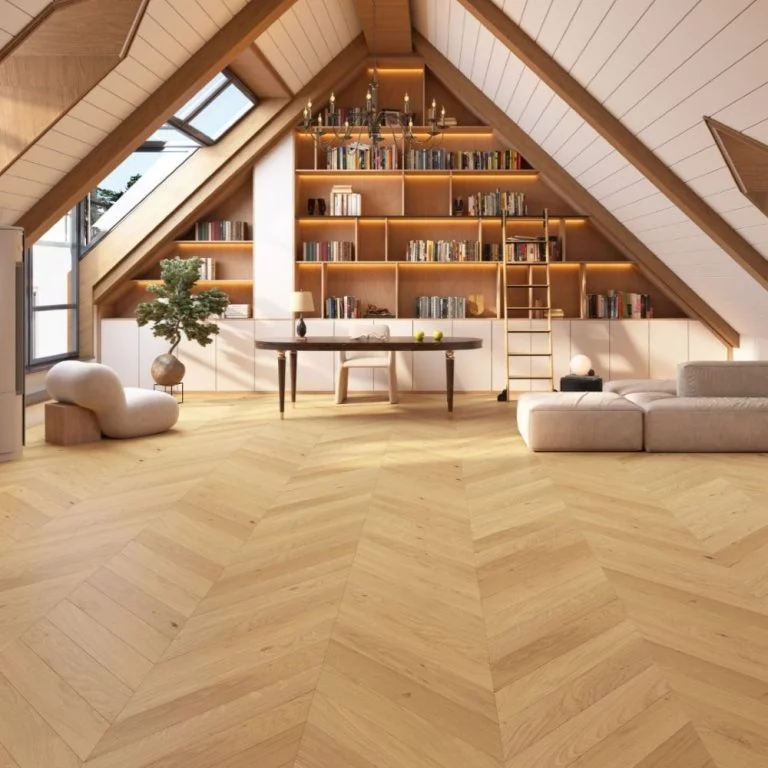
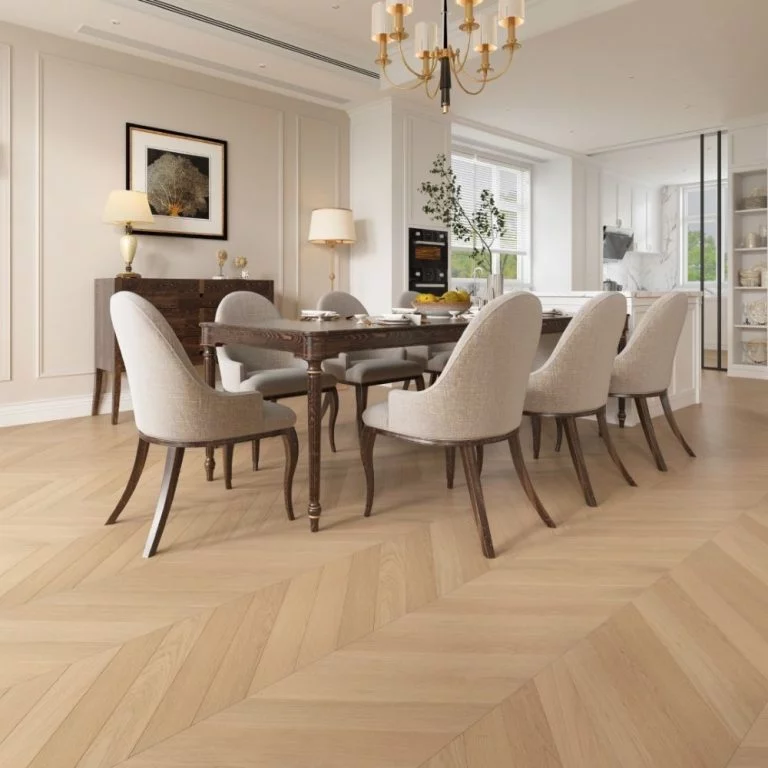
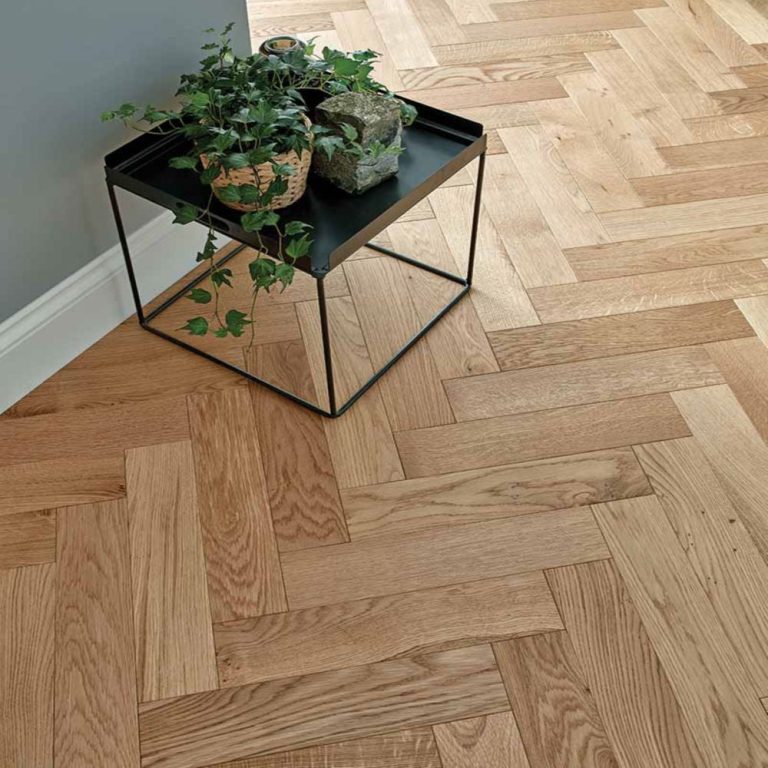
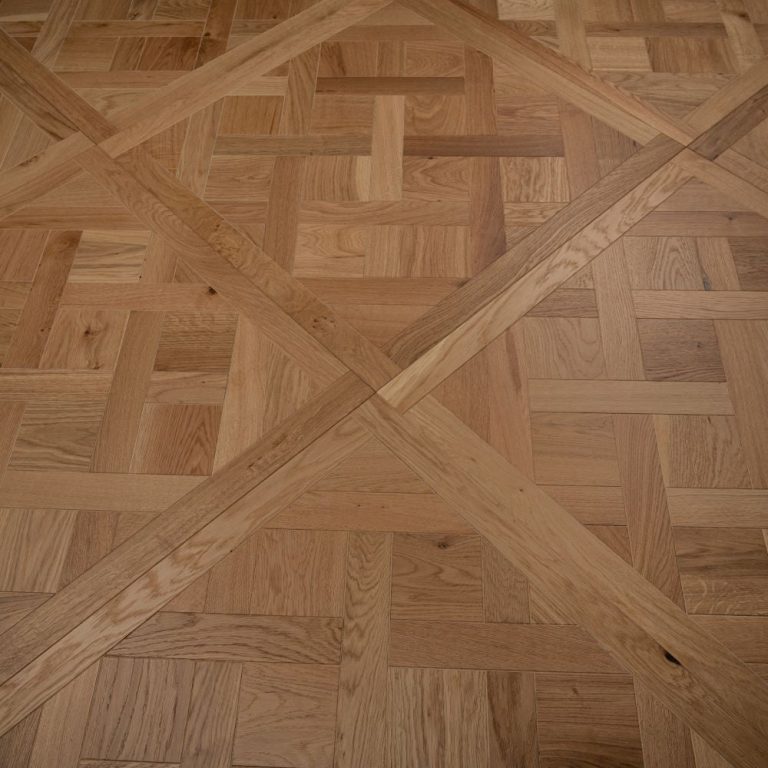
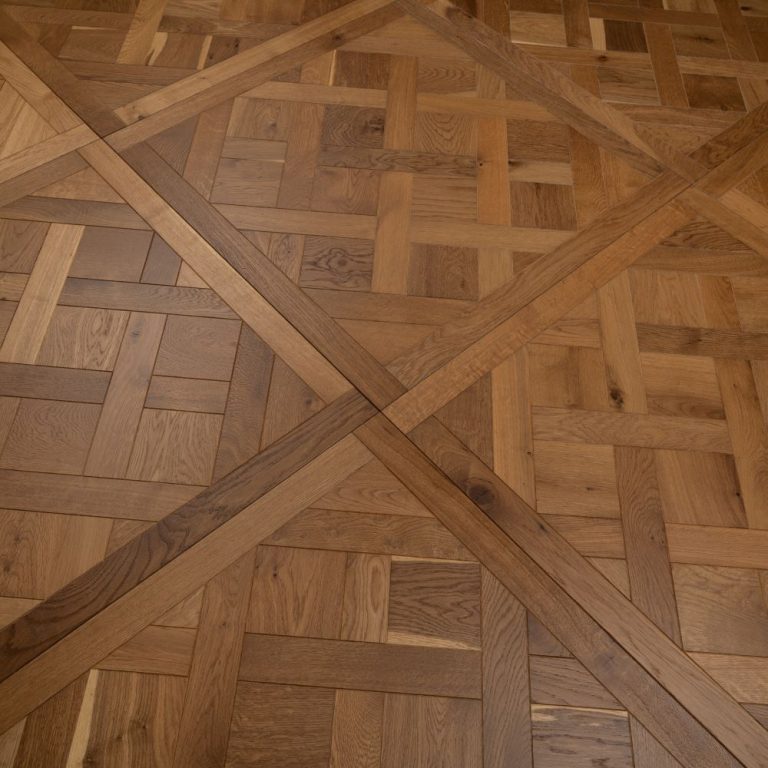
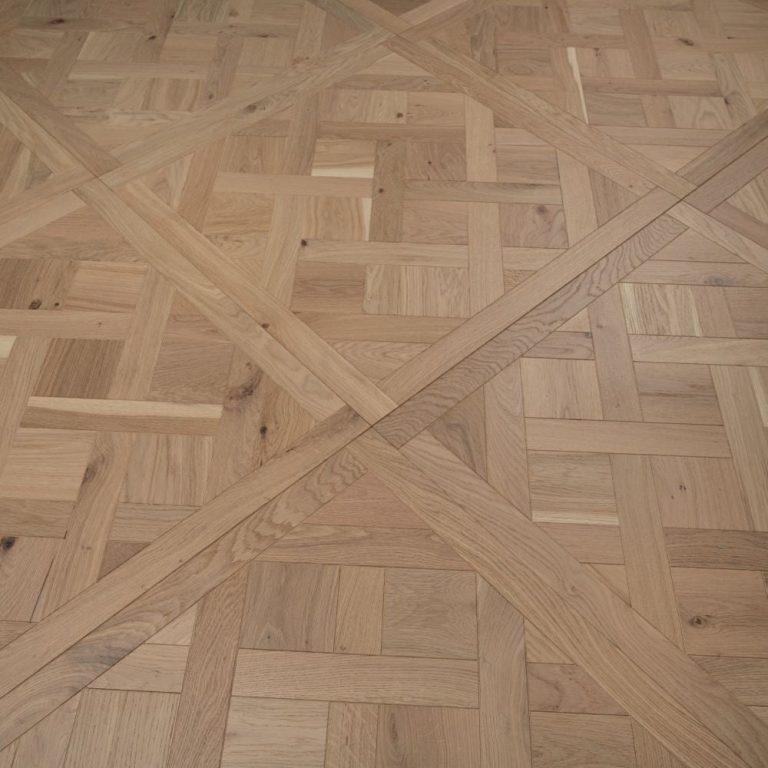
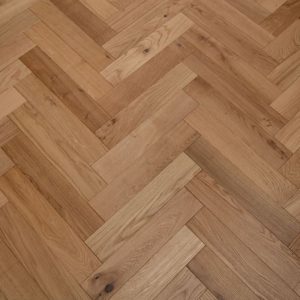
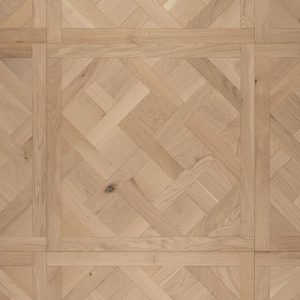
The first decision is the pattern, and the difference is the cut. Herringbone blocks have square ends and are laid at right angles to each other, staggered, so the floor reads as a broken zigzag. Chevron boards have their ends cut at an angle, so they meet on a continuous line and read as a run of V shapes; the pattern is calmer and points the eye down the room. A Versailles panel is a framed square with a woven or diagonal infill, laid as a unit, and reads as a grid of large squares. The definitions of herringbone and chevron that we could verify are quoted below, and the comparison guide takes the choice further.
Shop by shade
In practice
The second is scale. The 90 mm by 450 mm Oxford block gives a fine pattern for hallways and rooms of ordinary size; the 125 mm by 600 mm Oxford block a broader one for larger rooms; the 90 mm by 510 mm chevron board sits between; the 800 mm square Versailles panel needs a room large enough to hold several whole panels in each direction. All the blocks and boards are 14 mm thick with a 3 mm wear layer and a 15 year manufacturer's warranty; the panels are 20 mm thick with a 4 mm wear layer and a 20 year warranty, the thickest wear layer in the range.
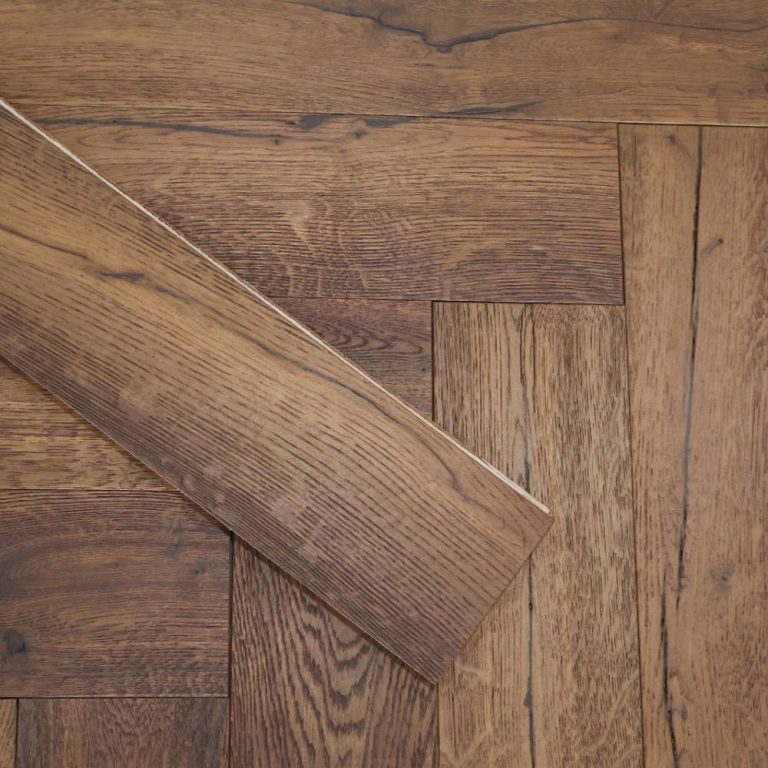
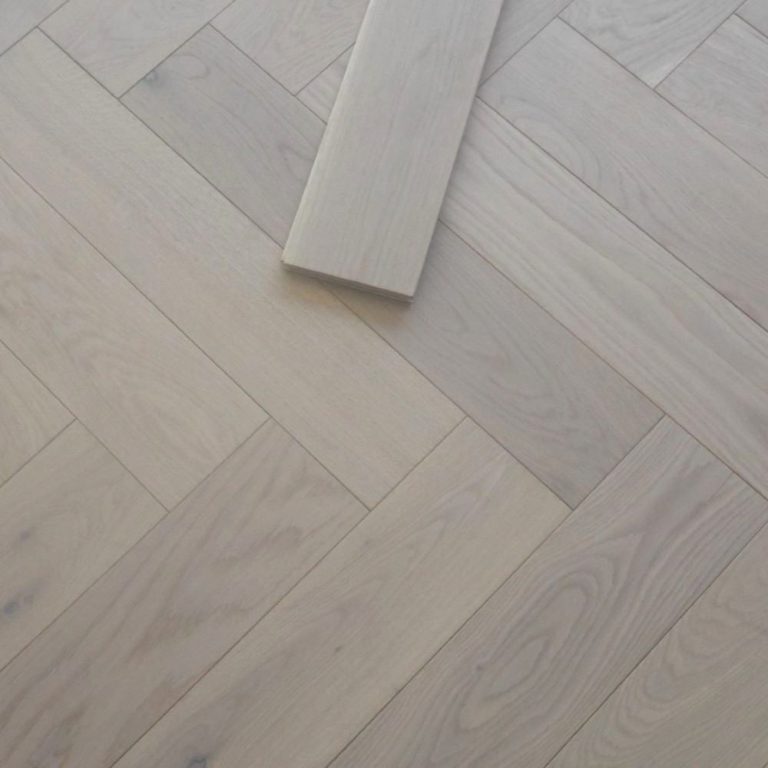
The third is colour and finish, and the herringbone blocks carry the widest choice: whitewashed, white oiled, light, natural, dark brown, fumed and antique brown, in UV oil, lacquer, white oil and hard wax oil, brushed or smooth. The chevron boards come natural brushed and matt lacquered, or raw oak with an invisible UV oil; the panels come light, natural and smoked, all brushed and matt lacquered. Because a pattern shows the run of pieces as lines, colour variation reads more strongly than in a plank floor, and samples laid in the pattern on the actual floor are worth the wait.
What every patterned floor asks for is a set-out from the centre of the room and a cutting allowance at the walls higher than for planks. There is no standard for that allowance; the manufacturer figures we could verify are quoted below, and the spare blocks are worth keeping for repairs. The boards need to acclimatise in the room at its in-service temperature before laying, and over underfloor heating the surface temperature limit applies as it does to any wood floor; both are quoted. The product standard for multi-layer parquet is the last of the facts below.
FAQ
What is the difference between herringbone and chevron?
Is parquet available with underfloor heating?
Does parquet cost more to fit?
How do I order the right amount?
Can I get a sample first?
Standards
What the published standards say
Each entry is quoted from its source and linked to it. The full set is in the standards reference.
Herringbone and chevron — what the two patterns are
Herringbone is laid from rectangular blocks whose ends are cut square: set at right angles to each other and staggered, so that the end of one block meets the side of the next and the pattern reads as a broken zigzag. Chevron blocks have their ends cut at an angle - typically 45 or 60 degrees, depending on the manufacturer - so the ends meet on a continuous line and form a V. No published standard we could read defines the two patterns; the definitions here come from manufacturers and agree with each other.
| Herringbone: angle between adjacent blocks | 90 degrees |
|---|---|
| Chevron: typical end-cut angle (manufacturer-dependent) | 45 or 60 degrees |
“Herringbone flooring features rectangular wood planks arranged in a staggered zigzag pattern. Each plank meets the next at a 90-degree angle. In chevron patterns, the wood planks are cut at an angle, typically 45 or 60 degrees, so they meet in a continuous V-shape.”
Source: Havwoods - Herringbone vs. Chevron: Which Parquet Style Suits Your Space Best? · second sourceCutting waste — how much extra to order
There is no published industry standard for cutting waste; the figures come from manufacturers' own guidance and they vary. Havwoods advises 8-12 % wastage for planks and 15-20 % for patterned floors such as herringbone or chevron. Quick-Step's UK guidance for laminate is 5 % extra in a regular room and 10 % in a room with many angles or curves.
| Wastage allowance, plank floors (Havwoods UK) | 8-12 % |
|---|---|
| Wastage allowance, herringbone or chevron (Havwoods UK) | 15-20 % |
| Extra to order, regular room, laminate (Quick-Step UK) | 5 % |
| Extra to order, room with many angles or curves, laminate (Quick-Step UK) | 10 % |
“For planks we typically advise on 8-12% wastage and patterned floors, such as herringbone or chevron, may need 15-20% wastage.”
Source: Havwoods UK - FAQs: How Much Wastage Shall I Encounter For? · second sourceAcclimatisation before fitting
The Contract Flooring Association's guide states that the room should be at its in-service temperature 48 hours before installation so that the flooring can be kept in the room and reach room temperature before it is laid.
| conditioning before installation | 48 h |
|---|
“They also advise that this temperature should be attained 48 hours prior to the installation, so that floorings can be kept in the room and brought to room temperature (acclimatised) before installation.”
Source: CFA Guide to Contract Flooring - Contract Flooring AssociationWood over underfloor heating
UK trade-association guidance sets no blanket ban on wood over underfloor heating but ties it to a temperature limit, noting that some hardwood floor finishes are installed with a maximum floor surface temperature of 27 °C.
| maximum floor surface temperature for some hardwood finishes | 27 °C |
|---|
“For example, some hardwood floor finishes are installed with a maximum floor surface temperature of 27°C.”
Source: CFA Guidance Document — Beyond Installation: Guidance on Underfloor Heating (Contract Flooring Association)BS EN 13489 — multi-layer parquet
BS EN 13489 is the product standard for multi-layer parquet elements, setting out their characteristics, requirements and test methods for internal use as flooring.
“This document specifies the characteristics, requirements and test methods of multi-layer parquet elements for internal use as flooring.”
Source: BS EN 13489:2023 - Wood-flooring and parquet. Multi-layer parquet elementsDelivery & areas