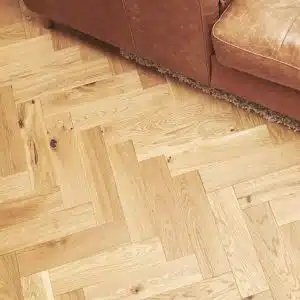
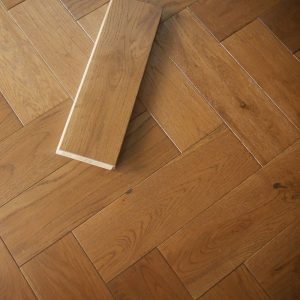
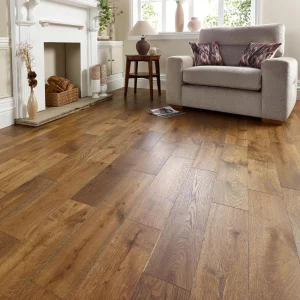
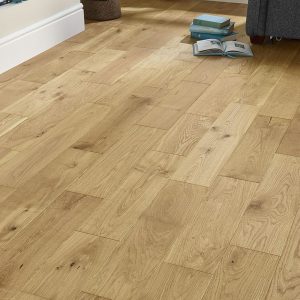
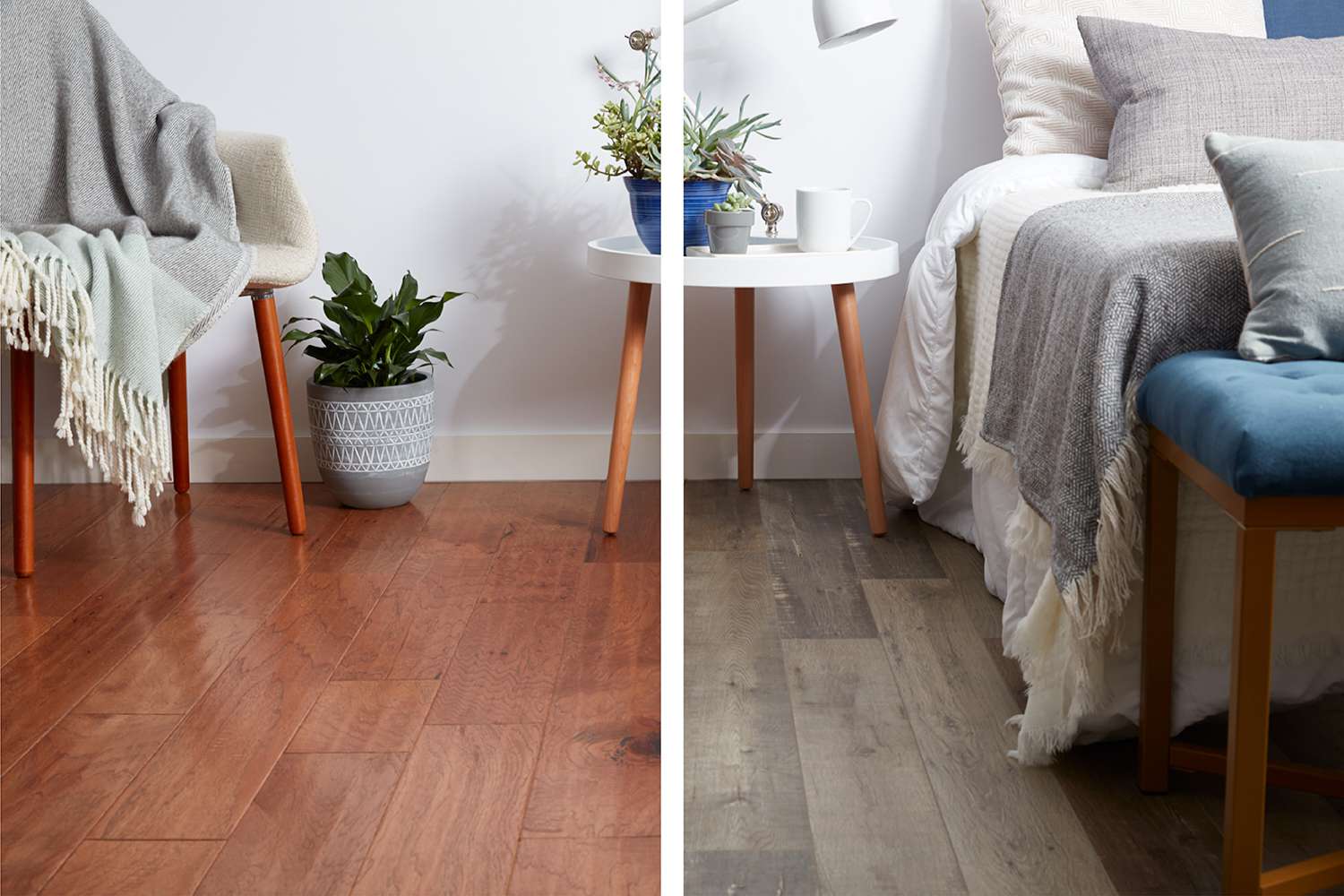
Bristol’s slopes make that levelling job real work, and a solid board is less forgiving of a compromise there than a multi-ply one.
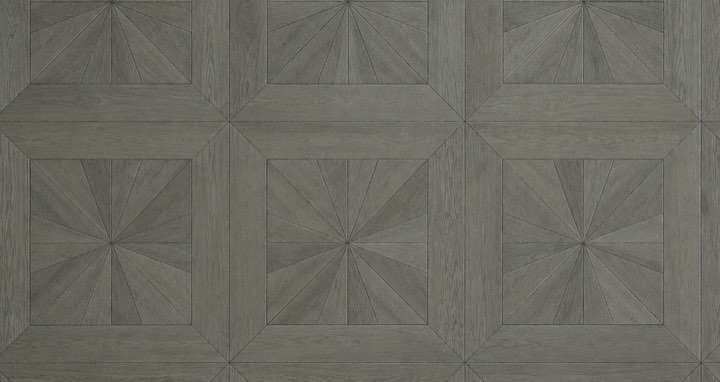
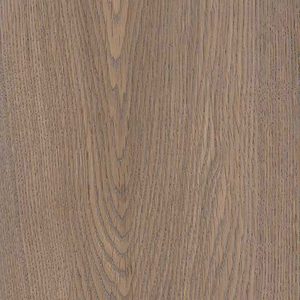
A solid Windsor board belongs in the Georgian houses of Clifton and the larger Victorian villas of Redland and Cotham: suspended timber over a ventilated void, high rooms, and an owner who intends to sand the floor back rather than replace it. The boards go tongue and groove over the joists or a plywood deck, and in Bristol the levelling before that is not a formality, because a house on a hill has settled with the hill.
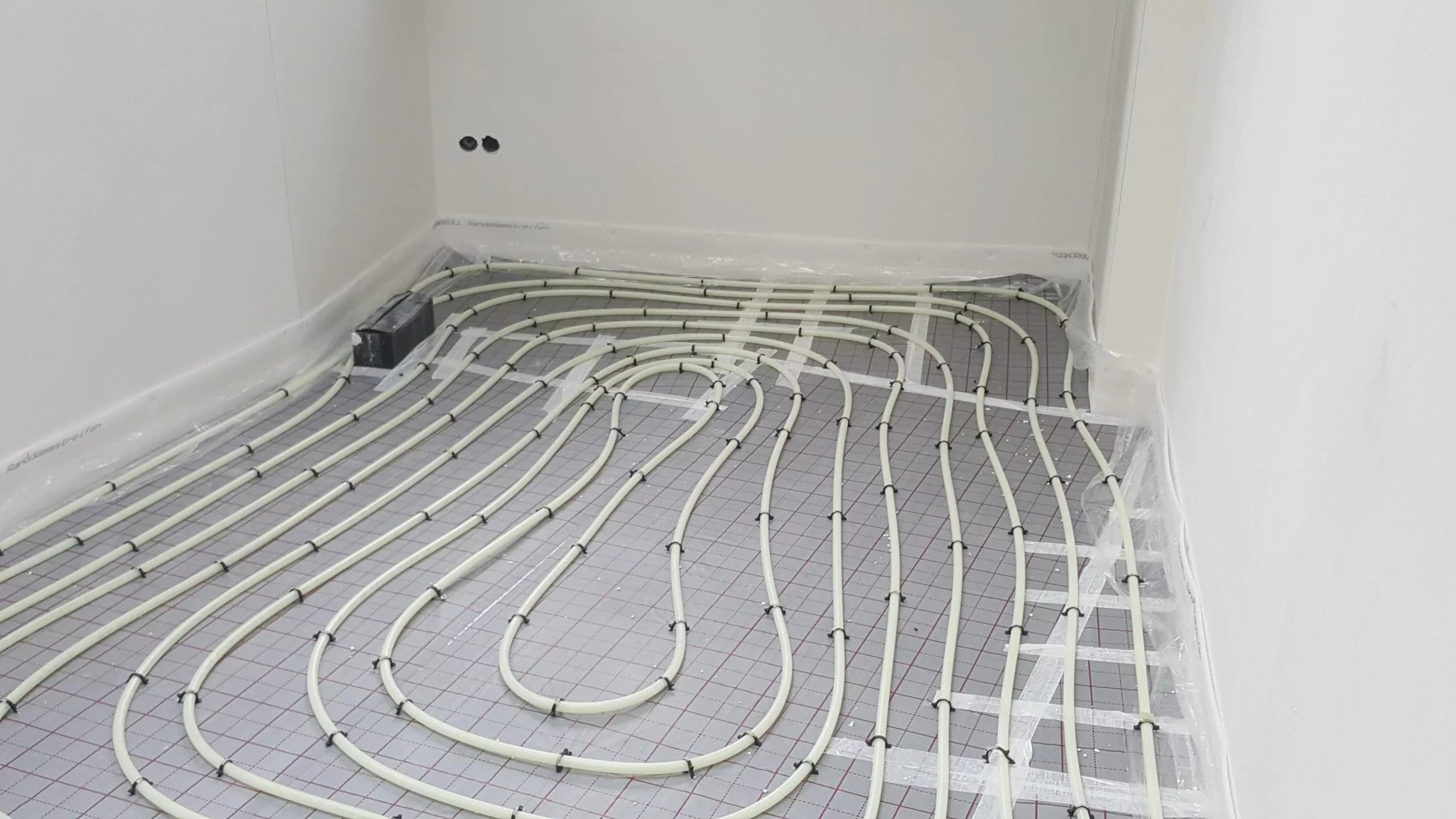
In the Clifton, Hotwells and Kingsdown conservation areas the original board is protected and is restored before it is replaced; where consent allows a new floor, a period width from the Windsor range is the honest match. On the heated screed at Lockleaze and Knowle West the solid board is the wrong construction, and in a terrace let in Easton it is the wrong purchase, because a landlord does not need a floor that outlasts three tenancies of sanding.
Flats are 35% of the homes in the City of Bristol district, and a flat is usually the wrong place for a solid board: the base is often concrete, the lease usually has an impact-sound clause, and a solid floor cannot be floated on an acoustic underlay. In a converted house with a timber floor and no clause, it can work; in a purpose-built block, an engineered board over acoustic underlay is the right answer and the wood looks the same.
Terraced houses are 32% of the homes in the City of Bristol district, and a terrace is where solid oak is at home: the original floor was solid timber on joists, and a new solid board is fixed the same way, nailed or screwed through the tongue into the joists or a ply overlay. The 90 mm Windsor Narrow boards suit the proportions of a terraced front room. What the terrace needs first is a dry, ventilated void underneath, because solid timber follows the moisture of the air around it.