Local fact sheet
Manchester's homes, by the numbers
Manchester in the 2021 census: 214,732 households, 65% houses, 35% flats.
23.0% of Manchester's homes were built before 1919 and 44.7% before 1945, and flats now make up 39.7% of the stock against 33.7% terraces. That split is the whole decision. In the Victorian terraces of Chorlton, Levenshulme and Rusholme you are almost always laying over suspended timber that needs levelling first. In the city-centre and Ancoats flats you are laying over concrete with a lease that specifies impact sound insulation. In the new-build phases at Victoria North and Collyhurst you are laying over screed, usually with underfloor heating, and that is where engineered wood earns its place over solid: solid timber moves too much over a heat source.
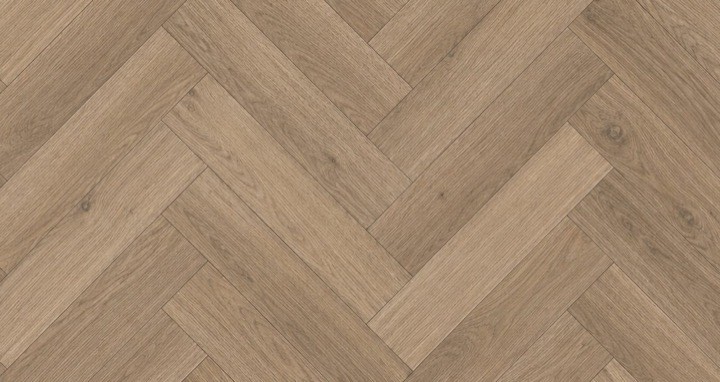
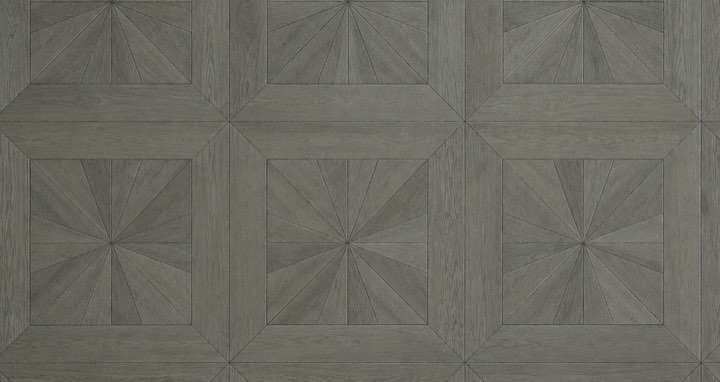
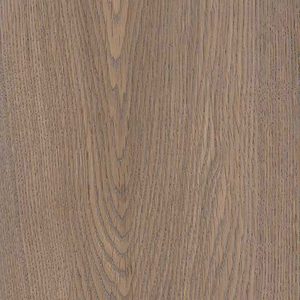
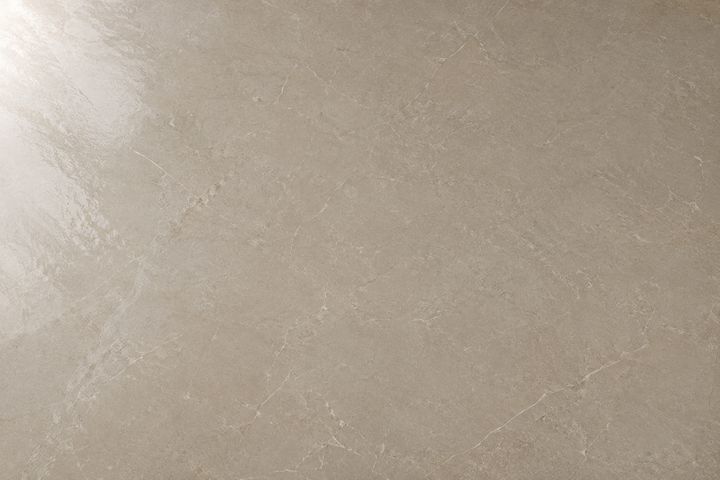
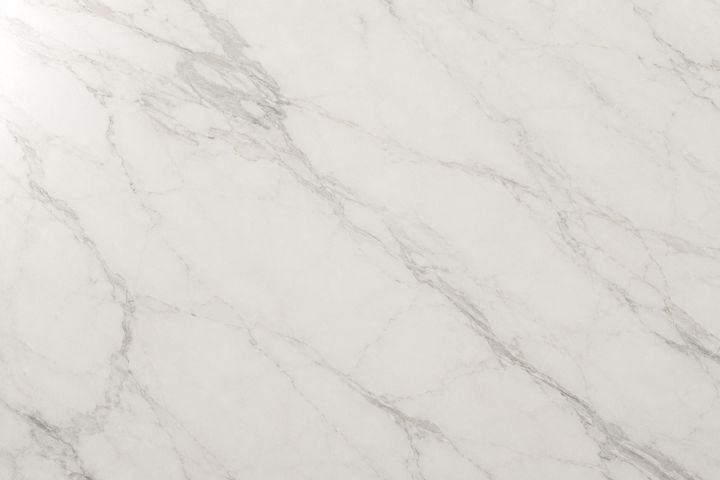
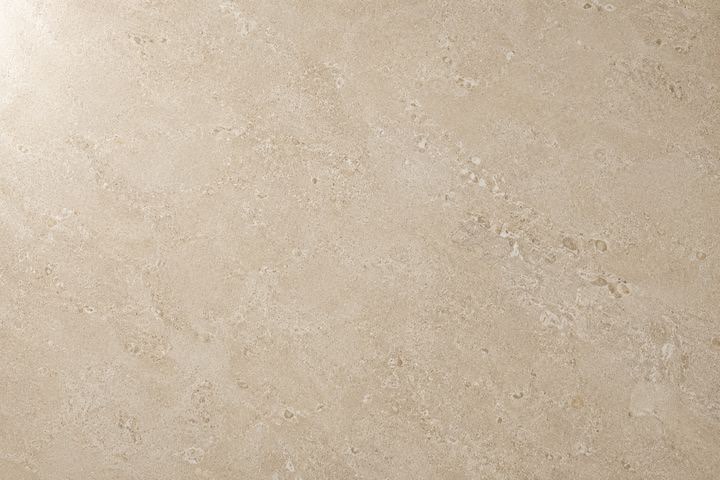
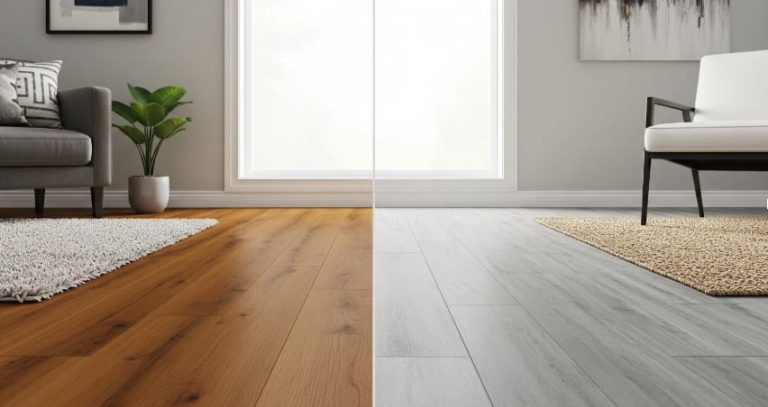
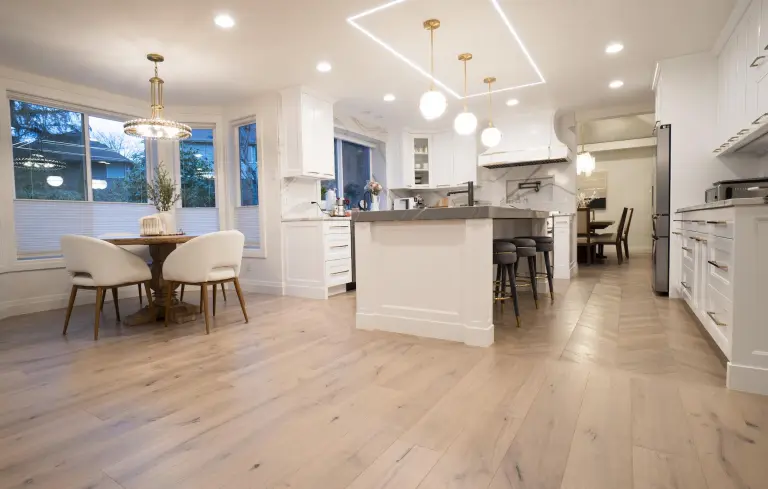
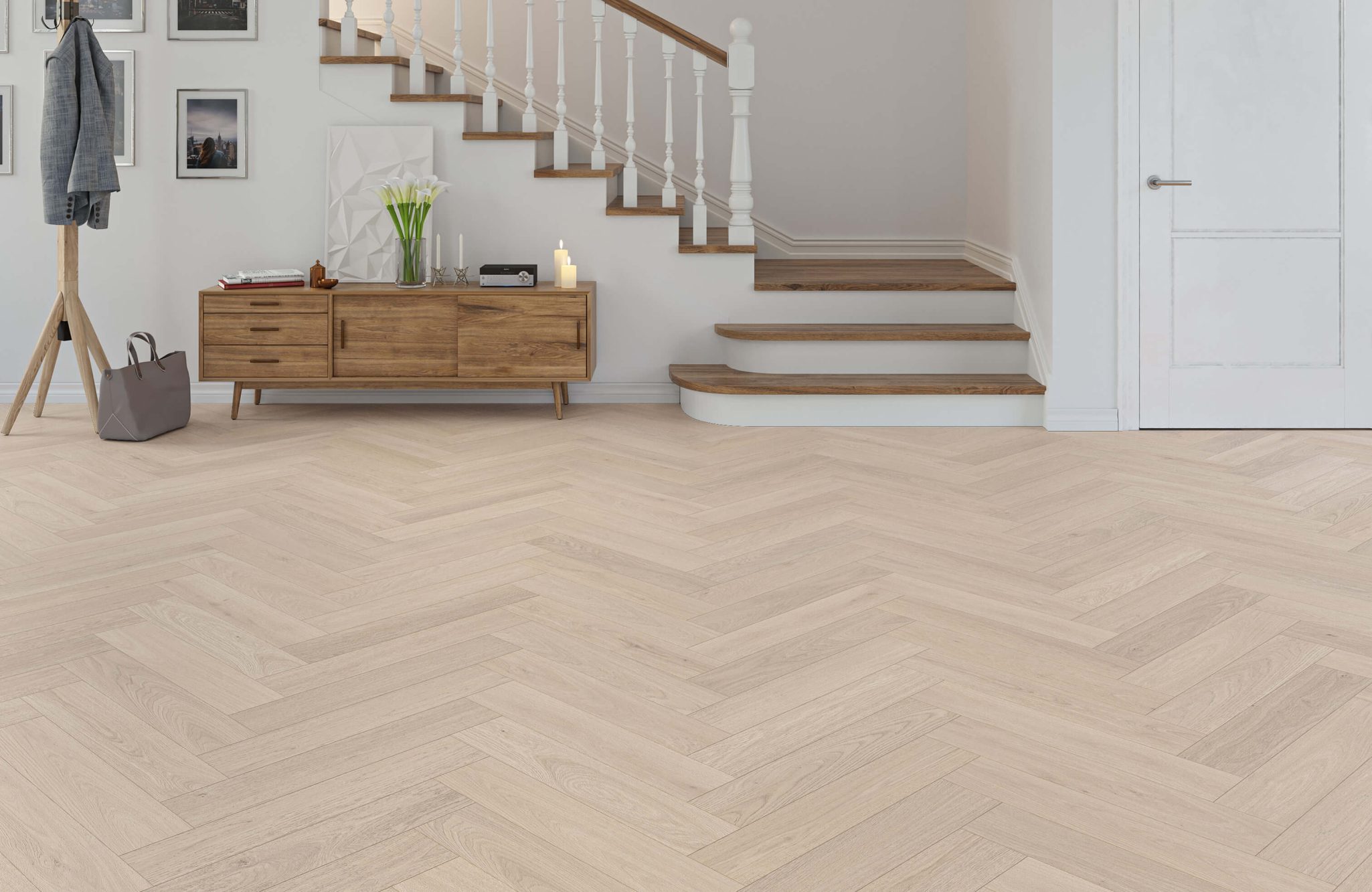
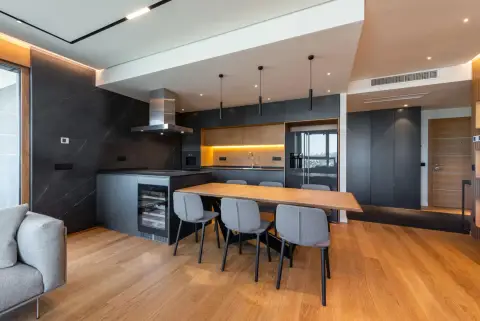
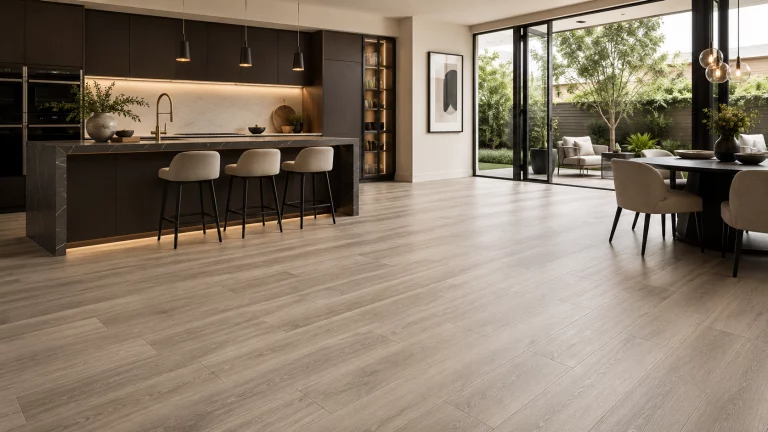
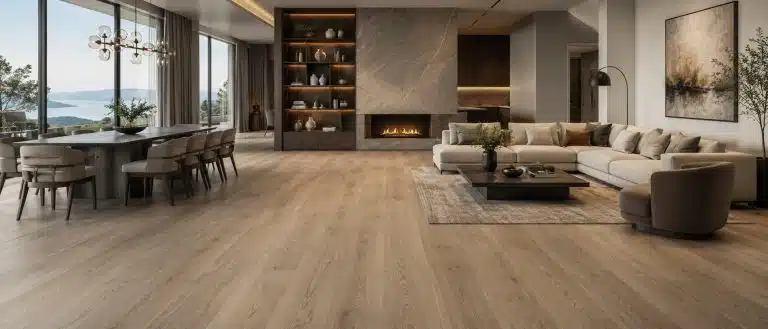
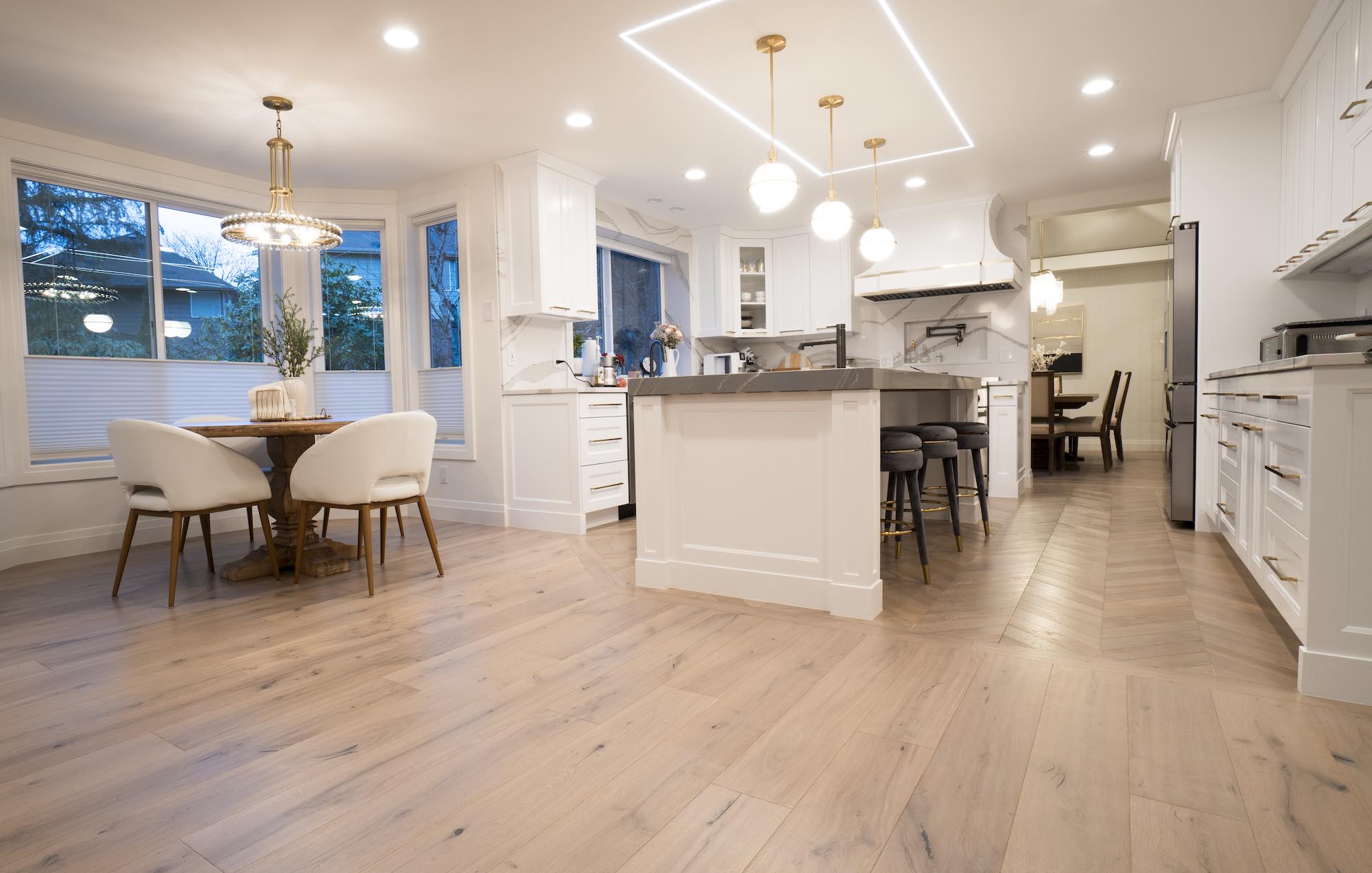
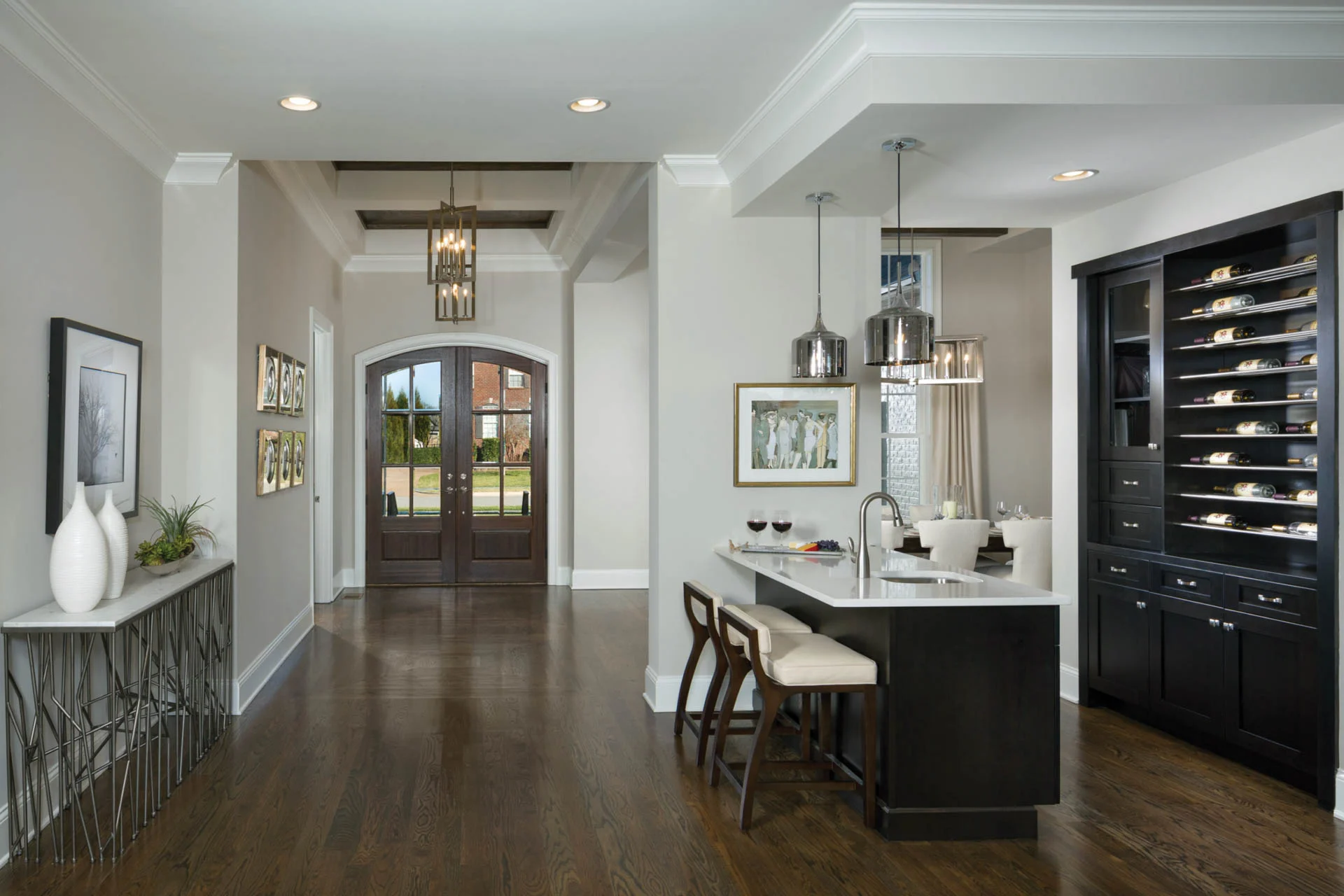
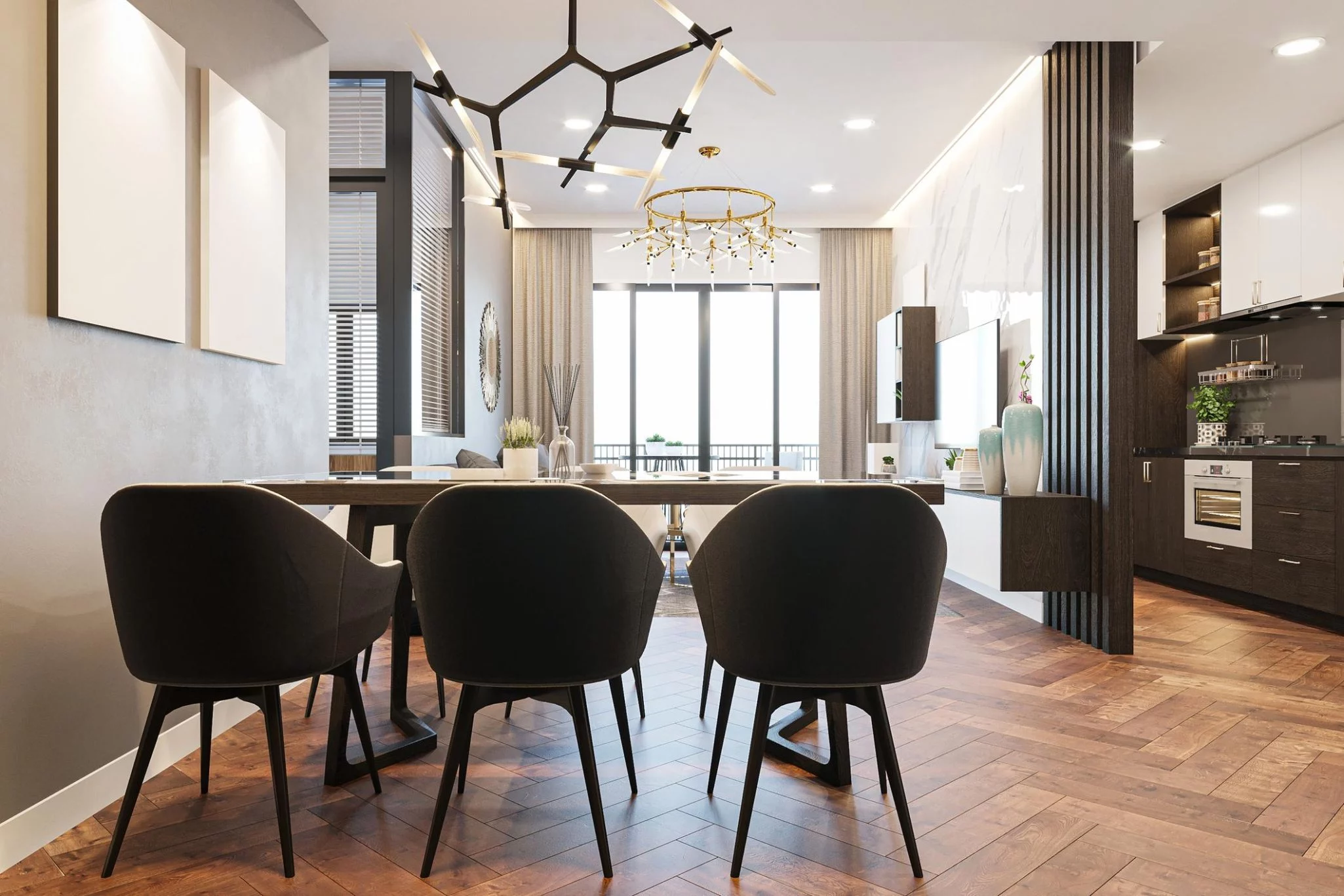
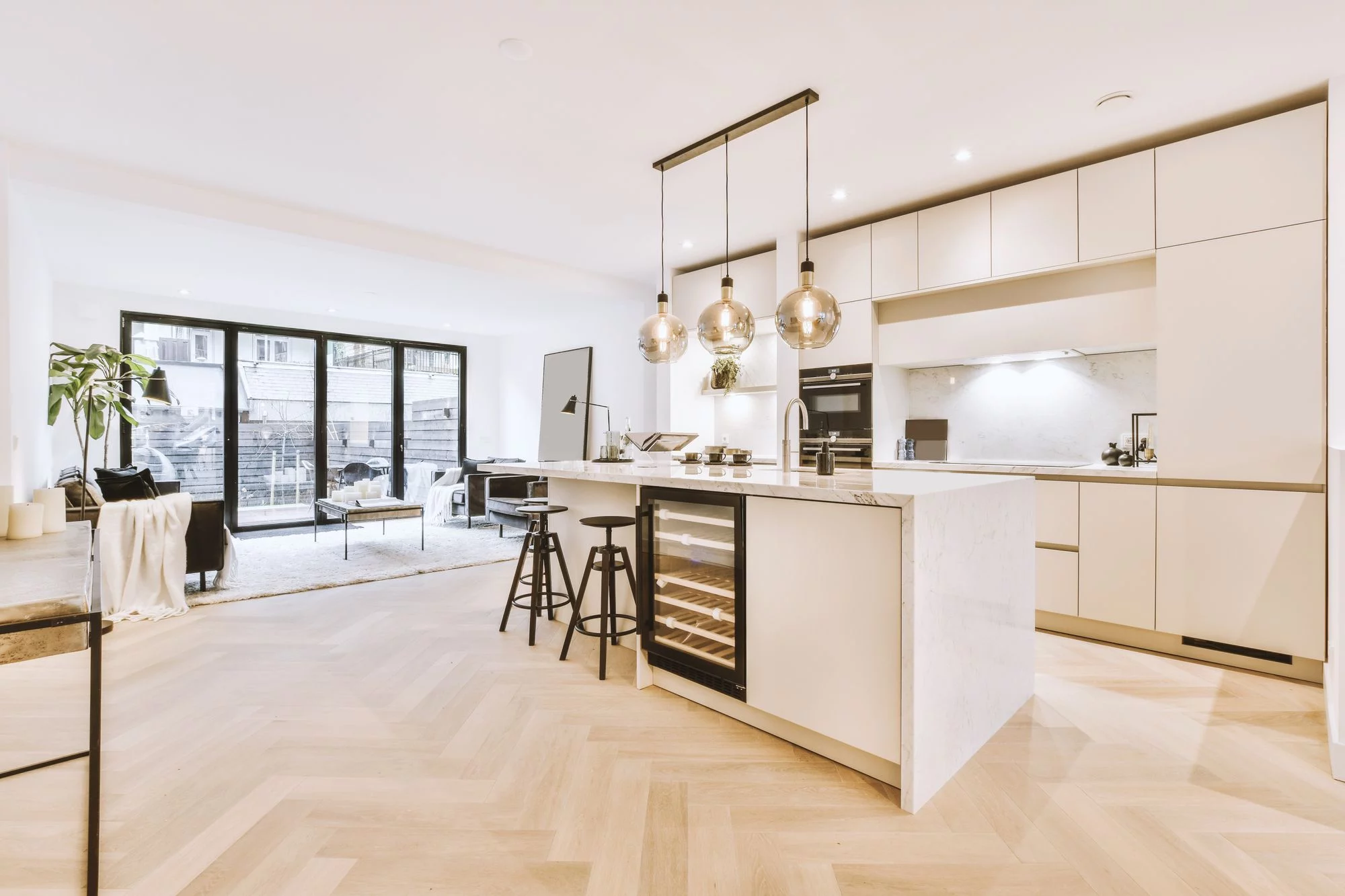
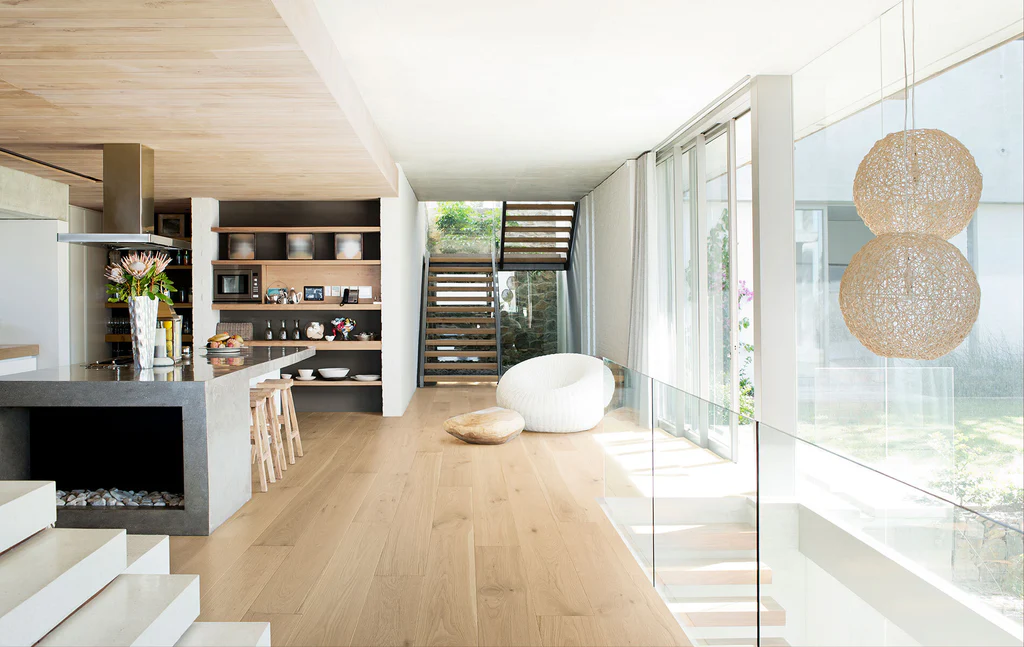
Manchester’s housing stock is remarkably varied, from red-brick Victorian terraces in Chorlton and Didsbury to sleek waterfront apartments around Salford Quays and MediaCity. Terraced homes suit warm, mid-tone oak in classic plank or herringbone layouts, while modern apartments look sharp with lighter finishes or stone-effect porcelain tiles.
That knock-through leaves a line where the wall stood, and the floor has to cross it. On either side the joists often run in different directions and sit at slightly different heights, and a new floor laid straight over the join telegraphs it within a year.
Delivery times and options depend on the delivery postcode. See Delivery & Returns for the applicable estimate.