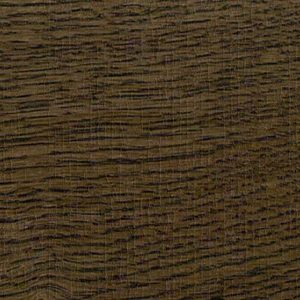
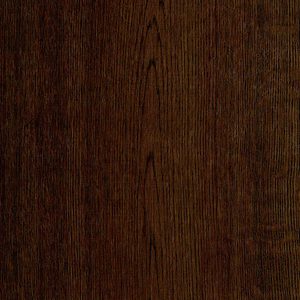
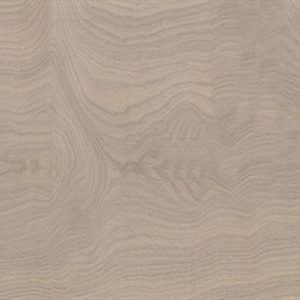
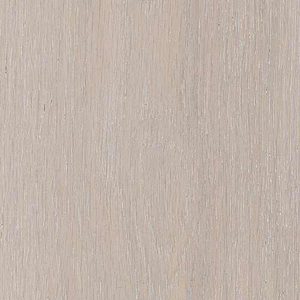
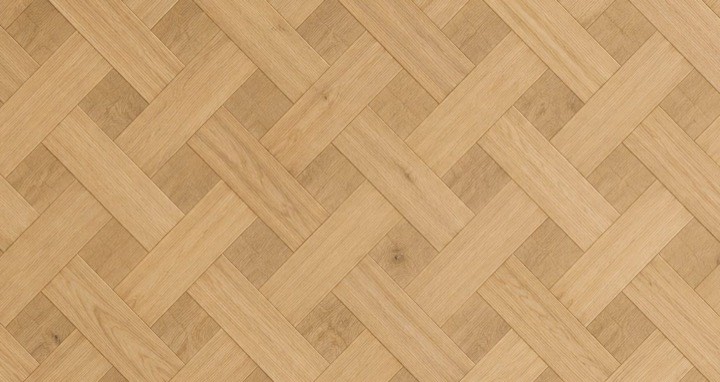
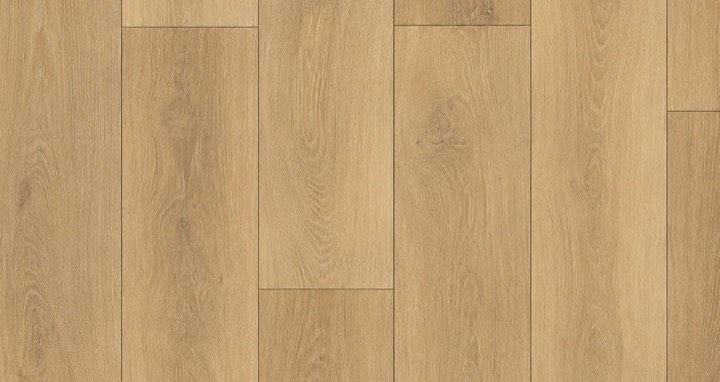
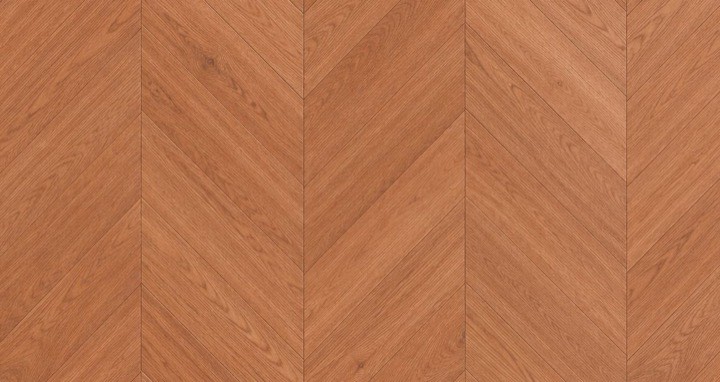
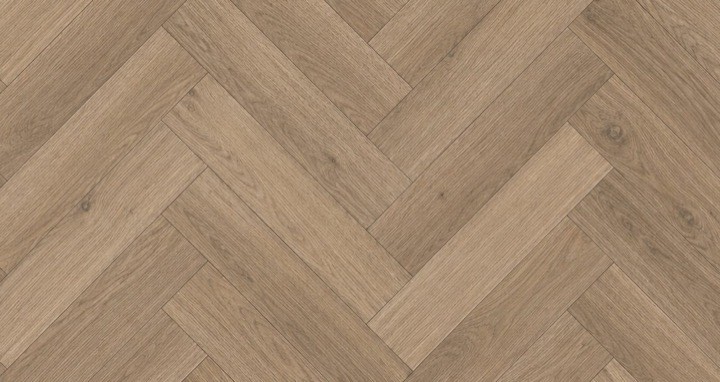
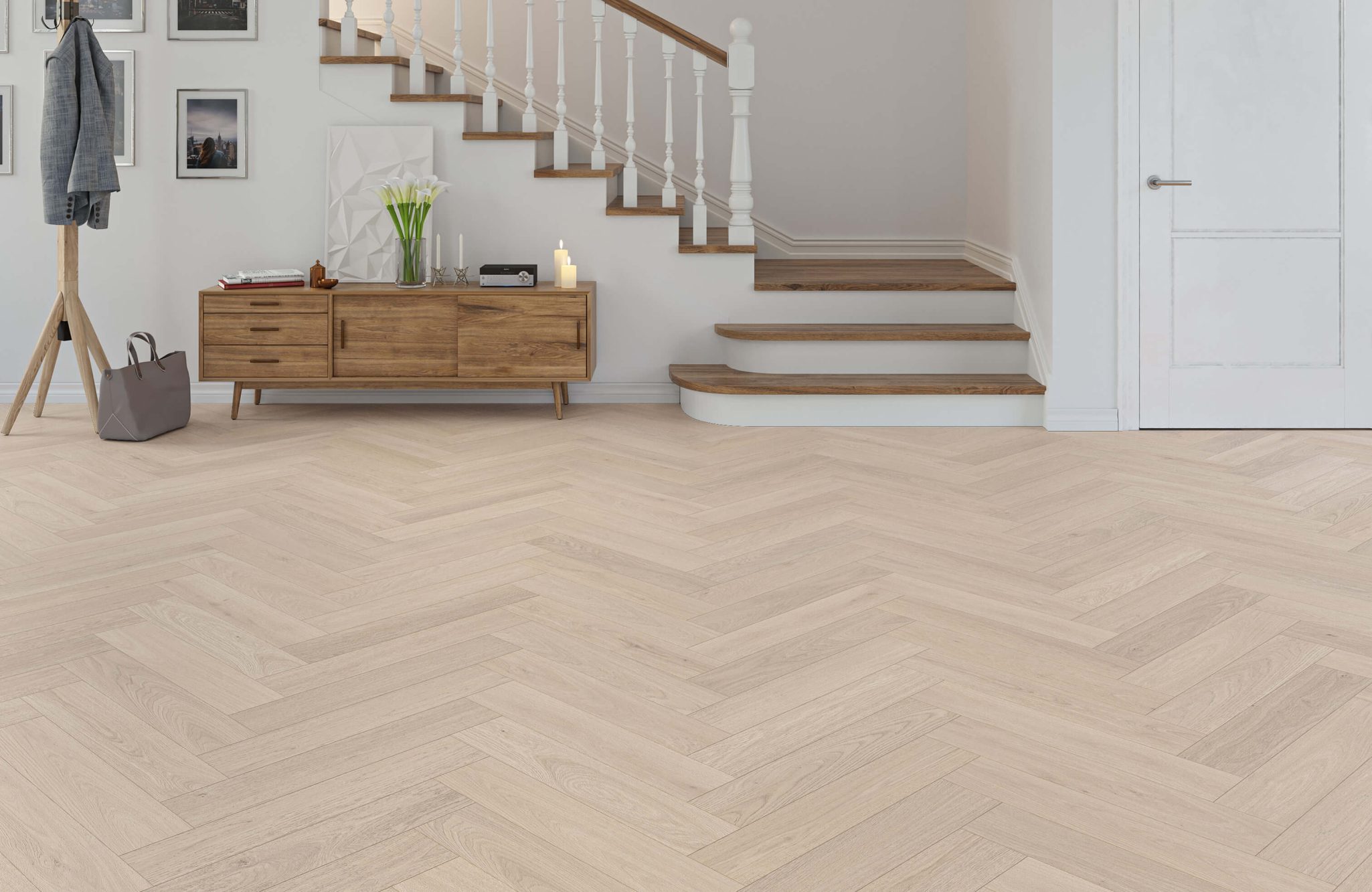
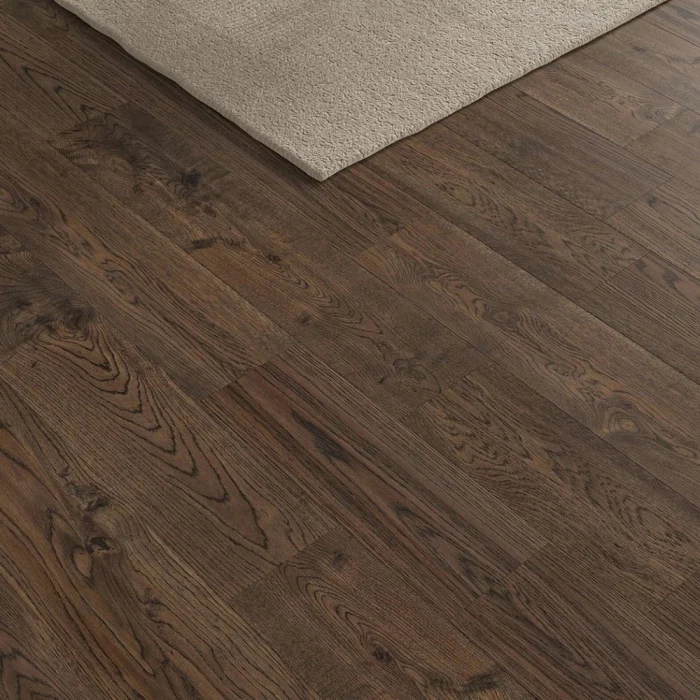
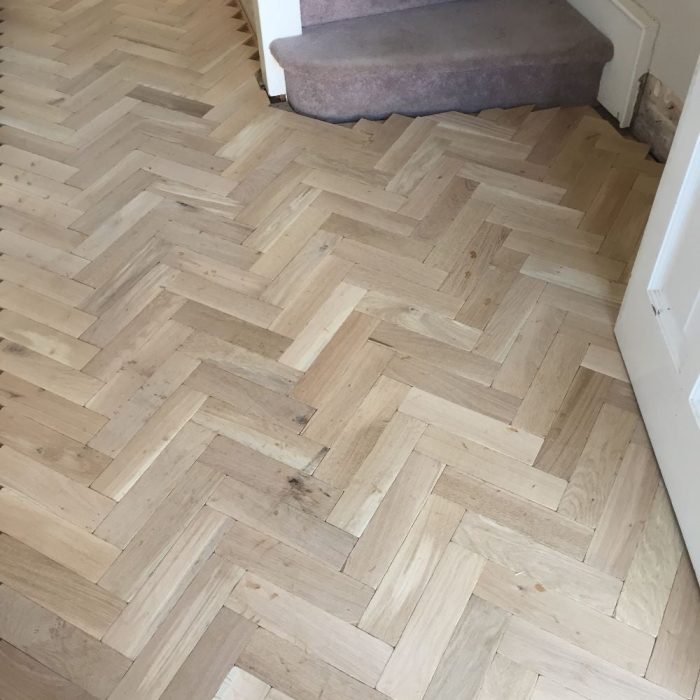
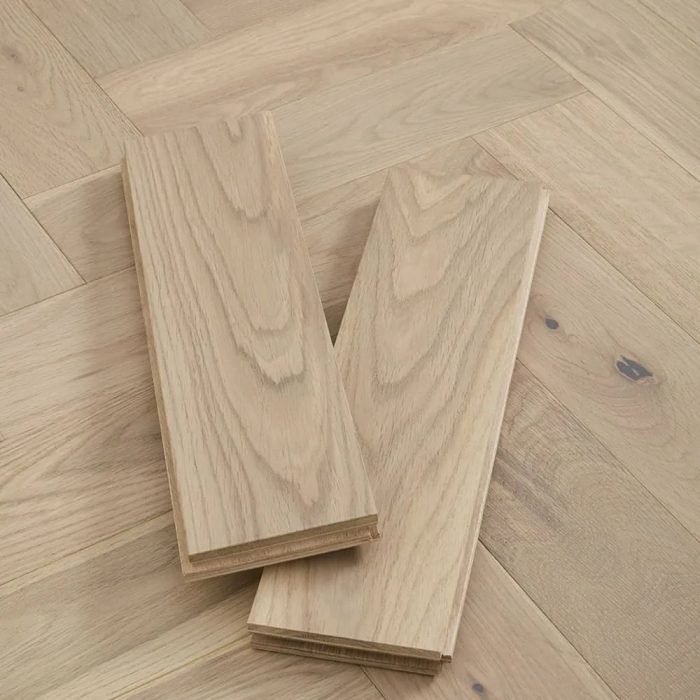
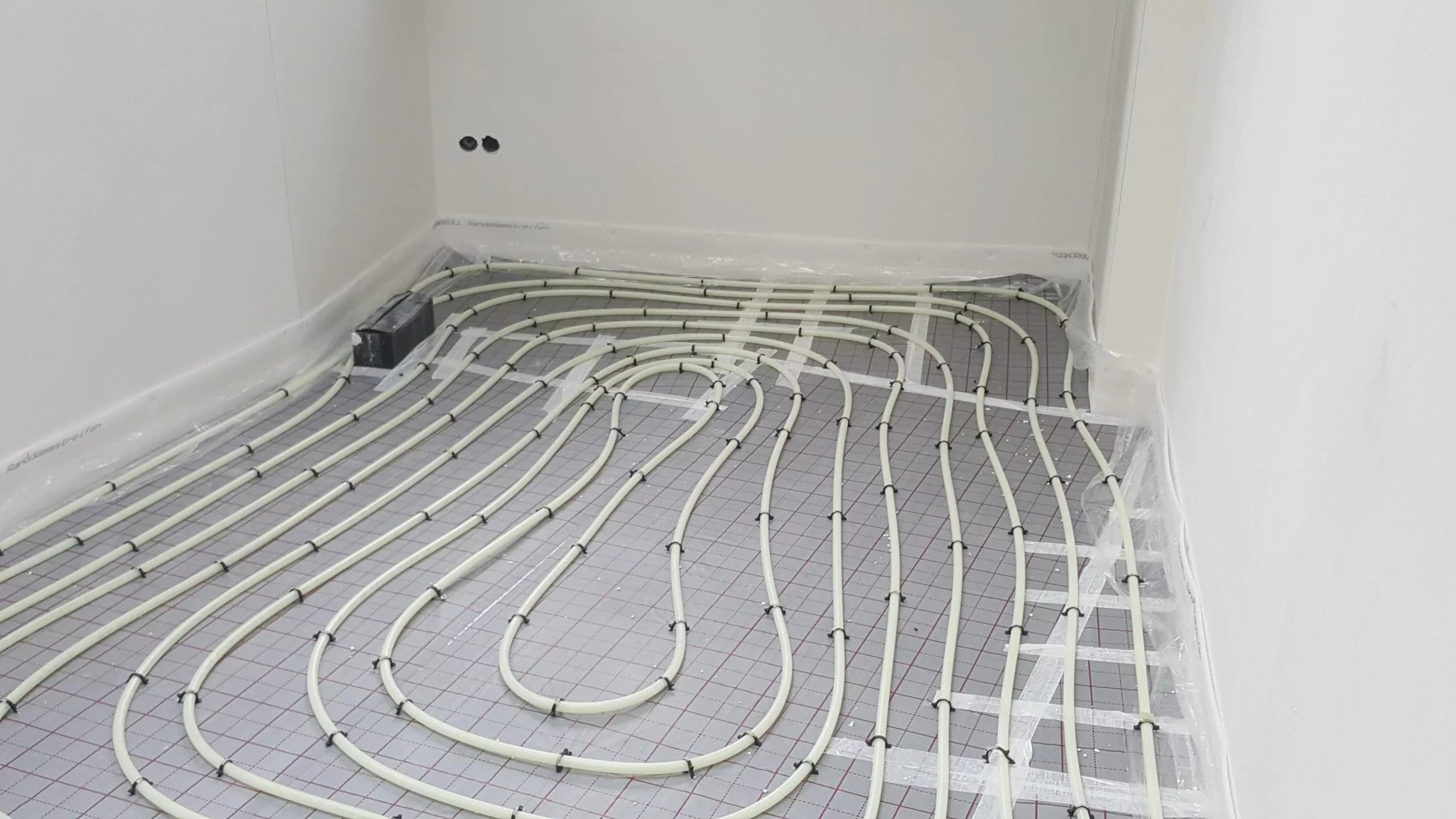
Keep it away from Victoria North and Collyhurst, where the screed carries heating – solid timber moves too much over a heat source to be the right choice.
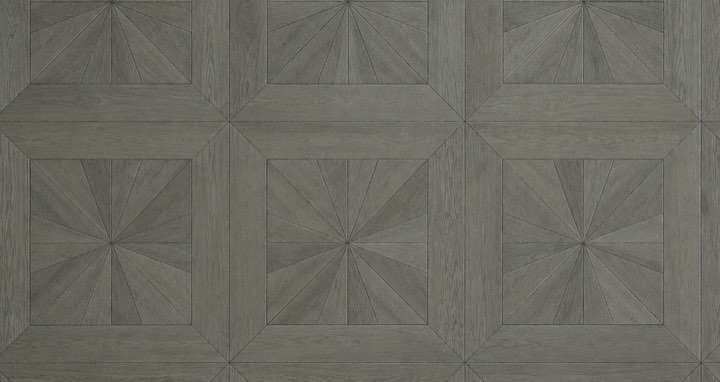
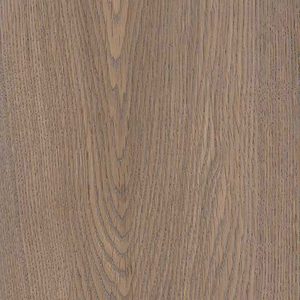
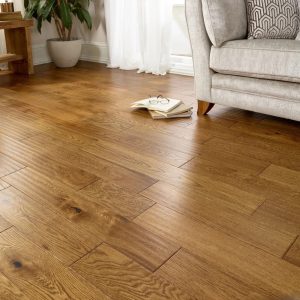
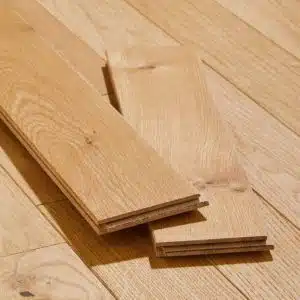
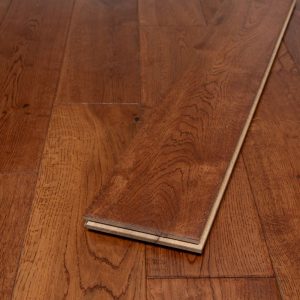
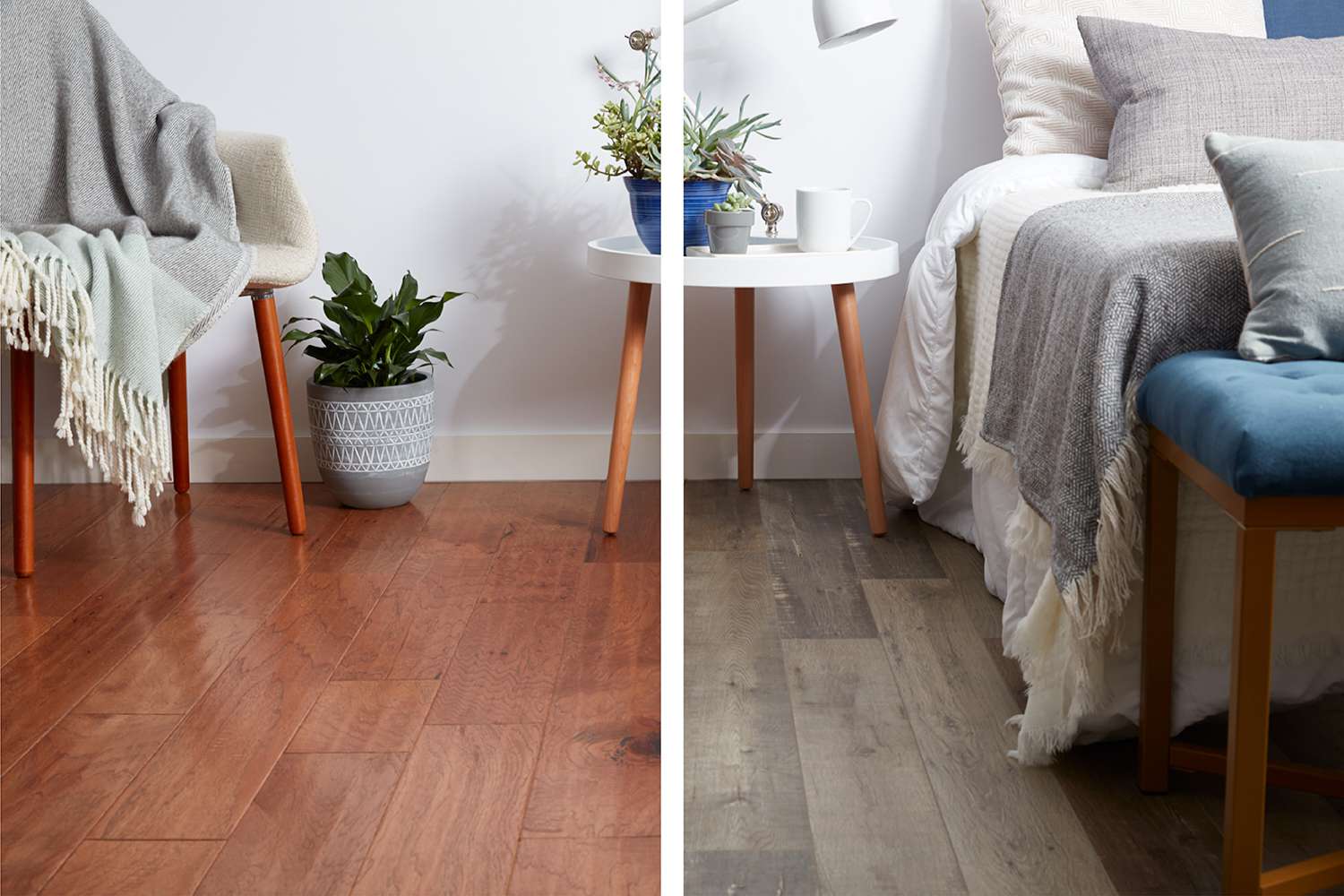
Solid oak has a narrow but real place in Manchester: the owner-occupied Victorian terraces of Chorlton, Whalley Range and Victoria Park, where the ground floor is suspended timber over a ventilated void and nobody is about to lay heating under it. A Windsor board in a period width goes tongue and groove over the joists or a plywood deck once the boards below have been checked and the moisture reading taken.
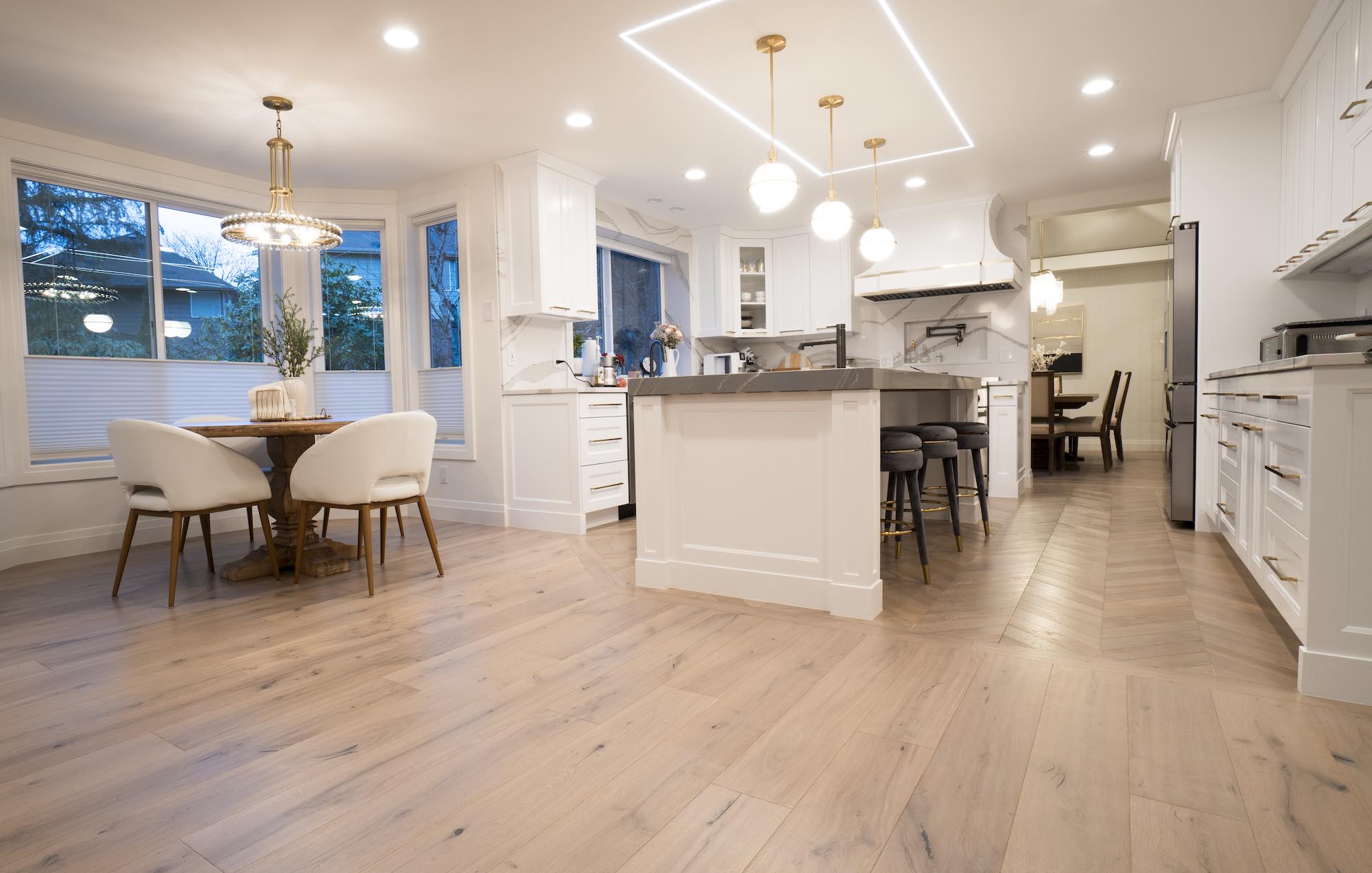
With private renting as large as ownership in the city, the honest advice is that a solid floor is an owner’s purchase. It is sanded and refinished across decades, which a landlord between tenancies does not need, and it is the wrong construction for the heated screeds at Red Bank and Collyhurst Village, where the engineered range takes its place.
Flats are 35% of the homes in the Manchester district, and a flat is usually the wrong place for a solid board: the base is often concrete, the lease usually has an impact-sound clause, and a solid floor cannot be floated on an acoustic underlay. In a converted house with a timber floor and no clause, it can work; in a purpose-built block, an engineered board over acoustic underlay is the right answer and the wood looks the same.
Terraced houses are 28% of the homes in the Manchester district, and a terrace is where solid oak is at home: the original floor was solid timber on joists, and a new solid board is fixed the same way, nailed or screwed through the tongue into the joists or a ply overlay. The 90 mm Windsor Narrow boards suit the proportions of a terraced front room. What the terrace needs first is a dry, ventilated void underneath, because solid timber follows the moisture of the air around it.