
















Samples available UK-wide delivery

Your Basket

0

Your basket is empty

Browse our editorial collections and find your perfect floor.

Browse Collections
Subtotal £0.00
Shipping & discounts calculated at checkout
SSL encrypted — safe and secure
20mm Engineered Oak Flooring
Collection 1 min read

20mm Engineered Oak Flooring

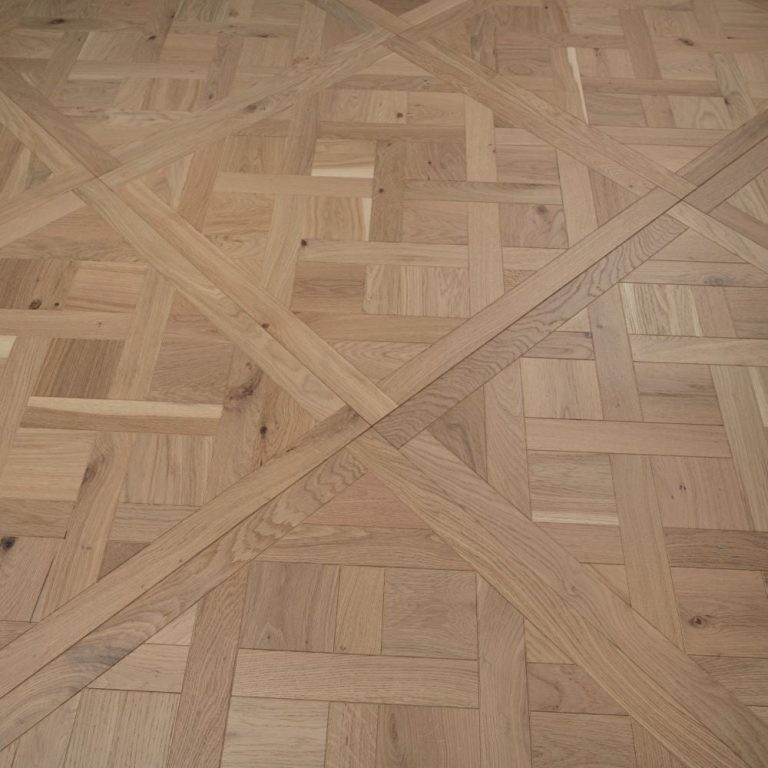
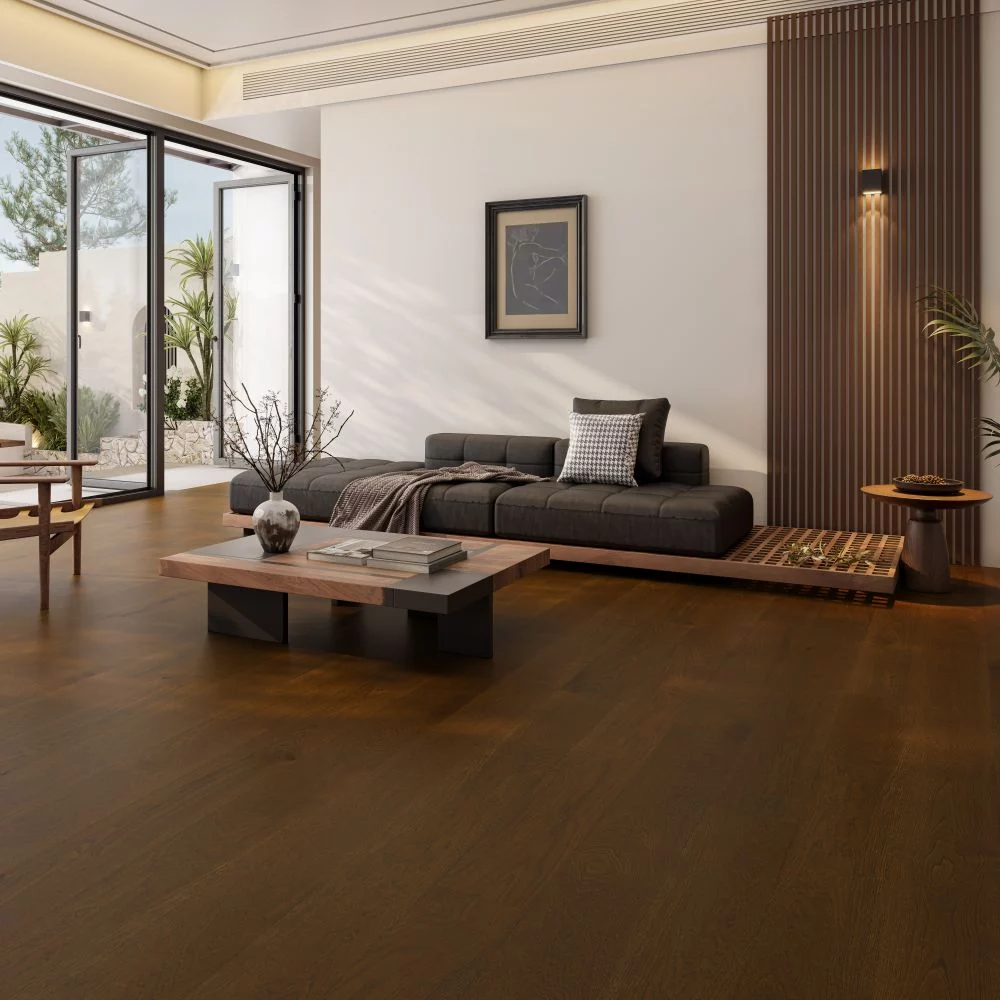
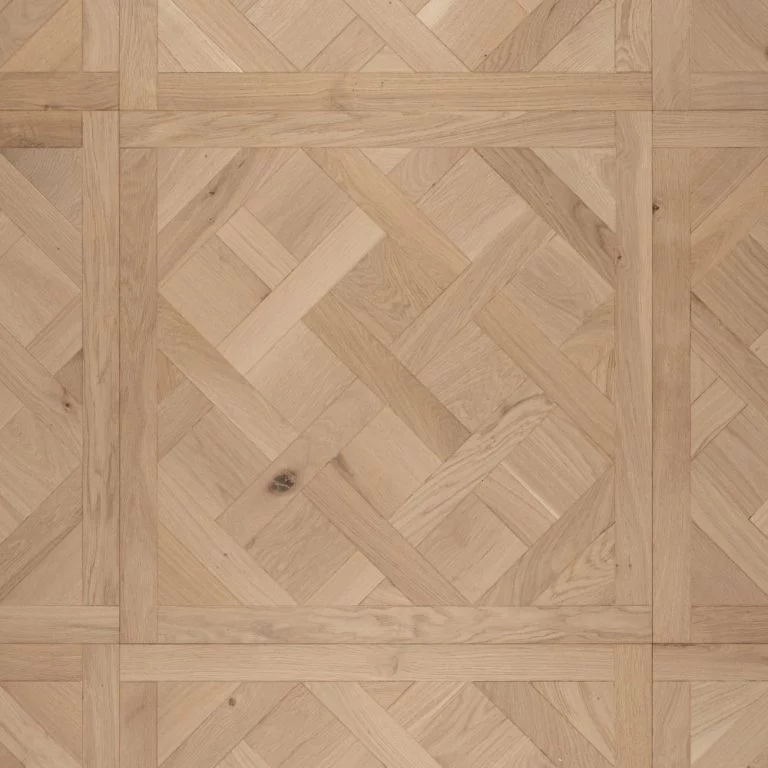
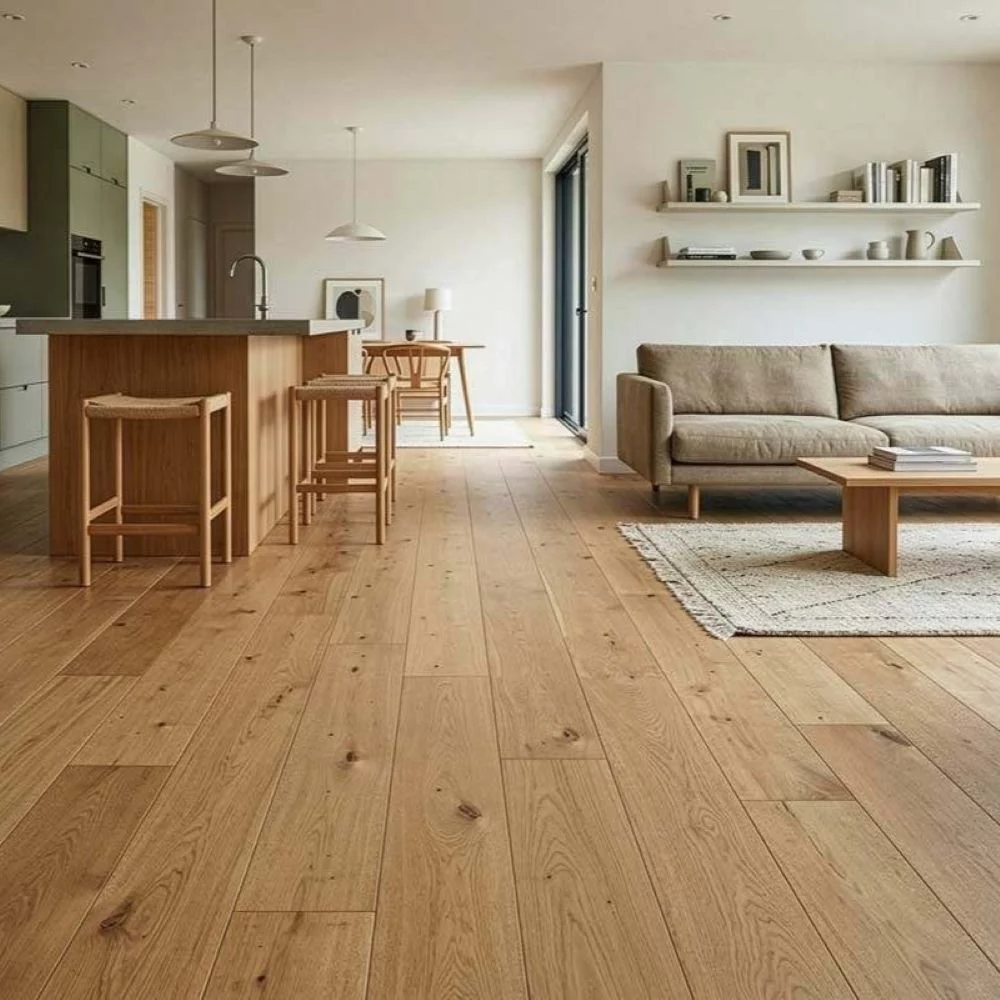
6 engineered oak floors in the range are 20 mm thick, on the catalogue of 20 October 2026: 3 planks and 3 Versailles panels. They carry an oak wear layer of 4 or 6 mm, and all 6 are listed as compatible with underfloor heating.

Floors
6
Thickness
20 mm
Widths
190 to 800 mm
Samples
£1.99 each
1/ 5
01

The 6 floors at 20 mm

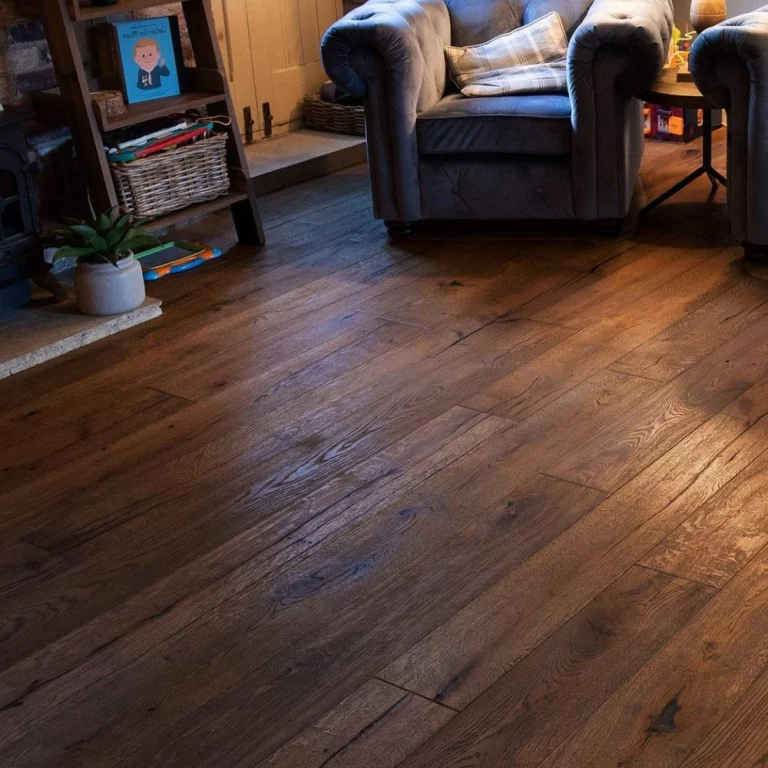
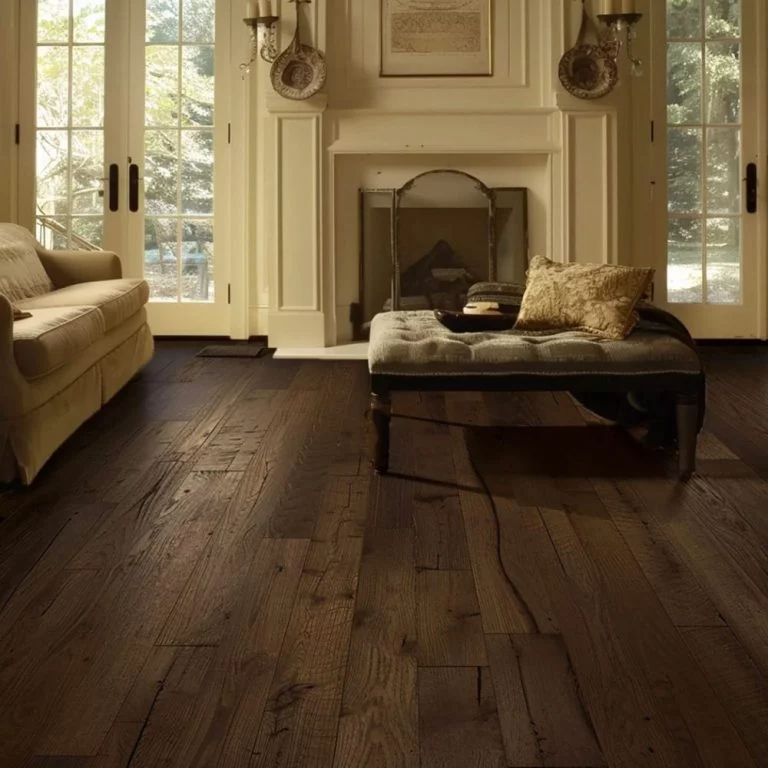
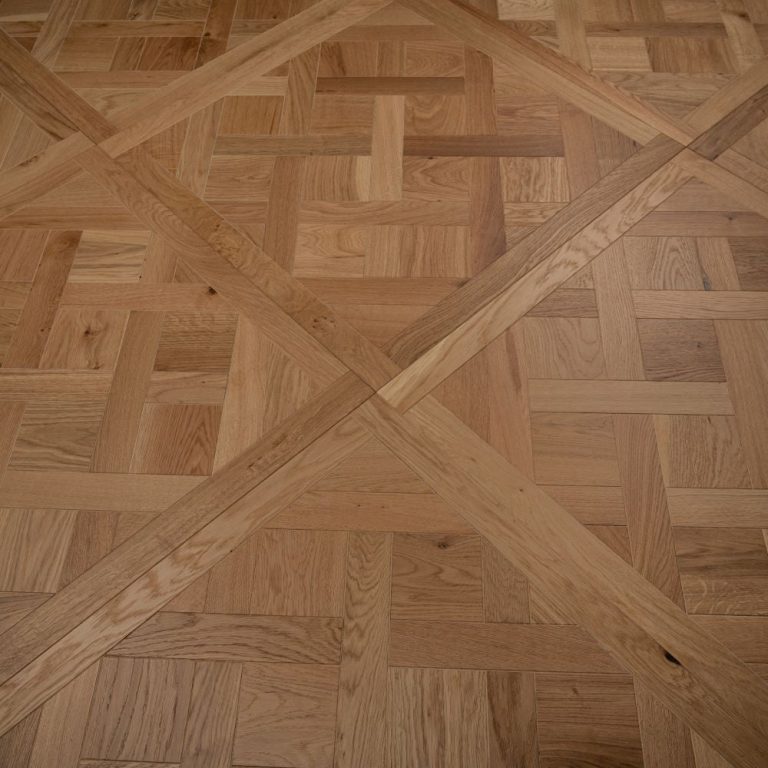
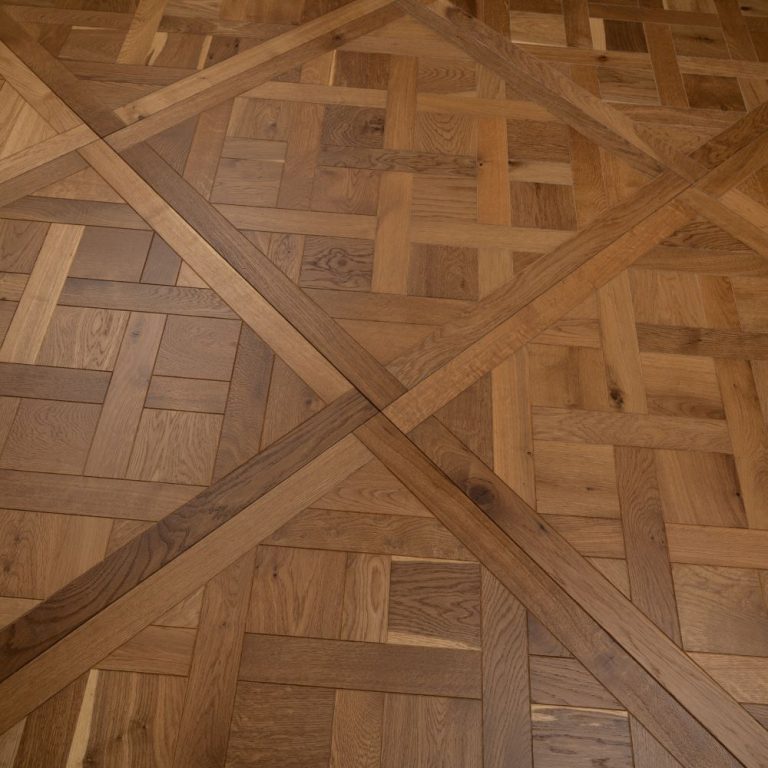
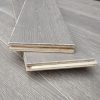
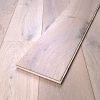
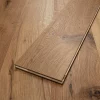
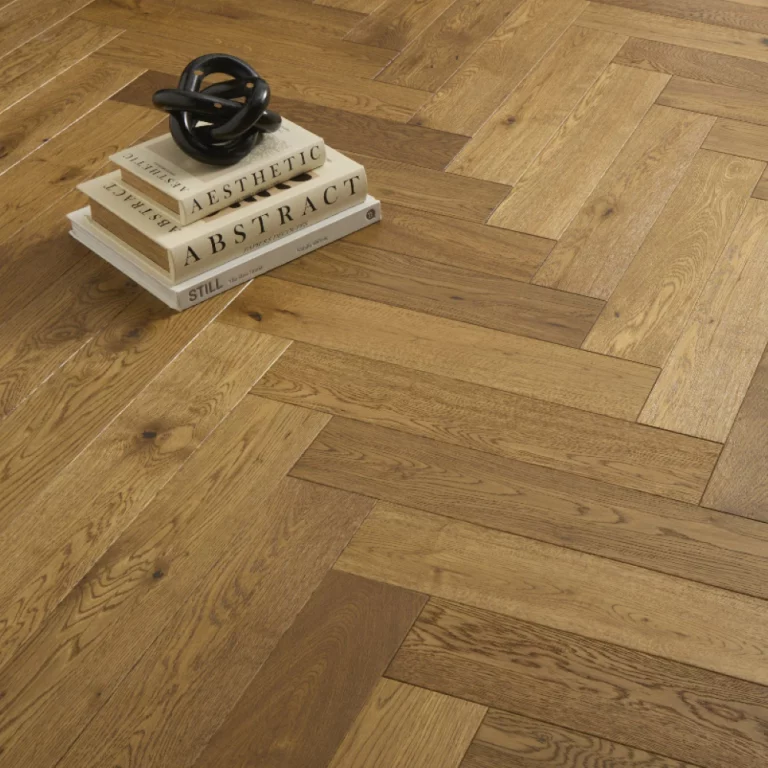
By format: 3 planks (190 to 220 mm or wider wide) and 3 Versailles panels of 800 x 800 mm. By range: Victorian (2), Avignon (1), Bordeaux (1), Montpellier (1) and Richmond (1). The planks have a 6 mm oak wear layer, the panels 4 mm.

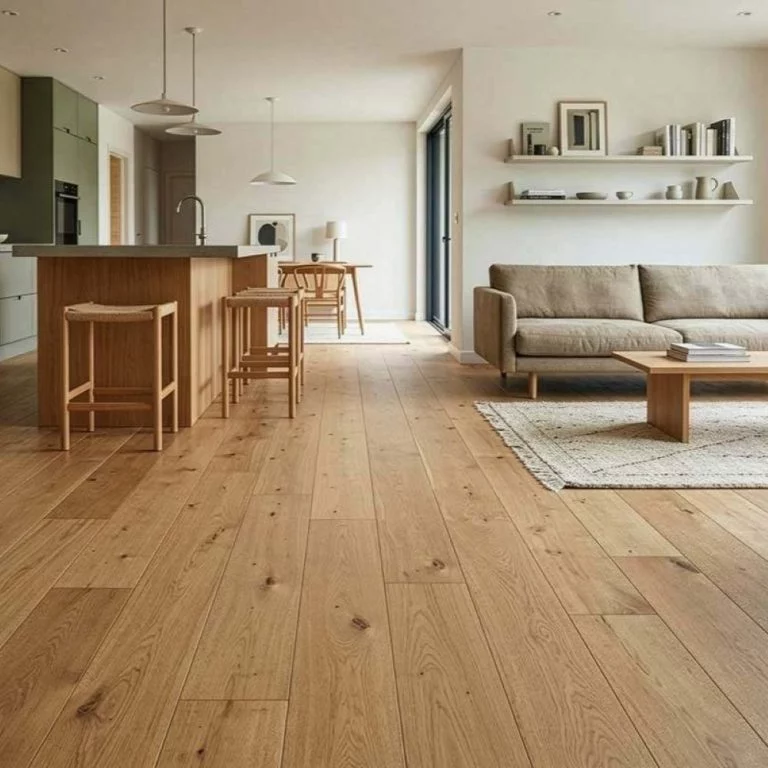
Planks (3)
02

Side by side

ProductConstructionThicknessWear layerWidthFinish and surfaceUnderfloor heating
Avignon Oak Versailles Panel 20 x 800 x 800Engineered oak20 mm4 mm800 mmMatt lacquered, brushedCompatible
Bordeaux Oak Versailles Panel 20 x 800 x 800Engineered oak20 mm4 mm800 mmMatt lacquered, brushedCompatible
Montpellier Oak Versailles Panel 20 x 800 x 800Engineered oak20 mm4 mm800 mmInvisible matt lacquered, brushedCompatible
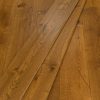
Victorian Antique Smoky Oak Flooring 20 x 190 x 1900Engineered oak20 mm6 mm190 mmHard wax oil, deep brushedCompatible
Victorian Antique Dark Oak Flooring 20 x 190 x 1900Engineered oak20 mm6 mm190 mmHard wax oil, deep brushedCompatible

Shown above, but not in the table until its listing gives one consistent thickness, wear layer and width: Richmond Natural Oak 20 x 240 x 2200.

03

What 20 mm changes

Two published figures bear on a 20 mm board. BEAMA's underfloor heating guide advises fixing engineered boards of less than 20 mm to additional decking when they go over joists rather than a screed, unless the manufacturer states otherwise; it also describes engineered timber as laid as a floating floor or nailed into battens or joists (both quoted below). These 6 are 20 mm, so that advice for thinner boards does not apply, and each floor's fitting instructions still decide. Thickness also holds heat back: Junckers, a manufacturer, gives 0.12 m²K/W for its own 20.5 mm boards against 0.08 at 14 mm.
See also
04

More flooring by feature

05

What the published standards say

Published standards

Each entry is quoted from its source and linked to it. The full set is in the standards reference.

Engineered boards under 20 mm over joists or battens

Unless installed over a screeded slab, engineered boards of less than 20 mm thickness should, according to BEAMA, be supported and fixed to an additional decking material for structural support, unless the manufacturer specifically states otherwise.

board thickness below which extra decking is advised (not over a screed)20 mm

“Unless installed over a screeded slab, engineered boards of less than 20mm thickness should be supported and fixed to an additional decking material to lend suitable structural support unless specifically stated”

Source: BEAMA Underfloor Heating — Choosing your floor covering to maximise your underfloor heating efficiency (April 2020)

Engineered timber over underfloor heating: floating or nailed

BEAMA, the UK underfloor heating trade association, describes engineered timber as a more stable option than solid timber because it is cross-laminated, so that its moisture content is less critical, and says it can be laid directly over underfloor heating as a floating floor or nailed into battens or joists.

“Engineered timber – A more stable option than solid timber, due to being cross-laminated, its moisture content is less critical. It can be laid directly over the underfloor heating as a ‘floating floor’ or nailed into battens or joists.”

Source: BEAMA Underfloor Heating — Choosing your floor covering to maximise your underfloor heating efficiency (April 2020)

Thermal resistance of wood boards by thickness

Junckers gives the thermal resistance of its wood floorboards as 0.08 m2K/W at 14 mm, 0.09 at 15 mm, 0.12 at 20.5 mm and 0.13 at 22 mm, adds the underlay to the board, and works the example of a 14 mm board on its PolyFoam underlay (0.07) to a total of 0.15 m2K/W.

14 mm floorboards0.08 m2K/W
15 mm floorboards0.09 m2K/W
20.5 mm floorboards0.12 m2K/W
22 mm floorboards0.13 m2K/W
Junckers PolyFoam underlay0.07 m2K/W
Junckers Foam underlay0.04 m2K/W

“22 mm floorboards: 0.13 20.5 mm floorboards: 0.12 15 mm floorboards: 0.09 14 mm floorboards: 0.08 Intermediate layer: Junckers PolyFoam, incl. extra 0.20 mm PE membrane: 0.07 Junckers Foam: 0.04 … Example: 14 mm clip system laid on PolyFoam, the total insulation is: md = 0.08 + 0.07 = 0.15 m² °K/W.”

Source: Junckers — Underfloor Heating, General Information (technical data sheet E 4.0)

BS EN 13489 — multi-layer parquet

BS EN 13489 is the product standard for multi-layer parquet elements, setting out their characteristics, requirements and test methods for internal use as flooring.

“This document specifies the characteristics, requirements and test methods of multi-layer parquet elements for internal use as flooring.”

Source: BS EN 13489:2023 - Wood-flooring and parquet. Multi-layer parquet elements
See it in your own light first
Cut samples are £1.99 each, up to two per product. Look at them on the floor in the morning and in the evening before you order.
Share
Not sure it suits your room?
A real cut from a real board. Samples £1.99 each, up to 10 per order.
Order samples · £1.99
Newsletter

New ranges and offers. Hear it first.

Unsubscribe anytime